
The "Tough Guy" Facade: Peeling Back Layers for Mental Wellbeing


Welcome to Mind Care Guide.
Feeling like you have to be strong all the time? It's a familiar struggle, and you're not alone. We understand the pressure to maintain a "tough guy" facade, but at what cost to your mental wellbeing? This guide is here to help you gently explore those hidden layers. Let's start Dealing with emotional vulnerability now and discover a path to deeper self-compassion and resilience. Curious to learn more? Let's begin.
- The Stoic Facade: Peeling Back Layers for Mental Wellbeing - A Mind Care Guide
- Why Addressing Emotional Vulnerability is Crucial for Men's Long-Term Wellbeing
- Peeling Back the Layers: Strategies for Addressing Emotional Vulnerability
- Practical Steps for Embracing Emotional Vulnerability in Daily Life
- Overcoming Barriers to Emotional Vulnerability
- The Benefits of Authenticity: Living Beyond the Stoic Facade
- Seeking Professional Help: When to Consider Therapy
- Resources for Men Seeking Support with Emotional Vulnerability
- Embracing a More Authentic and Emotionally Healthy Masculinity
-
Frequently Asked Questions
- How does the "Tough Guy" facade negatively impact mental well-being?
- What does it mean to be emotionally vulnerable?
- Why is dealing with emotional vulnerability now important for long-term mental health?
- What are some practical steps someone can take to start peeling back the "Tough Guy" facade?
- Where can individuals find resources and support for dealing with emotional vulnerability effectively?
- Final Reflection: Unmasking Strength, Embracing Vulnerability
- Unmask Your Strength: Take Charge of Your Mental Wellbeing
The Stoic Facade: Peeling Back Layers for Mental Wellbeing - A Mind Care Guide
Exploring the Societal Pressure on Men to Suppress Emotions
For generations, societal norms have often dictated that men should be strong, silent, and emotionally impenetrable. This pervasive cultural narrative, sometimes referred to as the "stoic facade," teaches men that expressing feelings like sadness, fear, or even joy too openly is a sign of weakness. From childhood, boys may receive subtle or explicit messages that "big boys don't cry" or that they need to "man up" when facing emotional challenges. This pressure can make dealing with emotional vulnerability now feel incredibly daunting, as it goes against deeply ingrained beliefs about masculinity.
This external pressure is reinforced through various channels, including media representations, family expectations, and peer interactions. Men learn to internalize these messages, believing that their value lies in their ability to withstand hardship without showing distress. This creates a significant barrier to open communication about mental health struggles, as admitting to feeling overwhelmed or vulnerable can feel like a failure to live up to these rigid standards. The expectation to always appear strong hinders the natural process of emotional processing and healthy self-expression.
The Impact of the Stoic Image on Mental Wellbeing
The constant effort required to maintain a stoic facade takes a significant toll on mental and physical health. Suppressing emotions doesn't make them disappear; it merely pushes them underground, where they can fester and manifest in unhealthy ways. This might include increased stress, anxiety, depression, anger issues, or even physical ailments like headaches or digestive problems. The emotional energy spent on concealment could be better used for healthy coping mechanisms and personal growth.
Furthermore, this emotional suppression often leads to social isolation. When men feel unable to share their true feelings or struggles, they may withdraw from friends and family, missing out on the crucial support networks that are vital for mental wellbeing. Research indicates that men are less likely than women to seek help for mental health issues, partly due to the stigma associated with vulnerability. This reluctance means that problems often escalate before they are addressed, making the journey towards recovery longer and more challenging. Dealing with emotional vulnerability now is essential to break this cycle of silent suffering.
Recognizing the Signs: When the Facade Crumbles
While the stoic facade is designed to hide inner turmoil, there are often subtle or overt signs that a man is struggling beneath the surface. These can manifest as increased irritability, anger outbursts disproportionate to the situation, or a noticeable withdrawal from social activities they once enjoyed. Changes in sleep patterns, appetite, or energy levels are also common indicators that someone is grappling with underlying emotional distress they are not expressing openly.
Other signs might include engaging in risky behaviors, increased alcohol or substance use as a coping mechanism, or a cynical or negative outlook on life. Sometimes, physical symptoms like chronic fatigue or unexplained aches and pains can be psychosomatic manifestations of suppressed emotional pain. Recognizing these signs in oneself or others is the first critical step towards acknowledging that the facade is unsustainable and that support is needed for dealing with emotional vulnerability now.
Why Addressing Emotional Vulnerability is Crucial for Men's Long-Term Wellbeing
The Long-Term Consequences of Suppressed Emotions
The cumulative effect of long-term emotional suppression can be severe and far-reaching. Men who consistently bottle up their feelings face higher risks of developing chronic mental health conditions such as major depressive disorder or generalized anxiety disorder. Studies have shown a correlation between emotional inhibition and increased risk of cardiovascular problems, highlighting the very real physical toll of this psychological pattern. For instance, research published in the Journal of Psychosomatic Research has linked alexithymia (difficulty identifying and describing emotions) to various health issues.
Beyond individual health, suppressed emotions impact relationships, leading to communication breakdowns, lack of intimacy, and increased conflict. Without the ability to express needs or feelings, misunderstandings flourish. In extreme cases, the inability to cope with emotional pain can tragically lead to suicidal ideation. Globally, men account for a significantly higher percentage of suicides than women; for example, in the United States, men died by suicide nearly 4 times the rate of women in 2020, according to the CDC. This stark statistic underscores the critical need for men to feel safe and empowered in dealing with emotional vulnerability now.
Breaking the Cycle: Learning to Embrace Vulnerability
Embracing vulnerability is not about being weak; it's about being courageous enough to be authentic. It involves acknowledging your feelings, needs, and limitations without shame. This process requires conscious effort and a willingness to challenge deeply ingrained beliefs about strength. For many men, this journey begins with small steps, such as identifying a safe person to confide in or simply allowing themselves to feel an emotion without immediately trying to suppress it.
Learning to embrace vulnerability is fundamentally about giving yourself permission to be human. It means understanding that experiencing and expressing emotions is a normal and healthy part of life, not a defect. This shift in perspective is foundational for improving mental wellbeing and building stronger, more genuine connections with others. It's about replacing the rigid, fragile 'tough guy' image with a more flexible, resilient, and emotionally intelligent self. Dealing with emotional vulnerability now opens the door to true inner strength.
Connecting Emotional Vulnerability to Improved Mental Health Outcomes
Directly addressing and dealing with emotional vulnerability now is strongly linked to better mental health outcomes. When men are able to identify and articulate their feelings, they are better equipped to understand the root causes of their distress and seek appropriate support. This might involve talking to a friend, journaling, engaging in creative expression, or pursuing therapy. Each of these actions is facilitated by a willingness to engage with one's internal emotional landscape.
Furthermore, expressing vulnerability fosters deeper, more meaningful relationships. When you allow yourself to be seen, flaws and all, it invites others to do the same, creating a space of mutual trust and understanding. This social connection is a powerful buffer against stress and loneliness, which are significant risk factors for mental health problems. Men who embrace vulnerability report feeling more authentic, experiencing less internal conflict, and enjoying improved overall psychological health.
Peeling Back the Layers: Strategies for Addressing Emotional Vulnerability

Identifying and Challenging Limiting Beliefs About Masculinity
A crucial first step in dealing with emotional vulnerability now is to examine the beliefs you hold about what it means to be a man. Ask yourself: Where did I learn that men shouldn't cry? What messages did I receive about showing fear or sadness? These beliefs are often societal constructs, not inherent truths. Recognizing their external origin is the first step to dismantling them.
Challenge these beliefs actively. For example, if you believe "real men don't ask for help," counter that thought with evidence that asking for help is a sign of strength and self-awareness. Consider examples of respected figures who have openly discussed their struggles. Understanding that vulnerability is not the opposite of strength, but often a source of it, is key to rewiring your perspective.
Developing Emotional Awareness: Understanding Your Feelings
Emotional awareness is the ability to identify and understand your own emotions. For men accustomed to suppressing feelings, this can be challenging, like learning a new language. Start by simply noticing physical sensations – a tight chest might indicate anxiety, a knot in your stomach could be fear. Connect these sensations to potential emotions.
Practice labeling your feelings. Instead of saying "I feel bad," try to be more specific: "I feel frustrated," "I feel disappointed," "I feel overwhelmed." Journaling about your day or using a mood tracker app can help build this vocabulary and understanding over time. The more accurately you can name an emotion, the better you can understand what's causing it and how to address it. This skill is fundamental for dealing with emotional vulnerability now effectively.
Building Emotional Resilience: Coping with Difficult Emotions
Emotional resilience isn't about avoiding difficult feelings, but about developing healthy ways to cope with them when they arise. This involves building a toolkit of strategies that help you navigate distress without resorting to suppression or unhealthy behaviors. Techniques might include mindfulness meditation, deep breathing exercises, or engaging in physical activity.
- [ ] Practice deep breathing when feeling overwhelmed.
- [ ] Engage in a hobby that helps you relax.
- [ ] Spend time in nature.
- [ ] Listen to music that matches or helps shift your mood.
- [ ] Write down your thoughts in a journal.
Developing resilience is an ongoing process that strengthens your capacity to handle life's inevitable challenges while staying connected to your emotions.
Practical Steps for Embracing Emotional Vulnerability in Daily Life
Practicing Self-Compassion: Being Kind to Yourself During Difficult Times
Embracing vulnerability means acknowledging that you are human and will experience difficult emotions and make mistakes. Self-compassion involves treating yourself with the same kindness, understanding, and acceptance you would offer a close friend who is struggling. This is particularly important when you are dealing with emotional vulnerability now, as it can feel uncomfortable or unfamiliar.
Instead of self-criticism when you feel vulnerable or emotional, try acknowledging the difficulty of the moment. For example, you might think, "This is hard right now, and it's okay to feel this way." Understand that suffering and imperfection are part of the shared human experience. Practicing self-compassion reduces the fear associated with emotional expression and makes it easier to be authentic.
Seeking Support: The Importance of Connection and Sharing
You don't have to navigate emotional vulnerability alone. Connecting with others is one of the most powerful ways to build resilience and improve mental health. Identify trusted friends, family members, or partners with whom you feel safe sharing aspects of your inner world. Start small if necessary, perhaps sharing a minor frustration or worry before moving on to deeper feelings.
Sharing your experiences can normalize your feelings and provide validation. Hearing that others have similar struggles can reduce feelings of isolation and shame. Whether it's joining a support group, talking to a mentor, or simply having an open conversation with a friend over coffee, seeking support is a vital step in dealing with emotional vulnerability now and building a strong support system.
Communicating Your Needs: Expressing Your Emotions Effectively
Learning to communicate your needs and emotions clearly and assertively is a key component of embracing vulnerability. This involves using "I" statements to express how you feel without blaming others, such as "I feel overwhelmed by this workload" instead of "You're giving me too much to do." Be specific about what you need, whether it's support, space, or just someone to listen.
Effective communication builds stronger relationships and ensures your needs are met. It reduces the likelihood of resentment building up due to unexpressed feelings. Mastering this skill requires practice, and it's okay if it feels awkward at first. The goal is progress, not perfection, in expressing your emotions and needs.
Overcoming Barriers to Emotional Vulnerability
Addressing Fear of Judgment and Rejection
One of the most significant barriers to dealing with emotional vulnerability now is the fear that others will judge or reject you for showing your true feelings. This fear is often rooted in past experiences or the societal conditioning mentioned earlier. It's a powerful deterrent, but it can be overcome by starting in safe, low-stakes environments.
Choose one or two people you deeply trust – individuals who have demonstrated empathy and acceptance in the past. Practice being slightly more open with them. As you have positive experiences, your confidence will grow, gradually reducing the power of this fear. Remember that true connection is built on authenticity, and those who truly care about you will likely respond with support, not judgment.
Managing Shame and Guilt Associated with Vulnerability
Shame and guilt can be potent forces that keep men trapped behind the stoic facade. Shame tells you there is something fundamentally wrong or defective with you for having certain feelings or needs. Guilt relates to feeling bad about something you did. Both can make the thought of revealing vulnerability feel unbearable.
Recognize that feeling emotions is a universal human experience and is not inherently shameful. Shame thrives in secrecy. Bringing your feelings into the light, perhaps by discussing them with a trusted person or therapist, can significantly reduce their power. Understand that vulnerability is not a moral failing but an aspect of being human.
Building Trust and Safety in Relationships
Vulnerability requires trust. You need to feel safe to open up without fear of ridicule, betrayal, or having your feelings dismissed. Building trust in relationships is a gradual process that involves consistent, reliable, and empathetic interactions. It's a two-way street: you build trust by being trustworthy yourself and by carefully selecting who you open up to initially.
Focus on nurturing relationships with people who demonstrate active listening, offer non-judgmental support, and respect your boundaries. These are the individuals who can provide a safe harbor as you practice dealing with emotional vulnerability now. It's okay to take your time and test the waters before fully opening up.
The Benefits of Authenticity: Living Beyond the Stoic Facade
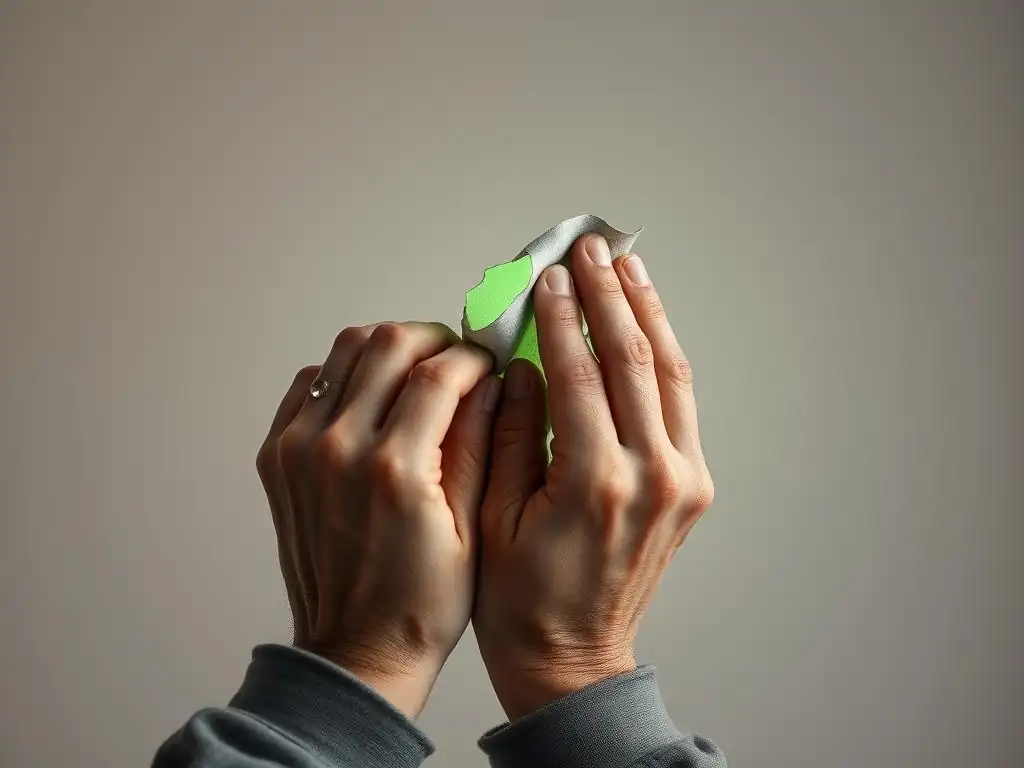
Improved Relationships and Deeper Connections
Shedding the stoic facade and embracing emotional vulnerability is transformative for relationships. When you are authentic, you allow others to truly see and understand you, fostering genuine intimacy and connection. Sharing your struggles and triumphs, your fears and your joys, creates a foundation of trust and mutual respect.
Authenticity invites reciprocity. As you open up, others are more likely to feel comfortable doing the same, leading to richer, more supportive relationships. This contrasts sharply with the superficial connections often maintained when everyone is hiding behind a facade.
Increased Self-Esteem and Confidence
Living authentically, aligned with your true feelings rather than a rigid performance, significantly boosts self-esteem and confidence. When you no longer expend energy maintaining a false front, you free up mental and emotional resources. Accepting yourself, including your vulnerabilities, builds a stronger sense of self-worth.
Confidence derived from authenticity is more robust and sustainable than confidence based on appearing outwardly strong or perfect. It comes from knowing and accepting who you are, rather than striving to meet an impossible standard. Successfully navigating the challenges of dealing with emotional vulnerability now reinforces your capacity for growth and resilience.
Reduced Stress and Anxiety
The constant effort to suppress emotions is incredibly stressful. It's like holding a beach ball underwater – it requires continuous energy and the pressure is always there. Allowing yourself to feel and express emotions releases this pressure, leading to a tangible reduction in stress and anxiety levels.
Processing emotions in a healthy way prevents them from accumulating and overwhelming you. This emotional release can lead to improved sleep, reduced physical tension, and a greater sense of ease and calm in daily life. Embracing vulnerability is not just good for your emotional health; it's good for your entire nervous system.
Seeking Professional Help: When to Consider Therapy
Understanding the Role of Therapy in Addressing Emotional Vulnerability
Therapy provides a safe, confidential, and non-judgmental space to explore emotions and experiences that may be difficult to share elsewhere. A trained therapist can help you understand the roots of your difficulty with emotional expression, challenge limiting beliefs about masculinity, and develop healthy coping mechanisms.
Therapy is not just for crises; it can be a powerful tool for personal growth and self-discovery. For men specifically, it offers a structured environment away from societal pressures to practice identifying, understanding, and expressing feelings. Therapists can provide tailored strategies for dealing with emotional vulnerability now and building resilience.
Finding a Therapist Who Specializes in Men's Mental Health
While any competent therapist can help, finding one who has experience working with men's issues or a specific interest in men's mental health can be particularly beneficial. These therapists are often more attuned to the unique challenges men face regarding emotional expression and societal expectations.
Look for therapists who use approaches that resonate with you, whether it's cognitive behavioral therapy (CBT), psychodynamic therapy, or other modalities. Don't hesitate to ask a potential therapist about their experience working with male clients or their perspective on masculinity and emotions during an initial consultation.
Finding a Therapist: SAMHSA's Behavioral Health Treatment Services Locator
For those in the United States seeking professional help, the Substance Abuse and Mental Health Services Administration (SAMHSA) offers a free, confidential online tool. SAMHSA's Behavioral Health Treatment Services Locator can help you find mental health and substance use treatment facilities and programs near you. It's a valuable resource for taking that crucial step towards getting support for dealing with emotional vulnerability now.
You can search by location, type of service, and payment options. Utilizing resources like this makes the process of finding help less overwhelming and more accessible.
Resources for Men Seeking Support with Emotional Vulnerability
Relevant Organizations: The Movember Foundation, Man Therapy, HeadsUpGuys
Several organizations are dedicated to supporting men's mental health and challenging the stigma around emotional expression. The Movember Foundation focuses on a range of men's health issues, including mental health and suicide prevention, encouraging men to talk more openly.
Man Therapy uses humor and straight talk to encourage men to take action for their mental health, framing mental health issues in a way that resonates with a male audience. HeadsUpGuys is a resource specifically designed to help men fight depression, offering practical tips, information, and stories of recovery. Exploring these sites can provide valuable insights and a sense of community for men dealing with emotional vulnerability now.
Book Recommendations: "I Don't Want to Talk About It" by Terrence Real, "No More Mr. Nice Guy" by Robert Glover
Reading can be a powerful way to gain perspective and tools for dealing with emotional vulnerability now. "I Don't Want to Talk About It: Overcoming the Secret Legacy of Male Depression" by Terrence Real is a seminal work that explores how societal pressures contribute to hidden depression in men and offers insights into recovery.
"No More Mr. Nice Guy: A Proven Plan for Getting What You Want in Love, Sex, and Life" by Robert Glover, while broader than just vulnerability, addresses how men's attempts to be overly agreeable and avoid conflict can lead to resentment and lack of authenticity, touching on themes related to suppressing true feelings and needs.
Embracing a More Authentic and Emotionally Healthy Masculinity
Redefining Strength: Emotional Intelligence as a Core Value
True strength lies not in the absence of emotion, but in the capacity to understand, manage, and express emotions constructively. This is the essence of emotional intelligence. Redefining masculinity means valuing qualities like empathy, self-awareness, effective communication, and the ability to form deep, meaningful connections – all of which are facilitated by emotional openness.
This shift in perspective moves away from a narrow, rigid definition of 'toughness' towards a broader, more resilient understanding of what it means to be a strong man in the modern world. Embracing emotional intelligence as a core value empowers men to navigate complex social landscapes and build fulfilling lives.
Creating a Culture of Support and Understanding for Men's Mental Health
Breaking down the stoic facade requires a collective effort. We need to create environments – in families, workplaces, and communities – where men feel safe and encouraged to talk about their mental health struggles without fear of judgment or ridicule. This involves actively challenging harmful stereotypes and promoting positive examples of male vulnerability.
Initiatives like men's mental health awareness campaigns, peer support groups, and open conversations within social circles contribute to this cultural shift. By normalizing the discussion around mental health and emotional challenges, we make it easier for men to seek help when they need it and to practice dealing with emotional vulnerability now as a path to wellness.
Fostering Open Conversations About Emotional Wellbeing
The most direct way to dismantle the stoic facade is through open, honest conversation. Encourage men in your life to share how they are feeling, and be prepared to listen without trying to fix or judge. Share aspects of your own struggles (appropriately and safely) to model vulnerability.
These conversations can happen anywhere – over dinner, during a walk, or in a dedicated support setting. The goal is to create a space where men feel heard and validated, reinforcing the message that it is not only acceptable but courageous to acknowledge and express one's emotions. Fostering these conversations is vital for long-term mental wellbeing and makes dealing with emotional vulnerability now a shared, rather than solitary, journey.
Frequently Asked Questions
How does the "Tough Guy" facade negatively impact mental well-being?
The "Tough Guy" facade often prevents individuals from acknowledging and processing their emotions. This suppression can lead to increased stress, anxiety, and ultimately, poorer mental health outcomes.
What does it mean to be emotionally vulnerable?
Emotional vulnerability is the willingness to expose your genuine feelings and experiences, including those that might be perceived as weaknesses. It involves embracing and accepting the full spectrum of human emotions.
Why is dealing with emotional vulnerability now important for long-term mental health?
Addressing emotional vulnerability allows for healthier coping mechanisms to develop. Delaying this process can result in bottled-up emotions that eventually manifest as more serious mental health challenges later in life.
What are some practical steps someone can take to start peeling back the "Tough Guy" facade?
Begin by identifying and acknowledging your emotions without judgment. Practicing self-compassion and seeking support from trusted individuals can also be beneficial first steps.
Where can individuals find resources and support for dealing with emotional vulnerability effectively?
Mind Care Guide offers a comprehensive range of resources including articles, support groups, and information on professional help. These resources can help individuals navigate their emotional journeys safely and effectively.
Final Reflection: Unmasking Strength, Embracing Vulnerability
The societal pressure to maintain a "tough guy" facade is not only outdated but actively detrimental to men's mental wellbeing. This outdated ideal prevents open communication, stifles emotional growth, and contributes to a pervasive silence surrounding mental health struggles. The consequences are far-reaching, impacting not only individuals but also their relationships and communities.
The erosion of traditional masculinity is a necessary step towards a healthier society, one where vulnerability is seen not as weakness, but as a sign of strength and authenticity. This shift requires a conscious effort from individuals and society as a whole. The most courageous act is still to think for yourself. Aloud.
– Coco Chanel. This quote resonates deeply because true strength lies not in suppressing emotions, but in acknowledging and processing them. My own journey in understanding and challenging this facade has been transformative, highlighting the importance of self-compassion and the power of honest self-reflection.
Now, I invite you to consider your own relationship with vulnerability. Are you allowing yourself to feel the full spectrum of human emotion, or are you hiding behind a mask? Take a moment to reflect on the ways in which societal pressures might be influencing your emotional expression. The path to genuine wellbeing begins with self-awareness and a willingness to embrace the complexities of the human experience. Let's dismantle the "tough guy" facade together, one courageous conversation at a time.
Unmask Your Strength: Take Charge of Your Mental Wellbeing
Thanks for taking the time to explore the complexities of masculinity and mental health. You've gained valuable insights into breaking down barriers and prioritizing your wellbeing. Now, let's turn those insights into action!
- Prioritize a self-care ritual: Identify one small, manageable act of self-care you can integrate into your daily routine. This could be a 10-minute mindfulness session, a short walk, or even just a few minutes of stretching. Make it a non-negotiable.
- Share your story (if you feel comfortable): Connecting with others who understand can be incredibly powerful. Consider sharing your reflections on this article with a trusted friend, family member, or online community.
- Challenge a limiting belief: Identify one belief you hold about masculinity that might be hindering your emotional well-being. Consciously challenge it, even if just for a few minutes, and consider how you might reframe your thinking.
What small, powerful step will you take today to nurture your mental strength?