
The Dopamine Diet: Eating for a Healthy Reward System

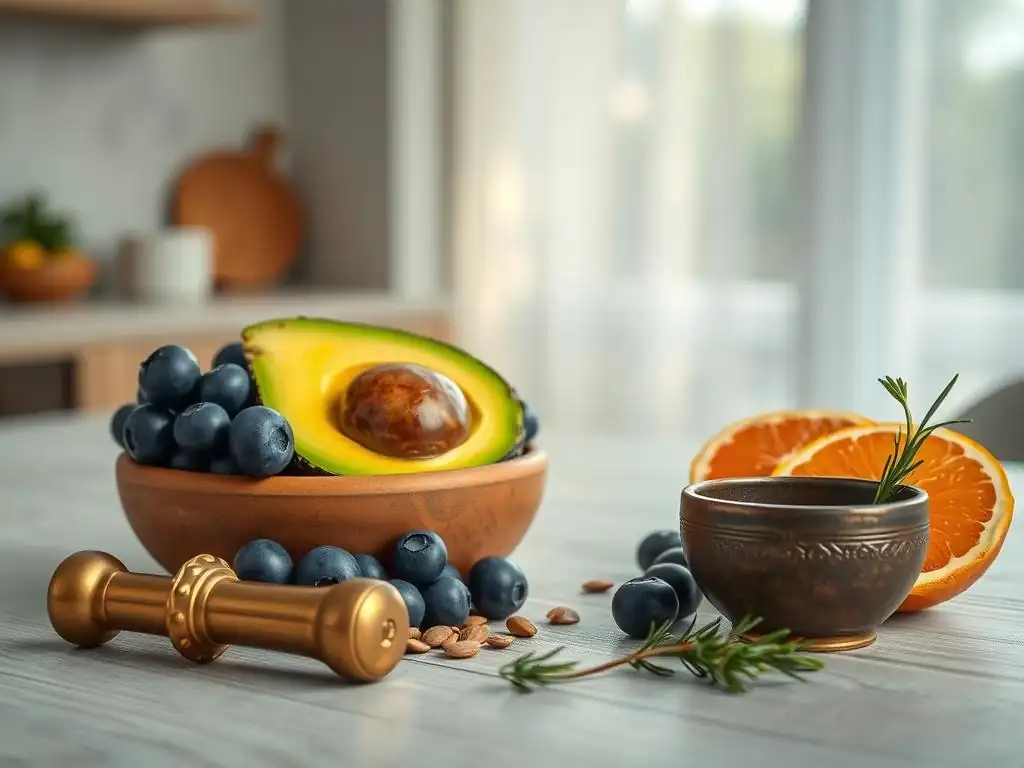
Welcome to Mind Care Guide, your haven for navigating the complexities of mental well-being.
Are you feeling like your motivation has taken a nosedive? Or perhaps you're simply seeking a more balanced and fulfilling life? You're not alone. We understand the intricate connection between what we consume and how we feel. That's why we're diving deep into the fascinating world of the Dopamine Diet and its surprising impact on mental health. Curious about how food can influence your brain's reward system? Let's explore how strategic dietary choices can potentially revitalize your mood and motivation, starting with our comprehensive guide below.
The Dopamine Diet: Eating for a Healthy Reward System
- Understanding the Dopamine Diet and Mental Health
- Dopamine-Boosting Foods: A Guide to Enhancing Your Mental State
- The Dopamine Diet Plan: Sample Meals and Guidelines
- The Impact of the Dopamine Diet on Mental Health Conditions
- Potential Risks and Side Effects of the Dopamine Diet
- Lifestyle Factors to Enhance Dopamine Levels Alongside Diet
- Beyond Food: Holistic Approaches to Balancing Dopamine for Mental Wellness
- Maintaining a Healthy Dopamine System Long-Term
-
Frequently Asked Questions
- What exactly is the Dopamine Diet and how does it relate to mental health?
- How does the Dopamine Diet differ from other diets that focus on weight loss or physical health?
- Can the Dopamine Diet be considered a treatment for mental health conditions like depression or anxiety?
- What are some examples of foods typically included in a Dopamine Diet?
- Are there any potential risks or drawbacks associated with following the Dopamine Diet?
- Final Reflection: Rewiring Your Reward System for Lasting Well-being
- Unlock Your Brain's Reward System: Start Eating for Dopamine Today!
Understanding the Dopamine Diet and Mental Health
What is the Dopamine Diet?
The concept often referred to as the "Dopamine Diet" isn't a strict clinical regimen but rather a dietary approach focusing on consuming foods that provide the building blocks and cofactors necessary for dopamine production and function in the brain. Dopamine is a crucial neurotransmitter involved in pleasure, motivation, and reward.
While the popular interpretation sometimes oversimplifies its complexity, the core idea revolves around optimizing nutrient intake to support the brain's reward system and overall mental well-being. This dietary focus emphasizes proteins rich in the amino acid tyrosine, along with other nutrients like antioxidants, vitamins, and minerals that play roles in neurotransmitter synthesis and protection against oxidative stress.
This approach to eating for dopamine and mental health is less about eliminating food groups (as some fad diets might suggest) and more about prioritizing nutrient-dense options. It recognizes that what we eat significantly impacts brain chemistry and function, which in turn affects our mood, motivation, and cognitive abilities. By understanding which foods provide the necessary precursors and support molecules, individuals can make informed choices to potentially enhance their mental state and support a healthy reward system. The goal is to foster a sustainable eating pattern that contributes positively to long-term mental wellness, rather than a quick fix.
The Role of Dopamine in Mental Wellbeing
Dopamine plays a pivotal role in many aspects of mental wellbeing, extending far beyond just pleasure. It is central to the brain's reward system, influencing our drive and motivation to pursue goals. When we engage in behaviors that lead to a reward, dopamine pathways are activated, reinforcing those behaviors and making us more likely to repeat them. This system is essential for learning, goal-directed behavior, and even basic survival functions. A well-functioning dopamine system is associated with feelings of satisfaction, focus, and the ability to experience pleasure from daily activities.
Conversely, imbalances in dopamine levels or signaling are implicated in various mental health conditions. Low levels or impaired function can contribute to symptoms of depression, lack of motivation, difficulty experiencing pleasure (anhedonia), and problems with focus and attention. Understanding dopamine's complex role helps illuminate why nutritional support for dopamine synthesis is gaining traction as a component of a holistic approach to mental health. Optimizing the nutrients available for dopamine production through a focused diet is seen as one way to support these critical brain functions and potentially improve mental wellbeing.
Dopamine's Influence on Mood, Motivation, and Reward
Dopamine is perhaps best known for its influence on mood, motivation, and the perception of reward. When we anticipate or receive something rewarding, dopamine is released in specific brain areas, creating feelings of pleasure and satisfaction. This motivates us to repeat behaviors that led to the reward, whether it's achieving a goal, eating a delicious meal, or engaging in social interaction. This motivational drive is fundamental to human behavior and achievement.
Beyond immediate pleasure, dopamine also impacts our overall mood and emotional regulation. It's part of the complex neurochemical balance that influences how we feel day-to-day. Furthermore, dopamine is crucial for executive functions, including planning, decision-making, and maintaining focus – all of which are essential for motivation and pursuing long-term goals. Supporting a healthy dopamine system through a balanced diet, including specific nutrient-rich foods, is therefore considered a key strategy for enhancing motivation, stabilizing mood, and improving the brain's ability to process rewards effectively, contributing positively to dopamine diet mental health strategies.
Dopamine-Boosting Foods: A Guide to Enhancing Your Mental State
Foods That Naturally Increase Dopamine Levels
Certain foods contain nutrients that serve as precursors or cofactors for dopamine synthesis. While no food directly contains dopamine in a form that can cross the blood-brain barrier and act as a neurotransmitter, consuming foods rich in specific amino acids, vitamins, and minerals provides the brain with the necessary raw materials. For instance, foods high in tyrosine, an amino acid, are particularly important because tyrosine is a direct precursor to dopamine. Including these foods in your diet can support the brain's ability to produce this vital neurotransmitter.
Incorporating a variety of these nutrient-dense foods into your daily meals is a practical approach to supporting dopamine levels. Examples include lean proteins, certain fruits and vegetables, nuts, and seeds. The focus is on providing the brain with the building blocks it needs in a sustainable and healthy way, contributing to the overall benefits of a dopamine diet for mental health. It's about nourishing your body in a way that optimizes brain function and supports your mental state.
The Importance of Tyrosine-Rich Foods
Tyrosine is an essential amino acid obtained from protein-rich foods, and it plays a critical role in the synthesis of several neurotransmitters, including dopamine, norepinephrine, and epinephrine. Consuming adequate amounts of tyrosine ensures that the brain has the necessary precursor to produce dopamine. When tyrosine intake is insufficient, dopamine production can potentially be limited, impacting mood, motivation, and focus. Foods particularly rich in tyrosine include lean meats like chicken and turkey, fish, eggs, dairy products such as milk and cheese, nuts (like almonds), seeds (like pumpkin and sesame), and legumes.
Making a conscious effort to include these tyrosine-rich foods in your daily meals can be a foundational step in supporting your dopamine levels through diet. For example, starting the day with eggs or Greek yogurt, having a lunch with lean protein like chicken or fish, and snacking on almonds can help ensure a steady supply of tyrosine. This focus on protein sources is a key component of a dietary approach aimed at supporting a healthy dopamine system and improving mental health outcomes.
Benefits of Antioxidant-Rich Foods
Beyond providing precursors, protecting brain cells from damage is crucial for maintaining healthy neurotransmitter systems, including dopamine pathways. Antioxidants are compounds found in many plant foods that help protect cells from oxidative stress caused by free radicals. Oxidative stress has been linked to neuroinflammation and damage to neurons, which can impair neurotransmitter function. By neutralizing free radicals, antioxidants contribute to the overall health and longevity of brain cells involved in dopamine production and signaling.
Foods high in antioxidants include colorful fruits and vegetables such as berries (like blueberries and strawberries), dark leafy greens (like spinach and kale), nuts (like walnuts and pecans), seeds, and dark chocolate (in moderation). Incorporating a wide variety of these foods into your diet provides a spectrum of protective compounds like flavonoids, vitamins C and E, and carotenoids. This focus on colorful, plant-based foods complements the intake of protein-rich tyrosine sources, offering a comprehensive nutritional strategy to support dopamine diet mental health.
The Connection Between Gut Health and Dopamine Production
Emerging research highlights a significant connection between gut health and brain function, often referred to as the gut-brain axis. The gut microbiome, the trillions of bacteria and other microorganisms living in our digestive tract, plays a surprising role in the production of neurotransmitters and other neuroactive compounds. While the gut primarily produces dopamine that acts locally within the digestive system, it also influences brain chemistry through various pathways, including the vagus nerve and the production of short-chain fatty acids and other metabolites that can cross the blood-brain barrier.
Maintaining a diverse and healthy gut microbiome is increasingly recognized as important for overall mental well-being, including the regulation of neurotransmitter systems. An imbalanced gut microbiome (dysbiosis) has been associated with various neurological and psychiatric conditions. Therefore, supporting gut health through diet, particularly by consuming probiotic and prebiotic-rich foods, can be an indirect but potentially impactful way to support brain health and potentially influence dopamine levels and function within the context of a dopamine diet mental health strategy.
Probiotics and Their Impact
Probiotics are live beneficial bacteria that, when consumed in adequate amounts, confer a health benefit to the host, particularly by improving the balance of the gut microbiome. Some strains of probiotics have been shown in studies to produce neurotransmitters, including dopamine, or influence their levels. While the exact mechanisms by which gut-produced dopamine or other microbial metabolites impact brain dopamine are complex and still being researched, maintaining a healthy gut flora through probiotic intake appears to be a supportive measure for overall brain health and mood regulation.
Sources of probiotics include fermented foods like yogurt with live and active cultures, kefir, sauerkraut, kimchi, miso, and kombucha. Including these foods regularly in your diet can help populate your gut with beneficial bacteria. While the direct impact on brain dopamine levels is still a subject of ongoing research, supporting a healthy gut microbiome through probiotics is a valuable part of a holistic approach to mental wellness and can complement a dopamine-supportive diet.
The Gut-Brain Axis
The gut-brain axis is a bidirectional communication system that links the central nervous system with the enteric nervous system of the gut. This communication occurs through various pathways, including neural (like the vagus nerve), hormonal, and immunological signals, as well as through metabolites produced by the gut microbiome. The gut microbiome can influence brain function and behavior by producing neuroactive substances, modulating inflammation, and affecting the integrity of the gut lining, which can impact what substances enter the bloodstream and reach the brain.
Disruptions in the gut-brain axis, often stemming from an unhealthy diet, stress, or antibiotic use, can impact mood, cognitive function, and potentially neurotransmitter balance. For instance, inflammation originating in the gut can affect brain inflammation, which is linked to various mental health conditions. Supporting the gut-brain axis through a diet rich in fiber (prebiotics), fermented foods (probiotics), and anti-inflammatory nutrients is crucial for overall brain health and complements the specific focus on dopamine precursors in a dopamine diet mental health plan.
The Dopamine Diet Plan: Sample Meals and Guidelines

Creating a Dopamine-Friendly Meal Plan
Creating a dopamine-friendly meal plan involves prioritizing nutrient-dense foods that support dopamine synthesis and overall brain health, while also ensuring balance and variety. The focus should be on incorporating adequate protein sources rich in tyrosine throughout the day, along with plenty of fruits, vegetables, healthy fats, and complex carbohydrates. It's not about eliminating entire food groups but rather making mindful choices that nourish your brain. Planning meals and snacks in advance can help ensure you consistently consume foods that support your mental well-being.
A key guideline is to avoid excessive consumption of highly processed foods, sugary drinks, and unhealthy saturated or trans fats, as these can contribute to inflammation and negatively impact brain health and neurotransmitter function. Instead, emphasize whole, unprocessed foods. For instance, instead of a sugary pastry for breakfast, opt for Greek yogurt with berries and nuts.
For lunch, choose lean protein with a large salad. Dinner could be fish or chicken with roasted vegetables and a whole grain. This approach helps stabilize blood sugar levels and provides a steady supply of nutrients for dopamine production and overall brain function, supporting the goals of a dopamine diet for mental health.
Sample Dopamine Diet Meal Ideas
Here are some sample meal ideas that incorporate foods known to support dopamine production and overall brain health:
- Breakfast: Scrambled eggs with spinach and mushrooms (tyrosine, antioxidants), or Greek yogurt with berries, nuts, and a sprinkle of seeds (tyrosine, antioxidants, healthy fats, fiber).
- Lunch: Grilled chicken or salmon salad with mixed greens, avocado, and various colorful vegetables, dressed with olive oil and lemon juice (tyrosine, omega-3s, antioxidants, healthy fats). Alternatively, a lentil soup with a side of whole-grain bread and a piece of fruit (tyrosine, fiber, complex carbs, antioxidants).
- Dinner: Baked cod or turkey breast with a side of quinoa and steamed broccoli (tyrosine, omega-3s/lean protein, complex carbs, antioxidants). Another option is a tofu stir-fry with plenty of colorful vegetables and a light soy-based sauce, served over brown rice (tyrosine from tofu, antioxidants, complex carbs).
- Snacks: A handful of almonds or walnuts (tyrosine, healthy fats), a piece of fruit like a banana or apple (vitamins, fiber), a small container of plain yogurt (tyrosine, probiotics), or a hard-boiled egg (tyrosine).
These examples illustrate how to combine protein sources with fruits, vegetables, and healthy fats to create balanced meals that support brain health and neurotransmitter function, aligning with the principles of a dopamine diet mental health plan.
The Importance of Balanced Nutrition
While focusing on dopamine-supportive foods is beneficial, it's crucial to remember that balanced nutrition is the cornerstone of overall health, including mental health. The brain requires a wide array of nutrients to function optimally, not just those directly involved in dopamine synthesis. Vitamins like B vitamins (especially B6, B12, and folate), vitamin D, and minerals like magnesium, zinc, and iron are all essential cofactors in neurotransmitter production and brain health. Omega-3 fatty acids, found in fatty fish, flaxseeds, and walnuts, are also vital for brain structure and function.
A dietary approach focused solely on boosting one neurotransmitter could lead to nutritional imbalances if not carefully managed. Therefore, the most effective strategy for supporting dopamine and mental health is to adopt a varied, whole-foods-based diet that provides all the necessary macronutrients (protein, carbohydrates, fats) and micronutrients (vitamins and minerals). This ensures that the brain receives comprehensive support, promoting not just dopamine synthesis but also overall neural health, reducing inflammation, and supporting energy metabolism, all of which are interconnected aspects of mental wellbeing.
The Impact of the Dopamine Diet on Mental Health Conditions
Dopamine Diet for Depression
Depression is a complex condition involving imbalances in several neurotransmitter systems, including dopamine, serotonin, and norepinephrine. While diet alone is not a cure for depression, nutritional interventions focused on supporting neurotransmitter production and reducing inflammation can play a supportive role in managing symptoms. A diet rich in tyrosine-containing proteins, omega-3 fatty acids, B vitamins, and antioxidants provides the necessary building blocks and protective factors for brain health, which is crucial for individuals experiencing depression.
For instance, research suggests a link between low intake of omega-3 fatty acids and increased risk of depression. Similarly, deficiencies in certain B vitamins can impact neurotransmitter synthesis. By focusing on nutrient-dense foods as part of a dopamine diet mental health strategy, individuals may help optimize their brain's ability to produce and utilize dopamine and other mood-regulating neurotransmitters. This can contribute to improved energy levels, motivation, and the capacity to experience pleasure, offering a complementary approach alongside conventional treatments.
Managing Anxiety with a Dopamine-Regulating Diet
Anxiety disorders are also multifaceted, involving complex interactions between brain regions and neurotransmitter systems. While dopamine's role in anxiety is less straightforward than in depression (sometimes implicated in both increasing and decreasing anxiety depending on the brain region and context), a balanced diet that supports overall brain health and neurotransmitter function can be beneficial. Diets that promote stable blood sugar levels, reduce inflammation, and provide essential nutrients can help regulate mood and reduce anxiety symptoms.
Specifically, focusing on magnesium-rich foods (like leafy greens, nuts, and seeds), which has calming properties, and ensuring adequate intake of complex carbohydrates to support serotonin production can be helpful. While the term "dopamine diet" might primarily focus on dopamine, a truly brain-supportive diet for anxiety should encompass a broader range of nutrients. Reducing intake of caffeine, alcohol, and excessive sugar, which can exacerbate anxiety symptoms, is also critical. A comprehensive dietary approach, including elements of a dopamine-supportive plan, can contribute to a more stable and less reactive emotional state, aiding in the management of anxiety.
Dietary Strategies for Improved Focus
Dopamine is intimately involved in the brain's attention and focus systems. It plays a key role in the prefrontal cortex, the area responsible for executive functions like attention, planning, and working memory. Supporting healthy dopamine levels through diet can therefore potentially enhance focus and cognitive performance. Ensuring a consistent supply of tyrosine through regular protein intake is important, as is maintaining stable blood sugar levels, which prevents energy crashes that impair concentration.
Incorporating foods rich in omega-3 fatty acids is also beneficial for cognitive function and focus. Studies have shown that adequate omega-3 intake is associated with better attention and working memory. Furthermore, consuming antioxidant-rich foods helps protect the brain from oxidative damage that can impair cognitive function over time. Dietary strategies for improved focus, therefore, align well with the principles of a dopamine diet mental health approach, emphasizing protein, healthy fats, and antioxidants while avoiding processed foods and excessive sugar that can cause energy and focus fluctuations.
Potential Risks and Side Effects of the Dopamine Diet
Potential Downsides of Overstimulation
While supporting healthy dopamine levels is beneficial, some popular interpretations of the "Dopamine Diet" advocate for extreme approaches, such as drastically increasing intake of certain foods or supplements while severely restricting others. This can potentially lead to an overstimulation of the reward pathways in the brain. While dopamine is associated with pleasure and motivation, an overactive or dysregulated dopamine system is linked to addictive behaviors and impulsivity. Constantly seeking external rewards or relying solely on food to stimulate dopamine can create an unhealthy relationship with eating and potentially lead to cravings or dependencies.
Furthermore, focusing excessively on foods perceived as "dopamine boosters" while neglecting other essential nutrients can lead to dietary imbalances. For example, relying heavily on high-protein foods to the exclusion of sufficient fiber from fruits, vegetables, and whole grains can negatively impact gut health and overall nutrient intake. It's crucial to approach dietary changes with balance and moderation, understanding that dopamine is part of a complex neurochemical network and shouldn't be targeted in isolation or through extreme measures.
The Importance of Moderation and Balance
As with any dietary approach, moderation and balance are paramount when considering a dopamine diet mental health strategy. Focusing on nutrient-dense foods that support dopamine synthesis is beneficial, but it should be part of an overall healthy eating pattern, not an extreme restriction or indulgence plan. Consuming excessive amounts of any single nutrient or food group can lead to unintended consequences and nutritional deficiencies in other areas. For example, while tyrosine is important, consuming protein far beyond your body's needs doesn't necessarily translate to significantly higher dopamine levels and can put strain on the kidneys.
A balanced diet ensures that you receive a full spectrum of vitamins, minerals, healthy fats, complex carbohydrates, and protein necessary for optimal brain function and overall health. It also promotes a healthier relationship with food, viewing it as nourishment rather than solely a tool to manipulate brain chemistry. Approaching the "Dopamine Diet" as a guideline for making nutrient-conscious choices within a balanced diet is the most sustainable and healthy way to support your mental well-being without risking potential downsides.
Consulting a Healthcare Professional
Before making significant changes to your diet, especially if you have existing mental health conditions or other medical concerns, it is highly recommended to consult with a healthcare professional, such as a doctor or a registered dietitian. They can provide personalized advice based on your individual health needs, medical history, and current medications. While dietary changes can be supportive, they should not replace prescribed treatments for mental health conditions.
A healthcare professional can help you assess whether a focus on dopamine-supportive foods is appropriate for you and guide you on how to implement such changes safely and effectively as part of a comprehensive mental health plan. They can also help identify any potential nutrient deficiencies or interactions with medications. Getting professional guidance ensures that your dietary efforts are beneficial and do not inadvertently cause harm or interact negatively with other aspects of your health management, providing a crucial safety net for anyone exploring a dopamine diet for mental health.
Lifestyle Factors to Enhance Dopamine Levels Alongside Diet

Exercise and Dopamine Production
Regular physical exercise is one of the most well-established ways to positively impact brain chemistry, including dopamine levels. Engaging in physical activity triggers the release of various neurotransmitters, including dopamine, serotonin, and endorphins, all of which contribute to improved mood and a sense of well-being often referred to as the "runner's high," though it applies to many forms of exercise. Different types of exercise, from aerobic activities like running and swimming to resistance training, have been shown to increase dopamine receptor density and synthesis over time.
Aiming for at least 150 minutes of moderate-intensity aerobic exercise or 75 minutes of vigorous-intensity exercise per week, as recommended by health guidelines, can be highly beneficial. Even shorter bursts of activity can have a positive impact. Incorporating exercise into your routine alongside a dopamine-supportive diet provides a powerful synergistic effect, further enhancing your brain's reward system and contributing significantly to improved dopamine diet mental health outcomes.
The Importance of Sleep
Sleep plays a critical role in regulating neurotransmitter systems, including dopamine. During sleep, the brain clears metabolic waste and consolidates memories, processes that are essential for healthy brain function. Sleep deprivation can disrupt dopamine receptor availability and function, leading to decreased motivation, impaired focus, and reduced ability to experience pleasure. Studies have shown that even partial sleep deprivation can significantly alter dopamine activity in brain regions associated with reward and motivation.
Prioritizing 7-9 hours of quality sleep per night is fundamental for maintaining healthy dopamine levels and overall mental well-being. Establishing a regular sleep schedule, creating a relaxing bedtime routine, and ensuring your sleep environment is dark, quiet, and cool can all contribute to better sleep quality. Addressing sleep issues is a crucial component of supporting your brain health and complements dietary and exercise efforts in promoting a healthy dopamine system for better mental health.
Stress Management Techniques
Chronic stress has a detrimental impact on brain chemistry and can disrupt neurotransmitter balance, including dopamine levels. When we are stressed, the body releases cortisol, a stress hormone, which in high levels can impair dopamine signaling and damage neurons in brain areas involved in the reward system. Learning effective stress management techniques is therefore vital for protecting dopamine function and maintaining mental health.
Techniques such as mindfulness meditation, deep breathing exercises, yoga, spending time in nature, or engaging in hobbies can help activate the parasympathetic nervous system, counteracting the effects of stress. Regularly practicing these techniques can help lower cortisol levels and create a more stable internal environment for neurotransmitter balance. Integrating stress management practices alongside a dopamine-supportive diet and exercise routine offers a holistic approach to supporting your brain and enhancing your dopamine diet mental health journey.
Beyond Food: Holistic Approaches to Balancing Dopamine for Mental Wellness
Mindfulness and Meditation
Mindfulness and meditation practices have been shown to have tangible effects on brain structure and function, including influencing neurotransmitter systems. Regular meditation can lead to increased activity in brain regions associated with attention and self-awareness, and some research suggests it may impact dopamine release and receptor sensitivity. By training the mind to be present and non-reactive, mindfulness can help regulate emotional responses and reduce the impact of negative thought patterns that can disrupt neurochemical balance.
Engaging in just a few minutes of mindfulness or meditation daily can cultivate a greater sense of calm and clarity. This practice helps individuals become more aware of their internal states, including mood and motivation, and provides tools to navigate challenges without overwhelming the stress response. Incorporating mindfulness into your daily routine complements dietary efforts by fostering a mental environment conducive to well-being and supporting the brain's natural ability to regulate neurotransmitters.
Humans are social creatures, and positive social interactions are intrinsically rewarding. Engaging in meaningful social connections triggers the release of various neurochemicals associated with pleasure and bonding, including dopamine and oxytocin. Feeling connected to others and participating in social activities can activate the brain's reward pathways, providing natural, healthy stimulation for the dopamine system. Conversely, social isolation and loneliness can have negative impacts on mental health and neurochemical balance.
Making time for friends and family, joining clubs or groups based on your interests, or volunteering are all ways to strengthen social connections. These interactions provide emotional support, reduce stress, and offer opportunities for positive experiences that naturally boost mood and motivation. Prioritizing social connection is a vital, non-dietary strategy that significantly contributes to a healthy dopamine system and overall mental wellness, working hand-in-hand with a focus on dopamine diet mental health.
The Role of Sunlight in Dopamine Synthesis
Exposure to natural sunlight has been linked to increased mood and energy levels, and research suggests it may influence dopamine levels in the brain. Sunlight exposure, particularly to the eyes, affects the production of serotonin and melatonin, which in turn can indirectly impact dopamine pathways and regulate circadian rhythms. Some studies indicate that sunlight exposure can increase dopamine receptor density. Seasonal Affective Disorder (SAD), a type of depression that occurs seasonally, is thought to be partly related to reduced sunlight exposure and its impact on neurotransmitter levels.
Aiming for safe sun exposure, ideally during morning hours, can be beneficial. Even short periods outdoors can make a difference. However, it's crucial to be mindful of sun protection to prevent skin damage. Combining sunlight exposure with outdoor activities like walking or exercise can provide a double benefit, supporting both dopamine production through light exposure and physical activity. Incorporating regular, safe time outdoors is a simple yet effective lifestyle factor that supports brain chemistry and complements a dopamine-supportive diet.
Maintaining a Healthy Dopamine System Long-Term
Sustainable Dietary Changes
Maintaining a healthy dopamine system through diet requires sustainable, long-term changes rather than temporary fixes. Fad diets that promise rapid results are often difficult to maintain and can lead to nutrient deficiencies or unhealthy eating patterns. The key is to adopt a balanced, whole-foods-based diet that you can follow consistently over time. This involves making gradual changes, focusing on incorporating more nutrient-dense foods, and developing healthy cooking habits.
Thinking of a "dopamine diet" not as a strict regimen but as a principle of prioritizing foods that support brain health allows for flexibility and enjoyment of eating. It's about building a foundation of healthy habits that nourish your body and mind consistently. Sustainable changes are those that fit into your lifestyle, are enjoyable, and provide your brain with the steady supply of nutrients it needs for optimal function and long-term mental well-being.
Monitoring Your Mental Health
Regularly monitoring your mental health is an important part of any strategy aimed at improving well-being, including dietary approaches. Pay attention to how the changes you are making affect your mood, energy levels, motivation, and overall outlook. Keep a journal to track your feelings and observe any patterns related to your diet, sleep, exercise, and stress levels. This self-monitoring can provide valuable insights into what works best for you.
It's important to be patient, as significant changes in mental health often take time. If you notice persistent difficulties or worsening symptoms, it's crucial to seek professional help. Diet is a supportive tool, but it is not a substitute for clinical treatment for mental health conditions. Monitoring your progress and being proactive about seeking support ensures that you are addressing your mental health needs comprehensively.
Seeking Professional Guidance
As emphasized earlier, seeking professional guidance is paramount for maintaining a healthy dopamine system and overall mental health long-term. A registered dietitian can help you create a personalized, sustainable meal plan that supports your brain health goals while meeting all your nutritional needs. A therapist or counselor can provide strategies for managing stress, addressing underlying issues, and developing healthy coping mechanisms that complement dietary changes.
For individuals with diagnosed mental health conditions, working with a psychiatrist or other medical doctor is essential to ensure that dietary and lifestyle changes are integrated safely with prescribed treatments. A collaborative approach involving various healthcare professionals ensures that you receive comprehensive support tailored to your unique situation, providing the best foundation for long-term mental wellness and effectively leveraging strategies like the dopamine diet for mental health.
Frequently Asked Questions
What exactly is the Dopamine Diet and how does it relate to mental health?
The Dopamine Diet isn't about directly increasing dopamine levels through food. Instead, it focuses on optimizing the reward system in the brain by promoting foods that are naturally enjoyable and contribute to overall well-being, potentially impacting mental health positively.
How does the Dopamine Diet differ from other diets that focus on weight loss or physical health?
Unlike diets solely focused on weight loss, the Dopamine Diet emphasizes the pleasure and satisfaction derived from food. It aims to create a more balanced and sustainable relationship with eating, potentially reducing stress and improving mental well-being, not just physical health.
Can the Dopamine Diet be considered a treatment for mental health conditions like depression or anxiety?
No, the Dopamine Diet is not a replacement for professional treatment for mental health conditions. While it may contribute to improved mood and overall well-being, it should be considered a complementary approach alongside therapy or medication. Always consult a professional.
What are some examples of foods typically included in a Dopamine Diet?
The diet often includes foods rich in tyrosine and phenylalanine, which are precursors to dopamine, such as almonds, avocados, bananas, beans, chicken, and eggs. It also emphasizes whole, unprocessed foods which contribute to a positive feeling and well-being.
Are there any potential risks or drawbacks associated with following the Dopamine Diet?
As with any dietary change, it's important to consider individual needs and potential allergies. Overly restricting certain food groups can be detrimental, and it's crucial to maintain a balanced and varied diet. Consultation with a nutritionist or healthcare professional is recommended.
Final Reflection: Rewiring Your Reward System for Lasting Well-being
The pursuit of a healthy dopamine response isn't just a fleeting trend; it's a fundamental shift in how we approach mental health. Understanding the intricate relationship between our diet and our brain's reward system is crucial for navigating the complexities of modern life and building resilience against stress and mental health challenges. This knowledge empowers us to take proactive steps towards a more balanced and fulfilling existence.
The impact of the dopamine diet extends far beyond individual well-being; it touches upon our collective understanding of mental health and the societal pressures that contribute to imbalances. We are increasingly recognizing the profound connection between what we consume and how we feel, challenging the simplistic view of mental health as solely a matter of genetics or circumstance. The body is your temple. Keep it pure and clean for the soul to reside in.
This ancient wisdom resonates deeply with the principles of the dopamine diet, highlighting the importance of nourishing our bodies to nurture our minds.
Now, consider your own relationship with food and pleasure. Are you consciously choosing foods that support a balanced dopamine response, or are you relying on quick fixes that lead to energy crashes and emotional imbalances? Take this opportunity to reflect on your eating habits and identify areas for improvement. Start small, perhaps by incorporating one new healthy habit each week. Remember, the journey towards a healthier reward system is a marathon, not a sprint, and every step you take is a step towards a more balanced and joyful life.
Unlock Your Brain's Reward System: Start Eating for Dopamine Today!
Thanks for taking the time to learn about the powerful connection between food and your brain's reward system. You've now got the tools to make smarter choices for a happier, healthier you! Let's put this knowledge into action:
- Begin your personalized Dopamine Diet plan today! Start by identifying one food you can swap for a healthier, more dopamine-supporting alternative. Small changes add up!
- Share your "Dopamine Diet Swap" on social media and inspire others to join you on this rewarding journey. Use #DopamineDietSwap to connect with our community.
- Explore our Mind Care Guide website for more articles on brain health and nutrition – you'll find recipes and tips to fuel your brain the right way!
Ready to experience the transformative power of conscious eating? What's one small change you'll make to your diet this week to boost your dopamine levels?