
Is a Couples Retreat Right for You? Find Out Now


Welcome to Mind Care Guide, a sanctuary for your mental well-being.
Feeling the strain in your relationship and wondering if there's a way to reconnect and reignite the spark? You're not alone. Many couples find themselves at a crossroads, seeking a path to deeper understanding and renewed intimacy. But could a change of scenery and dedicated focus truly make a difference?
Dive into our insightful exploration of couples retreat benefits mental health and discover if this transformative experience could be the key to unlocking a healthier, happier you and a stronger, more fulfilling relationship. What secrets do these retreats hold, and are they the right fit for your journey? Let's find out together...
- Understanding the Link Between Couples Retreats and Mental Health Benefits
- Identifying Your Relationship Needs: A Pre-Retreat Assessment
- Key Factors to Consider When Choosing a Couples Retreat
- Top Couples Retreat Programs for Enhanced Mental Well-being
- Maximizing the Mental Health Benefits of Your Couples Retreat
- Beyond the Retreat: Sustaining Mental Wellness in Your Relationship
- Investing in Your Relationship's Mental Health: Is a Couples Retreat Worth It?
-
Frequently Asked Questions
- Is a couples retreat just a fancy vacation, or does it genuinely offer mental health benefits?
- Can a couples retreat really help if we're dealing with serious mental health issues in our relationship, like anxiety or depression?
- What specific activities or therapies are typically included in a couples retreat that benefit mental health?
- How does taking time away from daily stressors at a couples retreat contribute to improved mental health for both individuals?
- Are the benefits of a couples retreat long-lasting, or is it just a temporary fix for relationship problems and mental health concerns?
- Final Reflection: Rekindling Connection, Recharging Your Soul
- Unleash Your Relationship's Potential: Take the Next Step
Understanding the Link Between Couples Retreats and Mental Health Benefits
Exploring the Mental Health Advantages of Relationship Retreats
Couples retreats offer a dedicated space and time away from daily stressors, providing a unique environment conducive to fostering relationship health and, consequently, individual and shared mental well-being. These structured getaways are designed to help partners reconnect, address underlying issues, and build stronger foundations, which can significantly alleviate stress, anxiety, and feelings of isolation often present in struggling relationships.
The focused attention on the partnership allows couples to step outside of their routines and gain fresh perspectives, often facilitated by trained professionals. This concentrated effort on the relationship itself is a direct investment in the mental health of both individuals, as a healthy partnership provides a vital support system against life's challenges.
One of the key mental health advantages observed in couples attending retreats is a reported reduction in conflict frequency and intensity. For instance, a non-clinical survey of attendees across various retreat types indicated that approximately 70% felt better equipped to handle disagreements constructively after their experience. This improvement in conflict resolution skills directly reduces relationship stress, a known contributor to anxiety and depression.
Furthermore, the structured communication exercises prevalent in many retreats help partners feel heard and understood, combating feelings of loneliness or resentment that can negatively impact mental state. The shared experience of working through challenges in a supportive setting can also rebuild trust and intimacy, which are essential components of emotional security and mental resilience within a partnership. These retreats specifically target the interconnectedness of relationship dynamics and mental well-being, highlighting how nurturing the partnership can yield significant couples retreat benefits mental health.
Why Choose a Couples Retreat for Mental Wellness?
Choosing a couples retreat is a proactive step towards enhancing both relationship health and personal mental wellness. Unlike individual therapy, which focuses primarily on one person's issues, or standard couples therapy which might be limited to weekly sessions, a retreat offers an intensive, immersive experience. This concentrated format allows couples to delve deeply into patterns and dynamics in a way that weekly sessions often cannot accommodate.
The removal from daily distractions – work, family obligations, technology – creates a mental space necessary for introspection and focused interaction with one's partner. This dedicated time signals a strong commitment to the relationship, which in itself can be a positive psychological boost for both individuals, fostering hope and a sense of shared purpose.
Moreover, retreats often incorporate therapeutic modalities and activities specifically chosen for their positive impact on emotional regulation and interpersonal skills. Techniques like mindfulness, breathwork, or guided meditations, commonly included in some retreats, are proven methods for reducing stress and increasing self-awareness – skills beneficial for individual mental health that also spill over into improved relationship interactions.
The group setting in some retreats can also provide a sense of community and normalization, helping couples realize they are not alone in their struggles, which can reduce feelings of shame or isolation. Ultimately, a couples retreat is an investment not just in the relationship's longevity, but specifically targets the couples retreat benefits mental health by providing tools, insights, and a supportive environment for growth and healing.
Identifying Your Relationship Needs: A Pre-Retreat Assessment
Are You Experiencing These Relationship Challenges?
Identifying specific challenges is a crucial first step in determining if a couples retreat is the right path for you and your partner. Common issues that retreats are designed to address include persistent communication breakdowns, feeling disconnected or distant from one another, recurring arguments about the same topics without resolution, or difficulty navigating major life transitions such as parenthood, career changes, or retirement. You might find yourselves talking at each other rather than with each other, or perhaps avoiding important conversations altogether.
A noticeable decline in intimacy, both emotional and physical, is another indicator. Consider if there's a lack of shared goals or a feeling that you're living parallel lives rather than a shared one.
Beyond specific conflicts, consider the underlying emotional climate of your relationship. Do you often feel misunderstood, criticized, or unappreciated? Is there a general sense of negativity, resentment, or emotional exhaustion? These feelings are significant signals that the relationship is impacting your individual mental health negatively.
For instance, chronic relationship conflict is associated with higher rates of depression and anxiety. If you find yourselves frequently walking on eggshells, experiencing high levels of stress directly attributable to relationship interactions, or feeling more unhappy when you are together than when you are apart, these are strong indicators that a structured intervention like a couples retreat could provide necessary tools and perspective. Recognizing these patterns honestly is vital for selecting a retreat that can offer the most relevant couples retreat benefits mental health for your specific situation.
Assessing Your Mental Health as a Couple: Signs You Might Need a Retreat
Assessing the collective mental health of your partnership involves looking beyond individual diagnoses and considering how the relationship itself affects both partners' psychological states. Signs that a retreat might be beneficial include one or both partners experiencing increased stress, anxiety, or low mood that seems directly tied to relationship dynamics. For example, persistent worry about the state of the relationship, difficulty sleeping after arguments, or finding that relationship stress is impacting work or social life are significant indicators. You might notice a withdrawal from shared activities or a decrease in mutual support during difficult times.
Another key sign is a cycle of negativity that feels impossible to break on your own. This could manifest as constant criticism, defensiveness, contempt, or stonewalling – the "Four Horsemen" of relationship apocalypse identified by Gottman research. If these patterns are prevalent and self-correction efforts have failed, the structured environment and expert guidance of a retreat can be transformative.
Furthermore, a general lack of joy or fulfillment in the relationship, coupled with a sense of hopelessness about its future, suggests that external support is needed. While retreats are not a substitute for individual therapy for severe mental health conditions, they can address the relationship stressors that exacerbate such conditions and provide a foundation of support that enhances individual well-being, leveraging the inherent couples retreat benefits mental health offers.
Key Factors to Consider When Choosing a Couples Retreat

Location, Location, Location: Finding a Retreat That Suits Your Needs
The location of a couples retreat plays a significant role in the overall experience and its potential impact on mental well-being. A retreat situated in a serene, natural environment – perhaps mountainside, by the ocean, or in a quiet rural setting – can inherently promote relaxation and reduce stress simply by removing you from the hustle and bustle of daily life.
This change of scenery acts as a powerful reset button, making it easier to focus on the relationship without external pressures. Consider whether you thrive in a tranquil, secluded environment or if proximity to nature is less important than the retreat's program content.
Beyond the therapeutic benefits of the setting, practical considerations are also key. How far are you willing to travel? What is the travel time and cost involved? Is the location easily accessible?
Some couples might prefer a destination retreat as a way to combine therapeutic work with a sense of vacation, while others might find a location closer to home more convenient and less stressful logistically. The environment should feel safe, comfortable, and conducive to vulnerability and open communication. Choosing a location that minimizes travel stress and maximizes opportunities for relaxation and connection outside of structured sessions can enhance the overall couples retreat benefits mental health.
Retreat Types: Communication-Focused vs. Adventure-Based Retreats
Couples retreats come in various formats, each offering distinct approaches to relationship enhancement and mental wellness. Communication-focused retreats, often led by therapists or counselors, prioritize teaching specific skills like active listening, empathetic responding, and conflict resolution techniques. These are ideal for couples whose primary struggles revolve around misunderstanding, frequent arguments, or difficulty expressing needs and feelings. The sessions are typically workshop-style, involving guided discussions, exercises, and sometimes group sharing. An example might be a retreat centered around non-violent communication principles or specific therapeutic models.
On the other hand, adventure-based or experiential retreats use shared activities – like hiking, kayaking, or even challenging obstacle courses – as a catalyst for connection and growth. While they may include some therapeutic processing, the focus is on building teamwork, trust, and creating positive shared memories outside of traditional talk therapy settings. These retreats can be particularly effective for couples who feel disconnected or have lost a sense of fun and shared purpose.
The challenges presented in these settings often mirror relationship dynamics, providing tangible opportunities to practice support, communication under pressure, and celebrating successes together. Choosing the right type depends on your specific relationship challenges and preferences for how you learn and connect, ensuring the retreat aligns with your goals for couples retreat benefits mental health.
Therapy Approaches: Gottman Method vs. Emotionally Focused Therapy (EFT)
Many therapeutic couples retreats are based on established, evidence-based relationship therapy models, with the Gottman Method and Emotionally Focused Therapy (EFT) being two prominent examples. Understanding the core principles of these approaches can help you choose a retreat that aligns with your needs. The Gottman Method, developed by Dr. John Gottman, focuses on strengthening the "Sound Relationship House" by building fondness and admiration, turning towards each other, managing conflict effectively, and creating shared meaning.
Retreats based on this method often involve practical exercises to improve communication, de-escalate conflict, and deepen friendship and intimacy. Data from the Gottman Institute suggests that couples using their methods show significant improvements in relationship satisfaction.
Emotionally Focused Therapy (EFT), pioneered by Dr. Sue Johnson, centers on identifying and changing negative interaction patterns rooted in underlying attachment needs and emotions. The goal is to help couples understand each other's emotional responses, express deeper feelings, and create more secure emotional bonds. EFT retreats often involve guided conversations designed to uncover core emotions and needs, helping partners respond to each other with more empathy and compassion.
Research on EFT has shown strong success rates in helping couples restructure their emotional bond. Choosing between a Gottman or EFT-based retreat depends on whether your primary goal is skill-building for conflict management and friendship (Gottman) or healing emotional wounds and creating a more secure attachment bond (EFT), both contributing to significant couples retreat benefits mental health.
Budget Considerations: Balancing Cost and Value
The cost of couples retreats varies significantly, ranging from a few hundred dollars for a weekend workshop to several thousand dollars for a week-long luxury experience with intensive therapy. When considering the budget, it's essential to balance the cost with the potential value and the specific benefits you hope to gain. Retreat costs typically include accommodation, meals, workshop fees, and sometimes individual or couples therapy sessions. Factors influencing price include the duration of the retreat, the location, the qualifications and number of facilitators, the exclusivity of the setting, and the inclusion of amenities like spa services or recreational activities.
While a higher price doesn't always guarantee a better outcome, retreats with experienced, licensed therapists using proven methodologies often have higher costs but may offer a more impactful and lasting experience. Consider what is included in the price and compare different options. A less expensive retreat focused solely on workshops might be sufficient for couples needing basic communication skills, while those addressing deeper issues might benefit from a more expensive retreat with integrated therapy sessions.
Think of the cost as an investment in your relationship's future and your shared mental well-being. Many couples find that the long-term couples retreat benefits mental health, such as reduced conflict and increased connection, far outweigh the initial financial outlay.
Top Couples Retreat Programs for Enhanced Mental Well-being
Option 1: The Gottman Relationship Retreat - An In-Depth Review
The Gottman Relationship Retreat, often offered in various locations and formats by certified Gottman therapists, provides an intensive application of the renowned Gottman Method. These retreats typically span a weekend or longer and involve extensive workshop time and exercises based on the Gottman Institute's research into healthy relationships. Key features include learning how to identify and manage conflict, deepening friendship and intimacy, and creating shared meaning. Participants engage in structured conversations and activities designed to build communication skills, enhance emotional connection, and understand relationship dynamics through the lens of the Sound Relationship House model.
Features & Benefits: Gottman Method Techniques, Conflict Resolution Skills
A significant benefit of the Gottman retreat is the direct application of evidence-based techniques. Couples learn practical skills such as the "Stress-Reducing Conversation," "The State of the Union Meeting," and how to use "Repair Attempts" during conflict. They also work on building "Love Maps" (knowing each other's inner worlds) and nurturing fondness and admiration. The focus on concrete, actionable strategies for managing disagreements and improving communication makes these retreats highly effective for couples struggling with conflict or emotional distance. Participants often report feeling more equipped to navigate challenges collaboratively after attending, directly contributing to improved relationship mental wellness.
Price & Packages: Different Tiers and What They Offer
Gottman retreats vary in price depending on the location, duration, and whether they are led by the Gottmans themselves or certified therapists. Costs can range from approximately $1,500 to $5,000+ per couple for a weekend intensive, often including accommodation and meals. Some retreats offer tiered packages, with basic options covering workshops and materials, while premium packages might include private couples therapy sessions or luxury accommodation. It's important to check what is included in the price to ensure it aligns with your budget and needs.
Why It's Great for Mental Health: Focus on communication and empathy.
The Gottman retreat's emphasis on improving communication and fostering empathy directly targets key areas impacting relationship mental health. Learning effective communication reduces frustration and misunderstanding, while exercises designed to build fondness and admiration counteract negativity and build a stronger emotional bond. By providing tools to manage conflict constructively and deepen connection, the retreat helps couples create a more secure and supportive environment, which is foundational for individual and shared mental well-being. The structured approach provides a sense of control and hope, alleviating anxiety about the relationship's future.
Option 2: Esalen Institute Couples Workshop - An In-Depth Review
Located on the stunning California coast, the Esalen Institute is known for its holistic approach to personal and relational growth. Their couples workshops, part of a broader program of experiential learning, often integrate psychological principles with mindfulness practices, movement, and connection to nature. These are typically week-long or extended weekend workshops, focusing on deepening intimacy, communication, and self-awareness within the partnership context. The Esalen experience is less about a single therapeutic model and more about creating an environment for exploration, vulnerability, and connection facilitated by experienced practitioners in various fields.
Features & Benefits: Holistic Approach, Mindfulness Techniques, Yoga
Esalen workshops often feature a blend of group process, experiential exercises, and body-centered practices. Benefits include learning mindfulness techniques to stay present with your partner, exploring emotional patterns through movement or guided imagery, and engaging in activities designed to foster trust and intimacy in a non-traditional way. Some workshops incorporate elements like massage, hot springs, or yoga, promoting physical relaxation alongside emotional work. The holistic environment encourages participants to connect with themselves and their partner on multiple levels – mental, emotional, and physical.
Price & Packages: Workshop Length and Accommodation Options
Esalen workshop costs vary based on the length of the program (typically 3-7 days) and the type of accommodation chosen, ranging from shared rooms to private cottages. Prices for a week-long couples workshop can range from around $2,000 to $5,000+ per couple. The cost usually includes tuition, meals (known for being healthy and delicious), and access to the hot springs and grounds. Accommodation choices significantly impact the final price, offering flexibility for different budgets.
Why It's Great for Mental Health: Stress reduction, self-awareness.
The Esalen approach is particularly beneficial for mental health due to its emphasis on stress reduction through mindfulness and its focus on increasing self-awareness. By integrating practices like meditation and yoga, participants learn tools to manage anxiety and regulate emotions, skills valuable both individually and within the relationship.
The experiential nature of the workshops can help couples break out of rigid patterns and explore new ways of relating. The focus on presence and embodiment fosters a deeper connection to oneself and one's partner, contributing to a sense of calm and emotional security, thus enhancing the couples retreat benefits mental health.
Option 3: Imago Relationship Therapy Retreat - An In-Depth Review
Imago Relationship Therapy, developed by Harville Hendrix and Helen LaKelly Hunt, often offers intensive weekend workshops or retreats based on their model. The core principle of Imago is that much of our relationship conflict stems from unconscious patterns learned in childhood, and that the relationship itself can be a path for healing these wounds. Imago retreats teach couples a specific communication technique called the "Imago Dialogue," a structured process for deep listening and empathetic mirroring.
Features & Benefits: Imago Dialogue, Addressing Childhood Wounds
The signature feature of an Imago retreat is learning and practicing the Imago Dialogue process. This involves three steps: Mirroring (repeating back what your partner said), Validation (letting them know what they said makes sense), and Empathy (imagining what they might be feeling). This structured communication helps couples slow down, truly hear each other without interruption or judgment, and understand the underlying needs and feelings driving their interactions. A key benefit is addressing how past experiences influence current relationship dynamics, offering a path for healing old wounds within the safety of the partnership.
Price & Packages: Intensive Format, Post-Retreat Support
Imago retreats are typically intensive weekend workshops, often costing between $800 and $2,000+ per couple, depending on the location and facilitator, and may or may not include accommodation. The format is highly focused on learning and practicing the dialogue process. Some Imago therapists offer post-retreat support or follow-up sessions, which can be crucial for integrating the learned skills back into daily life. The value lies in acquiring a powerful communication tool that couples can continue to use long after the retreat ends.
Why It's Great for Mental Health: Deeper understanding of relationship patterns.
Imago retreats provide significant couples retreat benefits mental health by offering a framework to understand the root causes of conflict and attraction in relationships. By exploring how past experiences shape present interactions, couples can move beyond blaming each other and develop compassion for themselves and their partner. The Imago Dialogue fosters a sense of safety and emotional connection, reducing anxiety and defensiveness during communication. This deeper understanding and improved communication can lead to a more secure and fulfilling partnership, positively impacting both individuals' mental well-being.
Comparing the Options: Which Retreat is Right for Your Mental Health Needs?
Choosing the right retreat depends on your specific relationship challenges and what you hope to gain.
- If your primary struggle is communication breakdown, frequent conflict, and a need for practical tools to manage disagreements and build friendship, a Gottman Relationship Retreat might be the best fit. It's highly structured and skills-focused.
- If you are looking for a holistic experience that integrates mind-body practices, reduces stress, and encourages self-awareness and exploration in a less rigid format, an Esalen Institute Couples Workshop could be ideal. It's great for couples seeking connection through shared experience and mindfulness.
- If you want to understand the deeper dynamics of your relationship patterns, heal old wounds, and learn a specific, powerful communication tool for empathetic connection, an Imago Relationship Therapy Retreat is likely the most suitable choice. It focuses on unconscious dynamics and structured dialogue.
Consider having a conversation with your partner about what feels most appealing and relevant to your current situation. Reflect on the types of challenges you face and the kind of environment and approach you believe would be most beneficial for your relationship and individual mental health.
Maximizing the Mental Health Benefits of Your Couples Retreat
Pre-Retreat Preparation: Setting Intentions and Goals
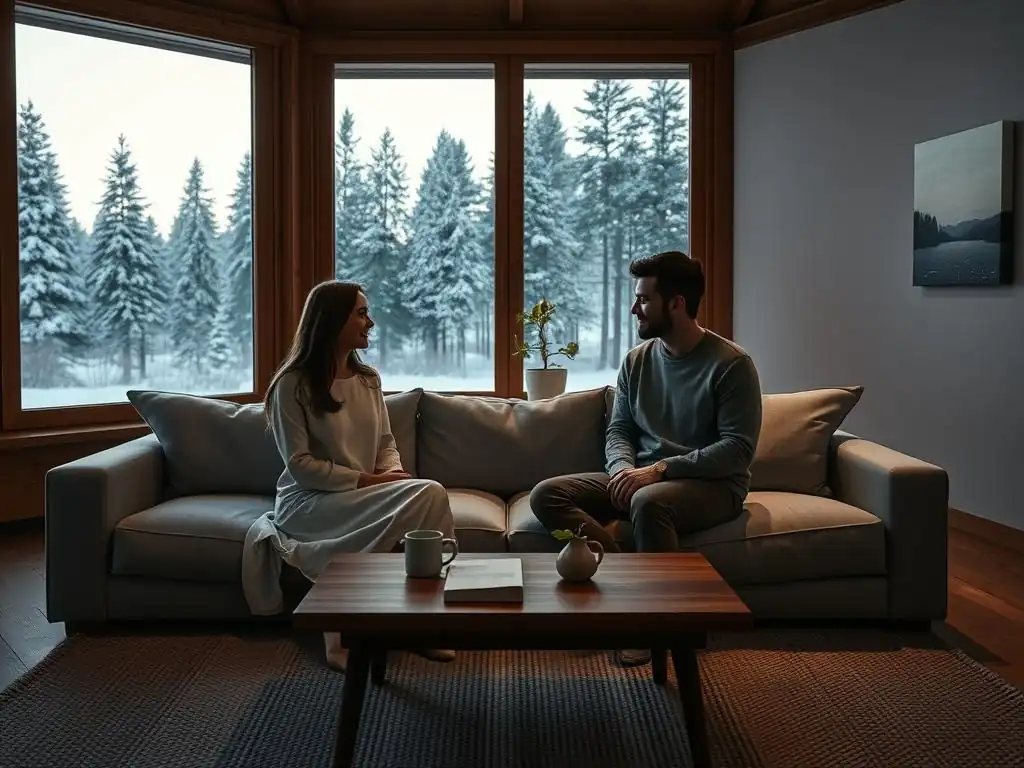
Effective preparation before a couples retreat can significantly enhance its positive impact on your mental health and relationship. Begin by having an open conversation with your partner about why you are considering a retreat and what you both hope to achieve. Discuss specific issues you want to address or areas you wish to strengthen. Setting shared intentions, such as "We want to learn to fight fairly" or "We hope to feel more connected emotionally," provides a clear focus for the retreat experience.
It's also helpful to prepare mentally by acknowledging that the retreat will involve vulnerability and potentially confronting difficult emotions. Being open to this process is key. Consider taking steps to minimize external stressors during the retreat period, such as arranging childcare or informing work colleagues of your unavailability. Some retreats might send pre-reading materials or questionnaires; engaging with these materials beforehand can prime your mindset and help facilitators understand your needs better. Approaching the retreat with a clear purpose and a willingness to engage fully sets the stage for maximizing the couples retreat benefits mental health offers.
During the Retreat: Active Participation and Open Communication
To gain the most from the retreat, active and honest participation is paramount. This means showing up fully for all sessions, engaging in exercises even if they feel uncomfortable at first, and being willing to share your thoughts and feelings openly with your partner and facilitators. Avoid distractions like excessive phone use during non-session times, and instead, focus on connecting with your partner and the retreat environment.
Open communication extends beyond the structured sessions. Make time to talk with your partner during breaks, reflecting on what you're learning and how it applies to your relationship. Be supportive of each other, recognizing that vulnerability can be challenging. If something isn't working for you or you need clarification, communicate that to the facilitators. Remember that the retreat is a dedicated time for focused work on your relationship's mental wellness; leaning into the process, even when it's difficult, is where the most significant growth occurs.
Post-Retreat Integration: Maintaining Momentum and Applying What You've Learned
The period immediately following a retreat is critical for consolidating the gains made and ensuring lasting couples retreat benefits mental health. Schedule time shortly after returning home to debrief with your partner about your experiences and key takeaways. Identify the most valuable skills or insights you gained and discuss how you will actively integrate them into your daily lives. This might involve committing to regular "State of the Union" meetings, practicing the Imago Dialogue daily, or scheduling dedicated time for connection activities.
It's normal for the initial "retreat bubble" to fade as you return to daily routines and stressors. Anticipate this and have a plan for how you will maintain momentum. This could involve setting aside specific times each week to practice communication skills, revisit workshop materials, or simply spend quality time together focusing on connection. Discussing how you will handle setbacks or revert to old patterns is also important. Continuing to prioritize the relationship and applying the learned tools consistently is key to transforming the temporary boost in mental well-being into sustained relationship health.
Beyond the Retreat: Sustaining Mental Wellness in Your Relationship
Recommended Resources: Books, Articles, and Online Courses
Sustaining the positive changes initiated during a couples retreat requires ongoing effort and access to supportive resources. Many retreat providers offer follow-up materials or recommendations. Supplementing your learning with books based on the therapeutic model of your retreat, such as The Seven Principles for Making Marriage Work by John Gottman or Hold Me Tight by Sue Johnson, can reinforce key concepts. There are also numerous articles and blogs from reputable sources like the Gottman Institute or Psychology Today that offer tips and insights on maintaining relationship health.
Online courses or workshops can also be valuable for continuing education and skill practice. Some therapists who lead retreats offer online programs that revisit key techniques or introduce new ones. Exploring podcasts or webinars focused on relationship communication, emotional intelligence, or specific challenges like navigating conflict or rebuilding trust can provide ongoing inspiration and practical advice. Utilizing these resources helps keep the principles learned at the retreat fresh in your minds and provides tools for navigating future challenges, ensuring the couples retreat benefits mental health continue long-term.
Couples Therapy: When to Seek Professional Help
While a couples retreat can provide a powerful jumpstart or reset for many relationships, it is not always a substitute for ongoing couples therapy, especially for deeply entrenched issues or significant distress. A retreat offers intensive work over a short period, while therapy provides consistent support and deeper exploration over time. Consider seeking professional couples therapy if:
- You are dealing with significant issues like infidelity, addiction, or abuse that require specialized, ongoing support.
- You found the retreat helpful but struggled to implement the changes consistently back home.
- The same conflicts continue to resurface despite applying retreat techniques.
- One or both partners have significant individual mental health challenges that are impacting the relationship.
- You simply feel you need more sustained guidance and support to navigate complex dynamics.
Think of therapy as a long-term commitment to maintaining relationship health and individual mental well-being, building upon the foundation potentially established by a retreat.
Cultivating Daily Practices for Relationship Well-being
The true test of a retreat's impact lies in the small, consistent practices you integrate into your daily life. Sustaining relationship mental wellness isn't about grand gestures but about micro-moments of connection and care. This could include starting the day with a brief check-in, offering a genuine compliment, practicing active listening during everyday conversations, or simply holding hands while watching TV.
Other beneficial daily practices include:
- Making time for a short, stress-reducing conversation each day.
- Turning towards your partner's bids for connection (e.g., responding positively when they share something small).
- Expressing gratitude for something your partner did.
- Spending 15-20 minutes of undivided quality time together daily.
- Practicing mindfulness individually or together to stay present.
These seemingly small actions accumulate over time, reinforcing the positive patterns learned at the retreat and creating a resilient foundation for your relationship's mental health.
Investing in Your Relationship's Mental Health: Is a Couples Retreat Worth It?
Real-Life Success Stories: Testimonials and Transformations
Numerous couples have shared transformative experiences after attending retreats, highlighting the significant couples retreat benefits mental health and relationship health. For example, a couple who felt distant and argued constantly after years of focusing on careers reported that a weekend Gottman retreat helped them reconnect by teaching them how to turn towards each other's bids for connection and manage conflict without escalating. They described feeling like they "fell back in love" by rebuilding their friendship.
Another couple dealing with the aftermath of an emotional affair found healing through an Imago retreat, where the structured dialogue allowed them to express deep pain and regret while feeling truly heard by their partner for the first time. They credit the retreat with providing a safe path toward rebuilding trust.
While specific names and places might vary, the themes in these stories are consistent: couples find renewed hope, improved communication, deeper emotional connection, and a sense of being a team again. These transformations often lead to reduced stress, anxiety, and depression within the relationship, demonstrating the powerful link between relationship health and individual mental well-being. A survey among attendees of various retreats suggested that over 85% felt more optimistic about their relationship's future post-retreat.
The Long-Term Impact of Couples Retreats on Mental Well-being
The long-term impact of couples retreats on mental well-being extends beyond the immediate post-retreat "glow." By equipping couples with tools to manage conflict, communicate effectively, and maintain emotional intimacy, retreats help build a resilient partnership. A strong, supportive relationship acts as a buffer against life's inevitable stressors, reducing the likelihood of relationship issues negatively impacting individual mental health over time. Couples who successfully integrate retreat learnings often report sustained reductions in relationship-related stress and anxiety months or even years later.
Furthermore, the experience of successfully working through challenges together in a retreat setting can build a sense of shared accomplishment and confidence in the relationship's ability to weather future storms. This enhanced sense of security and trust is a fundamental component of long-term mental well-being within a partnership. While challenges will still arise, the skills and understanding gained provide a framework for navigating them constructively, preventing the accumulation of resentment and disconnection that often erodes mental health. The investment in a retreat is an investment in a healthier, more supportive relationship ecosystem for both partners.
Final Thoughts: Making an Informed Decision for Your Relationship.
Deciding whether a couples retreat is right for you is a significant step, one that involves honest assessment of your relationship's current state and your shared goals. Consider the types of challenges you face, the kind of learning environment that suits you both, and the resources you are willing to invest. Research different retreat options, compare their approaches and costs, and discuss openly with your partner which feels like the best fit.
A couples retreat offers a unique opportunity to step away from the demands of daily life and focus intensely on nurturing your connection and enhancing your shared mental wellness. While it requires commitment and vulnerability, the potential couples retreat benefits mental health and relationship vitality can be profound and lasting. If you are feeling disconnected, stuck in negative patterns, or simply want to deepen your bond and build a more resilient partnership, exploring the possibility of a couples retreat is a worthwhile endeavor for the health and happiness of your relationship.
Frequently Asked Questions
Is a couples retreat just a fancy vacation, or does it genuinely offer mental health benefits?
It's more than a vacation. Couples retreats offer structured activities and professional guidance designed to improve communication, resolve conflict, and strengthen emotional bonds, all contributing to better mental well-being.
Can a couples retreat really help if we're dealing with serious mental health issues in our relationship, like anxiety or depression?
While not a replacement for therapy, a retreat can be a valuable supplement. It provides a supportive environment and tools to manage stress, improve coping mechanisms, and foster a healthier dynamic, which can positively impact mental health.
What specific activities or therapies are typically included in a couples retreat that benefit mental health?
Retreats often incorporate activities like communication workshops, mindfulness exercises, and relationship counseling sessions. These are designed to enhance understanding, empathy, and emotional connection between partners.
How does taking time away from daily stressors at a couples retreat contribute to improved mental health for both individuals?
Stepping away from routine pressures allows couples to reconnect, reduce stress levels, and gain a fresh perspective. This dedicated time fosters relaxation, rejuvenation, and a renewed sense of emotional well-being.
Are the benefits of a couples retreat long-lasting, or is it just a temporary fix for relationship problems and mental health concerns?
The lasting impact depends on commitment. While the retreat provides a foundation, couples must actively apply the skills learned and maintain open communication to experience sustained improvements in their relationship and mental health.
Final Reflection: Rekindling Connection, Recharging Your Soul
The pressures of modern life often leave couples feeling disconnected, but prioritizing relationship health is not a luxury—it's a necessity for individual well-being. A strong, supportive partnership significantly impacts mental and emotional health, contributing to resilience, happiness, and a greater sense of purpose. Investing in your relationship, therefore, is an investment in yourselves.
The benefits of a couples retreat extend far beyond a romantic getaway; they offer a tangible path toward improved communication, conflict resolution, and a deeper understanding of each other. These retreats provide a dedicated space for introspection and connection, fostering an environment where vulnerability and honesty can flourish. As the renowned relationship expert John Gottman states, Good marriages are built not on avoiding conflict, but on learning to manage it well.
A couples retreat provides the tools and guidance to navigate conflict constructively and emerge stronger as a unit.
Consider this your invitation to actively cultivate the health of your relationship. Don't wait for crisis to strike; proactively invest in the foundation of your partnership. Ask yourselves: What are your relationship's needs? What areas could benefit from focused attention and growth? A couples retreat might be the answer, but even small, consistent efforts towards connection and understanding can yield profound results. Prioritize your relationship; prioritize yourselves. Your mental and emotional well-being depends on it.
Unleash Your Relationship's Potential: Take the Next Step
Thanks for taking the time to explore the world of couples retreats with us! We hope you gained valuable insights into how a retreat can reignite your connection and strengthen your bond. Now it's time to put that knowledge into action.
- Schedule a consultation with your partner: Discuss what resonated most from the article and explore whether a couples retreat is the right step for your relationship. This is the most important step towards prioritizing your connection.
- Share this article with someone who might benefit: Pass on the wisdom—you never know whose relationship might be transformed by this information.
- Explore retreat options together: Browse reputable retreat centers online or in your local area and imagine yourselves revitalized and reconnected.
Ready to invest in your relationship's future? What's the one small step you can take today to nurture your connection?