
From Stuck to Flexible: How Neuroplasticity Changes Your Relationship with Mood

Welcome to Mind Care Guide, a safe space where we explore the pathways to mental well-being.
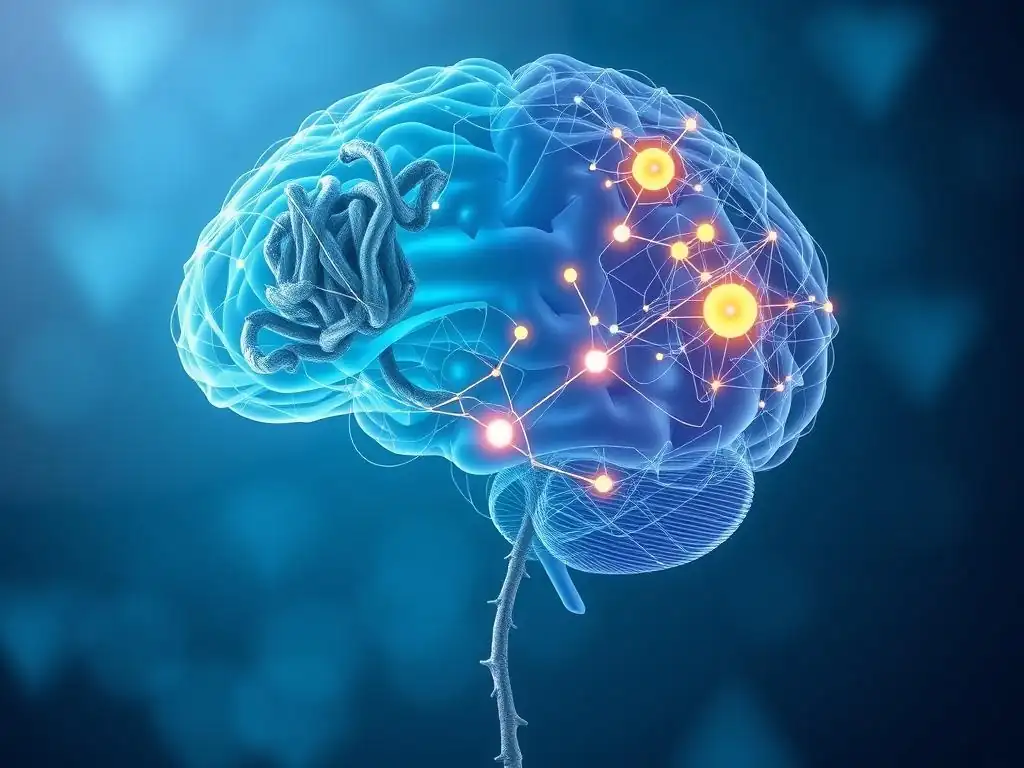
Feeling trapped by your mood? You're not alone. Discover how neuroplasticity mood management techniques can rewrite your brain's response to challenging emotions and unlock a brighter, more adaptable you. Intrigued? Let's delve into the science of rewiring your happiness and find out how you can start today...
- From Stuck to Flexible: How Neuroplasticity Changes Your Relationship with Mood - Mind Care Guide
-
Neuroplasticity Mood Management Techniques: Practical Applications
- Reprogramming Your Brain: Neuroplasticity Exercises for Mood Improvement
- Harnessing Neuroplasticity for Anxiety Reduction
- Neuroplasticity-Based Strategies for Depression Management
- Using Mindfulness and Meditation to Rewire Your Brain for Better Mood
- Cognitive Behavioral Therapy (CBT) and Neuroplasticity: A Powerful Combination
- How Neuroplasticity Works in Practice: Real-Life Examples and Case Studies
- Optimizing Your Brain for Mood Enhancement: Lifestyle Factors
- Overcoming Challenges in Utilizing Neuroplasticity for Mood
- Future Directions: Research and Innovations in Neuroplasticity and Mood Disorders
- Neuroplasticity for Mood: A Path to Lasting Change and Improved Mental Well-being
-
Frequently Asked Questions
- What exactly is neuroplasticity, and how does it relate to mood?
- Can neuroplasticity be used to improve my mood, even if I have a long-standing mental health condition?
- What are some examples of "neuroplasticity mood management techniques" that I can try?
- How long does it typically take to see noticeable changes in mood when using neuroplasticity-based techniques?
- Are there any potential risks or downsides to using neuroplasticity for mood management?
- Final Reflection: Embracing the Malleable Mind
- Unlock Your Brain's Power: Take Control of Your Mood
From Stuck to Flexible: How Neuroplasticity Changes Your Relationship with Mood - Mind Care Guide
What is Neuroplasticity? Defining Brain Flexibility
Neuroplasticity refers to the brain's remarkable ability to reorganize itself throughout life. This involves forming new neural connections and pathways, as well as changing the strength of existing ones. It's the biological basis for how we learn, remember, and adapt to new experiences. Far from being a fixed organ after childhood, the adult brain is constantly remodeling itself in response to everything we think, feel, and do. This inherent flexibility means that our brains are not static structures but dynamic systems capable of significant change.
This capacity for change manifests in several ways. Structural plasticity involves alterations in the size or density of gray matter, like the growth of new neurons (neurogenesis) or changes in synaptic connections. Functional plasticity refers to the brain's ability to shift functions from a damaged area to an undamaged one, or to recruit new areas for a task. Both forms are constantly at play, allowing the brain to optimize its performance based on environmental demands and internal states. Understanding this fundamental principle is the first step in appreciating how we can actively influence our emotional states.
The Link Between Brain Plasticity and Emotional Well-being
The circuits in our brain that process emotions are just as subject to neuroplastic change as those involved in learning facts or skills. When we repeatedly experience certain emotions or engage in specific thought patterns, the neural pathways associated with those experiences become stronger and more efficient. For instance, persistent negative thinking can strengthen the pathways associated with worry and sadness, making it easier for the brain to default to these states. Conversely, focusing on positive experiences or practicing gratitude can reinforce pathways linked to happiness and contentment.
This direct link means that our emotional habits are not fixed destinies but rather learned patterns encoded in our neural circuitry. Conditions like chronic anxiety or depression can be understood, in part, as the result of maladaptive neural pathways becoming dominant. However, the very principle of neuroplasticity offers hope: if these patterns were learned, they can also be unlearned and replaced by healthier ones. This is where neuroplasticity mood management techniques come into play, offering actionable strategies to deliberately shape the brain's emotional landscape for improved well-being.
Neuroplasticity vs. Fixed Mindset: Shifting Perspectives on Mood
The concept of neuroplasticity stands in stark contrast to a fixed mindset about mood and mental health. A fixed mindset often assumes that personality traits, intelligence, and even emotional tendencies are innate and unchangeable. Applied to mood, this might sound like, "I've always been an anxious person," or "I'm just naturally prone to depression." This perspective can lead to feelings of helplessness and resignation, hindering efforts to improve emotional states because change seems impossible.
Embracing a growth mindset, informed by the science of neuroplasticity, shifts this perspective dramatically. It recognizes that while genetics and early experiences play a role, our brains are capable of change throughout life. This means that emotional patterns, even deeply ingrained ones, are not permanent fixtures.
This perspective empowers individuals, suggesting that with consistent effort and the right strategies, it is possible to reshape the neural circuits underlying mood. This shift in belief is foundational for engaging effectively with neuroplasticity mood management techniques, transforming the idea of managing mood from a battle against an immutable self to an active process of brain rewiring.
Neuroplasticity Mood Management Techniques: Practical Applications
Reprogramming Your Brain: Neuroplasticity Exercises for Mood Improvement
Actively engaging in specific mental and behavioral exercises can intentionally promote beneficial neuroplastic changes related to mood. One fundamental technique involves consciously shifting focus away from negative thoughts or rumination and towards more neutral or positive stimuli. This isn't about suppressing negative feelings but rather about redirecting attention over time, gradually weakening the neural pathways associated with negativity while strengthening those linked to positive or calm states. For example, dedicating just a few minutes daily to recalling positive memories or listing things you are grateful for can start to reinforce these positive circuits.
Another practical exercise is learning a new skill, especially one that is challenging and engaging. This could be playing a musical instrument, learning a new language, or even mastering a complex craft. Such activities demand focused attention, problem-solving, and memory, all of which stimulate widespread neural activity and promote the formation of new connections. The sense of accomplishment and flow experienced during these activities can also directly impact mood, creating positive feedback loops that further encourage the brain's adaptive capacity. Consistent practice, even in small increments, is key to facilitating lasting change through these neuroplasticity exercises.
Harnessing Neuroplasticity for Anxiety Reduction
Anxiety disorders are often characterized by hyperactive neural pathways associated with fear and threat detection, particularly involving the amygdala. Neuroplasticity offers a path to dampen these overactive responses and build stronger circuits related to calm and safety. Exposure therapy, a common treatment for anxiety, works precisely because of neuroplasticity.
By gradually exposing an individual to feared situations in a controlled environment, the brain learns that the perceived threat is not real, weakening the fearful response pathways and building new ones associated with safety and coping. Studies have shown that successful exposure therapy leads to measurable changes in amygdala activity and connectivity.
Another neuroplasticity mood management technique for anxiety is response prevention, often used in Obsessive-Compulsive Disorder (OCD). By preventing the compulsive behavior that typically follows an obsession, the individual learns to tolerate the anxiety without performing the ritual. This breaks the learned association between the obsession and the compulsion, weakening the neural loop that maintains the anxiety. Over time, the brain rewires itself, and the anxiety provoked by the obsession decreases as the compulsive response is no longer reinforced. These techniques require courage and persistence but leverage the brain's adaptability to dismantle the architecture of anxiety.
Neuroplasticity-Based Strategies for Depression Management
Depression is often associated with reduced activity and connectivity in certain brain regions, particularly those involved in reward, motivation, and emotional regulation, such as the prefrontal cortex and hippocampus. Neuroplasticity-based strategies aim to stimulate activity in these areas and rebuild healthier neural networks.
Behavioral activation is a core technique that encourages individuals to engage in activities they once found pleasurable or purposeful, even if they don't feel like it. The act of engaging in these behaviors, such as socializing or hobbies, provides positive reinforcement and stimulates activity in reward pathways, gradually strengthening these circuits and counteracting the inertia of depression.
Cognitive restructuring, a component of CBT, is another powerful neuroplasticity mood management technique for depression. It involves identifying and challenging negative thought patterns (e.g., "I'm a failure," "Nothing good ever happens to me"). By consciously practicing identifying cognitive distortions and replacing them with more balanced and realistic thoughts, individuals actively weaken the neural pathways associated with negative rumination and strengthen those linked to more adaptive thinking. This process, requiring consistent effort, helps to literally rewire the brain's response to internal and external events, moving away from depressive defaults.
Using Mindfulness and Meditation to Rewire Your Brain for Better Mood

Mindfulness and meditation are powerful tools for cultivating neuroplasticity and improving mood. Regular practice has been shown to lead to structural changes in brain areas crucial for emotional regulation, self-awareness, and attention, such as the prefrontal cortex and the insula. Mindfulness involves paying attention to the present moment without judgment, which helps to observe thoughts and feelings without getting swept away by them. This practice weakens the automatic reactivity of the amygdala (the brain's fear center) and strengthens the connectivity to the prefrontal cortex, allowing for a more measured and less emotional response to stressors.
Consistent meditation practice, even for relatively short periods daily (e.g., 10-20 minutes), can increase gray matter density in areas associated with emotional regulation and perspective-taking. It also helps to quiet the "default mode network," which is often overactive in states of anxiety and depression and is associated with mind-wandering and self-referential negative thoughts. By training the brain to focus on the present and observe thoughts without attachment, mindfulness and meditation build new neural habits that promote calm, emotional resilience, and a greater sense of well-being, acting as potent neuroplasticity mood management techniques.
Cognitive Behavioral Therapy (CBT) and Neuroplasticity: A Powerful Combination
Cognitive Behavioral Therapy (CBT) is one of the most well-researched and effective psychotherapies for a range of mood and anxiety disorders, and its success is deeply rooted in its ability to harness neuroplasticity. CBT works by helping individuals identify and change unhelpful thinking and behavioral patterns that contribute to their emotional distress. The core techniques of cognitive restructuring and behavioral activation, discussed earlier, are direct applications of neuroplastic principles. By repeatedly practicing new ways of thinking and behaving, individuals are actively building and strengthening new neural pathways.
Research using fMRI scans has demonstrated that successful CBT treatment is associated with measurable changes in brain activity and connectivity patterns in individuals with depression and anxiety. For example, studies have shown changes in the activity of the prefrontal cortex and amygdala following CBT, reflecting a shift towards healthier emotional processing. CBT provides a structured framework and specific exercises that guide individuals through the process of deliberate brain rewiring, making it a highly effective approach for applying neuroplasticity mood management techniques in a therapeutic context.
How Neuroplasticity Works in Practice: Real-Life Examples and Case Studies
Case Study 1: Overcoming Trauma Through Neuroplasticity
Consider the case of someone who experienced significant trauma, leading to Post-Traumatic Stress Disorder (PTSD). PTSD is characterized by a brain stuck in a hyper-vigilant state, with an overactive amygdala and impaired prefrontal cortex function, making it difficult to regulate fear responses. Through trauma-focused therapies like Prolonged Exposure or Eye Movement Desensitization and Reprocessing (EMDR), which are neuroplasticity mood management techniques, individuals gradually process traumatic memories in a safe environment.
During these therapies, the brain learns to associate the memory with safety rather than immediate threat. This process involves actively weakening the fearful associations in the amygdala and strengthening the regulatory control of the prefrontal cortex. While each individual's journey is unique, studies on veterans and trauma survivors undergoing effective treatment have shown changes in brain connectivity, indicating a rewiring away from the trauma-locked state towards a more regulated emotional system. This isn't about erasing the memory, but about changing the brain's response to it.
Case Study 2: Managing Chronic Pain with Brain Rewiring Techniques
Chronic pain, often intertwined with mood disorders like depression and anxiety, is another area where neuroplasticity plays a crucial role. The persistent pain signal can strengthen neural pathways associated with pain perception, making the brain more sensitive over time. Neuroplasticity mood management techniques like Acceptance and Commitment Therapy (ACT) or pain reprocessing therapy aim to change the brain's interpretation of pain signals.
Instead of focusing solely on eliminating the pain, these therapies help individuals change their relationship with the sensation itself. This involves mindfulness to observe the pain without judgment, cognitive techniques to challenge catastrophic thoughts about the pain, and behavioral strategies to gradually increase activity despite the pain. By shifting attention, reducing fear associated with movement, and building a life based on values rather than pain avoidance, individuals can literally rewire the brain's pain matrix, often leading to reduced pain intensity and significantly improved mood and function, even if the underlying physical issue persists.
Case Study 3: Recovering from a Stroke Through Targeted Therapy
While primarily a physical recovery process, stroke rehabilitation is a powerful illustration of functional neuroplasticity and its impact on well-being. A stroke damages specific brain areas, leading to loss of function (e.g., movement, speech). Rehabilitation therapies, such as physical, occupational, and speech therapy, are designed to leverage the brain's capacity for rewiring.
By repeatedly practicing specific movements, tasks, or speech exercises, undamaged parts of the brain can be trained to take over functions previously performed by the injured area. This process strengthens new neural pathways and reorganizes existing ones. The ability to regain lost function directly impacts mood, reducing frustration and depression often experienced after a stroke and increasing a sense of independence and hope. The consistent, targeted practice in rehabilitation is a prime example of how focused effort can drive significant neuroplastic change, leading to both physical and emotional recovery.
Optimizing Your Brain for Mood Enhancement: Lifestyle Factors
The Role of Diet and Nutrition in Supporting Neuroplasticity
What we eat directly impacts brain health and, consequently, our mood. Nutrients provide the building blocks and energy required for neurons to function and for neuroplastic processes to occur. Omega-3 fatty acids, found in fatty fish, flaxseeds, and walnuts, are crucial components of brain cell membranes and support synaptic plasticity. Studies suggest that diets rich in omega-3s are associated with a lower risk of depression and may enhance cognitive function.
Antioxidants, abundant in fruits and vegetables, protect brain cells from damage caused by oxidative stress, which can impair neuroplasticity. B vitamins are essential for neurotransmitter synthesis, including serotonin and dopamine, which are critical for mood regulation. A diet pattern often recommended for brain health is the Mediterranean diet, which is rich in fruits, vegetables, whole grains, lean proteins, and healthy fats. This dietary approach provides a broad spectrum of nutrients that support optimal brain function and enhance the brain's capacity for positive neuroplastic change, indirectly supporting neuroplasticity mood management techniques.
Exercise and Brain Health: Boosting Mood Through Physical Activity
Physical exercise is one of the most potent drivers of neuroplasticity and a highly effective neuroplasticity mood management technique. Aerobic exercise, in particular, increases blood flow to the brain, delivering vital oxygen and nutrients. It also stimulates the production of Brain-Derived Neurotrophic Factor (BDNF), a protein that acts like "fertilizer" for the brain, promoting the growth of new neurons (neurogenesis) in areas like the hippocampus, which is crucial for memory and mood regulation. BDNF also supports the survival of existing neurons and enhances synaptic plasticity.
Regular physical activity has been consistently shown to reduce symptoms of depression and anxiety, sometimes as effectively as medication or therapy for mild to moderate cases. This isn't just due to the immediate mood boost from endorphins; it's also the result of the long-term structural and functional changes exercise promotes in the brain, strengthening circuits related to mood control, stress resilience, and cognitive function. Aiming for at least 150 minutes of moderate-intensity aerobic exercise per week, as recommended by many health guidelines, can have a profound positive impact on brain structure and emotional well-being.
Sleep's Impact on Neuroplasticity and Emotional Regulation
Sleep is not merely a period of rest; it's a crucial time for brain maintenance, consolidation of memories, and neuroplastic processes. During sleep, the brain clears metabolic waste products and consolidates the neural changes that occurred during wakefulness, essentially cementing learning and experience into the brain's circuitry. Chronic sleep deprivation impairs neuroplasticity, hindering the brain's ability to adapt and regulate emotions effectively.
Lack of sleep is strongly linked to increased irritability, anxiety, and a higher risk of depression. It can also make the amygdala (fear center) more reactive and reduce the regulatory control of the prefrontal cortex. Prioritizing 7-9 hours of quality sleep per night is fundamental for supporting optimal brain function, including its capacity for positive neuroplastic change. Establishing a consistent sleep schedule and creating a sleep-conducive environment are vital neuroplasticity mood management techniques that work at a foundational biological level.
Humans are social creatures, and our brains are wired for connection. Positive social interactions stimulate the release of neurotransmitters like oxytocin and dopamine, which promote feelings of pleasure, trust, and bonding. These interactions also provide emotional support, reduce stress, and offer opportunities for learning and perspective-taking, all of which contribute to a healthy brain environment conducive to positive neuroplasticity. Conversely, social isolation and loneliness can have detrimental effects on brain health and are associated with increased risk of depression and cognitive decline.
Engaging in meaningful social connections strengthens neural circuits related to empathy, social cognition, and emotional regulation. Participating in group activities, spending time with loved ones, or even engaging in supportive online communities can provide the positive reinforcement and emotional co-regulation that helps shape a more resilient brain. Building and maintaining strong social ties is a vital, though often overlooked, neuroplasticity mood management technique that leverages the brain's inherent social nature for emotional well-being.
Overcoming Challenges in Utilizing Neuroplasticity for Mood

Common Obstacles to Neuroplastic Change
While the brain's capacity for change is empowering, the path to rewiring for better mood isn't always easy. One common obstacle is the brain's natural preference for efficiency; it tends to stick to established, well-worn pathways, even if they are maladaptive. This is why breaking old habits, like negative rumination or avoidance behaviors, feels challenging – you are actively working against the brain's ingrained patterns. Initial attempts to use neuroplasticity mood management techniques might feel awkward or ineffective because the new pathways are weak and the old ones are strong.
Another significant challenge is the presence of underlying biological or environmental factors that can hinder neuroplasticity, such as chronic stress, poor sleep, inadequate nutrition, certain medical conditions, or trauma. These factors can create a brain environment less conducive to positive change. Furthermore, a lack of consistent effort or motivation can impede progress. Neuroplasticity requires repetition and persistence; sporadic attempts at new behaviors or thought patterns are unlikely to produce lasting structural changes.
Strategies for Staying Motivated and Consistent
Consistency is paramount for driving neuroplastic change. One strategy for staying motivated is to start small and build gradually. Trying to overhaul everything at once can be overwhelming. Instead, focus on integrating one or two neuroplasticity mood management techniques into your daily routine, such as 10 minutes of mindfulness or a 15-minute walk. Celebrating small victories and acknowledging progress, no matter how minor, can provide positive reinforcement and boost motivation.
Finding an accountability partner or joining a support group can also be incredibly helpful. Sharing your goals and challenges with others who understand or are on a similar journey can provide encouragement and make it easier to stick with your practices. Focusing on the "why" – remembering your reasons for wanting to improve your mood and well-being – can also serve as a powerful motivator during challenging moments. Lastly, viewing setbacks as temporary blips rather than failures is crucial; simply return to your practices as soon as possible without self-criticism.
Addressing Resistance to Change and Negative Thought Patterns
Resistance to change is a natural human tendency, often fueled by fear of the unknown or the comfort of familiar patterns, even if those patterns are causing distress. When applying neuroplasticity mood management techniques, you might encounter internal resistance in the form of negative self-talk ("This won't work," "I'm not capable of change") or a strong pull back towards old habits. Recognizing these thoughts and feelings as part of the process, rather than insurmountable barriers, is the first step.
Mindfulness can be particularly useful here, allowing you to observe resistant thoughts without immediately believing or acting on them. Cognitive restructuring techniques can help you challenge the validity of negative thoughts ("Is it really true that I'm not capable of change? What evidence do I have?"). Sometimes, resistance stems from underlying fears or beliefs that may require deeper exploration, potentially with the help of a therapist. Patiently and persistently redirecting your attention and effort towards the desired changes, despite the internal pushback, is key to overcoming resistance and building new, healthier neural pathways.
Future Directions: Research and Innovations in Neuroplasticity and Mood Disorders
Emerging Therapies and Technologies
The field of neuroplasticity is rapidly advancing, leading to exciting new avenues for treating mood disorders. Non-invasive brain stimulation techniques like Transcranial Magnetic Stimulation (TMS) and Transcranial Direct Current Stimulation (tDCS) are being used to modulate activity in specific brain regions implicated in depression and anxiety. TMS, for example, has been approved for treatment-resistant depression and works by using magnetic pulses to stimulate the prefrontal cortex, aiming to restore healthier activity patterns. These technologies directly target neural circuits to promote neuroplastic change.
Other emerging areas include neurofeedback, which trains individuals to regulate their own brain activity using real-time feedback, and psychedelic-assisted therapy, which research suggests may induce states of heightened neuroplasticity, potentially allowing for profound shifts in perspective and emotional processing when combined with psychotherapy. While many of these approaches are still experimental or require specialized settings, they represent the frontier of leveraging neuroplasticity for therapeutic benefit.
The Potential of Personalized Neuroplasticity Interventions
A significant future direction is the development of personalized interventions based on an individual's specific brain profile and needs. As our understanding of the neural circuits involved in different mood disorders deepens, aided by advanced imaging techniques, it may become possible to tailor neuroplasticity mood management techniques more precisely. For example, identifying specific connectivity patterns associated with a person's anxiety or depression could inform the selection of the most effective behavioral strategies, cognitive exercises, or even targeted stimulation techniques.
This personalized approach could move beyond a one-size-fits-all model, optimizing the type, intensity, and duration of interventions to maximize positive neuroplastic change for each individual. Combining genetic information, brain imaging data, and behavioral assessments could lead to highly targeted treatment plans designed to efficiently rewire the specific neural pathways contributing to a person's mood challenges. The future holds the promise of even more precise and effective ways to harness the brain's inherent flexibility for lasting emotional well-being.
Neuroplasticity for Mood: A Path to Lasting Change and Improved Mental Well-being
Embracing a Growth Mindset for Long-Term Emotional Health
Understanding and applying the principles of neuroplasticity fundamentally requires embracing a growth mindset regarding your emotional health. It means believing that change is possible, that your brain is not fixed, and that your efforts to cultivate healthier emotional patterns can and will make a difference over time. This mindset shifts the focus from being a victim of your emotions to becoming an active architect of your emotional landscape.
Adopting this perspective involves recognizing that setbacks are learning opportunities, that consistency is more important than perfection, and that the brain's capacity for change is a lifelong gift. It empowers you to view challenges not as insurmountable obstacles but as opportunities to engage in the deliberate practice that strengthens new neural pathways. This belief system is the engine that drives the consistent application of neuroplasticity mood management techniques, paving the way for sustainable improvement in mental well-being.
Continuing the Journey: Resources for Ongoing Support and Development
The journey of leveraging neuroplasticity for better mood is ongoing, a continuous process of learning, adapting, and reinforcing positive habits. It's important to remember that you don't have to navigate this path alone. Mental health professionals, such as therapists, counselors, and psychiatrists, are invaluable resources who can provide guidance, teach specific neuroplasticity mood management techniques like CBT or mindfulness, and offer support tailored to your individual needs.
Additionally, numerous reputable books, online courses, and workshops are available that delve deeper into the science of neuroplasticity and provide practical exercises for emotional regulation. Support groups, whether in-person or online, offer a sense of community and shared experience that can be incredibly validating and motivating. Committing to continuous learning and seeking support when needed are essential components of using neuroplasticity as a powerful tool for achieving and maintaining lasting emotional health and resilience.
Frequently Asked Questions
What exactly is neuroplasticity, and how does it relate to mood?
Neuroplasticity refers to the brain's ability to reorganize itself by forming new neural connections throughout life. This brain flexibility allows us to adapt and learn, directly impacting our mood by changing how we process emotions and experiences.
Can neuroplasticity be used to improve my mood, even if I have a long-standing mental health condition?
Yes, neuroplasticity offers hope for improving mood even with long-term conditions. By engaging in specific activities and therapies, you can encourage the brain to create new, healthier pathways that positively influence your emotional state and mood regulation.
What are some examples of "neuroplasticity mood management techniques" that I can try?
Examples include practicing mindfulness meditation, engaging in cognitive behavioral therapy (CBT), learning new skills, and regular physical exercise. These activities stimulate the brain and promote the growth of new neural connections associated with positive mood and emotional resilience.
How long does it typically take to see noticeable changes in mood when using neuroplasticity-based techniques?
The timeframe varies depending on individual factors like consistency, the severity of the mood issue, and the chosen techniques. However, many people report experiencing subtle positive shifts within weeks, with more significant improvements often seen over several months of dedicated effort.
Are there any potential risks or downsides to using neuroplasticity for mood management?
Generally, neuroplasticity-based techniques are considered safe. However, it's important to approach them with realistic expectations and under the guidance of a qualified mental health professional, especially if you have a pre-existing mental health condition. They can help you tailor strategies and avoid unintended consequences.
Final Reflection: Embracing the Malleable Mind
The power of neuroplasticity isn't just a scientific marvel; it's a revolutionary tool for navigating the complexities of mood and emotional well-being. Understanding how our brains can rewire themselves offers a profound sense of agency in the face of persistent negative emotions, challenging the notion that mood is a fixed, unchangeable aspect of our personality. This knowledge empowers us to actively shape our mental landscape, fostering resilience and emotional stability.
The exploration of neuroplasticity's impact on mood management has profoundly shifted my own perspective on mental health. It's moved beyond a passive acceptance of mood swings to an active engagement with the mechanisms of change. This journey of understanding has underscored the importance of consistent effort and self-compassion. The brain that grows is the brain that heals.
This quote perfectly encapsulates the transformative potential of neuroplasticity, reminding us that our capacity for change is inherent and ongoing.
Now, consider your own relationship with your mood. What limiting beliefs are you holding onto? What small, consistent steps can you take today to cultivate new neural pathways that support a more positive and resilient emotional state? Embrace the malleability of your mind; it's a gift waiting to be unwrapped. Begin practicing mindfulness, engaging in regular physical activity, or exploring therapeutic techniques – any action, however small, contributes to the ongoing rewiring of your brain for a brighter, more emotionally balanced future.
Unlock Your Brain's Power: Take Control of Your Mood
Thanks for taking the time to explore the fascinating world of neuroplasticity and its impact on your mood! We hope you gained valuable insights into how you can actively shape your emotional well-being. Now it's time to put that knowledge into action.
- Prioritize one small, manageable change: Identify a single daily habit (e.g., mindful breathing for 5 minutes, a short walk outdoors) that directly supports your mood regulation, and commit to it for a week. This is your key step towards building a more resilient you.
- Share your "aha!" moment: Which concept from the article resonated most with you? Share your thoughts and experiences in the comments section below — let's create a supportive community together!
- Explore a new learning resource: Search online for guided meditations or neuroplasticity exercises. Expanding your knowledge base will help you personalize your approach to mood management.
Ready to embrace the power of your adaptable brain? What small step will you take today to improve your mood and build a more resilient mindset?