
The Epigenetic Clock: Measuring Environmental Impact on Mental Aging and Health


Welcome to Mind Care Guide, your sanctuary for understanding and nurturing your mental well-being.
Are you curious how your life experiences might be subtly shaping your mental health as you age? Delve into "The Epigenetic Clock" – a fascinating exploration into how epigenetics, mental health, and aging are intertwined. Discover how environmental factors can leave their mark, influencing your cognitive resilience. Uncover the secrets within, and embark on a journey to understand and potentially influence your mental trajectory. Read on to unlock the science behind a longer, healthier mental life.
The Epigenetic Clock: Measuring Environmental Impact on Mental Aging and Health
- Introduction: Understanding the Epigenetic Clock and Mental Well-being
- What is the Epigenetic Clock? A Deep Dive
- Epigenetics, Mental Health, and the Aging Brain
- Environmental Factors Influencing the Epigenetic Clock and Mental Aging
- Measuring the Epigenetic Clock: Methods and Applications
- Can We Slow Down the Epigenetic Clock for Better Mental Health?
- The Future of Epigenetic Research in Mental Health and Aging
- Conclusion: Epigenetics as a Key to Understanding and Improving Mental Health Across the Lifespan
-
Frequently Asked Questions
- How does epigenetics relate to mental health and aging?
- What is the "epigenetic clock" and how is it used?
- Can lifestyle choices influence epigenetic changes related to mental health?
- What kind of environmental factors can affect mental health through epigenetic mechanisms?
- What are the implications of understanding epigenetics for mental health treatment and prevention?
- Final Reflection: The Ticking Clock and the Mutable Mind
- Unlock Your Brain's Potential: Take Control of Your Mental Age
Introduction: Understanding the Epigenetic Clock and Mental Well-being
Our chronological age is simply the number of years we've been alive. However, scientists are increasingly recognizing that our bodies and brains can age at different rates, a concept known as biological age. This biological aging process is deeply intertwined with our mental well-being and susceptibility to age-related cognitive decline and mental health challenges. Understanding the factors that influence biological age is crucial for promoting healthier aging, particularly concerning the brain.
At the forefront of measuring biological age is the concept of the "epigenetic clock." This innovative tool looks beyond the fixed sequence of our DNA to analyze dynamic chemical modifications that occur on our genes – the epigenetic landscape. These modifications, influenced significantly by our environment and lifestyle, can tell us how quickly our cells, tissues, and even our brains are aging biologically.
By examining the epigenetic clock, researchers are gaining profound insights into how environmental factors contribute to mental health conditions and influence the trajectory of brain aging. Exploring epigenetics mental health aging offers a new lens through which to understand complex interactions and develop strategies for intervention.
What is the Epigenetic Clock? A Deep Dive
Defining Epigenetics: Beyond the Genetic Code
Epigenetics refers to heritable changes in gene expression that occur without alterations to the underlying DNA sequence. Think of it as instructions written on the DNA that tell the cell how and when to read the genetic code. These modifications act like molecular switches, turning genes "on" or "off" and influencing protein production, which in turn affects cell function, tissue development, and organ health. The primary epigenetic mechanisms include DNA methylation (adding a methyl group to DNA), histone modification (altering proteins around which DNA is wrapped), and non-coding RNA molecules.
Unlike the relatively stable genetic code inherited from our parents, epigenetic marks are dynamic. They can be influenced by a wide range of factors throughout our lives, from our diet and exposure to toxins to our stress levels and social interactions. This plasticity makes epigenetics a critical interface between our environment and our biology, offering a mechanism by which life experiences can leave a lasting imprint on our health, including our mental well-being and the process of aging. The study of epigenetics mental health aging specifically investigates these dynamic changes.
How the Epigenetic Clock Measures Biological Age
The epigenetic clock is a biochemical test that estimates an individual's biological age by measuring DNA methylation levels at specific locations (CpG sites) across the genome. Pioneering work by scientists like Steve Horvath identified hundreds or even thousands of these CpG sites whose methylation patterns change predictably with chronological age. By analyzing the methylation status at these specific sites, algorithms can calculate an "epigenetic age" for a tissue or even a whole organism.
Different epigenetic clocks exist, trained on different sets of CpG sites and tissue types. Some, like the Horvath clock or the Hannum clock, were developed using blood samples, while others are specific to brain tissue, skin, or other organs. When an individual's epigenetic age is higher than their chronological age, it suggests they are experiencing accelerated biological aging, while a lower epigenetic age indicates slower biological aging. This discrepancy between chronological and epigenetic age is thought to reflect the cumulative impact of environmental exposures and lifestyle choices on the body's aging process.
The Difference Between Chronological Age and Biological Age
Chronological age is a simple, linear measure: the number of years since birth. It's a useful benchmark for life stages but doesn't account for individual differences in health, lifestyle, or genetic predisposition that influence how quickly our bodies deteriorate. Biological age, on the other hand, is a more complex metric that reflects the functional and structural integrity of our cells and tissues. It is a measure of how "old" your body is from a biological perspective, which may be faster or slower than your chronological age.
Imagine two individuals who are both 50 years old chronologically. One might have the biological age of a 40-year-old due to healthy habits, genetics, and minimal environmental stress, while the other might have the biological age of a 60-year-old due to chronic illness, poor lifestyle choices, or significant environmental exposures.
The epigenetic clock provides one of the most promising tools to quantify this biological age, offering a more accurate predictor of health span, disease risk, and mortality than chronological age alone. This distinction is particularly relevant when discussing epigenetics mental health aging, as mental decline may align more closely with biological age.
Epigenetics, Mental Health, and the Aging Brain
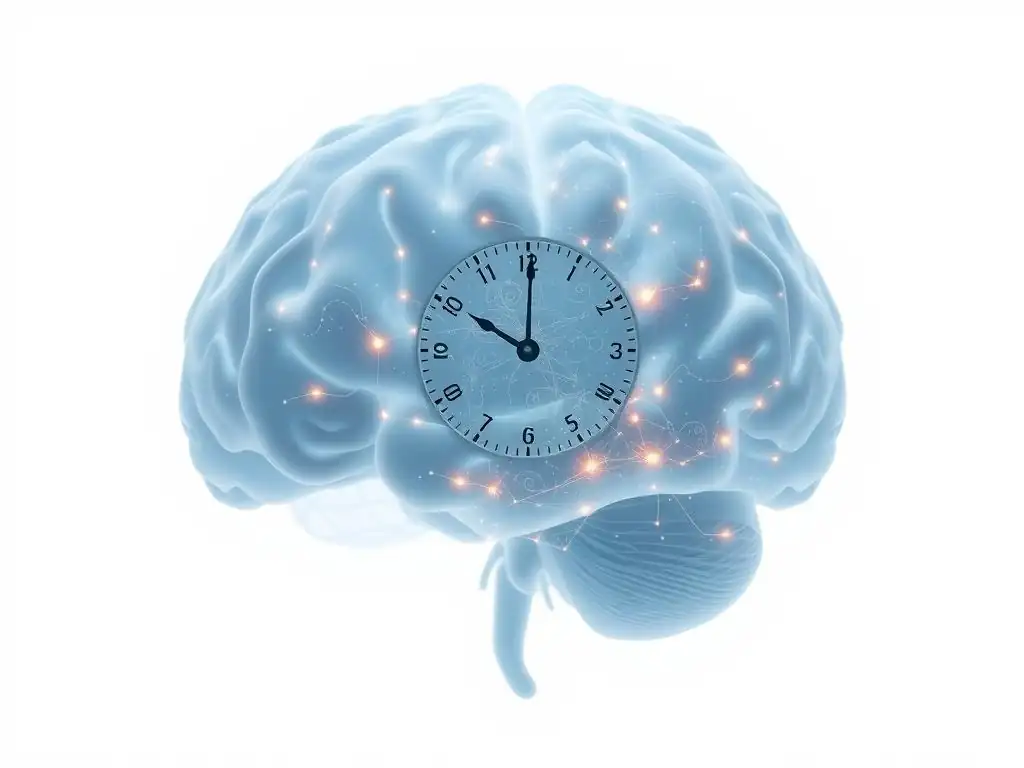
The Role of Epigenetics in Brain Development and Function
Epigenetic mechanisms are fundamental to the development and proper functioning of the brain. During embryonic development, precise epigenetic modifications orchestrate the differentiation of stem cells into various neuronal and glial cell types and guide the formation of complex neural circuits. These processes are highly sensitive to environmental cues, meaning that early life experiences can epigenetically shape the developing brain in lasting ways.
Throughout life, epigenetic marks continue to play a crucial role in brain plasticity, learning, and memory. For example, changes in DNA methylation and histone modifications occur in specific brain regions, like the hippocampus and prefrontal cortex, in response to new experiences. These epigenetic changes can alter gene expression patterns necessary for consolidating memories and adapting to new information. Disruptions to these dynamic epigenetic processes can impair cognitive function and contribute to the vulnerability to mental health disorders.
Linking Epigenetic Changes to Mental Health Disorders
Growing evidence links aberrant epigenetic modifications to the development and progression of various mental health disorders. Studies have identified specific epigenetic markers associated with conditions such as depression, anxiety disorders, schizophrenia, and bipolar disorder. For instance, research has shown altered DNA methylation patterns in genes related to stress response, neurotransmitter systems, and neuronal signaling in individuals with major depressive disorder compared to healthy controls.
For example, studies on post-mortem brain tissue from individuals with schizophrenia have revealed widespread changes in DNA methylation and histone modifications in genes involved in synaptic function and neurodevelopment. While the exact causal pathways are still being unraveled, these findings suggest that environmental exposures, stress, or even genetic predispositions can trigger or perpetuate mental illness through lasting epigenetic alterations, highlighting the importance of considering epigenetics mental health aging together.
Epigenetic Modifications in Neurodegenerative Diseases
Neurodegenerative diseases, such as Alzheimer's disease and Parkinson's disease, are characterized by the progressive loss of neuronal function and structure, leading to severe cognitive and motor deficits. These conditions are strongly associated with aging, and epigenetic dysregulation appears to play a significant role in their pathology. As the brain ages, its epigenetic landscape naturally changes, but accelerated or aberrant epigenetic aging may contribute to disease onset and progression.
Research has identified specific epigenetic changes in the brains of individuals with Alzheimer's disease, including altered methylation patterns in genes involved in amyloid-beta processing, tau protein pathology, and inflammatory responses. Similarly, studies on Parkinson's disease have found epigenetic alterations in genes related to alpha-synuclein aggregation and mitochondrial dysfunction. These findings suggest that environmental factors and lifestyle choices influencing the epigenetic clock could potentially impact the risk and severity of neurodegenerative disorders, further linking epigenetics, mental health, and aging of the brain.
Environmental Factors Influencing the Epigenetic Clock and Mental Aging
Diet and Nutrition: Impact on Epigenetic Marks and Brain Health
What we eat significantly influences our epigenetic landscape and, consequently, our brain health and aging trajectory. Nutrients act as cofactors for enzymes that carry out epigenetic modifications, such as DNA methylation. For instance, B vitamins (like folate and B12), methionine, and choline are critical components of the one-carbon metabolism pathway, which provides the methyl groups needed for DNA methylation. Deficiencies in these nutrients can disrupt methylation patterns.
Studies have shown that dietary patterns can influence epigenetic clocks and cognitive function. For example, adherence to a Mediterranean diet, rich in fruits, vegetables, whole grains, nuts, and olive oil, has been associated with slower cognitive decline and potentially slower epigenetic aging compared to Western diets high in saturated fats and sugars. Research has identified specific epigenetic changes in response to dietary interventions that correlate with improvements in memory and executive function in older adults.
Stress and Trauma: Long-Term Epigenetic Effects on Mental Resilience
Chronic stress and traumatic experiences, particularly during critical developmental periods, can leave deep and lasting epigenetic marks on the brain and body. The stress hormone cortisol, for instance, can influence the activity of enzymes that modify DNA methylation and histone acetylation, especially in brain regions involved in stress response and emotional regulation like the hippocampus and amygdala.
Studies on individuals exposed to early-life adversity, such as childhood abuse or neglect, have revealed persistent epigenetic changes in genes related to the hypothalamic-pituitary-adrenal (HPA) axis, the body's main stress response system. These epigenetic alterations can lead to a dysregulated stress response later in life, increasing vulnerability to depression, anxiety disorders, and PTSD. Similarly, individuals with PTSD often show distinct epigenetic profiles compared to trauma-exposed individuals who do not develop the disorder, suggesting that epigenetics plays a role in determining mental resilience.
Environmental Toxins: Their Epigenetic Influence on Cognitive Decline
Exposure to various environmental toxins throughout life can also impact the epigenetic clock and contribute to accelerated biological aging and cognitive decline. Heavy metals like lead and mercury, air pollutants, pesticides, and endocrine-disrupting chemicals have all been shown to induce changes in DNA methylation and histone modifications. These changes can occur in brain cells and affect genes critical for neuronal survival, neurotransmitter function, and synaptic plasticity.
For example, studies have linked exposure to air pollution particles to epigenetic changes in genes associated with inflammation and oxidative stress in the brain, potentially contributing to neuroinflammation and cognitive impairment in older adults. Similarly, exposure to certain pesticides has been correlated with altered methylation patterns in genes implicated in neurodevelopmental disorders and neurodegenerative diseases. These findings underscore how the environment directly interacts with our epigenetics to influence our mental health and the aging process.
Social determinants of health – factors like socioeconomic status, education level, access to healthcare, and exposure to discrimination – significantly impact mental well-being and health outcomes. Epigenetics provides a molecular mechanism through which these broad societal factors can become biologically embedded, contributing to health disparities, including those related to mental health and aging. Chronic exposure to adverse social environments can act as a form of chronic stress, triggering epigenetic changes.
Research has begun to explore how socioeconomic disadvantage or exposure to discrimination can influence epigenetic clocks and mental health outcomes. For instance, studies have found associations between lower socioeconomic status in childhood and altered DNA methylation patterns in adulthood, including accelerated epigenetic aging. These epigenetic changes may mediate the increased risk of depression, anxiety, and cognitive decline observed in individuals from disadvantaged backgrounds, highlighting the profound impact of social environments on epigenetics mental health aging trajectories.
Measuring the Epigenetic Clock: Methods and Applications
DNA Methylation Analysis: A Key Technique for Epigenetic Clock Measurement
The primary method used to measure the epigenetic clock is the analysis of DNA methylation patterns. This involves extracting DNA from a biological sample (like blood, saliva, or tissue), treating it to distinguish methylated cytosines from unmethylated ones (often using bisulfite conversion), and then reading the methylation status at specific CpG sites using techniques such as microarrays (like the Illumina MethylationEPIC array) or next-generation sequencing.
Bioinformatic algorithms, such as those developed by Horvath, Hannum, and others, are then applied to the raw methylation data from these specific CpG sites. These algorithms are trained on large datasets to predict chronological age or estimate accelerated/decelerated biological aging based on the unique combination of methylation levels at these sites. While complex and requiring specialized equipment and expertise, DNA methylation analysis provides a robust and quantifiable measure of epigenetic age.
Using Epigenetic Clocks to Predict Mental Health Trajectories
Epigenetic clocks are proving to be valuable tools for researchers seeking to understand and potentially predict mental health trajectories and cognitive aging. Studies have shown that accelerated epigenetic aging, as measured by various clocks, is associated with an increased risk of developing certain mental health conditions and experiencing faster cognitive decline later in life.
For example, research using the Horvath clock has found that individuals with accelerated epigenetic aging are at higher risk of developing depression and anxiety disorders. Similarly, accelerated epigenetic age in brain-specific clocks has been linked to a greater burden of neuropathology and worse cognitive performance in older adults. While not yet a clinical diagnostic tool, these findings suggest that epigenetic clocks could potentially serve as early indicators of vulnerability to mental health challenges and cognitive impairment, allowing for earlier intervention.
Biomarkers for Accelerated Mental Aging: An Epigenetic Perspective
Identifying reliable biomarkers for accelerated mental aging is a critical goal in neuroscience and mental health research. Epigenetic marks, particularly those incorporated into epigenetic clock measurements, are emerging as promising candidates. Unlike traditional biomarkers that might reflect the current state of disease (like protein levels), epigenetic markers can potentially capture the cumulative impact of lifetime exposures and predict future risk.
Specific CpG sites included in epigenetic clocks, as well as other environmentally sensitive methylation sites, are being investigated as potential biomarkers for specific aspects of mental aging, such as the rate of gray matter loss or the decline in executive function. For instance, research might identify a specific methylation pattern at a particular gene locus that strongly correlates with accelerated cognitive decline, offering a potential target for monitoring or intervention. This focus on epigenetic biomarkers is revolutionizing how we approach the study of epigenetics mental health aging.
Can We Slow Down the Epigenetic Clock for Better Mental Health?
Lifestyle Interventions: Diet, Exercise, and Mental Well-being
The dynamic nature of epigenetic marks offers hope that lifestyle interventions could potentially influence the epigenetic clock and promote better mental health and slower cognitive aging. A growing body of evidence suggests that healthy behaviors can indeed modulate epigenetic patterns associated with aging and brain health.
For example, regular physical exercise has been shown to induce beneficial epigenetic changes in muscle and brain tissue, potentially improving cognitive function and reducing the risk of depression. Dietary interventions, such as increasing intake of fruits, vegetables, and omega-3 fatty acids, or reducing processed foods, can provide the necessary substrates for proper methylation and other epigenetic processes.
Studies are underway to see if specific dietary patterns can directly slow down epigenetic clocks and improve mental health outcomes. A landmark study involving a small group showed that a specific dietary and lifestyle intervention led to a reduction in epigenetic age compared to controls over an 8-week period, suggesting reversibility might be possible.
Pharmaceutical Approaches: Potential Epigenetic Therapies for Mental Disorders
The understanding of epigenetic dysregulation in mental disorders has spurred interest in developing pharmaceutical interventions that target epigenetic enzymes. These "epigenetic drugs" could potentially correct aberrant epigenetic marks, thereby restoring normal gene expression patterns in the brain and alleviating symptoms of mental illness.
Research is exploring inhibitors of DNA methyltransferases (DNMTs) and histone deacetylases (HDACs), two classes of enzymes involved in key epigenetic modifications. While some of these drugs are already used in cancer therapy, their application in mental health is still largely experimental. Challenges include ensuring brain-specific delivery and avoiding off-target effects. However, preclinical studies in animal models of depression and anxiety have shown promising results with certain epigenetic modulators, suggesting a potential avenue for future therapeutic development in epigenetics mental health aging.
Mindfulness and Stress Reduction Techniques: Epigenetic Benefits for Mental Health
Mindfulness, meditation, and other stress reduction techniques have been shown to have positive effects on mental well-being, and emerging research suggests these benefits may be mediated, in part, through epigenetic mechanisms. Chronic stress is a known driver of adverse epigenetic changes, particularly in stress-response pathways. By mitigating the stress response, these practices may buffer against these detrimental epigenetic effects.
Studies comparing individuals who regularly practice meditation with control groups have found differences in the expression of genes related to inflammation and stress, accompanied by changes in DNA methylation patterns. While more research is needed to fully understand the causal links, these findings support the idea that actively managing stress through practices like mindfulness can positively influence the epigenetic landscape, potentially slowing down epigenetic aging and enhancing mental resilience throughout life.
The Future of Epigenetic Research in Mental Health and Aging
Personalized Medicine: Tailoring Mental Health Treatments Based on Epigenetic Profiles
One of the most exciting potential applications of epigenetic research in mental health and aging is the development of personalized medicine approaches. By analyzing an individual's unique epigenetic profile, clinicians might one day be able to predict their susceptibility to certain mental health conditions, identify specific biological pathways that are dysregulated, and tailor treatment strategies accordingly.
For example, epigenetic biomarkers could help predict an individual's response to specific antidepressants or psychotherapies. Understanding the epigenetic underpinnings of a person's mental health challenges could lead to more targeted interventions, such as recommending specific dietary changes, stress reduction techniques, or even future epigenetic-modulating therapies that are most likely to be effective for their unique biological makeup. This moves beyond a one-size-fits-all approach to mental healthcare.
Epigenetic Biomarkers for Early Detection of Mental Health Risks
The ability of epigenetic marks to reflect cumulative environmental exposures and predict future health trajectories makes them promising candidates for early detection of mental health risks. Identifying individuals who are epigenetically "older" than their chronological age, or who exhibit specific methylation patterns associated with vulnerability, could allow for proactive interventions before the onset of severe symptoms.
This could be particularly valuable for conditions that often manifest later in life, such as neurodegenerative diseases or age-related cognitive decline. Longitudinal studies are underway to track epigenetic changes over time and correlate them with the development of mental health disorders and cognitive impairment. If successful, this research could lead to screening tools that use epigenetic information to identify at-risk individuals, enabling early lifestyle modifications or preventative therapies.
Ethical Considerations in Epigenetic Interventions for Mental Health
As epigenetic research advances towards potential therapeutic interventions, significant ethical considerations arise. Modifying the epigenome, especially in the brain, raises questions about the potential for unintended consequences, both for the individual and potentially for future generations if germline cells are affected (though current research focuses on somatic cells). Issues around informed consent, equitable access to epigenetic testing and therapies, and the potential for discrimination based on epigenetic profiles also need careful consideration.
For example, if an epigenetic test could predict future risk of a mental illness, how should that information be used? Could it lead to stigma or affect access to insurance or employment? As we explore the possibilities of influencing epigenetics mental health aging, it is crucial to engage in open dialogue about the ethical implications and establish robust guidelines to ensure that this powerful technology is used responsibly and for the benefit of individuals and society.
Conclusion: Epigenetics as a Key to Understanding and Improving Mental Health Across the Lifespan
The epigenetic clock and the broader field of epigenetics are transforming our understanding of how environmental factors and life experiences interact with our genes to shape our mental health and influence the aging process. By providing a quantifiable measure of biological age and revealing the molecular mechanisms by which the environment leaves its mark, epigenetics offers powerful insights into the origins of mental health disorders and the trajectory of cognitive decline.
From the impact of diet and stress to environmental toxins and social environments, it is clear that our lifestyle and surroundings profoundly influence our epigenetic landscape and, consequently, our mental well-being across the lifespan. While much research is still needed, the potential for leveraging this knowledge to develop personalized interventions, identify individuals at risk early, and even design novel epigenetic therapies holds immense promise for improving mental health and promoting healthier brain aging for everyone. The intricate dance between epigenetics, mental health, and aging is a fertile ground for future discoveries that could revolutionize how we approach brain health.
Frequently Asked Questions
How does epigenetics relate to mental health and aging?
Epigenetics studies how your behaviors and environment can cause changes that affect the way your genes work. These changes, impacting gene expression, can influence mental health vulnerabilities and accelerate or decelerate mental aging processes.
What is the "epigenetic clock" and how is it used?
The epigenetic clock is a biomarker of aging based on DNA methylation patterns. It's used to estimate a person's biological age and assess the impact of environmental factors on their mental health trajectory.
Yes, lifestyle factors like diet, exercise, and stress management can indeed influence epigenetic modifications. These modifiable risk factors can either promote healthy mental aging or contribute to mental health decline through epigenetic mechanisms.
What kind of environmental factors can affect mental health through epigenetic mechanisms?
Environmental factors like exposure to toxins, chronic stress, and adverse childhood experiences can induce epigenetic changes. These changes can alter brain development and increase the risk of mental health disorders later in life.
What are the implications of understanding epigenetics for mental health treatment and prevention?
Understanding epigenetics opens avenues for developing targeted interventions and preventative strategies. These include personalized medicine approaches and lifestyle interventions aimed at reversing or mitigating the impact of adverse epigenetic changes on mental health.
Final Reflection: The Ticking Clock and the Mutable Mind
The epigenetic clock isn't just a measure of biological age; it's a powerful reflection of our lived experiences, highlighting the profound impact of environmental factors on mental health and the aging process. Understanding this intricate interplay is crucial not only for advancing scientific knowledge but also for developing targeted interventions that promote healthy aging and resilience in the face of adversity. The implications are far-reaching, affecting everything from preventative healthcare strategies to personalized approaches to mental well-being.
The more we learn about epigenetics, the more we realize the incredible plasticity of our minds and bodies. Our genes aren't fixed destinies; they're dynamic responders to our environment, shaped by our choices, our relationships, and the stresses we encounter. The human organism is not merely a passive recipient of environmental influences but an active participant in shaping its own destiny.
This quote underscores the active role we play in influencing our epigenetic landscape, offering a powerful message of hope and agency.
Consider the implications of this knowledge. What steps can you take today to nurture a healthier epigenetic profile? Prioritize stress management techniques, cultivate strong social connections, embrace a balanced lifestyle, and seek support when needed. By understanding the power of our environment to shape our genetic expression, we empower ourselves to actively participate in shaping a healthier, more resilient future, not just for ourselves, but for generations to come. The epigenetic clock is ticking, but its rhythm is not immutable; it's a story we are constantly writing.
Unlock Your Brain's Potential: Take Control of Your Mental Age
Thanks for exploring the fascinating world of the epigenetic clock with us! You've now learned how lifestyle choices impact your brain's age, giving you powerful tools to prioritize your mental wellbeing. Ready to put this knowledge into action?
- Prioritize one small change: Identify one actionable step from the article – whether it's improving sleep, managing stress, or incorporating more mindful moments into your day – and commit to it for the next week. This focused approach will yield significant long-term results.
- Share your insights: Discuss this article with a friend or family member. Sharing knowledge empowers us all to create healthier, more vibrant lives.
- Explore further: Dive deeper into the research surrounding epigenetics and mental health – there's a wealth of information waiting to be discovered!
What small step will you take today to invest in your future mental well-being?