
Understanding the Genetics of Addiction: Genes, Environment, and Brain Reward Pathways

Welcome to Mind Care Guide, a place dedicated to understanding and nurturing your mental well-being.
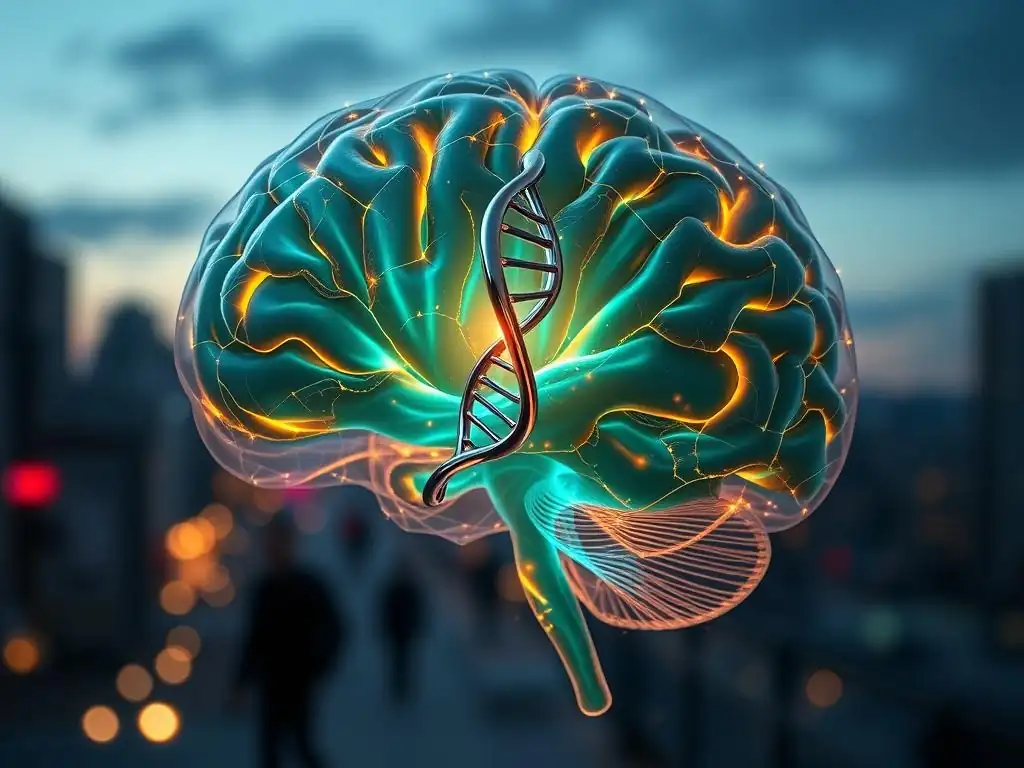
Have you ever wondered if addiction is simply a matter of willpower, or if there's something deeper at play? In this article, we delve into the fascinating world of genetic factors addiction development, exploring how our genes, environment, and brain reward pathways interact to influence vulnerability. Understanding these complex relationships is the first step towards breaking free from the stigma and fostering effective prevention and treatment strategies. Prepare to uncover surprising insights that could reshape your understanding of addiction and its impact on individuals and families. What if the key to overcoming addiction lies within our very DNA?
Understanding the Genetics of Addiction: Genes, Environment, and Brain Reward Pathways
- Introduction: The Complex Interplay of Genetics and Addiction
- Decoding the Genetic Landscape of Addiction
- The Environmental Influence on Addiction Development
- The Brain Reward System and Addiction Genetics
- Genetic Factors Addiction Development: A Closer Look
- The Future of Addiction Research: Genetic Testing and Personalized Treatment
- Mitigating Genetic Risks: Prevention and Intervention Strategies
- Conclusion: Embracing a Holistic Understanding of Addiction
-
Frequently Asked Questions
- How significantly do genetic factors contribute to addiction development?
- What specific genes have been linked to an increased risk of addiction?
- How do environmental factors interact with genetic predispositions in addiction?
- How do genetic factors influence the brain's reward pathways in addiction?
- If I have a family history of addiction, am I destined to become addicted myself?
- Final Reflection: Unraveling the Complex Tapestry of Addiction
- Unlock Your Understanding: Take Control of Your Genetic Predispositions
Introduction: The Complex Interplay of Genetics and Addiction
Mind Care Guide's Perspective on Addiction and Mental Well-being
At Mind Care Guide, we view addiction not as a moral failing, but as a complex brain disorder influenced by a confluence of factors. Our approach emphasizes understanding the multifaceted nature of substance use disorders and behavioral addictions, recognizing that biological, psychological, and social elements all play significant roles. We believe that informed awareness is the first step towards effective prevention, treatment, and recovery, and this includes shedding light on the biological underpinnings that can increase vulnerability, such as the genetic factors addiction development involves.
Our commitment is to provide accessible, evidence-based information that empowers individuals and families navigating the challenges of addiction. By exploring areas like the biological basis of mental disorders, including the influence of genetics on addiction, we aim to reduce stigma and foster a more compassionate understanding. This knowledge helps to frame addiction within the broader context of mental well-being, highlighting that it is a health issue requiring comprehensive support and care tailored to the individual's unique circumstances and risk profile.
Why Understanding the Genetic Basis of Addiction Matters
Understanding the genetic basis of addiction is crucial for several reasons. Firstly, it helps to explain why some individuals are more susceptible to developing addictive behaviors than others, even when exposed to similar environmental factors. Research indicates that genetic factors can account for approximately 40% to 60% of an individual's vulnerability to addiction. This significant contribution underscores the importance of genetics as a major risk factor, alongside environment, in the complex landscape of addiction development.
Secondly, delving into the genetic factors addiction development involves can pave the way for more personalized prevention strategies and treatment approaches. If we can identify specific genetic variations that increase risk or predict response to certain medications, interventions can be tailored more effectively. This shift towards personalized medicine holds promise for improving outcomes and reducing the impact of addiction on individuals and society. Furthermore, understanding the biological underpinnings helps validate the experience of those struggling with addiction, reinforcing that it is a medical condition and not simply a lack of willpower.
Decoding the Genetic Landscape of Addiction
Genetic Predisposition: How Inherited Genes Influence Addiction Risk
Genetic predisposition refers to an increased likelihood of developing a particular disease or condition due to the presence of one or more specific genes or genetic variations. In the context of addiction, this means inheriting certain gene variants from parents that can alter brain function, metabolism, or behavior in ways that increase vulnerability to substance use or compulsive behaviors. It's important to note that having a genetic predisposition does not guarantee that a person will develop an addiction, but it does significantly elevate their risk when combined with environmental factors.
Studies involving twins and adopted individuals have provided compelling evidence for the role of genetic factors addiction development. For example, identical twins (who share nearly 100% of their genes) are more likely to both develop an addiction if one twin is affected, compared to fraternal twins (who share about 50% of their genes) or non-twin siblings. Heritability estimates vary depending on the substance, but are consistently significant: alcohol dependence heritability is often cited between 40-60%, opioid addiction around 50%, and nicotine dependence as high as 60-70%. These figures highlight the substantial influence of inherited traits on susceptibility.
Identifying Specific Genes Associated with Addiction Vulnerability
Research has identified numerous genes and gene families that appear to play a role in increasing or decreasing an individual's risk for addiction. These genes often influence aspects of brain function related to reward, stress response, impulse control, and drug metabolism. While no single "addiction gene" exists, variations within these genes can subtly alter brain chemistry and structure, making an individual more or less sensitive to the effects of addictive substances or behaviors.
Identifying these specific genetic factors addiction development involves is an ongoing area of research. Some of the most studied genes are those involved in neurotransmitter systems, particularly dopamine, serotonin, and GABA, which are heavily implicated in reward and motivation. Genes affecting the body's ability to metabolize substances, such as enzymes involved in alcohol breakdown, also play a significant role in how individuals experience and respond to drugs. Understanding the collective impact of variations across multiple genes is key to building a comprehensive picture of genetic vulnerability.
Dopamine Receptor Genes and Addiction
Variations in genes that code for dopamine receptors are among the most widely studied in addiction research. The dopamine system is central to the brain's reward pathway, mediating feelings of pleasure and motivation. One notable example is the DRD2 gene, which codes for the D2 dopamine receptor.
Certain variants of the DRD2 gene, such as the Taq1A allele, have been associated with a reduced number of D2 receptors in the brain. This deficiency might lead individuals to seek external sources of pleasure, such as drugs or addictive behaviors, to achieve the same level of reward experienced by those with higher receptor availability.
Studies have found associations between the Taq1A variant and increased risk for various addictions, including alcohol dependence, cocaine addiction, and nicotine addiction. While the association is not definitive and other factors are involved, it illustrates how specific genetic factors addiction development involves can alter fundamental brain mechanisms related to reward processing. This genetic variation can influence how strongly a person experiences the pleasurable effects of a substance, potentially increasing the likelihood of repeated use and the development of dependence.
Genes Affecting Neurotransmitter Metabolism and Addiction
Beyond receptor genes, variations in genes that influence the synthesis, transport, and breakdown of neurotransmitters also contribute to addiction vulnerability. For instance, genes coding for enzymes involved in alcohol metabolism, like alcohol dehydrogenase ( ADH) and aldehyde dehydrogenase ( ALDH), significantly impact how the body processes alcohol.
Certain variants of ALDH2, common in populations of East Asian descent, result in a less active enzyme that causes a buildup of acetaldehyde, a toxic byproduct of alcohol metabolism. This leads to unpleasant symptoms like flushing, nausea, and rapid heartbeat, which can act as a deterrent to heavy drinking and thus reduce the risk of alcohol dependence.
Conversely, variations in genes affecting enzymes or transporters for neurotransmitters like serotonin ( SLC6A4, which codes for the serotonin transporter) or GABA ( GABRA2, which codes for a GABA receptor subunit) have also been linked to addiction risk. These genes influence mood regulation, stress response, and inhibitory control – all factors that can impact a person's susceptibility to using substances as a coping mechanism or developing impulsive behaviors. These examples demonstrate how genetic factors addiction development relates to can operate through diverse biochemical pathways.
The Role of Epigenetics in Shaping Addiction Vulnerability
Epigenetics refers to changes in gene expression that do not involve alterations to the underlying DNA sequence. These changes are often influenced by environmental factors and can be heritable. In the context of addiction, epigenetic modifications can alter how genes related to the brain's reward system, stress response, and learning and memory are turned "on" or "off." For example, exposure to stress, trauma, or drugs themselves can induce epigenetic changes in brain regions like the prefrontal cortex and nucleus accumbens, which are critical for decision-making, impulse control, and reward processing.
These epigenetic changes can lead to long-lasting alterations in neural circuits, increasing sensitivity to stress, impairing executive function, and enhancing the rewarding effects of drugs. This dynamic interaction highlights that genetic factors addiction development involves are not static; their expression can be modified by experiences throughout life. Understanding epigenetics provides a mechanism through which environmental factors can leave enduring molecular "marks" on the genome, contributing to the persistence of addictive behaviors and relapse vulnerability.
The Environmental Influence on Addiction Development
Gene-Environment Interactions: A Critical Factor in Addiction
While genetic factors play a significant role, they rarely act in isolation. The development of addiction is profoundly shaped by the complex interplay between an individual's genetic makeup and their environment. This gene-environment interaction means that a genetic predisposition may only manifest as increased risk when an individual is exposed to specific environmental triggers, such as stress, trauma, peer pressure, or easy access to substances. Conversely, protective environmental factors, like strong family support or positive coping mechanisms, can buffer genetic vulnerabilities.
Consider the example of the CHRNA5 gene variant, which is associated with a higher risk of nicotine dependence. Studies have shown that individuals with this genetic variation are more likely to become heavy smokers and struggle to quit, but this increased risk is most pronounced in individuals who start smoking at a young age or are exposed to smoking within their social environment.
This illustrates that the genetic risk factor is significantly amplified by environmental exposure. Understanding these interactions is key to developing effective prevention strategies that target both individual vulnerabilities and environmental risks, recognizing that genetic factors addiction development involves are part of a larger equation.
Early Life Experiences and Their Impact on Addiction Risk
Experiences during critical developmental periods, particularly early childhood, can have a profound and lasting impact on addiction vulnerability. Adverse Childhood Experiences (ACEs), such as abuse, neglect, household dysfunction (e.g., parental substance use, mental illness, divorce), are strongly correlated with increased risk for substance use disorders later in life. Research has shown a dose-response relationship, meaning the more ACEs a person experiences, the higher their risk for developing addiction and other health problems.
These early environmental stressors can interact with genetic predispositions through epigenetic mechanisms, altering brain development and function in ways that increase susceptibility to addiction. For instance, chronic stress in childhood can affect the development of the stress response system and the prefrontal cortex, impairing emotional regulation and impulse control. These changes, potentially modulated by an individual's genetic background, can make someone more likely to turn to substances to cope with difficult emotions or make impulsive decisions regarding drug use, further highlighting how environmental factors influence genetic factors addiction development entails.
Beyond immediate family and early experiences, broader social and cultural factors also significantly influence addiction risk. These include socioeconomic status, community norms regarding substance use, availability and legality of substances, marketing and media influences, and cultural attitudes towards seeking help for mental health issues or addiction. Living in a disadvantaged neighborhood with high crime rates and limited opportunities, for example, can increase stress and reduce access to resources, potentially exacerbating genetic vulnerabilities.
Peer group influence is particularly powerful, especially during adolescence. Association with peers who use substances is a strong predictor of initiation and continued use, regardless of genetic background. Cultural factors, such as traditional practices involving substance use or societal stigma surrounding addiction, also shape risk and recovery trajectories. These macro-level environmental factors interact with individual genetic predispositions and personal life experiences to create a complex web of influences that contribute to whether or how genetic factors addiction development might lead to.
The Brain Reward System and Addiction Genetics
How the Brain's Reward Pathways Function
The brain's reward system is a network of structures and pathways that are activated by pleasurable stimuli, such as food, sex, and social interaction. Its primary function is to reinforce behaviors necessary for survival and reproduction by releasing neurotransmitters, primarily dopamine, which signal pleasure and motivate repetition of the behavior. Key structures in this system include the ventral tegmental area (VTA), nucleus accumbens, and prefrontal cortex. When a rewarding stimulus is encountered, neurons in the VTA release dopamine into the nucleus accumbens, creating a feeling of pleasure and reinforcing the associated behavior.
Addictive substances hijack this natural reward system. Drugs of abuse, such as cocaine, heroin, and nicotine, cause a massive surge of dopamine release in the nucleus accumbens, far exceeding the levels produced by natural rewards. This intense activation leads to powerful feelings of euphoria and strongly reinforces drug-seeking behavior.
With repeated drug use, the brain adapts by reducing its sensitivity to dopamine and other neurotransmitters, leading to a state where normal activities no longer feel rewarding, and the individual needs the drug simply to feel "normal." This dysregulation of the reward system is a core component of addiction, and genetic variations can influence how susceptible an individual's reward system is to these drug-induced changes.
Genetic Variations Affecting Reward System Sensitivity
Genetic variations can influence the structure and function of the brain's reward pathways, thereby affecting an individual's sensitivity to rewarding stimuli, including drugs. These variations can impact the number or function of neurotransmitter receptors, the efficiency of neurotransmitter production or breakdown, or the connectivity between different brain regions involved in the reward circuit. Such differences can alter how strongly a person experiences the pleasure from a substance, how quickly they develop tolerance, and how severe their withdrawal symptoms are.
For example, variations in genes related to the dopamine system can influence baseline levels of dopamine activity or the responsiveness of dopamine receptors. Individuals with genetic predispositions that result in a less responsive or underactive reward system may be more prone to seeking out strong external stimuli, like drugs, to activate these pathways. Conversely, variations that lead to an overly sensitive reward system might make the initial drug experience intensely pleasurable and highly reinforcing. Understanding these genetic factors addiction development is closely tied to provides insights into why different individuals respond so differently to the same substance.
The Role of the Mesolimbic Dopamine Pathway
The mesolimbic dopamine pathway, extending from the VTA to the nucleus accumbens and other limbic structures, is the primary pathway implicated in the rewarding effects of drugs. Genetic variations can affect various components of this pathway. For instance, variations in genes coding for dopamine transporters ( DAT or SLC6A3), which are responsible for clearing dopamine from the synapse, can influence the duration and intensity of dopamine signaling. Certain variants might lead to slower dopamine reuptake, prolonging the euphoric effects of drugs like cocaine or amphetamines that target this transporter.
Similarly, genetic variations in enzymes involved in dopamine synthesis or degradation (e.g., catechol-O-methyltransferase, COMT) can alter overall dopamine levels and signaling efficiency within this pathway. These genetic differences can contribute to varying degrees of sensitivity to the rewarding effects of substances and the development of compulsive drug-seeking behavior. Examining the genetic factors addiction development involves within this crucial pathway helps researchers understand individual differences in vulnerability and response to treatment.
Genetic Influences on Opioid and Cannabinoid Receptor Systems
Beyond the dopamine system, genetic variations affecting other neurotransmitter systems, such as the opioid and cannabinoid systems, also play a significant role in addiction, particularly to substances like heroin, prescription painkillers, and cannabis. The OPRM1 gene, which codes for the mu-opioid receptor, is a prime example.
Certain variants of OPRM1, such as the A118G polymorphism, have been associated with altered receptor binding affinity and response to opioids. Individuals with the G allele may experience a stronger response to opioids, potentially increasing their risk for dependence, or conversely, they might require higher doses for pain relief, also increasing exposure and risk.
Similarly, variations in genes coding for cannabinoid receptors ( CB1, CB2) and enzymes involved in cannabinoid metabolism (e.g., fatty acid amide hydrolase, FAAH) can influence how individuals respond to cannabis and their risk for developing cannabis use disorder. For example, a specific polymorphism in the FAAH gene has been linked to altered anxiety levels and potentially different responses to cannabis use. These genetic factors addiction development involves highlight the diverse molecular targets through which inherited traits can influence vulnerability to specific classes of drugs.
Genetic Factors Addiction Development: A Closer Look
Exploring the Heritability of Different Addictive Behaviors
Research consistently shows that genetic factors contribute significantly to the risk of developing a wide range of addictive behaviors, though the degree of heritability varies depending on the specific substance or behavior. Heritability estimates are derived from studies comparing the rates of addiction among relatives, particularly twins and adopted individuals. While these estimates represent the proportion of variation in risk attributable to genetics within a specific population under specific environmental conditions, they underscore the biological component of addiction vulnerability.
For substance use disorders, heritability estimates are generally in the moderate to high range, typically between 40% and 70%. This means that while environmental factors are always critical, an individual's genetic makeup accounts for a substantial portion of their susceptibility. Behavioral addictions, such as pathological gambling or compulsive eating, also show evidence of significant heritability, suggesting that the underlying genetic factors addiction development involves may overlap to some extent with those for substance use disorders, particularly concerning genes related to reward and impulse control.
Alcohol Use Disorder: Genetic and Environmental Contributions
Alcohol use disorder (AUD) is one of the most studied addictions in terms of its genetic basis. Heritability estimates for AUD typically range from 50% to 60%. This means that having a family history of AUD significantly increases an individual's risk – estimates suggest children of parents with AUD are roughly four to ten times more likely to develop the condition themselves compared to the general population. Numerous genes have been implicated, including those involved in alcohol metabolism ( ADH, ALDH), neurotransmitter systems (GABA, glutamate, dopamine, serotonin), and stress response pathways.
However, environmental factors are equally crucial. Early initiation of drinking, peer influence, exposure to trauma, socioeconomic status, and cultural attitudes towards alcohol all interact with genetic predispositions. For example, while certain ALDH2 variants reduce AUD risk in individuals of East Asian descent by causing unpleasant metabolic reactions to alcohol, environmental factors like heavy social pressure to drink can sometimes override this protective genetic effect, illustrating the complex interplay of genetic factors addiction development involves alongside environmental context.
Opioid Addiction: Unraveling the Genetic Complexity
Opioid addiction, including dependence on prescription painkillers and illicit opioids like heroin, also has a significant genetic component, with heritability estimated to be around 50%. Research has focused heavily on genes involved in the opioid system, particularly OPRM1 (mu-opioid receptor), but also genes related to dopamine, GABA, and glutamate systems, which are indirectly affected by opioid use. Specific variants in OPRM1 are associated with differential responses to pain and varying susceptibility to opioid dependence and withdrawal severity.
The opioid crisis has underscored the critical need to understand the genetic factors addiction development to opioids involves, especially in the context of pain management. Identifying individuals who may be genetically predisposed to developing dependence could potentially inform prescribing practices. However, environmental factors such as exposure to prescription opioids for chronic pain, social networks that facilitate access to illicit drugs, and experiences of trauma are powerful drivers of the opioid crisis and interact closely with genetic vulnerabilities.
Stimulant Addiction: Genetic Markers and Their Significance
Stimulant addictions, such as cocaine and methamphetamine dependence, also exhibit moderate to high heritability, estimated in the range of 50% to 70%. Genetic research in this area has often focused on genes involved in the dopamine system, given that stimulants exert their primary effects by dramatically increasing dopamine levels in the brain's reward pathway. Variations in genes coding for dopamine receptors ( DRD1, DRD2, DRD4), dopamine transporters ( SLC6A3), and enzymes involved in dopamine metabolism ( COMT) have been associated with stimulant addiction risk.
For instance, certain variants of the DRD4 gene (specifically, those with longer repeat sequences) have been linked to novelty-seeking and impulsive behaviors, traits that may increase susceptibility to trying stimulants and developing compulsive use. While these genetic markers provide clues about biological vulnerability, environmental factors like early exposure to drugs, chronic stress, and psychiatric comorbidities like ADHD or conduct disorder significantly modify the expression of these genetic risks, highlighting how genetic factors addiction development involves are modulated by experience.
The Future of Addiction Research: Genetic Testing and Personalized Treatment
Potential for Genetic Screening to Identify Individuals at Risk
The increasing understanding of the genetic factors addiction development involves has led to discussions about the potential for genetic screening to identify individuals at higher risk. Theoretically, identifying genetic predispositions early could allow for targeted prevention efforts, such as providing enhanced education about addiction risk, promoting healthy coping strategies, and minimizing exposure to high-risk environments or substances. For example, knowing someone carries a genetic variant associated with increased risk for nicotine dependence might prompt earlier and more intensive smoking prevention interventions.
However, the application of genetic screening for addiction risk is currently complex and not yet a standard clinical practice. Addiction risk is influenced by multiple genes, each typically having a small effect, combined with significant environmental factors. Therefore, current genetic tests cannot predict with certainty who will develop an addiction. Ethical considerations, including the potential for discrimination, misuse of genetic information, and the psychological impact of knowing one has a "risk gene," also need careful consideration before widespread implementation.
Tailoring Addiction Treatment Based on Genetic Profiles
Another exciting prospect in addiction research is the potential to use genetic information to personalize treatment. Pharmacogenomics, the study of how genes affect a person's response to drugs, is already being explored in addiction treatment. For example, genetic variations in liver enzymes ( CYP2D6, CYP3A4) can affect how quickly individuals metabolize certain medications used in addiction treatment, such as naltrexone or some antidepressants used to treat co-occurring disorders. Knowing a patient's genetic profile could help clinicians select the most effective medication and dosage, potentially improving treatment outcomes and reducing side effects.
Furthermore, genetic variations in neurotransmitter receptor genes ( OPRM1, DRD2) might predict how well an individual responds to specific pharmacotherapies that target these receptors. While still largely experimental in addiction treatment, using genetic factors addiction development influences to guide medication selection holds promise for moving towards more effective, individualized care plans. This approach recognizes that "one size fits all" treatment is often insufficient for a disorder as heterogeneous as addiction.
Ethical Considerations of Genetic Information in Addiction Care
The increasing availability of genetic information raises significant ethical considerations within addiction care. A primary concern is the potential for genetic determinism – the idea that having a "risk gene" means addiction is inevitable, which can lead to feelings of hopelessness or reduce motivation for recovery efforts. It is crucial to emphasize that genetic predisposition is a risk factor, not a destiny, and that environment, personal choices, and treatment play powerful roles.
Privacy and confidentiality of genetic information are also paramount. There are concerns about who should have access to this sensitive data and how it might be used by employers, insurance companies, or the legal system. Ensuring that genetic information is used to empower individuals and guide compassionate care, rather than to stigmatize or discriminate, is a critical ethical challenge. Careful counseling and education are necessary when discussing genetic factors addiction development involves with patients, ensuring they understand the limitations and implications of this information.
Mitigating Genetic Risks: Prevention and Intervention Strategies
Lifestyle Choices and Environmental Modifications to Reduce Addiction Risk
Even with a genetic predisposition, individuals can take proactive steps to mitigate their risk of developing addiction by making informed lifestyle choices and modifying their environment. Promoting resilience through healthy coping mechanisms for stress (e.g., exercise, mindfulness, hobbies), avoiding early exposure to addictive substances, and choosing supportive social networks can significantly reduce the likelihood that genetic vulnerabilities will manifest as addiction. Education is key – understanding that one might have a higher genetic risk can empower individuals to be more cautious about substance use.
Parents and caregivers also play a vital role in creating protective environments for children, particularly if there is a family history of addiction. This includes fostering strong family bonds, providing consistent supervision, setting clear expectations regarding substance use, and ensuring access to mental health support if needed. Modifying the environment to reduce access to substances and promoting community resources that support healthy development and well-being are crucial strategies that can counteract the influence of genetic factors addiction development involves.
Therapeutic Approaches Targeting Genetically Influenced Pathways
While we cannot change our genes, future therapeutic approaches may be developed to target the biological pathways influenced by genetic variations associated with addiction. This could include novel medications designed to modulate neurotransmitter systems (like dopamine or opioid receptors) in a way that counteracts the effects of specific risk variants, or therapies that aim to reverse adverse epigenetic modifications induced by stress or drug exposure.
Furthermore, behavioral therapies themselves may work, in part, by influencing gene expression and brain function. For example, cognitive behavioral therapy (CBT) and mindfulness-based interventions have been shown to promote changes in brain activity and connectivity in regions affected by addiction. While not directly altering the genetic sequence, these therapies can influence how genetic factors addiction development has impacted are expressed and function, strengthening circuits related to impulse control and decision-making and supporting long-term recovery.
Conclusion: Embracing a Holistic Understanding of Addiction
The Importance of Integrating Genetic Knowledge into Addiction Treatment
Integrating knowledge about the genetic factors addiction development involves into clinical practice is essential for moving towards a more holistic and effective approach to addiction treatment and prevention. Recognizing that addiction is a complex disorder with significant biological underpinnings, including genetic predisposition, helps to reduce stigma and encourages a view of addiction as a treatable health condition. This understanding can inform risk assessments, potentially guide the selection of appropriate interventions, and foster empathy from clinicians and society.
While genetic information alone is not a crystal ball, combining it with a thorough assessment of environmental factors, psychological history, and social context allows for a more nuanced understanding of an individual's unique vulnerability and needs. Acknowledging the role of genetics reinforces that addiction is not a character flaw but a disease influenced by factors beyond an individual's control, while simultaneously emphasizing that recovery is possible through appropriate support and interventions that address the interplay of biology, psychology, and environment.
Mind Care Guide's Commitment to Providing Resources and Support for Addiction Recovery
Mind Care Guide is committed to being a comprehensive resource for individuals and families affected by addiction. We understand the challenges posed by genetic factors addiction development involves, but we also believe strongly in the power of resilience, environment, and effective treatment. Our platform aims to provide accessible information on the biological basis of addiction, alongside practical guidance on seeking help, understanding treatment options, and finding support networks.
We advocate for a compassionate approach that views addiction through a lens of mental well-being, recognizing that recovery is a journey requiring integrated care. By offering resources that explain complex topics like the genetics of addiction in an understandable way, we hope to empower individuals to seek help without shame and to connect with the support they need to navigate their path to recovery. Our goal is to foster hope and provide reliable information that supports well-being for all those impacted by addiction.
Frequently Asked Questions
How significantly do genetic factors contribute to addiction development?
Genetic factors play a substantial role in addiction development, contributing roughly 40-60% of the risk. However, it's crucial to remember that genes don't determine destiny; they create a predisposition.
What specific genes have been linked to an increased risk of addiction?
While no single "addiction gene" exists, research has identified numerous genes involved in neurotransmitter pathways (e.g., dopamine, serotonin) and stress response that are associated with increased vulnerability. These genes often affect how the brain processes rewards.
How do environmental factors interact with genetic predispositions in addiction?
Environmental factors like childhood trauma, social influences, and access to substances can significantly interact with genetic vulnerabilities. A genetic predisposition may only manifest as addiction in the presence of specific environmental triggers.
How do genetic factors influence the brain's reward pathways in addiction?
Genes can influence the sensitivity and reactivity of the brain's reward pathways to addictive substances. This can lead to individuals with certain genetic variations experiencing more intense pleasure or reduced sensitivity to negative consequences, increasing their risk.
If I have a family history of addiction, am I destined to become addicted myself?
Having a family history of addiction increases your risk, but it doesn't guarantee addiction. Lifestyle choices, coping mechanisms, and access to support can mitigate genetic risks. Proactive prevention strategies are key.
Final Reflection: Unraveling the Complex Tapestry of Addiction
The interplay between genetics and environment in addiction is not merely an academic pursuit; it's a crucial understanding for developing effective prevention and treatment strategies. The devastating impact of addiction on individuals, families, and communities demands a nuanced approach that acknowledges the intricate dance between inherited predispositions and environmental triggers. Ignoring the genetic component leads to incomplete solutions, while neglecting the environmental factors ignores the modifiable aspects of this complex disorder.
The more we learn about the genetic underpinnings of addiction, the more we realize the profound influence these factors have on shaping vulnerability and resilience. This understanding challenges the simplistic narratives of personal responsibility often associated with addiction, highlighting the biological realities that contribute to its development. Addiction is not a moral failing; it's a complex disease with biological, psychological, and social dimensions.
This quote encapsulates the shift in perspective needed to effectively address this public health crisis. The ongoing research into specific genes and their interactions with environmental factors offers hope for personalized interventions and more effective treatments tailored to individual genetic profiles.
The journey toward understanding the genetics of addiction is far from over, but the knowledge gained so far empowers us to approach this issue with greater compassion and efficacy. You, the reader, are now equipped with a deeper understanding of the biological mechanisms driving addiction.
Consider how this knowledge might inform your own perspectives on addiction, and how you can contribute to a more informed and compassionate approach to prevention, treatment, and support for those struggling with this challenging condition. Let's move beyond simplistic judgments and embrace a future where science-based understanding leads to effective solutions and a more humane approach to addiction.
Unlock Your Understanding: Take Control of Your Genetic Predispositions
Thanks for exploring the fascinating world of addiction genetics with us! You’ve now gained valuable insights into the complex interplay of genes, environment, and brain function. Ready to put this knowledge into action?
- Start a personalized journal: Track your thoughts and feelings related to potential triggers and cravings. This self-reflection is crucial for understanding your personal risk factors.
- Share this article: Help others understand the science behind addiction and break down harmful stigmas by sharing this article with someone who might benefit.
- Explore local support groups: Discover a community of support and understanding by researching local resources and support groups specializing in addiction recovery.
What actionable step will you take today to improve your understanding and empower yourself or someone you care about?