
The Biological Basis of OCD: Exploring Genetic and Environmental Contributions


Welcome to Mind Care Guide, a sanctuary for understanding and nurturing your mental well-being.
Ever wondered what truly lies beneath the surface of Obsessive-Compulsive Disorder? This isn't just about habits; it's a complex interplay of factors. Join us as we delve into the neuroscience of mental health, specifically exploring the OCD genetic environmental causes, uncovering the intricate biological foundations that contribute to this often misunderstood condition. Prepare to gain a deeper understanding and discover pathways toward hope and support.
- Understanding the Biological Roots of OCD
- Genetic Factors in OCD Development
- Environmental Contributions to OCD Risk
- Gene-Environment Correlation in OCD
- The Gut-Brain Axis and OCD
- Neurotransmitter Systems Involved in OCD
- Neuroimaging Studies of OCD
- The Diathesis-Stress Model of OCD
- Implications for OCD Treatment and Prevention
-
Frequently Asked Questions
- What are the primary genetic factors that contribute to OCD?
- How do environmental factors influence the development of OCD?
- Is OCD purely a genetic disorder, or do environmental influences play a significant role?
- Can understanding the genetic and environmental causes of OCD help in treatment?
- If I have a family history of OCD, am I guaranteed to develop the condition myself?
- Final Reflection: Unraveling the Complex Tapestry of OCD
- Unlock Your Understanding: Dive Deeper into OCD
Understanding the Biological Roots of OCD
Defining Obsessive-Compulsive Disorder (OCD)
Obsessive-Compulsive Disorder (OCD) is a complex mental health condition characterized by a pattern of unwanted thoughts and fears (obsessions) that lead individuals to perform repetitive behaviors (compulsions). These obsessions often intrude into a person's consciousness, causing significant anxiety and distress. Common obsessions might include fears of contamination, a need for symmetry or order, or intrusive thoughts about harm.
To alleviate the anxiety caused by obsessions, individuals with OCD engage in compulsions. These are ritualistic actions, either physical or mental, performed repeatedly according to strict rules. Examples include excessive handwashing, checking locks multiple times, or arranging objects in a specific order. While these compulsions might provide temporary relief, they are often time-consuming and can significantly interfere with daily life, relationships, and work. Understanding the OCD genetic environmental causes is crucial to grasping the full picture of this disorder.
The Neuroscience of OCD: Brain Structures and Functions
Research into the neuroscience of OCD has identified specific brain regions and circuits that appear to function differently in individuals with the condition. Key areas implicated include the orbitofrontal cortex (OFC), the anterior cingulate cortex (ACC), and structures within the basal ganglia, such as the striatum (caudate nucleus and putamen). These regions are part of a complex network often referred to as the cortico-striatal-thalamo-cortical (CSTC) circuit.
In individuals with OCD, this circuit is thought to be hyperactive or dysregulated. The OFC is involved in processing reward and punishment and detecting errors, while the ACC plays a role in conflict monitoring and decision-making. The basal ganglia are critical for habit formation and motor control. It's hypothesized that dysregulation in this circuit leads to a reduced ability to inhibit unwanted thoughts or actions, contributing to the persistent obsessions and compulsive behaviors seen in OCD. Exploring the intricate interplay between these brain regions helps shed light on the biological underpinnings of this challenging disorder.
Genetic Factors in OCD Development
Is OCD Hereditary? Exploring Family Studies and Twin Studies
Evidence strongly suggests that genetics play a significant role in the development of OCD. Family studies have consistently shown that first-degree relatives (parents, siblings, children) of individuals with OCD have a significantly higher risk of developing the disorder themselves compared to the general population. While the exact increased risk varies across studies, estimates often place it around 2-10 times higher. This familial clustering points towards a heritable component in the OCD genetic environmental causes.
Twin studies provide further insight into the degree of genetic influence. Studies comparing identical twins (who share 100% of their genes) with fraternal twins (who share approximately 50% of their genes) have estimated the heritability of OCD to be in the range of 30% to 50%. This means that a substantial portion of the variation in whether someone develops OCD in a population can be attributed to genetic factors. While not solely determined by genes, this heritability estimate underscores the importance of inherited predispositions.
Identifying Specific Genes Associated with OCD
Identifying the specific genes involved in OCD has been a focus of intensive research. While no single "OCD gene" has been found, studies have pointed to several candidate genes that may contribute to risk. Many of these genes are involved in regulating neurotransmitter systems, particularly serotonin, dopamine, and glutamate, which are crucial for brain function and have been implicated in OCD symptoms.
Genome-wide association studies (GWAS) have identified specific genetic variations (single nucleotide polymorphisms or SNPs) that are more common in individuals with OCD compared to those without the disorder. For instance, variations in genes like SLC1A1 (involved in glutamate transport), HTR2A (a serotonin receptor gene), and genes related to dopamine signaling have shown associations.
However, each identified gene variant typically confers only a small increase in risk, suggesting that OCD is a polygenic disorder, meaning it is influenced by the combined effects of many different genes, each with a small impact. Understanding these genetic pieces is vital for understanding the OCD genetic environmental causes.
Gene-Environment Interactions in OCD: A Complex Picture
The relationship between genes and environment in OCD is not simply additive; they interact in complex ways. A person might inherit a genetic predisposition that makes them more vulnerable to developing OCD, but this vulnerability may only manifest if they are exposed to certain environmental triggers. This concept of gene-environment interaction is central to understanding the full spectrum of OCD genetic environmental causes.
For example, a study might find that individuals with a specific variant of a serotonin transporter gene are more likely to develop OCD, but only if they also experienced significant childhood trauma. Without the genetic vulnerability, the trauma might not lead to OCD, and without the trauma, the genetic predisposition might not be expressed as the disorder. This highlights that the environment can modulate the expression of genetic risk, and conversely, genetic makeup can influence how an individual responds to environmental factors.
Environmental Contributions to OCD Risk
The Role of Early Life Trauma in OCD
Environmental factors, particularly those experienced during early development, are increasingly recognized as significant contributors to OCD risk. Adverse childhood experiences (ACEs), such as physical, emotional, or sexual abuse, neglect, or household dysfunction, have been linked to an increased likelihood of developing OCD later in life. While not everyone who experiences trauma will develop OCD, studies suggest a correlation.
Research indicates that the impact of early trauma might be mediated through neurobiological changes. Chronic stress and trauma during critical periods of brain development can alter stress response systems, impact brain structure and function (including areas implicated in OCD like the CSTC circuit), and influence gene expression patterns (epigenetics). This suggests that traumatic experiences can create a biological vulnerability that interacts with genetic predispositions, contributing to the complex tapestry of OCD genetic environmental causes.
Infections and Autoimmune Responses in OCD
A specific area of environmental influence gaining attention is the potential role of infections and subsequent autoimmune responses in triggering or exacerbating OCD symptoms, particularly in children. This phenomenon is known as Pediatric Autoimmune Neuropsychiatric Disorders Associated with Streptococcal Infections (PANDAS) or, more broadly, Pediatric Acute-onset Neuropsychiatric Syndrome (PANS) when associated with other infections.
In PANDAS, an infection, typically Streptococcus pyogenes (strep throat), is thought to trigger an autoimmune response where antibodies mistakenly attack parts of the brain, specifically the basal ganglia. This can lead to a sudden, dramatic onset or worsening of OCD symptoms, tics, and other neuropsychiatric issues. While the exact mechanisms are still being researched, this provides a compelling example of how an environmental trigger (infection) can directly impact brain function and contribute to the development of OCD, showcasing another facet of OCD genetic environmental causes.
The Impact of Stressful Life Events on OCD Onset
Beyond early trauma and infections, significant stressful life events occurring at any age can also play a role in the onset or exacerbation of OCD symptoms. Events such as relationship breakdowns, job loss, major illness, or significant life transitions can act as triggers, particularly in individuals who may already have a genetic or neurobiological vulnerability.
Stress is known to impact neurotransmitter systems and brain circuits, including those implicated in OCD. Chronic or acute stress can disrupt the delicate balance of chemicals like serotonin and dopamine and affect the function of the CSTC circuit. For someone with a pre-existing predisposition, a major stressor might tip the scale, leading to the emergence of clinical OCD symptoms. This highlights how recent environmental factors interact with underlying vulnerabilities to contribute to the manifestation of the disorder.
Gene-Environment Correlation in OCD

Passive, Evocative, and Active Gene-Environment Correlation
Gene-environment correlation (rGE) describes situations where an individual's genetic makeup influences the environments they are exposed to. There are three main types relevant to understanding OCD genetic environmental causes: passive, evocative, and active. Passive rGE occurs when children inherit genes from their parents, and those same parents also provide the environment. For example, parents with a genetic predisposition for anxiety (which can overlap with OCD) might create a more anxious or structured home environment, which could influence the child's development.
Evocative rGE happens when an individual's genetically influenced traits evoke specific responses from others or their environment. A child with a genetic predisposition towards being more sensitive or prone to repetitive behaviors might elicit different reactions from parents or peers than a child without such a predisposition, shaping their environmental experiences. Active rGE, or niche-picking, involves individuals actively selecting or creating environments that are compatible with their genetic predispositions. For instance, someone with a genetic tendency towards orderliness might actively seek out or create highly structured environments, which could potentially reinforce or exacerbate obsessive-compulsive tendencies.
Epigenetic Mechanisms in OCD Development
Epigenetics refers to changes in gene expression that are not caused by alterations in the DNA sequence itself, but rather by modifications to the DNA structure or associated proteins. These modifications can turn genes "on" or "off" and can be influenced by environmental factors throughout life, including stress, trauma, and diet. Epigenetic changes represent a crucial link between OCD genetic environmental causes.
Research is beginning to explore how epigenetic modifications might contribute to OCD risk. For example, studies are investigating whether stressful experiences, particularly early in life, can lead to lasting epigenetic changes in genes involved in stress response pathways or neurotransmitter systems that are relevant to OCD. These changes could potentially alter brain function and increase vulnerability to the disorder later on. Understanding these epigenetic mechanisms could reveal novel targets for intervention and provide a deeper understanding of how environmental exposures become biologically embedded.
The Gut-Brain Axis and OCD
The Role of the Microbiome in OCD Symptoms
Emerging research highlights the intricate connection between the gut and the brain, known as the gut-brain axis, and its potential relevance to psychiatric conditions like OCD. The gut microbiome, the vast community of bacteria and other microorganisms residing in the digestive tract, can influence brain function and behavior through various mechanisms, including the production of neurotransmitters, modulation of inflammation, and communication via the vagus nerve.
Studies, though still in early stages, are exploring whether dysbiosis (an imbalance in the gut microbial community) is associated with OCD symptoms. Some research suggests that certain microbial profiles might be linked to anxiety and obsessive-compulsive behaviors in animal models, and preliminary studies in humans are investigating similar associations. While a direct causal link between specific gut bacteria and OCD is not yet established, this area of research represents a fascinating intersection of environmental factors (diet, lifestyle, antibiotics influencing the microbiome) and brain health, potentially adding another layer to our understanding of OCD genetic environmental causes.
Inflammation and OCD: A Potential Link
Inflammation, both in the body and the brain (neuroinflammation), is another area being investigated in relation to OCD. The immune system and inflammatory processes can be influenced by genetic factors, environmental exposures (like infections or stress), and the gut microbiome. Chronic low-grade inflammation has been implicated in various psychiatric disorders, and its potential role in OCD is under scrutiny.
Inflammatory molecules (cytokines) can cross the blood-brain barrier and affect neurotransmitter systems and neural circuits, including those involved in fear, anxiety, and repetitive behaviors. As mentioned with PANDAS/PANS, an acute inflammatory response triggered by infection can dramatically impact brain function and lead to OCD symptoms. Beyond acute cases, chronic inflammatory states might contribute to the persistence or severity of symptoms in some individuals. Research in this area aims to understand if targeting inflammation could be a potential therapeutic strategy for certain subtypes of OCD.
Neurotransmitter Systems Involved in OCD
Serotonin's Role in OCD: A Primary Target for Treatment
The serotonin system is perhaps the most well-studied neurotransmitter system in relation to OCD. Serotonin is a key neuromodulator involved in regulating mood, anxiety, sleep, and impulse control. The observation that medications that increase serotonin levels in the brain, such as Selective Serotonin Reuptake Inhibitors (SSRIs), are effective in treating OCD symptoms provided early evidence for serotonin's involvement.
While the exact mechanism is not fully understood, it's hypothesized that a dysfunction in serotonin signaling contributes to the dysregulation of the CSTC circuit observed in OCD. SSRIs work by blocking the reabsorption of serotonin in the brain, increasing the amount of available serotonin in the synaptic cleft, which over time can help to normalize activity in these circuits. Genetic variations in serotonin-related genes, such as the serotonin transporter gene ( SLC6A4), have also been investigated for their potential contribution to OCD risk, further linking serotonin to the OCD genetic environmental causes.
Dopamine and Glutamate's Contribution to OCD Symptoms
Beyond serotonin, other neurotransmitter systems, particularly dopamine and glutamate, are also thought to play significant roles in the pathophysiology of OCD. Dopamine is crucial for reward, motivation, and habit formation, processes that are clearly relevant to the compulsive behaviors seen in OCD. Dysregulation in dopaminergic pathways, particularly those projecting to the basal ganglia, could contribute to the difficulty individuals with OCD have in inhibiting repetitive actions or switching behaviors.
Glutamate is the primary excitatory neurotransmitter in the brain and is heavily involved in learning, memory, and synaptic plasticity. It is also a key player in the CSTC circuit. Imbalances in glutamate signaling are thought to contribute to the hyperactivity observed in this circuit in individuals with OCD. Genetic variations in glutamate receptor or transporter genes have been associated with OCD in some studies. Furthermore, medications targeting glutamate receptors are being explored as potential novel treatments for OCD, highlighting the growing understanding of these neurotransmitters' complex roles in the disorder's biological basis.
Neuroimaging Studies of OCD
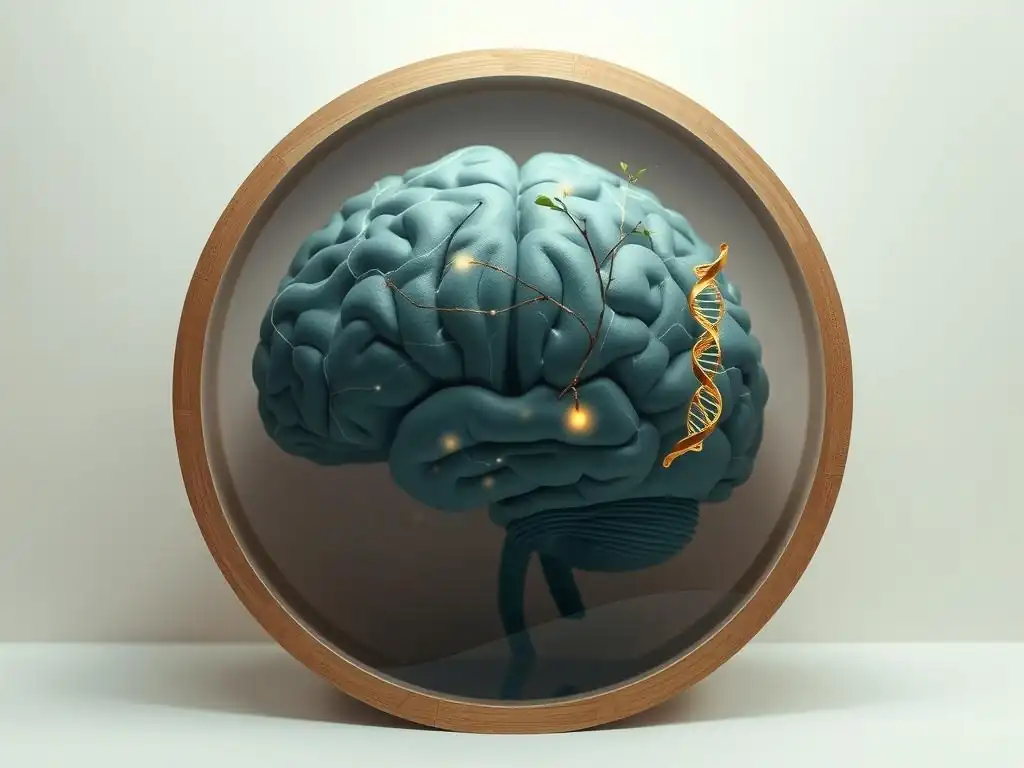
Structural Brain Differences in Individuals with OCD
Neuroimaging techniques, such as Magnetic Resonance Imaging (MRI), have allowed researchers to examine the structure of the brain in individuals with OCD. While findings can be somewhat inconsistent across studies, some patterns have emerged. Several studies have reported subtle differences in the volume or shape of certain brain regions within the CSTC circuit, particularly the basal ganglia (caudate nucleus and putamen) and areas within the frontal cortex (like the orbitofrontal cortex and anterior cingulate cortex).
For instance, some research has suggested alterations in grey matter volume in the caudate nucleus. It's important to note that these structural differences are often subtle and are not universally found in every individual with OCD. They may represent pre-existing vulnerabilities, consequences of the disorder itself, or a combination of both, potentially reflecting the long-term impact of OCD genetic environmental causes on brain development and structure.
Functional Brain Activity Patterns in OCD
Functional neuroimaging techniques, such as functional MRI (fMRI) and Positron Emission Tomography (PET), measure brain activity. These studies have consistently shown altered activity patterns within the CSTC circuit in individuals with OCD, especially when they are experiencing or provoking obsessions or compulsions. Hyperactivity in regions like the orbitofrontal cortex and anterior cingulate cortex, along with abnormal connectivity within the circuit, is a common finding.
For example, fMRI studies often show increased activation in the OFC and ACC when individuals with OCD are presented with stimuli related to their obsessions (e.g., dirt for someone with contamination fears). These functional differences are thought to underlie the core symptoms of OCD, such as the persistent feeling of "not right" or the inability to disengage from intrusive thoughts and repetitive behaviors. Understanding these functional signatures provides valuable insights into the neurobiological basis of the disorder and how OCD genetic environmental causes ultimately impact brain function.
The Diathesis-Stress Model of OCD
Genetic Vulnerability and Environmental Triggers
The diathesis-stress model provides a useful framework for integrating the various biological and environmental factors implicated in OCD. This model posits that individuals inherit a predisposition or vulnerability (the "diathesis"), which is often genetically influenced. This vulnerability is not sufficient on its own to cause the disorder, but it makes the individual more susceptible.
The development of clinical OCD then depends on the presence of environmental stressors or triggers. These could be acute events like trauma or infection, chronic stress, or other environmental exposures. In this model, an individual with a high genetic vulnerability might develop OCD even with relatively mild environmental stress, while someone with lower genetic vulnerability might only develop the disorder after exposure to severe environmental challenges. This model elegantly captures how OCD genetic environmental causes interact rather than simply adding up.
Understanding the Interplay of Risk Factors
The diathesis-stress model emphasizes that it is the interplay between inherited vulnerabilities and environmental experiences that leads to the manifestation of OCD. It moves beyond a simple nature-versus-nurture debate to acknowledge that both are essential components. An individual's genetic makeup can influence their sensitivity to environmental stressors, and environmental experiences can, in turn, influence gene expression and brain development.
For example, someone might have a genetic profile that makes their stress response system particularly reactive (a diathesis). If they then experience significant childhood adversity (a stressor), this combination might overwhelm their coping mechanisms and contribute to the development of OCD. Conversely, a supportive and stable environment might buffer the effects of a genetic predisposition. Recognizing this complex interplay of OCD genetic environmental causes is fundamental to developing comprehensive prevention and treatment strategies.
Implications for OCD Treatment and Prevention
Tailoring Treatments Based on Biological Understanding
Understanding the biological basis of OCD, including the role of OCD genetic environmental causes, has significant implications for treatment. The identification of dysregulated brain circuits and neurotransmitter systems has directly led to the development of effective pharmacological treatments like SSRIs, which target the serotonin system. As research identifies other potential targets, such as glutamate or inflammatory pathways, new medications or treatment approaches may emerge.
Furthermore, a deeper understanding of genetic and environmental vulnerabilities could potentially lead to more personalized treatment approaches. For instance, if certain genetic profiles predict a better response to a particular medication or therapy, treatment could be tailored accordingly. Similarly, recognizing the impact of trauma or infection highlights the importance of addressing these factors within a comprehensive treatment plan, which might include trauma-informed therapy or medical interventions for PANS/PANDAS.
Future Directions in OCD Research: Biomarker Identification and Targeted Therapies
Future research into the OCD genetic environmental causes is focused on several key areas. One major goal is the identification of biomarkers – measurable biological indicators that can help predict risk, diagnose the disorder, or monitor treatment response. These could include specific genetic markers, epigenetic signatures, neuroimaging patterns, or even markers related to the gut microbiome or inflammation.
Another critical direction is the development of more targeted therapies. As the specific genes, environmental factors, and neurobiological pathways involved become clearer, researchers aim to develop treatments that address these underlying mechanisms more precisely than current broad-acting medications. This could involve novel pharmacological agents, targeted neuromodulation techniques, or even interventions aimed at modifying the microbiome or addressing epigenetic changes. Ultimately, a more complete understanding of the biological roots of OCD holds the promise of more effective prevention strategies and personalized treatments for individuals affected by this challenging condition.
Frequently Asked Questions
What are the primary genetic factors that contribute to OCD?
While no single gene causes OCD, research suggests that multiple genes involved in brain development and neurotransmitter function (like serotonin) may increase susceptibility. These genes often interact with environmental factors.
How do environmental factors influence the development of OCD?
Environmental factors, such as childhood trauma, stressful life events, and certain infections, can trigger or exacerbate OCD symptoms, especially in individuals with a genetic predisposition.
Is OCD purely a genetic disorder, or do environmental influences play a significant role?
OCD is generally considered a multifactorial disorder, meaning that it arises from a complex interplay between genetic vulnerability and environmental triggers. Neither factor alone is typically sufficient.
Can understanding the genetic and environmental causes of OCD help in treatment?
Yes, by understanding the underlying biological basis of OCD, researchers can develop more targeted therapies. This knowledge can also personalize treatment approaches based on individual risk factors.
If I have a family history of OCD, am I guaranteed to develop the condition myself?
Having a family history of OCD increases the risk, but it doesn't guarantee development. Other factors, including environmental exposures and individual coping mechanisms, also play crucial roles.
Final Reflection: Unraveling the Complex Tapestry of OCD
Understanding the intricate interplay of genetics and environment in Obsessive-Compulsive Disorder (OCD) is not merely an academic pursuit; it's crucial for developing effective treatments and fostering genuine empathy for those affected. The research presented highlights the undeniable influence of both nature and nurture, shattering the simplistic notion of OCD as solely a psychological condition. This nuanced perspective is vital for moving beyond stigma and towards a future of personalized, effective care.
The journey of understanding OCD's biological basis has profoundly impacted our societal understanding of mental illness. It challenges the outdated stigma that often isolates individuals struggling with this debilitating condition. By acknowledging the complex interplay of genetic predisposition and environmental triggers, we can move towards a more compassionate and informed approach to mental healthcare. The most basic of all human needs is the need to understand and be understood.
- Ralph Nichols. This quote underscores the importance of our collective effort to understand the biological underpinnings of OCD, thereby fostering a deeper understanding and empathy for those who experience it.
Now, consider your own life. Have you witnessed the impact of genetics or environment on someone you know? Perhaps you've seen how a family history of anxiety might predispose someone to OCD, or how a traumatic event could trigger obsessive thoughts and compulsive behaviors.
This knowledge empowers you to approach mental health with greater understanding and compassion. Let this exploration of OCD's biological roots inspire you to advocate for improved mental healthcare, to challenge stigma, and to offer support to those navigating the complexities of this condition. The future of mental health lies in our collective commitment to understanding and empathy.
Unlock Your Understanding: Dive Deeper into OCD
Thanks for taking the time to explore the complex world of OCD with us! We hope you gained valuable insights into its biological underpinnings. Now, let's turn that knowledge into action:
- Start a conversation: Share this article with someone who might benefit from understanding OCD better. A simple conversation can make a big difference.
- Research support groups: Find a local or online community dedicated to OCD. Connecting with others facing similar challenges can be incredibly empowering.
- Consider exploring additional resources: Research reputable organizations focused on mental health and OCD to further broaden your understanding.
What personal step will you take today to enhance your knowledge or support someone impacted by OCD?