
The Biology of Social Stress: How Environmental Hierarchy Affects Gene Expression


Welcome to Mind Care Guide.
Ever felt the weight of social pressures changing you at a fundamental level? We delve into the fascinating, and sometimes unsettling, world of how social environments impact our very biology. In this article, we explore the intricate relationship between environmental hierarchy and social stress gene expression, uncovering how our place within a social structure can literally alter our genetic makeup. Intrigued? Discover the groundbreaking research and gain a deeper understanding of how your social experiences are shaping you from the inside out.
- The Biology of Social Stress: How Environmental Hierarchy Affects Gene Expression
- Decoding Social Stress: What is Social Stress and How Does it Work?
- The Molecular Mechanisms: Social Stress and Gene Expression
- Specific Genes Affected by Social Stress: A Closer Look
- The Long-Term Effects of Social Stress on Gene Expression
- Mitigating the Impact: Strategies to Counter Social Stress and its Effects on Gene Expression
- Conclusion: Social Stress, Gene Expression, and the Future of Mental Health Research
-
Frequently Asked Questions
- How does social hierarchy impact gene expression, and is there a specific "Social stress gene expression" signature?
- What role does epigenetics play in mediating the effects of social stress on gene expression?
- Can the effects of social stress on gene expression be reversed or mitigated?
- How do researchers study the link between social stress and gene expression in humans?
- What are the long-term health implications of social stress-induced changes in gene expression?
- Final Reflection: The Enduring Legacy of Social Stress
- Unlock Your Resilience: Take Control of Your Stress Response
Social stress, distinct from general environmental stressors, arises from interactions and perceived status within social groups. It encompasses experiences like social isolation, rejection, conflict, and navigating complex social hierarchies. Unlike acute physical threats, social stress can be chronic and pervasive, deeply influencing an individual's psychological and physiological state. The impact of this type of stress on mental well-being is profound, contributing significantly to conditions such as anxiety disorders, depression, and even substance use disorders.
The recognition of social stress as a potent factor in mental health highlights the intricate connection between our external social world and our internal biological landscape. Research increasingly demonstrates that chronic exposure to stressful social environments can lead to long-lasting changes in brain function and structure. Understanding the mechanisms by which social stress exerts its influence is crucial for developing effective prevention and intervention strategies aimed at protecting mental health in diverse social contexts.
The human brain is finely tuned to process social information and detect potential threats or rewards within social interactions. The amygdala, often called the brain's fear center, is highly responsive to social cues, particularly those signaling potential conflict or exclusion. Simultaneously, areas like the prefrontal cortex are involved in interpreting social contexts, regulating emotional responses, and navigating complex social rules. When faced with social stress, these brain regions engage in a complex interplay that activates the body's primary stress response systems.
The primary biological pathway activated by social stress is the hypothalamic-pituitary-adrenal (HPA) axis. This system, starting in the brain and extending to the adrenal glands, releases stress hormones like cortisol. While acute activation helps us respond to challenges, chronic social stress leads to prolonged HPA axis activation and dysregulation. This persistent hormonal imbalance can disrupt neurotransmitter systems, alter neural circuits involved in mood and cognition, and ultimately contribute to the biological basis of various mental health challenges.
Social stress is a subcategory of psychological stress that originates from interpersonal relationships and social structures. It's not merely about being busy or facing deadlines, which might be considered general stressors. Instead, social stress specifically involves threats to one's social standing, sense of belonging, or social identity. Examples include experiencing discrimination, navigating a competitive work environment with unclear hierarchies, dealing with relationship conflicts, or facing public speaking anxiety. The core element is the perceived evaluation, judgment, or threat from others within a social context.
This form of stress is particularly potent because humans are fundamentally social beings with a deep need for connection and acceptance. Threats to our social bonds or status can activate primitive survival circuits in the brain, similar to physical threats.
The chronic nature of many social stressors – such as persistent bullying or a long-term lack of social support – can lead to a sustained state of alert. This differs from acute stress, which is typically time-limited, and it is this chronic activation that contributes significantly to the negative health outcomes associated with social stress, including adverse changes in social stress gene expression.
Environmental hierarchy refers to the structured social order within a group or society, where individuals occupy different positions or ranks based on factors like status, power, resources, or perceived competence. This "pecking order" exists in various forms, from animal societies to human workplaces, schools, and communities. An individual's position within this hierarchy significantly influences their exposure to stressors and their access to resources and support, thereby shaping their overall stress experience.
Lower positions in a social hierarchy are often associated with greater exposure to stressors such as unpredictability, lack of control, higher demands, and reduced social support compared to those in higher positions. Studies in non-human primates, for instance, have shown that subordinate animals often exhibit higher levels of stress hormones and poorer health outcomes than dominant animals.
While human social hierarchies are more complex, socioeconomic status (SES) serves as a powerful example. Lower SES is consistently linked to increased exposure to chronic stressors and higher rates of stress-related physical and mental health problems, suggesting a parallel influence of hierarchical position on biological stress responses and potentially on social stress gene expression.
An individual's social status or position within a hierarchy can profoundly impact brain structure and function. Research using neuroimaging techniques has revealed differences in brain regions involved in stress processing, emotion regulation, and decision-making based on perceived social status. For example, some studies suggest that individuals with lower social status may exhibit altered activity in areas like the amygdala and prefrontal cortex when processing social threats or rewards.
Furthermore, the chronic stress associated with navigating lower hierarchical positions can lead to structural changes in the brain, such as reduced gray matter volume in regions critical for cognitive function and emotional regulation, like the hippocampus and certain areas of the prefrontal cortex. These neurobiological differences are thought to mediate the link between social status and vulnerability to mental health conditions. The constant vigilance and effort required to navigate challenging social hierarchies can imprint itself on the brain's architecture, influencing how it responds to future stressors and potentially driving changes in social stress gene expression.
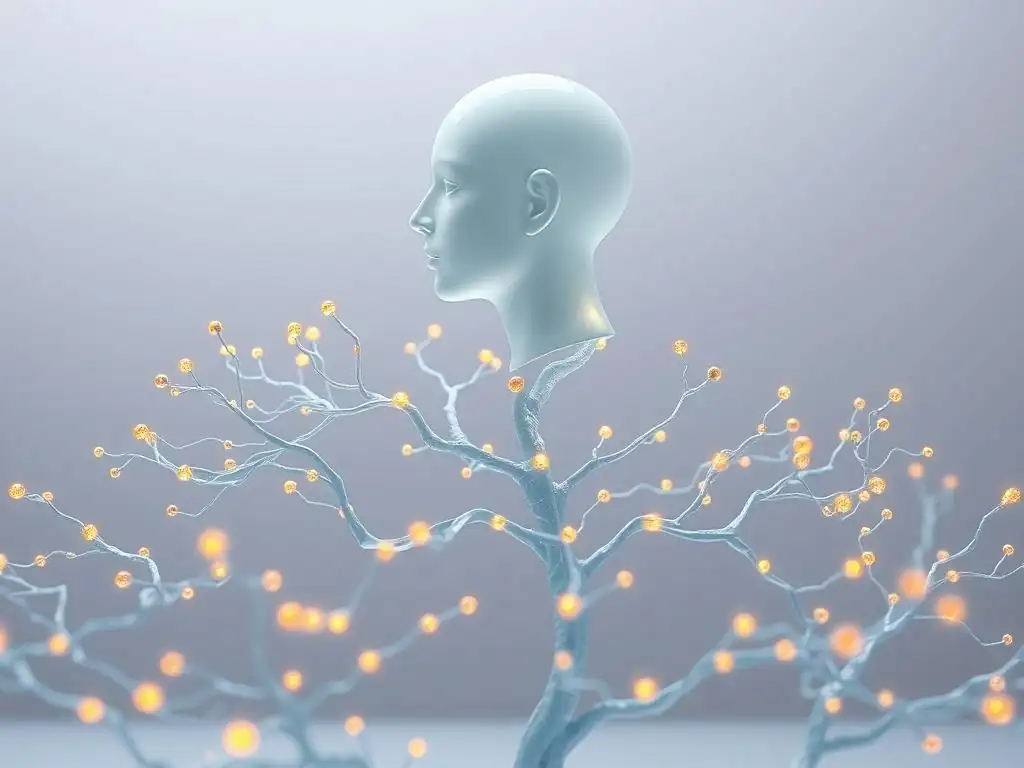
At its core, social stress gene expression refers to the process by which social and environmental factors, particularly stress from social interactions and hierarchies, can alter the activity of genes within our cells. Genes themselves are sequences of DNA that provide instructions for building and maintaining our bodies, but their expression – whether they are actively turned on or off – is dynamic and can be influenced by external cues.
When individuals experience social stress, the signals generated by the stress response (like hormones and neurotransmitters) can reach the nucleus of cells and interact with the machinery that controls gene activity.
This link means that our social experiences are not just psychological events; they can have a tangible impact at the molecular level. Chronic social stress can lead to lasting changes in the patterns of gene expression, affecting which proteins are produced and in what quantities. These altered protein levels can then influence cellular function, tissue development, and ultimately, the function of organs and systems, including the brain and immune system. Understanding social stress gene expression provides a powerful window into how our social world gets under our skin and contributes to health and disease.
One of the primary ways social stress influences gene expression is through epigenetic modifications. Epigenetics refers to changes in gene activity that do not involve alterations to the underlying DNA sequence itself. Instead, these are modifications to the DNA or associated proteins (histones) that affect how accessible the DNA is to the cellular machinery responsible for transcription (turning genes into RNA). Think of it like adding bookmarks or sticky notes to a recipe book – the recipes (genes) are unchanged, but the instructions on how and when to read them are altered.
Common epigenetic mechanisms include DNA methylation (adding a methyl group to DNA, often silencing gene expression) and histone modification (altering proteins around which DNA is wrapped, affecting how tightly or loosely it's packed). Studies have shown that early life social stress, such as neglect or abuse, can lead to specific patterns of DNA methylation on genes involved in stress response that persist into adulthood.
Similarly, chronic social stress in adulthood can induce epigenetic changes. These modifications can effectively "lock in" altered patterns of gene expression, providing a molecular memory of the stressful experience that can have long-term consequences for biological function and mental health.
Hormones released during the stress response, particularly cortisol (in humans) and corticosterone (in rodents), are key mediators linking social stress to changes in gene expression. When released from the adrenal glands, these glucocorticoid hormones travel through the bloodstream and bind to specific receptors inside cells, including glucocorticoid receptors (GR). These hormone-receptor complexes can then enter the cell nucleus and directly interact with DNA or other transcription factors, influencing the rate at which specific genes are transcribed.
Beyond glucocorticoids, other hormones and neurotransmitters involved in the social stress response, such as adrenaline, noradrenaline, and even inflammatory cytokines, can also influence gene expression indirectly. They can activate signaling pathways within cells that ultimately lead to the modification of transcription factors or epigenetic machinery. The complex interplay between these diverse molecular signals orchestrates the widespread changes in social stress gene expression observed in individuals exposed to challenging social environments, affecting pathways related to inflammation, metabolism, and neuroplasticity.
NR3C1 (Glucocorticoid Receptor Gene): Implications for Mental Health
The NR3C1 gene encodes the glucocorticoid receptor (GR), a protein that binds to cortisol and mediates its effects throughout the body, including in the brain. The density and function of GRs are critical for regulating the HPA axis and orchestrating the physiological response to stress. Alterations in NR3C1 expression or function can significantly impact an individual's sensitivity to stress hormones and their ability to recover from stress.
Research, particularly in the field of developmental epigenetics, has demonstrated that early life social stress, such as maternal neglect, can lead to increased DNA methylation in the promoter region of the NR3C1 gene in areas like the hippocampus. This increased methylation is associated with reduced expression of the GR gene, resulting in fewer GRs.
A reduced number of GRs in the hippocampus impairs its ability to signal back to the hypothalamus and pituitary to shut down the stress response, leading to HPA axis dysregulation and increased vulnerability to stress-related disorders later in life. This mechanism illustrates a clear link between early social environment, social stress gene expression of a key stress regulator, and long-term mental health outcomes.
SLC6A4 (Serotonin Transporter Gene): Implications for Mental Health
The SLC6A4 gene codes for the serotonin transporter (SERT), a protein responsible for reabsorbing serotonin from the synaptic cleft back into neurons. Serotonin is a crucial neurotransmitter involved in regulating mood, sleep, appetite, and social behavior. Variations in the SLC6A4 gene, particularly a common polymorphism (often referred to as the "short" allele), have been linked in numerous studies to increased susceptibility to depression and anxiety, especially when combined with stressful life events, including social stress.
While the genetic variation itself is static, social stress can also influence SLC6A4 expression through epigenetic mechanisms. Studies have suggested that exposure to social stress, particularly during sensitive developmental periods, can influence methylation patterns on the SLC6A4 gene or affect the activity of transcription factors that regulate its expression. These changes can alter SERT levels and function, disrupting serotonin signaling. Given the central role of serotonin in mood regulation, alterations in SLC6A4 social stress gene expression are considered a significant pathway linking challenging social environments to the development of depressive and anxiety disorders.
BDNF (Brain-Derived Neurotrophic Factor Gene): Implications for Mental Health
BDNF is a gene that produces Brain-Derived Neurotrophic Factor, a protein vital for neuronal survival, growth, differentiation, and synaptic plasticity – the brain's ability to reorganize itself by forming new neural connections. BDNF is particularly important in areas like the hippocampus and prefrontal cortex, which are critical for learning, memory, and emotional regulation. Reduced levels of BDNF have been consistently observed in individuals suffering from depression and anxiety disorders.
Social stress has been shown to negatively impact BDNF gene expression. Chronic exposure to social defeat stress in animal models, for example, leads to a decrease in BDNF levels in key brain regions. This reduction is thought to be mediated by stress hormones and inflammatory processes, which can epigenetically modify the BDNF gene or affect the activity of transcription factors necessary for its expression.
Lower BDNF levels compromise neuronal health and plasticity, potentially impairing the brain's ability to adapt to stress and contributing to the pathophysiology of mood disorders. The impact of social stress on BDNF social stress gene expression underscores how social experiences can directly influence the fundamental building blocks of brain health.

Exposure to chronic social stress, unlike acute stress, can lead to persistent and sometimes irreversible changes in gene expression patterns. While the body's gene regulatory mechanisms are designed to be flexible and adapt to environmental demands, prolonged exposure to high levels of stress hormones and inflammatory signals can "hardwire" certain gene activity states. These persistent changes can affect a wide array of genes involved in stress response, immune function, metabolism, and neurotransmission.
For example, studies have shown that individuals exposed to chronic stress may exhibit lasting alterations in the expression of genes related to inflammatory pathways, potentially contributing to the link between chronic stress and inflammatory diseases. Similarly, enduring changes in the expression of genes involved in neurotransmitter systems, like dopamine or serotonin pathways, can underlie the long-term vulnerability to mood and anxiety disorders following chronic social stress. The persistence of altered social stress gene expression means that the biological imprint of stressful social experiences can endure long after the stressor is removed, influencing health trajectories over the lifespan.
The cumulative impact of social stress on gene expression is a significant factor in the development of mental disorders. The altered expression of genes like NR3C1, SLC6A4, and BDNF, among many others, disrupts the delicate balance of neural circuits and physiological systems critical for mental well-being. For instance, persistent HPA axis dysregulation due to altered NR3C1 expression increases vulnerability to depressive episodes. Changes in serotonin signaling mediated by SLC6A4 expression modifications are strongly implicated in both depression and anxiety.
Beyond these specific examples, chronic social stress and its effects on social stress gene expression can broadly impact pathways related to neuroinflammation, synaptic function, and neuronal resilience. This creates a biological substrate that increases susceptibility to a range of conditions, including post-traumatic stress disorder (PTSD), substance use disorders, and potentially even neurodegenerative conditions over the very long term. Understanding these molecular links provides critical insights into the biological pathways through which social adversity translates into psychiatric vulnerability.
A fascinating and concerning area of research is the potential for social stress to exert transgenerational effects through epigenetic inheritance. This concept suggests that epigenetic modifications induced by severe stress in one generation could potentially be passed down to subsequent generations, influencing their stress reactivity and vulnerability to mental health issues, even if they do not directly experience the initial stressor.
Studies, particularly in animal models, have provided evidence for this phenomenon. For instance, exposing pregnant rodents to stress has been shown to induce epigenetic changes in their offspring that alter stress hormone levels and anxiety-like behaviors.
While research in humans is more complex and still developing, studies on populations exposed to extreme trauma (like the Holocaust or famine) have explored potential epigenetic markers in descendants that might correlate with stress reactivity or health outcomes. While the mechanisms of epigenetic inheritance in mammals are still being elucidated and debated, the possibility that social stress gene expression changes could echo across generations highlights the profound and far-reaching impact of our social environment.
Strong and reliable social support is one of the most powerful buffers against the detrimental effects of social stress on mental and physical health, and potentially on gene expression. Having supportive relationships provides a sense of belonging, security, and validation, which can counteract feelings of isolation and rejection inherent in many social stressors. Social support can also provide practical assistance and emotional comfort, helping individuals cope more effectively with challenging social situations.
From a biological perspective, positive social interactions and perceived support can dampen the activation of the HPA axis and reduce the release of stress hormones like cortisol. Engaging with supportive others can also promote the release of oxytocin, a hormone associated with bonding and stress reduction, which has been shown in some studies to influence gene expression related to stress and emotional regulation in beneficial ways. Building and nurturing strong social connections is therefore a critical strategy for mitigating the negative impact of social stress and fostering resilience against changes in social stress gene expression.
Mindfulness and Stress Reduction Techniques
Practicing mindfulness and other stress reduction techniques, such as meditation, deep breathing exercises, and yoga, can be effective tools for managing the physiological and psychological responses to social stress. These practices train the mind to observe thoughts and feelings without judgment, helping individuals to respond to stressors more calmly and less reactively. Regular practice can reduce overall stress levels and promote a greater sense of control and well-being.
Research suggests that mindfulness and meditation can have tangible effects on the brain and body, including reducing activity in stress-related brain regions like the amygdala and lowering cortisol levels. Emerging studies also hint at the possibility that these practices might influence epigenetic mechanisms, potentially counteracting some of the adverse changes in social stress gene expression induced by chronic stress. While more research is needed to fully understand the molecular pathways, the ability of these techniques to regulate the stress response offers a promising avenue for mitigating the biological impact of social stress.
While behavioral strategies are foundational, pharmaceutical interventions may also play a role in the future of treating conditions driven by social stress-induced changes in gene expression. Current medications for depression and anxiety, such as SSRIs, primarily target neurotransmitter systems (like serotonin) that are downstream of some of the gene expression changes caused by stress. However, future therapies might directly target the epigenetic machinery or the expression of specific genes known to be dysregulated by social stress.
For example, research is exploring compounds that can modulate DNA methylation or histone modification enzymes. Such drugs could potentially be used to reverse or prevent adverse epigenetic changes on genes like NR3C1 or BDNF. Another area of research involves developing compounds that enhance BDNF signaling or promote neuroplasticity, potentially counteracting the effects of social stress-induced reductions in BDNF expression. While still largely experimental, this field holds promise for developing novel treatments that address the molecular roots of stress-related disorders by directly influencing social stress gene expression.
Understanding the biology of social stress, particularly how it influences gene expression, is fundamentally important for advancing our knowledge of mental health. It moves beyond simply recognizing that social factors affect well-being to explaining the "how" – the specific molecular pathways through which social experiences become biologically embedded. This knowledge validates the lived experiences of individuals facing social adversity and provides a scientific basis for the profound impact of social determinants on health.
By elucidating the mechanisms, including changes in social stress gene expression, researchers can identify specific biological targets for intervention. This can lead to more precise diagnostic tools, allowing for the identification of individuals most vulnerable to stress-related disorders based on their molecular profiles. Furthermore, it can pave the way for the development of more effective and personalized treatments that address the underlying biological changes rather than just the symptoms. Recognizing the biological reality of social stress empowers both individuals and healthcare systems to prioritize social well-being as a critical component of overall health.
The field of social stress and gene expression is rapidly evolving, with numerous exciting avenues for future research. One key direction involves conducting larger, longitudinal studies in humans to track changes in social stress gene expression in response to varying social environments over time. This will help clarify causal links and identify critical windows of vulnerability or resilience. Advanced technologies like single-cell sequencing will allow researchers to examine gene expression changes in specific cell types within the brain and other tissues, providing a more granular understanding of the stress response.
Another critical area is exploring the complex interplay between genetics and epigenetics. While social stress can induce epigenetic changes, an individual's underlying genetic makeup might influence their susceptibility to these changes or their ability to buffer against them. Research will also continue to investigate the potential for transgenerational epigenetic inheritance in humans, which has significant implications for public health and intergenerational well-being. Finally, translating findings from basic science into clinical applications, such as developing epigenetic biomarkers for risk assessment or designing novel therapies that modulate gene expression, will be a major focus.
Armed with the knowledge that social stress has tangible biological consequences, including influencing social stress gene expression, there is a clear call to action for individuals, communities, and policymakers. On an individual level, cultivating resilience through stress reduction techniques, seeking social support, and engaging in meaningful social connections are vital. Recognizing the impact of one's social environment and taking steps to mitigate exposure to chronic social stressors where possible is also important.
On a broader societal level, addressing systemic issues that contribute to social stress, such as inequality, discrimination, and lack of social safety nets, is crucial for promoting population-level mental well-being. Creating supportive communities, fostering inclusive environments, and ensuring equitable access to resources can buffer individuals against the adverse effects of environmental hierarchy. Ultimately, understanding the biology of social stress compels us to build a society that prioritizes social connection, equity, and support, recognizing that these factors are not merely psychological comforts but fundamental determinants of our biological health and the activity of our genes.
Frequently Asked Questions
Social hierarchy can significantly alter gene expression patterns, particularly in individuals experiencing lower social status. While not a single "Social stress gene expression" gene, research points to clusters of genes related to stress response and immune function being affected.
Epigenetics acts as a crucial mediator, altering gene expression without changing the underlying DNA sequence. Social stress can lead to epigenetic modifications like DNA methylation and histone modification, which can be passed down through generations.
Yes, interventions such as social support, stress management techniques, and even certain pharmacological treatments may help reverse or mitigate the negative impacts of social stress on gene expression and promote mental well-being.
Researchers employ methods like genome-wide association studies (GWAS) and expression quantitative trait loci (eQTL) analysis to identify genes and pathways influenced by social stress. They also study gene expression patterns in blood samples or other tissues from individuals experiencing varying levels of social stress.
Chronic social stress and altered "Social stress gene expression" can increase the risk of various health problems, including mental health disorders, cardiovascular disease, and immune system dysfunction, negatively impacting overall lifespan and quality of life.
The intricate dance between our environment and our genes is perhaps nowhere more evident than in the realm of social stress. Understanding how hierarchical structures impact our very DNA is not merely an academic pursuit; it's a crucial key to unlocking better health outcomes and fostering more equitable societies. The research presented highlights the profound and lasting effects of social stress, demonstrating its ability to alter gene expression and contribute to a range of health problems. This is not simply a matter of individual resilience; it's a societal issue demanding our attention.
The pervasive influence of social hierarchy on our well-being is undeniable. From the subtle pressures of workplace dynamics to the stark realities of systemic inequality, the impact of social stress reverberates through our lives, shaping our health, behavior, and even our lifespans. The social environment is not merely a backdrop to our lives; it is a powerful force shaping our biology.
This quote encapsulates the core message of this article: our social context is not separate from our physical health; it is intrinsically linked. Ignoring this connection would be a disservice to both scientific understanding and human well-being.
Now, consider your own life. Think about the social hierarchies you navigate daily, the pressures you face, and the ways in which these experiences might be influencing your own health and well-being. This isn't about assigning blame; it's about fostering awareness. By understanding the biological mechanisms through which social stress operates, we can begin to develop strategies for mitigating its negative effects, both individually and collectively. Let us strive to create environments that promote social support, reduce inequality, and ultimately, foster a healthier and more equitable future for all.
Unlock Your Resilience: Take Control of Your Stress Response
Thanks for diving into the fascinating world of social stress and its impact on your genes! We hope you gained valuable insights into how environmental factors can shape your well-being. Now, let's put that knowledge into action.
Here's how you can start building your resilience toolkit:
- Prioritize self-care practices: Identify one small, manageable self-care activity you can incorporate into your daily routine (e.g., a short walk, mindful breathing, listening to calming music) and commit to it for a week. This is your primary step towards building resilience.
- Share your learnings: Discuss the article's key points with a friend or family member. Sharing knowledge strengthens understanding and helps build supportive networks.
- Explore stress-reducing techniques: Consider trying a new relaxation technique – perhaps yoga, meditation, or progressive muscle relaxation – and reflect on how it impacts your feelings and reactions.
What small change will you make today to better manage your response to social stress?