
The Future of Mental Health: Targeting Genes and Environments for Better Outcomes

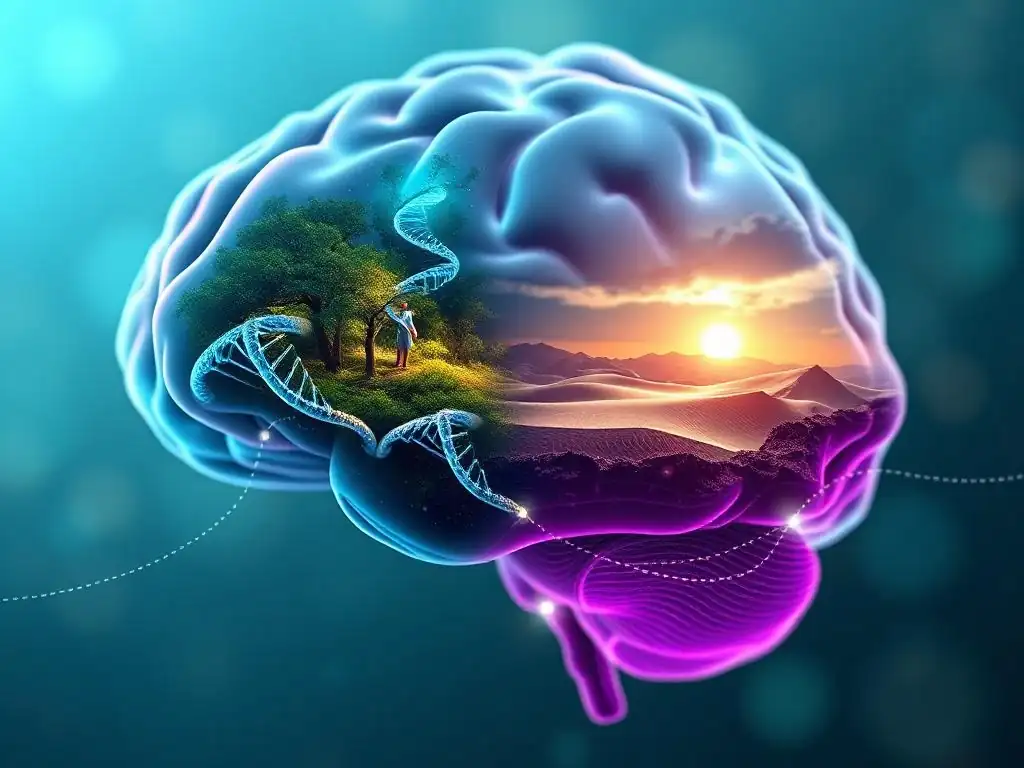
Welcome to Mind Care Guide, a space dedicated to nurturing your mental well-being. Are you curious about how your genes and environment intertwine to shape your mental health journey? In this article, we delve into the fascinating world of geneenvironment interactions in mental health, exploring the complex interplay that influences our resilience and vulnerability. Understanding these interactions is crucial for developing personalized and effective strategies for a healthier future. Ready to uncover the secrets hidden within? Let's begin...
The Future of Mental Health: Targeting Genes and Environments for Better Outcomes
- Introduction: Understanding Gene-Environment Interactions in Mental Health
- Decoding the Genetic Landscape of Mental Disorders
- Environmental Influences on Mental Health: A Complex Web
- Gene-Environment Interactions: A Synergistic Effect on Mental Health
- Epigenetics: Bridging the Gap Between Genes and Environment
- Personalized Mental Healthcare: Tailoring Treatments Based on Gene-Environment Profiles
- Novel Therapeutic Approaches Targeting Gene-Environment Interactions
- The Future of Mental Health Research: A Multifaceted Approach
- Conclusion: Embracing a Holistic View of Mental Health
-
Frequently Asked Questions
- What are gene-environment interactions in the context of mental health?
- How do genes and environment interact to influence mental well-being?
- What role do environmental factors play in triggering mental health issues in individuals with a genetic predisposition?
- Can understanding gene-environment interactions lead to better mental health treatments?
- What are some examples of research areas focusing on gene-environment interactions in mental health?
- Final Reflection: Weaving a Healthier Future: Genes, Environments, and You
- Unlock Your Mental Wellness Potential
Introduction: Understanding Gene-Environment Interactions in Mental Health
The Growing Importance of Gene-Environment Research in Mental Health
Research into mental health has increasingly recognized that focusing solely on either genetics or environmental factors provides an incomplete picture. The intricate interplay between our inherited predispositions and the experiences and exposures throughout our lives, known as gene-environment interactions, is now understood to be fundamental in shaping our mental wellbeing and vulnerability to disorders.
This field is gaining significant traction because it moves beyond a simplistic view, acknowledging that a genetic risk factor might only manifest as a condition under specific environmental conditions, or conversely, a negative environmental experience might have a profoundly different impact depending on an individual's genetic makeup.
The growing emphasis on understanding these gene-environment interactions in mental health is driven by advancements in both genetic sequencing technologies and sophisticated epidemiological study designs. These tools allow researchers to explore complex relationships on a large scale, moving closer to identifying specific pathways through which nature and nurture collaborate to influence brain development and function. This holistic approach holds the key to developing more targeted and effective prevention strategies and interventions, shifting from a one-size-fits-all model to one that considers the unique biological and experiential history of each individual struggling with mental health challenges.
Perspective on Holistic Mental Wellbeing
Adopting a perspective that integrates gene-environment interactions is crucial for promoting holistic mental wellbeing. It underscores that mental health is not solely a matter of brain chemistry or personal resilience, but a dynamic state influenced by a complex interplay of internal and external factors. This view encourages a broader understanding of risk and protective factors, recognizing that interventions aimed at improving mental health must address both biological vulnerabilities and environmental circumstances.
From this holistic viewpoint, supporting mental wellbeing involves fostering environments that are nurturing, safe, and supportive, while also acknowledging that individuals may have varying sensitivities based on their genetic background. It promotes integrated care models that consider a person's life history, social context, and potential genetic predispositions when developing treatment plans. This empathetic approach acknowledges the complexity of each individual's journey, moving away from blame and towards a comprehensive understanding of the multifaceted roots of mental health conditions, thereby fostering greater compassion and more effective support systems.
Decoding the Genetic Landscape of Mental Disorders
Identifying Specific Genes Linked to Mental Health Conditions
Decades of research have identified numerous genes that appear to play a role in increasing susceptibility to various mental health conditions, although it's crucial to understand that these are typically risk factors, not deterministic causes. For example, variants in genes involved in neurotransmitter systems, such as the serotonin transporter gene ( SLC6A4), have been extensively studied for their potential link to mood disorders like depression and anxiety, particularly in how they might influence the brain's response to stress. Similarly, genes related to dopamine signaling ( COMT) have been implicated in conditions like schizophrenia and ADHD.
Beyond neurotransmitter systems, genes involved in brain development, immune function, and cellular communication are also under investigation. For instance, studies on schizophrenia have consistently identified common genetic variants across many different genes (hundreds, each with a very small effect), highlighting the polygenic nature of this condition. While no single gene acts as a 'cause' for most complex mental disorders, identifying these genes and understanding their typical functions provides crucial clues about the biological pathways that might be disrupted, laying the groundwork for understanding how environmental factors might interact with these pathways.
The Role of Genome-Wide Association Studies (GWAS) in Mental Health Research
Genome-Wide Association Studies (GWAS) have revolutionized the search for genetic risk factors in complex disorders, including mental health conditions. These studies involve scanning the entire genome (typically analyzing millions of common genetic variants, called single nucleotide polymorphisms or SNPs) in large groups of people – often tens of thousands or even hundreds of thousands of participants – to find variants that are more common in individuals with a specific condition compared to controls. This approach has been particularly successful in identifying novel genes and pathways associated with conditions like schizophrenia, bipolar disorder, and major depressive disorder.
GWAS have revealed that many mental health conditions are highly polygenic, meaning they are influenced by a large number of genes, each contributing only a tiny amount to the overall risk. For example, large-scale GWAS consortia have identified hundreds of genetic loci associated with schizophrenia. While GWAS identifies associations between genetic variants and disorders, it doesn't directly explain the biological mechanism.
The identified SNPs often lie in non-coding regions of DNA, suggesting they might affect how other genes are regulated. Follow-up research is then needed to understand how these genetic variations influence brain function and interact with environmental factors, which is key to understanding gene-environment interactions mental health.
Limitations of Genetic Studies and the Need for Environmental Context
Despite the significant progress made by genetic studies, particularly GWAS, they have inherent limitations when viewed in isolation. While they can identify genetic associations with mental disorders, the identified variants typically explain only a fraction of the heritability of these conditions – a phenomenon known as "missing heritability." This suggests that much of the genetic influence is either due to rarer variants not captured by standard GWAS, or more likely, that the genetic effects are heavily contingent on environmental context.
Furthermore, genetic studies alone cannot account for the profound impact of life experiences, social circumstances, and environmental exposures on mental health outcomes. A genetic predisposition does not guarantee the development of a disorder; environmental factors often act as triggers or protective buffers. Therefore, interpreting the results of genetic studies without considering the environmental landscape is incomplete and can even be misleading. Understanding gene-environment interactions mental health requires integrating genetic data with detailed information about a person's life history, stress exposure, social support, and other environmental variables to build a more complete picture of vulnerability and resilience.
Environmental Influences on Mental Health: A Complex Web
Early Life Experiences and Their Impact on Mental Wellbeing
Early life experiences, particularly those occurring during critical periods of brain development, can have profound and lasting impacts on mental wellbeing. Adverse Childhood Experiences (ACEs), such as abuse (physical, emotional, sexual), neglect, household dysfunction (parental substance abuse, mental illness, divorce, domestic violence), have been consistently linked to an increased risk of developing a wide range of mental health problems later in life, including depression, anxiety disorders, PTSD, and substance use disorders. Studies have shown that individuals with four or more ACEs have a significantly higher risk of developing these conditions compared to those with none.
The impact of early adversity is thought to occur through multiple pathways, including disrupting the development of stress response systems (like the HPA axis), altering brain structure and function in areas critical for emotion regulation and cognitive control (e.g., the amygdala, hippocampus, prefrontal cortex), and influencing the expression of genes through epigenetic modifications. Positive early experiences, such as secure attachment relationships, supportive family environments, and access to quality early education, conversely serve as powerful protective factors that can buffer against later mental health challenges, highlighting the critical role of nurturing environments in shaping lifelong mental health trajectories.
Socioeconomic Factors and Mental Health Outcomes
Socioeconomic factors represent a significant layer of environmental influence on mental health. Poverty, unemployment, low educational attainment, and living in disadvantaged neighborhoods are strongly associated with higher rates of various mental health conditions. For example, individuals living in poverty are estimated to be two to three times more likely to experience mental health problems than those in higher-income brackets. This disparity is linked to chronic stress associated with financial insecurity, lack of access to resources (healthcare, healthy food, safe housing), exposure to violence and crime, and limited opportunities.
These socioeconomic stressors can interact with genetic predispositions in complex ways, exacerbating vulnerabilities. For instance, someone with a genetic susceptibility to depression might be far more likely to experience a depressive episode if they are facing job loss and financial hardship compared to someone with the same genetic profile living in a stable, resource-rich environment. Addressing socioeconomic disparities is therefore not just a matter of social justice, but a critical component of public mental health strategy, recognizing that the environment shaped by economic conditions plays a fundamental role in shaping mental health outcomes.
The Influence of Diet, Exercise, and Sleep on Mental Health
Lifestyle factors such as diet, exercise, and sleep are increasingly recognized as crucial environmental influences on mental health. A growing body of evidence suggests that dietary patterns rich in fruits, vegetables, whole grains, and lean proteins are associated with better mental health outcomes, while diets high in processed foods, sugar, and unhealthy fats are linked to increased risk of depression and anxiety. For instance, a meta-analysis involving over 100,000 participants found that a healthy diet was associated with a 24% reduced risk of depression.
Regular physical activity is a well-established intervention for improving mood and reducing symptoms of depression and anxiety, acting as both a preventive measure and a therapeutic tool. Studies show that moderate exercise for even 30 minutes a few times a week can have significant positive effects. Similarly, adequate and quality sleep is vital for cognitive function, emotional regulation, and overall mental resilience.
Chronic sleep deprivation is strongly associated with increased risk of mood disorders and impaired stress management. These lifestyle elements represent modifiable environmental factors that individuals can influence, offering tangible pathways to support mental wellbeing and potentially modulate the expression of genetic predispositions related to mental health.
The Impact of Trauma and Stress on Mental Health
Trauma and chronic stress are powerful environmental forces that can significantly impact mental health, often interacting with underlying genetic vulnerabilities. Exposure to traumatic events, such as natural disasters, accidents, violence, or combat, can lead to the development of Post-Traumatic Stress Disorder (PTSD) and other stress-related disorders. The severity and chronicity of stress, whether from major life events or persistent daily hassles, can overwhelm an individual's coping resources and physiological stress response systems.
The biological mechanisms linking stress and mental health involve the activation of the hypothalamic-pituitary-adrenal (HPA) axis and the release of stress hormones like cortisol. Chronic stress can lead to dysregulation of this system, affecting brain regions involved in memory, emotion, and decision-making.
Research into gene-environment interactions mental health has shown that individuals carrying certain genetic variants related to stress response or neuroplasticity may be more or less susceptible to the negative mental health effects of trauma and stress, highlighting how genetic makeup can modulate the impact of adverse environmental exposures. For example, some studies suggest variations in genes like BDNF (Brain-Derived Neurotrophic Factor) might influence resilience or vulnerability to stress-induced depression.
Gene-Environment Interactions: A Synergistic Effect on Mental Health

How Genes and Environment Interact to Shape Mental Health
The concept of gene-environment interactions in mental health posits that genetic predispositions do not operate in a vacuum but are expressed or modified in response to environmental exposures. This interaction can occur in several ways. One model suggests that certain genetic variants increase an individual's sensitivity to environmental influences, making them more vulnerable to negative experiences (like stress or trauma) but potentially also more responsive to positive ones (like supportive environments or therapeutic interventions). This is sometimes referred to as the 'differential susceptibility' hypothesis.
Alternatively, some interactions might be simpler, where a genetic variant only confers risk when a specific environmental trigger is present, or an environmental exposure only leads to a negative outcome in individuals with a particular genetic background. These interactions mean that understanding an individual's risk for a mental health condition requires looking beyond just their genetic code or their life experiences in isolation. It necessitates examining how these two fundamental forces intersect and influence each other throughout development, shaping the structure and function of the brain and ultimately affecting mental wellbeing.
Examples of Specific Gene-Environment Interactions in Mental Health (e.g., Depression, Schizophrenia)
Specific examples illustrate the power of gene-environment interactions mental health. A landmark study by Caspi and colleagues in 2003 provided compelling evidence for such an interaction in depression. They found that individuals carrying a specific variant (the short allele) of the serotonin transporter gene ( SLC6A4) were significantly more likely to develop depression in adulthood only if they experienced a high number of stressful life events.
Individuals with the same genetic variant but low stress exposure did not show increased risk, nor did individuals with the other variant (the long allele) regardless of stress levels. This study highlighted how a genetic vulnerability is conditional on environmental stress.
In schizophrenia research, studies investigating the COMT gene, involved in dopamine metabolism, have also suggested gene-environment interactions. Some research indicates that carrying certain COMT variants might increase vulnerability to developing psychosis, but this risk may be significantly amplified by environmental factors such as cannabis use, particularly during adolescence. These examples demonstrate how specific genetic profiles can render individuals more sensitive to the detrimental effects of certain environmental exposures, underscoring the complex, synergistic nature of gene-environment interactions in the etiology of complex mental disorders.
The Diathesis-Stress Model and Its Relevance to Mental Health
The Diathesis-Stress Model is a foundational framework for understanding the complex interplay between vulnerability and environmental factors in the development of mental disorders, making it highly relevant to the study of gene-environment interactions mental health. The model proposes that individuals are born with or acquire a predisposition (a 'diathesis') for a specific disorder. This diathesis can be genetic, biological (e.g., brain structure differences), or psychological (e.g., certain personality traits). However, this predisposition alone is often not sufficient to cause the disorder.
According to the model, the disorder only develops when this predisposition is challenged by significant environmental stressors. The greater the underlying vulnerability (diathesis), the less stress is needed to trigger the disorder. Conversely, individuals with low vulnerability can withstand higher levels of stress without developing the condition.
This model elegantly captures the essence of gene-environment interactions, where genetic diatheses interact with environmental stressors to determine mental health outcomes. It provides a conceptual lens through which researchers and clinicians can understand why some individuals exposed to adversity develop mental illness while others do not, emphasizing that both inherent vulnerability and life experiences play crucial roles.
Epigenetics: Bridging the Gap Between Genes and Environment
Understanding Epigenetic Mechanisms in Mental Health
Epigenetics refers to changes in gene expression that occur without alterations to the underlying DNA sequence. These changes can be influenced by environmental factors and can persist across cell divisions, potentially even being passed down to future generations. Key epigenetic mechanisms include DNA methylation (adding a chemical tag to DNA that can silence genes), histone modification (altering proteins around which DNA is wrapped, affecting gene accessibility), and non-coding RNAs (molecules that regulate gene expression).
In the context of mental health, epigenetic mechanisms are crucial because they provide a molecular link between environmental experiences and long-lasting changes in brain function and behavior. For instance, stress hormones released during traumatic experiences can trigger epigenetic modifications in brain cells, altering the expression of genes involved in stress response, mood regulation, and memory formation. These epigenetic "marks" can change how genes are read and translated into proteins, thereby influencing neural circuits and contributing to the development of mental health conditions like depression, anxiety disorders, and PTSD.
How Environmental Exposures Can Alter Gene Expression
Environmental exposures throughout the lifespan, from prenatal conditions to experiences in adulthood, can induce epigenetic changes that alter gene expression patterns relevant to mental health. For example, studies in animal models and humans have shown that early life stress, such as maternal neglect or abuse, can lead to persistent epigenetic changes in genes involved in the stress response system, specifically in brain regions like the hippocampus. One well-studied example is epigenetic modification (methylation) of the NR3C1 gene, which codes for the glucocorticoid receptor, a key player in regulating the stress response.
Other environmental factors, including diet, exposure to toxins (like lead or air pollution), social interactions, and even therapeutic interventions (like psychotherapy or antidepressant medication), have been shown to influence epigenetic marks. These changes can occur in specific brain regions and cell types, contributing to the diversity of responses individuals have to similar environmental challenges. Understanding how different environmental factors lead to specific epigenetic modifications is a key area of research into gene-environment interactions mental health, offering insights into how experiences become biologically embedded and influence vulnerability or resilience.
The Role of Epigenetics in the Development of Mental Disorders
Epigenetic alterations are increasingly implicated in the development and progression of various mental disorders. These modifications can affect the expression of genes critical for neuronal development, synaptic plasticity, neurotransmitter synthesis and signaling, and the regulation of the stress response – all processes known to be disrupted in mental illness. For example, studies have found altered DNA methylation patterns in post-mortem brain tissue from individuals with schizophrenia, bipolar disorder, and major depressive disorder compared to healthy controls, affecting genes involved in neuronal function and immune pathways.
Furthermore, epigenetic changes might explain why some individuals are more susceptible to developing mental disorders after specific environmental exposures, reflecting gene-environment interactions mental health at a molecular level. For instance, an individual might have a genetic variant that makes a certain gene more prone to epigenetic modification in response to stress. When exposed to chronic stress, this gene's expression is altered via epigenetics, increasing vulnerability to depression or anxiety. Targeting these maladaptive epigenetic marks or the enzymes that create them represents a promising avenue for developing novel therapeutic interventions for mental health conditions.
Personalized Mental Healthcare: Tailoring Treatments Based on Gene-Environment Profiles
The Promise of Personalized Medicine in Mental Health
Personalized medicine holds significant promise for transforming mental healthcare by moving away from trial-and-error approaches towards treatments tailored to an individual's unique biological and environmental profile. By integrating information about a person's genetic makeup, epigenetic landscape, life history, and environmental exposures, clinicians could potentially gain a more accurate understanding of their specific vulnerabilities, likely treatment responses, and potential side effects. This approach could lead to more precise diagnoses, better prediction of risk, and ultimately, more effective and efficient interventions.
For example, pharmacogenomic testing, which analyzes how genetic variants affect drug metabolism, is an early step in this direction. While still developing and not universally applicable, it can sometimes help predict how quickly an individual might metabolize certain antidepressants or antipsychotics, potentially guiding dosage or medication choice to improve efficacy and reduce adverse reactions. The ultimate goal of personalized mental healthcare is to combine such genetic insights with a deep understanding of an individual's environmental history and current circumstances to create truly bespoke prevention and treatment plans.
Using Genetic and Environmental Information to Predict Risk and Inform Treatment
Leveraging genetic and environmental information could significantly enhance the ability to predict an individual's risk for developing certain mental health conditions. While complex disorders are influenced by many genes and environments, polygenic risk scores (which aggregate the risk conferred by thousands or millions of genetic variants) combined with detailed environmental assessments (including ACEs, socioeconomic status, lifestyle factors) could potentially identify individuals at higher risk before symptoms fully emerge. This opens the door for targeted early intervention and prevention strategies.
Beyond risk prediction, integrating gene-environment profiles can inform treatment decisions. For instance, understanding an individual's genetic sensitivity to stress or their epigenetic history related to trauma could influence the choice between different types of psychotherapy or the intensity of support needed. Similarly, knowing how an individual's genetic makeup might interact with specific environmental factors could guide recommendations for lifestyle changes, stress reduction techniques, or avoidance of certain triggers. This data-driven approach aims to optimize therapeutic outcomes by matching the intervention to the individual's specific needs and vulnerabilities, grounded in their unique gene-environment interactions mental health.
Challenges and Ethical Considerations in Personalized Mental Healthcare
Despite the exciting potential, personalized mental healthcare based on gene-environment profiles faces significant challenges and raises important ethical considerations. Analyzing and interpreting the vast amount of data generated from genomic sequencing and detailed environmental assessments is complex and requires sophisticated computational tools and clinical expertise that are not yet widely available. There is also the challenge of ensuring that the data is accurate and clinically meaningful, avoiding oversimplification of complex gene-environment dynamics.
Ethical concerns include the potential for genetic discrimination (e.g., in insurance or employment), privacy of sensitive genetic and mental health information, and ensuring equitable access to these advanced personalized approaches. There is also the risk of deterministic interpretations of genetic risk, leading to anxiety or stigma. It is crucial that the development and implementation of personalized mental healthcare proceed with careful attention to these ethical dimensions, ensuring that the technology is used responsibly to empower individuals and improve mental wellbeing without creating new forms of inequity or distress.
Novel Therapeutic Approaches Targeting Gene-Environment Interactions

Developing Therapies That Modulate Gene Expression
Understanding how gene-environment interactions influence mental health at the molecular level, particularly through epigenetic mechanisms, is opening avenues for novel therapeutic approaches that aim to modulate gene expression. Instead of solely targeting neurotransmitter levels, future therapies might focus on correcting maladaptive epigenetic marks or influencing the proteins involved in epigenetic regulation. For instance, researchers are exploring compounds that could reverse aberrant DNA methylation or histone modifications linked to specific mental disorders.
These therapies are still largely in preclinical or early clinical stages but represent a paradigm shift. The idea is that by restoring normal patterns of gene expression in relevant brain circuits, it might be possible to address the root biological changes driven by gene-environment interactions mental health. This could potentially lead to more durable and specific treatments than current pharmacological options. However, developing drugs that selectively target epigenetic mechanisms in the brain without widespread side effects is a significant challenge.
Interventions Aimed at Modifying Environmental Risk Factors
Alongside biological approaches, interventions aimed at modifying environmental risk factors are a crucial component of targeting gene-environment interactions. Recognizing that negative environments can trigger or exacerbate genetic vulnerabilities means that improving these environments can be a powerful therapeutic strategy. This includes interventions focused on reducing exposure to stress and trauma, improving socioeconomic conditions, promoting healthy lifestyles (diet, exercise, sleep), and building supportive social networks.
Examples include trauma-informed care, programs to reduce poverty and improve access to resources, interventions to prevent bullying or discrimination, and public health campaigns promoting physical activity and healthy eating. For individuals with specific genetic predispositions, identifying and mitigating their particular environmental sensitivities could be a key part of a personalized prevention or treatment plan. These environmental interventions, often delivered through psychotherapy, social support, or community programs, directly address the 'environment' side of the gene-environment interaction equation, offering practical ways to build resilience and protect mental health.
Combining Genetic and Environmental Strategies for Optimal Outcomes
The most promising future for mental health treatment lies in combining genetic and environmental strategies. Since mental disorders arise from the complex interplay of genes and environment, the most effective interventions will likely be those that address both aspects. This could involve using genetic and environmental information to predict who is most at risk and for which specific environmental triggers, allowing for highly targeted prevention efforts.
For individuals already experiencing a mental health condition, treatment plans could be optimized by considering their gene-environment profile. This might mean combining medication (potentially guided by pharmacogenomics or novel epigenetic drugs) with specific psychotherapies or lifestyle interventions known to be effective for individuals with similar profiles.
For example, someone with a high genetic risk and a history of trauma might benefit most from trauma-focused therapy alongside biological treatments, with careful attention to managing environmental stressors. The integration of genetic insights with a deep understanding of a person's life context represents the future of comprehensive, personalized, and effective mental healthcare, fully embracing the reality of gene-environment interactions mental health.
The Future of Mental Health Research: A Multifaceted Approach
Integrating Genetic, Environmental, and Lifestyle Data
The future of mental health research hinges on the ability to integrate diverse types of data to capture the complexity of gene-environment interactions. This involves collecting high-resolution genetic and epigenetic data alongside detailed information about individuals' environments, including early life experiences, socioeconomic status, lifestyle habits (diet, exercise, sleep), stress exposure, and social support networks. Large-scale longitudinal studies that track individuals over many years, collecting this multifaceted data repeatedly, are essential.
Analyzing such complex datasets requires sophisticated computational approaches. Researchers are developing methods to combine genetic risk scores with measures of environmental adversity or resilience to better predict mental health trajectories. This integrated approach moves beyond examining genes or environments in isolation, aiming to uncover the specific pathways and feedback loops through which they influence each other and contribute to mental health outcomes. This comprehensive data integration is key to unlocking the full potential of understanding gene-environment interactions mental health.
Utilizing Artificial Intelligence and Machine Learning to Analyze Complex Interactions
The sheer volume and complexity of integrated genetic, epigenetic, environmental, and clinical data necessitate the use of advanced analytical tools, particularly Artificial Intelligence (AI) and Machine Learning (ML). These technologies are uniquely suited to identify subtle patterns and interactions within massive datasets that are invisible to traditional statistical methods. AI algorithms can learn from data to build predictive models that estimate an individual's risk based on their unique combination of genetic variants and environmental exposures.
ML techniques can also help classify individuals into subgroups based on their gene-environment profiles, potentially identifying distinct subtypes of mental disorders that may respond differently to treatment. For example, AI could analyze patterns of epigenetic modifications linked to specific environmental exposures and connect them to particular symptom profiles. While still in early stages, the application of AI and ML promises to accelerate the discovery of specific gene-environment interaction mechanisms and translate these findings into clinically useful tools for prediction, diagnosis, and personalized treatment planning in mental healthcare.
The Importance of Longitudinal Studies to Track Gene-Environment Effects Over Time
Longitudinal studies, which follow the same individuals over extended periods, are indispensable for understanding gene-environment interactions mental health. Mental health conditions often develop over time, influenced by cumulative exposures and developmental processes. Cross-sectional studies, which capture data at a single point in time, can identify associations but struggle to establish causality or track how the interplay between genes and environment unfolds across the lifespan.
Longitudinal studies allow researchers to observe how genetic predispositions interact with changing environmental circumstances (e.g., school transitions, job loss, relationships) and how these interactions shape developmental trajectories of mental health. They can capture critical periods of vulnerability or resilience and identify the timing and nature of environmental triggers that might activate genetic risks. By repeatedly collecting genetic, epigenetic, environmental, and clinical data from the same participants over years or decades, longitudinal research provides the dynamic perspective needed to truly understand the complex and evolving nature of gene-environment interactions in mental health.
Conclusion: Embracing a Holistic View of Mental Health
The Power of Understanding Gene-Environment Interactions for Improving Mental Wellbeing
Understanding gene-environment interactions in mental health holds transformative power for improving mental wellbeing on both individual and societal levels. It moves us beyond outdated dichotomies of nature versus nurture, embracing the reality that mental health is a product of their intricate, lifelong dance. This integrated perspective provides a more accurate and nuanced understanding of vulnerability and resilience, explaining why individuals react differently to similar life events and why genetic predispositions don't always lead to illness.
By identifying the specific ways genes and environments interact, we can develop more effective prevention strategies, targeting individuals at higher risk and modifying the environmental factors that exacerbate genetic vulnerabilities. We can also develop more personalized and precise treatments, tailoring interventions based on an individual's unique biological and experiential history. This knowledge empowers us to create more supportive environments and offer more compassionate and effective care, recognizing the complex tapestry of factors that contribute to each person's mental health journey.
Commitment to Promoting Comprehensive Mental Health Solutions
Embracing the science of gene-environment interactions mental health necessitates a commitment to promoting comprehensive mental health solutions that address the full spectrum of influencing factors. This means investing in research that continues to unravel these complex interactions, utilizing advanced technologies like genomics and AI. But equally important, it means investing in public health initiatives that create healthier, more equitable environments, reducing exposure to stress, trauma, and disadvantage.
A comprehensive approach requires integrating biological insights with social and environmental interventions. It calls for healthcare systems that are equipped to consider an individual's genetic background and life history when providing care. It also demands a societal commitment to reducing stigma and fostering environments where individuals feel safe to seek help and receive support tailored to their unique needs, acknowledging that their mental health is shaped by the dynamic interplay of their genes and their world.
Call to Action: Encouraging Readers to Explore Resources and Seek Professional Help
Understanding the complex interplay of genes and environment can be empowering, highlighting that while we may have predispositions, our environment and lifestyle choices play a significant role in our mental health. If you are concerned about your mental wellbeing or suspect that your experiences or family history might be impacting you, remember that you are not alone and help is available.
We encourage you to explore the resources available on Mind Care Guide to learn more about mental health conditions, coping strategies, and the various factors that influence wellbeing. Do not hesitate to seek professional help if you are struggling. Mental health professionals can provide tailored support, diagnosis, and treatment plans that consider your unique circumstances, helping you navigate the complex landscape of your own gene-environment interactions and build a path towards improved mental health. Taking that first step is a sign of strength and a commitment to your own wellbeing.
Frequently Asked Questions
What are gene-environment interactions in the context of mental health?
Gene-environment interactions refer to how your genetic predispositions can influence your sensitivity to environmental factors, and conversely, how environmental factors can affect gene expression leading to different mental health outcomes. It's not nature versus nurture, but rather nature and nurture working together.
How do genes and environment interact to influence mental well-being?
Certain genes may increase someone's risk for a mental health condition, but that risk might only manifest if they're also exposed to specific environmental stressors like trauma or social isolation. Similarly, a supportive environment can mitigate the effects of harmful genes.
What role do environmental factors play in triggering mental health issues in individuals with a genetic predisposition?
Environmental factors such as childhood trauma, chronic stress, or exposure to toxins can act as triggers, increasing the likelihood of developing a mental health condition in individuals who are genetically vulnerable. These experiences can alter brain development and function.
Can understanding gene-environment interactions lead to better mental health treatments?
Yes, by identifying specific gene-environment interactions, researchers can develop more personalized and targeted interventions. This could involve tailoring therapies to address both the genetic vulnerabilities and environmental risk factors that contribute to an individual's mental health challenges.
What are some examples of research areas focusing on gene-environment interactions in mental health?
Research is exploring areas like the impact of early life stress on gene expression, the role of social support in buffering genetic risk, and the development of pharmacogenomic approaches that consider both genetic and environmental factors in medication selection.
Final Reflection: Weaving a Healthier Future: Genes, Environments, and You
The intricate dance between our genes and our environments is no longer a theoretical concept; it's the undeniable reality shaping our mental well-being, and understanding this interaction is crucial for a healthier future. The research presented highlights the urgent need to move beyond simplistic genetic determinism and embrace a holistic approach that considers the complex interplay of nature and nurture in mental health outcomes. This isn't just academic; it's a call to action for improved diagnostics, treatments, and preventative measures.
The implications of this research extend far beyond the laboratory, impacting how we perceive mental illness, approach treatment, and even structure our support systems. The stigma surrounding mental health persists, often fueled by a misunderstanding of its complex etiology. The greatest barrier to mental health is the silence surrounding it.
This quote underscores the importance of open dialogue and a shift towards a more compassionate and informed understanding of mental health challenges. By acknowledging the role of both genetic predispositions and environmental factors, we can foster a more supportive and effective system of care.
Consider the power you hold in shaping your own mental well-being. You are not simply a product of your genes; you are an active participant in your own health journey. By making conscious choices about your lifestyle, seeking support when needed, and advocating for better mental health resources, you contribute to a future where mental illness is understood, treated effectively, and ultimately, prevented. Let the knowledge gleaned from this exploration of gene-environment interactions inspire you to take proactive steps towards a healthier, more resilient you, and encourage others to do the same.
Unlock Your Mental Wellness Potential
Thanks for diving into the future of mental health with us! We hope you gained valuable insights into the exciting advancements in gene-environment interaction research. Now it's time to put that knowledge into action.
- Prioritize your mental well-being today: Take a moment to reflect on your own lifestyle choices – are you prioritizing sleep, nutrition, and stress management? Small changes can make a big difference.
- Share this knowledge: Forward this article to a friend or family member who might benefit from understanding the latest advancements in mental health care. Let's spread awareness together!
- Explore resources for personalized support: Research local mental health organizations or online platforms that offer tailored guidance based on your individual needs and genetic predispositions (if known).
What specific step will you take this week to improve your mental well-being based on what you’ve learned?