
The Body Scan: A Simple Trauma Healing Technique

Welcome to Mind Care Guide, a safe space for nurturing your mental well-being.
Feeling disconnected from your body after trauma? Perhaps you've heard that understanding your physical sensations can be a powerful first step towards healing. This article explores a simple, yet profoundly effective technique: the body scan trauma healing method. Are you ready to gently rediscover the language of your body and begin your journey towards inner peace? Let's explore how this practice can help you reclaim your sense of self.
The Body Scan: A Simple Trauma Healing Technique
- Understanding Trauma and the Body's Response
- What is a Body Scan for Trauma Healing?
- Benefits of Using Body Scan for Trauma Recovery
-
Step-by-Step Guide: Performing a Body Scan for Trauma
- Preparing for Your Body Scan Session: Creating a Safe Space
- Step 1: Finding a Comfortable Position (Lying Down or Sitting)
- Step 2: Bringing Awareness to Your Breath: Anchoring in the Present
- Step 3: Systematically Scanning Your Body: Noticing Sensations
- Step 4: Acknowledging Sensations Without Judgment: Acceptance and Observation
- Step 5: Expanding Awareness to the Whole Body: Integration and Grounding
- Step 6: Ending the Body Scan: Gradual Return to Awareness
- Tips for a Successful Body Scan Trauma Healing Session
- Addressing Potential Challenges and Difficulties
- Integrating Body Scan into Your Trauma Recovery Journey
- Resources for Further Learning and Support
-
Frequently Asked Questions
- What is a body scan and how does it relate to trauma healing?
- How does the body scan help with managing trauma symptoms?
- Is the body scan a replacement for traditional trauma therapy?
- How often should I practice the body scan for trauma healing?
- Are there any potential risks or contraindications when using the body scan for trauma?
- Final Reflection: Reclaiming Your Body, Reclaiming Your Peace
- Unlock Your Body's Wisdom: Start Healing Today
Understanding Trauma and the Body's Response
Trauma, whether from a single overwhelming event or prolonged stressful experiences, significantly impacts not just the mind but the entire physiological system. It's not merely a psychological wound; it's a deeply embodied experience. The body often reacts to trauma by going into states of hyperarousal (fight or flight) or hypoarousal (freeze or collapse), and these survival responses can become chronic patterns long after the threat has passed. Understanding this physical dimension is crucial for effective recovery.
Recovery from trauma involves more than processing memories; it requires helping the body feel safe again in the present moment. Traditional talk therapy is valuable, but it often needs to be complemented by approaches that address the somatic, or body-based, aspects of trauma. Techniques like the body scan for trauma healing offer a pathway to gently reconnect with the physical self, which may have been avoided or felt unsafe since the traumatic experience. This reconnection is a foundational step towards integration and healing.
The Connection Between Trauma and Physical Sensations
Traumatic experiences can leave a lasting imprint on the nervous system, leading to persistent physical symptoms. These symptoms are not just 'in your head'; they are real physiological responses. For instance, someone who experienced a car accident might later feel intense muscle tension in their shoulders and neck whenever they are in a vehicle, even if they feel mentally calm. This is the body holding onto the memory of the impact and bracing for perceived danger.
Common physical sensations linked to unresolved trauma include chronic pain, digestive issues, fatigue, headaches, and heightened startle responses. The body remembers the threat and maintains a state of readiness, leading to a constant drain on resources. Research in psychophysiology highlights how trauma can alter heart rate variability, breathing patterns, and even inflammatory responses, demonstrating the profound physical impact. Learning to gently observe these sensations without judgment is a key component of body scan trauma healing.
How Trauma is Stored in the Body: Somatic Experiencing
Somatic Experiencing (SE), developed by Dr. Peter Levine, is a therapeutic approach that specifically addresses how trauma is held in the body. SE posits that trauma occurs when the body's natural fight, flight, or freeze responses are overwhelmed and unable to complete their cycle. This "stuck" survival energy remains trapped in the nervous system, contributing to trauma-related symptoms. The body literally retains the physical impulses and sensations associated with the traumatic event.
Unlike therapies that focus primarily on cognitive processing, Somatic Experiencing guides individuals to gently track physical sensations (known as "felt sense") in their body. By paying attention to these sensations in a safe, titrated manner – meaning in small, manageable doses – the trapped energy can be gradually discharged.
This allows the nervous system to complete the thwarted survival response, restoring its natural regulatory capacity. The body scan, while not a full SE session, shares the core principle of bringing mindful awareness to bodily sensations as a path to release and regulation, making it a valuable tool for body scan trauma healing.
The Body Scan as a Gentle Approach to Trauma Recovery
The body scan meditation is particularly well-suited for trauma recovery because it is a gentle practice. Unlike some therapeutic methods that might initially focus on revisiting traumatic memories, the body scan centers on present-moment physical sensations. This allows individuals to build tolerance for being in their body without being overwhelmed by intense emotions or flashbacks. It fosters a sense of grounding and safety in the here and now.
Moreover, the body scan encourages non-judgmental observation. When working with trauma, sensations can be intense, uncomfortable, or even frightening. The practice teaches individuals to simply notice these sensations – a tightness, a warmth, a vibration – without needing to analyze, interpret, or change them. This non-reactive stance helps to interrupt the cycle of fear and avoidance often associated with trauma, gradually increasing capacity to tolerate difficult physical states. For many seeking body scan trauma healing, this gentle, non-demanding approach is a crucial entry point into somatic work.
What is a Body Scan for Trauma Healing?
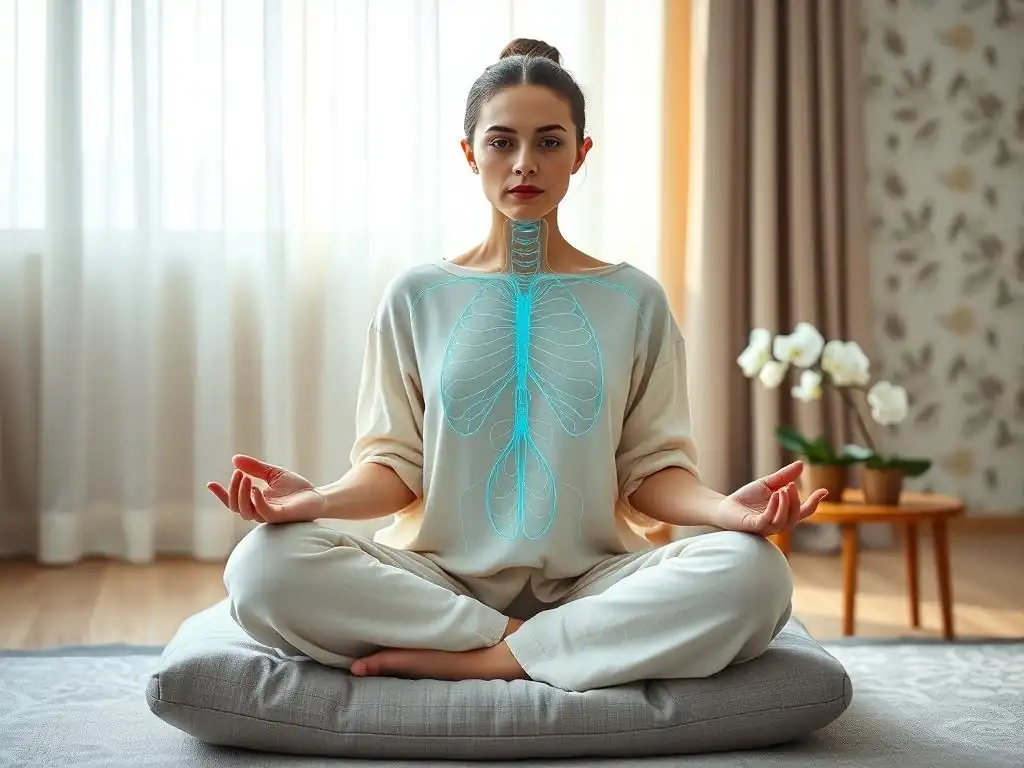
A body scan meditation is a form of mindfulness practice that involves systematically bringing your attention to different parts of your body, noticing any physical sensations without judgment. When adapted for trauma healing, the emphasis is placed on creating a sense of safety, working gently, and allowing space for whatever arises without pressure. The goal is not to necessarily feel good, but to build awareness and tolerance for present-moment bodily experience, even if it is uncomfortable.
For individuals recovering from trauma, the body can sometimes feel like a dangerous or foreign place. A body scan for trauma healing helps to gently re-establish a connection with the physical self. It's a practice of coming home to the body, piece by piece, at a pace that feels safe. This mindful exploration helps to interrupt dissociation, release chronic tension, and improve the ability to regulate emotional and physiological states.
Defining the Body Scan Meditation Technique
The body scan meditation technique is a core practice within mindfulness-based interventions, such as Mindfulness-Based Stress Reduction (MBSR). It typically involves lying down or sitting comfortably and directing your attention sequentially through different areas of the body – starting perhaps with the toes, moving up through the legs, torso, arms, neck, and head. As attention rests on each area, the instruction is to simply notice any sensations present: warmth, coolness, tingling, pressure, absence of sensation, etc.
The key element is the attitude of non-judgmental awareness. There's no right or wrong way to feel during a body scan. The practice is simply about noticing. If the mind wanders, as it inevitably will, the practice is to gently guide the attention back to the current body area being scanned. This repeated act of returning attention builds the muscle of mindfulness and focus, which is highly beneficial for calming the nervous system and developing greater self-awareness, supporting body scan trauma healing efforts.
Body Scan vs. Traditional Meditation: Key Differences
While both body scan and traditional mindfulness meditation cultivate present-moment awareness, their primary focus differs. Traditional mindfulness meditation often emphasizes awareness of the breath or simply resting attention on whatever arises in conscious experience – thoughts, feelings, sounds, sensations – without a specific anchor or sequence. The focus is broad, encompassing the entire field of awareness.
The body scan, in contrast, uses the body as the primary object of attention and employs a systematic, sequential process of moving awareness through different body parts. This focused, structured approach can be particularly grounding and containing for individuals with trauma, providing a clear anchor and a sense of progression. It makes the practice more concrete and less daunting than simply 'observing whatever comes up,' which could potentially feel overwhelming if difficult emotions or memories arise spontaneously. This structured focus makes the body scan a more targeted tool for body scan trauma healing compared to open awareness meditation.
The Role of Mindfulness in Body Scan Practices
Mindfulness is the foundation upon which the body scan practice is built. It is the capacity to pay attention, on purpose, in the present moment, and non-judgmentally. In the context of a body scan, mindfulness means bringing this quality of attentive, accepting awareness to the physical sensations within the body. It's about observing what is happening physically, right now, without getting caught up in stories, judgments, or reactions about those sensations.
For trauma recovery, cultivating mindfulness through practices like the body scan is transformative. Trauma often pulls individuals into the past (flashbacks, rumination) or the future (anxiety, hypervigilance). Mindfulness anchors attention firmly in the present, which is the only place where safety truly exists after a threat has passed. By mindfully scanning the body, individuals learn to differentiate between past dangers and present reality, gradually increasing their window of tolerance for uncomfortable sensations and emotions within a context of present safety. This mindful approach is essential for effective body scan trauma healing.
Benefits of Using Body Scan for Trauma Recovery
Incorporating body scan into a trauma recovery journey offers a multitude of benefits that address both the physical and emotional impacts of traumatic stress. It provides a concrete way to work with the body's responses, which are often key components of trauma symptoms. Unlike purely cognitive therapies, the body scan directly engages the somatic experience, facilitating deeper levels of healing and integration.
These benefits accrue over time with consistent practice. While a single body scan can offer temporary relief, regular engagement builds lasting capacity for self-regulation, resilience, and a more positive relationship with one's own body. Many individuals report a gradual shift from feeling disconnected or at war with their body to experiencing it as a source of grounding and strength, which is a significant outcome of body scan trauma healing.
Reducing Anxiety and Stress Through Body Awareness
Trauma often leaves the nervous system in a state of chronic hyperarousal, contributing significantly to high levels of anxiety and stress. The body scan helps to counteract this by activating the parasympathetic nervous system, which is responsible for the body's 'rest and digest' state. By focusing gently on physical sensations and breath, the practice helps to calm the physiological stress response.
Regular body scan practice has been shown in studies to reduce perceived stress levels and symptoms of anxiety. For example, participants in mindfulness programs incorporating body scans often report a decrease in anxiety scores over an 8-week period, sometimes by as much as 30-40%. This reduction is linked to improved interoception – the ability to notice and interpret internal bodily signals – which allows individuals to recognize the early signs of stress or anxiety and intervene before they become overwhelming, enhancing the effectiveness of body scan trauma healing.
Releasing Tension and Physical Discomfort Associated with Trauma
Chronic muscle tension is a common way the body holds onto trauma. This tension can manifest as pain, stiffness, or restricted movement. The body scan provides a gentle way to bring awareness to these areas of tension without trying to force them to release. Often, simply acknowledging the tension with mindful awareness can initiate a subtle softening.
By systematically moving through the body, the scan allows individuals to identify where tension is held – perhaps in the jaw, shoulders, or abdomen. As awareness rests on these areas, the nervous system receives signals of safety, which can allow the muscles to relax. Over time, this practice can lead to a significant reduction in chronic pain and physical discomfort linked to trauma, facilitating a physical release that complements the emotional work of body scan trauma healing.
Improving Emotional Regulation and Resilience
Trauma can impair emotional regulation, leading to intense mood swings, difficulty managing stress, and feeling easily overwhelmed. The body scan helps build emotional resilience by increasing tolerance for uncomfortable internal experiences, including difficult emotions. By practicing staying present with physical sensations, individuals develop the capacity to stay present with emotions without being swept away by them.
When an intense emotion arises during or after a body scan, having developed the skill of mindful observation through scanning the body allows the individual to notice the emotion not as an overwhelming force, but as a transient experience often accompanied by specific physical sensations (e.g., anger might feel like heat, sadness like heaviness). This ability to observe emotions from a place of mindful awareness, rather than being consumed by them, is a cornerstone of improved emotional regulation and resilience cultivated through body scan trauma healing.
Fostering a Sense of Safety and Embodiment
One of the most profound impacts of trauma is the feeling of being unsafe in one's own body, often leading to dissociation or feeling disconnected from physical sensations. The body scan directly addresses this by encouraging a gentle, step-by-step return to the physical self. It's a practice of reclaiming the body as a safe space, one sensation at a time.
As individuals become more comfortable sensing their body, they develop a stronger sense of embodiment – feeling present and connected to their physical form. This connection provides a stable anchor in the present moment, counteracting the tendency to dissociate under stress. Feeling safe and grounded in one's body is fundamental to recovery, providing a stable base from which to process traumatic experiences and build a future free from their grip. This fostering of safety and embodiment is a critical benefit of body scan trauma healing.
Step-by-Step Guide: Performing a Body Scan for Trauma

Performing a body scan for trauma healing requires a gentle, patient approach, prioritizing safety and self-compassion above all else. It's not about achieving a state of perfect relaxation or clearing the mind, but about cultivating a compassionate awareness of your physical self in the present moment. Remember that your experience may vary each time, and that's perfectly normal.
Follow these steps, adapting them as needed to ensure you feel safe and grounded throughout the practice. If at any point you feel overwhelmed, it is okay to pause, open your eyes, or gently shift your attention back to your breath or the feeling of your body supported by the surface beneath you. This practice is a tool for self-care, not another source of stress.
Preparing for Your Body Scan Session: Creating a Safe Space
Before you begin your body scan, take a few moments to create an environment where you feel as safe and undisturbed as possible. Choose a quiet time and place where you are unlikely to be interrupted. This might be your bedroom, a quiet corner of your home, or even a safe spot outdoors. Ensure the temperature is comfortable and you have enough time to complete the practice without rushing.
Consider dimming the lights, using a comfortable blanket, or any other simple adjustments that help you feel secure and at ease. This preparation phase is not just about physical comfort; it's about sending a signal to your nervous system that it's okay to relax and turn attention inward. Setting this intention for safety is a vital first step in body scan trauma healing.
Step 1: Finding a Comfortable Position (Lying Down or Sitting)
Find a position that allows your body to feel supported and relatively still, yet where you are unlikely to fall asleep if that is not your intention. Lying down on your back on a mat or bed is common, often with arms resting gently at your sides and legs extended (you might place a cushion under your knees for lower back comfort).
Alternatively, you can sit upright in a chair with your feet flat on the floor and your hands resting comfortably in your lap or on your thighs. If sitting, aim for an alert yet relaxed posture, with your spine relatively straight but not rigid. Choose the position that feels most secure and comfortable for you in this moment, as comfort is key to allowing the body to relax during body scan trauma healing.
Step 2: Bringing Awareness to Your Breath: Anchoring in the Present
Gently close your eyes if that feels safe and comfortable. If not, simply soften your gaze and look slightly downwards. Begin by bringing your attention to your breath, wherever you feel it most clearly – perhaps the rise and fall of your abdomen, the expansion and contraction of your chest, or the sensation of air moving through your nostrils.
Notice the natural rhythm of your breath without trying to change it in any way. Simply observe each inhale and exhale. Your breath serves as an anchor to the present moment. Spend a few minutes simply breathing and noticing, allowing your mind to settle slightly before moving on to the body scan itself. This anchoring is especially helpful in managing potential distress during body scan trauma healing.
Step 3: Systematically Scanning Your Body: Noticing Sensations
Now, gently begin to move your attention through your body, starting with one area. A common starting point is the toes of your left foot. Bring your full awareness to this area. What sensations do you notice there? Perhaps warmth, coolness, tingling, pressure, itching, or maybe no distinct sensation at all. Whatever you notice is okay.
After spending a little time with the toes of your left foot, gently expand your awareness to include the sole, the top of your foot, and the ankle. Then move your attention up your left leg – the calf, the knee, the thigh. Slowly and mindfully proceed through the rest of your body: the right foot and leg, the pelvis and hips, the lower back, the abdomen, the upper back, the chest, the fingertips of your left hand, the hand, wrist, forearm, elbow, upper arm, shoulder, and repeat for the right arm and shoulder.
Finally, bring awareness to your neck, throat, face (jaw, mouth, nose, eyes, forehead), and the top of your head. Move at a pace that feels comfortable and manageable for you during body scan trauma healing.
Step 4: Acknowledging Sensations Without Judgment: Acceptance and Observation
As you scan each part of your body, the core practice is to simply notice the sensations present without judgment, analysis, or trying to change them. If you encounter discomfort or tension, simply acknowledge its presence. You don't need to fix it or make it go away. Just observe it with a gentle curiosity, like a scientist observing a phenomenon without personal involvement.
If your mind starts to wander into thoughts about the sensation ("Why do I feel this? This is uncomfortable. I should be more relaxed. "), gently notice that your mind has wandered and kindly guide your attention back to the physical sensation itself. This practice of non-judgmental observation is crucial for building tolerance and safety in the body during body scan trauma healing.
Step 5: Expanding Awareness to the Whole Body: Integration and Grounding
Once you have systematically moved through all the individual parts of your body, take a few moments to expand your awareness to encompass your entire body as a whole. Notice the sense of your body lying or sitting there, breathing. Feel the weight of your body, the points of contact with the surface supporting you.
Experience the overall sense of your physical presence. This step helps to integrate the individual parts into a cohesive whole and reinforces a sense of being grounded in your body in the present moment. It can be a powerful antidote to feelings of fragmentation or dissociation often associated with trauma, enhancing the integrated experience of body scan trauma healing.
Step 6: Ending the Body Scan: Gradual Return to Awareness
When you are ready to end the practice, begin by gently wiggling your fingers and toes. Take a slightly deeper breath. Notice the sounds around you. If your eyes were closed, gently open them and allow them to adjust to the light.
Take a moment to stretch or move in any way that feels good to your body. Acknowledge yourself for taking this time for your healing. There's no need to rush back into activity. Allow yourself a few moments to simply be present before fully transitioning back to your day. This gradual return helps maintain the sense of calm and groundedness cultivated during the body scan trauma healing practice.
Tips for a Successful Body Scan Trauma Healing Session
Engaging in body scan for trauma healing is a personal journey, and there will be times when it feels challenging. These tips are designed to help you navigate potential difficulties and make the practice as supportive and beneficial as possible. Remember to approach yourself with kindness and patience throughout the process.
Consistency is often more important than duration. Even short, regular practices can yield significant benefits over time. Celebrate small victories and be compassionate with yourself on days when the practice feels difficult or unproductive. Your willingness to show up is a powerful act of self-care in your body scan trauma healing journey.
Start Slowly and Gradually Increase Duration
If you are new to body scan or working with trauma, starting with shorter durations, perhaps just 5-10 minutes, can be more manageable than attempting a full 30 or 45-minute scan. This allows you to build tolerance for the practice and for being present with your body without feeling overwhelmed.
As you become more comfortable, you can gradually increase the length of your sessions. The goal is to find a duration that feels sustainable and beneficial without causing undue distress. Listen to your body and your nervous system; they will guide you on what is the right pace for your body scan trauma healing.
Focus on Neutral Sensations First: Building Tolerance
When scanning your body, it can be helpful, especially in the beginning, to focus on areas where you typically experience neutral or pleasant sensations. This could be the feeling of your clothes against your skin, the gentle rise and fall of your abdomen with breath, or the warmth in your hands.
By intentionally directing your attention to these safer areas, you build your capacity to tolerate body awareness before intentionally exploring areas where you might hold more tension or discomfort. This strategy helps to build a foundation of safety and positive association with your body, making it easier to approach more challenging sensations later in your body scan trauma healing practice.
If Overwhelmed, Gently Shift Your Focus Back to Your Breath
It is possible that during a body scan, you might encounter intense physical sensations, difficult emotions, or even brief trauma-related memories. If you begin to feel overwhelmed, unsafe, or excessively activated, it is perfectly okay to pause the systematic scan.
Gently shift your full attention back to the feeling of your breath, anchoring yourself in the present moment. You can also focus on the feeling of your body being supported by the chair or floor beneath you – a grounding sensation. Stay with this anchor until you feel more settled. You can then choose to continue the scan from where you left off, move to a different body part, or end the practice for that session. Prioritizing your safety and regulation is key in body scan trauma healing.
Consider Guided Body Scan Meditations: Resources and Options

Using guided body scan meditations can be very helpful, especially when starting out. A guide's voice can provide structure, pacing, and gentle reminders to return your attention when it wanders. Many experienced mindfulness teachers and trauma-informed therapists offer guided recordings specifically designed for trauma survivors.
Look for guided meditations that emphasize gentleness, choice (e.g., "if it feels safe," "as best as you can"), and non-judgment. Resources like the works of Jon Kabat-Zinn (creator of MBSR, though not specific to trauma, his core scans are excellent), and trauma-informed practitioners like David Treleaven, author of "Trauma-Sensitive Mindfulness," offer valuable guidance. Many apps and websites also provide guided body scan options, though critically evaluate if they are trauma-informed for effective body scan trauma healing.
Practice Regularly for Optimal Results: Consistency is Key
Like any skill, the benefits of body scan for trauma healing are amplified through regular practice. Aim for consistency rather than infrequent, long sessions. Even practicing for 10-15 minutes several times a week is more beneficial than one long session every month.
Regular engagement helps to gradually rewire the nervous system, increasing its capacity for regulation and tolerance. It builds a stronger connection to your body over time and reinforces the message of present-moment safety. Find a rhythm that works for your life, whether it's part of your morning routine or an evening winding-down practice. Consistent body scan trauma healing builds resilience.
Addressing Potential Challenges and Difficulties
While body scan is a gentle practice, working with the body in the context of trauma can sometimes bring up unexpected challenges. It's important to be prepared for potential difficulties and know how to navigate them safely. These challenges are not failures; they are simply part of the complex process of trauma recovery.
Approach these moments with compassion and self-awareness. Remember that your goal is not to eliminate discomfort instantly, but to build your capacity to be present with it in a way that feels safe and manageable. Knowing how to respond when difficulties arise is crucial for effective body scan trauma healing.
Experiencing Emotional Distress During the Body Scan
Bringing mindful awareness to the body can sometimes unlock stored emotions. You might feel sadness, fear, anger, or anxiety arise during or after a body scan. This can be unsettling, especially if you were expecting to feel relaxed.
If emotional distress arises and feels manageable, try to stay with the physical sensations associated with the emotion, observing them without getting lost in the story behind them. If the emotion feels overwhelming, use your grounding techniques (focusing on breath, physical support) or gently end the practice and engage in a self-soothing activity like holding a comforting object, walking, or connecting with a safe person. It is okay to stop if needed; your safety comes first in body scan trauma healing.
For some individuals, increased body awareness can occasionally trigger trauma-related memories or even flashbacks. This is a sign that the practice is touching upon deeply held material. While it can be distressing, it's important to handle this with extreme care and sensitivity.
If a memory or flashback occurs, prioritize grounding yourself in the present moment. Focus intensely on current sensory input: the feeling of your feet on the floor, the sight of the room around you, the sound of your own voice saying "I am here, now." Remind yourself that the event is not happening now. If these experiences are frequent or intense during your practice, it is a strong indicator that you should seek support from a trauma-informed therapist to integrate body scan trauma healing into a broader therapeutic plan.
When to Seek Professional Guidance: Trauma-Informed Therapists
While body scan can be a powerful self-help tool, it is not a replacement for professional trauma therapy, especially if your trauma is complex or symptoms are severe. If you find yourself consistently feeling overwhelmed, experiencing frequent flashbacks, dissociating significantly, or if the practice feels destabilizing rather than grounding, it is essential to seek support from a qualified trauma-informed therapist.
These professionals are trained to work with the complexities of trauma and can guide you in integrating body scan and other somatic practices safely within a comprehensive treatment plan. They can help you understand your reactions, develop coping strategies, and ensure that your body scan trauma healing journey is supported by expert care. Therapists specializing in modalities like Somatic Experiencing, Trauma-Sensitive Mindfulness, or Sensorimotor Psychotherapy are particularly well-suited to provide this guidance.
Integrating Body Scan into Your Trauma Recovery Journey
Body scan is most effective as part of a holistic approach to trauma recovery. It complements other therapeutic modalities and self-care practices, providing a vital link to the body's wisdom and capacity for healing. Think of it not as the only tool, but as a foundational practice that enhances other aspects of your journey.
Building a personalized recovery plan that includes somatic practices like body scan ensures that you are addressing trauma on multiple levels – mind, body, and spirit. This integrated approach fosters deeper, more sustainable healing and helps you build resilience for the future, making body scan trauma healing a cornerstone of your recovery.
Combining Body Scan with Other Trauma-Informed Therapies
Body scan pairs well with various trauma-informed therapeutic approaches. Therapies that focus on the nervous system and body, like Somatic Experiencing (SE) or Sensorimotor Psychotherapy, often incorporate elements similar to body scanning to help clients track sensations and discharge trapped energy. Practicing body scan at home can reinforce the work done in these therapy sessions.
Cognitive-based therapies like Cognitive Behavioral Therapy (CBT) or Trauma-Focused CBT can also be enhanced by body scan. CBT helps challenge negative thought patterns, while body scan helps regulate the physiological arousal often triggered by those thoughts or memories. Eye Movement Desensitization and Reprocessing (EMDR) therapy, which uses bilateral stimulation to help process traumatic memories, can also be supported by body scan practice which builds the client's capacity to stay grounded and present between processing sessions. Integrating body scan strengthens the overall effectiveness of these therapies for body scan trauma healing.
Body Scan as a Complementary Practice to EMDR and CBT
As mentioned, body scan serves as an excellent complementary practice to therapies like EMDR and CBT. While EMDR focuses on reprocessing distressing memories and CBT targets thought patterns, body scan provides a crucial link to the body's current state. For instance, someone doing EMDR might use body scan before or after a session to help regulate their nervous system and ground themselves.
Similarly, someone using CBT to challenge trauma-related beliefs might find that body scan helps them recognize the physical sensations associated with those beliefs (e.g., a belief of being unsafe might manifest as chronic vigilance and tension), allowing them to work with the embodied aspect of the belief. This integration of cognitive, memory reprocessing, and somatic techniques through body scan trauma healing offers a more comprehensive pathway to recovery.
Building a Personalized Trauma Recovery Plan with Body Awareness
Creating a personalized trauma recovery plan involves identifying a range of strategies that support your unique needs. Incorporating body awareness practices, with body scan as a core component, is vital for addressing the somatic impact of trauma. Your plan might include therapy sessions, support groups, creative expression, physical activity, and mindfulness practices.
Make body scan a regular, even if short, part of your routine. Consider journaling about your experiences during the scan – what you noticed, how you felt – without judgment. Work with your therapist to understand how your body sensations relate to your trauma history and current triggers. By actively building body awareness into your plan, you empower yourself to navigate challenges with greater resilience and facilitate lasting body scan trauma healing.
Resources for Further Learning and Support
Embarking on the journey of body scan trauma healing can be greatly supported by accessing reliable resources and connecting with others who understand. Learning more about the connection between trauma and the body, finding guided practices, and knowing where to turn for professional help are all crucial steps.
The field of trauma recovery is continuously evolving, with growing recognition of the importance of somatic approaches. Utilize these resources to deepen your understanding, find practices that resonate with you, and build a strong network of support for your healing process.
Recommended Books and Articles on Somatic Experiencing and Trauma
Several foundational texts offer deeper insights into the body's role in trauma and the principles behind somatic approaches. Peter Levine's works, such as "Waking the Tiger: Healing Trauma," are seminal in introducing Somatic Experiencing. Babette Rothschild's "The Body Remembers" provides practical strategies for trauma survivors and clinicians.
For a focus specifically on mindfulness and trauma, David Treleaven's "Trauma-Sensitive Mindfulness: Practices for Safe and Transformative Healing" is highly recommended, offering guidance on adapting mindfulness techniques, including body scan, to be trauma-informed. These resources provide valuable context and techniques for understanding and applying body scan trauma healing.
Online Communities and Support Groups for Trauma Survivors
Connecting with others who have similar experiences can significantly reduce feelings of isolation and provide mutual support. Many online communities and local support groups exist specifically for trauma survivors. These spaces offer opportunities to share experiences, learn coping strategies from peers, and feel understood.
While not a substitute for professional therapy, support groups can provide invaluable emotional validation and practical tips. Search for groups facilitated by trained peer support specialists or mental health professionals. Ensure the group feels safe and respectful. Sharing your journey, including your experiences with body scan trauma healing, in a supportive environment can be incredibly validating.
Finding Qualified Trauma-Informed Therapists in Your Area
Finding the right therapist is a critical step in trauma recovery. Look for licensed mental health professionals who specifically state they are "trauma-informed" or specialize in trauma therapy. Ask about their training in modalities like EMDR, Somatic Experiencing, Sensorimotor Psychotherapy, Trauma-Focused CBT, or Trauma-Sensitive Mindfulness.
Professional organizations and therapy directories often allow you to search for therapists by specialization. Don't hesitate to schedule initial consultations to find a therapist with whom you feel safe and comfortable. A qualified therapist can provide personalized guidance, help you navigate challenges like those that might arise during body scan trauma healing, and integrate somatic practices into a comprehensive treatment plan tailored to your specific needs.
Frequently Asked Questions
What is a body scan and how does it relate to trauma healing?
A body scan is a mindfulness practice where you systematically focus your attention on different parts of your body. It can aid trauma healing by helping you reconnect with your body and increase awareness of sensations, which trauma can often disconnect us from.
How does the body scan help with managing trauma symptoms?
The body scan allows you to observe sensations without judgment, fostering a sense of safety and control. This can help regulate the nervous system, reducing anxiety and helping manage emotional flashbacks associated with trauma.
Is the body scan a replacement for traditional trauma therapy?
No, the body scan is a complementary technique, not a replacement for professional therapy. It can be a useful tool alongside talk therapy or other trauma-informed treatments.
How often should I practice the body scan for trauma healing?
Consistency is key. Starting with even short 5-10 minute sessions daily can be beneficial. Listen to your body and adjust the frequency based on your personal comfort level.
Are there any potential risks or contraindications when using the body scan for trauma?
While generally safe, it's important to proceed with caution. If you experience overwhelming distress, stop and seek guidance from a mental health professional. The body scan can trigger memories, so self-compassion is vital.
Final Reflection: Reclaiming Your Body, Reclaiming Your Peace
The body scan, a seemingly simple practice, offers a profound pathway to healing from trauma; its impact on mental and physical well-being is undeniable and increasingly relevant in our fast-paced, stress-filled world. In a society constantly demanding more from us, the ability to reconnect with our bodies and cultivate a sense of safety within ourselves is not a luxury, but a necessity for navigating the complexities of modern life and fostering resilience. The simple act of bringing awareness to our physical sensations can be a powerful tool for self-regulation and empowerment.
The body scan's influence extends far beyond individual healing; it's a gentle revolution in how we understand and address trauma. It challenges the societal tendency to ignore or suppress physical manifestations of emotional distress, instead offering a path towards integration and wholeness. It reminds us of the inherent wisdom residing within our bodies, a wisdom often overlooked in our pursuit of external validation and achievement. The body keeps the score,
as Bessel van der Kolk so eloquently puts it, and the body scan provides a language to understand and begin to rewrite that score.
Consider the power you hold within yourself. You have the capacity to cultivate self-awareness, to listen to your body's whispers, and to gently guide yourself towards healing. This isn't about fixing yourself; it's about befriending yourself. Begin today. Dedicate just a few minutes to a body scan. Notice the sensations, without judgment. Let this practice be a small act of self-compassion, a step towards reclaiming your body and, in turn, reclaiming your peace. The journey may be long, but the rewards are immeasurable.
Unlock Your Body's Wisdom: Start Healing Today
Thanks for taking the time to explore the power of body scans in trauma healing! We hope you found valuable insights into this simple yet profound technique. Now it's time to put your newfound knowledge into practice.
- Begin your first body scan today: Find a quiet space, close your eyes, and gently bring your awareness to your body. Even 5 minutes can make a difference. (This is your primary action)
- Share your experience: Connect with others on our community forum and share your insights, challenges, or even just how you felt during your first scan. Let's build a supportive space together.
- Explore guided meditations: Look up free guided body scan meditations online to enhance your practice and deepen your connection with your body.
Ready to embark on your journey towards healing? What’s one small step you can take this week to incorporate body scans into your self-care routine?