
Psychiatry in Wartime: Trauma, Stress, and Social Change

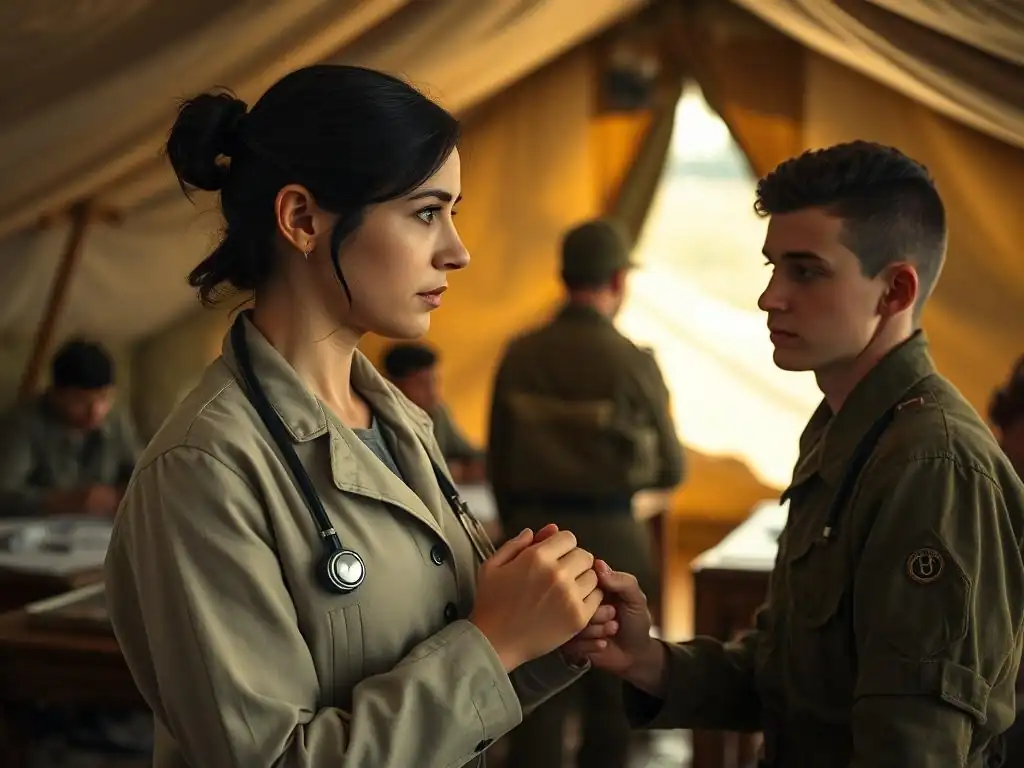
Welcome to Mind Care Guide, a space dedicated to understanding and nurturing your mental well-being. Are you curious about the evolution of mental health care, especially during times of intense societal upheaval? This article delves into the often-overlooked history of wartime psychiatry trauma treatment, exploring how conflict has shaped our understanding of trauma and its lasting impact. Discover the innovative (and sometimes controversial) approaches developed to address the psychological wounds of war and how these methods continue to influence mental health practices today. Intrigued? Let's begin.
- Introduction: The Evolving Landscape of Wartime Psychiatry
- Early 20th Century Conflicts and the Birth of Modern Wartime Psychiatry
- World War II: Advancements and Challenges in Military Psychiatry
- The Korean and Vietnam Wars: Further Refinement of Treatment Approaches
- Contemporary Conflicts and Modern Wartime Psychiatry
- Social and Cultural Changes Driven by Wartetime Trauma
- Treatment Modalities for Wartime Trauma: A Comprehensive Overview
- The Future of Wartime Psychiatry: Research and Innovation
- Conclusion: The Enduring Legacy of Wartime Psychiatry
-
Frequently Asked Questions
- What are the key areas of focus in wartime psychiatry trauma treatment?
- How does wartime psychiatry trauma treatment differ from standard mental health care?
- What types of therapies are commonly used in wartime psychiatry trauma treatment?
- What role does social support play in wartime psychiatry trauma treatment?
- Where can I find resources for wartime psychiatry trauma treatment?
- Final Reflection: The Enduring Scars of War and the Promise of Healing
- Unlock Your Understanding: Actionable Steps for Supporting Mental Wellness
Introduction: The Evolving Landscape of Wartime Psychiatry
The Impact of War on Mental Health: An Overview
Warfare has a profound and devastating impact on the mental health of individuals involved, extending far beyond the physical casualties. Soldiers, medical personnel, and civilians alike are exposed to extreme stressors, including direct combat, witnessing atrocities, loss of life, and prolonged separation from loved ones. These experiences can lead to a range of psychological conditions, such as anxiety disorders, depression, substance abuse, and crucially, trauma-related disorders like Post-Traumatic Stress Disorder (PTSD).
The psychological toll can manifest immediately or years later, affecting individuals' ability to function, maintain relationships, and reintegrate into civilian life. Historically, the mental health consequences of war were often misunderstood or dismissed, leading to inadequate support and treatment for those suffering. Early terms like "soldier's heart" or "nostalgia" hinted at the psychological distress but lacked a deep understanding of the underlying trauma.
The scale of this impact is staggering. During World War II, for instance, psychiatric casualties were significant, sometimes accounting for a substantial percentage of medical discharges. While precise global figures are difficult to aggregate across conflicts, studies on specific veteran populations provide insight. Following the Iraq and Afghanistan wars, estimates suggest that between 11% and 20% of veterans experienced PTSD in a given year.
This highlights not only the prevalence of trauma but also the ongoing need for effective wartime psychiatry trauma treatment. The mental health burden of war is not confined to active duty; it permeates families and communities, creating a ripple effect that can last for generations. Recognizing this pervasive impact has been a driving force behind the evolution of wartime psychiatry and the development of more targeted interventions.
Wartime Psychiatry Trauma Treatment: Addressing the Urgent Need
Addressing the psychological wounds of war is an urgent and ongoing challenge. Wartime psychiatry trauma treatment encompasses a range of interventions designed to mitigate the immediate impact of combat stress and provide long-term care for chronic trauma-related conditions. This field has evolved significantly over the past century, moving from rudimentary custodial care to sophisticated, evidence-based therapies.
The primary goal is to help individuals process traumatic experiences, manage distressing symptoms, and regain their capacity for healthy functioning. This involves not only clinical treatment but also early identification, prevention strategies, and support systems within the military structure and upon return to civilian life.
The development of effective wartime psychiatry trauma treatment has been driven by the harsh realities observed in conflicts. During World War I, the sheer number of cases of "shell shock" overwhelmed existing medical frameworks, forcing a re-evaluation of how war affects the mind. This led to early attempts at rest cures and rudimentary psychological support.
Subsequent conflicts spurred further advancements, particularly in understanding the nature of trauma and developing specialized therapies. Today, effective wartime psychiatry trauma treatment often involves a combination of pharmacological interventions to manage symptoms like severe anxiety or depression, and various forms of psychotherapy specifically tailored to trauma, such as Cognitive Behavioral Therapy (CBT) or Eye Movement Desensitization and Reprocessing (EMDR). The focus remains on providing timely, accessible, and effective care to those who have endured the unique stresses of war.
Early 20th Century Conflicts and the Birth of Modern Wartime Psychiatry
World War I: Shell Shock and the Initial Response
World War I marked a critical turning point in the recognition of war's psychological impact, albeit initially through confusion and misunderstanding. The unprecedented scale and intensity of trench warfare, characterized by prolonged exposure to bombardment, constant threat, and horrific living conditions, led to a widespread phenomenon dubbed "shell shock." Soldiers exhibited a range of symptoms, including tremors, paralysis, mutism, severe anxiety, and dissociation.
Initially, these were often attributed to physical damage from shell blasts or seen as signs of cowardice or malingering. Military authorities struggled to categorize and manage these cases within the existing medical framework, which was primarily focused on physical injuries.
The sheer number of "shell shock" cases forced medical professionals and the military to confront the reality of psychological casualties. While early treatments were varied and often ineffective, ranging from rest and reassurance to harsh disciplinary measures, the crisis spurred the development of rudimentary psychological services within the military. Doctors like Charles Myers began documenting the symptoms and suggesting a psychological rather than purely physical cause.
The need to return soldiers to the front or discharge them efficiently highlighted the necessity for some form of intervention, laying the groundwork for the formalization of military psychiatry. Despite the initial confusion and stigma, the WWI experience undeniably brought the psychological effects of combat to the forefront, prompting a nascent understanding of trauma in a military context.
The Emergence of Trauma-Focused Interventions in WWI
The overwhelming number of "shell shock" cases during World War I necessitated the development of new approaches, some of which contained the seeds of modern trauma-focused interventions. While not yet sophisticated, these early efforts moved beyond purely physical explanations or punitive responses. One notable approach was the "PIE" principle, which emerged towards the end of the war: Proximity, Immediacy, Expectancy.
This emphasized treating soldiers near the front lines (Proximity), as soon as symptoms appeared (Immediacy), with the expectation of return to duty (Expectancy). This was a crucial shift, recognizing that early intervention and remaining within the military context could prevent chronic disability.
Treatment methods, though basic by today's standards, included rest, therapeutic baths, massage, and simple psychological reassurance. Some practitioners began employing methods akin to early psychotherapy, encouraging soldiers to talk about their experiences. Figures like W.H.
Rivers, working at Craiglockhart War Hospital, famously used talking cures with officers like Siegfried Sassoon and Wilfred Owen, recognizing the therapeutic value of recounting traumatic events. While these methods were not yet formalized trauma therapies, they represented an important acknowledgment that psychological distress required psychological intervention. The WWI experience, born out of necessity and vast numbers of casualties, provided the first widespread, albeit often fumbling, attempts at providing some form of wartime psychiatry trauma treatment.
World War II: Advancements and Challenges in Military Psychiatry
Mass Mobilization and the Strain on Mental Health Services
World War II involved an unprecedented scale of mass mobilization across numerous countries, placing immense pressure on military and civilian mental health services. Millions of individuals, many with no prior military experience, were rapidly inducted and exposed to the stresses of training, deployment, and combat. This scale meant that traditional, slow-paced psychiatric evaluation and treatment methods were simply inadequate. The military faced the dual challenge of screening recruits for potential psychological vulnerability and providing timely care for those who developed psychiatric symptoms during service.
The sheer numbers necessitated the rapid expansion of military psychiatry. Psychiatrists were deployed closer to the front lines, and the concept of forward psychiatry – treating casualties as close to the point of breakdown as possible – gained traction. Despite these efforts, the demand often outstripped the available resources.
The strain was evident in the significant rates of psychiatric casualties; estimates vary, but some reports indicate that neuropsychiatric disorders accounted for a substantial percentage of all medical discharges during WWII. This era highlighted the critical need for efficient assessment tools and scalable interventions within the military structure, further driving the evolution of wartime psychiatry trauma treatment approaches.
Combat Stress Reaction: Understanding and Managing Psychological Trauma
The term "combat exhaustion" or "battle fatigue" became prevalent during World War II, replacing the earlier "shell shock" and reflecting a growing understanding that the condition was a reaction to overwhelming stress rather than physical injury or cowardice. These terms acknowledged that even psychologically robust individuals could break down under the sustained psychological pressure of combat. Symptoms were similar to those seen in WWI, including anxiety, panic, confusion, withdrawal, and physical complaints. The focus shifted towards seeing these as temporary, treatable reactions to extraordinary circumstances.
Management of combat stress reaction in WWII built upon the PIE principles from WWI, emphasizing immediate treatment near the front lines. Rest, food, sleep, and reassurance were primary interventions. The goal was rapid recovery and return to duty, reinforcing the soldier's identity as part of the fighting force. This approach, while often effective for acute reactions, did not always address the deeper psychological trauma. Nevertheless, the recognition of combat stress as a legitimate, widespread reaction to warfare was a significant step forward in understanding the psychological costs of conflict and developing initial strategies for wartime psychiatry trauma treatment.
The Development of Brief Psychotherapy Techniques for Wartime Trauma
The necessity for rapid treatment and high turnover rates in WWII led to the development and refinement of brief psychotherapy techniques suitable for the military context. Long-term, in-depth psychoanalysis, popular in civilian psychiatry at the time, was impractical for treating large numbers of soldiers in active theaters of operation. Military psychiatrists needed methods that were time-efficient and focused on restoring function quickly. This environment fostered innovation in short-term therapeutic approaches.
Techniques often involved abreaction, where the soldier was encouraged to relive the traumatic event under supportive guidance, sometimes with the aid of sedatives like sodium amytal ("truth serum"). The goal was to discharge pent-up emotional energy associated with the trauma. While controversial by today's standards, these methods represented an early attempt to directly engage with the traumatic experience in a therapeutic setting.
Group therapy also began to be used, allowing soldiers to share experiences and gain mutual support. These brief, focused interventions were crucial for providing some form of wartime psychiatry trauma treatment under difficult circumstances and laid some groundwork for later developments in trauma therapy.
The Role of Psychiatry in Assessing and Treating Soldiers
Psychiatry played a much more integrated role in the military during World War II compared to previous conflicts. Psychiatrists were involved not only in treating casualties but also in screening recruits, managing personnel issues, and advising commanders on troop morale and psychological factors affecting performance. Screening aimed to identify individuals deemed psychologically vulnerable, although the effectiveness of these early methods was limited.
The treatment of soldiers ranged from forward aid stations for acute stress reactions to more established hospitals further behind the lines for more severe or chronic conditions. Psychiatrists managed cases of combat stress, psychoses, and other mental health issues. While the understanding of trauma was still evolving, the systematic involvement of psychiatric professionals in the military structure was a significant development. This era solidified the place of wartime psychiatry as an essential component of military operations, responsible for both maintaining the psychological fitness of the fighting force and providing wartime psychiatry trauma treatment to those affected by the conflict.
The Korean and Vietnam Wars: Further Refinement of Treatment Approaches
Post-Traumatic Stress Disorder (PTSD): Recognition and Diagnosis
The experiences of veterans from the Korean and Vietnam Wars, particularly the latter, were instrumental in the formal recognition and diagnosis of Post-Traumatic Stress Disorder (PTSD) as a distinct clinical entity. Unlike previous conflicts where symptoms were often viewed as temporary reactions or character flaws, the delayed and chronic psychological difficulties faced by many Vietnam veterans highlighted the enduring impact of trauma. Veterans returned home to a complex social and political environment, often lacking adequate support structures, which may have exacerbated their psychological distress.
Clinicians and researchers observed clusters of symptoms that persisted long after the combat exposure had ended, including intrusive memories (flashbacks, nightmares), avoidance of trauma-related stimuli, emotional numbing, and hyperarousal (irritability, difficulty sleeping, hypervigilance). These observations led to significant advocacy and research efforts. In 1980, the American Psychiatric Association formally introduced PTSD into the third edition of its Diagnostic and Statistical Manual of Mental Disorders (DSM-III). This landmark event provided a standardized diagnostic framework, legitimizing the suffering of trauma survivors and paving the way for dedicated research and the development of specialized wartime psychiatry trauma treatment.
Beyond the direct psychological trauma of combat, the Vietnam War introduced new complexities related to environmental exposures and their impact on veterans' health, including mental well-being. Agent Orange, a tactical herbicide used extensively by the U.S. military, has been linked to a range of physical health problems.
Growing evidence also suggests potential indirect links between such exposures and mental health conditions. While the direct causal pathways between Agent Orange exposure and PTSD or depression are still areas of ongoing research, the stress of dealing with chronic physical illness and the associated uncertainties stemming from such exposures can undoubtedly exacerbate or contribute to psychological distress and complicate wartime psychiatry trauma treatment.
Veterans grappling with physical ailments attributed to Agent Orange often face chronic pain, disability, and the psychological burden of navigating healthcare systems and disability claims. This can lead to increased rates of depression, anxiety, and social isolation. Furthermore, the trauma of combat itself may interact with the stress of managing a chronic, potentially service-connected illness. Understanding these complex interactions is crucial for providing comprehensive care to this veteran population. The Vietnam War experience underscored the need for wartime psychiatry to consider the multifaceted health challenges veterans face, including those stemming from environmental factors, when developing treatment plans.
Community-Based Mental Health Services for Returning Veterans
The challenges faced by Vietnam veterans upon their return highlighted significant gaps in the transition from military service to civilian life, particularly concerning mental healthcare. Unlike previous wars, the return was often individual rather than collective, and societal reception was sometimes hostile or indifferent. This lack of a structured, supportive reintegration process contributed to isolation and difficulty accessing care for psychological wounds. In response, there was a push towards developing community-based mental health services specifically tailored to veterans.
Organizations outside the traditional Veterans Administration (VA) system, as well as within it, began to establish programs focusing on the unique experiences and needs of veterans. These services often included peer support groups, counseling centers, and outreach programs designed to be more accessible and less stigmatizing than traditional hospital-based care.
The establishment of Vet Centers in the late 1970s, offering readjustment counseling and support, was a direct outcome of recognizing the specific needs of Vietnam veterans. This shift towards community-based care represented an important step in making wartime psychiatry trauma treatment more available and acceptable to those who needed it.
Contemporary Conflicts and Modern Wartime Psychiatry
The Wars in Iraq and Afghanistan: Prolonged Exposure and Psychological Impact
The conflicts in Iraq and Afghanistan, beginning in the early 2000s, presented unique challenges for wartime psychiatry due to their duration, the nature of the insurgency warfare, and the frequency of deployments. Unlike the large-scale conventional battles of earlier wars, these conflicts often involved prolonged exposure to unpredictable threats, including improvised explosive devices (IEDs), suicide attacks, and asymmetric warfare. Service members frequently experienced multiple, extended deployments with limited downtime between tours, leading to cumulative stress and increased risk of developing mental health conditions, including PTSD and depression.
The psychological impact of these wars has been significant. Studies have consistently shown high rates of mental health issues among veterans of Operation Enduring Freedom (OEF), Operation Iraqi Freedom (OIF), and Operation New Dawn (OND). For example, research indicates that approximately one-third of service members returning from deployment report mental health symptoms, though not all meet diagnostic criteria.
Rates of PTSD and depression among OEF/OIF/OND veterans are estimated to be higher than in the general population or veteran populations from earlier conflicts. This prolonged and repeated exposure to trauma underscores the critical need for effective and accessible wartime psychiatry trauma treatment tailored to the specific experiences of this generation of veterans.
Traumatic Brain Injury (TBI) and its Comorbidities with Mental Health Conditions
A significant challenge in contemporary wartime psychiatry is the high prevalence of Traumatic Brain Injury (TBI), particularly mild TBI or concussion, often resulting from blast exposures in Iraq and Afghanistan. TBI frequently co-occurs with mental health conditions, most notably PTSD, depression, and anxiety. Distinguishing between the symptoms of TBI and psychological trauma can be complex, as there is considerable overlap (e.g., problems with concentration, memory issues, irritability, sleep disturbances). This comorbidity complicates diagnosis and requires integrated treatment approaches.
Research has highlighted the strong association between TBI and mental health outcomes in recent veterans. Studies suggest that veterans who have sustained a TBI are significantly more likely to also screen positive for PTSD or depression compared to those without TBI. For instance, some estimates indicate that up to 40% of veterans with TBI also have PTSD.
This complex interplay between physical brain injury and psychological trauma necessitates a holistic approach to care. Effective wartime psychiatry trauma treatment must address both the neurological consequences of TBI and the psychological impact of trauma simultaneously, often requiring collaboration between neurologists, psychiatrists, psychologists, and other specialists.
The Use of Telepsychiatry in Providing Remote Mental Health Care
The geographic distribution of military personnel and veterans, coupled with the often remote locations of combat zones and veterans' homes, has spurred the adoption of telepsychiatry as a vital tool in providing mental healthcare. Telepsychiatry allows mental health professionals to deliver services remotely via videoconferencing technology, overcoming barriers of distance, time, and stigma. This has been particularly useful in providing care to troops deployed in areas with limited medical infrastructure and to veterans living in rural or underserved areas upon their return.
The Department of Veterans Affairs (VA) has become a leader in the use of telepsychiatry, significantly expanding its capabilities to reach veterans across the country. Data from the VA shows a dramatic increase in telemental health appointments over the past decade, demonstrating its growing role.
Studies have shown that telepsychiatry can be as effective as in-person care for many mental health conditions, including PTSD and depression. This technological advancement is transforming the delivery of wartime psychiatry trauma treatment, making it more accessible and potentially reducing delays in receiving care, which is crucial for improving outcomes for service members and veterans.
The Ethical Considerations of Wartime Psychiatry
Wartime psychiatry operates within a complex ethical landscape, balancing the traditional medical imperative to heal the individual patient with the military's mission to maintain a fit fighting force. Psychiatrists in military settings face unique ethical dilemmas, such as confidentiality when a soldier's mental state might pose a risk to themselves or others in a combat zone, or the pressure to return soldiers to duty versus prioritizing their long-term mental health. The dual loyalty inherent in military medicine—to the patient and to the military organization—requires careful navigation.
Other ethical considerations include the potential for coercion in treatment decisions, the use of psychiatric evaluations for administrative purposes (e.g., fitness for duty determinations), and the ethical implications of conducting research in active conflict zones. Providing effective wartime psychiatry trauma treatment requires not only clinical expertise but also a strong ethical framework to guide decision-making in challenging circumstances. Military mental health professionals must adhere to professional ethical codes while also understanding and operating within the specific legal and operational context of the military, ensuring that the well-being of service members remains paramount.
The Stigma of Mental Illness: Wartime Experiences and Societal Shifts
Wartime experiences have historically both reinforced and, paradoxically, challenged the stigma associated with mental illness. In early conflicts, conditions like "shell shock" were often seen as moral failings or cowardice, deeply embedding stigma within the military culture and wider society. This stigma prevented many soldiers from seeking help, fearing shame, punishment, or career repercussions. However, the sheer prevalence of psychological casualties in major wars eventually forced a societal reckoning. The visible suffering of large numbers of veterans made it harder to dismiss mental health issues as rare or inconsequential.
The formal recognition of PTSD after the Vietnam War was a significant step in destigmatizing trauma-related conditions, framing them as legitimate injuries of war rather than weaknesses. While stigma persists, particularly within some military subcultures and parts of society, ongoing advocacy by veteran groups and mental health professionals, coupled with public awareness campaigns, has contributed to a gradual shift in perception. Recognizing the widespread need for wartime psychiatry trauma treatment has played a crucial role in broader societal conversations about mental health, helping to normalize the idea that psychological wounds are real and require care, much like physical injuries.
The Long-Term Consequences of Wartime Trauma on Families and Communities
The impact of wartime trauma extends far beyond the individual service member, profoundly affecting families and communities. Partners, children, and parents of veterans with untreated or undertreated trauma often bear significant burdens. Symptoms of PTSD, such as irritability, emotional numbing, social withdrawal, and difficulty with intimacy, can strain family relationships, leading to marital problems, difficulties parenting, and increased stress within the household. Children may experience behavioral issues, anxiety, or depression as a result of living with a parent struggling with trauma.
Communities where large numbers of veterans reside may also experience the ripple effects, including increased demand on local health and social services. The challenges faced by veterans in employment, housing, and social reintegration due to untreated trauma can impact community stability and well-being. Recognizing these broader consequences has led to a greater emphasis on family-focused interventions and community-based support programs as part of comprehensive wartime psychiatry trauma treatment and veteran care. Addressing the trauma requires supporting not just the veteran, but their entire support system.
The Role of Wartime Psychiatry in Shaping Mental Health Policy
The lessons learned from military conflicts and the evolution of wartime psychiatry have significantly influenced mental health policy at national levels. The challenges of providing care to large numbers of veterans have driven innovation and investment in mental health services within systems like the U.S. Department of Veterans Affairs (VA). The VA has often been at the forefront of developing and testing new treatment modalities for trauma and implementing large-scale mental healthcare programs, which can then inform practices in civilian settings.
The recognition of PTSD as a service-connected disability, for example, established a precedent for acknowledging the long-term psychological costs of military service and the need for governmental support. Research funded by military and veteran health agencies has advanced our understanding of trauma and its treatment, contributing to clinical guidelines used both within and outside the military. The ongoing need for effective wartime psychiatry trauma treatment continues to shape policy debates regarding access to care, funding for mental health research, and the integration of mental and physical healthcare services.
Treatment Modalities for Wartime Trauma: A Comprehensive Overview

Medication plays an important role in managing specific symptoms associated with trauma-related disorders stemming from wartime experiences, such as severe anxiety, depression, sleep disturbances, and hyperarousal. While not a cure for trauma itself, psychopharmacological interventions can help stabilize individuals and make them more amenable to psychotherapy. Selective Serotonin Reuptake Inhibitors (SSRIs) and Serotonin-Norepinephrine Reuptake Inhibitors (SNRIs) are commonly prescribed antidepressants that have shown efficacy in reducing PTSD core symptoms like hyperarousal and avoidance.
Other classes of medication may be used to target specific issues. For instance, prazosin, an alpha-1 blocker, is sometimes used off-label to reduce trauma-related nightmares. Antipsychotic medications may be prescribed in low doses for severe hyperarousal or intrusive thoughts when other treatments are insufficient, although this is less common. Benzodiazepines are generally not recommended for long-term use in PTSD due to risks of dependence and potential interference with trauma processing therapies. Medication management is typically part of a broader treatment plan, often combined with psychotherapy, reflecting a multi-modal approach to wartime psychiatry trauma treatment.
Psychotherapy: Evidence-Based Approaches for Trauma Resolution
Psychotherapy is considered the cornerstone of effective wartime psychiatry trauma treatment. Several evidence-based psychotherapies have been developed and rigorously tested specifically for trauma-related disorders, proving effective in helping individuals process traumatic memories and reduce symptoms. These therapies aim to help individuals understand their reactions to trauma, manage distressing emotions, and develop coping strategies.
Cognitive Behavioral Therapy (CBT) for PTSD
Cognitive Behavioral Therapy (CBT) is a widely used and highly effective psychotherapy for PTSD. Specific trauma-focused CBT approaches, such as Prolonged Exposure (PE) and Cognitive Processing Therapy (CPT), are recommended by major clinical guidelines. PE involves gradually confronting trauma-related memories, feelings, and situations that have been avoided.
CPT helps individuals examine and challenge unhelpful thoughts (cognitions) about the trauma and its consequences. Both therapies have extensive research support demonstrating their effectiveness in reducing PTSD symptoms among veterans and other trauma survivors. For example, studies on PE and CPT in veteran populations have shown clinically significant reductions in PTSD symptom severity for a majority of participants.
Eye Movement Desensitization and Reprocessing (EMDR)
Eye Movement Desensitization and Reprocessing (EMDR) is another evidence-based psychotherapy for PTSD that has been successfully applied in wartime psychiatry trauma treatment. EMDR therapy involves recalling distressing trauma memories while simultaneously engaging in bilateral stimulation, typically eye movements, but sometimes taps or tones. The theory is that this process helps the brain reprocess the traumatic memory, reducing its emotional intensity and allowing for adaptive resolution.
Research supports the efficacy of EMDR for PTSD, including in military populations. Studies have found EMDR to be as effective as trauma-focused CBT in reducing PTSD symptoms. The therapy typically involves a structured, multi-phase approach that prepares the individual before targeting specific traumatic memories. EMDR is recognized by organizations like the American Psychiatric Association and the Department of Veterans Affairs as an effective treatment for PTSD.
Group Therapy and Peer Support
Group therapy and peer support play a valuable role in wartime psychiatry trauma treatment, often complementing individual therapy. Group therapy provides a safe environment for veterans to share their experiences with others who have undergone similar trauma. This shared experience can reduce feelings of isolation and shame, foster a sense of camaraderie, and provide opportunities for mutual support and learning coping strategies.
Peer support programs, where veterans are supported by other veterans who have successfully navigated mental health challenges, are also highly beneficial. These programs leverage the unique bond and understanding that exists among those who have served. While group therapy focused specifically on trauma processing can be effective, even less structured support groups offer significant therapeutic benefits by reducing social isolation and providing a sense of belonging, which are crucial components of recovery from wartime trauma.
The ongoing challenges of treating complex combat-related trauma have spurred interest in innovative and alternative therapy approaches. While some are still considered emerging or require more research, they offer promising avenues for enhancing wartime psychiatry trauma treatment.
Virtual Reality Exposure Therapy (VRE)
Virtual Reality Exposure Therapy (VRE) is an innovative technique that uses immersive virtual environments to simulate trauma-related situations, allowing individuals to safely confront feared stimuli in a controlled setting. For combat veterans, VRE can recreate scenarios such as riding in a Humvee, experiencing an IED explosion, or navigating a combat zone. This allows for exposure to trauma cues that are difficult or impossible to replicate in traditional therapy.
Early research on VRE for combat-related PTSD has shown promising results, demonstrating reductions in PTSD symptoms. The technology allows therapists to control the stimuli and intensity, tailoring the exposure to the individual's needs. While not yet as widely implemented as traditional PE, VRE represents a significant technological advancement in exposure-based wartime psychiatry trauma treatment, offering a potentially powerful tool for processing combat memories.
Animal-Assisted Therapy
Animal-assisted therapy, particularly involving dogs, is increasingly being explored as a complementary approach for veterans with PTSD and other mental health conditions. Interacting with trained therapy animals can help reduce anxiety, provide comfort, and improve mood. Service dogs, specifically trained to perform tasks that mitigate PTSD symptoms (e.g., waking someone from a nightmare, creating personal space in crowded areas), can significantly improve veterans' quality of life and independence.
While research specifically on animal-assisted therapy as a standalone wartime psychiatry trauma treatment is still developing, studies suggest that the human-animal bond can have therapeutic benefits, reducing stress hormones and increasing social interaction. Many veterans report that working with or having a service animal helps them manage symptoms and feel more connected to the world, suggesting its value as an adjunct to evidence-based psychotherapies and medication management in comprehensive care plans.
The Future of Wartime Psychiatry: Research and Innovation
Advancements in Understanding the Neurobiology of Trauma
Future advancements in wartime psychiatry trauma treatment will heavily rely on a deeper understanding of the neurobiological impact of trauma. Research using neuroimaging techniques like fMRI and PET scans is revealing how trauma alters brain structure and function, particularly in areas involved in fear processing, memory, and emotional regulation (e.g., amygdala, hippocampus, prefrontal cortex). Studies are also exploring the genetic and epigenetic factors that may influence vulnerability or resilience to trauma.
Understanding the biological underpinnings of PTSD and related conditions could lead to the development of more targeted pharmacological interventions or novel therapies that directly address the neural circuits affected by trauma. For instance, research into the role of neurotransmitters like norepinephrine or glutamate, or the potential use of substances like MDMA or psilocybin in controlled clinical settings alongside psychotherapy, represents areas of active investigation. These neurobiological insights are crucial for developing the next generation of effective wartime psychiatry trauma treatment.
Developing New Prevention and Intervention Strategies
Beyond treating established conditions, a key focus for the future of wartime psychiatry is the development of more effective prevention and early intervention strategies. This includes identifying service members at higher risk before or during deployment and implementing resilience-building programs. Strategies might involve stress inoculation training, enhancing psychological fitness, or providing psychoeducation on the potential impact of combat stress.
Early intervention programs, such as critical incident stress debriefing (though its effectiveness is debated for preventing PTSD) or providing immediate psychological first aid after traumatic events, are continually being refined. Research is exploring predictive biomarkers or psychological assessments that could identify individuals most likely to develop chronic trauma symptoms, allowing for targeted early support. Developing scalable, easily accessible interventions that can be delivered during or immediately after deployment is a critical area of focus to mitigate the long-term burden of wartime trauma and enhance the effectiveness of wartime psychiatry trauma treatment across the force.
Addressing the Mental Health Needs of Veterans and Their Families
Ensuring comprehensive and accessible mental healthcare for veterans and their families remains a paramount challenge and a key area for future development in wartime psychiatry. This involves improving the transition from military to civilian healthcare systems, reducing barriers to care such as geographic distance, long wait times, and persistent stigma, and ensuring that treatments are culturally sensitive and tailored to the unique experiences of military personnel.
Future efforts will likely focus on integrating mental healthcare more seamlessly with primary care, expanding peer support networks, and developing programs that support family members affected by a veteran's trauma. Leveraging technology, such as mobile health applications and further expanding telepsychiatry services, will be essential for reaching veterans wherever they live. The goal is to create a system of care that is proactive, easily navigable, and provides lifelong support for the mental health needs stemming from military service, ensuring that wartime psychiatry trauma treatment is available when and where it is needed.
Conclusion: The Enduring Legacy of Wartime Psychiatry
The Importance of Continued Research and Support for Mental Health
The history of wartime psychiatry is a testament to the enduring and profound impact of conflict on human psychology. From the initial confusion surrounding "shell shock" in WWI to the formal recognition of PTSD and the development of sophisticated, evidence-based wartime psychiatry trauma treatment today, progress has been driven by the urgent need to address the psychological casualties of war. This evolution highlights the critical importance of continued research into the nature of trauma, its effects on the brain and mind, and the development of ever more effective interventions.
Equally important is the need for sustained support for mental health services for service members, veterans, and their families. The psychological wounds of war are real and can be debilitating, but they are also treatable. Adequate funding for research, accessible and high-quality clinical care, and robust support systems are essential to help those affected by wartime trauma heal and reintegrate into civilian life. The lessons learned from a century of wartime psychiatry underscore that investing in mental health is not just a clinical necessity but a moral imperative.
Wartime Psychiatry Trauma Treatment: Lessons Learned and Future Directions
The journey of wartime psychiatry trauma treatment has yielded invaluable lessons. We have learned that psychological reactions to war are normal responses to abnormal events, that early intervention is crucial, and that evidence-based psychotherapies and, in some cases, medication are effective tools for recovery. We have also learned that trauma impacts not just the individual but their entire support system, necessitating a broader approach to care.
Looking forward, the future of wartime psychiatry involves leveraging technological advancements like telepsychiatry and VRE, deepening our understanding of trauma's neurobiology, and developing more personalized and preventative strategies. Addressing the complex interplay of TBI and mental health, reducing stigma, and ensuring seamless access to care across the lifespan of veterans will remain key challenges. The goal is to build upon the foundation laid by past generations of military mental health professionals to provide the best possible wartime psychiatry trauma treatment for those who have sacrificed so much.
Resources for Veterans and Their Families
For veterans and their families seeking support and wartime psychiatry trauma treatment, numerous resources are available. The U.S. Department of Veterans Affairs (VA) offers a comprehensive range of mental health services, including specialized programs for PTSD and other trauma-related conditions. VA Medical Centers and Community-Based Outpatient Clinics (CBOCs) provide clinical care, while Vet Centers offer readjustment counseling and support in a less formal setting.
Numerous non-profit organizations also provide vital support, such as the Veterans Crisis Line (providing 24/7 confidential support for veterans in crisis), the Wounded Warrior Project, and hundreds of smaller, community-based veteran service organizations. These resources offer everything from clinical treatment referrals and peer support groups to family counseling and assistance with navigating benefits. Reaching out for help is a sign of strength, and a wide network of support exists to assist veterans and their families in healing from the psychological impacts of war and accessing effective wartime psychiatry trauma treatment.
Frequently Asked Questions
What are the key areas of focus in wartime psychiatry trauma treatment?
Wartime psychiatry trauma treatment primarily focuses on addressing the psychological impact of combat and war-related experiences, including PTSD, anxiety, depression, and other mental health challenges affecting service members and civilians. It also considers the social and environmental factors contributing to these issues.
How does wartime psychiatry trauma treatment differ from standard mental health care?
Wartime psychiatry trauma treatment is specifically tailored to address the unique stressors and traumas associated with war, such as combat exposure, displacement, and loss. It often involves specialized therapies and interventions designed to address these specific challenges, unlike standard mental health care.
What types of therapies are commonly used in wartime psychiatry trauma treatment?
Common therapies include trauma-focused cognitive behavioral therapy (TF-CBT), eye movement desensitization and reprocessing (EMDR), and group therapy to foster peer support and shared experiences. These evidence-based approaches help individuals process traumatic memories and develop coping mechanisms.
Social support is crucial in wartime psychiatry trauma treatment, providing individuals with a sense of community, understanding, and validation. Strong social connections can help reduce feelings of isolation and promote resilience in the face of trauma.
Where can I find resources for wartime psychiatry trauma treatment?
Resources are available through military healthcare systems, veterans' organizations, and mental health clinics specializing in trauma. Websites like Mind Care Guide also offer information and links to relevant support services for those affected by war-related trauma.
Final Reflection: The Enduring Scars of War and the Promise of Healing
The psychological wounds of war extend far beyond the battlefield, impacting not only individual soldiers but also entire societies for generations. The pervasive trauma inflicted by conflict continues to demand our attention, highlighting the urgent need for accessible and effective wartime psychiatry and trauma treatment. We must acknowledge the devastating consequences of unchecked mental health crises stemming from war, and actively work towards solutions.
The legacy of wartime trauma is woven into the very fabric of our cultural and social landscape. Its influence shapes narratives, policies, and even our understanding of human resilience. The echoes of past conflicts resonate in the struggles of veterans, their families, and communities today. The soldier returns from war with a different kind of wound, a wound that cannot be seen, but which can be just as debilitating as a physical injury.
This quote underscores the often-invisible burden carried by those who have experienced the horrors of war, a burden that demands our empathy and understanding.
The insights shared in this article are not merely historical observations; they are a call to action. Consider the impact of trauma on individuals and communities, and reflect on how we, as individuals and as a society, can contribute to a more supportive and healing environment for those affected by war.
You can make a difference by advocating for improved mental health services, fostering empathy and understanding, and challenging the stigma surrounding mental illness. Let us work together to ensure that the scars of war do not define the future, but rather serve as a catalyst for compassion, resilience, and lasting peace.
Unlock Your Understanding: Actionable Steps for Supporting Mental Wellness
Thank you for taking the time to explore the complexities of mental health within the context of wartime. We hope this article provided valuable insights into the challenges faced and the resilience shown. Now, let's move from understanding to action.
- Prioritize self-care: Identify one small, manageable step you can take today to nurture your mental wellbeing. This could be anything from a mindful walk to connecting with a loved one. Even small acts of self-compassion make a difference.
- Share this vital information: Spread awareness by sharing this article with your network – helping others understand these issues is a powerful act of support. Consider starting a conversation with family or friends about the impact of trauma and stress.
- Deepen your knowledge: Explore additional resources from reputable organizations focusing on mental health support. A deeper understanding empowers you to make informed decisions about your own wellbeing and to offer better support to those in need.
What small act of self-care will you prioritize today to contribute to your mental and emotional resilience?