
The Eightfold Path: Ancient Wisdom for Modern Mental Health

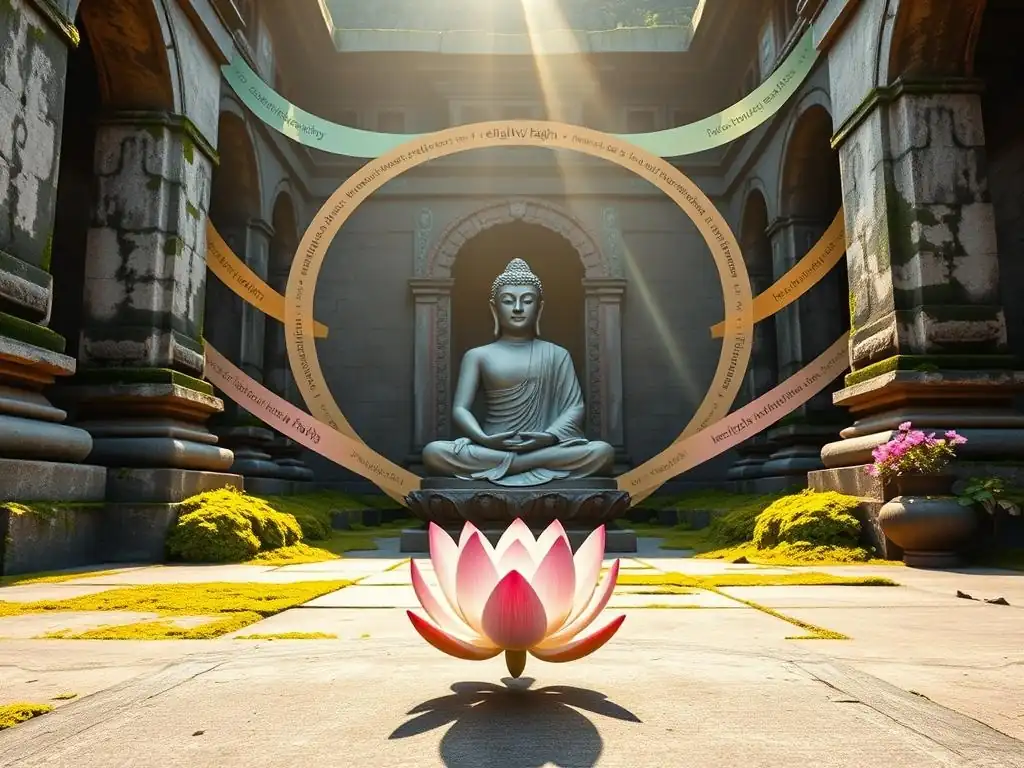
Welcome to Mind Care Guide, a place dedicated to nurturing your mental well-being.
Feeling overwhelmed by modern life? Discover how ancient wisdom, specifically the Eightfold Path, can offer surprisingly relevant guidance for navigating today's mental health challenges. Our comprehensive ancient wisdom mental wellness guide explores this timeless philosophy and its practical applications for a more balanced and fulfilling life. Intrigued? Let's begin your journey to inner peace.
1. Right Understanding: Cultivating Mental Clarity
Right Understanding (Samma Ditthi) is the foundational step of the Eightfold Path, often described as the cornerstone of this ancient wisdom mental wellness guide. It involves seeing and understanding reality as it truly is, free from delusion, prejudice, and distorted perceptions. This isn't merely intellectual knowledge but a deep, experiential comprehension, particularly concerning the nature of suffering, its origins, its cessation, and the path leading to its cessation – principles often referred to as the Four Noble Truths.
Cultivating this understanding is paramount for mental clarity because much of our psychological distress arises from misunderstanding ourselves, others, and the world around us. When we operate based on inaccurate beliefs or assumptions about reality, we inevitably generate confusion, conflict, and emotional turbulence.
Achieving Right Understanding helps dismantle the mental constructs that fuel anxiety and dissatisfaction. For instance, a common source of suffering is attachment to things being permanent – relationships, possessions, even our own feelings. When we truly understand impermanence, the natural flow of change, we are less shocked and distressed when things inevitably end or transform.
While specific statistical data linking "Right Understanding" directly to mental health outcomes is complex to isolate from the entire path, the principles it embodies are mirrored in modern psychological approaches. Cognitive Behavioral Therapy (CBT), for example, works by identifying and challenging distorted thought patterns and core beliefs (misunderstandings) that contribute to depression and anxiety.
Similarly, acceptance-based therapies encourage acknowledging reality as it is, which aligns closely with the principle of seeing things clearly without resistance. This ancient wisdom offers a profound framework for examining the root causes of mental distress by first addressing our fundamental understanding of existence.
- How does the Eightfold Path from Buddhism relate to modern mental well-being?
- What are some key components of the Eightfold Path that can be applied to daily life for improved mental health?
- Is the Eightfold Path a replacement for professional mental health treatment?
- What are some potential benefits of exploring ancient wisdom, like the Eightfold Path, for mental wellness?
- How can I begin to incorporate the Eightfold Path into my mental wellness journey?
Frequently Asked Questions
How does the Eightfold Path from Buddhism relate to modern mental well-being?
The Eightfold Path offers a practical framework for cultivating positive mental states and reducing suffering. Its principles, such as mindfulness and ethical conduct, align with modern therapeutic approaches promoting emotional regulation and overall well-being.
What are some key components of the Eightfold Path that can be applied to daily life for improved mental health?
Components like Right Mindfulness (paying attention to the present moment) and Right Effort (cultivating positive thoughts) are directly applicable. Incorporating these into daily routines can significantly reduce stress and anxiety, fostering inner peace.
Is the Eightfold Path a replacement for professional mental health treatment?
No, the Eightfold Path is not a replacement. It should be seen as a complementary practice to professional mental health care, such as therapy or medication. It can support healing alongside evidence-based treatments.
What are some potential benefits of exploring ancient wisdom, like the Eightfold Path, for mental wellness?
Exploring such wisdom can provide new perspectives on managing emotions and finding meaning in life. It offers valuable tools for self-reflection and developing a stronger sense of self, promoting resilience.
How can I begin to incorporate the Eightfold Path into my mental wellness journey?
Start by researching the Eightfold Path and choosing one or two aspects to focus on. Consider reading books, attending workshops, or working with a therapist familiar with mindfulness practices. Practice consistently for gradual improvement.
Final Reflection: Finding Peace on the Eightfold Path in the Modern World
The ancient wisdom of the Eightfold Path offers a surprisingly potent antidote to the anxieties and pressures of modern life. Its principles, though rooted in centuries-old Buddhist philosophy, resonate deeply with the contemporary search for mental well-being, providing a practical framework for navigating the complexities of the 21st century. The path isn't just a historical relic; it's a living, breathing system for cultivating inner peace and resilience.
The enduring power of the Eightfold Path lies in its holistic approach to well-being, addressing not just the symptoms of mental distress but its underlying causes. It encourages a mindful examination of our thoughts, actions, and intentions, fostering self-awareness and compassion. This resonates deeply with my own journey towards greater mental clarity. The mind is everything. What you think you become.
– Buddha. This simple yet profound statement encapsulates the transformative potential of cultivating mindful awareness, a core tenet of the Eightfold Path, and its impact on shaping our reality.
Consider the principles outlined in this article – Right Understanding, Right Thought, Right Speech, Right Action, Right Livelihood, Right Effort, Right Mindfulness, and Right Concentration – not as rigid rules, but as guiding lights on your personal path to wellness. You have the power to integrate these principles into your daily life, cultivating a more peaceful, balanced, and fulfilling existence. Begin with small steps, focusing on one aspect of the path at a time. Embrace the journey, and allow the ancient wisdom of the Eightfold Path to illuminate your way towards a healthier, happier you.
Unlock Your Inner Peace: Start Your Journey Today
Thanks for taking the time to explore the Eightfold Path and its relevance to modern mental well-being. We hope you gained valuable insights into cultivating inner peace and resilience. Now it's time to put that wisdom into practice!
- Begin your daily mindfulness practice: Even 5 minutes a day can make a profound difference. Start small, focus on your breath, and notice the shift in your perspective. This is your primary action – the key to unlocking the benefits discussed in the article.
- Share this article with someone who might benefit: Spread the wisdom and help others on their journey to inner peace.
- Explore one new aspect of the Eightfold Path each week: This could involve finding a local meditation group, practicing loving-kindness meditation, or simply reflecting on your ethical conduct.
What small step will you take today to nurture your mental well-being and walk your own path towards inner peace?