
Claustrophobia Relief: Strategies for Managing Fear of Enclosed Spaces


Welcome to Mind Care Guide, a sanctuary for your mental well-being.
Do enclosed spaces trigger a wave of fear and panic? You're not alone. Our comprehensive guide delves into effective strategies for managing claustrophobia panic attacks, offering practical help and understanding to navigate these challenging moments. Discover actionable techniques and supportive resources to reclaim your sense of calm and control. Let's embark on this journey to alleviate your anxiety together – your path to relief starts here.
Claustrophobia Relief: Strategies for Managing Fear of Enclosed Spaces
- Understanding Claustrophobia: Recognizing the Fear of Enclosed Spaces
- Effective Strategies for Managing Claustrophobia Panic Attacks
- Creating a Claustrophobia Management Plan
- Lifestyle Changes to Support Claustrophobia Treatment
- When to Seek Professional Help for Claustrophobia
- Coping with Claustrophobia in Everyday Situations
- Advanced Techniques for Claustrophobia Relief
- Resources for Claustrophobia Support
-
Frequently Asked Questions
- What exactly is claustrophobia, and how does it differ from simply disliking small spaces?
- What are some common triggers that can induce a claustrophobic panic attack?
- What immediate steps can I take to manage a claustrophobic panic attack when it starts?
- What are some longer-term strategies for managing claustrophobia and reducing panic attacks?
- When should I seek professional help for my claustrophobia?
- Final Reflection: Breathing Space: Finding Freedom from Claustrophobia
- Conquer Your Fears: Unlock a World of Open Possibilities
Understanding Claustrophobia: Recognizing the Fear of Enclosed Spaces
Defining Claustrophobia: What Triggers the Fear?
Claustrophobia is a specific phobia characterized by an intense fear of enclosed or confined spaces. This fear is often disproportionate to the actual danger presented by the situation. Individuals experiencing claustrophobia may feel trapped, restricted, or suffocated when in spaces like small rooms, elevators, tunnels, or even crowded places. This anxiety can be debilitating, significantly impacting daily life and potentially leading to severe panic attacks. Understanding the root of this fear, which often stems from a feeling of lack of control or perceived lack of escape, is the first step toward managing claustrophobia panic attacks help.
The triggers for claustrophobia are highly personal but consistently revolve around the perceived threat of being unable to escape or breathe freely. For some, it might be the physical sensation of walls closing in; for others, it's the psychological fear of being trapped indefinitely. This phobia is relatively common, affecting perhaps 2-5% of the global population to some degree, although specific prevalence rates vary depending on diagnostic criteria used in studies. The fear isn't about the space itself, but the feeling it evokes – the loss of autonomy and the potential for suffocation or being crushed.
Common Triggers for Claustrophobia Panic Attacks
Claustrophobia panic attacks are often precipitated by specific situations that the individual associates with confinement. Common triggers include being in elevators, especially if they stop unexpectedly, or using public transportation during peak hours when it's crowded. Small rooms with no windows, basements, or even changing rooms in shops can activate the fear. Traveling in airplanes, particularly during takeoff or landing when movement is restricted, is another frequent trigger.
Medical procedures involving enclosed spaces, such as MRI scans or even certain dental procedures where the patient feels confined, are also notorious triggers. The key element in these situations is the feeling of being unable to easily exit or move freely, coupled with the perception of limited air or space. Recognizing these specific triggers is crucial for individuals seeking managing claustrophobia panic attacks help, as awareness allows for better preparation and application of coping strategies.
Physical and Psychological Symptoms of Claustrophobia
When faced with a triggering situation, individuals with claustrophobia can experience a range of intense physical and psychological symptoms, often culminating in a panic attack. Physical symptoms frequently include shortness of breath or a feeling of being suffocated, rapid heartbeat (palpitations), sweating, trembling or shaking, chest pain or tightness, dizziness or lightheadedness, and nausea. Some people also report a choking sensation or hot and cold flashes.
Psychologically, the symptoms are equally distressing. These can involve an intense fear of losing control, a fear of dying, or a sense of impending doom. Individuals may feel disoriented, detached from reality (derealization), or detached from themselves (depersonalization). The overwhelming urge to escape the situation immediately is a hallmark psychological response. These combined physical and psychological reactions underscore the severity of the phobia and highlight the urgent need for effective strategies for managing claustrophobia panic attacks help.
Effective Strategies for Managing Claustrophobia Panic Attacks
Immediate Relief Techniques for Claustrophobia
When a claustrophobic reaction begins, having immediate relief techniques readily available can significantly reduce the intensity of the panic. These techniques focus on regaining a sense of control and calming the nervous system in the moment. They are not long-term cures but vital tools for immediate managing claustrophobia panic attacks help. Practicing these when not in a triggering situation can make them more effective during an actual event.
One of the most accessible immediate strategies is focusing outward rather than inward. Instead of concentrating on the physical sensations of panic, try to engage your senses with your surroundings. Notice five things you can see, four things you can touch, three things you can hear, two things you can smell, and one thing you can taste. This simple exercise, known as the 5-4-3-2-1 method, can help ground you in the present moment and distract from the escalating fear.
Breathing Exercises for Calming Anxiety in Enclosed Spaces
Controlled breathing is a cornerstone technique for immediate anxiety relief. Panic often causes rapid, shallow breathing, which exacerbates feelings of suffocation and lightheadedness. Learning to regulate your breath can counteract these physical symptoms and send a calming signal to your brain. A simple yet effective method is diaphragmatic or belly breathing.
To practice this: sit or lie down comfortably. Place one hand on your chest and the other on your belly, just below your rib cage. Inhale slowly through your nose, feeling your belly rise as you fill your diaphragm with air. The hand on your chest should remain relatively still. Exhale slowly through pursed lips, letting your belly fall. Aim for a slow, steady rhythm, perhaps inhaling for a count of four and exhaling for a count of six. Repeating this for several minutes can significantly reduce the physical intensity of a claustrophobia panic attack.
Visualization Techniques for Claustrophobia Management
Visualization involves using your imagination to create a calming mental escape. When in an enclosed space, closing your eyes (if comfortable) and picturing yourself in a safe, open, and peaceful environment can help shift your focus away from the perceived threat. This technique leverages the mind's power to influence physical and emotional states.
Imagine a wide-open field under a clear blue sky, a deserted beach with endless ocean views, or any place where you feel completely free and unconfined. Focus on the sensory details: the warmth of the sun, the sound of waves, the feeling of a gentle breeze. The goal is to immerse yourself in this mental image, making it feel as real as possible. This mental retreat provides psychological distance from the triggering situation and can offer temporary managing claustrophobia panic attacks help.
Grounding Techniques to Reduce Panic Symptoms
Grounding techniques are designed to pull you out of your thoughts and back into the present moment, anchoring you to reality. They are particularly useful when feeling overwhelmed or detached during a panic attack. These techniques can be sensory, cognitive, or physical.
Sensory grounding involves noticing things around you using your senses, similar to the 5-4-3-2-1 method. Cognitive grounding might involve performing simple mental tasks, such as counting backward from 100 by threes, naming all the objects of a certain color in the room, or reciting a poem or song lyrics. Physical grounding involves focusing on bodily sensations, like feeling your feet on the floor, wiggling your toes, or gently pressing your palms together. These actions help redirect your focus away from the internal chaos of panic and provide immediate, tangible points of reference.
Long-Term Strategies for Overcoming Claustrophobia
While immediate techniques provide crucial in-the-moment help, overcoming claustrophobia fundamentally requires addressing the underlying fear and thought patterns. Long-term strategies involve therapeutic approaches and consistent practice aimed at retraining the brain's response to enclosed spaces. These methods offer sustainable managing claustrophobia panic attacks help and can significantly improve quality of life.
Commitment and patience are key when engaging in long-term strategies. Progress may be gradual, and there might be setbacks, but consistent effort yields results. These approaches are often most effective when guided by a qualified mental health professional who can tailor techniques to individual needs and monitor progress safely.
Cognitive Behavioral Therapy (CBT) for Claustrophobia: Retraining Your Thoughts
Cognitive Behavioral Therapy (CBT) is one of the most evidence-based treatments for phobias, including claustrophobia. CBT helps individuals identify and challenge the distorted thought patterns and beliefs that fuel their fear. For someone with claustrophobia, this might involve examining thoughts like "I will suffocate" or "I am trapped and will die" and replacing them with more realistic and balanced perspectives.
A therapist using CBT will work with you to understand how your thoughts, feelings, and behaviors are interconnected. You might learn to identify negative self-talk and develop coping statements. For example, instead of thinking "The elevator is a death trap," you might learn to think "Elevators are statistically very safe, and I can use my breathing exercises if I feel anxious."
Through structured sessions and homework, CBT empowers individuals to change their reaction to triggering situations, providing powerful managing claustrophobia panic attacks help by altering the cognitive component of the phobia. Studies suggest that a significant majority of individuals with specific phobias show improvement with CBT.
Exposure Therapy for Claustrophobia: Facing Your Fears Gradually
Exposure therapy is another highly effective treatment for phobias and is often used in conjunction with CBT. This therapy involves gradually and systematically exposing the individual to their feared situations in a safe and controlled environment. The goal is to help the person learn that they can tolerate the anxiety and that the feared outcome (e.g., suffocating, losing control) does not actually happen.
Exposure typically starts with less anxiety-provoking scenarios and progresses to more challenging ones. For claustrophobia, this might begin with imagining being in a small space, then perhaps standing in a doorway with the door slightly ajar, then entering a small room for a few moments, gradually increasing the time spent inside, and eventually progressing to more challenging situations like elevators or MRI machines.
This process, known as systematic desensitization, helps the individual habituate to the fear response, reducing its intensity over time. Exposure therapy is considered a gold standard for phobia treatment, with high success rates reported in clinical trials.
Relaxation Techniques: Meditation and Mindfulness for Anxiety Reduction
Incorporating regular relaxation practices like meditation and mindfulness into your routine can significantly reduce overall anxiety levels, making you less susceptible to intense claustrophobic reactions. These techniques train your mind to be more present and less reactive to fearful thoughts and sensations.
Mindfulness involves paying attention to the present moment without judgment. Practicing mindfulness meditation for even 10-15 minutes daily can help you become more aware of your thoughts and feelings without getting swept away by them. This allows you to observe the onset of anxiety during a claustrophobic trigger with greater detachment, making it easier to apply coping strategies. Similarly, progressive muscle relaxation or guided imagery meditation can induce a state of deep calm, countering the physiological arousal associated with panic. Regular practice of these techniques provides ongoing managing claustrophobia panic attacks help by building resilience against anxiety.
Creating a Claustrophobia Management Plan
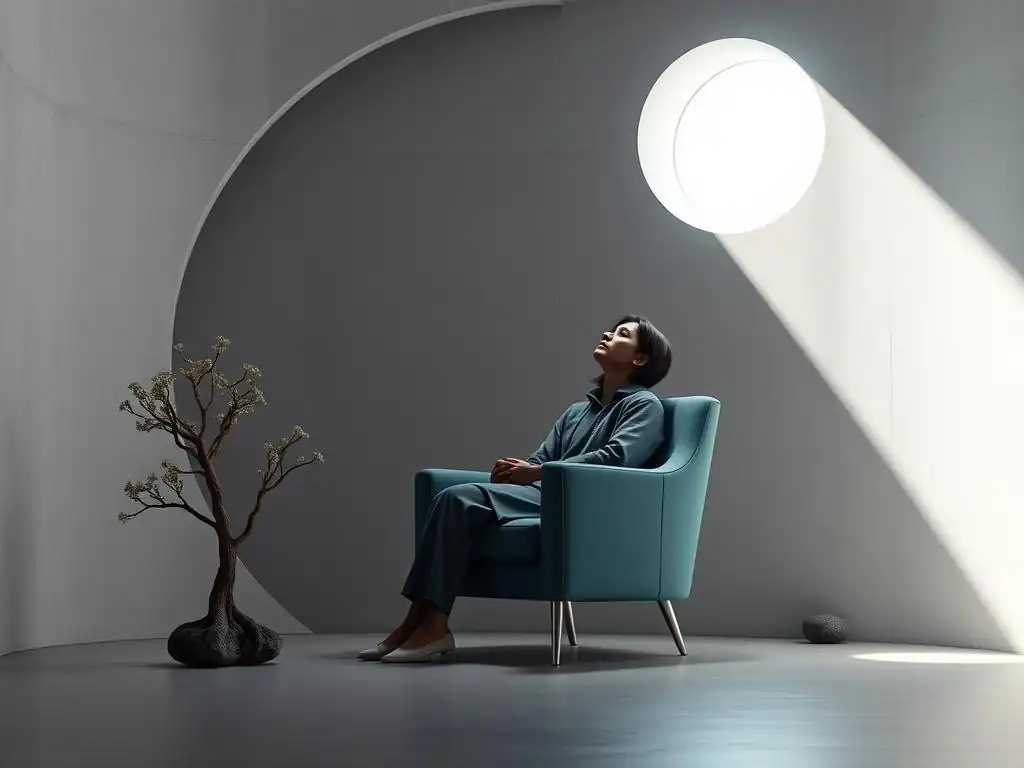
A structured management plan provides a roadmap for addressing claustrophobia, combining immediate coping strategies with long-term therapeutic goals. Developing a personal plan empowers you to take proactive steps rather than feeling helpless in the face of fear. This plan should be adaptable and reviewed periodically as you make progress.
Think of your management plan as a personalized toolkit. It should include specific actions you will take when faced with a trigger, as well as steps you will take regularly to build long-term resilience. Sharing this plan with a trusted friend, family member, or therapist can also add a layer of accountability and support.
Identifying Your Personal Triggers and Safe Spaces
The first step in creating your plan is gaining a clear understanding of what specifically triggers your claustrophobia. Keep a journal for a week or two, noting down every instance where you felt anxious or fearful in an enclosed space. Be specific about the situation, the size of the space, who was with you, and how you felt. This detailed record will reveal patterns and help you pinpoint your most significant triggers, whether they are elevators, crowded rooms, or tight tunnels.
Equally important is identifying your "safe spaces" or activities that reliably bring you calm and comfort. This could be a specific room in your home, spending time outdoors in nature, listening to certain music, or talking to a particular person. Knowing your safe spaces provides a mental or physical retreat you can turn to, either in imagination or reality, when anxiety is high. These safe anchors are crucial for managing claustrophobia panic attacks help.
Developing a Step-by-Step Exposure Plan
Based on your identified triggers, work with a therapist or use self-help resources to create a step-by-step exposure hierarchy. This is a list of feared situations, ranked from least anxiety-provoking to most. For instance, the bottom of the list might be "standing in a slightly open closet for 10 seconds," while the top might be "riding a crowded elevator to the 20th floor."
Your plan should detail how you will gradually expose yourself to each step on the hierarchy. This involves spending time in the feared situation until your anxiety naturally decreases, demonstrating to yourself that you can tolerate the discomfort and that nothing catastrophic happens. Start with the easiest step and only move to the next when you feel relatively comfortable with the current one. This systematic process is fundamental to overcoming the phobia and provides concrete steps for managing claustrophobia panic attacks help through gradual desensitization.
Building a Support System for Claustrophobia Relief
You don't have to face claustrophobia alone. Building a strong support system is vital for emotional resilience and practical help. This system can include understanding family members, empathetic friends, support groups, or a therapist. Informing trusted individuals about your phobia and your management plan allows them to offer assistance and encouragement when you need it most.
Practice explaining what you experience during a claustrophobic episode and what kind of support is helpful (e.g., calm reassurance, distraction, help exiting a situation if possible). Having someone who understands can make navigating challenging situations less daunting. Connecting with others who share similar experiences in support groups can also provide valuable insights and reduce feelings of isolation, offering collective managing claustrophobia panic attacks help and shared coping strategies.
Lifestyle Changes to Support Claustrophobia Treatment
While therapy and specific techniques are primary treatments, certain lifestyle adjustments can significantly impact your overall anxiety levels and support your ability to manage claustrophobia. These changes contribute to general mental well-being, creating a more stable foundation from which to address your phobia.
Adopting healthier habits isn't a cure, but it can make the therapeutic process smoother and reduce the frequency or intensity of anxiety symptoms. Consistency in these areas can lead to noticeable improvements in mood, stress resilience, and physical health, all of which are beneficial when seeking managing claustrophobia panic attacks help.
The Role of Diet and Exercise in Managing Anxiety
What you eat and how much you move can influence your anxiety levels. A balanced diet rich in whole foods, lean proteins, fruits, and vegetables provides the nutrients your brain needs for optimal function. Avoiding excessive sugar and processed foods can help prevent energy crashes and mood swings that might exacerbate anxiety. Staying hydrated is also crucial.
Regular physical activity is a powerful stress reliever. Exercise releases endorphins, which have mood-boosting effects. Aim for at least 30 minutes of moderate-intensity exercise most days of the week. This could include brisk walking, jogging, swimming, or cycling. Exercise can also help reduce muscle tension often associated with anxiety. Incorporating movement into your routine is a practical step towards better managing claustrophobia panic attacks help by lowering baseline stress.
The Importance of Sleep for Mental Well-being
Adequate, quality sleep is fundamental to mental health. Sleep deprivation can worsen anxiety symptoms, impair cognitive function, and make it harder to cope with stress and fear. Aim for 7-9 hours of restful sleep per night. Establishing a consistent sleep schedule, creating a relaxing bedtime routine, and ensuring your bedroom is dark, quiet, and cool can improve sleep quality.
Poor sleep can make you more emotionally reactive and less able to tolerate discomfort, including the anxiety associated with claustrophobia. Prioritizing sleep supports your brain's ability to regulate mood and stress responses, making you better equipped for managing claustrophobia panic attacks help during the day.
Avoiding Caffeine and Alcohol: Potential Anxiety Triggers
Certain substances can mimic or worsen anxiety symptoms. Caffeine is a stimulant that can increase heart rate, induce jitters, and interfere with sleep – all of which can heighten feelings of anxiety and make you more prone to panic. Consider reducing or eliminating caffeine intake, especially in the hours leading up to potential triggering situations or bedtime.
Alcohol might seem to reduce anxiety initially, but it is a depressant that disrupts sleep patterns and can lead to increased anxiety as its effects wear off. Relying on alcohol to cope with claustrophobia can create a dependence cycle and ultimately worsen the problem. Limiting or avoiding alcohol is generally recommended for individuals managing anxiety disorders, contributing positively to overall managing claustrophobia panic attacks help efforts.
When to Seek Professional Help for Claustrophobia
While self-help strategies and lifestyle changes can be beneficial, there are times when professional intervention is necessary and highly recommended. Claustrophobia that significantly impacts your daily life, prevents you from participating in necessary activities (like medical tests or using public transport), or causes frequent, debilitating panic attacks warrants seeking help from a mental health professional.
A therapist or counselor specializing in anxiety disorders can provide accurate diagnosis, personalized treatment plans, and evidence-based therapies that are difficult to implement effectively on your own. Professional guidance offers expert managing claustrophobia panic attacks help tailored to your specific needs and circumstances.
Recognizing the Need for Professional Intervention
Signs that indicate it's time to seek professional help include: your fear is constant and overwhelming; it's preventing you from attending school or work; it's causing significant distress in your relationships; you are avoiding necessary activities (like doctor's appointments or travel); or you are experiencing frequent or severe panic attacks. If you feel your claustrophobia is controlling your life rather than you managing it, professional support is essential.
Trying to manage severe phobias solely through self-help can be frustrating and less effective than structured therapy. A professional can assess the severity of your phobia, identify any co-occurring conditions (like generalized anxiety or depression), and recommend the most appropriate course of action, providing comprehensive managing claustrophobia panic attacks help.
Finding a Therapist Specializing in Anxiety Disorders
When seeking professional help, look for a therapist or psychologist who specializes in anxiety disorders and phobias. They will be familiar with effective treatments like CBT and exposure therapy. You can search online directories of psychological associations, ask your primary care doctor for a referral, or inquire with local mental health clinics.
Don't hesitate to ask potential therapists about their experience treating claustrophobia and their preferred therapeutic approaches. Finding a therapist you feel comfortable and confident with is crucial for successful treatment. A good therapeutic alliance is a key component in effectively managing claustrophobia panic attacks help.
Medication Options for Managing Claustrophobia Symptoms
In some cases, medication may be prescribed to help manage the symptoms of anxiety and panic associated with claustrophobia, often used in conjunction with therapy. Medications are typically not a standalone treatment for phobias but can be helpful in reducing anxiety to a level where therapy becomes more effective.
Selective serotonin reuptake inhibitors (SSRIs) and other antidepressants are sometimes prescribed for long-term anxiety management. Benzodiazepines may be prescribed for short-term, acute relief of severe panic symptoms in specific situations, but they carry a risk of dependence and are generally used sparingly. Any decision regarding medication should be made in consultation with a psychiatrist or medical doctor who can discuss potential benefits, risks, and side effects. Medication can provide valuable support in managing claustrophobia panic attacks help, but therapy addresses the root of the fear.
Coping with Claustrophobia in Everyday Situations

Claustrophobia can make many common everyday situations incredibly challenging. Learning specific strategies for navigating these specific triggers can significantly improve quality of life and reduce avoidance behaviors. Applying the immediate relief techniques and preparing mentally for these situations are key components of successful coping.
Anticipating the challenge and having a plan allows you to approach these situations with a greater sense of control. It's about being prepared and knowing you have tools at your disposal for managing claustrophobia panic attacks help when they arise in these specific contexts.
Dealing with Claustrophobia on Airplanes
Air travel presents multiple claustrophobic triggers: the confined cabin, limited movement, inability to exit, and sometimes turbulence. Before your flight, choose an aisle seat if possible, as it can provide a slight sense of more space and easier access to the restroom. Pack items that can help you relax, such as noise-canceling headphones, a comforting book or music, and a small fan if air circulation is a trigger.
During the flight, focus on your breathing exercises. Engage in grounding techniques by focusing on the sensations in your body or the textures around you. Use visualization to transport yourself mentally to a calm, open space. If traveling with someone, let them know how they can support you. Remember that flights are temporary, and the cabin is designed to be safe, despite the feeling of confinement. These strategies can provide essential managing claustrophobia panic attacks help during air travel.
Managing Claustrophobia in Elevators
Elevators are a very common trigger due to their small size and enclosed nature. Whenever possible, consider taking the stairs, especially for just a few floors. If you must use an elevator, stand near the door button and the control panel to feel more in control. Focus on your breathing before you enter and continue to practice controlled breathing inside.
Engage in a simple grounding technique, like counting the floors as you pass them or focusing on the feeling of the floor beneath your feet. Remind yourself that elevator rides are very short. If you are with others, focusing on the conversation can be a distraction. If you feel panic rising, remember your immediate techniques. Taking these steps can make elevator rides less daunting and contribute to managing claustrophobia panic attacks help in this common scenario.
Overcoming Claustrophobia in MRI Machines
MRI scans are particularly challenging due to the narrow tube and loud noises. If you know you need an MRI, inform the medical staff about your claustrophobia beforehand. Many facilities offer options like open MRI machines (though not suitable for all scans), sedation, or the use of mirrors to make it feel less enclosed.
During the scan, utilize relaxation techniques like deep breathing or listening to music (often provided via headphones). Focus on the instructions given by the technician. Visualization can be very effective here; imagine yourself in a peaceful outdoor setting while the scan is happening. Knowing that the scan is a finite process and that you can communicate with the technician (often via an intercom) provides a sense of control, crucial for managing claustrophobia panic attacks help during medical procedures.
Advanced Techniques for Claustrophobia Relief
Beyond traditional therapy, several advanced techniques are emerging or gaining traction for treating phobias and anxiety. These methods often combine technology or alternative approaches with established psychological principles to offer new avenues for managing claustrophobia.
While potentially promising, these techniques may not be available everywhere and might require specific practitioners. They represent innovative ways to approach the fear response and offer alternative managing claustrophobia panic attacks help options for some individuals.
Virtual Reality (VR) Therapy for Claustrophobia
Virtual Reality (VR) therapy is an increasingly used tool for exposure therapy. It allows individuals to experience feared situations in a highly controlled and realistic simulated environment. For claustrophobia, this means stepping into virtual elevators, small rooms, or MRI machines without ever leaving the therapist's office.
VR therapy allows for precise control over the exposure scenario – the size of the virtual space, the duration of exposure, the number of people present, etc. This can make the initial steps of exposure therapy feel safer and more accessible for some individuals compared to real-life exposure. While research is ongoing, studies suggest VR exposure therapy can be as effective as in-vivo (real-life) exposure for certain phobias, offering a potentially powerful tool for managing claustrophobia panic attacks help.
Hypnotherapy for Anxiety Management and Claustrophobia
Hypnotherapy involves using guided relaxation and focused attention to achieve a heightened state of suggestibility. In the context of phobias, a hypnotherapist might help an individual explore the potential roots of their fear in a relaxed state or use suggestion to reframe their response to enclosed spaces.
Hypnotherapy aims to access the subconscious mind to change ingrained fear responses and build confidence. While the effectiveness of hypnotherapy for phobias is debated and varies between individuals and practitioners, some people find it helpful in reducing the intensity of their fear and anxiety, contributing to their overall efforts in managing claustrophobia panic attacks help. It is often used as a complementary therapy.
Biofeedback for Anxiety Reduction
Biofeedback is a technique that teaches individuals to control physiological responses that are usually involuntary, such as heart rate, muscle tension, and skin temperature. Sensors are attached to the body to measure these functions, and the information is displayed on a monitor, allowing the individual to see in real-time how their body responds to stress or relaxation techniques.
By practicing relaxation methods while monitoring their physiological responses via biofeedback, individuals can learn to consciously lower their heart rate or reduce muscle tension. This acquired skill can then be applied when facing a claustrophobic trigger, providing a tangible way to exert control over the body's panic response. Biofeedback can be a valuable tool for gaining mastery over the physical symptoms, aiding in managing claustrophobia panic attacks help.
Resources for Claustrophobia Support
Finding reliable information and connecting with others can be incredibly helpful when dealing with claustrophobia. Access to resources provides ongoing support, education, and a sense of community, reinforcing the strategies learned in therapy or through self-help.
These resources offer various forms of assistance, from shared experiences to expert advice, supplementing individual efforts in managing claustrophobia panic attacks help.
Online Support Groups for People with Claustrophobia
The internet hosts numerous forums, social media groups, and dedicated websites where individuals with claustrophobia and other anxiety disorders share their experiences, coping strategies, and offer mutual support. These online communities can provide a sense of not being alone and offer practical tips from people who understand the challenges firsthand.
Participating in online support groups can be particularly helpful for those who have difficulty accessing in-person groups or prefer anonymity. Sharing stories and receiving encouragement from peers can be a powerful motivator and source of managing claustrophobia panic attacks help.
Books and Articles on Managing Anxiety and Phobias
Many excellent books and articles are available that provide detailed information about anxiety disorders, specific phobias like claustrophobia, and evidence-based coping techniques. These resources can deepen your understanding of your condition and provide structured guidance for implementing self-help strategies.
Look for resources based on CBT or exposure therapy principles. Reading about others' experiences or learning the science behind anxiety can be empowering. These materials serve as valuable educational tools in your journey towards managing claustrophobia panic attacks help.
Local Support Groups and Mental Health Professionals
In-person support groups offer face-to-face connection with others who share similar struggles. These groups, often facilitated by mental health professionals or trained peers, provide a safe space to share feelings, practice social skills (if social anxiety is also present), and learn coping strategies in a supportive environment.
Connecting with local mental health professionals, as discussed earlier, is crucial for diagnosis and tailored treatment. Your local mental health services or community centers can provide information on available resources, including therapists specializing in phobias and local support group meetings, offering direct access to managing claustrophobia panic attacks help within your community.
Frequently Asked Questions
What exactly is claustrophobia, and how does it differ from simply disliking small spaces?
Claustrophobia is a clinical anxiety disorder characterized by an irrational fear of enclosed or restricted spaces. It's different from disliking small spaces; claustrophobia triggers intense panic attacks and significant distress.
What are some common triggers that can induce a claustrophobic panic attack?
Common triggers include elevators, crowded rooms, MRIs, and even wearing tight clothing. These environments can create a feeling of being trapped, leading to a sudden surge of anxiety and panic.
What immediate steps can I take to manage a claustrophobic panic attack when it starts?
Focus on controlled breathing exercises, such as slow, deep breaths. Remind yourself that the fear is temporary and the panic will pass. Try to distract yourself with mental exercises or by focusing on a specific object.
What are some longer-term strategies for managing claustrophobia and reducing panic attacks?
Cognitive Behavioral Therapy (CBT) can help reframe negative thoughts associated with enclosed spaces. Exposure therapy, gradually exposing yourself to triggers, can desensitize you to the fear. Mindfulness practices can also help manage anxiety levels.
When should I seek professional help for my claustrophobia?
If your claustrophobia significantly impacts your daily life, relationships, or ability to function, seeking professional help is crucial. A therapist can provide personalized strategies and support to manage your condition.
Final Reflection: Breathing Space: Finding Freedom from Claustrophobia
The pervasive fear of enclosed spaces, claustrophobia, impacts millions, hindering daily life and causing significant distress. This article has explored various strategies for managing claustrophobia, from cognitive behavioral techniques to relaxation exercises and the importance of seeking professional help. Understanding these tools is not just about managing symptoms; it's about reclaiming a sense of control and freedom.
The journey to overcoming claustrophobia is deeply personal, a testament to the resilience of the human spirit. It's a process of confronting deeply rooted anxieties and learning to breathe through the panic. The impact of this fear extends beyond the individual, shaping social interactions and limiting opportunities. As the poet Mary Oliver wisely wrote, Tell me, what is it you plan to do with your one wild and precious life?
Overcoming claustrophobia is a powerful step towards embracing that wild and precious life, fully and without restriction.
Now, consider your own relationship with enclosed spaces. Do you feel a tightening in your chest when entering an elevator or a crowded room? This article has provided you with a toolkit; it's now time to choose the tools that resonate most with you and begin your journey towards greater comfort and freedom. Remember, progress, not perfection, is the goal. Take small steps, celebrate your victories, and know that you are not alone in this experience. You have the power to reshape your relationship with enclosed spaces and unlock a more expansive and fulfilling life.
Conquer Your Fears: Unlock a World of Open Possibilities
Thanks for taking the time to explore strategies for managing claustrophobia! We hope you found practical techniques to help you feel more comfortable and confident in enclosed spaces. Now, let's put that knowledge into action:
- Prioritize one small, manageable exposure this week. Start with a slightly uncomfortable situation – maybe a short elevator ride or sitting in a slightly crowded room – and gradually increase your exposure over time. This consistent, controlled approach is key.
- Share your progress and inspire others. Let us know in the comments how you're feeling and what challenges you're facing. Supporting each other can make a big difference!
- Explore deep breathing exercises daily. Consistent practice helps regulate your nervous system and reduce anxiety in challenging situations.
What small step will you take today to feel more at ease in enclosed spaces?