
Connecting with Nonprofits: Finding Support from Caregiver Organizations

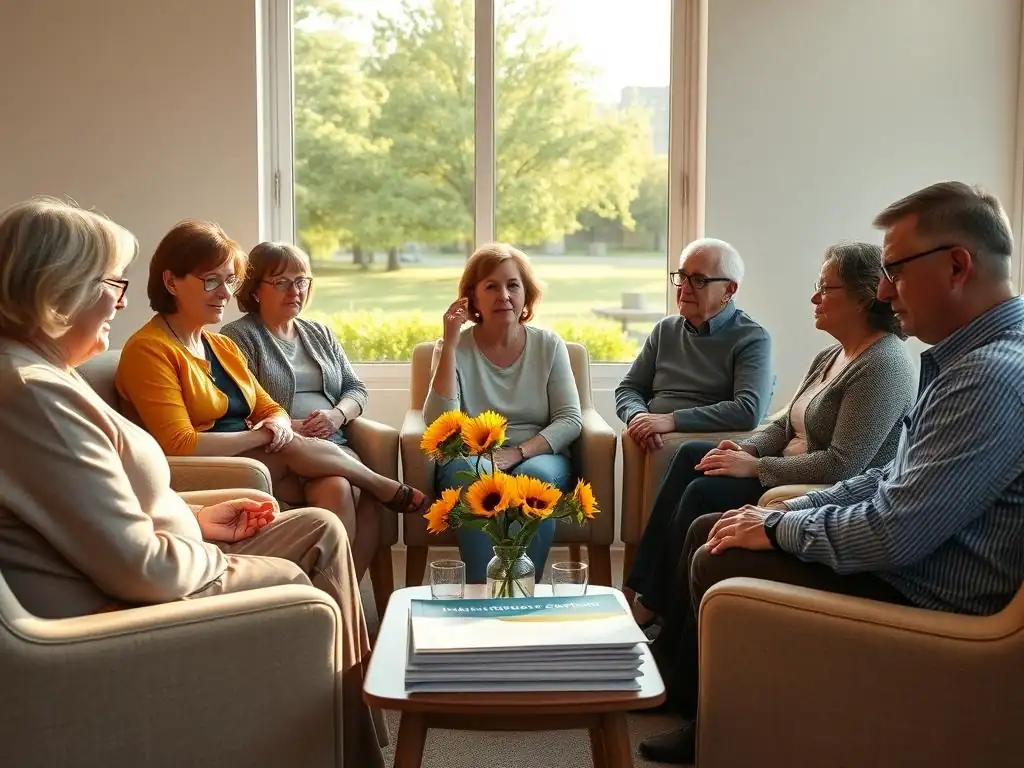
Welcome to Mind Care Guide, a supportive space dedicated to nurturing your mental well-being.
Feeling overwhelmed as a caregiver? You're not alone. This article shines a light on a vital resource: caregiver support nonprofit organizations. Discover how these organizations can offer invaluable assistance, understanding, and a much-needed lifeline. Curious to find the right support for you? Let's explore the options together and ease your burden.
- Connecting with Nonprofits: Finding Support from Caregiver Organizations
- Understanding the Need for Caregiver Support
- Identifying Caregiver Support Nonprofit Organizations
- Types of Support Offered by Caregiver Nonprofits
- Finding the Right Caregiver Support Nonprofit Organization
- Evaluating Caregiver Support Nonprofit Organizations
- Maximizing the Benefits of Caregiver Nonprofit Support
- Navigating the Application Process for Caregiver Support
- The Long-Term Impact of Caregiver Support from Nonprofits
- Supporting Caregiver Support Nonprofit Organizations
- Caregiver Resources: Beyond Nonprofit Organizations
- Conclusion: Empowering Caregivers Through Nonprofit Support
-
Frequently Asked Questions
- What are Caregiver support nonprofit organizations and why are they important?
- How can Caregiver support nonprofit organizations help me as a caregiver?
- What types of resources do Caregiver support nonprofit organizations typically provide?
- How do I find reputable Caregiver support nonprofit organizations in my area?
- What should I look for when choosing a Caregiver support nonprofit organization?
- Final Reflection: The Enduring Power of Community in Caregiving
- Unleash Your Support Network: Find Your Perfect Caregiver Organization
Connecting with Nonprofits: Finding Support from Caregiver Organizations
Navigating the complexities of caregiving can be a demanding and emotionally taxing journey. Many individuals dedicate themselves to caring for family members or loved ones facing illness, disability, or aging, often without adequate support. Fortunately, a robust network of caregiver support nonprofit organizations exists, offering vital resources, assistance, and community to those shouldering this significant responsibility. Understanding how to connect with these valuable groups is a crucial step towards alleviating the burden and enhancing well-being for both the caregiver and the care recipient.
Understanding the Need for Caregiver Support
Caregiving is a profound act of love and commitment, yet it comes with considerable challenges that can impact every facet of a person's life. Recognizing the multifaceted demands placed on caregivers is the first step toward appreciating the critical role that support systems, including caregiver support nonprofit organizations, play in their lives.
The Challenges Faced by Caregivers
Caregivers frequently grapple with a multitude of challenges that can affect their physical health, mental well-being, and financial stability. Physically, the demands of lifting, transferring, and providing personal care can lead to chronic pain and exhaustion. Reports from organizations like the National Alliance for Caregiving often highlight that a significant percentage of caregivers report their own health declining due to caregiving responsibilities. For instance, one study indicated that caregivers providing intensive support are significantly more likely to report fair or poor health compared to non-caregivers.
Emotionally and mentally, caregivers are at a heightened risk for stress, anxiety, depression, and burnout. The constant demands, isolation, and emotional toll of witnessing a loved one's decline can be overwhelming. Research compiled by AARP Public Policy Institute suggests that approximately 40% to 70% of family caregivers show clinically significant symptoms of depression. Furthermore, financial strain is common, arising from out-of-pocket expenses for care, medical supplies, or lost income due to reduced work hours or leaving employment entirely to provide full-time care. These combined pressures underscore the urgent need for accessible and effective caregiver support nonprofit organizations.
Recognizing the Importance of Respite Care and Emotional Support
Among the most critical needs for caregivers are respite care and robust emotional support systems. Respite care provides temporary relief, allowing caregivers time to rest, attend to their own needs, or simply take a break from the constant demands of caregiving. This can range from a few hours of in-home assistance to short-term stays in a facility. Without respite, the risk of caregiver burnout escalates dramatically, potentially leading to decreased quality of care and severe health consequences for the caregiver. Many caregiver support nonprofit organizations prioritize offering or facilitating access to affordable or free respite services.
Emotional support, often found through counseling or support groups, is equally vital. Sharing experiences with others facing similar challenges can reduce feelings of isolation, provide coping strategies, and validate emotions. Support groups, whether in-person or online, offered by dedicated caregiver support nonprofit organizations, create a sense of community and understanding that can be incredibly healing. Access to professional counseling helps caregivers process grief, guilt, or frustration in a healthy way. These forms of support are not luxuries but essential components of maintaining a caregiver's capacity and well-being over the long term.
Identifying Caregiver Support Nonprofit Organizations
As caregivers seek assistance, understanding the nature and purpose of organizations dedicated to their support is fundamental. Caregiver support nonprofit organizations are specifically designed to fill the gaps in traditional healthcare and social services, focusing directly on the needs of the unpaid caregiver.
What are Caregiver Support Nonprofit Organizations?
Caregiver support nonprofit organizations are entities that operate for the benefit of the public good, specifically targeting individuals who provide care for others. Unlike for-profit businesses, their primary mission is not financial gain but rather to provide services, resources, and advocacy for the caregiving community. They rely on donations, grants, and volunteers to fund their operations and programs. These organizations vary widely in scope, from large national associations focusing on specific conditions (like Alzheimer's or Parkinson's) or demographics (like military families or aging parents) to smaller, local groups serving a specific community.
These nonprofits often act as a central hub for information, directing caregivers to relevant services, offering educational workshops, facilitating support groups, and sometimes providing direct financial or practical assistance. Their non-profit status means they are mission-driven, often deeply empathetic to the caregiver experience, and committed to making support accessible. Engaging with a caregiver support nonprofit organization can open doors to a network of help and understanding that might otherwise be difficult to find.
Benefits of Engaging with Nonprofit Organizations for Caregivers
Connecting with caregiver support nonprofit organizations offers numerous advantages for individuals navigating the caregiving journey. One of the most significant benefits is access to specialized knowledge and resources tailored specifically to their unique situation. For example, a nonprofit focused on dementia care will have expertise and resources specific to managing the challenges of that condition, which generic support services might lack. Many provide curated lists of resources, guides on navigating healthcare systems, and information on legal or financial planning relevant to caregiving.
Another key benefit is the sense of community and reduced isolation. Support groups, a staple offering of many caregiver support nonprofit organizations, connect caregivers with peers who truly understand their struggles. This shared experience can be incredibly validating and empowering. Furthermore, these organizations often advocate for caregiver rights and needs at local, state, and national levels, giving caregivers a collective voice. Some nonprofits also offer direct services like respite care vouchers, transportation assistance, or access to durable medical equipment lending programs, providing tangible relief that can significantly ease the daily burden.
Types of Support Offered by Caregiver Nonprofits
Caregiver support nonprofit organizations provide a diverse array of services designed to address the multifaceted needs of caregivers. These offerings typically fall into several key categories, aiming to provide practical help, emotional resilience, and educational empowerment.
Respite Care Services Provided by Nonprofits
Respite care is a critical service offered by many caregiver support nonprofit organizations, recognizing that caregivers need time off to prevent burnout. The form of respite varies widely. Some nonprofits operate adult day centers where care recipients can spend several hours during the day in a supervised, engaging environment. This allows caregivers time for appointments, errands, or rest. For instance, a local aging services nonprofit might offer adult day programs from 9 am to 3 pm on weekdays for a nominal fee or on a sliding scale.
Other caregiver support nonprofit organizations might provide vouchers or grants to help pay for in-home respite workers who come to the home for a few hours. Some may coordinate volunteer respite programs, where trained volunteers provide companionship and supervision. For example, a nonprofit focused on supporting families of children with special needs might offer periodic weekend respite camps or in-home volunteer visits. While the duration and availability can vary based on funding and location, the goal is always to provide the caregiver with a necessary break.
Emotional and Mental Health Support Groups for Caregivers
Emotional and mental health support is a cornerstone of the services offered by caregiver support nonprofit organizations. Support groups are perhaps the most widely available form, providing a safe space for caregivers to share their experiences, challenges, and coping strategies with peers who understand. These groups can be condition-specific (e.g., for caregivers of individuals with Alzheimer's, stroke survivors, or veterans) or general, catering to all types of caregivers. Many nonprofits now offer both in-person and virtual support groups to increase accessibility.
Beyond peer support, some caregiver support nonprofit organizations provide access to counseling or therapy services, either directly through staff counselors or via referrals to mental health professionals, sometimes at reduced rates. For example, a large national nonprofit might partner with therapy platforms to offer discounted sessions. They may also host workshops on stress management, mindfulness, and emotional resilience techniques specifically designed for the caregiver population. These resources are vital in helping caregivers maintain their own mental well-being amidst demanding circumstances.
Financial Assistance and Resources from Nonprofit Organizations
Financial strain is a common challenge, and some caregiver support nonprofit organizations offer assistance or connect caregivers with relevant resources. Direct financial aid is often limited but can include small grants or vouchers for specific needs like purchasing medical equipment, covering transportation costs to appointments, or funding respite care. For instance, a nonprofit might offer a one-time grant of up to $500 to help cover emergency caregiving expenses.
More commonly, nonprofits provide resources and guidance on navigating complex systems to find financial support. They can help caregivers understand eligibility for government benefits like Medicaid, Veterans Affairs programs, or state-specific assistance programs. They may offer workshops on financial planning for caregiving, managing budgets, or understanding tax deductions related to care expenses. Some organizations maintain databases of local and national financial resources available to caregivers, helping them access aid from various sources beyond the nonprofit itself.
Educational Programs and Training for Caregivers
Empowering caregivers with knowledge and skills is a key objective for many caregiver support nonprofit organizations. They offer a range of educational programs designed to help caregivers better understand the condition of their loved one, learn practical caregiving techniques, and develop coping strategies. This can include workshops on managing challenging behaviors associated with dementia, learning safe lifting and transferring techniques, understanding medication management, or navigating legal and financial issues like power of attorney or guardianship.
Many nonprofits provide comprehensive training programs, sometimes resulting in certification, particularly for those caring for individuals with specific complex needs. For example, a nonprofit focused on spinal cord injuries might offer training on wound care, bowel and bladder management, and mobility assistance. These educational initiatives not only improve the quality of care provided but also build caregiver confidence, reduce anxiety stemming from uncertainty, and equip them with the tools needed to handle difficult situations more effectively. Access to such structured learning is a significant benefit provided by dedicated caregiver support nonprofit organizations.
Finding the Right Caregiver Support Nonprofit Organization

Identifying the most suitable caregiver support nonprofit organization requires knowing where to look and understanding what factors are important for your specific needs. A little research can go a long way in connecting with the right source of help.
Online Resources and Databases for Locating Nonprofits
The internet is a powerful tool for finding caregiver support nonprofit organizations. Several national databases and online directories list nonprofits by location, focus area, or the specific condition they support. Websites like Charity Navigator or GuideStar provide information about a nonprofit's mission, financials, and impact, which can help in evaluating potential organizations. Many condition-specific national associations (e.g., Alzheimer's Association, American Cancer Society) also have local chapters and offer online search tools to find services in your area.
Furthermore, government websites, particularly those related to aging services (like the Administration for Community Living in the U.S.) or disability services, often maintain lists of local resources, including nonprofits. Searching online using terms like "caregiver support [your city/state]" or "nonprofit help for [condition] caregivers" can yield relevant results. Many individual caregiver support nonprofit organizations also have robust websites detailing their services, eligibility requirements, and contact information, making it easier to learn about what they offer before reaching out.
Local Community Organizations Offering Caregiver Assistance
Beyond large national bodies, numerous smaller, local caregiver support nonprofit organizations provide invaluable community-based assistance. These can include faith-based organizations, community centers, Area Agencies on Aging (AAAs), or local branches of national health organizations. Local AAAs, for instance, are mandated to provide services and information to older adults and their caregivers and can often connect you directly with local nonprofit resources, including respite care programs or support groups.
Checking with local hospitals, clinics, or social work departments is also a good strategy, as they often have partnerships or referral agreements with local caregiver support nonprofit organizations. Libraries and community notice boards can also sometimes list local support groups or services. These local organizations often have a deep understanding of the specific resources and challenges within your immediate community and can offer highly personalized support.
Well-Known Caregiver Support Nonprofit Organizations
Several prominent caregiver support nonprofit organizations operate on a national scale and are excellent starting points for finding help. The AARP (American Association of Retired Persons), while also an advocacy group, offers extensive resources and information specifically for family caregivers through their website and publications. The Family Caregiver Alliance is another leading organization providing services, education, and advocacy, with a strong focus on caregivers of adults with chronic or disabling conditions.
Other well-known examples include the Alzheimer's Association, which offers comprehensive support and resources for dementia caregivers across the country through local chapters, and the National Alliance for Caregiving, which conducts research and provides information and resources. For military and veteran caregivers, organizations like the Elizabeth Dole Foundation are crucial resources. Exploring the websites of these larger caregiver support nonprofit organizations can not only provide direct help but also often leads to discovering smaller, more specialized groups or local chapters relevant to your situation.
Evaluating Caregiver Support Nonprofit Organizations
Once you've identified potential caregiver support nonprofit organizations, it's wise to evaluate them to ensure they are reputable, effective, and the right fit for your specific needs. Not all organizations are created equal, and a little due diligence can provide peace of mind.
Assessing the Nonprofit's Mission and Values
A good starting point is to examine the nonprofit's stated mission and values. Does the organization's purpose align with your needs as a caregiver? For example, if you are caring for someone with a specific illness, is the organization focused on that condition or general caregiving? Understanding their mission can give you insight into their priorities and expertise. Most caregiver support nonprofit organizations clearly articulate their mission on their website or in their literature.
Look for language that resonates with your experience and needs. Do they emphasize support, empowerment, advocacy, or specific services like respite or education? Consider if their values reflect an empathetic and understanding approach to caregiving. A transparent mission statement and clear values indicate that the organization is intentional about its work and dedicated to serving the caregiving community effectively.
Checking for Accreditation and Transparency
Reputable caregiver support nonprofit organizations often demonstrate accountability through accreditation or by being transparent about their operations and finances. While not all nonprofits are accredited, accreditation bodies like the Better Business Bureau Wise Giving Alliance or specific program accreditations can indicate adherence to certain standards of practice and ethical conduct. Checking if an organization is listed on charity watchdog sites like Charity Navigator or GuideStar can provide insights into their financial health, accountability, and transparency scores.
Transparency is key. A well-run nonprofit will make information about its programs, leadership, board members, and financial reports (like annual reports or Form 990 filings) readily available, often on their website. This allows potential users and donors to see how the organization operates and how funds are used. While reviewing complex financial documents might not be necessary, seeing that they are publicly available is a positive sign of accountability for a caregiver support nonprofit organization.
Reading Reviews and Testimonials from Other Caregivers
One of the most valuable ways to evaluate a caregiver support nonprofit organization is by seeking feedback from others who have used their services. Look for testimonials on the organization's website, but also search for reviews or discussions on online forums, social media groups for caregivers, or local community platforms. Hearing about the real-world experiences of other caregivers can provide practical insights into the quality, accessibility, and helpfulness of the support offered.
Consider asking in online caregiver communities if anyone has experience with a specific organization you are considering. Were the staff helpful and empathetic? Were the services easy to access? Did the support groups provide valuable connections? While individual experiences can vary, a pattern of positive or negative feedback can be a strong indicator of an organization's effectiveness and reliability. Reaching out to fellow caregivers can offer perspectives you won't find in official brochures.
Maximizing the Benefits of Caregiver Nonprofit Support
Once you've connected with a caregiver support nonprofit organization, actively engaging with their offerings is crucial to fully benefit from the resources and community they provide. Simply knowing about an organization isn't enough; participation is key.
Building a Strong Relationship with Your Chosen Organization
Establish clear communication with the caregiver support nonprofit organization you choose. Understand their intake process, who your main point of contact is, and how to access different services. Don't hesitate to ask questions about eligibility, program schedules, or any concerns you might have. Building a rapport with staff members can make it easier to navigate their offerings and feel comfortable reaching out when you need help. They are there to support you, and open communication helps them understand how best to do that.
Attend orientation sessions if offered, and familiarize yourself with the range of services available. Sometimes, accessing one service, like a support group, can open the door to learning about other valuable resources, such as educational workshops or financial assistance programs, that the caregiver support nonprofit organization provides.
Actively Participating in Support Groups and Programs
One of the most impactful ways to benefit is by actively participating in support groups and other programs offered by the caregiver support nonprofit organization. Attending support group meetings regularly, sharing your experiences, and listening to others can significantly reduce feelings of isolation and provide emotional validation. It's also a place to learn practical tips and coping strategies from peers who are walking a similar path.
Beyond support groups, take advantage of educational workshops, training sessions, and wellness programs. These programs are designed to equip you with knowledge, skills, and strategies to better manage the challenges of caregiving and protect your own well-being. The more you engage, the more you will benefit from the expertise and community that the caregiver support nonprofit organization fosters.
Utilizing All Available Resources and Services
Don't limit yourself to just one type of support if the caregiver support nonprofit organization offers multiple services. Explore whether you are eligible for respite care vouchers, transportation assistance, access to lending closets for medical equipment, or financial counseling. Many caregivers focus on immediate needs like support groups but overlook other valuable resources that could alleviate practical or financial burdens.
Review the organization's website, newsletters, or speak with a staff member to ensure you are aware of everything they offer. For example, a nonprofit might offer a free legal clinic periodically for caregivers needing advice on power of attorney. Making a conscious effort to understand and utilize the full spectrum of resources provided by the caregiver support nonprofit organization can significantly enhance your overall support system and quality of life.
Accessing specific programs or financial assistance from caregiver support nonprofit organizations often involves an application process. While this can sometimes feel daunting, understanding the typical steps and requirements can make it much smoother.
Understanding Eligibility Requirements for Different Programs
Eligibility criteria vary significantly between caregiver support nonprofit organizations and even between different programs within the same organization. Factors commonly considered include the type of relationship to the care recipient, the care recipient's condition or age, geographic location, household income, and the level of care needed. For example, a nonprofit specializing in pediatric caregiving support will have different criteria than one focused on elder care.
Before applying, carefully review the program descriptions or speak with an organization representative to confirm you meet the requirements. Some programs may have waiting lists or limited funding, so understanding the process and likelihood of eligibility upfront saves time and effort. Don't assume you aren't eligible; many caregiver support nonprofit organizations aim to be as inclusive as possible within their funding limitations.
Gathering Necessary Documentation for Applications
Most applications for services or financial assistance from caregiver support nonprofit organizations will require documentation to verify eligibility and demonstrate need. This can include proof of the care recipient's condition (e.g., a doctor's letter), proof of residency, income verification (e.g., pay stubs, tax returns), and information about household size and expenses. If applying for respite care funding, you might need to provide details about the care recipient's needs and your caregiving schedule.
It's helpful to gather these documents in advance if possible. Organizing financial records, medical information, and identification documents will streamline the application process. If you are unsure what documentation is needed, contact the caregiver support nonprofit organization directly; they can provide a checklist or guidance.
Seeking Assistance with the Application Process
Navigating application forms and gathering documentation can be challenging, especially when also managing caregiving responsibilities. Many caregiver support nonprofit organizations understand this and offer assistance with their application process. They may have staff members or volunteers who can help you fill out forms, understand the requirements, and ensure you have all the necessary paperwork.
Don't hesitate to ask for help. Contact the organization's intake coordinator or program manager if you encounter difficulties. They are there to facilitate access to their services. Additionally, other community resources like Area Agencies on Aging or local social service offices may also offer assistance with applying for various support programs, including those provided by caregiver support nonprofit organizations.
The Long-Term Impact of Caregiver Support from Nonprofits

The benefits derived from engaging with caregiver support nonprofit organizations extend far beyond immediate relief. The support received can have profound and lasting positive impacts on the well-being of both the caregiver and the individual receiving care, while also strengthening the broader caregiving community.
Improved Caregiver Well-being and Mental Health
Consistent engagement with caregiver support nonprofit organizations is strongly linked to improved caregiver well-being and mental health. Access to respite care directly combats burnout, reducing stress levels and preventing physical exhaustion. Participation in support groups provides emotional outlets, reduces feelings of isolation, and helps mitigate symptoms of depression and anxiety. Studies have shown that caregivers who utilize support services report lower levels of stress and higher levels of life satisfaction compared to those who do not.
Educational programs from these nonprofits empower caregivers, increasing their confidence and reducing the stress associated with uncertainty or lack of knowledge about care techniques or managing difficult situations. By providing tools and resources to protect their own health and emotional state, caregiver support nonprofit organizations enable caregivers to sustain their vital role without sacrificing their own health entirely.
Enhanced Quality of Life for Both Caregiver and Care Recipient
When caregivers receive adequate support, their capacity to provide high-quality care is enhanced, which in turn improves the quality of life for the care recipient. A less stressed, less exhausted caregiver is better equipped to provide patient, compassionate, and effective care. Respite care not only benefits the caregiver but can also provide the care recipient with opportunities for social interaction or different types of engagement in structured programs like adult day centers, contributing positively to their day.
Furthermore, the knowledge gained through educational programs offered by caregiver support nonprofit organizations can lead to better health outcomes for the care recipient, such as improved medication management, safer mobility, and better management of chronic conditions. By supporting the caregiver, these organizations indirectly but powerfully contribute to the overall well-being and quality of life for the person being cared for, fostering a more positive and sustainable caregiving environment.
Strengthening the Caregiving Community Through Nonprofit Engagement
Engaging with caregiver support nonprofit organizations helps individual caregivers, but it also contributes to strengthening the caregiving community as a whole. When caregivers connect through support groups and programs, they build networks, share resources, and create a collective voice. This sense of community reduces the feeling of being alone in the journey and fosters mutual support among peers.
Nonprofits often serve as advocates for policy changes that benefit caregivers, drawing strength from the collective stories and needs of the caregivers they serve. By participating in surveys, sharing their stories (anonymously or otherwise), or engaging in advocacy efforts promoted by the caregiver support nonprofit organization, individual caregivers contribute to broader systemic improvements in caregiver recognition and support. This collective action, facilitated by nonprofits, strengthens the visibility and importance of the caregiving role in society.
Supporting Caregiver Support Nonprofit Organizations
Caregiver support nonprofit organizations rely heavily on community support to provide their vital services. If you have benefited from their help, or if you simply believe in the importance of supporting caregivers, there are several ways you can contribute to their continued work.
Volunteering Your Time and Skills
Volunteering is a powerful way to support a caregiver support nonprofit organization. Nonprofits often need help with a wide range of tasks, from administrative duties, organizing events, or assisting with mailings, to more direct support roles like facilitating support groups (if trained), providing companionship visits, or offering specialized skills like accounting, marketing, or IT support.
If you are a former caregiver, your experience can be invaluable in peer support programs or mentoring new caregivers. If you have professional skills, offering them pro bono can help the organization operate more efficiently and direct more resources towards programs. Contact a local caregiver support nonprofit organization to inquire about their volunteer opportunities and how your time and skills can best be utilized.
Donating Funds or Resources
Financial contributions are essential for caregiver support nonprofit organizations to operate and expand their services. Donations, no matter the size, help fund respite care programs, print educational materials, train staff and volunteers, and maintain facilities. Many organizations accept one-time or recurring monetary donations online, by mail, or over the phone.
Beyond cash, consider donating resources. This could include office supplies, technology equipment, or even durable medical equipment like wheelchairs or walkers that are no longer needed, provided the nonprofit has a program to accept and redistribute such items. Check the organization's website for a list of needed items or contact them directly. Supporting a caregiver support nonprofit organization financially or with resources directly impacts their ability to help more caregivers.
Raising Awareness About the Importance of Caregiver Support
Educating others about the challenges faced by caregivers and the importance of support is another crucial way to help caregiver support nonprofit organizations. Share information about caregiving realities with friends, family, and colleagues. Talk about the role of nonprofits in providing essential services. Use your social media platforms to share information from reputable caregiver organizations.
Participate in or promote awareness campaigns organized by caregiver support nonprofit organizations, such as National Family Caregivers Month (observed in November in the U.S.). Advocating for greater recognition and support for caregivers, whether through conversations or participating in public awareness events, helps to create a more supportive societal environment and highlights the critical work performed by caregiver support nonprofit organizations.
Caregiver Resources: Beyond Nonprofit Organizations
While caregiver support nonprofit organizations are a vital source of assistance, it's important to remember that they are part of a broader ecosystem of resources available to caregivers. Exploring these other avenues can complement the support received from nonprofits.
Government Assistance Programs for Caregivers
Various government programs, at federal, state, and local levels, offer assistance to caregivers and care recipients. These can include Medicaid programs that provide in-home care services, Veterans Affairs programs that offer caregiver stipends, training, and support services for eligible veterans' caregivers, and state-specific programs providing respite care vouchers or financial assistance.
Area Agencies on Aging (AAAs) are key local government-funded entities that provide information and referrals to a wide range of services, including those offered by nonprofits, as well as administering some direct programs. Navigating government programs can be complex, but AAAs and some caregiver support nonprofit organizations can help caregivers understand eligibility and apply for benefits.
Private Caregiver Support Services
The private sector also offers numerous services for caregivers, although these typically operate on a fee-for-service basis. This includes professional in-home care agencies that provide skilled or non-skilled care, adult day care centers, assisted living facilities offering respite stays, and private care managers who help coordinate services.
While these services require payment, they can be an option for those who can afford them or who utilize a combination of private funds, insurance, and public or nonprofit assistance. Some caregiver support nonprofit organizations may have partnerships with private providers or be able to offer guidance on selecting reputable agencies, even if they don't directly fund these services.
Online Platforms and Apps for Caregivers
Technology has opened up new avenues for caregiver support. Numerous websites, online communities, forums, and mobile applications are designed specifically for caregivers. These platforms offer information, tips, tools for organizing care schedules, medication reminders, and online support groups. Examples include online forums hosted by national health organizations or dedicated caregiving apps that help coordinate care among multiple family members.
While these digital resources don't replace the in-person or direct services offered by caregiver support nonprofit organizations, they can be incredibly useful for accessing information quickly, connecting with a wider network of caregivers, and managing the logistical aspects of care. Many caregiver support nonprofit organizations also leverage these online platforms to extend their reach and provide resources digitally.
Conclusion: Empowering Caregivers Through Nonprofit Support
The journey of caregiving is often challenging and requires immense strength and resilience. Recognizing the need for support and actively seeking it out is a crucial step toward maintaining well-being for both the caregiver and their loved one. Caregiver support nonprofit organizations stand as pillars of assistance within the community, offering a diverse range of services from respite care and emotional support groups to educational programs and financial resources.
By understanding what these organizations are, how to find them, and how to effectively utilize their services, caregivers can access the vital help they need. Engaging with a caregiver support nonprofit organization not only provides practical and emotional relief but also connects caregivers with a community of understanding peers and contributes to a larger movement advocating for their needs. Empowering caregivers through the valuable resources and unwavering support offered by these dedicated nonprofit organizations is essential for navigating the caregiving journey successfully and sustainably.
Frequently Asked Questions
What are Caregiver support nonprofit organizations and why are they important?
These organizations are non-profit groups dedicated to providing resources and assistance to individuals who care for others, such as family members with illnesses or disabilities. They are important because caregiving can be incredibly demanding, and these organizations offer essential support to prevent caregiver burnout.
How can Caregiver support nonprofit organizations help me as a caregiver?
These organizations offer a range of services, including emotional support groups, educational workshops, and respite care options. They aim to reduce the stress and isolation that often accompany caregiving responsibilities.
What types of resources do Caregiver support nonprofit organizations typically provide?
You can expect to find resources like financial assistance programs, legal advice, and practical tips for managing caregiving tasks. Many also offer online forums and communities for connecting with other caregivers.
How do I find reputable Caregiver support nonprofit organizations in my area?
Start by searching online using keywords like "caregiver support" and your location. Also, check the Mind Care Guide resources section for recommended organizations, or ask your doctor or a social worker for referrals.
What should I look for when choosing a Caregiver support nonprofit organization?
Consider the organization's mission and values to ensure they align with your needs. Look for a group that offers services tailored to your specific caregiving situation and that has a proven track record of helping caregivers.
Final Reflection: The Enduring Power of Community in Caregiving
The need for caregiver support is not a fleeting trend; it's a fundamental aspect of our increasingly aging population and a critical component of a healthy society. The sheer volume of individuals navigating the complexities of caregiving, often without adequate resources or understanding, underscores the urgent need for robust and accessible support networks. This article has highlighted the vital role nonprofit organizations play in filling this gap, providing a lifeline to countless caregivers struggling with the emotional, physical, and financial burdens of their roles.
The impact of these organizations extends far beyond individual families; they shape our cultural understanding of caregiving and redefine what it means to support vulnerable populations. Their work fosters a sense of community, combats isolation, and empowers caregivers to advocate for themselves and others. The best way to find yourself is to lose yourself in the service of others,
Mahatma Gandhi once said, and this rings profoundly true for the selfless dedication of both caregivers and the nonprofit organizations that champion their cause. The ripple effect of their combined efforts creates a more compassionate and resilient society for everyone.
Now, consider your own role in this landscape. Are you a caregiver seeking support? Perhaps you're a community member looking to contribute. Take a moment to research the nonprofit organizations in your area dedicated to caregiver support. Volunteer your time, donate resources, or simply spread awareness. By actively engaging with these vital organizations, you can become part of a powerful movement that strengthens families, empowers individuals, and builds a more supportive community for all those who provide care. Let's work together to ensure that no caregiver feels alone in their journey.
Unleash Your Support Network: Find Your Perfect Caregiver Organization
Thanks for taking the time to explore the world of caregiver support! We hope this article helped you understand the vital role nonprofits play in easing the journey. Now, it's time to turn that knowledge into action.
Here's how you can take the next step:
- Identify and contact 3 local organizations that resonate with your needs and situation. Don't be afraid to reach out – they're there to help! This is your primary action!
- Share this article with a fellow caregiver who might benefit from the resources discussed. Helping others is a powerful way to support yourself too.
- Explore online forums and support groups: Connect with other caregivers for shared experiences and advice. It's amazing what you can learn from a community.
Ready to start building your support network? What's the first step you'll take today to connect with a caregiver organization?