
Beyond the Plate: Eating Your Way to Better Mental Wellbeing

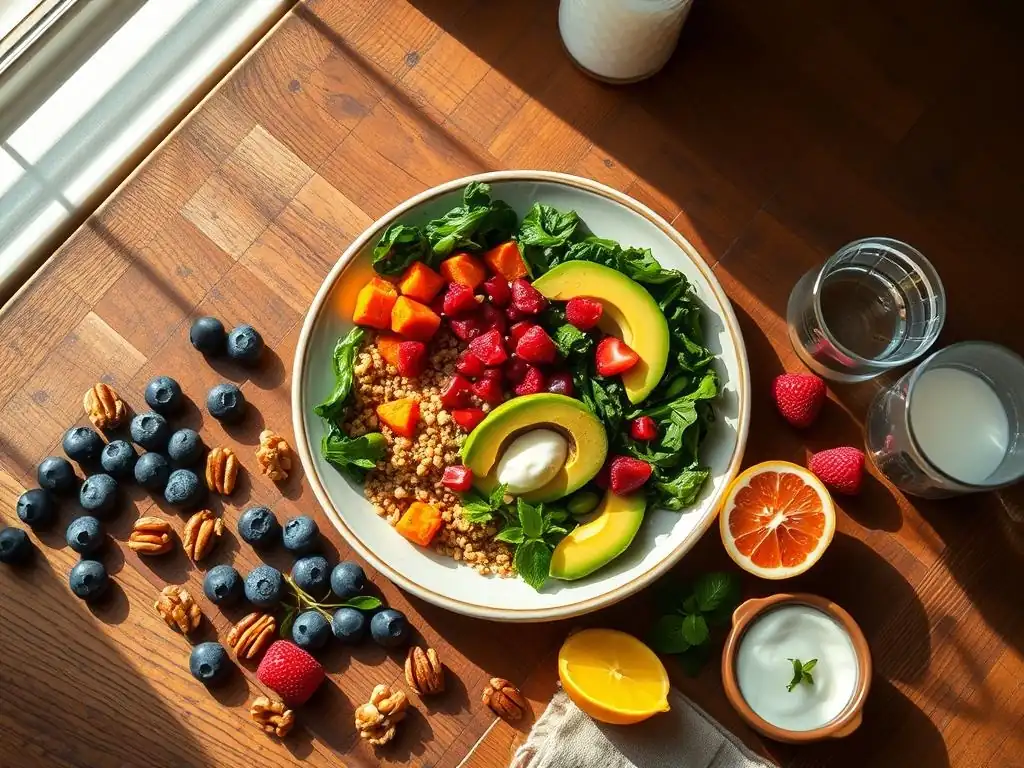
Welcome to Mind Care Guide, a sanctuary for your mental well-being.
Feeling overwhelmed? You're not alone. We understand the intricate connection between mind and body, and we're here to guide you. Dive into our latest article, "Beyond the Plate: Eating Your Way to Better Mental Wellbeing," where we explore practical and delicious healthy food mental wellbeing tips that can transform your mood and overall mental health. Discover how simple dietary changes can make a profound difference – your journey to a brighter, healthier you starts now!
Beyond the Plate: Eating Your Way to Better Mental Wellbeing
- Introduction: The Powerful Connection Between Food and Mood
-
Healthy Food Mental Wellbeing Tips: A Practical Guide
- Tip 1: Prioritize Whole Foods for Sustained Energy and Mood Stability
- Tip 2: Embrace the Power of Omega-3 Fatty Acids for Cognitive Health
- Tip 3: Incorporate Probiotics and Prebiotics for a Healthy Gut Microbiome
- Tip 4: Stay Hydrated for Optimal Brain Function and Emotional Clarity
- Tip 5: Mindful Eating: Savoring Your Meals for Enhanced Well-being
- Foods That Support Mental Wellbeing: A Nutritional Powerhouse
- Creating a Sustainable Healthy Eating Plan for Mental Wellbeing
- Addressing Common Challenges and Roadblocks
- Conclusion: Nurturing Your Mental Health Through Nutrition
-
Frequently Asked Questions
- What is the connection between healthy food and mental wellbeing?
- How does diet influence mental wellbeing?
- What are some "healthy food mental wellbeing tips" I can implement today?
- Are there specific foods that are particularly beneficial for mental wellbeing?
- Where can I find more resources and support for improving my mental wellbeing through diet?
- Final Reflection: Nourishing the Mind, Body, and Soul
- Unlock Your Mind's Potential: Nourish Your Wellbeing
Introduction: The Powerful Connection Between Food and Mood
Understanding the Gut-Brain Axis and its Impact on Mental Health
The human gut is far more than just a digestive organ; it's home to trillions of microorganisms, collectively known as the gut microbiome. This complex ecosystem communicates constantly with the brain through a bidirectional pathway called the gut-brain axis. This communication involves various mechanisms, including the vagus nerve, immune pathways, and the production of neurotransmitters like serotonin, which is often associated with mood regulation. An estimated 90% of the body's serotonin is produced in the gut, highlighting the significant influence of gut health on emotional states.
Disruptions in the gut microbiome, often caused by poor diet, stress, or antibiotics, can negatively impact this communication pathway. Research suggests that an imbalanced gut flora, known as dysbiosis, can contribute to increased inflammation and alter the production of key neurochemicals, potentially exacerbating symptoms of anxiety, depression, and stress. Nurturing a diverse and healthy gut microbiome through dietary choices is therefore a fundamental step towards supporting mental wellbeing.
The Role of Nutrition in Managing Mood Disorders
Emerging evidence strongly suggests a significant link between dietary patterns and the prevalence and severity of mood disorders like depression and anxiety. Diets rich in processed foods, high in sugar and unhealthy fats, have been associated with an increased risk of developing these conditions. Conversely, dietary patterns characterized by whole, nutrient-dense foods appear to offer protective benefits.
Specific nutrients play critical roles in brain function and mental health. For instance, omega-3 fatty acids are essential for brain cell structure and communication, while B vitamins are crucial for energy metabolism and neurotransmitter synthesis. Deficiencies in these vital nutrients can impair cognitive function and contribute to mood instability. Focusing on a balanced diet provides the necessary building blocks for optimal brain health and serves as a foundational element in managing and improving mental wellbeing.
Healthy Food Mental Wellbeing Tips: A Practical Guide
Tip 1: Prioritize Whole Foods for Sustained Energy and Mood Stability
Benefits of Whole Grains, Fruits, and Vegetables for Brain Function
Whole, unprocessed foods like whole grains, fruits, and vegetables are packed with vitamins, minerals, fiber, and antioxidants – all vital for optimal brain function. Complex carbohydrates found in whole grains provide a steady release of glucose, the brain's primary energy source, preventing energy crashes that can negatively impact mood. For example, studies indicate that diets high in fruits and vegetables are associated with a lower risk of depression, potentially due to their rich antioxidant content which protects brain cells from damage.
Fruits and vegetables are also excellent sources of B vitamins, such as folate and B12 (though B12 is primarily from animal sources or fortified foods), which are essential for nerve function and the synthesis of neurotransmitters. Consuming a variety of colorful produce ensures a broad spectrum of nutrients, supporting not only physical health but also contributing significantly to healthy food mental wellbeing tips for daily life.
Minimizing Processed Foods and Added Sugars for Emotional Regulation
Processed foods and those high in added sugars can lead to rapid spikes and subsequent crashes in blood sugar levels, often resulting in irritability, fatigue, and mood swings. These foods are typically low in essential nutrients and fiber, offering little support for brain health. For instance, consuming large amounts of refined sugar has been linked in some studies to increased inflammation, which is increasingly implicated in mood disorders.
Reducing the intake of sugary drinks, refined snacks, and fast food is a crucial healthy food mental wellbeing tip. Opting for nutrient-dense alternatives helps stabilize blood sugar, supports consistent energy levels, and provides the brain with the necessary fuel for stable emotional regulation. This shift away from processed items towards whole foods is a fundamental step in using diet to enhance mental health.
Tip 2: Embrace the Power of Omega-3 Fatty Acids for Cognitive Health
Sources of Omega-3s: Fatty Fish, Flaxseeds, and Walnuts
Omega-3 fatty acids, particularly EPA (eicosapentaenoic acid) and DHA (docosahexaenoic acid), are polyunsaturated fats critical for brain structure and function. Our bodies cannot produce them efficiently, so they must be obtained through diet. Excellent sources include fatty fish like salmon, mackerel, and sardines, which are rich in both EPA and DHA.
For those following plant-based diets, alpha-linolenic acid (ALA) is an essential omega-3 found in flaxseeds, chia seeds, and walnuts. While ALA needs to be converted into EPA and DHA in the body (a process that is not highly efficient), these plant sources still contribute valuable omega-3s to the diet and are important healthy food mental wellbeing tips for vegetarians and vegans.
How Omega-3s Support Brain Cell Communication and Mood Balance
EPA and DHA are integral components of cell membranes in the brain, particularly in areas related to mood and cognition. They play a vital role in maintaining the fluidity of these membranes, which is essential for effective communication between brain cells (neurons). Adequate levels of omega-3s are associated with reduced inflammation in the brain, a factor increasingly linked to the development of depression and anxiety.
Research has shown that individuals with lower levels of omega-3 fatty acids may have a higher risk of depression. Supplementation with EPA, and to a lesser extent DHA, has demonstrated potential benefits in managing symptoms of depression in some studies. Incorporating these healthy fats into your diet is a powerful healthy food mental wellbeing tip for supporting cognitive health and emotional resilience.
Tip 3: Incorporate Probiotics and Prebiotics for a Healthy Gut Microbiome
Probiotics: Fermented Foods and Supplements for Gut Flora
Probiotics are live beneficial bacteria and yeasts that, when consumed in adequate amounts, can confer health benefits, particularly to the gut. Including probiotic-rich foods in your diet helps to introduce and maintain a diverse and healthy gut microbiome. Examples of probiotic foods include yogurt with live and active cultures, kefir, sauerkraut, kimchi, and kombucha.
While research is ongoing, some studies suggest that specific probiotic strains may influence mood and reduce symptoms of anxiety and depression by impacting the gut-brain axis. For instance, certain strains of Lactobacillus and Bifidobacterium have been explored for their psychobiotic potential. While dietary sources are preferable, probiotic supplements can also be considered, though choosing the right strain and dosage often requires professional guidance.
Prebiotics: Fueling Beneficial Bacteria with Fiber-Rich Foods
Prebiotics are non-digestible fibers that act as food for the beneficial bacteria already residing in your gut. By selectively feeding these good bacteria, prebiotics help them thrive and multiply, contributing to a healthier gut environment. Including prebiotic-rich foods alongside probiotics creates a synergistic effect, further supporting gut health.
Excellent sources of prebiotics include garlic, onions, leeks, asparagus, bananas, oats, and apples. These foods are typically high in specific types of fiber like inulin and fructans. Consuming adequate amounts of these fibers is a key healthy food mental wellbeing tip, as a well-fed and diverse gut microbiome is better equipped to produce beneficial compounds, such as short-chain fatty acids (SCFAs), which have anti-inflammatory properties and can influence brain function and mood.
Tip 4: Stay Hydrated for Optimal Brain Function and Emotional Clarity

The Importance of Water for Nutrient Transport and Waste Removal
Water is essential for every bodily function, including those critical for brain health. It plays a crucial role in transporting nutrients, oxygen, and electrolytes to brain cells, enabling them to function efficiently. Water also helps in the removal of waste products from the brain, preventing the buildup of toxins that could potentially impair cognitive function and mood.
Even mild dehydration can impact cognitive performance, leading to difficulties with concentration, memory, and can exacerbate feelings of fatigue and irritability. The brain is composed of about 75% water, emphasizing its dependence on adequate hydration for optimal performance. Maintaining proper fluid balance is a simple yet profoundly effective healthy food mental wellbeing tip.
Recognizing Dehydration Symptoms and Staying Mindfully Hydrated
Recognizing the early signs of dehydration is important. These can include thirst, dry mouth, fatigue, headache, dizziness, and difficulty concentrating. Urine color can also be an indicator; pale yellow typically suggests good hydration, while darker yellow may indicate a need for more fluids. Aiming to drink water consistently throughout the day, rather than waiting until you feel very thirsty, is a practical approach.
Carrying a water bottle, setting reminders, or incorporating hydrating foods like fruits and vegetables (which have high water content) are simple strategies to stay mindfully hydrated. While individual needs vary based on activity level, climate, and health status, a general guideline is to aim for around 8 cups (about 2 liters) of water per day, adjusting as needed. This simple healthy food mental wellbeing tip supports overall bodily function, including the complex processes happening in the brain.
Tip 5: Mindful Eating: Savoring Your Meals for Enhanced Well-being
Paying Attention to Hunger and Fullness Cues
Mindful eating involves paying full attention to the experience of eating and drinking, both inside and outside the body. This includes noticing the physical sensations of hunger and fullness, as well as the tastes, smells, and textures of the food. Often, we eat out of habit, stress, or boredom rather than true physical hunger, which can lead to overeating or choosing foods that don't nourish us.
Learning to recognize the subtle cues your body provides – a gentle rumble in the stomach indicating hunger, or a feeling of comfortable satisfaction signaling fullness – can help regulate intake and foster a healthier relationship with food. This practice is a vital healthy food mental wellbeing tip that shifts the focus from restrictive dieting to intuitive nourishment.
Reducing Stress and Anxiety During Meal Times
Eating while stressed or distracted can negatively impact digestion and nutrient absorption. Stress activates the sympathetic nervous system ("fight or flight"), diverting energy away from digestive processes. Mindful eating encourages creating a calm environment for meals, free from distractions like screens or work. Taking a few deep breaths before eating can help activate the parasympathetic nervous system ("rest and digest"), promoting better digestion.
Slowing down, chewing thoroughly, and savoring each bite can also enhance the enjoyment of food and help you feel more satisfied. This reduces the likelihood of feeling deprived or anxious around food, which can contribute to unhealthy eating patterns. Integrating mindful eating into your routine is a powerful healthy food mental wellbeing tip for improving both physical and emotional health.
Foods That Support Mental Wellbeing: A Nutritional Powerhouse
The Best Foods for Boosting Serotonin Levels Naturally
Tryptophan-Rich Foods: Turkey, Nuts, and Seeds
Serotonin is a neurotransmitter crucial for regulating mood, sleep, and appetite. While serotonin itself cannot cross the blood-brain barrier, its precursor, the amino acid tryptophan, can. Consuming foods rich in tryptophan can help provide the brain with the building blocks it needs to produce serotonin. Good sources include turkey, chicken, eggs, cheese, tofu, nuts (like almonds and walnuts), and seeds (like pumpkin and sesame seeds).
However, simply eating tryptophan-rich foods doesn't guarantee increased serotonin levels, as tryptophan competes with other amino acids for transport into the brain. This is where complex carbohydrates play a supportive role, as discussed below.
Complex Carbohydrates for Sustained Serotonin Release
Consuming tryptophan-rich foods alongside complex carbohydrates can facilitate better tryptophan uptake into the brain. Carbohydrates trigger the release of insulin, which helps clear other amino acids from the bloodstream, giving tryptophan a clearer path to the brain. This is why comfort foods, often carbohydrate-rich, can sometimes provide a temporary mood boost.
Focusing on complex carbohydrates like whole grains (oats, brown rice, quinoa), legumes, and starchy vegetables provides a sustained release of glucose and supports this mechanism without the negative blood sugar spikes associated with simple sugars. Combining these with tryptophan sources is a practical healthy food mental wellbeing tip for potentially supporting serotonin production.
Foods to Combat Inflammation and Protect Brain Health
Antioxidant-Rich Berries and Leafy Greens
Chronic inflammation in the body, including the brain, is increasingly linked to the development and persistence of mood disorders. Foods rich in antioxidants help combat this inflammation by neutralizing harmful molecules called free radicals. Berries (like blueberries, strawberries, and raspberries) and leafy green vegetables (like spinach, kale, and collard greens) are nutritional powerhouses packed with vitamins, minerals, and powerful antioxidants like flavonoids and carotenoids.
Studies have shown that regular consumption of these foods is associated with better cognitive function and a reduced risk of depression. For example, a study published in the Journal of Nutritional Gerontology and Geriatrics highlighted the positive association between berry consumption and mental health markers. Including a generous portion of colorful fruits and vegetables daily is a key healthy food mental wellbeing tip to protect your brain.
Healthy Fats for Brain Cell Structure and Function
Beyond omega-3s, other healthy fats are vital for brain health. Monounsaturated fats found in avocados, olive oil, and nuts contribute to healthy cell membranes and can have anti-inflammatory effects. These fats provide the structural components necessary for efficient communication between brain cells.
Incorporating sources of healthy fats, in moderation, supports overall brain structure and function. For instance, replacing saturated and trans fats with monounsaturated and polyunsaturated fats is a healthy food mental wellbeing tip that aligns with dietary patterns associated with better mental health outcomes, such as the Mediterranean diet.
Superfoods for Mental Clarity and Focus
Turmeric: Anti-Inflammatory Properties and Cognitive Benefits
Turmeric, a spice commonly used in curry, contains a powerful compound called curcumin. Curcumin is known for its potent anti-inflammatory and antioxidant properties, which can benefit brain health. Research suggests that curcumin may help protect against oxidative damage and reduce inflammation in the brain, factors implicated in cognitive decline and mood disorders.
Some preliminary studies indicate that curcumin may have antidepressant effects, potentially by increasing levels of brain-derived neurotrophic factor (BDNF), a protein that supports the growth and survival of nerve cells. While more research is needed, incorporating turmeric into your cooking (perhaps with black pepper to enhance absorption) is a flavorful healthy food mental wellbeing tip.
Creating a Sustainable Healthy Eating Plan for Mental Wellbeing

Setting Realistic Goals and Making Gradual Changes
Embarking on a journey to improve mental wellbeing through diet doesn't require an overnight overhaul. Setting small, achievable goals is key to long-term success. Instead of aiming to eliminate all processed foods immediately, start by incorporating one extra serving of vegetables per day or swapping sugary drinks for water.
Gradual changes are easier to sustain and less likely to feel overwhelming, reducing the chance of giving up. Celebrate small victories, like successfully packing a healthy lunch or trying a new nutritious recipe. This approach builds confidence and makes healthy eating a positive experience, reinforcing these valuable healthy food mental wellbeing tips as part of your routine.
Meal Planning and Preparation for Long-Term Success
Planning meals in advance and preparing some components ahead of time can significantly ease the transition to a healthier diet and make these healthy food mental wellbeing tips more actionable. Knowing what you're going to eat reduces impulsive unhealthy choices, especially when you're tired or stressed.
Setting aside time each week to plan meals, create a shopping list, and perhaps chop vegetables or cook grains in advance can save time and effort during busy weekdays. Having healthy options readily available makes it much easier to stick to your goals and ensures you're consistently providing your body and brain with the nutrients they need.
Seeking Professional Guidance from a Registered Dietitian or Nutritionist
While general healthy eating guidelines are widely available, individual nutritional needs can vary based on age, sex, activity level, existing health conditions, and specific mental health challenges. A registered dietitian or nutritionist can provide personalized advice and support.
They can assess your current eating habits, identify potential nutrient deficiencies, and help you create a tailored eating plan that supports your mental health goals. They can also offer strategies for navigating specific challenges like food allergies, intolerances, or managing eating disorder behaviors in conjunction with mental health support. Consulting a professional is a valuable healthy food mental wellbeing tip for receiving expert, individualized guidance.
Addressing Common Challenges and Roadblocks
Overcoming Emotional Eating Habits
Emotional eating, or using food to cope with feelings like stress, sadness, or boredom, is a common challenge. Recognizing the triggers for emotional eating is the first step. Keeping a food and mood journal can help identify patterns. Instead of turning to food, explore alternative coping mechanisms like going for a walk, talking to a friend, practicing mindfulness, or engaging in a hobby.
Developing a toolbox of non-food-related coping strategies is crucial. It's also important to address the underlying emotions, potentially with the help of a therapist or counselor. Pairing these psychological strategies with healthy food mental wellbeing tips creates a more comprehensive approach to managing emotional eating.
Managing Food Cravings and Temptations
Cravings for unhealthy foods are often intense but usually short-lived. Identifying the cause of the craving – whether it's true hunger, a habit, or an emotional trigger – can help. If it's not true hunger, try distracting yourself for 10-15 minutes with an activity. Keeping tempting foods out of the house and having healthy snacks readily available can also make a big difference.
Choosing nutrient-dense foods throughout the day helps stabilize blood sugar and can reduce intense cravings. For example, pairing protein and healthy fat with carbohydrates can help maintain satiety. Learning to navigate cravings without giving in every time is a skill that improves with practice and supports long-term adherence to healthy food mental wellbeing tips.
Social gatherings often involve food, and it can be challenging to stick to healthy choices. Planning ahead can help. If possible, check the menu beforehand. Offer to bring a healthy dish to share. Focus on enjoying the company rather than just the food. Allowing yourself small indulgences in moderation is also part of a balanced approach; rigidity can backfire.
Communicating your healthy eating goals to supportive friends and family can also provide encouragement. Remember that progress is more important than perfection. Making the best choices available in a given situation is a realistic and sustainable healthy food mental wellbeing tip for social contexts.
Conclusion: Nurturing Your Mental Health Through Nutrition
The Long-Term Benefits of a Balanced Diet for Emotional Stability
Adopting a balanced, nutrient-dense diet is not a quick fix but a powerful long-term strategy for enhancing emotional stability and overall mental wellbeing. By providing the brain with the essential nutrients it needs to function optimally, you can support neurotransmitter production, reduce inflammation, and protect against cellular damage.
Over time, consistent healthy eating can lead to improved mood, increased energy levels, better stress resilience, and enhanced cognitive function. These benefits accumulate, contributing significantly to a more stable and positive emotional state, demonstrating the profound impact of healthy food mental wellbeing tips on life quality.
Embracing a Holistic Approach to Mental Wellbeing: Food, Exercise, and Mindfulness
While nutrition is a cornerstone of mental health, it is most effective when integrated into a holistic approach. Regular physical activity has well-documented benefits for mood, reducing symptoms of depression and anxiety. Mindfulness practices, such as meditation or deep breathing, can help manage stress and increase self-awareness.
Combining healthy eating with regular exercise and mindfulness creates a powerful synergy, addressing mental wellbeing from multiple angles. Embracing these healthy food mental wellbeing tips as part of a broader lifestyle commitment empowers you to take proactive steps towards a healthier mind and a more fulfilling life.
Frequently Asked Questions
What is the connection between healthy food and mental wellbeing?
The connection is significant. Nutrient-rich foods directly impact brain function and neurotransmitter production, affecting mood, anxiety, and overall mental health.
How does diet influence mental wellbeing?
Diet influences mental wellbeing by providing the essential building blocks for brain health. Poor nutrition can lead to mood swings and cognitive decline.
What are some "healthy food mental wellbeing tips" I can implement today?
Start by incorporating more fruits, vegetables, and whole grains into your diet. Reduce your intake of processed foods and sugary drinks for improved mood.
Are there specific foods that are particularly beneficial for mental wellbeing?
Yes, foods rich in omega-3 fatty acids, like salmon, and antioxidants, found in berries, are especially beneficial for brain health and reducing inflammation.
Where can I find more resources and support for improving my mental wellbeing through diet?
Mind Care Guide offers a comprehensive range of articles and resources on mental well-being, including specific dietary recommendations and support networks.
Final Reflection: Nourishing the Mind, Body, and Soul
The connection between what we eat and how we feel is undeniable, a truth increasingly recognized in our fast-paced, often stressful world. This article explored the powerful link between healthy food choices and improved mental wellbeing, highlighting the crucial role nutrition plays in supporting our emotional and cognitive health. From reducing inflammation to boosting neurotransmitter production, the evidence is clear: nourishing our bodies with the right foods is an act of self-care that directly impacts our mental state.
The journey towards better mental wellbeing is a deeply personal one, and the influence of food on this journey is profound. It's not just about eliminating processed foods or adding more vegetables (though those are important steps! ), but about cultivating a mindful relationship with food – understanding its power to fuel our minds and bodies. As the ancient Greek physician Hippocrates wisely stated, Let food be thy medicine and medicine be thy food.
This simple yet profound statement encapsulates the holistic approach to wellbeing that this article advocates for. It's a philosophy that resonates deeply with me, and one I believe is crucial for navigating the complexities of modern life.
Now, I invite you to reflect on your own relationship with food. Consider the impact your diet has on your mood, energy levels, and overall mental clarity. What small changes could you make today to nourish your mind and body?
Perhaps it's adding a colorful salad to your lunch, swapping sugary drinks for water, or simply taking a few minutes to savor each bite. Remember, every step you take towards a healthier diet is a step towards a happier, healthier you. Embrace this journey of self-discovery, and let food be your ally in cultivating a life filled with vibrant wellbeing.
Unlock Your Mind's Potential: Nourish Your Wellbeing
Thanks for taking the time to explore the powerful connection between food and mental health! We hope you gained valuable insights into how nutrition can support your overall wellbeing. Now it's time to put this knowledge into action.
- Prioritize one new, nutrient-rich food: This week, focus on adding just one new food to your diet – something packed with vitamins or antioxidants – and notice how you feel. (Think vibrant berries, leafy greens, or colorful vegetables!)
- Share your experience: Let's build a supportive community! Share your favorite healthy meal or recipe in the comments below – inspire others to nourish their minds too.
- Challenge a food assumption: Take a moment to reflect on a food belief you might have – is it truly serving you? Maybe it's time to rethink that old dietary habit.
Ready to embark on this delicious journey to better mental wellbeing? What small change will you make today to nurture your mind?