
Environmental Factors: Creating Spaces That Support Your Balance

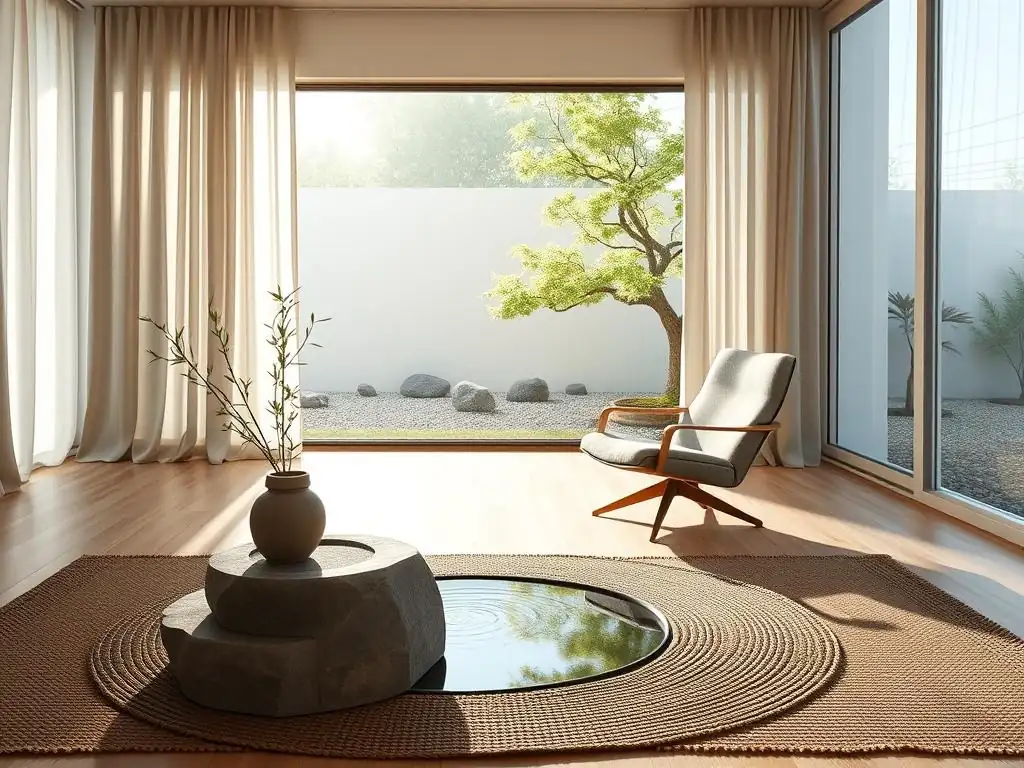
Welcome to Mind Care Guide, a sanctuary dedicated to nurturing your inner peace.
Feeling overwhelmed by the noise and chaos of modern life? You're not alone. We understand the vital connection between your environment and your mental well-being. In this article, we delve into how quiet spaces boost mental health, exploring practical ways to cultivate tranquility in your daily life. Discover how mindful design and intentional spaces can become powerful tools for restoring balance and fostering a more resilient you. Intrigued? Let's explore the transformative power of a quiet space...
Environmental Factors: Creating Spaces That Support Your Balance
- Introduction: The Power of Environment on Mental Well-being
- The Link Between Quiet Spaces and Mental Health
- Designing Your Sanctuary: Creating Quiet Spaces for Relaxation
- The Impact of Light and Color on Emotional Health
- Decluttering for Mental Clarity: The KonMari Method and Beyond
- The Role of Scents and Aromatherapy in Promoting Balance
- Creating Personalized Quiet Spaces: Tailoring to Your Needs
- Maintaining Your Balanced Environment: Long-Term Strategies
- Conclusion: Embracing Environmental Harmony for Enhanced Mental Well-being
-
Frequently Asked Questions
- How do quiet spaces specifically contribute to improved mental health?
- What are some practical ways to create a quiet space at home, even in a small apartment?
- How can employers incorporate quiet spaces into the workplace to support employee mental health?
- Are quiet spaces only beneficial for people with specific mental health conditions, or can everyone benefit from them?
- What are some signs that lack of quiet time is negatively impacting my mental health?
- Final Reflection: Cultivating Inner Peace Through Conscious Space Design
- Unleash Your Inner Harmony: Design Your Sanctuary
Introduction: The Power of Environment on Mental Well-being
Our surroundings play a far more significant role in our mental and emotional health than many of us realize. From the bustling city streets to the quiet corners of our homes, the physical spaces we inhabit constantly influence our mood, stress levels, and overall sense of well-being. Understanding this connection is the first step towards intentionally shaping our environments to better support our inner balance.
How Your Surroundings Affect Your Emotional State
The impact of environment on mood and behavior is a well-established field in psychology. Noise levels, light exposure, air quality, visual stimuli, and even the organization (or disorganization) of a space can trigger physiological and psychological responses. For instance, crowded, noisy environments can elevate cortisol levels, the body's primary stress hormone, leading to feelings of anxiety or irritability. Conversely, spending time in well-lit, organized spaces with elements of nature can promote feelings of calm and focus. This direct link means that modifying our physical spaces offers a powerful, tangible way to influence our mental state.
Furthermore, our environment can shape our habits and routines. A cluttered bedroom might make it harder to relax before sleep, while a dedicated, quiet workspace can enhance concentration and productivity. The sensory information we receive from our surroundings—the sounds we hear, the sights we see, the air we breathe—is processed by our brains and contributes significantly to our emotional landscape. Recognizing these subtle but powerful influences allows us to take proactive steps in designing spaces that nurture rather than detract from our mental health.
The Mind Care Guide Perspective on Environmental Harmony
At Mind Care Guide, we view environmental harmony as a fundamental pillar of holistic mental well-being. We believe that creating spaces that feel safe, comfortable, and conducive to calm is not a luxury, but an essential practice for maintaining emotional equilibrium. This perspective emphasizes the interconnectedness of our internal state and external environment, recognizing that small changes in our physical surroundings can yield significant positive impacts on our mental health journey.
Our approach encourages individuals to become mindful observers of how different environments make them feel. Does a certain room drain your energy? Does another space help you feel centered?
By paying attention to these reactions, you can begin to identify what elements contribute to or detract from your sense of peace. We advocate for intentional design choices, whether in a small apartment corner or a vast office space, that prioritize sensory comfort, reduce stressors, and actively support practices like mindfulness, relaxation, and focused work. Creating quiet spaces boost mental health, and this principle is central to our guidance on cultivating personal sanctuaries.
The Link Between Quiet Spaces and Mental Health
In a world often filled with constant noise and stimulation, the value of quiet is often underestimated. Yet, finding or creating peaceful, quiet spaces boost mental health significantly by allowing the mind to rest, process, and recharge away from external demands.
Why Quiet Spaces Boost Mental Health: A Deep Dive
Quiet spaces provide a refuge from the auditory overload that characterizes much of modern life. Constant exposure to noise, even at seemingly low levels, can contribute to chronic stress, disrupt sleep patterns, and impair cognitive function. Studies, including some focused on occupational health, have shown that persistent noise exposure can increase heart rate and blood pressure over time, indicating a sustained stress response. Conversely, stepping into a quiet environment allows the nervous system to settle. This reduction in external stimuli lowers physiological arousal, helping to decrease the production of stress hormones like cortisol.
Moreover, quiet allows for internal reflection and mental processing. Without the distraction of external sound, the mind has space to wander, to process thoughts and emotions, and to engage in creative thinking. This is particularly important for individuals dealing with anxiety or depression, where racing thoughts can be overwhelming.
A quiet environment doesn't necessarily eliminate these thoughts but can make them feel less intrusive and easier to manage. It facilitates mindfulness practices, meditation, and simply the ability to be present, which are all crucial for emotional regulation and resilience. Creating these calm, quiet spaces boost mental health by fostering a sense of peace and control.
The Science Behind Calm Environments and Reduced Stress
The scientific evidence supporting the benefits of calm environments is robust. Research in environmental psychology highlights how factors like low noise levels, soft lighting, and natural elements can trigger the parasympathetic nervous system, often referred to as the "rest and digest" system. Activation of this system slows heart rate, lowers blood pressure, and promotes a state of relaxation. For example, studies using fMRI scans have shown that listening to natural sounds or being in quiet environments can decrease activity in the amygdala, the brain region associated with fear and stress responses.
Furthermore, exposure to chronic noise has been linked to cognitive deficits, particularly in children's learning and memory, and increased risk of mental health issues in adults. By contrast, environments that minimize auditory and visual clutter reduce the cognitive load on the brain, freeing up mental resources. This allows for better focus, improved decision-making, and enhanced emotional regulation. The simple act of ensuring your living or workspace includes designated quiet spaces boost mental health by providing a consistent opportunity for the brain and body to recover from daily stressors.
Designing Your Sanctuary: Creating Quiet Spaces for Relaxation
Transforming a part of your home or finding a suitable spot elsewhere to serve as a quiet sanctuary is a practical step towards enhancing mental well-being. It doesn't require a complete renovation; often, small, intentional changes can make a significant difference.
Identifying Areas for Transformation: Evaluating Noise Levels and Visual Clutter
Begin by observing your current living or working space. Which areas feel most chaotic or stressful? Consider both auditory and visual inputs. Is there a corner that's always noisy due to external traffic or internal appliances? Is there another area that's constantly cluttered with mail, work items, or miscellaneous objects? Use a simple assessment: walk through your space at different times of day and note where you feel most at ease and where you feel most agitated. A simple task list can help:
- [ ] Walk through home/office during peak hours.
- [ ] Note noise sources (traffic, neighbors, appliances).
- [ ] Note areas with significant visual clutter.
- [ ] Identify potential quiet space locations (least noise, less traffic).
- [ ] Consider size and purpose (reading, meditation, just sitting).
Once potential areas are identified, evaluate their current state. Could a quiet space boost mental health in this specific location? What are the primary obstacles (noise, clutter, poor lighting)? Understanding the existing challenges is crucial for planning effective interventions. For example, a corner near a window might have great natural light but suffer from street noise. An unused closet could be quiet but lacks light and feels confined. Prioritize spaces that offer the best starting point based on your needs.
Minimizing Noise Pollution: Achieving Acoustic Comfort
Reducing unwanted noise is paramount for creating a truly quiet space. While complete silence might be impossible, significant improvements can be made. Consider acoustic panels or heavy textiles like thick curtains or rugs, which can absorb sound waves and reduce echoes within a room. Rearranging furniture can also help; placing a large bookshelf against a shared wall, for instance, can provide a degree of sound insulation. For external noise, sealing gaps around windows and doors is effective. Double-paned windows are ideal but can be costly; a more immediate solution might involve heavy drapes or window inserts.
Another strategy is introducing 'white noise' or 'pink noise' machines, or even soft, ambient music designed for relaxation. These don't eliminate noise but provide a consistent, unobtrusive sound that can mask sudden or distracting noises, making the overall environment feel calmer. While counterintuitive for creating 'quiet,' this masking technique can be highly effective at creating a sense of peacefulness where absolute silence is unattainable. Remember, the goal is a space where you feel acoustically comfortable and undisturbed, allowing your mind to quiet down. This is a key element in how quiet spaces boost mental health by reducing auditory stress.
Incorporating Nature: Bringing the Outdoors In
Bringing elements of the natural world into your quiet space can significantly enhance its calming effect. Indoor plants not only add visual appeal but some species can help purify the air, contributing to a healthier environment. Studies have shown that even viewing images of nature can reduce stress levels, so having actual plants or a view of greenery is even more beneficial. Consider low-maintenance plants like snake plants, ZZ plants, or peace lilies for your sanctuary.
Natural light is another powerful element. Position your quiet space near a window if possible to benefit from daylight. If natural light is limited, consider using full-spectrum light bulbs that mimic natural light quality. Incorporating natural textures like wood, stone, or cotton in furniture, decor, or textiles can also evoke a sense of calm and connection to the outdoors. Even small additions like a bowl of smooth stones or a small water feature can add sensory elements that promote relaxation and contribute to the feeling that this quiet space boosts mental health.
The Impact of Light and Color on Emotional Health
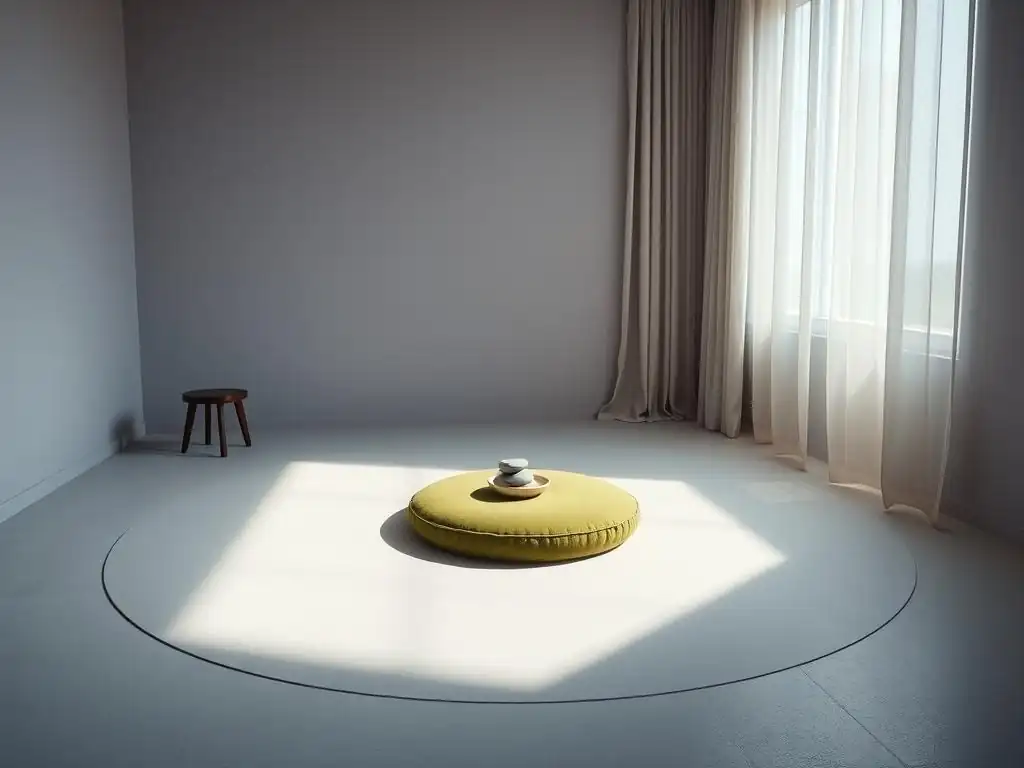
Light and color are powerful, often subconscious, influencers of our mood, energy levels, and overall psychological state. Paying attention to these elements in our environment is crucial for creating spaces that support mental well-being.
Optimizing Natural Light for Improved Mood
Natural light, particularly sunlight, plays a vital role in regulating our circadian rhythms, the body's internal clock that affects sleep-wake cycles, hormone release, and mood. Exposure to natural light, especially in the morning, helps suppress melatonin production and promotes wakefulness and alertness. Lack of sufficient natural light, common in many indoor environments, can disrupt these rhythms, contributing to fatigue, irritability, and even seasonal affective disorder (SAD) in some individuals. Maximizing natural light in your living and working spaces can significantly improve mood and energy levels.
Positioning desks or seating areas near windows, keeping windows clean and unobstructed, and using sheer curtains instead of heavy drapes can help flood a room with natural light. If your space lacks windows, consider using mirrors strategically placed opposite existing light sources to reflect and amplify the available light. Spending even short periods near a window can be beneficial. This optimization of light is a simple yet effective way to enhance the positive impact your environment has on your emotional health.
The Psychology of Color: Choosing Palettes for Serenity
Colors evoke different psychological responses, making color choice a critical aspect of designing a supportive space. Cool colors like blues, greens, and some purples are generally associated with calmness, tranquility, and relaxation. Light blues are often used in bedrooms to promote rest, while soft greens can evoke a sense of nature and peace. These colors can be particularly effective in quiet spaces designed for relaxation or meditation.
Warm colors like reds, oranges, and yellows are typically more stimulating and energetic. While vibrant colors might be suitable for creative spaces or areas where you want to feel invigorated, they might be counterproductive in a sanctuary meant for unwinding. Neutral colors like beige, gray, and white can create a sense of spaciousness and calm, serving as a gentle backdrop that doesn't overstimulate the senses.
When selecting a color palette, consider the primary function of the space and how different hues make you feel personally. A soft, muted palette is often ideal for creating a sense of serenity and reinforcing how quiet spaces boost mental health.
Avoiding Harsh Lighting: Creating a Gentle Ambiance
Just as insufficient light can be detrimental, overly harsh or poorly designed lighting can also negatively impact mood and comfort. Bright, cool-toned fluorescent lights, common in many offices, can feel sterile and contribute to eye strain and headaches. Direct, unshaded bulbs can create glare and harsh shadows, which can be visually jarring and uncomfortable.
Opting for warmer-toned bulbs (around 2700-3000 Kelvin) can create a cozier, more inviting atmosphere. Using multiple light sources at different levels—such as floor lamps, table lamps, and ambient ceiling lights—allows for greater control over the lighting mood. Dimmers are excellent tools for adjusting light intensity throughout the day or for different activities. Soft, diffused light, achieved through lampshades or indirect lighting fixtures, reduces glare and creates a gentle ambiance that promotes relaxation, making your quiet space truly conducive to unwinding.
Decluttering for Mental Clarity: The KonMari Method and Beyond
Physical clutter often mirrors mental clutter. A disorganized environment can be a constant, subtle source of stress and distraction, making it harder to focus and relax. Addressing clutter is a powerful step towards creating a more peaceful and supportive living space.
The Connection Between Clutter and Anxiety
Research suggests a strong link between living in a cluttered environment and increased stress and anxiety levels. Clutter can be visually overwhelming, creating a sense of chaos and making it difficult for the brain to process information efficiently. This constant visual noise can keep the nervous system in a state of low-level alert. For some individuals, clutter can also evoke feelings of guilt, shame, or being overwhelmed by unfinished tasks. Studies from institutions like the Princeton University Neuroscience Institute have indicated that physical clutter can reduce your ability to focus and process information.
Furthermore, clutter can hinder daily routines, making it harder to find things and complete tasks, leading to frustration. It can also limit the usability of a space, preventing it from serving its intended purpose – a cluttered dining table can't be used for meals, a cluttered armchair isn't a relaxing spot. This functional impairment adds another layer of stress. Addressing clutter is not just about tidiness; it's about removing physical obstacles that contribute to mental load and anxiety, allowing the creation of quiet spaces boost mental health effectively.
Practical Tips for Decluttering Your Space
Decluttering can feel daunting, but breaking it down into manageable steps makes it achievable. The KonMari method, popularized by Marie Kondo, suggests decluttering by category rather than location and keeping only items that "spark joy." While this method is popular, other approaches work too. Start small, perhaps with a single drawer or shelf.
Here is a simple task list for getting started:
- [ ] Choose one small area (e.g., a single drawer).
- [ ] Empty the contents of that area.
- [ ] Sort items into categories (keep, donate, discard, relocate).
- [ ] For 'keep' items, assign a specific place for them.
- [ ] Immediately remove 'donate' and 'discard' items from the space.
- [ ] Return 'relocate' items to their proper homes.
- [ ] Clean the now-empty area.
- [ ] Place 'keep' items back neatly.
Be decisive and honest about what you truly need and use. Consider a "one in, one out" rule for certain categories like clothing or books to prevent future accumulation. Donating usable items to charity or giving them to friends can make the process feel more positive. Remember, the goal is to create a sense of order and spaciousness, which directly supports mental clarity and makes it easier to maintain quiet spaces boost mental health.
Maintaining a Tidy Environment for Long-Term Benefits
Decluttering is not a one-time event but an ongoing practice. Once you've decluttered a space, establishing simple routines is key to keeping it tidy and reaping the long-term mental health benefits. Spending just 5-10 minutes each day putting things back in their designated places can prevent clutter from building up again. Make it a habit to tidy up before bed, ensuring you wake up to a more peaceful environment.
Regularly reassess your belongings and habits. Are you accumulating things you don't need? Are there systems that aren't working (e.g., a drop zone for mail that becomes a permanent pile)? Adjust your systems as needed. Consider a quarterly or annual deeper tidy-up session. Maintaining an organized environment reduces daily friction and stress, freeing up mental energy. This sustained effort ensures that your space remains a supportive environment that contributes positively to your mental well-being and reinforces how quiet spaces boost mental health over time.
The Role of Scents and Aromatherapy in Promoting Balance
Our sense of smell is powerfully linked to memory and emotion. Incorporating pleasant and therapeutic scents into your environment can be a simple yet effective way to influence your mood and create a calming atmosphere.
Harnessing the Power of Essential Oils for Relaxation
Aromatherapy, the practice of using natural plant extracts (essential oils) for therapeutic benefits, has been used for centuries to promote relaxation and well-being. When we inhale essential oils, the scent molecules travel to the limbic system, the part of the brain involved in emotions, memory, and motivation. This can trigger physiological responses, such as a reduction in heart rate or a decrease in stress hormones.
Popular essential oils known for their relaxation properties include lavender, chamomile, bergamot, and frankincense. These oils can be diffused into the air using an essential oil diffuser, added to a warm bath, or diluted with a carrier oil for massage. Using these scents in your quiet space can enhance its calming effect, creating a multi-sensory experience that promotes deep relaxation and helps underscore how quiet spaces boost mental health through olfactory comfort. It's important to use high-quality, pure essential oils and follow safety guidelines, especially if you have pets or health conditions.
Choosing the Right Scents for Different Moods: Lavender for Sleep and Rosemary for Focus
Different essential oils are associated with different effects on mood and cognition. Understanding these properties allows you to choose scents that align with the intended use of your space or your current needs.
For promoting sleep and reducing anxiety:
- Lavender
- Chamomile
- Valerian
- Sandalwood
For boosting focus and energy:
- Rosemary
- Peppermint
- Lemon
- Eucalyptus
For uplifting mood:
- Bergamot
- Sweet Orange
- Grapefruit
- Ylang Ylang
For grounding and calming:
- Frankincense
- Vetiver
- Cedarwood
Experimenting with different scents can help you discover what works best for you. Using a calming scent like lavender in your quiet space designated for relaxation can significantly enhance its ability to help you unwind. Conversely, a more energizing scent might be suitable for a different area where you need to concentrate.
Creating a Sensory Oasis: Combining Scents with Ambient Music and Soft Lighting
To maximize the impact of your quiet space, combine aromatherapy with other sensory elements. Soft, ambient music or nature sounds (like rain or ocean waves) at a low volume can complement the calming effect of essential oils. Avoid music with lyrics, which can be distracting. Similarly, incorporating soft, warm lighting, as discussed earlier, enhances the relaxing atmosphere.
Consider adding comfortable textures through blankets, pillows, or soft rugs. A comfortable chair or cushion is essential for physical relaxation. The goal is to create a space that appeals to multiple senses in a gentle, non-stimulating way. This holistic approach to sensory design reinforces the feeling of being in a sanctuary, making it easier to disconnect from external stressors and fully benefit from how these quiet spaces boost mental health by providing a truly immersive calming experience.
Creating Personalized Quiet Spaces: Tailoring to Your Needs
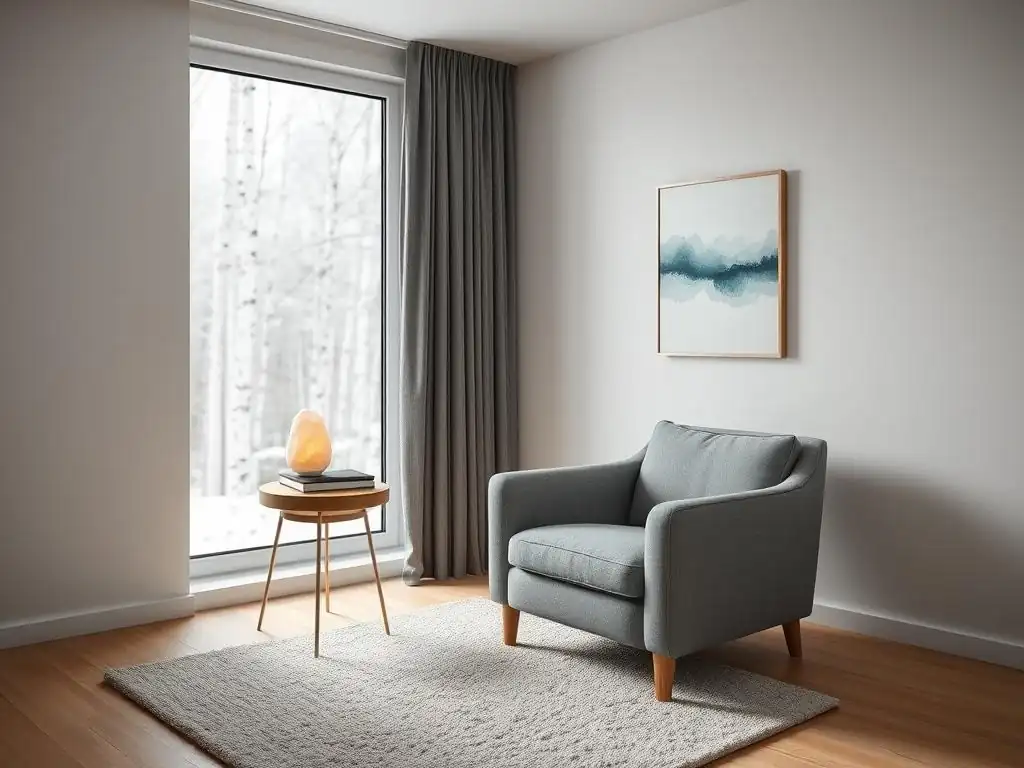
The most effective quiet space is one that is tailored specifically to your individual preferences, sensitivities, and the activities you plan to engage in there. There is no one-size-fits-all solution; personalization is key.
Understanding Your Unique Preferences and Sensitivities
Take time to reflect on what truly helps you feel calm and centered. Are you particularly sensitive to certain sounds, like humming appliances or ticking clocks? Do specific colors or textures make you feel uneasy? Conversely, what sensory inputs do you find comforting? Perhaps you love the feel of soft fabrics, the smell of a certain candle, or the sight of flowing water.
Consider your personal habits and preferences. Are you someone who finds solace in reading, meditation, journaling, or simply sitting quietly? The design of your quiet space should support these activities. Someone who meditates might prioritize floor cushions and open space, while a reader might need a comfortable chair and good lighting. Understanding these personal nuances ensures that your quiet space is not just aesthetically pleasing but functionally effective in supporting your mental well-being. This self-awareness is crucial for maximizing how your personalized quiet spaces boost mental health.
Designing Spaces for Specific Activities: Dedicated Reading Area and Meditation Space
Designing your quiet space with a specific purpose in mind can make it more effective. If you love to read, create a dedicated reading nook. This might involve a comfortable armchair, a good reading lamp (warm light, adjustable), a small table for drinks, and perhaps a bookshelf nearby. Ensure this space is acoustically comfortable and visually appealing to encourage you to spend time there.
For a meditation space, simplicity is often key. A comfortable cushion or mat, perhaps a small altar or shelf for meaningful objects (like candles, stones, or small plants), and ample open space can suffice. The focus should be on minimizing distractions and creating a serene environment conducive to mindfulness practice. Having these distinct, purpose-built quiet spaces boost mental health by making it easier to transition into specific calming activities without needing to rearrange or adapt a general area.
Integrating Technology Mindfully: Reducing Blue Light Exposure and Utilizing White Noise
While the goal of a quiet space is often to disconnect, technology can be integrated mindfully to enhance the environment without becoming a distraction. If you use a device for guided meditations, calming music, or reading, consider how to minimize its potential negative impacts. Reduce blue light exposure in the evening using screen filters or device settings, as blue light can interfere with sleep.
Using technology for white noise, pink noise, or nature sound apps can be very helpful in masking distracting sounds and creating a consistent auditory environment conducive to relaxation. Set devices to "do not disturb" mode when in your quiet space to avoid interruptions from notifications. The aim is for technology to serve as a tool to support your relaxation and focus, rather than becoming another source of stimulation or stress. Thoughtful integration ensures that technology doesn't undermine how your quiet spaces boost mental health.
Maintaining Your Balanced Environment: Long-Term Strategies
Creating a supportive environment is an ongoing process, not a one-time project. Establishing routines and sustainable practices is essential for maintaining the benefits of your quiet space and ensuring it continues to serve as a sanctuary for your mental well-being.
Regular Environmental Audits: Identifying Areas for Improvement
Just as you might perform a regular check-up on your physical health, conducting periodic "environmental audits" of your living and working spaces can help identify areas that might need attention. Set aside time, perhaps quarterly, to walk through your spaces with a critical eye. Has clutter started to accumulate again in certain spots? Is the lighting still optimal? Are there new noise sources that are disruptive?
Ask yourself how the space feels. Does it still evoke a sense of calm? Are there elements that are now causing stress or discomfort? For example, perhaps the plant you added isn't thriving and is now a source of worry, or a new piece of furniture has disrupted the flow. Use a simple checklist based on the principles discussed earlier (noise, light, color, clutter, scent, nature). Identifying issues early allows you to address them before they significantly impact your mental state. This proactive approach ensures that your quiet spaces continue to boost mental health effectively.
Establishing Sustainable Practices for a Healthy Mind and Planet
Maintaining a balanced environment can also align with environmentally sustainable practices, benefiting both your mental health and the planet. Choosing non-toxic cleaning products improves indoor air quality, reducing exposure to harmful chemicals that can affect respiratory health and potentially mood. Opting for sustainable materials in decor and furniture can create a healthier physical space.
Developing habits like regular tidying (e.g., a "10-minute clean-up" daily) prevents overwhelming clutter build-up. Mindfully consuming and recycling reduces waste and the feeling of being surrounded by excess. Incorporating plants that require specific care encourages routine and connection with nature. These sustainable habits not only maintain the physical order and health of your space but also contribute to a sense of purpose and responsibility, which can be grounding and positive for mental well-being.
Seeking Professional Guidance: Consulting with a Therapist or Ergonomic Specialist
Sometimes, environmental challenges are linked to deeper issues or require expert advice. If you find that your environment is significantly impacting your mental health despite your best efforts, or if specific issues like severe clutter or noise sensitivity are overwhelming, seeking professional guidance can be beneficial.
A therapist can help you explore the psychological reasons behind difficulties in maintaining order or coping with environmental stressors. They can provide strategies for managing anxiety related to your surroundings. An ergonomic specialist or interior designer with experience in creating therapeutic spaces could offer practical solutions for optimizing your environment for comfort, accessibility, and mental ease. For example, they might suggest specific acoustic treatments or lighting solutions you hadn't considered. Don't hesitate to seek support if needed; creating a truly supportive environment is a valid goal for mental wellness.
Conclusion: Embracing Environmental Harmony for Enhanced Mental Well-being
Our environment is not merely a backdrop to our lives; it is an active participant in shaping our mental and emotional states. By becoming mindful of the impact of factors like noise, light, color, clutter, and scent, we gain the power to intentionally design spaces that nurture our well-being. Creating quiet spaces boost mental health significantly, offering essential havens for relaxation and recovery in our busy lives.
The Ongoing Journey of Creating Supportive Spaces
The process of creating and maintaining a balanced environment is a continuous journey of observation, adjustment, and self-care. It involves regularly assessing how your spaces feel, identifying what works and what doesn't, and making small, consistent efforts to keep them supportive. It's about cultivating a relationship with your surroundings, ensuring they reflect and reinforce your commitment to mental health. Embrace this journey with patience and self-compassion, recognizing that every small step towards environmental harmony is a step towards enhanced inner balance.
Mind Care Guide's Resources for Continued Support
Mind Care Guide offers a wealth of resources to support you on this journey. Explore our articles on stress management techniques, mindfulness practices, and strategies for building resilience, all of which are complemented by having a supportive environment. Our guides on specific mental health challenges often include tips on creating calming personal spaces. Remember, creating quiet spaces boost mental health, and we are here to provide information and inspiration as you cultivate environments that foster peace, clarity, and emotional well-being.
Frequently Asked Questions
How do quiet spaces specifically contribute to improved mental health?
Quiet spaces reduce overstimulation and allow the mind to rest and process thoughts and emotions, leading to decreased stress and anxiety. This mental respite is crucial for overall well-being.
What are some practical ways to create a quiet space at home, even in a small apartment?
You can designate a small corner as your quiet zone, using noise-canceling headphones, plants, and soft lighting to create a calming atmosphere. Prioritizing minimalism can also reduce visual clutter and promote relaxation.
How can employers incorporate quiet spaces into the workplace to support employee mental health?
Employers can create designated quiet rooms or meditation spaces for employees to use during breaks. Promoting a culture of respect for quiet time and minimizing unnecessary noise is also essential.
Are quiet spaces only beneficial for people with specific mental health conditions, or can everyone benefit from them?
While particularly helpful for those with anxiety or sensory sensitivities, quiet spaces offer benefits for everyone. The reduction in stress and mental clutter promotes better focus, creativity, and overall well-being.
What are some signs that lack of quiet time is negatively impacting my mental health?
Common signs include increased irritability, difficulty concentrating, sleep disturbances, and a persistent feeling of being overwhelmed. These symptoms indicate a need for more deliberate quiet time and stress management strategies.
Final Reflection: Cultivating Inner Peace Through Conscious Space Design
The pursuit of quiet spaces is no longer a luxury; it's a necessity for navigating the relentless pace of modern life. Our mental well-being is inextricably linked to the environments we inhabit, and the overwhelming evidence presented throughout this article underscores the profound impact of consciously designed spaces on our ability to find calm and restore balance. The simple act of creating a sanctuary, however small, can be a powerful act of self-care.
The influence of environmental factors on mental health is a conversation that's only just beginning to gain the traction it deserves. We've explored the science behind how quiet spaces reduce stress hormones, improve focus, and foster creativity, but the true impact extends far beyond individual well-being. The collective shift towards prioritizing mindful space design speaks to a growing cultural awareness of the interconnectedness between our inner worlds and the physical environments that shape them. The environment is not just a setting for human life; it is a fundamental condition of it.
- Rachel Carson. This quote highlights the crucial role of our surroundings in shaping not only our mental health but also our overall quality of life.
Now, consider your own spaces. What elements contribute to your sense of peace and calm? What changes, however small, could you implement to create a more supportive environment for your mental well-being?
I invite you to embark on a journey of conscious space design, transforming your surroundings into havens of tranquility and fostering a deeper connection with your inner self. Start small, perhaps by adding a plant, decluttering a corner, or simply dedicating a few minutes each day to mindful breathing in a quiet space. The rewards – a calmer mind, increased focus, and a greater sense of inner peace – are well worth the effort.
Unleash Your Inner Harmony: Design Your Sanctuary
Thanks for taking the time to explore how environmental factors impact your well-being! We hope you gained valuable insights into creating a space that truly supports your balance. Now, it's time to put that knowledge into action.
- Prioritize one small change: Identify one aspect of your environment (lighting, plants, clutter) that you can realistically improve this week. Even a small adjustment can make a big difference!
- Share your progress: Tell us about your chosen change and how it affects your mood and energy levels. We love hearing your stories!
- Explore mindful design further: Consider researching simple techniques for incorporating natural elements or decluttering mindfully for lasting impact.
What small step will you take today to create a more harmonious space?