
Using Social Media to Access Mental Health Resources

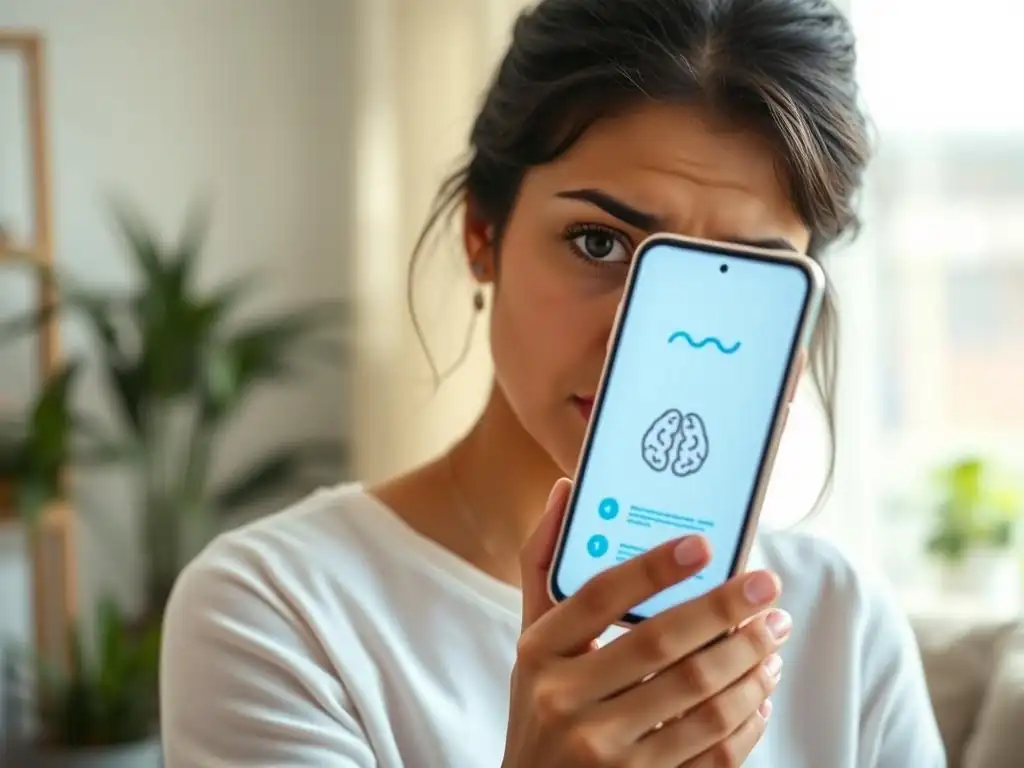
Welcome to Mind Care Guide, a safe space dedicated to nurturing your mental well-being. Are you feeling overwhelmed by the complexities of modern life? You're not alone. In this digital age, social media can be a double-edged sword. But what if it could also be a source of support and connection? Explore our guide on " Social media mental health resources" to discover how you can leverage these platforms for positive mental health outcomes. Ready to unlock the potential for connection and support? Let's begin.
Using Social Media to Access Mental Health Resources: A Guide
- Introduction: Leveraging Social Media for Mental Wellbeing
- Finding Mental Health Resources on Social Media Platforms
- Popular Social Media Platforms for Mental Health Support
- Keywords and Search Strategies for Social Media Mental Health Resources
- Evaluating the Credibility of Mental Health Resources on Social Media
- Benefits of Using Social Media for Mental Health
- Risks and Challenges of Using Social Media for Mental Health
- Practical Tips for Safe and Effective Use of Social Media for Mental Health
- Social Media Mental Health Resources: A Curated List
- The Future of Social Media and Mental Health
- Conclusion: Empowering Your Mental Health Journey with Social Media
-
Frequently Asked Questions
- How can social media be used to find mental health resources?
- What are some reliable sources for mental health information on social media?
- Are there any risks associated with seeking mental health resources on social media?
- What types of mental health resources are typically available on social media?
- How can I ensure my online activity related to mental health remains private and secure?
- Final Reflection: Connecting Online and Offline for Mental Wellbeing
- Unlock Your Mental Wellbeing: Take the Next Step
The Growing Importance of Online Mental Health Support
In recent years, the landscape of mental health support has expanded significantly, with online platforms playing an increasingly vital role. This shift is driven by several factors, including the pervasive use of social media and the need for more accessible and immediate forms of help. A study published in the Journal of Medical Internet Research in 2020 indicated that approximately 70% of young adults reported using social media to find health information, including mental health topics.
This highlights a clear trend: people are already looking for support and information in these digital spaces. The anonymity and ease of access offered by social media can lower the barrier for individuals who might feel hesitant to seek traditional in-person therapy or support groups.
Furthermore, the COVID-19 pandemic accelerated the adoption of digital health solutions, including telemental health. Social media platforms, while not a substitute for professional therapy, have become a gateway for discovering these services and accessing preliminary support. Organizations and mental health professionals have leveraged platforms like Facebook and Instagram to share tips, host Q&A sessions, and connect people with resources.
For instance, during peaks of the pandemic, many mental health non-profits reported a significant increase in engagement on their social media channels, sometimes seeing interaction rates jump by 50-60% compared to pre-pandemic levels as people sought connection and coping strategies online. This underscores the growing importance of social media mental health resources in bridging gaps in traditional care access.
Navigating the vast and often chaotic world of social media in search of mental health support requires a mindful and strategic approach. While these platforms offer incredible potential for connection, information, and access to resources, they also present challenges such as misinformation, privacy risks, and exposure to negative content. This guide aims to equip you with the knowledge and strategies needed to effectively use social media to find reliable mental health resources and supportive communities, while also protecting your well-being. It's about understanding the digital environment and making conscious choices about how you engage with it for your benefit.
Our journey will cover identifying trustworthy sources, understanding platform-specific opportunities, employing effective search strategies, and critically evaluating the information you find. We will also explore the inherent benefits and potential risks involved, offering practical tips to maximize positive outcomes and minimize negative ones. Ultimately, the goal is to empower you to leverage social media as a tool in your mental health journey, connecting you with valuable resources and support systems that can complement professional care, not replace it. Accessing social media mental health resources safely and effectively is achievable with the right guidance.
Identifying Reliable Sources of Mental Health Information
When searching for mental health information on social media, distinguishing reliable sources from unreliable ones is paramount. Reliable sources are typically established mental health organizations, government health agencies, reputable academic institutions, or licensed mental health professionals. Look for accounts or pages that are verified (often indicated by a checkmark next to the name) and have a clear history of posting accurate, evidence-based content.
For example, major organizations like the National Alliance on Mental Illness (NAMI) or the World Health Organization (WHO) maintain active social media presences and are trusted providers of information. Their content is usually backed by research and reviewed by experts. Be wary of accounts that make unsubstantiated claims or promise quick fixes for complex mental health conditions.
Another indicator of a reliable source is transparency about their credentials and funding. Reputable organizations will often link to their official websites, which provide detailed information about their mission, board members, and sources of support. They also tend to cite the research or data behind the information they share.
Conversely, be cautious of sources that lack transparency, promote unproven therapies, or seem primarily focused on selling products. According to a study on health information seeking online, users often struggle to evaluate credibility, reinforcing the need for vigilance. Prioritizing known, established entities when searching for social media mental health resources significantly increases the likelihood of finding accurate and helpful information.
Recognizing Qualified Professionals and Organizations Online
Identifying qualified mental health professionals and legitimate organizations on social media involves looking for specific markers of credibility. For individual professionals, verify their licensing and credentials. While social media profiles may not display license numbers directly, a legitimate professional will usually mention their degree (e.g., MD, PhD, LCSW, LPC) and the state or country where they are licensed.
They should also have a professional website linked, where you can find more detailed information about their qualifications, experience, and practice. Be cautious of individuals offering therapy or diagnosis solely through social media interactions; ethical guidelines typically require a formal therapeutic relationship established through appropriate channels.
For organizations, look for signs of non-profit status, accreditation, or affiliation with known health bodies. For instance, an organization might be a chapter of a national non-profit or accredited by a recognized body in the mental health field. Their social media content should align with established clinical guidelines and ethical standards.
Review their "About" section or website for details on their governance, advisory board (often composed of mental health experts), and programs. Checking for news articles or external reviews about the organization can also provide insight into their reputation and legitimacy. Recognizing these signs is crucial when seeking professional social media mental health resources.
Facebook: Support Groups and Mental Health Pages
Facebook remains a significant platform for accessing social media mental health resources, largely due to its robust group functionality. Users can find and join private or public groups focused on specific conditions like anxiety, depression, bipolar disorder, or general well-being. These groups offer a space for peer support, where individuals can share experiences, coping strategies, and encouragement. Many mental health organizations also maintain official pages on Facebook, posting news, articles, event information, and links to services. For example, the Anxiety & Depression Association of America (ADAA) has an active Facebook page sharing daily tips and resources.
While groups offer valuable peer support, it's important to choose them wisely. Look for groups moderated by professionals or reputable organizations to ensure discussions remain safe and constructive. Many official mental health charities run moderated groups specifically designed to provide a supportive environment. Facebook's event features are also utilized by organizations to promote webinars, online workshops, or live Q&A sessions with experts, increasing accessibility to valuable information and interaction opportunities. Utilizing Facebook's search and filter features can help you pinpoint relevant social media mental health resources among the platform's vast content pool.
Instagram: Visual Content and Mental Health Awareness Campaigns
Instagram's visually-driven format makes it a powerful tool for mental health awareness and education. Many therapists, coaches, and organizations use the platform to share infographics, inspirational quotes, short videos, and personal stories related to mental health. This visual approach can make complex topics more digestible and shareable, helping to reduce stigma and normalize conversations about mental health challenges. Numerous campaigns, like #BellLetsTalk or #MentalHealthAwarenessMonth, gain significant traction on Instagram, reaching millions of users globally and promoting dialogue.
However, the emphasis on aesthetics can also present challenges, sometimes leading to overly simplified or idealized portrayals of mental health recovery. It's important to follow diverse accounts and critically evaluate the content. Look for accounts run by qualified professionals who share evidence-based information alongside relatable content. Many therapists use Instagram to offer psychoeducational tips, mindfulness exercises, or insights into therapeutic concepts.
For instance, a therapist might post a short video explaining a cognitive behavioral technique or an infographic on spotting signs of burnout. While visually appealing, always cross-reference information and remember that Instagram content is not a substitute for professional assessment or treatment. Finding helpful social media mental health resources on Instagram requires careful curation of your feed.
Twitter: Connecting with Experts and Advocates
Twitter excels as a platform for real-time information and direct connection with mental health experts, advocates, and organizations. Its short-form text format facilitates quick sharing of news, research findings, and opinion. Many leading researchers, clinicians, and policy makers in the mental health field have active Twitter accounts, sharing insights and engaging in discussions. Following these individuals can provide access to cutting-edge information and diverse perspectives. Organizations often use Twitter for rapid dissemination of information, crisis line numbers during emergencies, and updates on mental health policy.
The platform's use of hashtags is particularly effective for tracking specific topics or joining conversations, such as #mentalhealth, #therapy, or #anxiety. You can also find live Q&A sessions or Twitter chats hosted by experts. While the fast-paced nature can be overwhelming, Twitter allows for direct interaction through replies and direct messages, facilitating networking and information exchange. Be mindful of the potential for negativity or debate, and curate your feed by blocking or muting accounts that are not constructive. Engaging responsibly on Twitter can provide valuable access to social media mental health resources and professional insights.
TikTok: Short-Form Videos and Mental Health Education
TikTok's explosive growth has made it an unexpected, yet powerful, platform for mental health content, particularly among younger demographics. Its short-form video format allows for creative and engaging ways to discuss mental health topics, share personal experiences, and offer quick tips. Many licensed therapists and mental health advocates have gained large followings by creating accessible videos explaining concepts like boundaries, trauma responses, or different types of therapy in relatable terms. This can help destigmatize mental health challenges and make therapeutic language more understandable.
However, the rapid-fire nature and trend-driven environment of TikTok also pose risks. Misinformation can spread quickly, and complex issues may be oversimplified or even trivialized. It's crucial to verify the credentials of content creators claiming expertise and to be skeptical of viral trends that promote potentially harmful self-diagnosis or unproven methods.
Look for accounts run by licensed professionals who provide disclaimers that their content is for educational purposes only and not a substitute for therapy. While TikTok can be a source of relatable content and preliminary information, it should be approached with caution when seeking serious social media mental health resources.
LinkedIn: Professional Networking and Mental Health in the Workplace
LinkedIn, primarily a professional networking site, is increasingly being used to discuss mental health, particularly within the context of the workplace. Professionals, HR specialists, and mental health advocates share articles, posts, and insights on topics like managing stress at work, burnout prevention, fostering mentally healthy workplaces, and the importance of employee well-being programs. Following relevant hashtags like #workplacewellness, #mentalhealthatwork, or #employeeassistance can provide valuable perspectives and resources.
The platform also allows you to connect directly with mental health professionals who offer services like coaching, consulting for businesses, or private therapy practices. While not designed for peer support in the same way as Facebook groups, LinkedIn is a valuable resource for understanding the professional side of mental health, finding therapists who specialize in work-related issues, or learning about corporate mental wellness initiatives. It's a unique avenue for accessing social media mental health resources focused on the intersection of career and well-being.

Using Specific Keywords to Find Relevant Support Groups
Finding the right social media mental health resources often starts with using precise keywords in the platform's search bar. Instead of generic terms like "mental health," try more specific phrases that reflect your needs or interests. For instance, if you are dealing with anxiety, search for terms like "anxiety support group," "coping with anxiety," or the name of a specific condition like "generalized anxiety disorder support." Adding the platform name to your search outside the platform can also help, e.g., "Facebook groups for depression support."
Refining your keywords can help filter out irrelevant content and lead you directly to communities and resources tailored to your situation. Consider including your location if you're looking for local support, e.g., "anxiety support group [Your City]". Using terms related to specific therapeutic approaches, like "CBT techniques" or "mindfulness exercises," can help you find educational content from professionals. Experiment with variations of your keywords to broaden or narrow your search results effectively when seeking social media mental health resources.
Many mental health professionals maintain social media profiles, particularly on platforms like Instagram, Twitter, or LinkedIn, to share educational content and connect with potential clients. To find them, use keywords that combine the profession with the area of focus, such as "therapist anxiety," "psychologist depression," "LCSW trauma," or "licensed counselor." You can also search by location, for example, "therapist [Your City] [Your State]".
On platforms like LinkedIn, you can search directly for individuals by job title and location. On Instagram or Twitter, searching relevant hashtags (e.g., #[yourcity]therapist, #teletherapy) or looking at who reputable mental health organizations follow can also lead you to professionals. Always verify their credentials through their linked website or a licensing board directory before considering them for treatment. Searching effectively helps you locate qualified social media mental health resources directly.
Hashtags ( #) are a fundamental tool for navigating social media content and discovering social media mental health resources. They categorize posts and make them searchable. Following relevant hashtags allows you to see a stream of content related to that topic from various users and organizations. Popular hashtags include #mentalhealth, #mentalhealthawareness, #anxiety, #depression, #selfcare, #therapy, #mindfulness, and condition-specific tags like #bipolar or #PTSD.
To find more niche communities or specific types of content, use more specific hashtags. For example, #mentalhealthsupport, #peersupport, #onlinecommunity, or hashtags related to specific coping skills or therapeutic modalities like #CBT or #DBTskills. Many organizations and campaigns create unique hashtags for events or initiatives, which can be discovered by following their main accounts. Experimenting with different hashtags is key to uncovering a wide range of social media mental health resources and connecting with relevant conversations and communities.
Identifying Red Flags and Misinformation
Navigating social media for mental health information requires a critical eye to spot red flags that indicate potential misinformation or harmful content. Be wary of accounts that promise guaranteed cures, promote miracle treatments, or strongly advocate against evidence-based practices like therapy or medication without credible justification. Content that uses overly emotional language, sensationalizes mental health issues, or promotes conspiracy theories should also be viewed with extreme skepticism. For instance, claims like "Cure your anxiety with this one simple trick!" are classic red flags.
Another warning sign is a lack of transparency about the source's credentials, funding, or conflicts of interest. Accounts that primarily seem to be selling products or services without providing substantial, free, evidence-based information may be more interested in profit than your well-being. Be cautious of advice that encourages you to stop prescribed medication or therapy without consulting a healthcare professional. Recognizing these red flags is essential for protecting yourself from potentially harmful social media mental health resources.
Verifying Expertise
Verifying the expertise of individuals or organizations providing mental health information on social media is a crucial step in assessing credibility. For individual professionals, look for mentions of their degrees (e.g., PsyD, MD, MSW), licenses (e.g., LCSW, LPC, LMFT), and the state or country where they are registered. A quick search on a state's licensing board website can often confirm if a license is active and in good standing. Legitimate professionals will usually have a linked professional website detailing their qualifications, specializations, and experience.
For organizations, look for information about their history, mission, board of directors (ideally including mental health professionals), and any accreditations they hold. Check if they are a registered non-profit or affiliated with larger, known mental health bodies. Searching for independent reviews or news articles about the organization can also provide insight into their reputation. Trustworthy social media mental health resources are transparent about who is providing the information and their qualifications.
Checking for Evidence-Based Information
Evidence-based information is grounded in scientific research and clinical consensus. When evaluating mental health content on social media, consider whether the information presented aligns with what is generally accepted in the mental health field. Does the source refer to studies, clinical guidelines, or reputable mental health organizations? While social media posts are often brief, a credible source might mention the type of therapy recommended for a specific condition (e.g., CBT for anxiety, DBT for BPD) or refer to diagnostic criteria from manuals like the DSM-5 (Diagnostic and Statistical Manual of Mental Disorders).
Be skeptical of information based solely on personal anecdotes or testimonials, while potentially relatable, they are not a substitute for evidence. Look for sources that encourage consulting with a professional for diagnosis and treatment rather than offering definitive answers online. Reputable organizations often link to research articles, publications, or official health websites where you can find more detailed, evidence-based information. Prioritizing content that references or aligns with established research ensures you are accessing reliable social media mental health resources.
Increased Accessibility to Support
One of the most significant advantages of using social media for mental health is the dramatic increase in accessibility it offers. For individuals living in remote areas, those with mobility issues, or people facing financial constraints, accessing traditional in-person therapy or support groups can be challenging. Social media removes geographical barriers, allowing individuals to connect with communities and resources regardless of their location. A 2021 report suggested that over 50% of individuals seeking mental health support faced barriers related to access, cost, or stigma, areas where online resources, including those found via social media, can help bridge the gap.
Furthermore, support is often available 24/7 through online communities and readily accessible information. While professional help has set hours, peer support groups and informational accounts are available whenever a user logs in. This can be particularly helpful during moments of distress outside of standard business hours. This democratized access to information and preliminary support makes social media mental health resources a powerful tool for many.
Reduced Stigma
Social media platforms have played a crucial role in reducing the stigma associated with mental health issues. As more individuals, including celebrities, influencers, and everyday people, share their personal stories and experiences with mental health challenges, it helps to normalize these conversations. Seeing others openly discuss their struggles can make individuals feel less alone and more comfortable seeking help. Campaigns like #BellLetsTalk have demonstrably increased public awareness and reduced negative attitudes towards mental illness, raising millions for mental health initiatives.
By providing platforms for open discussion and shared experiences, social media fosters a sense of community and understanding. It allows people to connect with others who have similar experiences, reducing feelings of isolation and shame. This increased visibility and dialogue contribute significantly to breaking down the barriers that stigma creates, making it easier for people to explore and access social media mental health resources.
Opportunities for Peer Support and Community Building
Social media excels at connecting people with shared interests and experiences, making it an ideal environment for peer support. Online support groups, forums, and communities allow individuals to connect with others facing similar mental health challenges. Sharing experiences, offering mutual encouragement, and exchanging coping strategies with peers who truly understand can be incredibly validating and empowering. A study on online mental health communities found that perceived social support from peers was a significant predictor of reduced distress among participants.
These communities provide a sense of belonging that can be crucial for individuals feeling isolated due to their mental health condition. They offer a space to talk openly without fear of judgment, ask questions, and receive practical advice from people who have navigated similar paths. While not a replacement for professional therapy, peer support accessed through social media mental health resources can be a vital component of a holistic recovery journey.
Cost-Effective Access to Information
Accessing reliable mental health information through traditional channels like books, workshops, or therapy sessions can sometimes be costly. Social media offers a wealth of free information shared by organizations, professionals, and advocates. While this free information should be carefully vetted for credibility, it provides a cost-effective way to learn about different conditions, coping strategies, types of therapy, and available services. Many non-profit organizations provide extensive educational content on their social media pages at no cost.
This low-barrier access to information can empower individuals to become more informed advocates for their own health, understand their symptoms better, and learn about options for seeking professional help. While therapy itself requires payment, the initial stages of learning and exploring options through social media mental health resources are often free, making knowledge more accessible to a wider population.
Exposure to Harmful Content and Cyberbullying
One significant risk of using social media for mental health support is the potential exposure to harmful content and cyberbullying. While many online communities are supportive, others can be toxic, promoting unhealthy behaviors, glorifying mental illness, or spreading negativity. Vulnerable individuals may encounter content that is triggering, promotes self-harm, or provides inaccurate and dangerous advice. Studies have shown a correlation between increased social media use and higher rates of cyberbullying, which can severely impact mental well-being.
Cyberbullying, harassment, or negative comments within groups or on public posts can exacerbate feelings of anxiety, depression, and isolation. It is crucial to be aware of these risks and take steps to protect yourself, such as using privacy settings, blocking users, reporting harmful content, and leaving unsupportive groups. Navigating social media mental health resources requires vigilance against these potential harms.
Privacy Concerns and Data Security
Using social media platforms inherently involves sharing personal information, which raises privacy concerns, especially when discussing sensitive topics like mental health. While platforms have privacy settings, the risk of data breaches, unauthorized access to private messages, or the sharing of information with third parties is always present. Even in private groups, the content is not truly confidential in the same way as a conversation with a therapist. For instance, group administrators may have access to posts, and platform policies dictate how data is handled.
Individuals sharing personal stories or seeking advice must be mindful of how much information they reveal and understand that complete anonymity is difficult to guarantee online. Consider the platform's privacy policy and the settings available to control who sees your content. Protecting your privacy is a critical aspect of safely utilizing social media mental health resources.
The Potential for Misinformation
As previously discussed, social media is rife with misinformation, and mental health is not immune. Unverified accounts, well-meaning but misinformed individuals, or even malicious actors can spread inaccurate information about diagnoses, treatments, or coping strategies. This can lead individuals to pursue ineffective or even harmful approaches to their mental health challenges, delaying access to appropriate, evidence-based care. A study by the Royal Society for Public Health found that over half of young people reported social media worsening their anxiety about health issues due to misinformation.
The algorithm-driven nature of social media can also create echo chambers, where users are primarily shown content that aligns with their existing beliefs, potentially reinforcing misinformation or harmful perspectives. Critically evaluating every piece of information, cross-referencing with reliable sources, and being skeptical of sensational claims are vital skills needed to avoid falling prey to misleading social media mental health resources.
The Importance of Setting Boundaries and Managing Screen Time
While social media can be a source of support, excessive use can also negatively impact mental health, contributing to feelings of inadequacy, social comparison, and anxiety. The constant stream of information and social interaction can be overwhelming. Setting clear boundaries around social media use is essential. This includes limiting the amount of time spent on platforms, particularly before bed or first thing in the morning, which studies suggest can disrupt sleep patterns and increase stress.
Managing screen time also involves being intentional about how you use social media – focusing on connecting with supportive communities and accessing valuable social media mental health resources rather than passively consuming content that might trigger negative emotions. Using built-in phone or app features to monitor and limit usage can be helpful. Establishing healthy boundaries ensures that social media remains a tool for well-being, not a detractor.
A proactive approach to using social media for mental health involves carefully curating your feed to prioritize positive and informative content. Unfollow accounts that consistently post negative or triggering content, promote unrealistic lifestyles, or contribute to feelings of inadequacy. Seek out and follow accounts run by reputable mental health organizations, licensed professionals, and verified advocates who share evidence-based information and inspiring messages.
Actively search for and engage with content related to coping strategies, self-care, and mental well-being that resonates with you. Many platforms allow you to mute or hide content from specific users or topics without unfollowing them entirely, giving you more control over what you see. A well-curated feed can transform social media from a potential source of stress into a valuable stream of social media mental health resources and positive reinforcement.
Engaging in Supportive Communities and Avoiding Negative Content
Finding and actively participating in supportive online communities can be incredibly beneficial. Look for groups or forums that have clear rules against negativity, harassment, and the promotion of harmful behaviors, and that are moderated to enforce these rules. Engage constructively by sharing your own experiences when you feel comfortable, offering support to others, and asking questions. Remember that while these communities offer peer support, they are not a substitute for professional therapy.
Conversely, be prepared to disengage from or leave groups and conversations that become toxic, judgmental, or overwhelming. You are not obligated to remain in any online space that negatively impacts your mental health. Prioritizing your well-being means recognizing when an online interaction or community is no longer serving you positively. Focusing on supportive environments is key to leveraging social media mental health resources effectively.
Protecting Your Privacy
Protecting your privacy is paramount when using social media, especially when discussing sensitive mental health topics. Review and adjust your privacy settings on each platform to control who can see your profile, posts, and personal information. Be cautious about sharing identifying details in public forums or even in private groups, as privacy cannot be absolutely guaranteed online. Consider using a pseudonym or limiting the amount of personal information in your profile if you plan to discuss sensitive topics.
Be mindful of the information you share in direct messages, as these can potentially be compromised. Avoid sharing highly sensitive personal health information unless you are absolutely certain of the recipient's identity and the security of the platform. Understanding the privacy policies of the platforms you use is also important. Taking these steps helps ensure that your exploration of social media mental health resources doesn't compromise your personal security.
Seeking Professional Help When Needed
While social media can be a valuable source of information, peer support, and preliminary resources, it is not a substitute for professional mental health care. If you are experiencing significant distress, symptoms of a mental health condition, or a crisis, it is crucial to seek help from a qualified mental health professional. This includes therapists, counselors, psychologists, or psychiatrists. Social media can help you find these professionals, but the actual therapy or treatment occurs through formal channels.
Recognize the limitations of online interactions and information. A social media post cannot provide a diagnosis, offer personalized treatment plans, or replace the therapeutic relationship built with a licensed professional. Use social media mental health resources as a supplementary tool to learn, connect, and find pathways to professional support, rather than relying on them as your sole source of care.
National Alliance on Mental Illness (NAMI) Resources
The National Alliance on Mental Illness (NAMI) is a leading mental health organization in the U.S. and maintains a strong presence across various social media platforms. Their Facebook page shares news, events, and educational content, while their Twitter account provides timely updates and advocacy information. They often use Instagram to share personal stories and infographics that raise awareness. NAMI's website offers extensive resources, including support groups (many of which have online components or affiliated social media groups), educational programs, and helplines. Following NAMI on social media provides access to reliable information and connections to a wide network of support.
NAMI's content is evidence-based and focuses on providing support, education, and advocacy for individuals and families affected by mental illness. They actively participate in online conversations using relevant hashtags, making their content discoverable to those searching for help. Their presence on social media serves as a direct link to their comprehensive suite of resources, including their NAMI Helpline, which answered over 100,000 requests for help in a recent year, demonstrating their reach and impact. Accessing NAMI's social media mental health resources is a great starting point for finding credible support.
The Trevor Project Resources
The Trevor Project is a vital organization providing crisis intervention and suicide prevention services to LGBTQ young people. They are highly active on social media platforms popular with youth, such as Instagram, Twitter, and TikTok. Their social media presence is used to raise awareness about the unique mental health challenges faced by LGBTQ youth, share messages of hope and support, and promote their crisis services. They utilize visually engaging content and relatable messaging to reach their target audience effectively.
Their social media accounts frequently share statistics on LGBTQ youth mental health, personal stories, and coping strategies. Crucially, they prominently feature information on how to access their crisis services, including their TrevorLifeline, TrevorText, and TrevorChat options, which are available 24/7. In 2022, The Trevor Project contacted over 160,000 youth in crisis, highlighting the critical role their accessible support plays. Following The Trevor Project on social media provides direct access to life-saving resources and a supportive online presence for LGBTQ youth seeking social media mental health resources.
Mental Health America (MHA) Resources
Mental Health America (MHA) is another long-standing non-profit dedicated to promoting mental health and preventing mental illness. MHA is active on social media, sharing information about mental health conditions, treatment options, and policy issues. Their platforms are used to promote their online screening tools, which allow individuals to confidentially screen themselves for conditions like depression, anxiety, and PTSD. These tools have been taken over 13 million times since their launch, indicating significant public use.
MHA's social media content often focuses on early intervention, prevention, and advocacy. They share articles, infographics, and videos, and engage in national campaigns. They also provide information on how to find local MHA affiliates and access support groups. Their social media presence serves as an accessible gateway to their extensive educational materials and screening tools, empowering individuals to take proactive steps regarding their mental health. Engaging with MHA's social media mental health resources offers a pathway to valuable self-assessment tools and information.
Emerging Trends and Innovations in Online Support
The intersection of social media and mental health is constantly evolving, with several emerging trends shaping the future of online support. One trend is the rise of platform-specific features designed to support mental well-being, such as Instagram's guides for well-being or TikTok's resources for those searching for sensitive terms. We are also seeing increased collaboration between social media companies and mental health organizations to provide access to credible information and crisis resources directly within the platforms. For instance, platforms often display helpline numbers when users search for terms related to self-harm or suicide.
Another innovation is the development of more sophisticated AI-powered tools within or alongside social media that can help identify users who might be in distress and provide them with prompts to access help. Private mental wellness apps are also leveraging social media features like community forums while offering more structured support. The focus is shifting towards creating more integrated and safer digital spaces for accessing social media mental health resources.
The Role of Artificial Intelligence
Artificial intelligence (AI) is poised to play an increasingly significant role in the future of social media mental health resources. AI algorithms are being developed to analyze language patterns and content to potentially identify signs of distress, depression, or suicidal ideation in user posts. While this raises significant ethical and privacy concerns, the intention is often to flag content for human review or provide users with automated nudges towards support resources like crisis hotlines. For example, Facebook has experimented with AI that scans posts for phrases indicating suicidal intent, prompting a reach-out with resources.
AI is also being used to improve the discoverability of credible mental health information and filter out misinformation. Chatbots powered by AI are being developed to provide initial support, psychoeducation, or guide users to appropriate human-led resources. As AI technology advances, its application in monitoring, supporting, and curating social media mental health resources will likely expand, requiring careful consideration of privacy and effectiveness.
The Importance of Ethical Considerations and Data Privacy
As social media platforms become more integral to accessing mental health resources, the ethical considerations and importance of data privacy become even more critical. The collection and analysis of sensitive mental health data by platforms raise concerns about how this information is used, stored, and protected. There is an ongoing debate about the balance between using data to identify users in need and safeguarding individual privacy.
Ensuring transparency from platforms about their data policies, providing users with control over their information, and implementing strong security measures are essential steps. Ethical guidelines for mental health professionals and organizations using social media must also be clear, addressing issues like maintaining confidentiality in online interactions and providing appropriate disclaimers. The future development of social media mental health resources must prioritize user trust, privacy, and ethical practices to be truly beneficial.
Recap of Key Strategies
Navigating social media to access mental health resources effectively involves a combination of strategic searching, critical evaluation, and mindful engagement. We've discussed the importance of identifying reliable sources, such as established organizations and licensed professionals, and being vigilant against red flags and misinformation. Utilizing specific keywords and hashtags across platforms like Facebook, Instagram, Twitter, TikTok, and LinkedIn can help you discover relevant communities and content. Evaluating credibility by verifying expertise and checking for evidence-based information is crucial.
Furthermore, leveraging the benefits of increased accessibility, reduced stigma, and opportunities for peer support while being aware of the risks like harmful content and privacy concerns is vital. Practical tips such as curating your feed, setting boundaries, and recognizing when to seek professional help empower you to use social media as a positive tool. By applying these strategies, you can harness the potential of social media mental health resources to support your well-being.
Your Partner in Mental Wellbeing.
Social media, when used intentionally and safely, can serve as a valuable partner in your mental well-being journey. It offers unprecedented access to information, connection, and support networks that can complement traditional forms of care. It empowers individuals to learn about mental health, find relatable experiences, and discover pathways to professional help. While challenges exist, informed and mindful use allows you to mitigate risks and maximize the benefits.
Remember that social media resources are a supplement, not a replacement, for professional diagnosis and treatment. However, by connecting you with communities, increasing your knowledge, and reducing the isolation often associated with mental health challenges, social media can be a powerful ally. Use the strategies outlined in this guide to confidently navigate the digital landscape and leverage social media mental health resources to support a healthier, more connected you.
Frequently Asked Questions
Social media platforms can connect you with mental health organizations, support groups, and qualified professionals offering online services. Search for relevant hashtags and follow accounts dedicated to mental well-being.
Look for accounts affiliated with reputable organizations like the National Alliance on Mental Illness (NAMI) or the Mental Health America (MHA). Verify information with multiple sources and consult with a professional for personalized advice.
Yes, risks include encountering misinformation, unqualified individuals offering advice, and potential privacy concerns. Always prioritize verified sources and protect your personal information.
You can find support groups, educational content, self-help tips, and links to professional mental health services. Many organizations also offer online workshops and webinars.
Adjust your privacy settings on social media platforms, be mindful of what you share publicly, and use strong passwords. Consider using anonymous accounts for sensitive discussions.
Final Reflection: Connecting Online and Offline for Mental Wellbeing
The accessibility of mental health resources through social media is no longer a futuristic concept; it's a vital lifeline for millions navigating the complexities of mental wellbeing in the modern world. The sheer volume of information, support groups, and professional connections available online represents a powerful shift in how we approach mental health, democratizing access in ways previously unimaginable. This readily available information can be a game-changer, particularly for those facing geographical limitations, financial constraints, or social stigma surrounding mental health care.
The impact of social media on mental health is a double-edged sword, however. While it offers incredible opportunities for connection and support, it also presents challenges such as misinformation, online harassment, and the potential for comparison and unrealistic expectations. The internet can be a powerful tool for connection, but it can also be a breeding ground for isolation and negativity.
This quote highlights the crucial need for critical engagement with online content and the importance of seeking out verified sources and professional guidance alongside online support. We must navigate this digital landscape thoughtfully, recognizing both its potential benefits and inherent risks.
You, the reader, now hold the power to leverage the information presented in this article. Consider how you can utilize social media responsibly to access mental health resources, whether it's joining a support group, following reputable mental health organizations, or simply connecting with others who understand your experiences. Don't underestimate the power of online connection, but remember to prioritize your mental wellbeing by seeking professional help when needed and maintaining a balanced approach to your online engagement. Your mental health journey is unique and valuable, and the tools to support it are increasingly accessible – let's use them wisely.
Unlock Your Mental Wellbeing: Take the Next Step
Thanks for taking the time to learn about accessing mental health resources through social media! We hope you found valuable insights and feel more empowered to prioritize your wellbeing. Now, let's turn that knowledge into action.
- Identify 3 mental health accounts on your preferred platform that resonate with you and follow them. This will keep you connected to helpful information and supportive communities.
- Share this article with someone you care about who might also benefit from these resources. Spreading awareness makes a real difference.
- Engage with a post: Leave a comment or participate in a discussion on one of the accounts you've followed. Connecting with others facing similar challenges can be incredibly powerful.
What small step will you take today to invest in your mental health?