
What Features Should You Look For in an Anxiety Relief App? (Pricing Info)


Welcome to Mind Care Guide, your trusted companion on your journey to mental well-being.
Feeling overwhelmed by anxiety? You're not alone. In a world demanding so much, finding effective coping mechanisms is crucial. That's why we're diving deep into the world of digital support. Are you searching for an anxiety relief app but unsure where to start? Discover what essential anxiety relief app features can truly make a difference in managing your daily stress levels – and learn about pricing too! Read on to unlock the secrets to finding the perfect digital tool for your peace of mind and begin taking control of your mental health.
What Features Should You Look For in an Anxiety Relief App?
- Understanding Anxiety and the Role of Mobile Apps
-
Essential Anxiety Relief App Features You Need
- Guided Meditations for Anxiety Reduction
- Breathing Exercises for Immediate Calm
- Cognitive Behavioral Therapy (CBT) Techniques within Apps
- Journaling and Mood Tracking for Self-Awareness
- Sleep Improvement Tools for Reducing Anxiety
- Emergency Support and Crisis Resources
- Gamified Relaxation Techniques
- Evaluating Anxiety Relief App Pricing Models
- Top Anxiety Relief Apps: A Feature Comparison
- Choosing the Right Anxiety Relief App for Your Needs
-
Frequently Asked Questions
- What are the most important core features to look for in an anxiety relief app?
- Should an anxiety relief app offer personalized content or a one-size-fits-all approach?
- What role does tracking progress play in the effectiveness of an anxiety relief app?
- How crucial is it for an anxiety relief app to have a user-friendly interface and design?
- What pricing models are typically offered by anxiety relief apps, and what should I consider when choosing one?
- Final Reflection: Finding Calm in the Digital Age
- Unlock Your Calm: Take Control of Your Anxiety Today!
Understanding Anxiety and the Role of Mobile Apps
The Growing Need for Accessible Anxiety Relief
Anxiety is a pervasive challenge affecting millions globally. According to the World Health Organization, approximately 1 in 8 people worldwide live with a mental disorder, with anxiety disorders being among the most common. This widespread prevalence highlights a significant and growing need for accessible, convenient, and effective tools to manage symptoms. Traditional therapy and clinical interventions are crucial, but access can be limited by cost, location, or waiting lists. Mobile applications designed for mental wellness are stepping in to fill some of this gap, offering immediate support and resources directly to a user's smartphone.
The demand for digital mental health solutions surged significantly in recent years, partly catalyzed by global events that increased stress and isolation. People are actively seeking ways to cope with daily stressors, panic attacks, and general feelings of unease from the comfort of their homes or while on the go. An effective anxiety relief app serves as a readily available resource, providing techniques and exercises that can be accessed anytime, anywhere, making mental wellness support more integrated into daily life for many individuals.
How Anxiety Apps Can Supplement Traditional Therapy
While no mobile application can replace the personalized care and deep therapeutic relationship offered by a qualified mental health professional, anxiety apps can be powerful supplementary tools. Therapists often recommend apps as a way for clients to practice skills learned in sessions, such as mindfulness, breathing techniques, or cognitive restructuring, between appointments. This consistent practice can reinforce therapeutic progress and empower individuals to manage symptoms more effectively in real-world situations.
Furthermore, many apps offer features like mood tracking and journaling, which can provide valuable insights for both the user and their therapist. By recording daily emotions, triggers, and coping attempts, users can gain a clearer understanding of their patterns, which can then be discussed and worked through in therapy sessions. This integrated approach, combining professional guidance with digital tools, can enhance treatment outcomes and promote long-term mental well-being.
Key Considerations Before Choosing an Anxiety App
Selecting the right anxiety relief app involves more than just picking the first one you find. It's essential to consider several factors to ensure the app meets your specific needs and preferences. Think about the types of anxiety you experience – are they panic attacks, social anxiety, generalized worry, or something else? Different apps specialize in different areas, so identifying your primary concerns will help narrow down your options and focus on relevant anxiety relief app features.
Another critical consideration is user experience and interface. An app designed for anxiety relief should be calming, intuitive, and easy to navigate, not a source of frustration. Pay attention to the visual design, ease of finding features, and overall responsiveness. Finally, consider the app's privacy policy and data security measures. Mental health information is highly sensitive, so understanding how your data is collected, stored, and used is paramount before committing to an app.
Essential Anxiety Relief App Features You Need
Guided Meditations for Anxiety Reduction
Guided meditation is a cornerstone feature in many top anxiety relief apps, offering structured sessions led by an instructor's voice. These meditations can range from short, two-minute breath focus exercises ideal for a quick break to longer, 30-minute body scans or loving-kindness practices designed for deeper relaxation and self-compassion. The presence of a guide helps users stay focused, especially those new to meditation, gently bringing their attention back when their minds wander, a common experience particularly when feeling anxious.
The effectiveness of guided meditation for anxiety is supported by research indicating its ability to reduce stress hormones like cortisol and increase feelings of calm. Many apps categorize meditations by duration, topic (e.g., sleep, stress, panic), or specific anxiety types. Some popular apps boast libraries containing hundreds or even thousands of guided sessions, catering to diverse needs and levels of experience, making access to varied anxiety relief app features a significant benefit.
Exploring Different Meditation Styles
Anxiety relief apps often provide a variety of meditation styles to suit different preferences and needs. Mindfulness meditation, which focuses on non-judgmental awareness of the present moment, is widely available and highly effective for grounding during anxious episodes. Vipassana, or insight meditation, encourages deeper observation of thoughts and feelings without getting carried away by them.
Other styles include transcendental meditation (though less common in apps due to its specific training requirements), walking meditation, and visualization exercises. Many apps also offer guided imagery, where users are led through creating calming mental scenes, which can be particularly helpful for distracting from anxious thoughts and promoting relaxation. Finding an app that offers a range of styles allows users to experiment and discover which practices resonate most with them, enhancing the utility of the anxiety relief app features offered.
Popular Apps Offering Guided Meditations
Several well-known apps are celebrated for their extensive guided meditation libraries. Headspace, for instance, offers themed courses on topics like anxiety, stress, and focus, starting with foundational packs. Calm provides guided meditations for various situations, including specific meditations for panic relief and easing worry, often featuring celebrity voice guides. Insight Timer stands out for its vast collection of free guided meditations contributed by teachers worldwide, offering perhaps the widest variety of styles and durations available in a single app. Other apps like Breethe and Ten Percent Happier also provide curated guided sessions specifically aimed at reducing anxiety and stress.
Breathing Exercises for Immediate Calm
Breathing exercises are among the most immediate and effective tools for managing acute anxiety symptoms. When anxious, breathing often becomes shallow and rapid. Consciously slowing down and regulating the breath can activate the body's parasympathetic nervous system, counteracting the fight-or-flight response and promoting a sense of calm. Anxiety relief apps frequently feature guided breathing exercises, often with visual cues like expanding and contracting circles, to help users pace their inhales and exhales.
These exercises are invaluable during moments of panic or intense worry, providing a simple yet powerful technique that can be performed anywhere, without needing anyone else or special equipment. The accessibility and rapid impact of guided breathing make it one of the most sought-after anxiety relief app features for quick intervention. Apps typically offer various techniques, from simple deep belly breathing to more structured methods like box breathing or 4-7-8 breathing.
Understanding the Science Behind Breathwork for Anxiety
The physiological link between breathing and anxiety is well-established. Rapid, shallow breathing (hyperventilation) can exacerbate anxiety symptoms, leading to dizziness, shortness of breath, and increased panic. Conversely, slow, deep, and controlled breathing increases carbon dioxide levels in the blood, which helps regulate pH and signals the brain to calm down. This type of breathing also stimulates the vagus nerve, a key component of the parasympathetic nervous system responsible for the "rest and digest" state.
By providing visual and auditory guidance for specific breathing patterns, anxiety relief apps make it easier for users to correctly practice these techniques. For example, an app might guide a user to inhale for a count of four, hold for seven, and exhale for eight (4-7-8 method), a technique known for its calming effect. Regular practice of such exercises, facilitated by app features, can also improve lung capacity and build resilience against anxiety over time.
Examples of Breathing Exercise Features in Apps
Many anxiety apps incorporate innovative ways to guide breathing. Apps like Calm and Headspace feature dedicated sections for breathing exercises, often with soothing visuals and sounds. Sanvello offers quick "Cope" tools that include guided breathing. Some apps, like Breathwrk, specialize almost entirely in breathwork, offering a wide range of exercises for different goals, including anxiety reduction, sleep, and energy. Features often include customizable session lengths, different background sounds, and progress tracking to see how often you engage in breathwork, enhancing the practicality of these specific anxiety relief app features.
Cognitive Behavioral Therapy (CBT) Techniques within Apps
Cognitive Behavioral Therapy (CBT) is a highly effective therapeutic approach for anxiety disorders, focusing on identifying and changing negative thought patterns and behaviors that contribute to anxiety. Many anxiety relief apps integrate principles and exercises derived from CBT, making these powerful techniques more accessible outside of therapy sessions. These features often guide users through recognizing cognitive distortions (like catastrophizing or all-or-nothing thinking) and challenging the validity of anxious thoughts.
Apps leveraging CBT principles might offer interactive modules explaining core concepts, thought journals to log and analyze anxious thoughts, and exercises to reframe negative thinking into more balanced perspectives. While not a substitute for therapy with a trained professional, these app-based CBT tools can provide valuable psychoeducation and practical skills for managing anxious cognitions, representing sophisticated anxiety relief app features.
Identifying and Challenging Negative Thought Patterns
A core component of CBT is learning to identify "automatic negative thoughts" (ANTs) that pop into your head and fuel anxiety. Apps can help users spot these thoughts by providing frameworks or prompts for journaling. For example, a user might be guided to write down a specific anxious thought ("I'm going to fail this presentation"), identify the emotion associated with it (fear, dread), and then look for evidence for and against the thought.
Challenging these thoughts involves considering alternative, more realistic perspectives. An app might prompt: "What would you tell a friend having this thought?" or "What's a more balanced way of looking at this situation?" By facilitating this process, apps empower users to gain distance from their anxious thoughts and reduce their emotional impact, making the application of these anxiety relief app features highly beneficial.
Apps Integrating CBT Principles
Apps like Sanvello are built heavily on CBT principles, offering guided journeys, skill-building exercises, and tools for challenging thoughts. Wysa, an AI-powered chatbot, uses conversational techniques based on CBT and Dialectical Behavior Therapy (DBT) to help users work through anxious feelings and thoughts. MoodKit, while less visually polished than some others, provides structured CBT exercises and thought records. These apps demonstrate how digital platforms can effectively deliver evidence-based therapeutic strategies, offering users practical anxiety relief app features rooted in psychological science.
Journaling and Mood Tracking for Self-Awareness
Journaling and mood tracking are simple yet profound features found in many anxiety relief apps that promote self-awareness. Tracking your mood over time can help you identify patterns, triggers, and fluctuations in your anxiety levels. Is your anxiety worse on certain days of the week, at particular times, or after specific events? Logging this information can provide valuable insights that might not be immediately obvious.
Journaling goes deeper, allowing users to write freely about their thoughts, feelings, and experiences related to anxiety. This can be a cathartic process, helping to externalize worries and gain perspective. Many apps provide prompts or templates to guide journaling, making it less daunting to start. Together, these features offer a personal data dashboard for your mental state, which is a key aspect of comprehensive anxiety relief app features.
Benefits of Tracking Your Mood and Anxiety Levels
Consistent mood and anxiety tracking provides concrete data that can reveal correlations between your emotional state and various factors in your life – sleep, diet, social interactions, work stress, etc. Seeing these patterns laid out can be empowering, helping you understand why you might be feeling anxious and identify potential areas for intervention. For instance, tracking might reveal that your anxiety consistently spikes on Sunday evenings, pointing to anticipatory anxiety about the upcoming work week.
This data is also incredibly useful if you are working with a therapist or doctor. It provides a more objective and detailed picture of your mental state than simply trying to recall how you felt over the past week or month. Sharing this information can lead to more targeted and effective treatment strategies.
Apps with Journaling and Mood Tracking
Most comprehensive mental wellness apps include some form of mood tracking and journaling. Sanvello has robust mood tracking features and guided journal prompts. Daylio is a popular app specifically focused on mood tracking using simple icons, which many find less intimidating than writing. Reflectly uses AI to help users journal and gain insights from their entries. Apps like Journey and Penzu offer more traditional digital journaling experiences, often with tagging features that can be used to track themes related to anxiety. These various options highlight the flexibility available in anxiety relief app features focused on self-monitoring.
Sleep Improvement Tools for Reducing Anxiety
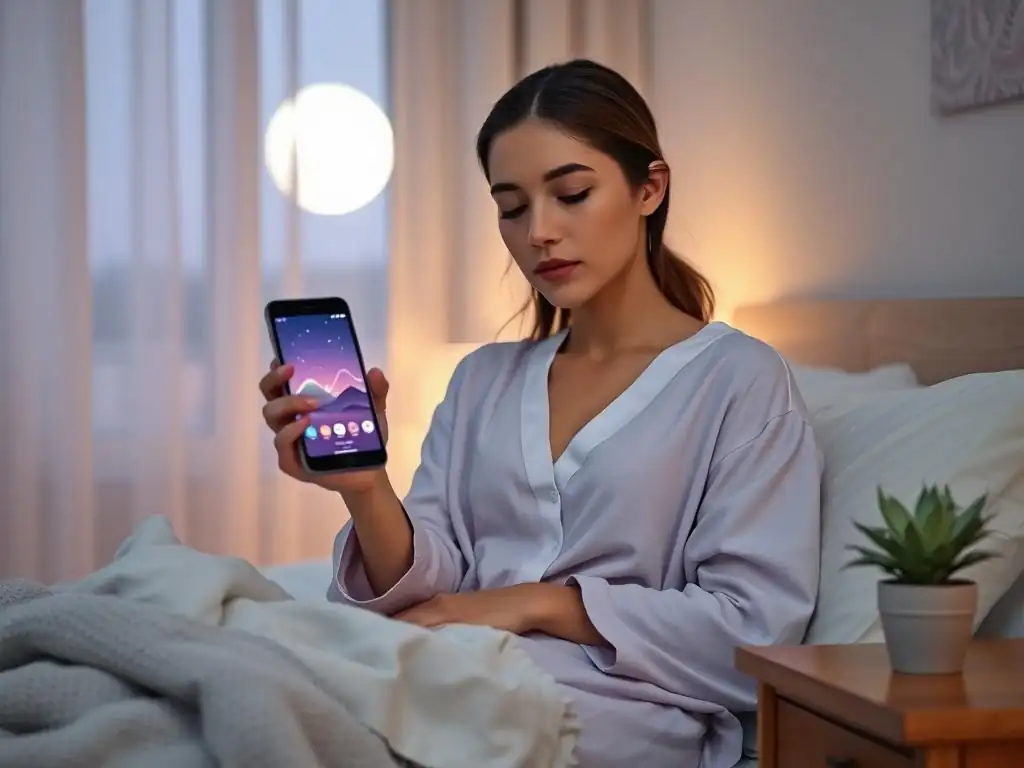
The relationship between sleep and anxiety is bidirectional: anxiety can disrupt sleep, and poor sleep can worsen anxiety. Recognizing this, many anxiety relief apps include features aimed at improving sleep hygiene and quality. These tools often include guided sleep meditations, soothing soundscapes (like nature sounds or white noise), bedtime stories designed to lull you to sleep, and even sleep tracking features.
By addressing sleep difficulties, these apps tackle a significant contributor to anxiety symptoms. Improving sleep can lead to reduced stress, better emotional regulation, and increased resilience during waking hours. Offering dedicated sleep support is a crucial aspect of comprehensive anxiety relief app features.
The Link Between Sleep and Anxiety
Chronic sleep deprivation or poor sleep quality can significantly impact mood and increase vulnerability to anxiety. Research shows that insufficient sleep can amplify the brain's response to negative stimuli and impair its ability to regulate emotions. People who are sleep-deprived are more likely to experience heightened worry, irritability, and difficulty coping with stress.
Conversely, feeling anxious or having a racing mind makes it hard to fall asleep or stay asleep, creating a vicious cycle. Anxiety about not being able to sleep (sleep performance anxiety) can itself be a major barrier to restful sleep. Apps that provide tools to relax the mind and body before bed directly address this cycle, helping users break free from sleep-related anxiety.
Apps Offering Sleep Stories, Soundscapes, and Sleep Tracking
Apps like Calm are particularly well-known for their extensive library of "Sleep Stories," narrated tales designed to help users drift off. They also offer a wide variety of soundscapes, from rain falling to ambient music. Headspace includes sleepcasts (meditation-like experiences for sleep) and sleep music. BetterSleep (formerly Relax Melodies) specializes in customizable sound mixes and guided sleep content. Some apps, or companion devices, also offer basic sleep tracking to help users understand their sleep patterns, though dedicated sleep trackers often provide more detailed data. These diverse offerings demonstrate the range of sleep-focused anxiety relief app features available.
Emergency Support and Crisis Resources
While anxiety apps are valuable tools for self-management and skill-building, it's vital that they also provide access to emergency support and crisis resources for users experiencing severe distress or suicidal thoughts. Responsible anxiety apps include clear and easily accessible links or information for crisis hotlines, emergency services, or suicide prevention lifelines relevant to the user's region.
This feature serves as a critical safety net, acknowledging that while apps can help with managing symptoms, they are not equipped to handle mental health emergencies. Providing immediate access to professional help during a crisis is arguably one of the most important, though hopefully least used, anxiety relief app features.
Features for Connecting with Crisis Hotlines or Support Groups
Ideally, an app should have a prominent section or button labeled "Crisis Help" or "Get Immediate Support." Clicking this should provide phone numbers for national or local crisis hotelines (e.g., the National Suicide Prevention Lifeline in the U.S., which can be reached by calling or texting 988), text-based crisis lines, and potentially information on how to contact emergency services (like 911). Some apps might also provide information on how to find local mental health services or support groups. While the app itself cannot provide the crisis intervention, facilitating quick access to resources that can is essential.
Gamified Relaxation Techniques
Some anxiety relief apps incorporate gamification elements to make practicing coping techniques more engaging and less like a chore. This can involve earning points or badges for completing meditation sessions, breathing exercises, or journaling entries. Other apps might feature mini-games designed to distract from anxious thoughts or promote relaxation through interactive experiences.
Gamification can be particularly appealing to younger users or those who find traditional self-help methods difficult to stick with. By turning practice into a game, apps can increase motivation and consistency, helping users build habits that support their mental well-being, adding an innovative dimension to anxiety relief app features.
Using Games and Challenges to Distract from Anxiety
Gamified features can provide a welcome distraction during moments of heightened anxiety. Simple games requiring focus or gentle interaction can redirect attention away from obsessive worries or physical symptoms of panic. For example, an app might have a game where you gently guide a character through a calming environment, or a challenge to practice deep breathing for a certain number of consecutive days to unlock a reward.
These features leverage the power of play to make anxiety management feel less clinical and more approachable. While not a replacement for deeper therapeutic work, gamified elements can be effective tools for immediate relief and sustained engagement with helpful practices.
Apps with Gamified Anxiety Relief
Examples of apps incorporating gamification include SuperBetter, which helps users build resilience by tackling challenges related to their mental health goals, framed as a game. Happify uses science-based activities and games to help users overcome negative thoughts and build positive habits. Some broader mental wellness apps might include simple point systems or progress trackers that function as light gamification to encourage continued use of their core anxiety relief app features.
Evaluating Anxiety Relief App Pricing Models
Free vs. Paid Anxiety Apps: What to Expect
Anxiety relief apps come in a variety of pricing models, broadly categorized as free or paid. Free apps can be a great starting point, often offering basic features like a limited selection of guided meditations, a simple breathing tool, or basic mood tracking. These can be useful for getting a feel for how an app works and whether digital tools are helpful for you. However, free versions typically have limitations, such as a smaller content library, lack of advanced features, or advertisements.
Paid apps, usually offered through subscriptions, unlock the full range of features, extensive content libraries, personalized programs, and an ad-free experience. While they require an investment, paid apps often provide a more comprehensive and consistent resource for managing anxiety. When considering paid options, it's crucial to evaluate if the expanded anxiety relief app features justify the cost for your specific needs.
Understanding Subscription Costs and Trial Periods
Most paid anxiety relief apps operate on a subscription model, typically offering monthly or annual plans. Monthly subscriptions provide flexibility but are generally more expensive in the long run, often ranging from approximately $10 to $15 per month. Annual subscriptions require a larger upfront payment but offer significant savings compared to the monthly rate, often bringing the effective monthly cost down to $5 to $10.
Many paid apps offer a free trial period, usually ranging from 7 to 14 days. Taking advantage of these trials is highly recommended. It allows you to explore the app's full suite of anxiety relief app features, assess the quality of the content, and determine if the user interface is right for you before committing financially. Remember to check the trial terms, as many automatically convert to a paid subscription unless canceled beforehand.
Beyond standard subscriptions, some apps employ in-app purchases. These might unlock specific content packs, advanced features, or remove ads without requiring a full subscription. While sometimes offering a cheaper way to access certain features, they can also lead to accumulating costs if you make multiple small purchases.
Be wary of apps that seem free but heavily rely on in-app purchases to unlock essential anxiety relief app features, effectively making the free version very limited. Always check the app's description and read user reviews to understand the true cost of accessing the features you need and to identify any potentially hidden costs. Transparency in pricing is a good sign of a trustworthy app.
Features to Consider When Comparing Prices
When comparing the price of different anxiety relief apps, don't just look at the dollar amount. Evaluate the value you receive for that price based on the features offered. Does the app provide a wide variety of guided meditations or just a few? Are the CBT tools interactive and comprehensive, or just basic information? Does it include sleep support, journaling, and breathing exercises, or only one or two core functions?
Consider which specific anxiety relief app features are most important to you and see which app bundles those features most effectively at a reasonable price. An app with a higher price might be more cost-effective if it provides all the tools you need in one place compared to using multiple free or cheaper apps that each only offer a few desired features.
Top Anxiety Relief Apps: A Feature Comparison

Calm: A Comprehensive App
Calm is one of the most popular mental wellness apps available, widely recognized for its focus on meditation, sleep, and relaxation. Its comprehensive suite of anxiety relief app features makes it a go-to choice for many.
Key Features
- Guided Meditations: Extensive library covering various topics, durations, and styles, including specific programs for anxiety. Features guided meditations led by renowned teachers and celebrity voices.
- Sleep Stories & Soundscapes: Large collection of bedtime stories and ambient sounds designed to aid sleep.
- Breathing Exercises: Simple, guided breathing tools for quick calm.
- Calm Music: Curated music tracks for focus, relaxation, or sleep.
- Masterclasses: Audio programs on mental wellness topics taught by experts.
Pricing
Calm offers a limited free version with basic meditations and breathing exercises. The full experience requires a subscription. A monthly subscription is typically around $14.99. An annual subscription offers significant savings, often priced around $69.99 per year (making it about $5.83/month). They also occasionally offer lifetime subscriptions at a higher one-time cost.
Headspace: App for Everyday Life
Headspace focuses on making mindfulness and meditation accessible for everyday life, with a friendly and simple interface. It offers structured courses and daily practices to help users manage stress and anxiety.
Key Features
- Guided Meditations: Structured courses (Packs) for beginners and specific topics like anxiety, stress, and focus. Includes daily meditations and single-session meditations.
- Sleepcasts & Sleep Music: Unique audio experiences designed to guide users to sleep.
- Mindful Movement: Guided exercises for physical well-being.
- Focus Music: Curated playlists to aid concentration.
- SOS Sessions: Quick meditations for moments of crisis or heightened anxiety.
Pricing
Headspace provides a limited free trial and a few free sessions. Full access to all anxiety relief app features and content requires a subscription. A monthly subscription is typically around $12.99. An annual subscription is usually priced around $69.99 per year (about $5.83/month). They also offer student and family plans.
Sanvello: App for Everyday Life
Sanvello is designed as a comprehensive tool for managing anxiety, depression, and stress, based on principles of CBT and mindfulness. It aims to provide tools for symptom tracking, skill-building, and peer support.
Key Features
- Guided Journeys: Multi-week programs based on CBT and mindfulness to learn coping skills.
- Cope Tools: Quick exercises for immediate relief, including guided meditations and breathing.
- Health Tracking: Detailed mood and health tracking to identify patterns.
- Guided Meditations: Library of meditation sessions.
- Community: Forums and discussions for peer support (note: interaction requires caution and is not a substitute for professional help).
Pricing
Sanvello offers a free version with limited access to basic tools and tracking. The premium version, unlocking all guided journeys, tools, and unlimited tracking, is available through subscription. Sanvello Premium is often covered by certain health plans, making it free for some users. For others, a monthly subscription is typically around $8.99, and an annual subscription is around $59.99 per year (about $5/month).
Wysa: An AI-Powered Chatbot
Wysa is an AI-based chatbot designed to provide immediate, anonymous support using techniques derived from CBT and DBT. It offers a conversational way to explore feelings and learn coping skills.
Key Features
- AI Chatbot: Available 24/7 for judgment-free conversations.
- Therapeutic Techniques: Guides users through exercises based on CBT, DBT, and mindfulness.
- Mood Tracking: Simple check-ins to track emotional state.
- Mindfulness & Meditation: Access to guided exercises.
- Optional Human Coaching: Users can pay extra for sessions with a licensed therapist or coach through the app.
Pricing
Wysa offers a robust free version providing access to the AI chatbot and a wide range of free tools and exercises. Access to premium tool packs and the option for human coaching sessions require payment. Wysa Premium is typically around $79.99 per year (about $6.67/month) or $9.99 per month. Human coaching sessions are an additional cost, varying based on the number of sessions purchased.
Insight Timer: Free Meditation App
Insight Timer stands out for offering a massive library of free guided meditations and talks from thousands of teachers. While not solely focused on anxiety, its extensive content includes ample resources for managing it.
Key Features
- Vast Free Library: Over 100,000 free guided meditations, talks, and music tracks. Includes content specifically tagged for anxiety, stress, and sleep.
- Meditation Timer: Customizable timer for unguided meditation.
- Community Features: Groups and discussions (use with discretion).
- Courses: Paid courses on various topics, including anxiety and mindfulness.
- Sleep Music & Soundscapes: Large selection of free and paid audio for sleep.
Pricing
Insight Timer is primarily free, offering an unparalleled amount of free content. They offer an optional paid subscription called Insight Timer Premium. Premium unlocks features like offline listening, advanced player options, and access to their paid courses. Premium is typically around $60 per year (about $5/month) or $9.99 per month. The core anxiety relief app features, primarily the guided meditations and timer, are available for free.
Choosing the Right Anxiety Relief App for Your Needs
Consider Your Specific Anxiety Triggers and Needs
When sifting through the numerous anxiety relief app features available, the most crucial step is to identify what you need help with. Do you experience sudden panic attacks that require immediate grounding techniques? Is your anxiety more about persistent worry and negative thought loops? Are sleep disturbances your main challenge? Or are you looking for tools to build long-term resilience?
An individual experiencing panic attacks might prioritize apps with quick, accessible breathing exercises and SOS features. Someone dealing with chronic worry might benefit more from apps offering in-depth CBT exercises and detailed journaling. List the specific challenges you face and the types of support you believe would be most helpful. This personal assessment will guide you towards the apps offering the most relevant anxiety relief app features for your situation.
Read User Reviews and Ratings
Once you've identified potential apps based on their feature descriptions, take time to read user reviews and ratings on app stores and reputable review websites. Pay attention to comments regarding the app's effectiveness, ease of use, reliability, and customer support. Look for patterns in feedback – are multiple users complaining about bugs, confusing navigation, or inaccurate billing?
User reviews can provide real-world insights that marketing descriptions might miss. They can highlight which anxiety relief app features are particularly effective for others or point out potential drawbacks. However, remember that individual experiences vary, so use reviews as a guide rather than the sole basis for your decision.
Take Advantage of Free Trials and Demo Versions
As mentioned earlier, most paid anxiety apps offer free trials, and many free apps offer a basic version with limited features. Utilize these options extensively. Download a few apps that seem promising based on your needs and the reviews. Spend time with each one, exploring the interface, trying out the core anxiety relief app features, and assessing the quality of the content (like the voice of meditation guides or the clarity of CBT exercises).
A free trial allows you to see if the app's style resonates with you and if you can realistically integrate its use into your daily routine. It's the best way to get a hands-on feel for the anxiety relief app features before committing to a subscription. Set a reminder to cancel before the trial ends if the app isn't the right fit.
Discuss Your Options with a Mental Health Professional.
If you are currently seeing a therapist, counselor, or psychiatrist, discuss your interest in using an anxiety relief app with them. They can provide valuable guidance based on their professional expertise and your specific mental health profile. A therapist might recommend apps that align with the therapeutic techniques you are already practicing in sessions, helping to reinforce your progress.
They can also help you understand how to best use an app as a supplementary tool, rather than a replacement for professional care. Your mental health provider can offer personalized recommendations for anxiety relief app features that are most likely to support your journey towards better mental well-being.
Frequently Asked Questions
What are the most important core features to look for in an anxiety relief app?
The most important features are those that provide immediate anxiety relief, such as guided meditations and breathing exercises. Look for apps that offer a variety of these techniques.
Should an anxiety relief app offer personalized content or a one-size-fits-all approach?
Personalized content is generally more effective. Apps that offer assessments to tailor recommendations to your specific needs and triggers are highly beneficial.
What role does tracking progress play in the effectiveness of an anxiety relief app?
Progress tracking helps you visualize your improvement and identify patterns. This feature provides valuable insights into what strategies work best for you.
How crucial is it for an anxiety relief app to have a user-friendly interface and design?
A user-friendly interface is critical. An app that is easy to navigate and understand will encourage consistent use and reduce potential frustration.
What pricing models are typically offered by anxiety relief apps, and what should I consider when choosing one?
Anxiety relief apps often use subscription models or offer in-app purchases. Consider the value provided for the price and whether a free trial is available.
Final Reflection: Finding Calm in the Digital Age
The search for effective anxiety relief is more prevalent than ever, and the digital landscape offers a plethora of tools, but discerning quality from gimmick requires careful consideration. The sheer number of anxiety relief apps available underscores the urgent need for informed choices. This article highlighted key features to look for, emphasizing the importance of evidence-based techniques, user-friendly interfaces, and transparent pricing models. Choosing wisely can significantly impact one's mental well-being.
The journey towards managing anxiety is deeply personal, and the role technology plays is constantly evolving. The impact of these apps extends beyond individual users; they contribute to a growing conversation around mental health, normalizing the need for support and fostering a sense of community. The greatest weapon against stress is our ability to choose one thought over another.
- William James. This quote resonates deeply, as choosing the right app can be a powerful first step in that choice, empowering individuals to actively manage their mental health.
Consider the features discussed within this article – from personalized exercises to progress tracking and professional guidance – and ask yourself: Which of these resonate most with your needs and preferences? Take the time to research, read reviews, and explore different options before committing. Remember, finding the right app is a journey, not a destination, and your mental well-being is worth the investment of time and effort. Take control of your mental health; the path to calm begins with informed choices.
Unlock Your Calm: Take Control of Your Anxiety Today!
Thanks for taking the time to learn about choosing the right anxiety relief app! We hope this guide gave you the clarity you need to find the perfect fit for your needs. Now, it's time to put this knowledge into action.
- Find your perfect app: Use the criteria outlined in the article to research and download an app that resonates with you. Don't be afraid to try a few! Many offer free trials.
- Share your experience: Let others in our Mind Care Guide community know which app you've chosen and why! Share your experience in the comments below – your insights could help someone else on their journey to calm.
- Track your progress: Set realistic goals for using your chosen app and monitor your progress. Notice how your mood and anxiety levels shift over time. This is key to finding what works best for you.
What unexpected benefit are you most excited to discover from using an anxiety relief app?