
Unproven Promises: Identifying Mental Health Apps Lacking EvidenceBased Effectiveness

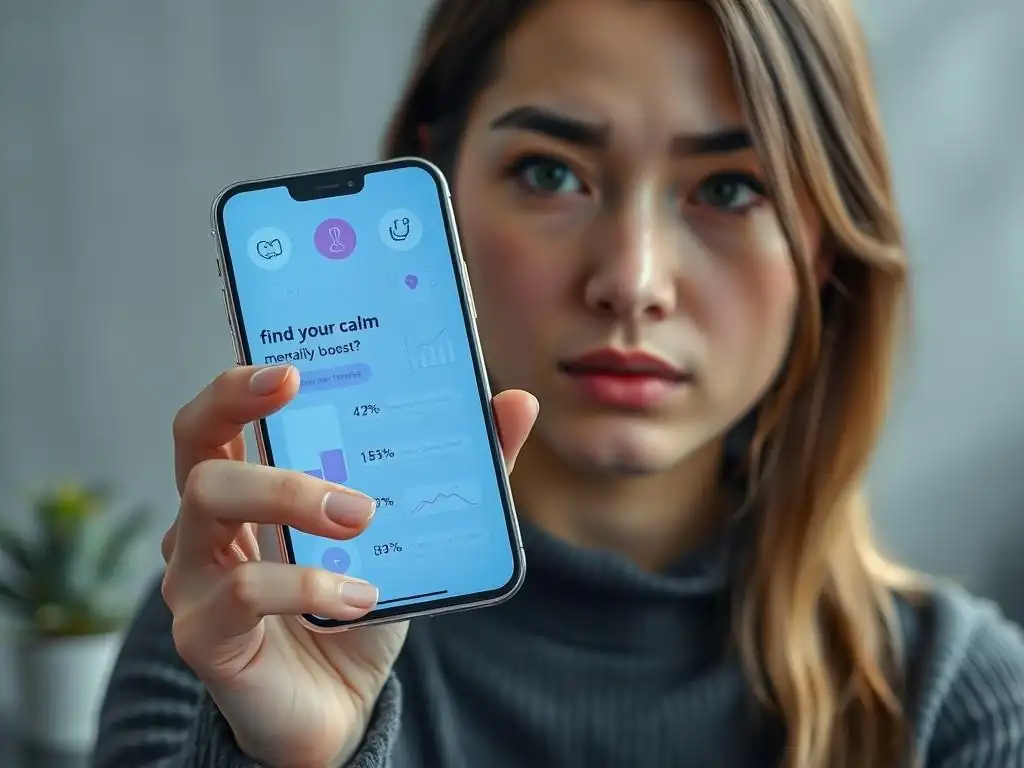
Welcome to Mind Care Guide, a space dedicated to nurturing your mental well-being.
Feeling overwhelmed by the sheer number of mental health apps available? You're not alone. Many promise instant relief, but lack the scientific backing to truly deliver. In our latest article, "Unproven Promises: Identifying Mental Health Apps Lacking Evidence-Based Effectiveness," we delve into the crucial topic of mental health app skepticism, offering practical guidance to help you navigate this complex landscape and make informed choices. Are these digital tools really helping, or just adding to the noise? Let's explore together.
- Unproven Promises: Identifying Mental Health Apps Lacking Evidence-Based Effectiveness
- Identifying Red Flags: Signs of Ineffective Mental Health Apps
- The Importance of Evidence-Based Mental Health Apps
- Navigating the Mental Health App Landscape: A User's Guide
- Alternatives to Unproven Mental Health Apps
- The Future of Mental Health Apps: Towards Greater Transparency and Accountability
- Conclusion: Exercising Caution and Prioritizing Evidence in Mental Health App Usage
-
Frequently Asked Questions
- What are the primary concerns surrounding mental health apps that lack evidence-based effectiveness?
- How can I identify mental health apps that may not be based on solid scientific evidence?
- Why is it important to approach mental health apps with a degree of skepticism?
- What alternative resources are available if I'm hesitant to use a mental health app due to skepticism?
- What should I do if I've used a mental health app and experienced negative or no beneficial effects?
- Final Reflection: The Urgent Need for Evidence-Based Mental Healthcare
- Unlock Your Informed Choice: Finding the Right Mental Health App
Unproven Promises: Identifying Mental Health Apps Lacking Evidence-Based Effectiveness
Understanding the Appeal of Digital Mental Healthcare
The digital landscape has rapidly expanded, bringing mental health support directly to our smartphones and computers. The appeal is undeniable: convenience, accessibility, and often, lower cost compared to traditional therapy. For many, downloading an app feels like an immediate step towards addressing their mental well-being, offering tools like mood trackers, guided meditations, journaling prompts, and coping exercises available 24/7.
This ease of access is particularly attractive for individuals facing barriers to traditional care, such as geographical distance, financial constraints, or stigma. The promise of discreet, on-demand support has fueled a massive growth in the mental health app market, estimated to be worth billions globally.
Furthermore, the COVID-19 pandemic significantly accelerated the adoption of digital mental health tools as in-person services became less accessible. People sought alternative ways to manage stress, anxiety, and isolation, leading to a surge in downloads and usage of mental health apps.
This increased reliance highlighted the potential of technology to support mental wellness, but also brought to the forefront the vast variation in the quality and effectiveness of available options. While some apps are rooted in established therapeutic principles, others offer little more than superficial features, raising important questions about their actual benefit and fostering a healthy skepticism regarding mental health apps.
The Need for Mental Health App Skepticism: A Critical Overview
While the potential benefits of mental health apps are clear, the sheer volume and variety available make navigating this digital space challenging. The market is largely unregulated, meaning apps can make claims about improving mental health without necessarily proving their efficacy through rigorous scientific study. This lack of oversight necessitates a degree of mental health app skepticism from users. It's crucial to approach these tools with a critical eye, understanding that not all apps are created equal, and some may offer unproven or even misleading promises.
Developing a healthy skepticism regarding mental health apps helps users distinguish between tools that are genuinely helpful and those that might be ineffective, or worse, potentially harmful. Without proper validation, apps might provide generic advice, inaccurate information, or collect sensitive personal data without adequate protection. This critical overview is essential for empowering individuals to make informed decisions about which digital tools they incorporate into their mental healthcare journey, ensuring they prioritize evidence-based solutions over unverified claims.
Identifying Red Flags: Signs of Ineffective Mental Health Apps
Lack of Scientific Validation: A Key Concern
One of the most significant red flags for ineffective mental health apps is a demonstrable lack of scientific validation. This means the app's claims of effectiveness are not supported by published research, clinical trials, or alignment with established therapeutic modalities like Cognitive Behavioral Therapy (CBT), Dialectical Behavior Therapy (DBT), or mindfulness-based stress reduction (MBSR) that have been proven through decades of study. Many apps enter the market based on promising concepts but never undergo the rigorous testing required to confirm they actually help users improve their mental health outcomes.
Consider the thousands of mental health apps available across various platforms. Reports and analyses suggest that only a small fraction, perhaps less than 10% by some estimates focusing on specific conditions, have published research demonstrating their effectiveness in peer-reviewed journals. This vast gap highlights a critical challenge: users are often left to guess whether an app is based on sound psychological principles or simply well-marketed ideas. A lack of transparency about the app's theoretical basis or any research supporting its claims should immediately raise concerns and fuel mental health app skepticism.
Overstated Claims and Unrealistic Promises in Mental Health App Marketing
Another major warning sign is marketing that features overstated claims and unrealistic promises. Be wary of apps that guarantee rapid cures for complex conditions like severe depression, bipolar disorder, or PTSD, or claim to be a complete replacement for professional therapy or medication. Phrases like "Eliminate anxiety in 7 days!" or "Cure your depression instantly!" are highly suspect and indicative of an app that is likely not based on evidence-based practices, as mental health recovery is typically a nuanced, non-linear process that varies greatly from person to person.
Aggressive or sensational marketing language often prioritizes attracting users over providing genuine, responsible care. While marketing needs to be compelling, ethical mental health resources, digital or otherwise, tend to be more measured in their claims, focusing on support, skill-building, and symptom management rather than instant fixes. Encountering marketing materials filled with hyperbole should increase your mental health app skepticism and prompt further investigation into the app's credibility and scientific backing.
Absence of Qualified Mental Health Professionals Involvement
A significant concern when evaluating mental health apps is the degree to which qualified mental health professionals were involved in their development. Apps created solely by tech developers, without input from licensed psychologists, psychiatrists, clinical social workers, or counselors, may lack the clinical insight necessary to provide safe and effective support. Professional expertise is crucial for ensuring that the content is clinically sound, appropriate for the target audience, and aligns with best practices in mental healthcare.
Look for information about the app's development team or advisory board. Do they list mental health professionals with relevant credentials and experience? An app that is vague about who developed the therapeutic content, or seems to have been built primarily by engineers without clinical oversight, is a cause for concern. The absence of professional guidance increases the risk that the app's tools and information may be ineffective, misleading, or even potentially harmful if not properly designed and implemented from a clinical perspective.
Generic Content and Lack of Personalized Care

Many ineffective mental health apps offer generic content that is not tailored to the individual user's specific needs, symptoms, or circumstances. While basic tools like guided meditation or journaling prompts can be broadly beneficial, apps that don't offer any form of personalization based on user input, mood patterns, or specific challenges may provide limited value. Mental health is deeply personal, and effective support often requires a nuanced approach that addresses the individual's unique context.
Apps that simply provide a library of pre-recorded content without any interactive elements, personalized feedback, or adaptive pathways based on how the user is responding are often less effective than those that offer a more dynamic experience. For instance, an app that provides the same coping strategy for everyone, regardless of whether they are dealing with anxiety, depression, or stress, is likely offering superficial support. This lack of personalized care is a red flag, suggesting the app may not be equipped to address the complexities of individual mental health struggles.
Poor Data Privacy and Security Practices: A Risk to Consider
In the digital age, data privacy and security are paramount, especially concerning sensitive health information. Mental health apps often collect highly personal data, including mood logs, journal entries, location data, and even biometric information. Apps with poor or unclear privacy policies, or those that lack robust security measures, pose a significant risk to user confidentiality. Understanding how your data is collected, stored, used, and potentially shared is critical, and a lack of transparency or inadequate protection should be a major red flag.
Reports have highlighted instances where mental health apps have been found to share user data with third parties, including advertising companies or data brokers, often without explicit and informed consent. A privacy policy that is difficult to find, understand, or that indicates extensive data sharing practices should fuel considerable mental health app skepticism. Prioritizing apps that clearly outline their data handling practices, encrypt sensitive information, and commit to not selling or sharing personal health data without user permission is essential for protecting your privacy while seeking digital support.
The Importance of Evidence-Based Mental Health Apps
Defining Evidence-Based Practices in Digital Mental Healthcare
Evidence-based practice in digital mental healthcare refers to the use of technologies and interventions whose effectiveness has been demonstrated through rigorous scientific research, typically involving clinical trials. It means that the content, tools, and therapeutic approaches offered by an app are not just based on good intentions or appealing concepts, but are grounded in established psychological principles and have been shown to produce positive outcomes for users dealing with specific mental health conditions or challenges.
This approach aligns digital tools with the standards expected of traditional mental health treatments. It requires apps to demonstrate that they can help reduce symptoms of anxiety or depression, improve coping skills, promote well-being, or achieve other stated goals in a measurable and reliable way. Apps claiming to be evidence-based should be able to point to studies, research papers, or clinical evaluations that support their claims, providing a level of assurance about their potential benefit and helping to alleviate mental health app skepticism.
The Role of Clinical Trials and Research in App Validation
Clinical trials and research play a critical role in validating the effectiveness of mental health apps. Just as new medications or therapeutic techniques undergo rigorous testing before widespread use, digital interventions should ideally be subjected to similar scrutiny. Clinical trials can evaluate whether an app leads to statistically significant improvements in symptoms compared to a control group, a placebo, or even traditional treatment. This research helps to determine which apps are truly effective and for whom they work best.
While not every mental health app undergoes large-scale randomized controlled trials (the gold standard in medical research), look for apps that have at least been evaluated in smaller studies, pilot programs, or usability tests conducted by researchers or clinical institutions. The willingness of an app developer to subject their product to scientific review and publish the findings is a strong indicator of credibility and a commitment to evidence-based care, contrasting sharply with the unproven promises that fuel mental health app skepticism.
Exploring Apps with Proven Effectiveness for Specific Mental Health Conditions
Fortunately, research is growing, and there are apps emerging that show promise or have demonstrated effectiveness for specific mental health conditions. For example, some apps designed to deliver components of CBT have shown positive results in managing symptoms of mild to moderate anxiety and depression. Apps incorporating mindfulness and meditation techniques have been found helpful for stress reduction and improving emotional regulation in various populations.
When seeking an app, try to find those that are specifically designed for your needs (e.g., an app for insomnia based on CBT-I principles, or an app for panic attacks using exposure techniques) and look for any information about studies or evaluations related to that specific condition. While the landscape is still evolving, identifying apps that are transparent about their research backing and target specific, well-defined outcomes is a key step in navigating the market with informed mental health app skepticism.
Checking for Scientific Backing: Where to Find Reliable Information
When exploring mental health apps, make it a priority to look for evidence of scientific backing. Start by checking the app's description on the app store, the developer's website, or any associated professional resources. Look for sections that mention "research," "studies," "clinical trials," or "evidence-based." Legitimate apps will often highlight their connection to academic institutions, research labs, or published papers.
If information is not readily available, search academic databases (like PubMed or Google Scholar) for studies mentioning the app's name or the developer. While this can be challenging, some non-profit organizations or government health bodies occasionally review and list mental health apps that meet certain criteria for evidence. Be wary if you find no mention of research or evidence anywhere; this absence should heighten your mental health app skepticism.
Reading User Reviews with a Critical Eye
User reviews can offer insights into an app's usability and user experience, but they should be read with a critical eye, especially when evaluating effectiveness. While positive reviews about ease of use or specific features can be helpful, testimonials about miraculous cures or immediate relief should be viewed with caution. Individual experiences vary widely, and a single person's positive outcome doesn't constitute scientific proof of effectiveness for a broader population.
Be mindful that app store reviews can sometimes be manipulated or may reflect user satisfaction with features rather than clinical improvement. Look for reviews that provide specific details about how the app was used and what changes, if any, the user experienced over a period of time. Combining insights from reviews with information about the app's scientific basis provides a more balanced perspective and informs your mental health app skepticism.
Consulting with Mental Health Professionals Before Using an App
Perhaps the most important step in navigating the mental health app landscape is consulting with a qualified mental health professional before relying on an app for support, especially if you have a diagnosed condition or significant symptoms. Therapists, counselors, or psychiatrists can provide personalized recommendations based on your specific needs and medical history. They are also aware of which apps, if any, are considered reputable and potentially helpful as a supplement to traditional care.
Think of an app as a tool that might complement professional treatment, not replace it. Discussing your interest in using an app with your therapist allows them to guide you towards appropriate resources and integrate the app's use into your overall treatment plan. Their professional perspective is invaluable in determining whether a particular app is suitable for you and helps mitigate the risks associated with unproven digital tools, reinforcing responsible mental health app skepticism.
Understanding Data Privacy Policies: Protecting Your Information
Before downloading and using any mental health app, take the time to locate and read its privacy policy. This document should clearly explain what data the app collects, how it is stored, who has access to it, and under what circumstances it might be shared. Look for policies that explicitly state data is encrypted, anonymized where possible, and will not be sold to third parties for marketing purposes without your express consent.
- [ ] Check if the policy is easy to find and understand.
- [ ] Look for details on data encryption and storage location.
- [ ] Verify if they share data with third parties and for what purpose.
- [ ] Understand your rights regarding data access and deletion.
If the privacy policy is vague, difficult to access, or raises concerns about how your sensitive mental health data will be handled, it's a strong indicator to exercise caution and potentially look for an alternative. Protecting your privacy is a critical component of safe mental healthcare, digital or otherwise, and understanding these policies is vital when approaching mental health apps with skepticism.
Alternatives to Unproven Mental Health Apps
Traditional Therapy and Counseling Options
While mental health apps offer convenience, traditional therapy and counseling with licensed professionals remain a cornerstone of effective mental healthcare. In-person or telehealth sessions provide personalized support, therapeutic relationships, and interventions tailored to your unique situation, something that generic apps often cannot replicate. Therapists are trained to diagnose conditions, develop comprehensive treatment plans, and provide evidence-based strategies that adapt as your needs change.
For many individuals, especially those with moderate to severe mental health conditions, traditional therapy is not just an alternative but a necessary component of recovery. It offers a depth of interaction, emotional support, and clinical expertise that goes beyond the capabilities of even the most sophisticated app. Exploring local mental health services, community clinics, or private practices can provide access to these proven forms of support.
Online Therapy Platforms with Licensed Professionals
For those seeking the convenience of digital access combined with professional expertise, online therapy platforms connecting users with licensed therapists via video, phone, or text can be a valuable alternative to unproven mental health apps. These platforms facilitate real therapy sessions with qualified professionals who can provide personalized treatment, diagnosis, and ongoing support.
Unlike apps that offer pre-programmed content, online therapy involves direct interaction with a human expert who can build a therapeutic relationship, understand complex issues, and provide tailored interventions. While requiring more commitment than simply downloading an app, these platforms offer a hybrid approach, blending the accessibility of digital technology with the clinical efficacy of professional therapy, representing a more robust option for those seeking digital support beyond basic wellness tools.
Self-Help Resources Based on Cognitive Behavioral Therapy (CBT) and other proven methodologies.
Many high-quality self-help resources are available that are based on established, evidence-based methodologies like Cognitive Behavioral Therapy (CBT), Dialectical Behavior Therapy (DBT), and mindfulness. These resources can include workbooks, guided journals, reputable websites (from universities or health organizations), and books written by mental health experts. While not interactive in the way an app might be, they offer structured programs and exercises proven to help manage symptoms of anxiety, depression, and other conditions.
These self-help resources provide the principles and techniques of effective therapies in an accessible format, allowing individuals to learn and practice skills at their own pace. When choosing self-help materials, look for those authored by licensed professionals or associated with reputable institutions. Integrating these proven methods into your routine can be a powerful way to support your mental well-being, offering a reliable alternative to apps whose effectiveness is unverified and requires significant mental health app skepticism.
The Future of Mental Health Apps: Towards Greater Transparency and Accountability
The Role of Regulatory Bodies in Ensuring App Safety and Efficacy
The future of mental health apps likely hinges on increased oversight and the involvement of regulatory bodies. Currently, the level of regulation specifically for mental health and wellness apps varies significantly by region and is often less stringent than for medical devices or pharmaceuticals. Greater involvement from bodies like the FDA in the United States or similar health authorities in other countries could help establish standards for clinical validation, data security, and marketing claims.
Implementing clearer guidelines and review processes could help distinguish between truly effective digital therapeutics and wellness apps with limited clinical benefit. This would provide consumers with more confidence in the apps they choose and push developers towards rigorous testing and transparency. Regulatory clarity is essential for building trust in the digital mental health space and reducing the need for users to rely solely on their own mental health app skepticism.
Promoting Research and Development of Evidence-Based Digital Mental Health Tools
Continued investment in research and development is crucial for advancing the field of evidence-based digital mental health tools. This includes funding studies that evaluate the effectiveness of existing apps, developing new digital interventions based on the latest psychological research, and exploring how technology can be best integrated into existing mental healthcare systems. Collaboration between app developers, researchers, clinicians, and users is key to creating tools that are both effective and user-friendly.
Encouraging academic institutions and clinical practices to partner with app developers can help ensure that new apps are designed from the ground up with clinical efficacy and safety in mind. Promoting open science and the publication of research findings, whether positive or negative, fosters transparency and allows the field to learn and grow. This focus on evidence will ultimately lead to a landscape where proven apps are the norm, diminishing the need for excessive mental health app skepticism.
Empowering Users to Make Informed Decisions About Their Mental Healthcare
Ultimately, empowering users with the knowledge and resources to make informed decisions is paramount. This involves educating the public about what constitutes evidence-based mental healthcare, how to critically evaluate digital tools, and where to find reliable information about mental health apps. Providing clear guidance on recognizing red flags, understanding data privacy, and knowing when to seek professional help is essential for safe and effective use of technology in mental wellness.
Resources such as guides from reputable health organizations, checklists for evaluating apps, and public awareness campaigns can help users navigate the complex app market. By fostering a culture of informed mental health app skepticism, users can become better advocates for their own health, choosing tools that are not only convenient but also safe, effective, and aligned with established standards of care.
Conclusion: Exercising Caution and Prioritizing Evidence in Mental Health App Usage
The proliferation of mental health apps offers exciting possibilities for expanding access to support and tools for well-being. However, the largely unregulated nature of the market means that users must approach these tools with a healthy dose of mental health app skepticism. Identifying apps that lack scientific validation, make exaggerated claims, omit professional involvement, offer generic content, or have questionable data privacy practices is crucial for avoiding potentially ineffective or harmful resources.
Prioritizing apps that are transparent about their development, grounded in evidence-based practices, and respect user data is essential. While technology holds great promise, it is not a substitute for professional care when needed. By exercising caution, seeking out evidence, and consulting with qualified professionals, individuals can navigate the digital mental health landscape more safely and effectively, ensuring that the tools they choose genuinely support their journey towards better mental well-being.
Frequently Asked Questions
What are the primary concerns surrounding mental health apps that lack evidence-based effectiveness?
The main concerns revolve around the potential for ineffective treatment, misleading information, and the erosion of trust in legitimate mental health resources.
How can I identify mental health apps that may not be based on solid scientific evidence?
Look for apps that make unrealistic promises, lack transparency about their methodology, and don't cite peer-reviewed research to support their claims.
Why is it important to approach mental health apps with a degree of skepticism?
Skepticism is crucial because many apps haven't been rigorously tested and might not deliver the promised benefits. Relying on unproven apps could delay or prevent you from seeking appropriate professional help.
What alternative resources are available if I'm hesitant to use a mental health app due to skepticism?
Consider exploring therapy with a licensed professional, joining support groups, or utilizing evidence-based online resources provided by reputable organizations like the National Institute of Mental Health.
What should I do if I've used a mental health app and experienced negative or no beneficial effects?
Discontinue use immediately. Consult with a mental health professional to discuss your experiences and explore alternative treatment options better suited to your needs.
Final Reflection: The Urgent Need for Evidence-Based Mental Healthcare
The proliferation of mental health apps promises accessible care, but a critical eye reveals a concerning lack of robust evidence supporting their effectiveness. This disparity between marketing claims and scientific validation poses a significant risk to vulnerable individuals seeking relief from mental health challenges. We must demand more transparency and rigorous testing before entrusting our well-being to these increasingly prevalent digital tools.
The impact of this issue extends far beyond individual experiences; it shapes the very landscape of mental healthcare access and trust. The ease with which unproven apps can be marketed and consumed undermines the credibility of legitimate, evidence-based interventions. This creates a confusing and potentially harmful environment for those seeking help. The absence of evidence is not the evidence of absence,
but in the case of mental health apps, the lack of rigorous studies is a serious cause for concern, potentially delaying or hindering access to effective treatment.
You, the reader, now hold the power to become a more informed consumer of mental health resources. Don't simply accept marketing claims at face value. Demand transparency regarding the research backing any app you consider using. By actively seeking out evidence-based solutions and advocating for greater regulation in this rapidly expanding field, you can contribute to a future where mental healthcare is both accessible and effective. Let's work together to ensure that technology serves, rather than jeopardizes, the well-being of those struggling with mental health challenges.
Unlock Your Informed Choice: Finding the Right Mental Health App
Thanks for taking the time to learn about the crucial importance of evidence-based mental health apps! You've now armed yourself with knowledge to make smarter choices about your mental wellbeing. Let's put that knowledge into action:
- Prioritize apps with clear research backing: Before downloading, always check for studies and clinical trials supporting the app's claims. Don't settle for hype!
- Share this article with someone you care about: Help them navigate the world of mental health apps with the same informed perspective you now possess.
- Explore reputable sources for app reviews: Look beyond basic app store ratings and seek out independent analyses focusing on scientific evidence.
Now, what specific factors will you prioritize when choosing a mental health app moving forward? Share your thoughts below!