
Planning for Tomorrow: Emergency Preparedness Resources for Caregivers

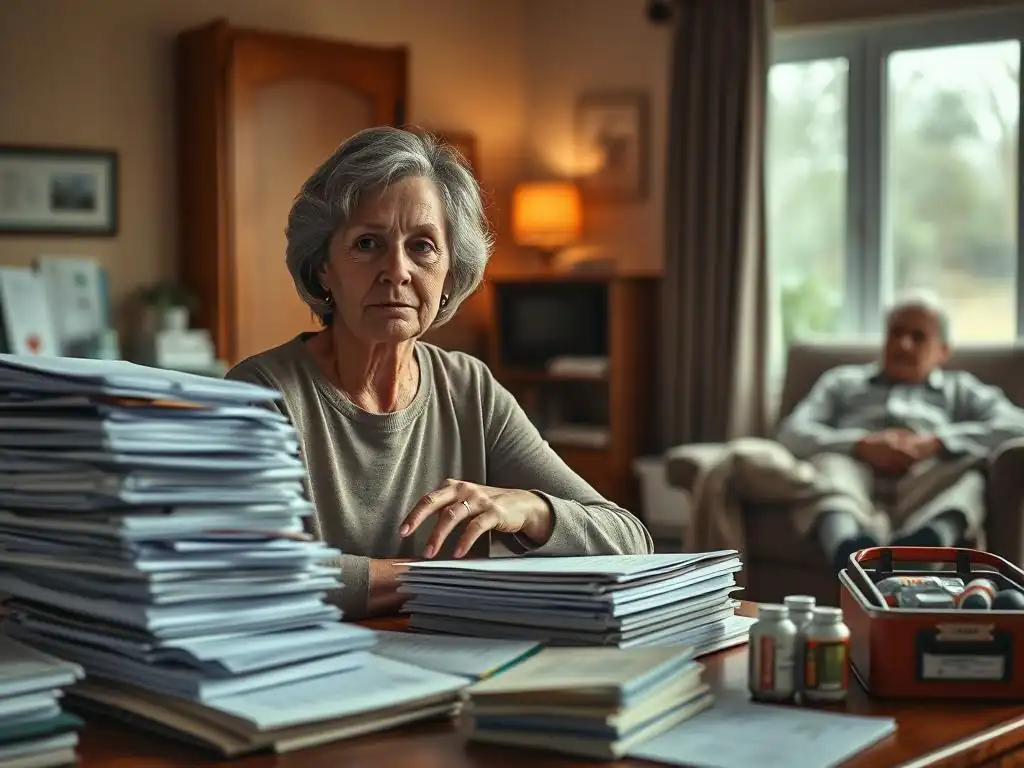
Welcome to Mind Care Guide, a space dedicated to nurturing your mental well-being. Are you a caregiver juggling countless responsibilities and sometimes feeling overwhelmed? You're not alone. In this article, we delve into critical caregiver emergency preparedness resources that can help you navigate unexpected situations with confidence. Discover practical tools and strategies to protect both yourself and your loved one, ensuring peace of mind even in challenging circumstances. Intrigued? Let's explore how you can plan for tomorrow, starting today...
Planning for Tomorrow: Emergency Preparedness Resources for Caregivers
- The Importance of Caregiver Emergency Preparedness
-
Building Your Caregiver Emergency Preparedness Plan: A Step-by-Step Guide
- Step 1: Assessing Your Care Recipient's Needs in an Emergency
- Step 2: Creating a Personal Support Network for Caregivers
- Step 3: Assembling Essential Emergency Supplies for Caregivers & Care Recipients
- Step 4: Developing an Emergency Communication Plan
- Step 5: Planning for Evacuation and Shelter-in-Place Scenarios
- Key Caregiver Emergency Preparedness Resources
- Maintaining and Updating Your Caregiver Emergency Plan
- Addressing Common Concerns and Challenges in Caregiver Emergency Preparedness
- Caregiver Emergency Preparedness: Peace of Mind for You and Your Loved One
-
Frequently Asked Questions
- What are some essential Caregiver emergency preparedness resources I should have?
- Why is emergency preparedness particularly important for caregivers?
- Where can I find reliable Caregiver emergency preparedness resources?
- What types of emergencies should Caregiver emergency preparedness resources address?
- How often should I review and update my Caregiver emergency preparedness plan?
- Final Reflection: Securing Tomorrow, Empowering Today's Caregivers
- Unlock Peace of Mind: Take Charge of Your Caregiving Preparedness
The Importance of Caregiver Emergency Preparedness
Being a caregiver is a deeply rewarding but often challenging role, requiring immense dedication and foresight. While daily routines occupy much attention, preparing for the unexpected—be it a natural disaster, a power outage, or a personal emergency—is a critical aspect of ensuring the safety and well-being of both the caregiver and the person they support. Effective caregiver emergency preparedness resources are not just about reacting to a crisis; they are about proactive planning that builds resilience and provides peace of mind. Understanding the unique vulnerabilities of care recipients during emergencies is the first step in developing a robust plan.
Unexpected events can disrupt essential services, limit mobility, and complicate access to necessary medical care or supplies. For individuals with chronic health conditions, disabilities, or cognitive impairments, these disruptions can be particularly dangerous. A caregiver's ability to navigate such a situation depends heavily on prior planning and having readily available caregiver emergency preparedness resources. This preparation minimizes panic, ensures critical needs are met, and allows the caregiver to focus on providing calm, effective support when it's needed most.
Understanding the Unique Challenges of Caregiving During Emergencies
Caring for someone with specific medical needs or limited mobility presents distinct challenges during an emergency. For instance, a power outage might disable essential medical equipment like oxygen concentrators or feeding pumps. Evacuation routes might be inaccessible for someone using a wheelchair, or communication breakdowns could leave a caregiver unable to contact essential support or emergency services. These scenarios highlight why standard emergency plans often need significant adaptation when caring for a vulnerable individual.
Furthermore, many care recipients rely on strict medication schedules, specialized diets, or require assistance with personal care. An emergency can disrupt access to pharmacies, grocery stores, or even clean water, making these daily needs complex to manage. A comprehensive approach to caregiver emergency preparedness resources must account for these specific dependencies, ensuring that backups are in place and that the caregiver knows exactly how to address these challenges under duress.
Why Caregiver Emergency Planning is Crucial for Well-being
Beyond the immediate safety of the care recipient, robust caregiver emergency preparedness resources are vital for the caregiver's own well-being. The stress of an emergency is compounded when one feels unprepared, leading to increased anxiety, burnout, and potentially impacting the ability to provide effective care. Having a detailed plan, emergency supplies, and a support network reduces uncertainty and empowers the caregiver.
Knowing that steps have been taken to mitigate risks provides a significant psychological buffer. It shifts the focus from potential catastrophe to practical action. A 2022 AARP study, for example, found that approximately 60% of caregivers reported feeling unprepared for emergencies. This statistic underscores the widespread need for accessible caregiver emergency preparedness resources and highlights the potential for reducing caregiver stress through proactive planning. Being prepared allows caregivers to face challenging situations with greater confidence and control.
Building Your Caregiver Emergency Preparedness Plan: A Step-by-Step Guide
Developing a comprehensive emergency plan for a caregiving situation might seem daunting, but breaking it down into manageable steps makes the process achievable. This guide outlines the key stages involved in creating a robust plan, incorporating essential caregiver emergency preparedness resources at each phase.
Step 1: Assessing Your Care Recipient's Needs in an Emergency
The foundation of any effective plan is a thorough understanding of the individual's specific needs during a crisis. This assessment goes beyond their daily routine and considers how those needs might change or become more critical in an emergency scenario.
Identifying Medical Conditions and Special Needs
Evaluating Mobility and Communication Abilities
Determining Medication Requirements and Storage
Begin by documenting all existing medical conditions, allergies, and ongoing treatments. Note any durable medical equipment used and its power requirements. Assess the care recipient's mobility level—can they walk independently, require assistance, or use a wheelchair? How do they communicate best, especially under stress or if their usual communication aids are unavailable? List all medications, including dosage, frequency, and prescribing doctor, and estimate how long your current supply would last if access to a pharmacy was cut off.
Consider any cognitive impairments or behavioral challenges that might arise during stressful situations. For example, someone with dementia might become disoriented or agitated during an evacuation. Planning for these possibilities, perhaps by having familiar items packed or knowing de-escalation techniques, is a crucial part of tailored caregiver emergency preparedness resources. Documenting these specific needs ensures that your plan is truly person-centered and addresses the most critical vulnerabilities.
Step 2: Creating a Personal Support Network for Caregivers
Caregiving can be isolating, but emergencies underscore the vital need for a support system. Identifying people who can assist you during a crisis is paramount.
Identifying Backup Caregivers and Contact Information
Developing a Communication Plan with Your Support Network
Regularly scheduled phone calls among network members to confirm availability and address concerns.
Reach out to family members, friends, neighbors, or other caregivers who might be willing and able to help in an emergency. Create a list of these potential backup caregivers, noting their availability, skills (e.g., medical knowledge), and most importantly, their contact information. Ensure they are familiar with your care recipient's basic needs and your emergency plan.
Establish a clear communication strategy with this network. This could involve designating a primary point person outside your immediate area who can coordinate efforts if local communication lines are down. Agree on how and when you will check in with each other during a crisis. Simple, practical measures like regularly scheduled phone calls among network members (perhaps weekly or monthly) can help confirm availability, address concerns, and reinforce the commitment to mutual support, strengthening your overall caregiver emergency preparedness resources.
Step 3: Assembling Essential Emergency Supplies for Caregivers & Care Recipients
Having a readily accessible kit of essential supplies is a cornerstone of caregiver emergency preparedness resources. This kit should be tailored to the specific needs identified in Step 1.
Creating a Caregiver Emergency Kit Checklist
Stockpiling Medications and Medical Supplies
Gathering Important Documents and Information
Start with the basics: water (one gallon per person per day for several days), non-perishable food (a 3-day supply minimum), flashlight, batteries, first aid kit, multi-tool, and sanitation items. Then, customize the kit for your caregiving situation. Include extra supplies of essential medications (work with your doctor or pharmacist to obtain an emergency supply, if possible), medical supplies like bandages, gloves, or specialized equipment batteries, and comfort items like blankets or favorite books.
Equally important are copies of vital documents: insurance cards, medical records, medication lists, power of attorney, identification, and a copy of your emergency plan. Store these documents securely in a waterproof, portable container. Consider keeping a smaller, grab-and-go version of this kit in a place easily accessible during a sudden evacuation. This comprehensive approach to emergency supplies is a key element of effective caregiver emergency preparedness resources.
Step 4: Developing an Emergency Communication Plan
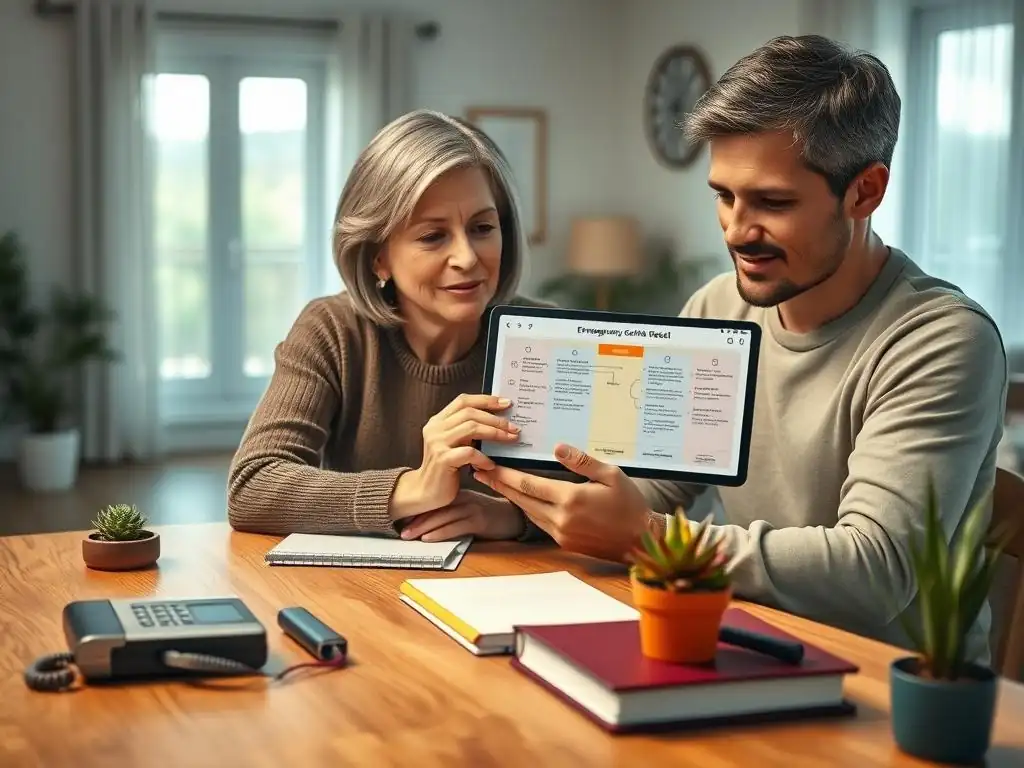
Clear and reliable communication during an emergency can be challenging but is absolutely essential for safety and coordination.
Establishing Communication Methods with Family and First Responders
Creating a List of Emergency Contacts
Ensuring Accessibility of Important Information
Identify multiple ways to communicate. Cell phones may work, but landlines or satellite phones might be necessary if cell towers are down. Designate an out-of-state contact person whom family members can check in with, as long-distance calls may go through more easily than local ones during a widespread emergency. Practice using text messages, which often work even when voice calls fail.
Compile a comprehensive list of emergency contacts, including family members, support network members, doctors, pharmacies, and local emergency services numbers (non-emergency lines too). Ensure this list is printed and kept in your emergency kit and shared with your support network. Making sure all important information, like medication lists and doctor contacts, is readily accessible to anyone who might need it (e.g., first responders) is a crucial part of your caregiver emergency preparedness resources.
Step 5: Planning for Evacuation and Shelter-in-Place Scenarios
Emergencies can require either leaving your home or staying put. Your plan needs to cover both possibilities.
Identifying Evacuation Routes and Safe Locations
Preparing for Shelter-in-Place Situations
Secure windows and doors, gather flashlights and a battery-powered radio, and designate a safe room.
Know your local evacuation routes and identify potential safe locations, such as shelters, friends' or family members' homes, or hotels outside the danger zone. Consider the accessibility needs of your care recipient when choosing a destination and planning transportation. Practice these routes if possible.
Prepare your home for a shelter-in-place scenario. This involves actions like securing windows and doors against severe weather, knowing how to turn off utilities if instructed, and having your emergency kit readily available. Designate a safe room in your home—an interior room with no windows—where you can gather if needed. Practicing both evacuation and shelter-in-place procedures helps ensure everyone knows what to do, enhancing the effectiveness of your caregiver emergency preparedness resources.
Key Caregiver Emergency Preparedness Resources
Fortunately, a wealth of information and support exists to help caregivers build their emergency plans. Tapping into these resources can provide guidance, specific tools, and even direct assistance.
Government Resources for Caregivers
Federal and state government agencies offer extensive guidance on emergency preparedness, often with specific considerations for individuals with disabilities and older adults.
FEMA: Emergency Preparedness Guides and Training
Department of Health and Human Services: Resources for Older Adults and People with Disabilities
State Emergency Management Agency (e.g., CalOES in California)
The Federal Emergency Management Agency (FEMA) provides comprehensive guides, checklists, and training materials through their Ready.gov initiative. These resources cover various types of emergencies and offer templates for family communication plans and emergency kits. They often have sections specifically addressing the needs of individuals with functional needs or disabilities.
The Department of Health and Human Services (HHS) offers resources tailored to older adults and people with disabilities, recognizing their unique health and support requirements during crises. State Emergency Management Agencies, such as the California Governor's Office of Emergency Services (CalOES), provide localized information, including specific regional risks, evacuation routes, and details about local shelters, many of which are designed to accommodate individuals with special needs. Leveraging these governmental caregiver emergency preparedness resources provides a solid foundation of reliable information.
Non-Profit Organizations Offering Caregiver Support
Numerous non-profit organizations provide invaluable support and specific caregiver emergency preparedness resources, often focusing on particular conditions or demographics.
The Alzheimer's Association: Emergency Preparedness for Alzheimer's Caregivers
The American Red Cross: Disaster Preparedness Resources
National Alliance for Caregiving
The Alzheimer's Association, for example, offers guidance specifically tailored for caregivers of individuals with Alzheimer's or dementia, addressing challenges like wandering or confusion during stressful events. Their resources include tips on creating identification systems and communicating with first responders about the person's condition.
The American Red Cross is a cornerstone of disaster relief and preparedness, offering extensive resources on building emergency kits, creating household plans, and finding shelter. They also provide training in first aid and CPR, essential skills for any caregiver. Organizations like the National Alliance for Caregiving advocate for and provide resources to caregivers across various conditions, often including emergency preparedness as part of their comprehensive support materials. These non-profit caregiver emergency preparedness resources fill crucial gaps and offer condition-specific advice.
Online Tools and Apps for Caregiver Emergency Planning
Technology offers convenient tools to help organize information and stay connected during a crisis.
Emergency Contact Apps
Medication Tracking Apps
First Aid and CPR Training Resources
Several mobile applications are designed to store and quickly share emergency contact information, medical details, and even your emergency plan with designated individuals. These apps can be invaluable if physical documents are lost or inaccessible.
Medication tracking apps can help caregivers manage complex medication schedules and keep a digital record of prescriptions, dosages, and pharmacy information, which is critical if refills are needed during an emergency. Furthermore, online platforms and apps offer access to digital versions of first aid and CPR training materials, allowing caregivers to refresh their knowledge or access quick reference guides during a crisis. Integrating these digital caregiver emergency preparedness resources can enhance the accessibility and organization of your plan.
Local Community Resources for Emergency Assistance
Your local community is a vital source of immediate assistance and tailored support during emergencies.
Local Fire Departments and Emergency Medical Services
Community Centers and Support Groups
Local Area Agency on Aging: (555) 123-4567, Senior Center: (555) 987-6543, Non-emergency Police Line: (555) 246-8082
Establish contact with your local fire departments and emergency medical services. Inform them that a vulnerable individual resides at your address, providing details about specific needs if they have a registry for such information. This can help first responders provide more effective assistance during an emergency.
Community centers and local support groups often serve as hubs for information and assistance during crises. They may organize volunteer efforts or provide access to temporary resources. Your Local Area Agency on Aging (often reachable via a general number like (555) 123-4567) or a Senior Center (e.g., (555) 987-6543) can connect you with local programs, transportation assistance, or information about accessible shelters. Knowing the non-emergency police line (like (555) 246-8082) is also useful for reporting non-life-threatening issues or seeking information. Utilizing these local caregiver emergency preparedness resources ensures you have immediate contacts and support networks in place.
Maintaining and Updating Your Caregiver Emergency Plan
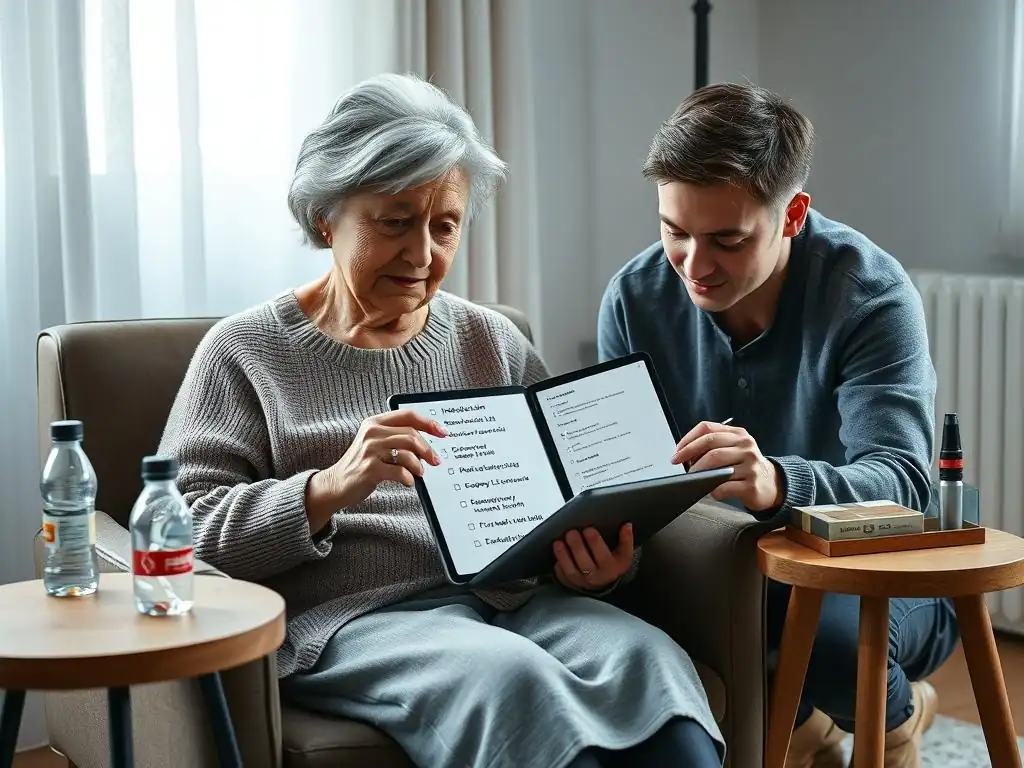
Creating a plan is the first step, but keeping it current is equally important. Needs change, contacts change, and supplies expire.
Regularly Reviewing and Practicing Your Emergency Plan
An emergency plan is not a static document; it's a living guide that requires periodic review and updates to remain effective. Life circumstances for both the caregiver and the care recipient can change significantly over time, impacting everything from medication needs to mobility status. Furthermore, the contact information for support network members or local resources might change.
Updating Contact Information and Medical Information
Replacing Expired Supplies and Medications
Review and update your plan at least twice a year, coinciding with daylight savings time changes.
Make it a habit to regularly review and update your plan at least twice a year, perhaps coinciding with daylight savings time changes as a convenient reminder. Check that all contact information is current and that your support network members' availability hasn't changed. Verify that medical information, including diagnoses, medications, and doctor contacts, is accurate.
Inspect your emergency kit, replacing expired supplies and medications, rotating food and water, and checking batteries. Practice key elements of the plan, such as a quick evacuation drill, to ensure everyone involved knows their role and feels comfortable with the procedures. This consistent maintenance is crucial for effective caregiver emergency preparedness resources.
Addressing Common Concerns and Challenges in Caregiver Emergency Preparedness
Planning for emergencies can bring up specific challenges, from reluctant care recipients to managing the caregiver's own stress. Addressing these proactively is part of a comprehensive approach.
Overcoming Resistance from Care Recipients
Sometimes, care recipients may resist discussing or participating in emergency planning, perhaps due to fear, a desire for independence, or not wanting to dwell on negative possibilities. This resistance can be a significant hurdle in developing a robust plan.
Managing Stress and Anxiety During Emergencies
Securing Financial Resources for Emergency Preparedness
Emphasize the plan ensures their safety and independence during difficult situations.
Approaching the conversation with empathy and focusing on the positive outcomes can help. Frame the planning process not as preparing for something terrible, but as taking steps to ensure their safety and independence during difficult situations. Involve them in the process as much as possible, giving them choices where appropriate, which can foster a sense of control. For example, they might choose which comfort items go in the emergency kit or decide on a preferred meeting place.
Caregivers also need to manage their own stress and anxiety related to potential emergencies. Practicing mindfulness, utilizing relaxation techniques, and leaning on your support network before a crisis occurs can build emotional resilience. Financially, securing necessary caregiver emergency preparedness resources might involve budgeting for emergency supplies or exploring assistance programs that help with disaster preparedness costs for vulnerable populations. Addressing these concerns head-on strengthens the overall preparedness effort.
Caregiver Emergency Preparedness: Peace of Mind for You and Your Loved One
Investing time and effort into caregiver emergency preparedness resources is one of the most valuable steps you can take to protect both yourself and the person you care for. It's an act of love and responsibility that builds a safety net for unpredictable times.
Prioritizing your own well-being during emergencies
Being prepared allows you to prioritize not only the needs of your care recipient but also your own well-being during emergencies. Knowing that critical supplies are stocked, communication methods are established, and a support network is in place frees up mental energy and reduces the paralyzing effects of panic. This allows you to think clearly and act decisively when it matters most.
The emotional benefits of being prepared
Start building your emergency plan today – your peace of mind is worth it.
The emotional benefits of being prepared are profound. It replaces anxiety with confidence and helplessness with empowerment. It acknowledges the inherent risks but focuses on mitigation and resilience. Don't wait for a crisis to begin planning. Start building your emergency plan today – your peace of mind is worth it. Utilize the available caregiver emergency preparedness resources to guide you through each step, ensuring that you and your loved one are as ready as possible for whatever tomorrow may bring.
Frequently Asked Questions
What are some essential Caregiver emergency preparedness resources I should have?
You'll need resources covering emergency contacts, medical information (medication lists and allergies), and a plan for evacuation or shelter-in-place situations.
Why is emergency preparedness particularly important for caregivers?
Caregivers are responsible for someone else's well-being, making planning for unforeseen events crucial to ensure both their safety and the safety of the person they care for.
Where can I find reliable Caregiver emergency preparedness resources?
Mind Care Guide offers a comprehensive section dedicated to caregiver support, including links to reputable organizations and downloadable checklists tailored to emergency situations.
What types of emergencies should Caregiver emergency preparedness resources address?
Plans should cover a wide range of scenarios, including natural disasters, medical emergencies, power outages, and sudden caregiver incapacitation.
How often should I review and update my Caregiver emergency preparedness plan?
Your plan should be reviewed and updated at least twice a year, or more frequently if there are changes in medical conditions, living arrangements, or available resources.
Final Reflection: Securing Tomorrow, Empowering Today's Caregivers
The fragility of life underscores the critical need for proactive emergency preparedness, especially for caregivers. A well-prepared caregiver isn't just protecting themselves; they're building a safety net for those under their care, ensuring continuity and minimizing disruption during unforeseen crises. This is not merely about checklists and supplies; it's about fostering resilience and safeguarding the well-being of vulnerable individuals.
The impact of effective emergency planning extends far beyond the immediate crisis. It fosters a sense of control and reduces anxiety, allowing caregivers to focus on providing the best possible care even amidst chaos. This peace of mind is invaluable. The best way to predict the future is to create it,
– Abraham Lincoln. This rings true for caregivers; by actively planning for emergencies, they are shaping a more secure future for themselves and those they care for. The ripple effect of preparedness extends to families, communities, and the overall societal resilience in the face of adversity.
Now, consider your own preparedness. What steps can you take today to enhance your emergency plan? Perhaps it's reviewing your emergency kit, establishing a communication strategy with loved ones, or simply taking a moment to identify potential vulnerabilities in your current caregiving routine. Don't wait for a crisis to strike; empower yourself with knowledge and action. Start building your resilience today, because the future of your caregiving journey depends on it.
Unlock Peace of Mind: Take Charge of Your Caregiving Preparedness
Thanks for investing your time in learning about emergency preparedness for caregivers. We hope you gained valuable insights into protecting yourself and those under your care. Now, let's translate that knowledge into action!
- Develop your personalized emergency plan: This is the most crucial step. Take some time today to outline your plan, including communication strategies, evacuation routes, and essential supply lists tailored to your specific needs.
- Share this vital information: Forward this article to fellow caregivers in your network. Collective preparedness strengthens our community and makes a real difference.
- Explore additional resources: Dive deeper into specialized guides and checklists available online – search for "caregiver emergency preparedness checklists" to find even more detailed advice.
Ready to build a safer, more secure future for you and your loved ones? What's one small step you can take today to enhance your emergency preparedness plan?