
Your Meditation Posture Perfected: Top Cushions & Chairs Reviewed

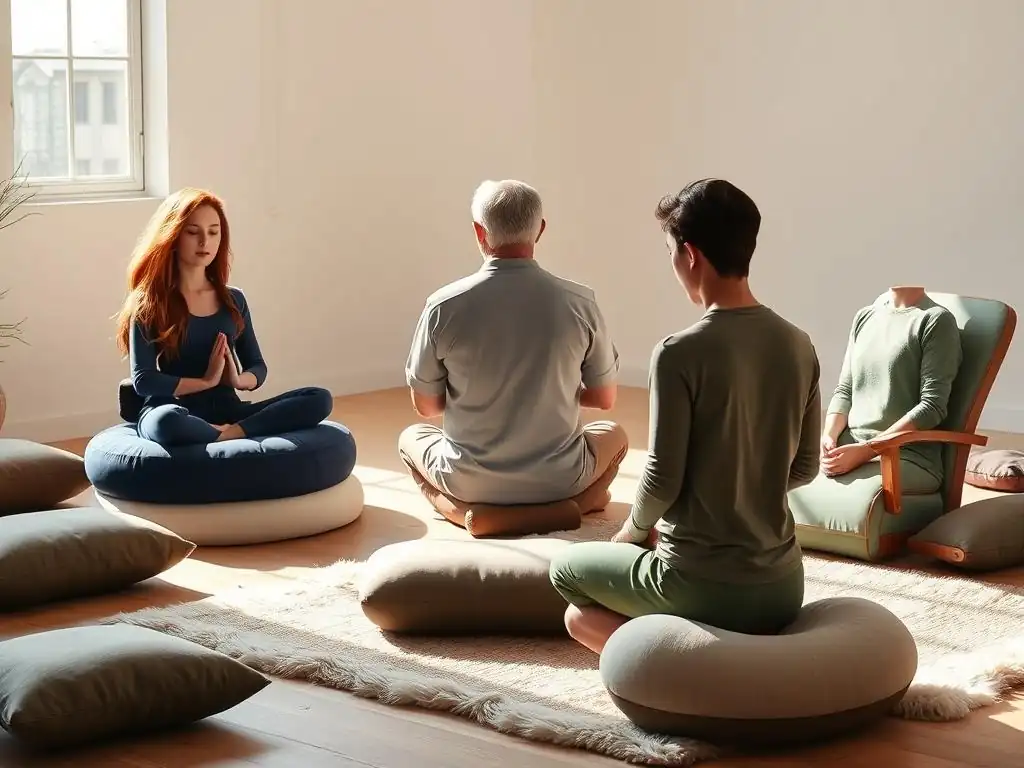
Welcome to Mind Care Guide, a space dedicated to nurturing your mental well-being.
Feeling uncomfortable during meditation? You're not alone. Many struggle to find the perfect posture. Discover how to finally achieve blissful stillness with our Meditation Posture Comfort Guide, where we explore top-rated cushions and chairs designed to transform your practice. Ready to unlock deeper relaxation and focus? Let's begin your journey to a more comfortable and rewarding meditation experience.
Your Meditation Posture Perfected: Top Cushions & Chairs Reviewed | Mind Care Guide
- Achieve Meditation Posture Comfort: An In-Depth Guide
- The Importance of Choosing the Right Meditation Cushion or Chair
- Top Meditation Cushions for Optimal Posture Comfort
- Best Meditation Chairs for Supported and Comfortable Seating
- Choosing the Right Meditation Cushion or Chair: A Personalized Approach
- Maintaining Your Meditation Cushion or Chair for Longevity
- Conclusion: Prioritizing Posture Comfort for a Deeper Meditation Practice
-
Frequently Asked Questions
- What are the key benefits of focusing on meditation posture comfort?
- How can the right meditation cushion or chair improve my practice?
- What are the different types of meditation cushions and chairs available?
- How do I choose the best meditation cushion or chair for my body type?
- Where can I find reliable reviews and recommendations for meditation posture aids?
- Final Reflection: Finding Your Perfect Posture for Inner Peace
- Unleash Your Inner Calm: Find Your Perfect Meditation Seat
Achieve Meditation Posture Comfort: An In-Depth Guide
Meditation is a powerful practice for calming the mind, reducing stress, and fostering a deeper connection with oneself. However, for many, the physical discomfort that arises from sitting still for extended periods can be a significant barrier. Achieving proper meditation posture comfort is not merely about avoiding pain; it's about creating a stable, relaxed foundation that allows the mind to settle without distraction from physical sensations. This guide serves as your comprehensive meditation posture comfort guide, exploring how the right support can transform your practice from a physical challenge into a truly enriching experience.
The body's alignment during meditation directly impacts the flow of energy and the ease with which you can maintain focus. A slumped back can restrict breathing, while pressure points on the knees or tailbone can become intensely distracting. By addressing these physical aspects with the right aids, you remove common obstacles to deeper states of awareness. This focus on meditation posture comfort ensures that your energy is directed towards introspection and presence, rather than constantly shifting to alleviate discomfort.
Why Proper Meditation Posture Matters for Mental Well-being
Proper meditation posture is intrinsically linked to mental well-being. When your spine is aligned, your chest is open, and your body feels stable, it facilitates deeper, more relaxed breathing. This physiological state sends signals to the brain that promote calm and reduce the stress response. Trying to meditate while hunched over or constantly fidgeting due to pain can inadvertently increase tension and frustration, counteracting the very benefits you seek from the practice.
Furthermore, maintaining a stable and upright posture cultivates a sense of dignity and presence, both physically and mentally. It reduces physical distractions, allowing you to focus more fully on your breath, a mantra, or simply observing your thoughts without judgment. Studies, like preliminary research presented at the Mindfulness in America conference in 2018, suggest that even minor postural adjustments can influence mood states and cognitive function, highlighting why optimizing your meditation posture comfort is a foundational step in enhancing your mental well-being journey.
Understanding the Link Between Posture, Comfort, and Effective Meditation
The connection between physical posture, comfort, and the effectiveness of your meditation practice is profound. A comfortable body allows for a stiller mind. If you are constantly adjusting your position, shifting weight, or battling pain in your hips, knees, or back, your attention is inevitably pulled away from the meditative object. This constant 'pinging' of physical signals makes it significantly harder to achieve a state of focused attention or relaxed awareness.
Consider the experience of someone who attempts to meditate on a hard floor without support. After just a few minutes, pressure builds on the tailbone, knees may ache, and the lower back begins to strain as the core muscles tire. This discomfort becomes the dominant experience, overshadowing any attempt at mindful awareness.
Conversely, sitting on a supportive cushion or chair that elevates the hips and aligns the spine allows the body to relax into the posture. This physical ease provides a stable base from which the mind can explore inner landscapes without the constant interruption of pain signals, thereby making your meditation practice far more effective and enjoyable.
The Importance of Choosing the Right Meditation Cushion or Chair
Selecting the appropriate meditation cushion or chair is a critical step in establishing a sustainable and comfortable practice. It's not simply about finding something to sit on; it's about finding a tool that specifically addresses your body's unique needs and supports your chosen meditation posture. The right aid can make the difference between a practice fraught with physical distraction and one that is grounded, comfortable, and conducive to deep inner work.
Investing time and effort into finding the perfect meditation support is an investment in the quality and consistency of your practice. Whether you prefer sitting cross-legged, kneeling, or require back support, there is a meditation aid designed to provide the necessary elevation, tilt, and cushioning. This personalized approach to meditation posture comfort ensures that your body is properly aligned and supported, allowing you to sit for longer durations without strain and delve deeper into your meditative state.
Beyond Comfort: How Support Impacts Your Meditation Practice
While comfort is a primary goal, the support offered by a meditation cushion or chair is equally, if not more, important. Proper support helps maintain the natural curve of the spine, elevates the hips above the knees (crucial for cross-legged positions to prevent hip and knee strain), and distributes weight evenly. This anatomical alignment reduces pressure on joints and muscles, preventing fatigue and discomfort that can cut a session short.
For example, a well-designed zafu cushion elevates the hips, allowing the knees to drop below the hips. This tilt forward of the pelvis helps the spine naturally align in an upright, yet relaxed, position. Without this support, many individuals struggle to keep their backs straight without tensing their muscles, leading to pain. The right meditation support provides a stable, non-fatiguing base, freeing your physical energy to be used for maintaining awareness and focus, thereby significantly enhancing the depth and duration of your meditation practice.
Investing in Your Mental Health: The Role of Meditation Aids
Choosing the right meditation cushion or chair should be viewed as an investment in your mental health. Just as you might invest in comfortable running shoes for physical fitness or ergonomic furniture for a productive workspace, investing in quality meditation aids is an investment in the health of your mind and spirit. These tools facilitate a practice known for its ability to reduce anxiety, improve focus, and cultivate emotional resilience.
While basic options exist, opting for a well-constructed, supportive meditation aid can make a tangible difference in your ability to commit to a regular practice. A comfortable and supportive setup removes a major barrier for many beginners and helps experienced meditators deepen their sessions. Considering the profound long-term benefits of consistent meditation on stress levels, mood regulation, and overall life satisfaction, the cost of a quality meditation cushion or chair represents a valuable investment in your overall well-being and your journey towards achieving optimal meditation posture comfort.
Top Meditation Cushions for Optimal Posture Comfort
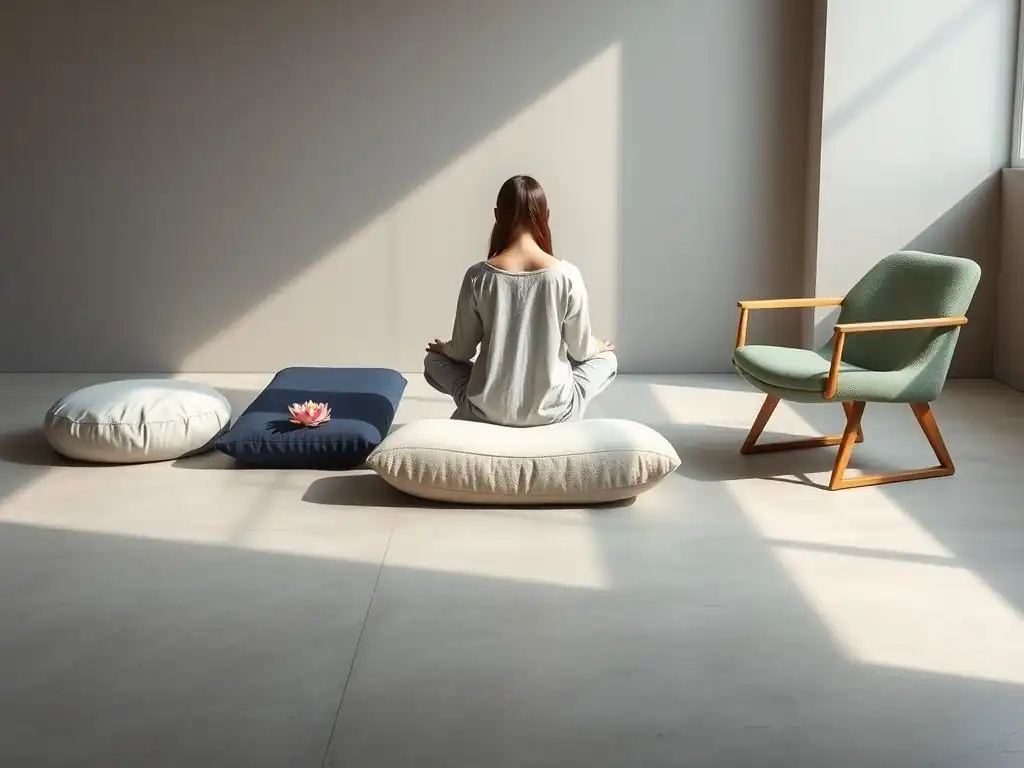
Meditation cushions come in various shapes and sizes, each designed to support different sitting preferences and physical needs. Choosing the right cushion is crucial for achieving the desired meditation posture comfort. From traditional round zafus to crescent and V-shaped designs, understanding the benefits of each can help you find the perfect fit for your body and practice style.
The material and filling of a cushion also play a significant role in its support and longevity. Buckwheat hulls are a popular filling known for conforming to the body's shape while providing firm, adjustable support. Kapok, a fluffy fiber, offers a softer feel. Consider factors like firmness, height, and shape when exploring the top meditation cushions available, focusing on how each option contributes to a stable and comfortable seated posture.
Zafu Cushions: The Traditional Choice for Elevated Seating
Zafu cushions are the most widely recognized meditation aid, traditionally round with pleated sides, though modern variations exist. Their primary function is to elevate the hips, making it easier to sit cross-legged (like in the Burmese or half-lotus positions) or in the seiza (kneeling) posture with a cushion placed between the legs. The elevation helps tilt the pelvis slightly forward, promoting the natural curve of the lower back and allowing the spine to rise effortlessly.
A standard zafu cushion typically measures around 14-16 inches in diameter and 4-7 inches in height, though height can often be adjusted by adding or removing filling (like buckwheat hulls). This elevation is key to achieving meditation posture comfort for many practitioners, especially those with tight hips or knees. By lifting the sitting bones, the zafu reduces pressure on the lower extremities and encourages a stable, balanced seat that can be maintained for extended periods.
Case Study: How the Bean Products Zafu Cushion Improved Sarah Miller's Meditation Experience
Sarah Miller, a graphic designer in her late 30s, struggled with hip pain during her daily 20-minute meditation sessions on a folded blanket. "My hips would ache after just 10 minutes," she recounts, "and I'd spend the rest of the time focused on the discomfort instead of my breath." Seeking a solution for better meditation posture comfort, she decided to try the Bean Products Zafu Cushion filled with buckwheat hulls.
After switching to the zafu, Sarah noticed an immediate difference. The cushion's height (she used the standard 6-inch model) elevated her hips significantly, allowing her knees to rest comfortably below her hips. "It felt like my body finally knew how to sit correctly," she shares. Within a week, her hip pain during meditation was nearly eliminated, and she found she could easily sit for her full 20 minutes, and even extended sessions, without physical distraction. This simple change in meditation aid transformed her practice from a struggle against discomfort into a peaceful and focused part of her day.
Key Features of the Bean Products Zafu Cushion: Support and Comfort
The Bean Products Zafu Cushion is a popular choice, known for its quality construction and customizable support, making it a solid option for a meditation posture comfort guide. Key features include its durable cotton twill cover, often organic, which is typically removable and machine washable. The filling is usually 100% buckwheat hulls, which allows the cushion to conform to the user's shape while providing firm, stable support.
One of the most appreciated features is the hidden zipper that provides access to the filling. This allows users to easily add or remove buckwheat hulls to adjust the cushion's height and firmness, tailoring the support precisely to their body and preferred sitting posture. The pleats on the sides help maintain the cushion's round shape and structure over time, ensuring consistent elevation and support for countless meditation sessions.
Bean Products Zafu Cushion: Pros and Cons Analysis
Evaluating the Bean Products Zafu Cushion reveals several strengths and a few potential drawbacks.
Pros:
- Excellent Support: Buckwheat hull filling provides firm, conforming support, promoting proper spinal alignment and meditation posture comfort.
- Adjustable Height/Firmness: Easy access to filling allows for personalized customization.
- Durable Construction: Made with quality materials like cotton twill, designed for longevity.
- Washable Cover: Removable cover makes cleaning convenient.
- Traditional & Versatile: Suitable for various cross-legged and kneeling postures.
Cons:
- Weight: Buckwheat hulls are relatively heavy compared to other fillings like kapok or foam.
- Firmness: May feel too hard for individuals accustomed to softer cushions, although this can be adjusted by removing filling.
- Initial Odor: Buckwheat hulls can sometimes have a faint earthy smell initially.
Overall, the Bean Products Zafu Cushion is a highly recommended option for those seeking adjustable, firm support for their meditation practice, effectively serving as a key component in achieving meditation posture comfort.
Crescent Cushions: Ergonomic Design for Hip Flexibility
Crescent-shaped cushions, also known as Zabutons, but distinct from the larger mat (also called Zabuton), offer an ergonomic design specifically beneficial for individuals with tighter hips or those who prefer a wider base of support for their legs. The cutout or indentation allows the heels to draw closer to the body when sitting cross-legged, reducing strain on the ankles and knees.
This shape promotes a stable, grounded feeling while still providing the necessary hip elevation to encourage proper spinal alignment. Crescent cushions are often filled with buckwheat hulls or kapok and come in various sizes and heights. Their design is particularly helpful for achieving meditation posture comfort in postures like the Burmese position, where one foot is placed in front of the other.
Crescent Cushion Benefits for Beginners and Experienced Meditators
Crescent cushions offer distinct advantages for practitioners at all levels. For beginners, the ergonomic shape makes sitting cross-legged less challenging, reducing pressure on the knees and ankles and making it easier to maintain a stable posture for longer periods. This reduced physical struggle can make the initial stages of learning meditation more accessible and less frustrating.
Experienced meditators also benefit from the crescent shape, particularly if they have limited hip flexibility or find traditional round zafus uncomfortable. The design allows for a deeper hip opening and a more relaxed placement of the legs, which can enhance meditation posture comfort during extended sessions. This stable and comfortable foundation allows practitioners to delve deeper into their practice without physical distractions, supporting prolonged periods of focus and stillness.
Review: The Alexia Meditation Seat Crescent Cushion for Spinal Alignment
The Alexia Meditation Seat is a unique take on the crescent cushion concept, often resembling more of a sculpted seat than a traditional cushion. It is designed to provide full support for the legs, hips, and back, promoting optimal spinal alignment without the need for active muscular effort to maintain posture. While sometimes categorized differently, its ergonomic design and focus on hip and leg support align with the benefits sought from crescent cushions.
The Alexia seat is crafted from a molded frame and typically covered in fabric or faux leather. Its specific contours are engineered to naturally position the body in a cross-legged posture with elevated hips and knees below the hips, facilitating a relaxed, upright spine. Users often report feeling immediately aligned and supported, making it easier to find and maintain meditation posture comfort compared to traditional cushions. It aims to eliminate pressure points and muscular strain, allowing the practitioner to fully relax into the meditation experience.
Alexia Meditation Seat Crescent Cushion: Where to Buy & Pricing
The Alexia Meditation Seat is primarily available for purchase directly from the manufacturer's website. It can also sometimes be found on major online retail platforms. Due to its unique design and construction, which involves a molded frame rather than just filling, it tends to be significantly more expensive than traditional meditation cushions.
Pricing for the Alexia Meditation Seat typically ranges from approximately $200 to $300+, depending on the cover material (fabric, faux leather, or genuine leather). This price point positions it as a premium meditation aid. While it represents a higher initial investment compared to a standard buckwheat zafu (which might cost $40-$80), proponents argue that its comprehensive support and durability justify the cost for those seeking a high level of meditation posture comfort and spinal alignment.
V-Shaped Cushions: Tailbone Relief and Enhanced Stability
V-shaped or wedge-shaped cushions are specifically designed to address common discomforts like tailbone pain and lower back strain during seated meditation. The V-shape or angled slope helps to tilt the pelvis forward more aggressively than a traditional flat cushion, encouraging the natural lumbar curve and taking pressure off the tailbone (coccyx).
These cushions often have a firmer, supportive structure, sometimes made of high-density foam or a combination of foam and filling. The angled surface helps distribute weight away from the tailbone area, providing significant relief for individuals who experience pain there. The shape also offers a stable base, contributing to overall meditation posture comfort and reducing fidgeting.
Addressing Tailbone Pain During Meditation with V-Shaped Cushions
Tailbone pain is a common complaint among meditators, particularly when sitting on flat or insufficiently supportive surfaces. This pain often results from direct pressure on the coccyx or from the lower back rounding, putting strain on the sacrum and tailbone area. V-shaped or wedge cushions are specifically engineered to counteract this issue.
By providing an angled slope, these cushions elevate the back of the sitting area while lowering the front. This forward tilt of the pelvis shifts the weight-bearing load onto the sit bones (ischial tuberosities) and off the tailbone. For individuals who find themselves constantly shifting or leaning to avoid tailbone pressure, a V-shaped cushion can offer significant relief, allowing them to sit upright comfortably and focus on their meditation practice without this persistent physical distraction, thereby dramatically improving their meditation posture comfort.
Comparison: Friends of Meditation V-Shaped Cushion vs. Traditional Zafu for Tailbone Support
Comparing the Friends of Meditation V-Shaped Cushion to a traditional round zafu highlights their different approaches to support, particularly for tailbone issues. A traditional zafu elevates the hips, which can help with tailbone pressure by promoting a forward pelvic tilt, but its primary function is overall elevation for cross-legged sitting. The amount of forward tilt depends on the zafu's height and the user's flexibility.
The Friends of Meditation V-Shaped Cushion, however, is explicitly designed with an angled slope to maximize the forward pelvic tilt. This pronounced angle is specifically targeted at taking pressure off the tailbone. Users who experience significant coccyx pain often find the V-shaped design offers more direct and effective relief than a standard zafu. While a zafu provides general elevation and support for various postures, the V-shaped cushion excels in providing targeted tailbone relief and encouraging a specific pelvic tilt conducive to a comfortable, upright spine, making it a specialized tool in the meditation posture comfort guide.
Friends of Meditation V-Shaped Cushion: Ideal for Vipassana Meditation
The Friends of Meditation V-Shaped Cushion is often recommended for Vipassana meditation practitioners. Vipassana, which involves extended periods of seated meditation, places a high value on maintaining a stable, comfortable posture to support deep concentration and mindfulness. Sitting for 45 minutes to an hour, or even longer during retreats, requires significant physical endurance and comfort.
The V-shaped design's ability to alleviate tailbone pressure and promote natural spinal alignment is particularly beneficial for these longer sits. By minimizing physical discomfort, the cushion helps practitioners remain still and focused for extended durations, which is essential for the deep observational work characteristic of Vipassana. The stable base and targeted support contribute significantly to the ability to maintain meditation posture comfort throughout lengthy sessions, making it an ideal aid for dedicated practitioners.
Best Meditation Chairs for Supported and Comfortable Seating
For individuals who find sitting on the floor challenging, whether due to mobility issues, flexibility limitations, or simply preference, meditation chairs offer an excellent alternative. These chairs provide back support and often elevate the sitting position, making meditation accessible and comfortable for a wider range of people. They allow you to maintain an upright posture without the strain that can come from sitting on a cushion alone.
Meditation chairs come in various forms, from simple floor chairs with backrests to more elaborate ergonomic designs. The key benefit is the provided back support, which can be crucial for those with back pain or weakness. Choosing a meditation chair that suits your physical needs can significantly enhance your meditation posture comfort and allow for longer, more focused sessions.
Backjack Chairs: Portable and Versatile Support
Backjack chairs are simple, portable floor chairs consisting of a fabric seat attached to a metal frame that provides back support. They allow you to sit directly on the floor (or on a mat) while leaning back against a supportive backrest. This design is particularly useful for those who need back support but prefer to be close to the ground.
Their lightweight and foldable nature make them highly portable, ideal for taking to meditation centers, retreats, or using in different locations within your home. While they don't offer hip elevation like a zafu, the back support can be a game-changer for individuals who struggle to maintain an upright spine using only core strength. They provide a basic level of meditation posture comfort by preventing slouching and reducing back fatigue.
Backjack Chair Review: Enhancing Posture and Reducing Back Pain
The Backjack chair is widely reviewed as an effective, no-frills solution for adding back support to floor sitting. Users often praise its ability to instantly improve posture during meditation. By providing a firm yet yielding backrest, it encourages the spine to remain upright without the constant muscular effort required when sitting unsupported.
Many individuals report a significant reduction in lower and upper back pain during and after meditation sessions when using a Backjack. The chair supports the natural curve of the spine, preventing the common tendency to round the shoulders and slouch, which is a major cause of back discomfort during seated meditation. While it won't solve issues related to hip or knee pressure from the floor, its effectiveness in enhancing back posture and reducing pain makes it a valuable aid for achieving meditation posture comfort, especially for those with existing back issues.
Using a Backjack Chair for Different Meditation Styles
The versatility of the Backjack chair makes it suitable for various meditation styles, though it is best suited for seated practices. It can be used for mindfulness meditation, loving-kindness meditation, or mantra repetition. While it provides back support, it still allows for a grounded connection to the floor, which some practitioners find beneficial.
It can also be used in conjunction with a thin cushion or mat placed beneath the seat for added padding on hard floors. However, it is not designed to be used with a tall zafu cushion, as this would negate the intended ergonomic support of the chair's backrest. Its primary utility lies in providing comfortable back support for those who prefer or need to sit directly on the floor for their seated meditation practice, contributing to overall meditation posture comfort.
Backjack Floor Chair: Affordable Comfort on the Go
One of the significant advantages of the Backjack Floor Chair is its affordability compared to many other meditation chairs or premium cushions. It provides essential back support at a relatively low cost, making it an accessible option for many. Prices typically range from $30 to $60, depending on the model and retailer.
Its lightweight design (often weighing just a few pounds) and ability to fold flat or nearly flat make it incredibly easy to transport and store. This portability means you can maintain your meditation posture comfort regardless of where you choose to practice – at home, in a park, or on a retreat. The combination of affordability, portability, and effective back support makes the Backjack a practical choice for enhancing floor-based meditation.
Seiza Benches: Kneeling Posture Support for Extended Sessions
Seiza benches are specifically designed to support the traditional Japanese kneeling posture (seiza). This posture involves sitting on your heels with your legs tucked underneath you. While beneficial for spinal alignment and grounding, it can put significant pressure on the knees, ankles, and feet, especially for extended periods or for individuals with limited flexibility.
A seiza bench elevates the sitting bones off the heels, allowing the legs to rest beneath the bench without bearing the weight of the torso. This elevation relieves pressure on the lower joints while still maintaining the upright, aligned spine characteristic of the seiza posture. Seiza benches are typically made of wood or sturdy plastic and come in various heights and designs, some flat-topped, others angled. They are an excellent tool for achieving meditation posture comfort when kneeling.
Understanding the Benefits of Kneeling Meditation with a Seiza Bench
Kneeling meditation, supported by a seiza bench, offers several benefits. It naturally encourages a straight spine with the pelvis tucked slightly forward, promoting excellent posture. The connection to the ground through the knees and feet can feel very grounding for some practitioners. However, achieving this posture comfortably without a bench can be difficult.
The seiza bench makes this posture accessible by taking the pressure off the ankles and knees. This allows practitioners to experience the physical and energetic benefits of the kneeling posture – including improved circulation in the legs compared to tight cross-legged positions for some individuals – without the accompanying discomfort. By providing support where needed, the bench enables longer, more focused kneeling meditation sessions, significantly enhancing meditation posture comfort in this specific position.
Product Spotlight: PiBench Seiza Bench - Crafted for Comfort and Stability
The PiBench Seiza Bench is an example of a high-quality seiza bench often crafted from wood. These benches are designed with stability and comfort in mind, featuring sturdy construction and often a slightly angled seat or cushioned top for added ease. The height of the bench is crucial; it needs to be tall enough to allow the legs to rest comfortably underneath without excessive pressure on the shins or ankles.
PiBench models are typically designed to be durable and aesthetically pleasing, often made from sustainable woods. They provide a stable platform that evenly distributes weight, preventing wobbling or discomfort during meditation. The thoughtful design focuses on supporting the body in the seiza posture effectively, allowing the practitioner to relax into the position and maintain meditation posture comfort throughout their session.
PiBench Seiza Bench: A Solution for Ankle and Knee Discomfort
For many, ankle and knee discomfort are the primary barriers to practicing meditation in the seiza posture. The direct pressure on these joints from bearing the weight of the torso can be significant and painful. The PiBench Seiza Bench directly addresses this issue.
By lifting the hips several inches off the heels, the bench entirely removes the weight from the ankles and knees. The legs can then rest comfortably underneath the bench. This simple elevation makes the seiza posture viable and comfortable for many who would otherwise find it unbearable. It provides the necessary support to alleviate joint strain, allowing practitioners to enjoy the benefits of kneeling meditation free from pain, thus providing a crucial solution for meditation posture comfort in the seiza position.
Ergonomic meditation chairs represent the higher end of meditation seating, designed with advanced ergonomic principles to provide maximum comfort and support, often incorporating features like built-in backrests and elevated, contoured seats. These chairs are ideal for individuals who require substantial support, have mobility limitations, or simply desire the most comfortable sitting experience possible for their practice.
These chairs often position the body in a way that naturally encourages an upright spine, sometimes facilitating a gentle forward tilt of the pelvis similar to a cushion but with integrated back support. They can be particularly beneficial for those with chronic back pain or those who find floor sitting, even with cushions, too challenging. Investing in such a chair is a commitment to optimizing meditation posture comfort for long-term practice.
Investing in a High-End Ergonomic Meditation Chair: Is it Worth It?
High-end ergonomic meditation chairs come with a higher price tag, often ranging from $150 to $500 or more. The question of whether this investment is "worth it" depends largely on individual needs and the value placed on consistent, comfortable practice. For someone with significant physical limitations or chronic pain that makes floor sitting difficult, even with cushions, an ergonomic chair can be a game-changer, enabling a consistent meditation practice where one might otherwise be impossible.
These chairs are built for durability and designed for optimal support, potentially lasting for many years. If the chair removes a major physical barrier to meditating regularly, its value extends beyond its monetary cost, impacting mental and emotional well-being. For dedicated practitioners or those who struggle with physical discomfort, the enhanced meditation posture comfort and support provided by a high-end ergonomic chair can absolutely be a worthwhile investment in their health and practice.
Gaiam Meditation Chair Review: Features and Benefits
The Gaiam Meditation Chair is a well-known example of an ergonomic meditation chair that provides integrated back support. It often features a padded seat and a supportive backrest that allows you to recline slightly while maintaining an upright posture. Some models are foldable for storage or portability, similar to a Backjack, but often with more padding and potentially a more structured seat.
Key features typically include adjustable back support angles and cushioning on both the seat and back. The raised seat height (though usually not as high as a zafu) and back support work together to alleviate pressure on the lower back and tailbone while preventing slouching. Users often praise its ability to provide comfort and stability, making it easier to sit for extended periods without discomfort. It offers a good balance between support, comfort, and relative portability compared to heavier furniture-style chairs, contributing significantly to meditation posture comfort.
Gaiam Meditation Chair: A Long-Term Investment in Your Mental Well-being
Choosing a Gaiam Meditation Chair can be seen as a long-term investment in your mental well-being. Its durable construction and ergonomic design are intended to provide reliable comfort and support over many years of consistent practice. By making meditation physically accessible and comfortable, the chair helps remove a common barrier to establishing and maintaining a regular routine.
A consistent meditation practice, facilitated by a comfortable and supportive seat, yields cumulative benefits for stress reduction, emotional regulation, and overall peace of mind. The initial cost of the chair is offset by the ongoing dividends in terms of improved mental health and the ability to engage more deeply with the transformative aspects of meditation. It's an investment not just in a piece of furniture, but in the foundation of a sustainable self-care practice, enhancing your meditation posture comfort for years to come.
Choosing the Right Meditation Cushion or Chair: A Personalized Approach
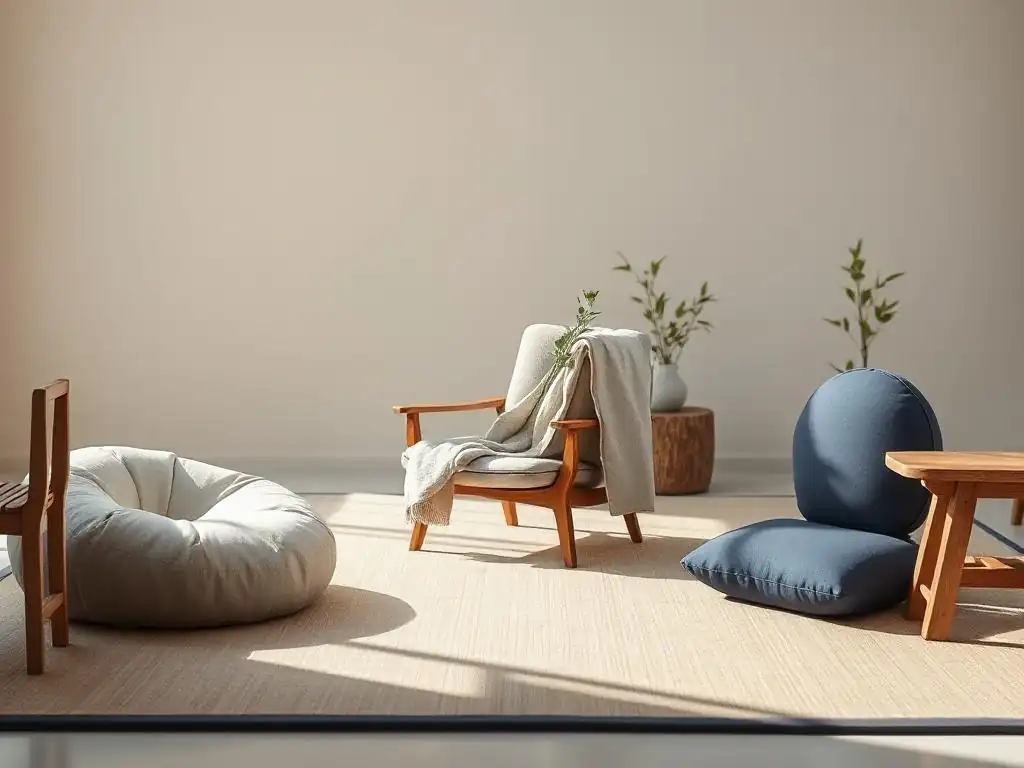
Selecting the perfect meditation cushion or chair is a highly personal decision. What works wonderfully for one person might be uncomfortable for another, as body types, flexibility levels, and meditation styles vary greatly. The goal is to find an aid that allows you to sit comfortably, stably, and with an upright spine for the duration of your practice without physical strain. This personalized approach is key to finding your optimal meditation posture comfort guide.
Consider your specific physical needs, any existing discomforts (like knee pain, hip tightness, or back issues), and the type of posture you prefer (cross-legged, kneeling, or seated with back support). Trying out different options if possible, or at least carefully considering the dimensions and features of each, is crucial before making a decision.
Assessing Your Needs: Flexibility, Posture, and Meditation Style
Begin by honestly assessing your physical body.
- Flexibility: How flexible are your hips, knees, and ankles? If you have tight hips, a higher zafu or a crescent cushion might be necessary to get your knees below your hips when sitting cross-legged. If kneeling strains your ankles, a seiza bench is likely a better fit.
- Posture Issues: Do you tend to slouch? Do you experience lower back or tailbone pain when sitting? Back support from a chair or the specific tilt of a V-shaped cushion could be beneficial.
- Meditation Style & Duration: Do you sit for short 10-15 minute sessions or longer periods (30+ minutes)? Longer sits demand greater physical stability and comfort. Do you prefer a specific posture like seiza or Burmese?
Answering these questions will help narrow down the options and guide you towards the type of meditation aid that will best support your meditation posture comfort.
Budget Considerations: Finding the Right Balance Between Price and Quality
Meditation cushions and chairs range significantly in price, from under $30 for basic options like a Backjack or simple foam cushion to several hundred dollars for premium ergonomic chairs or handcrafted wooden benches. While it's tempting to go for the cheapest option, remember that a lack of adequate support can hinder your practice.
Aim to find the best quality and support you can afford. A mid-range buckwheat zafu (around $50-$80) is often a solid investment for floor sitters seeking adjustable support. If back pain is a major issue, a Backjack or a more supportive meditation chair might be worth the slightly higher cost. Consider the purchase as an investment in your long-term well-being and practice consistency. Look for durable materials and construction that will provide reliable meditation posture comfort over time.
Reading Reviews and Seeking Recommendations: Making an Informed Decision
Before making a final decision, take the time to read reviews from other users. Look for feedback from individuals with similar body types or physical concerns. Do reviewers mention specific benefits like reduced knee pain or improved back support? Are there common complaints about durability or comfort?
Seeking recommendations from experienced meditators, meditation teachers, or even physical therapists can also provide valuable insights. They may have experience with various aids and can offer advice based on common postural challenges. Gathering information from multiple sources will help you make an informed decision and select a meditation cushion or chair that is most likely to provide the meditation posture comfort you need for a sustainable practice.
Maintaining Your Meditation Cushion or Chair for Longevity
Once you've found the perfect meditation cushion or chair, proper maintenance is essential to ensure its longevity and continued support. Taking care of your meditation aid helps preserve its shape, firmness, and cleanliness, ensuring it remains a reliable tool for achieving meditation posture comfort session after session.
Different materials require different care approaches. Regular cleaning and proper storage will protect your investment and keep your meditation space hygienic and inviting. Neglecting maintenance can lead to flattened cushions, damaged covers, or structural issues in chairs, diminishing their effectiveness and comfort over time.
Cleaning and Care Tips for Different Materials
Cleaning instructions vary depending on the materials used in your meditation cushion or chair.
- Buckwheat Hull Cushions: The outer cover is usually removable and machine washable (check the tag for specific instructions, often cold water, gentle cycle). The buckwheat hulls themselves cannot be washed. If they become damp, spread them out in a dry, airy place to prevent mold.
- Kapok Cushions: Covers are often washable. Kapok filling can become compacted over time; fluffing or airing it out in the sun can help restore some loft. Kapok itself is not typically washed.
- Foam Cushions/Chairs: Foam inserts are usually not washable. The fabric cover can often be removed and washed. Spot clean the foam if necessary and allow it to air dry completely.
- Fabric Chairs/Benches: Check the manufacturer's instructions. Fabric covers may be spot cleaned or have removable, washable sections.
- Wooden Benches: Wipe down with a damp cloth. Avoid harsh chemicals. Periodically check joints for stability.
Always refer to the specific care instructions provided by the manufacturer for the best results and to maintain your meditation posture comfort aid.
Proper Storage to Preserve Shape and Support
How you store your meditation cushion or chair when not in use can impact its shape and support over time.
- Cushions: Avoid stacking heavy items on top of cushions, especially softer ones like kapok, as this can cause them to flatten permanently. Store them in a place where they won't be compressed. If you have multiple cushions, store them side-by-side rather than stacked if possible. Buckwheat cushions are more resilient to compression but can still benefit from proper storage.
- Chairs/Benches: Foldable chairs should be stored in their folded state. Wooden benches should be stored in a dry environment to prevent warping. Ensure they are stored where they won't be tripped over or damaged.
Storing your meditation aid properly helps maintain its structural integrity and ensures it's ready to provide optimal meditation posture comfort whenever you need it.
When to Replace Your Meditation Aid
Even with the best care, meditation cushions and chairs have a lifespan. Knowing when to replace your aid is important for maintaining effective support and meditation posture comfort.
Look for signs of wear and tear:
- Cushions: Is the filling permanently flattened or lumpy, even after fluffing? Does the cover have significant tears or wear spots? Does it no longer provide the necessary height or firmness to elevate your hips and align your spine?
- Chairs/Benches: Is the frame bent or unstable? Does the back support no longer hold its position or provide adequate firmness? Is the padding significantly compressed?
If your meditation cushion or chair no longer provides the support needed to sit comfortably with good posture, it's likely time to consider a replacement. Continuing to use a worn-out aid can lead to discomfort and hinder your practice.
Conclusion: Prioritizing Posture Comfort for a Deeper Meditation Practice
Achieving meditation posture comfort is a fundamental element of establishing and sustaining a meaningful meditation practice. While the focus of meditation is ultimately on the mind, the physical body serves as the vessel for this inner work. Discomfort and pain can be significant distractions, pulling awareness away from the present moment and making it challenging to delve into deeper states of focus or relaxation. By prioritizing physical comfort through the use of appropriate meditation cushions or chairs, you create a stable, supportive foundation that allows your mind to settle more easily and your practice to flourish.
Investing in the right meditation aid is an investment in your well-being. It removes physical barriers, reduces strain on your body, and enables you to sit for longer, more productive sessions. Whether you choose a traditional zafu, an ergonomic chair, or a specialized bench, finding the tool that best supports your unique body and preferred posture is a crucial step on your meditation journey. Use this meditation posture comfort guide to explore the options and find the perfect fit for you.
Investing in Your Well-being: The Lasting Benefits of Proper Support
The lasting benefits of investing in proper meditation support extend far beyond simply being able to sit without pain. Consistent meditation practice, facilitated by physical comfort, is associated with reduced levels of the stress hormone cortisol (studies often show reductions of 10-15% or more with regular practice), improved emotional regulation, and enhanced cognitive functions like focus and attention. When you are not battling physical discomfort, your mental energy is free to cultivate these positive outcomes.
Furthermore, maintaining good posture during meditation can translate into improved posture in daily life, reducing chronic pain and increasing overall physical comfort. The stability and grounding provided by a supportive seat can also deepen your sense of presence and embodiment during practice. Ultimately, the right meditation aid is a catalyst for a more consistent, enjoyable, and transformative meditation experience, making it a valuable investment in your overall health and happiness.
Recommendations based on Experience level: Bean Products Zafu Cushion for beginners, Gaiam Meditation Chair for Advanced Practitioners..
Choosing the right meditation aid can also be guided by your experience level and physical needs:
- For Beginners: The Bean Products Zafu Cushion is an excellent starting point. Its adjustable buckwheat filling allows beginners to experiment with height and firmness to find their initial point of meditation posture comfort for cross-legged sitting. Its versatility makes it a reliable first cushion. A Backjack Chair is also highly recommended for beginners who need immediate back support and find floor sitting challenging without it.
- For Intermediate Practitioners: Those looking to refine their posture or address specific issues might explore Crescent Cushions for hip flexibility or V-Shaped Cushions like the Friends of Meditation V-Shaped Cushion if tailbone pain is a recurring problem. A PiBench Seiza Bench is ideal for those wishing to explore or deepen their kneeling practice.
- For Advanced Practitioners: Advanced practitioners often sit for longer periods and may benefit from premium support. While many advanced meditators continue to use traditional zafus, an Ergonomic Meditation Chair like the Gaiam Meditation Chair can be a valuable investment, especially for those with age-related or chronic physical conditions that require maximum support and comfort for extended sits. Its robust design and integrated back support facilitate deep, prolonged meditation without physical fatigue, ensuring continued meditation posture comfort even during retreats or extended daily practice.
Frequently Asked Questions
What are the key benefits of focusing on meditation posture comfort?
A comfortable meditation posture allows for longer and more focused sessions, reducing distractions from physical discomfort. It promotes a deeper state of relaxation and enhances the overall meditation experience.
How can the right meditation cushion or chair improve my practice?
The right cushion or chair provides optimal support and alignment, preventing back pain and stiffness. This allows you to concentrate on your breath and thoughts, leading to more effective mindfulness.
What are the different types of meditation cushions and chairs available?
Options range from traditional Zafu cushions and Zabuton mats to ergonomic meditation chairs with back support. Choosing the right one depends on your individual needs and preferences.
How do I choose the best meditation cushion or chair for my body type?
Consider your height, weight, and flexibility. Look for cushions with adequate height for comfortable hip elevation or chairs with adjustable features to ensure proper spinal alignment and support.
Where can I find reliable reviews and recommendations for meditation posture aids?
Websites like Mind Care Guide offer comprehensive reviews and comparisons of various meditation cushions and chairs. Look for expert opinions and user testimonials to make informed choices.
Final Reflection: Finding Your Perfect Posture for Inner Peace
The pursuit of mindful meditation is increasingly recognized as crucial for mental well-being in our fast-paced world, yet the physical comfort of our posture often gets overlooked. Achieving true inner peace requires not only mental focus but also physical ease; discomfort can be a significant barrier to a successful and enjoyable meditation practice. This article aimed to address this often-neglected aspect, providing a comprehensive guide to finding the perfect meditation cushion or chair to support your journey.
The impact of proper posture on our meditation experience is profound. It's not merely about physical comfort; it's about cultivating a sense of groundedness and stability that allows our minds to settle more easily. The body is the instrument of the mind.
This simple truth highlights the interconnectedness of physical and mental well-being, and finding the right support for your body can unlock a deeper level of meditative experience. The search for the ideal posture, as explored in this review, is a journey of self-discovery, revealing the unique needs of each individual practitioner.
Now, consider your own meditation practice. What adjustments can you make to enhance your comfort and deepen your connection with the present moment? Perhaps it's time to explore different cushions, experiment with chair height, or simply pay closer attention to your body's subtle cues. Don't let physical discomfort hinder your path to inner peace; invest in your well-being by finding the perfect support for your meditation journey. The path to mindfulness begins with a comfortable posture, and the journey is well worth the effort.
Unleash Your Inner Calm: Find Your Perfect Meditation Seat
Thanks for taking the time to explore the world of comfortable and supportive meditation postures with Mind Care Guide! We hope this review helped you understand the importance of proper posture for a truly enriching practice. Now, it's time to put this knowledge into action.
- Prioritize your comfort: Order your top-choice cushion or chair today! This is the most direct step towards a more consistent and enjoyable meditation practice. Don't wait – your inner peace is waiting!
- Share your experience: Tell us (and others!) which cushion or chair resonated most with you. What made it the perfect fit? Sharing your insights can help others on their meditation journey.
- Explore mindful movement: Try incorporating gentle stretches or yoga poses before or after your meditation session to further enhance your physical and mental well-being.
Ready to transform your meditation routine? What small step will you take today to prioritize your comfort and enhance your practice?