
Beyond the Mat: Discovering Your Perfect Meditation Sanctuary Seat

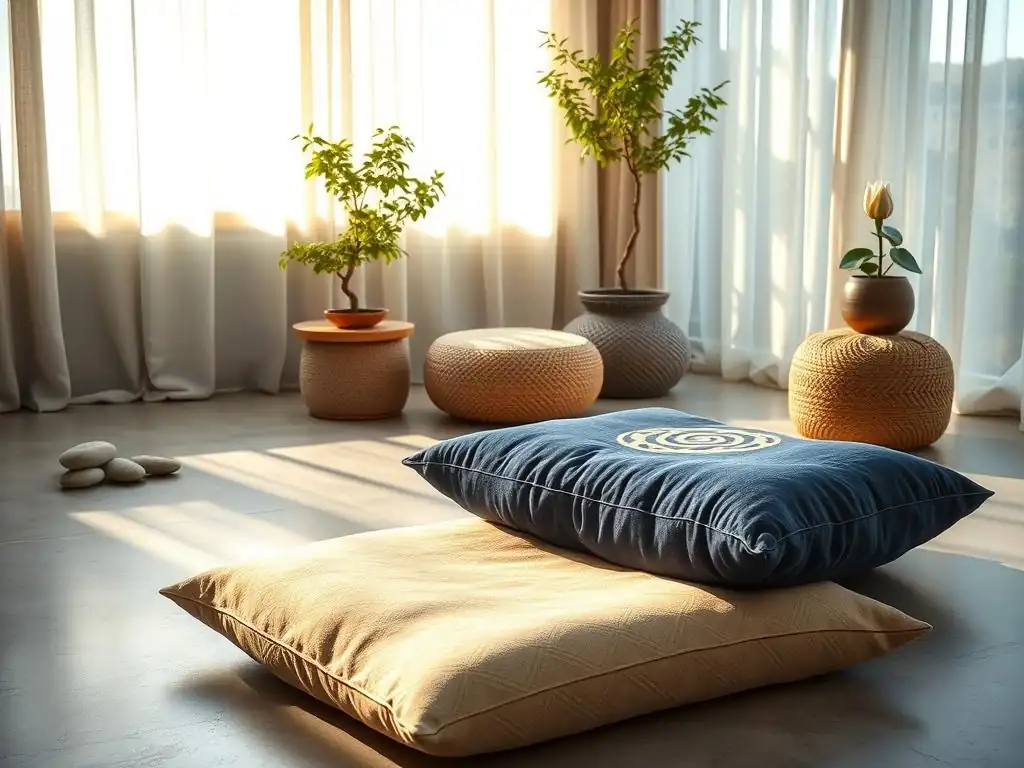
Welcome to Mind Care Guide, where we believe in nurturing your inner peace.
Feeling restless during meditation? You're not alone. Many struggle to find a comfortable posture, hindering their progress. This is where the right support can make all the difference. Dive in to discover the surprising meditation cushion comfort benefits and how finding your perfect meditation sanctuary seat can transform your practice, and ultimately, your well-being. Curious to learn more? Let's begin...
Beyond the Mat: Discovering Your Perfect Meditation Sanctuary Seat
- Finding Your Ideal Meditation Seat: A Comfort and Support Guide
- Understanding Meditation Seat Comfort Benefits & Their Impact on Your Practice
- Types of Meditation Cushions & Chairs: Exploring Your Options
- Key Factors to Consider When Choosing Your Meditation Seat
- Top Meditation Cushion & Chair Recommendations for 2024
- Maximizing Meditation Cushion Comfort & Support: Tips and Tricks
- Investing in Your Well-being: The Value of a Comfortable Meditation Seat
-
Frequently Asked Questions
- What are the primary benefits of using a meditation cushion?
- How does the comfort level of a meditation cushion impact my practice?
- What are the different types of meditation cushions available, and which is best for me?
- How do I choose the right height for my meditation cushion?
- Can a meditation cushion improve my mental well-being beyond meditation sessions?
- Final Reflection: Finding Your Ground, Finding Your Peace
- Unveil Your Inner Peace: Create Your Ideal Meditation Space
Finding Your Ideal Meditation Seat: A Comfort and Support Guide
Embarking on a consistent meditation practice is a profound journey towards inner peace and mindfulness. While the intention is key, the physical environment and your posture play a significant role in facilitating this process. Many beginners and even experienced practitioners find that sitting directly on a hard floor can lead to discomfort, distraction, and even pain, hindering their ability to focus and deepen their practice. This is where the right meditation seat becomes invaluable. Choosing the perfect cushion, bench, or chair transforms your meditation space into a true sanctuary, allowing you to sit comfortably for extended periods.
The goal isn't just about avoiding pain; it's about creating a stable and supportive base that encourages proper alignment of the spine and hips. When your body is at ease, your mind is less likely to be pulled away by physical sensations.
This improved physical state directly contributes to a more settled and focused mental state, allowing for deeper dives into stillness and awareness. Exploring the various options available, from traditional zafus to modern meditation chairs, helps you find the ergonomic solution that best suits your body type, flexibility level, and any specific physical considerations you might have, ensuring your focus remains on your breath and consciousness, not on aching limbs.
Understanding Meditation Seat Comfort Benefits & Their Impact on Your Practice
The right meditation seat offers a multitude of physical and mental advantages that significantly enhance your practice. Beyond simply making sitting bearable, the proper support provided by a well-chosen cushion or chair actively contributes to improved posture, reduced physical strain, and ultimately, a more profound meditative experience. Understanding these meditation cushion comfort benefits is crucial in appreciating the value of investing in quality seating.
When your body is properly aligned and supported, tension in the hips, knees, ankles, and lower back is minimized. This allows for longer periods of sitting without the constant urge to shift or adjust, which are common distractions. Furthermore, feeling physically comfortable fosters a sense of safety and relaxation, making it easier to quiet the restless mind and sink into a state of calm awareness. The subtle yet powerful meditation cushion comfort benefits extend beyond the physical, influencing your mental state and the overall quality of your meditation sessions.
The Importance of Proper Support for Enhanced Meditation
Proper support during meditation is not merely a luxury; it's a foundational element for a sustainable and beneficial practice. Sitting for extended periods, even just 20-30 minutes, can place considerable stress on the body if not correctly supported. Without adequate elevation and cushioning, the pelvis can tilt backward, causing the spine to round and leading to slouching. This poor posture restricts breathing, compresses internal organs, and puts strain on the lower back muscles and ligaments.
A supportive meditation seat, such as a firm cushion or a chair designed for meditation, helps elevate the hips above the knees. This anterior tilt of the pelvis allows the spine to naturally lengthen and align, promoting an upright yet relaxed posture.
Studies on ergonomics suggest that maintaining a neutral spine posture reduces disc pressure and muscle fatigue by a significant margin, potentially up to 30% compared to slouched positions. This reduction in physical discomfort means you spend less time battling aches and pains and more time focusing on the practice itself, fully realizing the potential meditation cushion comfort benefits.
Exploring the Link Between Posture and Deeper Meditation
The connection between physical posture and mental state is well-documented in various disciplines, including yoga and meditation. An upright, stable posture signals to the body and mind a state of alertness and presence, while a slouched posture can induce feelings of lethargy or lack of focus. In meditation, maintaining a balanced posture is crucial for cultivating mindfulness and achieving deeper states of concentration. When the spine is erect and the body is stable, energy can flow more freely, and the breath becomes naturally deeper and more consistent.
Consider the difference between trying to concentrate on a complex task while slumped on a sofa versus sitting upright at a desk. The physical posture influences mental clarity and endurance. Similarly, in meditation, a stable base provided by a comfortable seat allows the practitioner to remain still and focused without being constantly interrupted by physical discomfort.
This stability enables the mind to settle more easily, making it possible to observe thoughts and sensations without getting caught up in them. The meditation cushion comfort benefits, particularly those related to improved posture, directly contribute to the ability to sit with greater ease, patience, and presence, paving the way for deeper meditative experiences.
Types of Meditation Cushions & Chairs: Exploring Your Options
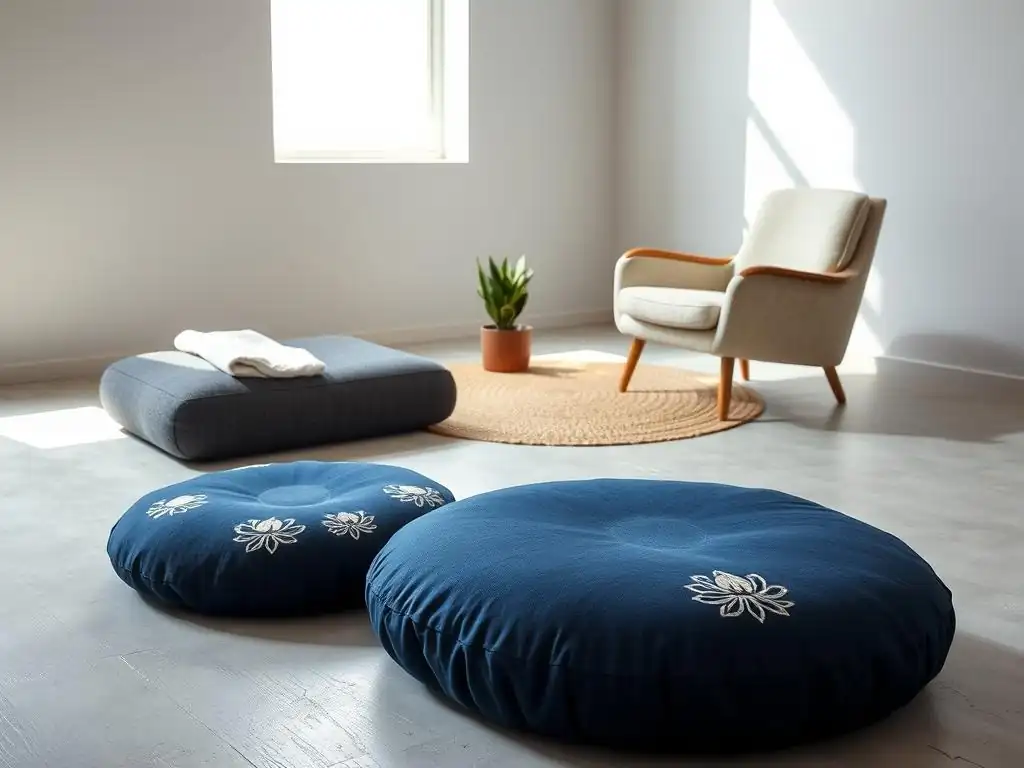
The world of meditation seating offers a variety of options designed to accommodate different body types, flexibility levels, and sitting preferences. Each type provides unique meditation cushion comfort benefits tailored to specific needs. Understanding these options is the first step in finding your ideal seat and maximizing your practice.
From traditional floor cushions rooted in centuries of practice to modern ergonomic chairs, there is a solution for nearly everyone. Exploring the characteristics of each type – their shape, height, fill material, and intended use – helps you determine which might offer the most significant meditation cushion comfort benefits for your body and practice style.
Zafu Cushions: Traditional Support for Grounding
Zafu cushions are perhaps the most iconic form of meditation seating, traditionally used in Zen Buddhism. These round, pleated cushions are typically filled with kapok fiber or buckwheat hulls, offering a firm yet conforming support. The shape and fill are designed to elevate the hips above the knees when sitting cross-legged, allowing the knees to rest comfortably on the floor or a mat and promoting a gentle forward tilt of the pelvis.
The standard size of a zafu is often around 14 inches in diameter and 5-7 inches in height, though variations exist. The elevation provided by the zafu helps to reduce pressure on the ankles and knees, which can be significant sources of discomfort during prolonged sitting.
The firmness of the fill material provides a stable base that prevents sinking or wobbling, contributing to a feeling of groundedness and stability. The specific meditation cushion comfort benefits of a zafu lie in its ability to facilitate the classic cross-legged posture (like Burmese, half-lotus, or full lotus) by creating the necessary pelvic alignment for a straight, relaxed spine.
Zabuton Mats: Creating a Comfortable Base
A zabuton is a large, rectangular mat that is often used in conjunction with a zafu cushion or seiza bench. Placed underneath the cushion or bench, the zabuton provides cushioning and support for the knees, ankles, and feet, which often bear weight or press against the floor during meditation. While zafus focus on hip elevation, zabutons address the comfort of the lower limbs.
Typically filled with cotton batting or foam, zabutons range in thickness from 1 to 4 inches. Using a zabuton can dramatically improve the comfort of sitting on a hard floor, preventing numbness or pain in the knees and ankles. This added layer of padding creates a softer, more forgiving surface, allowing you to relax more fully into your posture. The combined meditation cushion comfort benefits of a zafu and zabuton system offer comprehensive support, making longer meditation sessions significantly more comfortable and sustainable, particularly for individuals with sensitive knees or ankles.
Meditation Chairs: Support for Back Pain and Improved Posture
For individuals who find sitting on the floor challenging due to stiffness, limited flexibility, or chronic back pain, meditation chairs offer an excellent alternative. These chairs typically have a backrest and sometimes armrests, providing substantial support for the spine and allowing the practitioner to sit upright without relying solely on core strength.
Meditation chairs come in various designs, from simple floor chairs with back support to elevated chairs resembling ergonomic office chairs but designed specifically for meditation posture. They are particularly beneficial for alleviating pressure on the lower back and hips, which can be exacerbated by prolonged floor sitting. By providing external support, these chairs enable individuals who might otherwise struggle to maintain an upright posture to sit comfortably and focus on their practice. The meditation cushion comfort benefits of a meditation chair are centered on providing spinal support and stability, opening up meditation practice to a wider range of individuals.
Seiza Benches: Alternative Seating for Kneeling Meditation
Seiza benches are designed for practitioners who prefer or require a kneeling posture (seiza means "proper sitting" in Japanese). These small, often low benches elevate the hips while allowing the legs to tuck underneath, taking pressure off the ankles and knees. They are a popular alternative for those who find cross-legged sitting uncomfortable or impossible.
Seiza benches can be made from wood, bamboo, or plastic and may have a flat or angled seat, sometimes padded for added comfort. The height of the bench is crucial; it should be high enough to prevent the hips from pressing down on the heels, which can cause significant discomfort.
Using a seiza bench can help maintain a straight spine while keeping the knees and ankles comfortable, facilitating longer periods of kneeling meditation. The specific meditation cushion comfort benefits of a seiza bench lie in its effective support for the kneeling posture, providing relief from pressure points often experienced when kneeling directly on the floor.
Key Factors to Consider When Choosing Your Meditation Seat
Selecting the right meditation seat is a personal process that depends on various factors unique to your body, practice, and preferences. Thoughtful consideration of these elements will help you identify the option that provides the most significant meditation cushion comfort benefits for your individual needs.
Don't rush the decision. Consider how you currently sit, any physical limitations you have, and what feels most supportive and comfortable to you. Trying out different options if possible, or at least carefully assessing the dimensions and materials, can make a big difference in finding your perfect fit.
Assessing Your Current Meditation Practice and Needs
Begin by honestly evaluating your current meditation practice. How long do you typically sit for? Do you practice daily or occasionally? What postures do you currently attempt? Are there specific physical challenges you face, such as knee pain, hip stiffness, or lower back discomfort? Understanding these aspects is fundamental.
For example, if you are a beginner who struggles to sit cross-legged for more than 10 minutes due to hip tightness, a higher zafu or even a meditation chair might offer more immediate meditation cushion comfort benefits than a low cushion. If you have chronic back pain, a seat with back support is likely essential. Conversely, if you are already comfortable sitting on the floor for extended periods but experience numbness in your feet, a zabuton might be the missing piece. Reflecting on your body's needs and your practice habits guides you toward the most suitable type of support.
Material and Construction: Prioritizing Comfort and Durability
The materials used in a meditation seat significantly impact its comfort, durability, and overall feel. Common fill materials for cushions include kapok, buckwheat hulls, and foam. Kapok is light and airy, offering soft yet firm support. Buckwheat hulls are heavier and conform closely to the body's shape, providing very stable support. Foam can range from soft to very firm and tends to hold its shape well over time.
The outer cover material is also important; look for durable, breathable fabrics like cotton or hemp. The construction, such as reinforced seams and sturdy zippers, ensures the seat withstands regular use. A well-constructed seat using quality materials will maintain its shape and support over time, continuing to provide reliable meditation cushion comfort benefits session after session. For benches and chairs, examine the frame material (wood, bamboo, metal) and the quality of any padding or upholstery.
Size and Shape: Finding the Right Fit for Your Body
The dimensions of your meditation seat are crucial for achieving proper alignment and comfort. The ideal height of a zafu, for instance, depends on your height and hip flexibility. Taller individuals or those with tighter hips generally benefit from a higher cushion (6-7 inches), while shorter individuals or those with more flexible hips might prefer a lower one (4-5 inches). The diameter should be sufficient to comfortably support your sitting bones.
For zabutons, consider the dimensions relative to your height and the space needed for your legs. A mat that is too small won't adequately cushion your knees and ankles. For benches and chairs, consider seat height, width, and depth, as well as backrest height and angle if applicable.
A seat that is too high, too low, too wide, or too narrow will compromise posture and comfort, diminishing the potential meditation cushion comfort benefits. It's often helpful to measure your own proportions or try sitting on objects of similar height and shape to get a sense of what might work best.
Support and Stability: Ensuring Proper Alignment
The primary purpose of a meditation seat is to provide stable support that facilitates proper spinal alignment. A good seat should elevate your hips above your knees when sitting cross-legged or provide firm, level support when kneeling or sitting in a chair. This helps maintain the natural curve of the lower back and prevents slouching.
The firmness of the cushion fill or the rigidity of the chair frame contributes to stability. A seat that is too soft will cause you to sink, compromising posture. One that is too hard might create pressure points. The goal is a balance – firm enough to support your weight and maintain shape, yet conforming enough to be comfortable. The stability of the seat ensures that you can remain still without wobbling or feeling insecure, allowing you to fully experience the meditation cushion comfort benefits of a solid foundation.
Top Meditation Cushion & Chair Recommendations for 2024
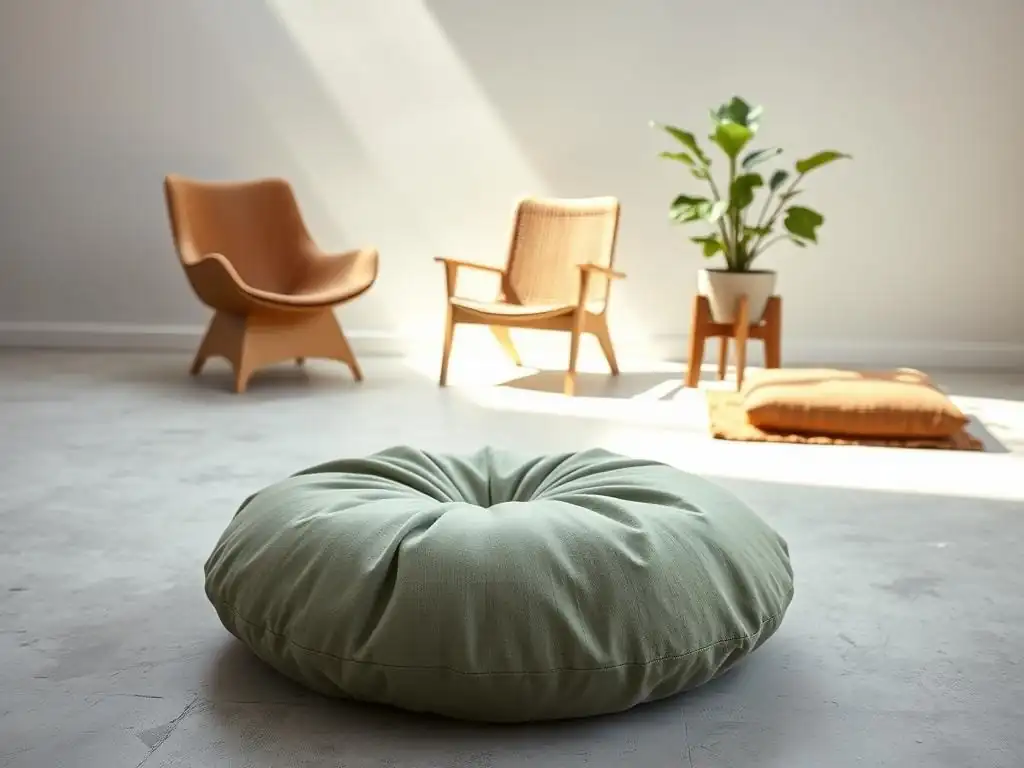
Choosing from the vast array of options can be daunting. While specific product names can change or vary, understanding the characteristics that make a particular type of seat excellent for a specific need is key. Below, we outline what features to look for in top-tier meditation seating options based on different requirements, highlighting the meditation cushion comfort benefits each category aims to provide. Note: Specific product names are not provided as recommendations can quickly become outdated; focus on the described features.
Best Zafu Cushion for Beginners: [Product Name] Review
When seeking a zafu for a beginner, look for a cushion that offers a balance of height and firmness. A height of around 6 inches is often ideal for helping newer practitioners achieve the necessary hip elevation for comfortable cross-legged sitting, especially if hip flexibility is limited. Buckwheat hull fill is frequently recommended for beginners as it conforms well to the body, providing excellent stability and helping to correct posture.
A durable cotton cover with a sturdy zipper is also important, allowing for adjustment of the fill level as comfort needs change. The best options provide consistent, firm support that encourages the pelvis to tilt forward naturally, enabling the spine to lengthen without strain. These features maximize the meditation cushion comfort benefits by making the transition to floor sitting smoother and more sustainable for those new to the practice.
Best Zabuton Mat for Enhanced Knee Support: [Product Name] Review
For superior knee and ankle comfort, the best zabuton mats are generously sized (at least 30x30 inches) and offer substantial thickness, ideally 3-4 inches. Look for dense fill materials like high-quality cotton batting or multiple layers of thick foam that won't flatten significantly over time. The cover should be durable and preferably removable for cleaning.
A high-quality zabuton provides a soft, protective layer between your lower limbs and the hard floor, preventing pressure points and numbness. It cushions the tops of your feet and ankles when sitting seiza and provides a soft landing for your knees when sitting cross-legged with a zafu. The enhanced padding significantly contributes to the overall meditation cushion comfort benefits, making longer sessions on the floor much more pleasant.
Best Meditation Chair for Back Pain Relief: [Product Name] Review
Individuals with back pain should prioritize meditation chairs that offer robust lumbar support and promote an upright posture. Look for models with an adjustable backrest angle or a design that naturally encourages the spine's natural curve. The seat should be firm enough to prevent slouching but padded for comfort.
Chairs that allow the knees to be positioned lower than the hips are particularly beneficial for reducing pressure on the lower back. Features like a slightly angled seat or a built-in lumbar cushion can make a significant difference. The key meditation cushion comfort benefits here are focused on offloading pressure from the spine and providing external support, enabling individuals with back issues to sit comfortably and meditate without exacerbating their pain.
Best Seiza Bench for Kneeling Meditation: [Product Name] Review
The best seiza benches for kneeling meditation offer a height that comfortably elevates the hips without being so high that it feels unstable. A height between 6-8 inches is often suitable for most adults. Look for benches with a slightly angled seat, as this can encourage a more natural pelvic tilt.
Padding on the seat is a significant plus for comfort, especially for longer meditations. The structure should be stable and durable, whether made from solid wood or reinforced plastic. Some benches are collapsible for easy storage and transport. The meditation cushion comfort benefits of a good seiza bench are found in its ability to relieve pressure on the ankles and knees while maintaining a stable and upright posture, making the kneeling position accessible and comfortable.
Maximizing Meditation Cushion Comfort & Support: Tips and Tricks
Simply owning a meditation seat is the first step; knowing how to use it effectively maximizes its meditation cushion comfort benefits. Proper placement, adjusting your posture, and maintaining your seat all contribute to a more supportive and comfortable practice.
These simple tips can help you get the most out of your chosen meditation seat, ensuring it serves as a true aid to your practice rather than just another object in your space.
Proper Cushion Placement for Optimal Posture
The correct placement of your meditation cushion is essential for achieving optimal posture and unlocking its full meditation cushion comfort benefits. When sitting cross-legged on a zafu, sit only on the front edge of the cushion, allowing your sitting bones to be supported while your thighs angle downwards. This encourages the pelvis to tilt forward and the spine to lift naturally. Avoid sitting in the center of the cushion, which can cause you to sink and round your back.
If using a zabuton with a zafu, place the zafu in the center of the zabuton. Ensure your knees rest comfortably on the mat. When using a seiza bench, position it so that you can kneel with the bench between your legs, allowing your hips to rest on the seat while your feet are tucked underneath, either flat or on their sides depending on comfort. Experiment slightly with placement until you find the sweet spot where your spine feels aligned and your lower body is relaxed.
Adjusting Your Meditation Posture for Enhanced Comfort
Even with the perfect seat, minor adjustments to your posture can significantly enhance comfort. Once seated on your cushion, bench, or chair, take a moment to settle in. Gently rock your pelvis forward and backward a few times to find a balanced position on your sitting bones. Allow your spine to lengthen upwards from the base, imagining a string pulling you gently from the crown of your head.
Relax your shoulders and let them drop away from your ears. Position your hands comfortably in your lap or on your knees. Ensure your jaw is relaxed and your neck is not strained. If sitting cross-legged, allow your knees to fall naturally towards the floor; the cushion should facilitate this.
If sitting seiza, ensure your ankles are not under undue pressure. Periodically check in with your body during your meditation; notice any tension and gently release it, making small adjustments as needed to maintain ease while retaining alertness. These micro-adjustments help sustain the meditation cushion comfort benefits throughout your session.
Cleaning and Maintaining Your Meditation Cushion
Proper care and maintenance extend the life of your meditation seat and keep it fresh and comfortable. Check the manufacturer's instructions for specific cleaning recommendations, as materials vary. Most cushions with removable covers can be unzipped and the cover machine-washed according to the fabric type (e.g., cool water, gentle cycle).
For cushions filled with buckwheat hulls, the hulls can sometimes be removed (if the cover has a liner with a separate zipper) and aired out in the sun to refresh them. The cover itself can then be washed. Foam cushions might require spot cleaning.
For benches and chairs, wipe down surfaces as needed. Keeping your meditation seat clean not only makes it more pleasant to use but also helps maintain the integrity of the materials, ensuring it continues to provide consistent meditation cushion comfort benefits over time. Regular maintenance prevents the buildup of dust or odors and preserves the supportive qualities of the seat.
Investing in Your Well-being: The Value of a Comfortable Meditation Seat
Choosing the right meditation seat is more than just buying a cushion or chair; it's an investment in your physical comfort, mental well-being, and the sustainability of your meditation practice. The discomfort of sitting on an unsuitable surface can be a significant barrier, leading to frustration, shortened sessions, or even abandoning the practice altogether. By providing proper support and alleviating physical distractions, a comfortable meditation seat removes one of the primary obstacles to consistent practice.
The profound meditation cushion comfort benefits empower you to sit longer, more comfortably, and with greater focus. This allows you to delve deeper into the practice of mindfulness or concentration, leading to reduced stress, increased self-awareness, and a greater sense of calm in your daily life. While there is an initial cost, the long-term value derived from a more enjoyable and effective meditation practice far outweighs the expense.
Think of it as creating a dedicated space and tool that supports your journey towards inner peace and resilience. A well-chosen meditation seat is not just furniture; it's an essential piece of your self-care toolkit, contributing significantly to your overall health and happiness.
Frequently Asked Questions
What are the primary benefits of using a meditation cushion?
Meditation cushions offer improved posture for longer sitting periods, reducing strain and discomfort. This allows for deeper focus during meditation and promotes increased mindfulness.
How does the comfort level of a meditation cushion impact my practice?
A comfortable cushion helps minimize physical distractions, allowing you to stay focused on your breath and thoughts. Improved comfort leads to longer and more productive meditation sessions.
What are the different types of meditation cushions available, and which is best for me?
Options include zafus, zabutons, and benches, each offering different support and elevation. The best choice depends on your body type, flexibility, and preferred posture.
How do I choose the right height for my meditation cushion?
The correct height allows your hips to be slightly elevated above your knees, promoting a natural spinal curve. Experiment with different heights to find what feels most comfortable and sustainable for your body.
Can a meditation cushion improve my mental well-being beyond meditation sessions?
Yes, establishing a comfortable and dedicated meditation space can create a sense of calm and routine. This can positively influence your overall mental well-being by promoting relaxation and reducing stress.
Final Reflection: Finding Your Ground, Finding Your Peace
The pursuit of comfortable meditation is not merely about physical ease; it's about cultivating a consistent practice that nurtures both body and mind. Finding the perfect meditation cushion isn't a frivolous pursuit; it's a crucial step towards unlocking the transformative power of meditation itself. The right support can be the difference between a fleeting moment of stillness and a deeply enriching, regular practice.
The search for the ideal meditation seat reflects a broader cultural shift towards prioritizing self-care and mindful living. We are increasingly recognizing the profound impact of our physical environment on our mental well-being. This isn't just about comfort; it's about creating a sacred space, a sanctuary where we can connect with ourselves and find inner peace. The body is your temple. Keep it pure and clean for the soul to reside in.
This ancient wisdom underscores the importance of attending to the physical aspects of our spiritual journey, making the choice of a meditation cushion a deeply significant one.
Now, consider your own journey. What kind of support do you need to cultivate a consistent meditation practice? What small changes can you make to your environment to create a more conducive space for inner peace? Don't underestimate the power of a comfortable seat – it's the foundation upon which your mindful journey is built. Take the time to find your perfect cushion, and let it be a symbol of your commitment to your own well-being and spiritual growth.
Unveil Your Inner Peace: Create Your Ideal Meditation Space
Thanks for taking the time to explore the world of mindful seating and discover how the right posture can deepen your meditation practice! We hope you found valuable insights to enhance your journey. Now, it's time to put your newfound knowledge into action.
- Design your perfect meditation seat: Sketch out your ideal setup, considering the factors discussed—comfort, support, and environment—and begin gathering the necessary materials or making adjustments to your existing space. This is your first step towards a consistently fulfilling meditation practice.
- Share your setup: Post a picture of your meditation space on social media and tag #MindCareGuide to inspire others! Let's build a supportive community of mindful meditators.
- Experiment and refine: Don't be afraid to try different positions and setups to discover what works best for your body and mind. Meditation is a journey of self-discovery, and this includes finding the perfect seat for your practice.
What unique element will you incorporate into your meditation sanctuary to maximize your comfort and focus?