
Helping Kids Sleep Soundly: A Parent's Guide to Weighted Blankets


Welcome to Mind Care Guide, a safe space dedicated to nurturing your mental well-being. Are you a parent struggling with your little one's sleep? Is bedtime a battleground instead of a peaceful transition? In this guide, we delve into the comforting world of weighted blankets for toddler sleep, exploring how they can help ease anxieties and promote restful nights. Discover practical tips, safety considerations, and everything you need to know to determine if a weighted blanket is the right choice for your child. Let's embark on this journey to better sleep, together.
Helping Kids Sleep Soundly: A Parent's Guide to Weighted Blankets
For many parents, bedtime can be a nightly struggle. Tossing, turning, anxiety, and frequent wake-ups can leave both children and adults exhausted. While various sleep aids exist, one tool gaining significant attention is the weighted blanket.
These blankets, filled with small beads or pellets, are designed to provide deep pressure stimulation, a technique often used in occupational therapy. Understanding how they work and if they are suitable for your child is key to potentially unlocking more restful nights. This guide explores the world of weighted blankets, offering insights for parents seeking solutions for their child's sleep challenges, including specific considerations for using a weighted blanket for toddler sleep.
- Understanding Weighted Blankets for Better Sleep
- Is a Weighted Blanket Right for Your Child? Assessing Sleep Needs
- Choosing the Right Weighted Blanket: A Buyer's Guide
- Top Weighted Blanket Recommendations (2024)
- Tips for Introducing a Weighted Blanket
- Maintaining Your Child's Weighted Blanket: Care and Cleaning
- Real-Life Success Stories
- Conclusion: Investing in Your Child's Sleep and Well-being
-
Frequently Asked Questions
- What exactly are weighted blankets, and how do they work to improve sleep?
- Are weighted blankets safe for toddlers, and what precautions should I take?
- How do I choose the right weight and size of weighted blanket for my toddler?
- Besides sleep, what other potential benefits might a weighted blanket offer my toddler?
- Where can I find reliable resources and information about using weighted blankets for toddlers, and what should I look for in a quality product?
- Final Reflection: The Quiet Revolution of Weighted Blankets for Toddlers
- Unlock Your Child's Restful Nights: Actionable Steps to Better Sleep
Understanding Weighted Blankets for Better Sleep
Sleep is fundamental to a child's development, impacting everything from mood and concentration to physical health. When sleep is disrupted, it can significantly affect a child's well-being and family life. Weighted blankets offer a non-pharmacological approach that some families find beneficial in promoting calmer, more consistent sleep patterns by leveraging the therapeutic power of deep pressure.
What are Weighted Blankets and How Do They Work?
Weighted blankets are specially constructed blankets filled with materials like glass beads, plastic poly-pellets, or even sand, distributed evenly within stitched compartments. This internal weight creates a gentle, even pressure across the body when the blanket is draped over a person. The design ensures the weight doesn't shift excessively, maintaining consistent pressure.
The mechanism behind their calming effect is often attributed to Deep Pressure Stimulation (DPS). This technique involves applying firm but gentle pressure to the body, similar to a hug or swaddle. DPS is thought to stimulate the parasympathetic nervous system, which is responsible for rest and relaxation. This can lead to a reduction in the stress hormone cortisol and an increase in serotonin and melatonin, hormones that promote feelings of well-being and regulate sleep. For instance, a typical child-sized weighted blanket might contain 5-10 pounds of fill, specifically calibrated to provide this therapeutic pressure without being restrictive or unsafe.
The Science Behind Weighted Blankets and Sleep
Research into the efficacy of weighted blankets is ongoing, but initial studies and anecdotal evidence offer promising insights. The theory centers on the proprioceptive sense, which is our body's awareness of its position and movement in space. Deep pressure input is a powerful way to engage this sense, providing grounding and calming feedback to the nervous system.
One study published in the Journal of Occupational Therapy in Mental Health in 2008 examined the physiological effects of weighted blankets, finding that 33% of participants experienced a reduction in anxiety and 63% reported lower physiological signs of stress (like pulse rate). While this study was on adults, the underlying principle of deep pressure stimulation is applied to children.
The consistent pressure is believed to help quiet a restless body and mind, making it easier for a child to transition into sleep and potentially reducing the frequency of nighttime awakenings. The focus is often on the blanket's ability to provide a sense of security and containment, mimicking a comforting embrace.
Benefits of Using Weighted Blankets: More Than Just Comfort
Beyond simply providing warmth, weighted blankets are explored for a range of potential benefits related to sleep and anxiety. One frequently cited benefit is the reduction of bedtime anxiety. Children who feel anxious or restless before bed may find the calming pressure helps them feel more secure and settled, making the process of falling asleep less daunting. This is particularly relevant when considering a weighted blanket for toddler sleep, as this age group often experiences separation anxiety or fear of the dark.
Another reported benefit is improved sleep duration and quality. While results can vary, some parents observe that their child falls asleep faster and stays asleep longer when using a weighted blanket. The blanket's consistent pressure can help minimize tossing and turning. Furthermore, for children with sensory sensitivities, the blanket can provide much-needed proprioceptive input, helping them feel more grounded and aware of their body, which can be calming in the stimulating transition from wakefulness to sleep.
*   Potential Benefits:
    *   Reduces bedtime anxiety
    *   Promotes faster sleep onset
    *   Decreases nighttime awakenings
    *   Provides a sense of security
    *   Offers calming deep pressure input
    *   May help improve overall sleep quality
Is a Weighted Blanket Right for Your Child? Assessing Sleep Needs
Deciding if a weighted blanket is a suitable tool requires careful consideration of your child's specific sleep challenges, age, and any underlying conditions. It's not a universal solution, and effectiveness varies from child to child. Understanding the potential reasons for sleep difficulties can help determine if a weighted blanket might offer support.
Recognizing Signs of Sleep Difficulties in Children
Identifying sleep problems in children goes beyond just observing if they resist bedtime. Signs can be varied and impact their daytime functioning. Common indicators include taking longer than 20-30 minutes to fall asleep, waking up frequently during the night (more than once or twice for older children), experiencing nightmares or night terrors, or snoring loudly.
Daytime signs might include excessive tiredness, irritability, difficulty concentrating at school, hyperactivity, or even falling asleep during quiet activities. For parents considering a weighted blanket for toddler sleep, specific signs might involve frequent tantrums due to fatigue, excessive clinginess at bedtime, or difficulty settling down after active play in the evening. Paying close attention to these patterns can help pinpoint the nature of the sleep issue.
Anxiety and Sleep: How Weighted Blankets Can Help
Anxiety is a significant contributor to sleep problems in children. Worries about school, social situations, or even just the transition to sleep can activate the body's stress response, making relaxation difficult. The sympathetic nervous system goes into "fight or flight" mode, increasing heart rate and alertness, which is counterproductive to falling asleep.
Weighted blankets are believed to help by activating the parasympathetic nervous system, the "rest and digest" system. The deep pressure stimulation mimics a comforting embrace, which can trigger the release of neurotransmitters like serotonin, a precursor to melatonin, the sleep hormone. This can help counteract the effects of anxiety, promoting a sense of calm and safety. For example, a child who worries about being alone at night might find the consistent, gentle pressure reassuring, helping to quiet intrusive thoughts and feel more secure in their bed.
Sensory Processing Issues and Weighted Blanket Therapy
Children with Sensory Processing Issues (SPI) or Sensory Processing Disorder (SPD) may find weighted blankets particularly beneficial. SPI involves difficulties in organizing sensory information from the body and the environment. Some children with SPI are sensory-seeking, constantly needing input to feel grounded, while others are sensory-avoidant.
For children who are sensory-seeking, particularly regarding proprioceptive input (body awareness), a weighted blanket can provide the intense, calming pressure they crave in a safe and predictable way. This consistent input can help regulate their nervous system, reducing restlessness and making it easier to relax. Occupational therapists often use weighted items as part of sensory integration therapy to help children feel more organized and calm. Anecdotal reports from parents of children with SPI frequently highlight improvements in sleep onset and duration after introducing a weighted blanket.
Weighted Blankets: Addressing Specific Conditions
Weighted blankets are often explored as a supplementary aid for children with specific diagnoses that commonly involve sleep disturbances or anxiety. These can include children with Autism Spectrum Disorder (ASD), ADHD, and generalized anxiety.
Children with ASD may benefit from the deep pressure as it can help regulate sensory input and provide a sense of predictability and safety, which are often calming for individuals on the spectrum. For children with ADHD, the grounding effect of the pressure might help reduce restlessness and improve body awareness, making it easier to stay still long enough to fall asleep.
While not a cure, many parents and therapists report that weighted blankets can be a valuable tool in a multi-faceted approach to managing sleep challenges associated with these conditions. However, it is crucial to consult with a pediatrician or therapist before introducing a weighted blanket, especially for children with complex medical or behavioral needs.
Choosing the Right Weighted Blanket: A Buyer's Guide
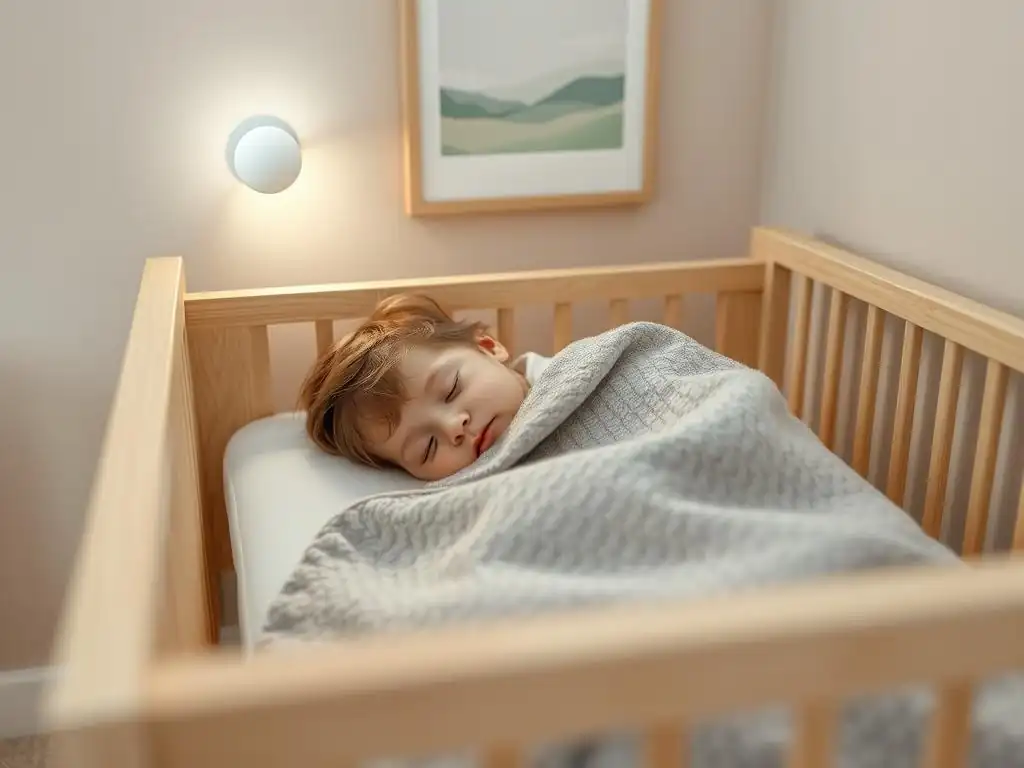
Selecting the appropriate weighted blanket is crucial for both effectiveness and safety. The market offers a wide variety of options, differing in weight, size, material, and construction. Making an informed choice ensures the blanket provides the intended therapeutic benefits without posing risks.
Weight and Size: Finding the Perfect Fit
The most critical factor in choosing a weighted blanket is determining the correct weight for your child. General guidelines suggest the blanket should be approximately 10% of the child's body weight, plus or minus one or two pounds. For example, a child weighing 40 pounds might benefit from a 4-5 pound blanket, while a 60-pound child might use a 6-7 pound blanket. Using a blanket that is too heavy can be unsafe and uncomfortable, potentially restricting movement or causing overheating.
Size is also important. The blanket should cover the child's body from the neck down but ideally should not extend much beyond the sides of the bed. A blanket that is too large can slide off or trap the child, while one that is too small won't provide even pressure. When considering a weighted blanket for toddler sleep, pay extra attention to the weight recommendations, as toddlers are smaller and less able to maneuver under heavy items. A blanket specifically designed for toddlers, typically weighing 3-5 pounds, is often recommended.
*   Weight Guideline: ~10% of body weight (+/- 1-2 lbs)
*   Size Guideline: Cover body from neck down, fit within bed width
Material and Fabric: Comfort and Safety
The material of the weighted blanket impacts comfort, breathability, and ease of cleaning. Common outer fabrics include cotton, minky, flannel, and bamboo blends. Cotton and bamboo are often favored for their breathability, which is important to prevent overheating, especially for children who tend to sleep warm. Minky and flannel offer soft, plush textures that can be comforting for some children.
The fill material is also important. Glass beads are generally finer and create a less bulky blanket than plastic poly-pellets. Ensure the fill is securely contained within small, evenly distributed pockets to prevent shifting and bunching, which can make the blanket uncomfortable or less effective. Look for certifications if available, indicating materials are free from harmful chemicals. Considering the texture preferences of your child is also key; some children prefer smooth fabrics, while others find plush textures more soothing.
Understanding Warmth Level: Choosing the Right Blanket
Weighted blankets, by their nature and fill material, can be warmer than standard blankets. The density of the fill and the outer fabric contribute to the blanket's thermal properties. For children who tend to get hot during the night, choosing a blanket with a breathable cover (like cotton or bamboo) and perhaps a fill that doesn't retain too much heat (like glass beads) is important.
Some manufacturers offer specific "cooling" weighted blankets designed with more breathable fabrics or specialized fills. Conversely, for children who are often cold, a minky or flannel cover might add extra warmth and coziness. Consider the climate you live in and the typical temperature of your child's bedroom when selecting the blanket's material and construction to ensure they remain comfortable throughout the night.
Safety Considerations: Ensuring a Safe Sleep Environment
Safety is paramount when using a weighted blanket, especially with younger children. The most critical rule is that the child must be able to easily remove the blanket themselves. For this reason, weighted blankets are generally not recommended for infants or children under a specific age (often stated as 2 or 3 years old, depending on the manufacturer and the child's developmental stage) or who lack the motor skills to push it off. Always check manufacturer age and weight guidelines.
Ensure the blanket's weight is appropriate for the child's body weight, following the 10% rule. Never cover the child's face or head with the blanket. The blanket should be used over other bedding, not as a replacement for sheets and lighter blankets if needed for warmth. Regularly inspect the blanket for tears or leaks where the fill material could escape, posing a choking hazard. A weighted blanket should always be used under adult supervision initially and its use should be monitored.
*   Safety Checklist:
    *   Child can easily remove blanket? [ ] Yes [ ] No
    *   Weight is appropriate for child's body weight? [ ] Yes [ ] No
    *   Blanket does not cover face/head? [ ] Yes [ ] No
    *   Fill material is securely contained? [ ] Yes [ ] No
    *   Blanket is used under supervision (especially initially)? [ ] Yes [ ] No
Top Weighted Blanket Recommendations (2024)
Navigating the many options can be overwhelming. While specific models and features evolve, several brands consistently receive positive feedback for their quality and effectiveness in helping children sleep better. Here are a few types of weighted blankets often recommended for kids, keeping in mind that verifying current product details upon purchase is always wise. These examples illustrate the range of features available when looking for options like a weighted blanket for toddler sleep or older children.
Editor's Choice: Gravity Kids Weighted Blanket - Breathable and Durable
The Gravity brand is well-known in the weighted blanket space, and their kids' version is often highlighted for its quality construction. Typically featuring a durable, breathable cotton duvet cover and fine-grade glass beads evenly distributed in quilted compartments, it aims to provide consistent deep pressure.
Parents often report that the separate duvet cover makes cleaning easier, and the robust stitching helps prevent bead leakage. While sometimes positioned at a higher price point, its reputation for durability and effective weight distribution makes it a popular choice for parents seeking a long-term solution for their child's sleep challenges. The weight options are usually calibrated specifically for children based on standard weight ranges.
Best Budget Option: Tranquility Kids Weighted Blanket - Affordable Comfort
For parents seeking a more accessible option, brands like Tranquility offer weighted blankets found in many retail stores. These often feature soft materials like minky or fleece and are filled with plastic poly-pellets or glass beads.
While potentially less expensive, it's important to check the construction to ensure the weight is evenly distributed and the stitching is secure. Many budget-friendly options still provide effective deep pressure stimulation and can be a good starting point for families wanting to try a weighted blanket without a significant investment. These blankets often come in various child-friendly colors and patterns.
Baloo Living offers weighted blankets known for their focus on natural materials. Their kids' weighted blankets are typically made with a breathable, Oeko-Tex certified cotton shell and filled with lead-free glass beads. They are designed to be free of synthetic fillers and cooling, which can be a significant benefit for warm sleepers.
The emphasis on natural materials and breathability positions Baloo as a premium option. The fine glass beads conform well to the body, providing gentle, even pressure. While a higher investment, parents seeking a naturally made, breathable weighted blanket often gravitate towards this brand for its quality and material focus.
Weighted Lap Pads for School and Travel: Harkla Weighted Lap Pad - Calming Companion
Beyond full-sized blankets, weighted lap pads offer targeted pressure and portability. Harkla is a brand known for sensory integration tools, and their weighted lap pads are designed to provide calming input while sitting.
These pads, typically weighing 3-5 pounds, can be used at school during seated activities, during car rides, or even while reading at home. They provide proprioceptive input to the legs, which can help reduce fidgeting and improve focus. While not a sleep aid in the same way a full blanket is, a weighted lap pad can be a valuable tool for children who benefit from deep pressure throughout the day, indirectly supporting better regulation and potentially improving readiness for sleep later.
Tips for Introducing a Weighted Blanket
Introducing any new element into a child's bedtime routine requires patience and a gentle approach. A weighted blanket is no exception. The goal is to make it a positive, comforting addition, not something forced or intimidating. These tips can help ensure a smooth transition when incorporating a weighted blanket, including specific considerations for introducing a weighted blanket for toddler sleep.
Gradual Introduction: Making the Transition Smooth
Don't simply place the weighted blanket on your child's bed and expect instant results. Start by letting your child interact with the blanket during the day in a low-pressure environment. Let them feel its weight and texture while reading a book or watching a movie.
Begin using it for short periods during relaxation time, like during a quiet reading session before dinner. Once they seem comfortable, introduce it at bedtime, perhaps just for the initial settling period, and then remove it once they fall asleep. Gradually increase the time they use it throughout the night as they become more accustomed to the feeling. This step-by-step approach helps prevent anxiety or resistance to the new item.
Creating a Relaxing Bedtime Routine
A weighted blanket is most effective when used as part of a consistent, calming bedtime routine. About 30-60 minutes before the desired sleep time, start winding down. This might include a warm bath, reading together, listening to quiet music, or gentle stretching. Avoid screens (tablets, phones, TV) in the hour leading up to bed, as the blue light can interfere with melatonin production.
Introduce the weighted blanket towards the end of this routine, perhaps while reading the last story in bed. This helps your child associate the blanket with relaxation and the transition to sleep. For a weighted blanket for toddler sleep, the routine is particularly important, focusing on predictable, soothing activities that signal it's time to rest. Consistency is key to establishing a positive sleep association with the blanket.
Monitoring Your Child's Response: Adjusting Weight and Usage
Pay close attention to how your child responds to the weighted blanket. Are they settling down more easily? Are they complaining it's too heavy or too hot? Do they seem uncomfortable? Observe their body language and ask them how it feels (if they are old enough to articulate).
If they seem uncomfortable or struggle to move under the blanket, the weight might be too much. If they are kicking it off frequently, it might be too warm or simply not preferred. It's okay to adjust usage – maybe they only use it for the first half of the night, or only during times of peak anxiety. Some children might prefer a lighter blanket than the 10% rule suggests. Be flexible and willing to experiment slightly to find what works best for your individual child.
When to Consult a Professional: Seeking Expert Advice
While weighted blankets can be a helpful tool, they are not a substitute for professional medical advice. If your child's sleep difficulties are severe, persistent, or accompanied by other concerning symptoms (like difficulty breathing during sleep, excessive snoring, or significant daytime impairment), consult your pediatrician.
Sleep specialists, occupational therapists, or child psychologists can provide comprehensive assessments and recommend appropriate strategies. They can help determine if the sleep issue is related to anxiety, sensory processing, or an underlying medical condition. A professional can also offer guidance on whether a weighted blanket is appropriate for your child's specific needs and how to use it safely and effectively as part of a broader treatment plan.
Maintaining Your Child's Weighted Blanket: Care and Cleaning

Proper care and cleaning are essential to keep the weighted blanket hygienic and extend its lifespan. Given its weight and often bulky nature, cleaning requires specific attention.
Washing Instructions: Keeping the Blanket Clean
Always check the manufacturer's washing instructions, as they can vary depending on the fill material and outer fabric. Many weighted blankets with removable covers allow you to wash the cover separately, which is much easier. The inner weighted portion may require spot cleaning or may be machine washable on a gentle cycle, often in a commercial-sized machine due to the weight.
Use a mild detergent and cold water. Avoid using bleach or fabric softeners, as they can damage the materials. Drying instructions also vary; some can be tumble dried on low heat, while others require air drying flat. Drying can take a significant amount of time due to the weight and fill material. Ensure the blanket is completely dry before storing it to prevent mold or mildew.
Storage Tips: Preserving the Quality of the Blanket
Store the weighted blanket in a clean, dry place away from direct sunlight when not in use. Folding it neatly helps maintain its shape and prevents the fill from settling unevenly over time. Some blankets come with a storage bag, which is ideal.
Avoid storing it in damp environments like basements, which could encourage mold growth. If the blanket has a removable cover, storing the inner and outer parts separately might be an option depending on your space. Proper storage helps protect the fabric and the integrity of the internal stitching and fill, ensuring the blanket remains a comforting aid for your child's sleep.
Real-Life Success Stories
Hearing about the experiences of other parents can provide perspective and hope. While individual results vary, many families have found weighted blankets to be a positive addition to their child's sleep routine. These examples illustrate the potential impact.
Case Study 1: Improved Sleep with a Weighted Blanket
Sarah, a mother of a 5-year-old boy named Leo, shared their struggle with bedtime. Leo would often take over an hour to fall asleep, frequently calling out for her and expressing fears about monsters under the bed. He would also wake up several times a night. After consulting with an occupational therapist who suggested a weighted blanket might help with his anxiety, Sarah purchased a 5-pound blanket.
"We introduced it slowly," Sarah explained. "First, just for story time. Then, he started wanting it on him as he drifted off." Within two weeks, Sarah noticed a significant change. "He now settles down within 20 minutes most nights, and he's only waking up maybe once, sometimes not at all. It's been incredible. He says the blanket makes him feel 'safe and squished in a good way'." This shift not only improved Leo's sleep but also allowed Sarah and her partner to get more rest.
Testimonial: "The Gravity Blanket Changed Our Lives!"
Blockquote: Our daughter, Emily, who is 7, has always struggled with anxiety, especially around bedtime. It was a constant battle – tears, fears, needing us to lie with her for ages. We were recommended a weighted blanket by a friend, and after researching, we chose the Gravity Kids one. Honestly, it felt like a big purchase, but it has been worth every penny.
From the first night, there was a difference. She seemed calmer almost immediately. She still wants us to read, but she snuggles under her blanket, and you can just see her body relax. She falls asleep faster now, usually within 15-20 minutes, compared to the hour or more it used to take. And the best part?
She's sleeping through the night more consistently than ever before. It feels like this weighted blanket for her sleep has given us our evenings back and given her the restful sleep she desperately needed. It truly changed our lives! - Mark T., Parent of a 7-year-old
Conclusion: Investing in Your Child's Sleep and Well-being
Navigating childhood sleep challenges can be demanding for the entire family. A weighted blanket offers a potential tool rooted in the principles of deep pressure stimulation, which many find calming and conducive to sleep. While not a guaranteed solution for every child, especially when considering a weighted blanket for toddler sleep or older children with complex needs, it can be a valuable part of a comprehensive approach to improving sleep hygiene and reducing bedtime anxiety.
By understanding how weighted blankets work, choosing the right weight and size, prioritizing safety, and introducing it thoughtfully, parents can explore whether this therapeutic aid might make a positive difference. Coupled with consistent bedtime routines and, when necessary, professional guidance, investing in a weighted blanket could be an investment in more peaceful nights and brighter, well-rested days for your child and your family.
Frequently Asked Questions
What exactly are weighted blankets, and how do they work to improve sleep?
Weighted blankets are blankets filled with materials like plastic pellets or glass beads to provide gentle, even pressure. This pressure, known as deep touch pressure, can help calm the nervous system and promote relaxation, leading to improved sleep quality.
Are weighted blankets safe for toddlers, and what precautions should I take?
Yes, if used correctly. Ensure the blanket is appropriately sized for your toddler (usually around 10% of their body weight) and that they can easily remove it themselves. Never use a weighted blanket on infants or young babies due to the risk of suffocation.
How do I choose the right weight and size of weighted blanket for my toddler?
The general rule is to choose a blanket that is roughly 10% of your toddler's body weight, plus one or two pounds. The blanket should also be sized so that it doesn't extend beyond the crib/bed and pose a safety hazard.
Besides sleep, what other potential benefits might a weighted blanket offer my toddler?
Beyond improved sleep, some parents report that weighted blankets can help reduce anxiety, improve focus, and ease sensory sensitivities in toddlers. However, it's important to consult with a pediatrician or therapist before using a weighted blanket for these purposes.
Where can I find reliable resources and information about using weighted blankets for toddlers, and what should I look for in a quality product?
Websites like Mind Care Guide offer information. Look for blankets made with hypoallergenic materials, even weight distribution, and durable construction. Read reviews from other parents to get a sense of the blanket's quality and effectiveness.
Final Reflection: The Quiet Revolution of Weighted Blankets for Toddlers
The struggle for peaceful nights is a universal experience for parents, and the search for effective solutions is constant. Weighted blankets have emerged as a surprisingly powerful tool in this ongoing battle, offering a gentle, non-pharmaceutical approach to improving toddler sleep. Their growing popularity reflects a shift towards holistic, child-centered solutions for common sleep challenges.
The impact of improved sleep on a child's development is immeasurable; it ripples outwards, affecting their mood, learning, and overall well-being. It's not just about the quiet nights for parents; it's about fostering a healthy foundation for a child's future. As one pediatrician aptly put it, Sleep is the cornerstone of a child's physical and cognitive development. Adequate sleep allows for proper growth, learning, and emotional regulation.
This simple statement underscores the profound implications of prioritizing sleep for our little ones, and the role weighted blankets can play in achieving that.
Consider the information presented in this guide. Think about your child's sleep patterns, their anxieties, and their unique needs. Are weighted blankets a solution that could bring peace and tranquility to your family's nights? Take the time to explore the options, weigh the pros and cons, and consider how this simple addition might transform your family's bedtime routine. The journey to better sleep begins with a single, thoughtful step.
Unlock Your Child's Restful Nights: Actionable Steps to Better Sleep
Thanks for taking the time to learn about the benefits of weighted blankets for children! We hope this guide provided valuable insights into improving your little one's sleep. Now it's time to put this knowledge into action.
Here are a few steps you can take to start seeing results:
- Prioritize a trial: Order a weighted blanket tailored to your child's size and weight. This is the most significant step towards experiencing the calming effects firsthand. Consider the fabric and weight carefully based on your child’s preferences.
- Create a relaxing bedtime routine incorporating the blanket. This could include a warm bath, quiet reading, or gentle music.
- Share your experience! Tell other parents about your journey and how a weighted blanket has impacted your family's sleep.
Ready to transform bedtime from a battle to a blissful experience? What small step will you take tonight to help your child sleep more soundly?