
Understanding Weighted Blanket Fillers: What's Inside Your Comfort Companion?


Welcome to Mind Care Guide, a sanctuary for your mental well-being.
Feeling overwhelmed or simply seeking a gentle embrace? You're in the right place. Many find solace in the comforting weight of a weighted blanket, but have you ever wondered exactly what's inside? Dive into our comprehensive guide to weighted blanket material benefits and discover how the right filler can profoundly impact your relaxation and sleep. Keep reading to unravel the secrets to choosing the perfect comfort companion and unlock a new level of tranquility.
- Weighted Blanket Material Benefits: Choosing the Right Filler for Anxiety and Sleep
- Types of Weighted Blanket Fillers: A Comprehensive Guide
- Choosing the Right Weighted Blanket Filler: Key Considerations for Anxiety and Sleep
- Maximizing Weighted Blanket Material Benefits for Mental Well-being
- Conclusion: Investing in Your Comfort and Mental Health with the Right Weighted Blanket
-
Frequently Asked Questions
- What are the most common materials used as fillers in weighted blankets?
- How do different filler materials affect the overall weight and feel of a weighted blanket?
- What are the pros and cons of using plastic pellets as a weighted blanket filler?
- Are there any hypoallergenic filler options for weighted blankets?
- How does the choice of filler material impact the durability and longevity of a weighted blanket?
- Final Reflection: The Weight of Comfort, The Depth of Understanding
- Unlock Deeper Relaxation: Your Next Steps to Cozy Comfort
Weighted Blanket Material Benefits: Choosing the Right Filler for Anxiety and Sleep
Why the Filler Matters: Impact on Comfort, Weight Distribution, and Mental Health
The core of any weighted blanket's therapeutic effect lies not just in its weight, but specifically in how that weight is distributed across the body. This is where the filler material plays a critical role. The type of filler determines the blanket's overall feel, its flexibility, how evenly the pressure is applied, and even its noise level.
These physical characteristics directly influence the user's sensory experience, which is paramount for achieving the deep pressure stimulation (DPS) that helps calm the nervous system, reduce anxiety, and promote better sleep. For someone seeking the full weighted blanket material benefits, understanding the filler is the first step to selecting a truly effective comfort companion.
Beyond just comfort and weight distribution, the filler's properties can significantly impact the psychological benefits derived from using the blanket. A filler that shifts unevenly or makes noise might be distracting, counteracting the intended calming effect. Conversely, a filler that provides smooth, consistent pressure can enhance feelings of security and grounding, aiding in anxiety reduction.
Studies, including preliminary research on the physiological effects of weighted blankets, suggest that the quality of the deep pressure touch provided is linked to a decrease in cortisol levels and an increase in serotonin and melatonin production. The filler material, by dictating the quality and consistency of this pressure, is therefore a fundamental component in maximizing these psychological and physiological weighted blanket material benefits.
Types of Weighted Blanket Fillers: A Comprehensive Guide
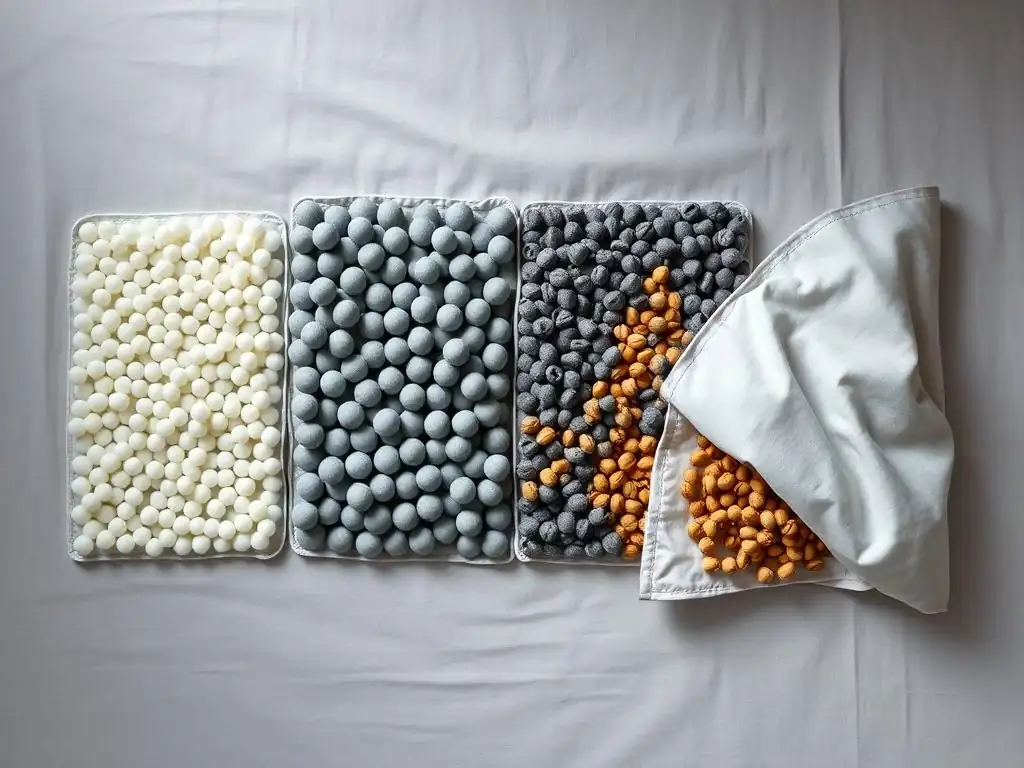
Glass beads are a popular choice in many higher-end weighted blankets, prized for their smooth texture and high density. These tiny, often polished, beads are typically smaller than a grain of rice, allowing them to conform closely to the body's shape. Their density means that less material is needed to achieve a specific weight compared to larger fillers like plastic pellets.
This results in a thinner, less bulky blanket where the weight is distributed very evenly, providing consistent deep pressure stimulation. Users frequently report that glass beads offer a more fluid and comfortable feel, enhancing the overall weighted blanket material benefits, particularly for those seeking a premium sensory experience.
The even weight distribution provided by glass beads is particularly beneficial for individuals using weighted blankets for anxiety or sleep issues. The consistent pressure across the body mimics a gentle hug, which can activate the parasympathetic nervous system, promoting relaxation. Because the beads are so small, they tend to settle densely, minimizing shifting and noise within the blanket's pockets.
This quiet operation is crucial for sleep, as unexpected sounds can disrupt the process of falling or staying asleep. While blankets filled with glass beads may sometimes be slightly more expensive, the perceived benefits in terms of comfort, quietness, and effective pressure application often justify the cost for those prioritizing optimal weighted blanket material benefits.
Plastic Poly Pellets: Budget-Friendly and Washable Options
Plastic poly pellets, usually made from virgin polyethylene, are another common filler found in weighted blankets. These pellets are typically larger and lighter per volume than glass beads, resembling small plastic beads or pebbles. They are a more economical option, making weighted blankets filled with poly pellets generally more accessible in terms of price. One significant advantage of plastic poly pellets is their durability and washability. Many blankets filled with poly pellets can be machine washed and dried, which is a major convenience for hygiene and maintenance, ensuring the long-term usability and cleanliness of the blanket.
While offering a budget-friendly entry point and ease of care, plastic poly pellets can sometimes result in a different feel compared to glass beads. Due to their larger size and lighter density, they may not distribute weight as smoothly or conform as closely to the body.
Some users report feeling the individual pellets more distinctly, and the filler may shift more noticeably within the blanket's stitched pockets, potentially creating some noise. However, for many, the combination of affordability and practicality, especially the ability to easily clean the blanket, makes plastic poly pellets a perfectly suitable option for experiencing the core weighted blanket material benefits for anxiety and sleep support.
Sand or Steel Shot: Traditional and Heavy Fillers (Proceed with Caution)
Historically, some weighted items, including early or DIY versions of weighted blankets, utilized fillers like sand or steel shot. These materials are very dense, allowing for significant weight in a compact form. Sand, being fine, can potentially offer a conforming feel, while steel shot consists of small, heavy metal beads. While they can provide substantial weight, these fillers come with significant drawbacks that make them less common and generally not recommended for modern, high-quality therapeutic weighted blankets.
The primary concerns with sand or steel shot include the risk of leakage through the fabric, which can be messy and potentially hazardous (especially with steel shot). Furthermore, these materials are extremely difficult, if not impossible, to wash effectively if the blanket becomes soiled, posing a hygiene challenge. Sand can retain moisture, potentially leading to mold or mildew growth, while steel shot can rust.
The potential for uneven distribution over time, especially if the internal compartmentalization is not robust, can also diminish the desired weighted blanket material benefits. For these reasons, most reputable manufacturers of weighted blankets designed for anxiety and sleep now exclusively use glass beads or plastic poly pellets, which offer safer, more hygienic, and more practical alternatives.
Natural Fillers: Eco-Friendly and Sustainable Options (e.g., Rice, Oats, Millet)
For those prioritizing sustainability and natural materials, some weighted items or DIY projects might use organic fillers such as rice, oats, millet, or even dried beans. These options are biodegradable and can appeal to an eco-conscious consumer base. They offer a connection to natural materials and can provide weight, often used in smaller, localized weighted items like heat packs or lap pads rather than full-sized blankets. The appeal here is primarily environmental, aligning with a desire for sustainable living practices.
However, natural fillers present significant practical challenges when used in items intended for regular therapeutic use, especially a full-sized weighted blanket. The most critical issue is that these materials are not washable. Exposure to moisture can cause them to swell, clump, or even sprout.
They can also attract insects or rodents over time. Furthermore, some natural fillers, like grains, can be allergens for certain individuals. While they might offer weighted blanket material benefits in a localized, disposable context, their lack of durability, washability, and potential for biological issues make them generally unsuitable for a long-term, hygienic, and effective weighted blanket intended to support mental well-being and sleep consistently.
Choosing the Right Weighted Blanket Filler: Key Considerations for Anxiety and Sleep
Weight Distribution and Comfort: How Filler Type Affects the Blanket's Feel
The primary goal of a weighted blanket for anxiety and sleep is to provide even, comforting pressure across the body. The filler material is the main determinant of how well this is achieved. Fine fillers like glass beads offer superior conformity and smoother weight distribution, allowing the blanket to drape closely and apply consistent pressure, akin to a gentle, continuous hug.
This evenness is crucial for activating the calming effects of deep pressure stimulation effectively. A blanket with well-distributed weight feels more integrated and less like a collection of weighted pockets, significantly enhancing the user's comfort and the overall therapeutic experience.
In contrast, larger or less dense fillers, such as plastic poly pellets, may result in slightly less uniform pressure. While still effective, the weight can feel more localized within the blanket's compartments, and the filler might shift more noticeably. This can impact the feeling of seamless pressure.
For individuals particularly sensitive to tactile input or seeking the most refined sensory experience, the difference in weight distribution between glass beads and poly pellets can be significant. Choosing a filler that provides the desired level of smooth, even pressure is key to maximizing the weighted blanket material benefits for relaxation and sleep quality.
Hypoallergenic Properties: Important for Sensitive Skin and Allergies
For many users, especially those with sensitive skin, allergies, or respiratory sensitivities, the hypoallergenic nature of the weighted blanket filler is a critical consideration. Materials like glass beads and virgin plastic poly pellets are generally considered hypoallergenic because they are inorganic, non-porous, and do not harbor dust mites or allergens in the way that some organic materials might. Choosing a blanket filled with one of these materials significantly reduces the risk of triggering allergic reactions, such as skin irritation, itching, or respiratory symptoms, which could otherwise interfere with the blanket's intended calming effect.
Conversely, natural fillers like grains or beans are inherently organic and can potentially harbor mold spores, bacteria, or attract pests, making them unsuitable for individuals prone to allergies or asthma. Even some synthetic fillers might contain additives or be made from materials that could cause reactions in very sensitive individuals, though this is less common with standard glass or poly fillers used in reputable products. Prioritizing hypoallergenic fillers ensures that the weighted blanket material benefits can be enjoyed without compromising health or comfort due to allergic sensitivities, contributing to a safer and more positive therapeutic experience.
Noise Level: Minimizing Distractions for Restful Sleep
One often-overlooked aspect of weighted blanket fillers is the potential for noise. As the user shifts or moves under the blanket, the filler material inside the compartments can make sounds. For someone trying to fall asleep or stay asleep, even subtle noises can be disruptive and counteract the blanket's purpose of promoting relaxation. The type and size of the filler significantly influence the amount of noise produced.
Generally, fine glass beads are the quietest filler option. Their small size and smooth surface mean they glide past each other with minimal friction or sound. Blankets filled with glass beads tend to be very quiet, which is a major advantage for users seeking a tranquil environment for sleep or relaxation. Plastic poly pellets, being larger and lighter per volume, can sometimes make a gentle rustling or clicking sound as they shift within their pockets.
While often not loud, this noise can be noticeable to sensitive individuals. Natural fillers like rice or beans can also produce sounds. For those prioritizing an undisturbed experience to maximize weighted blanket material benefits for sleep, opting for a filler known for its quiet operation, such as glass beads, is highly recommended.
Washability and Maintenance: Ease of Care for Long-Term Use
The practicality of cleaning and maintaining a weighted blanket is an important factor for long-term use and hygiene. The washability of the blanket is largely determined by the type and weight of the filler material, as well as the construction of the blanket itself.
Blankets filled with glass beads or plastic poly pellets are often designed to be washable, though the sheer weight of a wet blanket can exceed the capacity of standard home washing machines (often recommending commercial machines or spot cleaning for larger sizes). These inorganic fillers do not degrade or get damaged by water and detergent, making cleaning feasible.
In stark contrast, weighted blankets or items filled with natural materials like rice, oats, or beans are generally not washable. Attempting to wash them would likely ruin the filler and potentially the blanket itself, as the organic material can swell, clump, mold, or attract pests.
Fillers like sand or steel shot also pose significant washing challenges and risks. Choosing a filler that allows for relatively easy cleaning, such as glass beads or plastic poly pellets, ensures that the blanket can be kept hygienic over time, which is essential for a product used regularly, especially in a bedroom setting, thereby preserving the intended weighted blanket material benefits.
Maximizing Weighted Blanket Material Benefits for Mental Well-being

Pairing the Right Filler with Your Specific Needs
Selecting the appropriate weighted blanket filler is not a one-size-fits-all decision; it should be a deliberate choice based on individual preferences and needs to maximize the desired weighted blanket material benefits. For instance, someone with sensory sensitivities who prioritizes a smooth, quiet, and evenly distributed pressure might find that glass beads offer the most comfortable and least distracting experience, enhancing their ability to relax and reduce anxiety. The fine texture and density of glass beads provide a premium feel that can significantly contribute to the blanket's therapeutic effectiveness by promoting a deeper sense of calm and security.
On the other hand, a user who needs a weighted blanket but is on a tighter budget or requires a blanket that can be easily and frequently washed might find plastic poly pellets to be the more practical choice. While the feel might be slightly different, the core benefit of deep pressure stimulation is still provided, and the ease of maintenance ensures that the blanket remains hygienic and usable over time.
Understanding the characteristics of each filler – its feel, weight distribution, noise level, and washability – allows individuals to make an informed decision that aligns with their specific requirements for comfort, hygiene, and sensory input, ultimately leading to a more effective tool for managing anxiety and improving sleep.
Tips for Enhancing the Benefits of Your Weighted Blanket
Beyond choosing the right filler, several strategies can help users maximize the weighted blanket material benefits for their mental well-being. Firstly, ensuring the blanket's weight is appropriate for your body size (typically around 10% of your body weight, though personal preference is key) is crucial, as even the best filler won't be effective if the weight is wrong. Using the blanket consistently, whether for a few minutes during periods of anxiety or throughout the night for sleep, can help the body and mind become accustomed to the deep pressure, increasing its efficacy over time.
Creating a calming environment can further enhance the benefits. This might involve dimming lights, reducing noise (though a quiet filler helps! ), or incorporating other relaxation techniques like deep breathing exercises while using the blanket.
Proper care and maintenance, enabled by choosing a washable filler like glass beads or poly pellets, ensure the blanket remains a clean and inviting tool for comfort. By combining the careful selection of a filler that meets your specific sensory and practical needs with mindful usage and a supportive environment, you can significantly elevate the positive impact of your weighted blanket on anxiety levels and sleep quality, unlocking its full potential for improving your mental well-being.
Conclusion: Investing in Your Comfort and Mental Health with the Right Weighted Blanket
Choosing a weighted blanket is an investment in your comfort and mental health, offering a tangible tool to help manage anxiety and improve sleep quality through the power of deep pressure stimulation. As we've explored, the type of filler material within the blanket is not a minor detail but a fundamental component that significantly influences the blanket's feel, weight distribution, quietness, and ease of care.
Each filler option, from smooth glass beads offering premium, even pressure to practical and washable plastic poly pellets, presents a different set of characteristics that impact the user experience and the overall weighted blanket material benefits.
Understanding these differences allows you to make an informed decision tailored to your specific needs, preferences, and priorities, whether that's prioritizing hypoallergenic properties, seeking the quietest option for sleep, or needing easy washability for daily use. While traditional or natural fillers come with significant drawbacks, modern options like glass beads and poly pellets provide safe and effective ways to deliver the therapeutic weight.
By carefully considering the weighted blanket material benefits offered by each filler type and pairing this knowledge with your personal requirements, you can select a comfort companion that truly supports your journey towards improved mental well-being and more restful sleep.
Frequently Asked Questions
What are the most common materials used as fillers in weighted blankets?
Common fillers include plastic pellets, glass beads, and steel shot. Natural options such as sand or rice are also sometimes used, though less common due to potential issues with cleaning and durability.
How do different filler materials affect the overall weight and feel of a weighted blanket?
Different materials have varying densities. Denser materials like steel shot allow for a slimmer profile at the same weight, while lighter materials like plastic pellets require more volume.
What are the pros and cons of using plastic pellets as a weighted blanket filler?
Plastic pellets are often more affordable and washable, but they can be bulkier and some may find them less comfortable due to their texture. Concerns about environmental impact also exist.
Are there any hypoallergenic filler options for weighted blankets?
Yes, glass beads and steel shot are generally considered hypoallergenic. It's important to check the blanket's outer fabric material as well for potential allergens.
How does the choice of filler material impact the durability and longevity of a weighted blanket?
Glass beads and steel shot are generally the most durable options, offering the longest lifespan. Natural fillers can degrade over time, and plastic pellets may flatten or break down with repeated use and washing.
Final Reflection: The Weight of Comfort, The Depth of Understanding
The quest for better sleep and stress reduction is a universal one, and understanding the materials within our weighted blankets is key to unlocking their true potential. The subtle differences between glass beads, plastic pellets, and hypoallergenic fillers significantly impact the overall experience, from the comforting weight distribution to the long-term durability and health benefits. Choosing wisely isn't just about comfort; it's about investing in a healthier, more restful future.
The journey through various weighted blanket fillers has highlighted the profound impact seemingly small details can have on our well-being. The shift from simply seeking a weighted blanket to understanding the precise composition speaks volumes about our increasing awareness of the connection between our physical environment and our mental health. The body is your temple. Keep it pure and clean for the soul to reside in.
This ancient wisdom resonates deeply as we consider the materials we choose to surround ourselves with, especially those designed to promote relaxation and sleep.
Now, consider your own relationship with comfort and well-being. What materials resonate most with you? What are your priorities – weight distribution, hypoallergenic properties, or perhaps sustainability? Take this knowledge, this deeper understanding of your weighted blanket's inner workings, and use it to make an informed choice. Invest in a comfort companion that truly aligns with your needs, and experience the transformative power of mindful comfort.
Unlock Deeper Relaxation: Your Next Steps to Cozy Comfort
Thanks for taking the time to learn about weighted blanket fillers with Mind Care Guide! We hope you now feel more confident in choosing the perfect blanket for your needs. Ready to take the next step towards better sleep and relaxation?
- Find your ideal weighted blanket: Consider the key factors we discussed – weight, material, and fill – and begin your search for the ultimate comfort companion. Think about what feels right for you!
- Share your discovery: Tell your friends and family about your journey to finding the perfect weighted blanket. What are their comfort needs?
- Explore deeper: Dive into our other articles on sleep hygiene and relaxation techniques to further enhance your well-being.
What unique qualities are you most excited to find in your new weighted blanket? Let us know in the comments below!