
Fueling Your Calm: SelfCare Essentials for Workplace Anxiety Relief

Welcome to Mind Care Guide.
Feeling overwhelmed by workplace anxiety? You're not alone. We understand the pressures and challenges you face. This guide is dedicated to helping you reclaim your inner peace. Dive into our article, " Fueling Your Calm: SelfCare Essentials for Workplace Anxiety Relief," where we unpack practical and effective strategies to manage stress and thrive in your professional life. Curious about building a personalized self-care toolkit? Let's begin your journey to a calmer, more confident you.
Fueling Your Calm: Self-Care Essentials for Workplace Anxiety Relief
- Understanding Workplace Anxiety and the Need for Self-Care
- Essential Self-Care Strategies for Workplace Anxiety
- Practical Self-Care Tips for a Less Anxious Workday
- Long-Term Self-Care for Sustained Workplace Anxiety Relief
- Integrating Self-Care into Your Daily Work Life: A Checklist
- Overcoming Challenges to Implementing Self-Care at Work
-
Frequently Asked Questions
- What are the key self-care practices to combat workplace anxiety?
- How can I identify the triggers for my workplace anxiety?
- What role does physical well-being play in managing workplace anxiety?
- Are there quick relaxation techniques I can use during a stressful workday?
- When should I seek professional help for my workplace anxiety?
- Final Reflection: Cultivating Calm in the Storm of Workplace Stress
- Ignite Your Inner Calm: Take Charge of Your Well-being Now!
Understanding Workplace Anxiety and the Need for Self-Care
Defining Workplace Anxiety: Identifying Triggers and Symptoms
Workplace anxiety is a common experience, characterized by feelings of worry, unease, or tension related to one's job. It's more than just occasional stress; it's a persistent state that can significantly impact productivity and well-being. Triggers vary widely but often include tight deadlines, difficult colleagues or supervisors, fear of failure, excessive workload, lack of control, or uncertainty about job security. Recognizing these triggers is the first step towards developing effective workplace anxiety selfcare essentials.
Symptoms manifest differently for everyone but frequently involve both emotional and physical signs. Emotionally, individuals might experience irritability, difficulty concentrating, feelings of dread, or constant worrying about work-related issues. Physically, symptoms can include headaches, muscle tension, digestive problems, fatigue, or even panic attacks. Understanding these personal indicators is vital for implementing targeted self-care strategies for workplace anxiety relief.
Why Self-Care is Crucial for Managing Workplace Anxiety
Self-care isn't a luxury; it's a fundamental necessity, especially when navigating the pressures of a demanding work environment. Engaging in workplace anxiety selfcare essentials proactively builds resilience, helping you better cope with stressors as they arise rather than being overwhelmed by them. It creates a buffer, reducing the intensity and frequency of anxious feelings associated with work.
Beyond mere coping, consistent self-care practices enhance overall mental and physical health. By dedicating time to activities that nourish your well-being, you replenish the energy and emotional reserves depleted by workplace demands. This allows you to approach challenges with a clearer mind and a more stable emotional state, making effective self-care for workplace anxiety a cornerstone of sustainable professional life.
The Impact of Neglecting Self-Care in High-Stress Work Environments
Failing to prioritize self-care in a high-stress job can have severe consequences, leading to a downward spiral of deteriorating mental and physical health. Chronic workplace anxiety without intervention often results in burnout, a state of emotional, physical, and mental exhaustion caused by prolonged stress. The World Health Organization recognizes burnout as an occupational phenomenon, linking it to feelings of energy depletion, increased mental distance from one's job, and reduced professional efficacy.
Neglecting workplace anxiety selfcare essentials can also exacerbate existing health conditions or lead to new ones, including cardiovascular issues, weakened immune function, and chronic pain. Productivity and job performance inevitably suffer as concentration wanes and motivation decreases. Furthermore, strained relationships with colleagues and loved ones can result from the pervasive irritability and withdrawal often associated with unchecked workplace anxiety.
Essential Self-Care Strategies for Workplace Anxiety
Prioritizing Mental Wellness: Building a Self-Care Routine for Anxiety Relief
Building a consistent self-care routine is foundational to managing workplace anxiety. This isn't about grand gestures but about incorporating small, sustainable practices into your daily and weekly schedule. Start by identifying activities that genuinely help you relax and recharge, whether it's reading for 20 minutes each evening, taking a walk during your lunch break, or dedicating Saturday mornings to a hobby. The key is consistency and making these activities non-negotiable appointments with yourself.
Creating a routine provides structure and predictability, which can be incredibly grounding when feeling overwhelmed by work-related uncertainty. Think of your self-care routine as your personal shield against stress. It might include specific times for exercise, mindfulness, social connection, or creative pursuits. Even allocating just 15-30 minutes daily specifically for mental wellness activities can significantly reduce the impact of workplace stressors over time. These are the true workplace anxiety selfcare essentials.
Mindfulness and Meditation for Calming Workplace Anxiety
Mindfulness involves paying attention to the present moment without judgment, a powerful tool for interrupting the cycle of anxious thoughts. Simple mindfulness exercises can be done anywhere, anytime, providing immediate relief from escalating workplace anxiety symptoms. For instance, practicing mindful breathing for just one minute – focusing solely on the sensation of air entering and leaving your body – can calm the nervous system.
Meditation takes mindfulness a step further, often involving focused attention or open awareness for a set period. Regular meditation practice has been shown in numerous studies to reduce symptoms of anxiety and improve emotional regulation. Research published in journals like Health Psychology has indicated that mindfulness-based interventions can lead to measurable reductions in stress hormone levels like cortisol. Incorporating meditation into your workplace anxiety selfcare essentials can fundamentally alter your stress response.
Simple Mindfulness Exercises You Can Do at Your Desk
You don't need a quiet room or hours of free time to practice mindfulness at work. One simple technique is the "5-4-3-2-1" grounding exercise: identify 5 things you can see, 4 things you can touch, 3 things you can hear, 2 things you can smell, and 1 thing you can taste. This exercise pulls your focus away from anxious thoughts and firmly into your immediate environment.
Another effective desk exercise is mindful stretching. Take a few minutes to gently stretch your neck, shoulders, and back, paying close attention to the sensations in your body. Avoid rushing through the movements; instead, focus on the feeling of release and tension melting away. Even taking three conscious, deep breaths while sitting upright at your desk can reset your nervous system and provide a moment of calm amidst a hectic workday.
Guided Meditation Apps for Workplace Stress Reduction
Numerous mobile applications offer guided meditations specifically designed for stress and anxiety, many with short sessions perfect for a work break. Apps like Headspace, Calm, and Insight Timer provide guided exercises ranging from 3 to 20 minutes, covering topics like mindful breathing, body scans, and cultivating compassion. Many also feature specific programs for managing stress or improving focus.
Using a guided meditation app during your lunch break or even for 5 minutes before a challenging meeting can significantly lower your anxiety levels. The guided aspect helps you stay focused if your mind tends to wander, which is common during anxiety. These apps make incorporating meditation into your workplace anxiety selfcare essentials accessible and convenient, even in a busy office environment.
Physical Self-Care for Anxiety Management
Caring for your physical body is intrinsically linked to managing mental health, making it a critical component of workplace anxiety selfcare essentials. Physical activity, nutrition, and sleep all play significant roles in regulating mood and stress levels. Neglecting these areas can amplify feelings of anxiety and make it harder to cope with work pressures.
Focusing on physical self-care provides tangible actions you can take that have a direct positive impact on your nervous system and overall resilience. It's about creating a foundation of physical well-being that supports your mental health, enabling you to face workplace challenges from a position of strength rather than depletion.
The Role of Exercise in Reducing Workplace Anxiety
Exercise is a powerful antidote to anxiety. Physical activity releases endorphins, natural mood boosters that can alleviate stress and improve overall well-being. Even moderate exercise, like a brisk 30-minute walk, can have a calming effect. Regular physical activity also helps regulate sleep patterns and reduce muscle tension, both of which are often exacerbated by anxiety.
Aim for consistent movement throughout your week. This doesn't mean you need a rigorous gym routine; taking the stairs, cycling to work, doing some stretching during breaks, or going for a walk after dinner are all effective ways to incorporate exercise. Making physical activity a regular part of your routine is one of the most impactful workplace anxiety selfcare essentials.
Healthy Eating Habits to Support Mental Well-being
What you eat significantly impacts your mood and energy levels. Erratic eating patterns, excessive caffeine, and sugary snacks can lead to blood sugar spikes and crashes, which can mimic or worsen anxiety symptoms. Focusing on a balanced diet rich in whole foods supports brain function and helps stabilize mood.
Include plenty of fruits, vegetables, lean proteins, and complex carbohydrates in your diet. Omega-3 fatty acids, found in fish like salmon, are particularly beneficial for brain health. Staying hydrated by drinking enough water throughout the day is also crucial, as dehydration can contribute to fatigue and irritability. Mindful eating – paying attention to your food and how it makes you feel – is another valuable practice.
Importance of Sleep for Managing Anxiety at Work
Quality sleep is non-negotiable for managing anxiety. Sleep deprivation impairs judgment, increases irritability, and makes it harder to cope with stress, effectively magnifying workplace anxiety symptoms. Aim for 7-9 hours of quality sleep per night.
Establish a relaxing bedtime routine to signal to your body that it's time to wind down. This might include reading, taking a warm bath, or practicing gentle stretching. Ensure your bedroom is dark, quiet, and cool. Avoid screens (phones, tablets, TVs) for at least an hour before bed, as the blue light can interfere with sleep patterns. Prioritizing sleep is a fundamental workplace anxiety selfcare essential.
Emotional Self-Care Techniques for Workplace Stress
Emotional self-care involves acknowledging, processing, and managing your feelings in a healthy way. It's about building emotional resilience and developing coping mechanisms for difficult emotions that arise from workplace stress. These techniques help prevent emotions from becoming overwhelming and contributing to anxiety.
Practicing emotional self-care allows you to understand your internal landscape better. It's about giving yourself permission to feel, express, and work through emotions rather than suppressing them. This leads to a greater sense of emotional control and stability, which is vital when dealing with the unpredictable nature of workplace challenges.
Journaling for Emotional Processing and Anxiety Relief
Journaling provides a private space to explore your thoughts and feelings without judgment. Writing down your worries related to work can help externalize them, making them feel less overwhelming. It can also help you identify patterns in your anxiety triggers and thought processes.
Try setting aside 10-15 minutes each day to write about your experiences at work, your feelings, and any anxious thoughts you're having. You don't need to write perfectly; the goal is simply to get your thoughts onto paper. This practice can provide clarity, reduce mental clutter, and act as a release valve for pent-up stress and anxiety.
Practicing Gratitude to Shift Your Perspective
Focusing on gratitude can help counteract the negativity bias often associated with anxiety. Taking time to appreciate the positive aspects of your job or life outside of work can shift your perspective and reduce the intensity of anxious feelings.
Each day, make a conscious effort to identify a few things you're grateful for, even small ones like a supportive colleague, a successful project, or a peaceful commute. You can write these down in a gratitude journal or simply reflect on them silently. This practice trains your brain to notice the good, creating a more balanced outlook even amidst workplace stress.
Setting Boundaries to Protect Your Mental Health at Work
Establishing clear boundaries is crucial for preventing work from encroaching on your personal life and well-being. This means defining when and where you work, and when you don't. It involves learning to say "no" to additional tasks when your plate is full and communicating your capacity effectively.
Boundaries can include setting specific work hours and sticking to them, avoiding checking work emails late at night or on weekends, and taking your full lunch break away from your desk. Clearly communicating your availability and limitations to colleagues and supervisors can reduce pressure and prevent burnout. Setting and maintaining healthy boundaries is a fundamental aspect of workplace anxiety selfcare essentials.
Practical Self-Care Tips for a Less Anxious Workday

Creating a Calming Workspace
Your physical workspace significantly impacts your mental state. A cluttered, chaotic environment can contribute to feelings of stress and overwhelm, while a calm, organized space can promote focus and reduce anxiety. Taking simple steps to optimize your immediate surroundings is a practical workplace anxiety selfcare essential.
Even small changes can make a difference. Consider what elements in your workspace contribute to stress and what could potentially soothe you. This isn't about a complete office overhaul, but about making mindful adjustments within your control to create a more supportive environment for managing workplace anxiety.
Decluttering Your Desk for Reduced Stress
A messy desk can be a visual representation of a cluttered mind. Taking 5-10 minutes at the beginning or end of each day to clear your workspace can create a sense of order and control. Organize papers, put away supplies, and remove unnecessary items that create visual noise.
A tidy desk reduces distractions and makes it easier to find what you need, cutting down on frustration. It creates a physical space that feels calm and manageable, which can positively impact your mental state and reduce low-level anxiety associated with disorganization.
Incorporating Calming Scents and Sounds
Sensory elements can powerfully influence mood. If permissible in your workplace, consider incorporating calming scents or sounds into your personal workspace. Aromatherapy using essential oils like lavender or chamomile (perhaps via a small diffuser or a few drops on a tissue) is known for its relaxing properties.
Soft, ambient background noise or nature sounds (if using headphones is allowed) can help block out distracting office chatter and create a more peaceful atmosphere. Be mindful of colleagues and office policies, ensuring any sensory additions are subtle and non-disruptive. These small environmental adjustments can be effective workplace anxiety selfcare essentials.
Time Management Strategies to Reduce Anxiety
Feeling overwhelmed by workload and deadlines is a major source of workplace anxiety. Effective time management isn't just about efficiency; it's about gaining control over your tasks and schedule, which directly reduces stress and the feeling of being constantly behind. Poor time management often leads to rushing, mistakes, and increased anxiety.
Implementing simple time management techniques can break down large tasks into manageable steps, prioritize effectively, and create a clearer picture of your workload. This reduces the feeling of chaos and increases confidence in your ability to meet demands, making it a crucial workplace anxiety selfcare essential.
Prioritizing Tasks and Avoiding Overcommitment
Learn to prioritize your tasks using methods like the Eisenhower Matrix (urgent/important) or simply by identifying your top 3 most critical tasks for the day. Focus on completing these before moving on to less important items. This ensures that essential work gets done and prevents the anxiety of looming deadlines.
Equally important is learning to avoid overcommitment. It's okay to decline non-essential tasks or projects if your current workload is already causing stress. Clearly communicate your capacity and negotiate deadlines if necessary. Saying "yes" to everything is a fast track to burnout and heightened workplace anxiety.
Using Breaks Effectively for Recharge and Relaxation
Taking regular breaks is not a sign of weakness or laziness; it's essential for maintaining focus, preventing fatigue, and managing anxiety. Short, frequent breaks are often more effective than one long one. Step away from your desk, move your body, or engage in a brief relaxing activity.
Use breaks to practice some mindful breathing, take a short walk outside, listen to calming music, or chat briefly with a friendly colleague. Avoid using breaks to scroll through stressful news or engage in demanding activities. The goal is to actively recharge your mental and emotional batteries so you can return to your tasks with renewed energy and reduced anxiety.
Communication Skills for Managing Workplace Conflict
Workplace conflict and difficult interactions are significant sources of anxiety for many people. Developing effective communication skills can help you navigate these situations more confidently, reducing the stress associated with potential confrontations or misunderstandings.
Improving your communication allows you to express your needs, set boundaries, and resolve issues constructively. This minimizes the likelihood of festering resentments or escalating conflicts that fuel workplace anxiety. Learning to communicate assertively and seeking support are key workplace anxiety selfcare essentials.
Assertive Communication Techniques
Assertive communication involves expressing your thoughts, feelings, and needs clearly and respectfully, without being aggressive or passive. Use "I" statements (e.g., "I feel concerned about the deadline" instead of "You're putting too much pressure on me") to express your perspective without blaming others.
Practice active listening when others are speaking, focusing on understanding their point of view before formulating your response. Be direct and honest, but always maintain respect for others. Assertiveness empowers you to advocate for yourself and manage difficult conversations with less fear and anxiety.
Seeking Support from Colleagues and Supervisors
You don't have to manage workplace anxiety alone. Talking to trusted colleagues or your supervisor about your workload, challenges, or feelings of overwhelm can provide valuable support and potential solutions. Many workplaces now have resources or employee assistance programs (EAPs) available.
Choose someone you trust and feel comfortable with. Simply sharing your experience can be validating and reduce feelings of isolation. A supervisor might be able to adjust your workload, provide resources, or offer guidance on managing specific challenges. Seeking support is a sign of strength and an important workplace anxiety selfcare essential.
Long-Term Self-Care for Sustained Workplace Anxiety Relief
Building a Support System
A strong support system is vital for long-term mental well-being, especially when dealing with chronic workplace anxiety. Knowing you have people to turn to outside of work provides a crucial buffer against stress and isolation. This system should include a mix of personal and potentially professional connections.
Nurturing relationships with friends and family provides emotional comfort and a sense of belonging. They offer perspective and a reminder that your identity isn't solely defined by your job. For more persistent or severe anxiety, professional support from a therapist or counselor is invaluable.
Connecting with Friends, Family, and Therapists
Make time for meaningful interactions with friends and family regularly. Share your experiences if you feel comfortable, or simply enjoy activities together that help you relax and disconnect from work stress. Social connection is a powerful antidote to the isolation that anxiety can sometimes create.
If your workplace anxiety is significantly impacting your life, consider seeking professional help. Therapists specializing in anxiety or occupational stress can provide tailored strategies and coping mechanisms. Many therapists offer online sessions, making it easier to fit appointments into a busy schedule. This is a critical step in sustainable workplace anxiety selfcare essentials.
Setting Realistic Career Goals
Unrealistic expectations or relentless pressure to achieve can fuel workplace anxiety and lead to burnout. Setting realistic career goals involves defining what success looks like for you, acknowledging your limitations, and understanding that progress is often gradual.
This also means recognizing when a job or career path might be fundamentally incompatible with your well-being. It's not about settling, but about aligning your professional aspirations with your capacity for stress and your need for balance.
Avoiding Burnout and Overwork
Burnout is a clear signal that your current work demands exceed your capacity to cope sustainably. It's characterized by exhaustion, cynicism, and reduced efficacy. Preventing burnout requires proactive steps like setting boundaries, managing your workload, and taking regular time off.
Schedule vacations and use your paid time off. Even short breaks like long weekends can help you disconnect and recharge. Learn to recognize the early signs of burnout, such as increased irritability, decreased motivation, and physical symptoms, and take immediate steps to address them using your workplace anxiety selfcare essentials.
Seeking Professional Help When Needed
While self-care is powerful, it's important to recognize when workplace anxiety requires professional intervention. Mental health professionals are trained to diagnose and treat anxiety disorders and can provide strategies tailored to your specific situation.
Seeking help is a sign of strength and a commitment to your well-being. Therapists can offer evidence-based treatments that address the root causes of your anxiety and equip you with advanced coping mechanisms.
Identifying Signs You Need Professional Support
Signs that you might need professional help include persistent or worsening anxiety that doesn't improve with self-care, difficulty functioning at work or in other areas of your life, panic attacks, avoidance of work-related situations, or using unhealthy coping mechanisms like excessive alcohol or substance use.
If your anxiety feels overwhelming, chronic, or is significantly impacting your physical health, sleep, or relationships, it's time to consult a doctor or mental health professional. They can assess your situation and recommend the most appropriate course of action.
Types of Therapy Effective for Workplace Anxiety
Several types of therapy are effective for treating workplace anxiety. Cognitive Behavioral Therapy (CBT) helps you identify and challenge negative thought patterns and behaviors that contribute to anxiety. Acceptance and Commitment Therapy (ACT) focuses on accepting difficult thoughts and feelings while committing to actions aligned with your values.
Mindfulness-Based Stress Reduction (MBSR) programs can also be highly beneficial, teaching mindfulness and meditation techniques to reduce stress and anxiety. A therapist can help you determine which approach is best suited to your needs and help you develop robust workplace anxiety selfcare essentials.
Integrating Self-Care into Your Daily Work Life: A Checklist
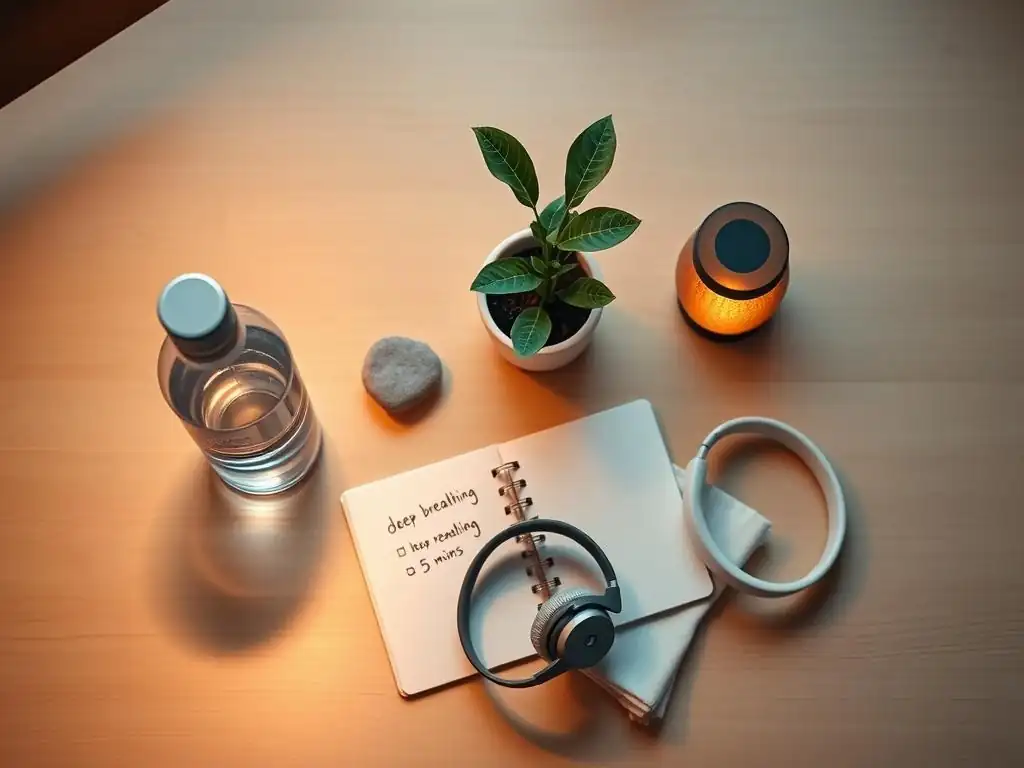
Successfully managing workplace anxiety requires consistent effort. This checklist provides a framework for integrating workplace anxiety selfcare essentials into your daily and weekly routine.
Daily Self-Care Practices for Managing Workplace Anxiety Symptoms
- [ ] Start the day with a brief mindfulness exercise (e.g., 5 minutes of deep breathing).
- [ ] Take short breaks (5-10 minutes) every 60-90 minutes to stand, stretch, or walk.
- [ ] Practice mindful eating during lunch, focusing on your food and taking your full break.
- [ ] Drink adequate water throughout the day.
- [ ] Engage in a brief gratitude practice (identify 1-3 things you're grateful for).
- [ ] Set a clear end time for your workday and stick to it.
- [ ] Wind down in the evening with a screen-free activity before bed.
Weekly Self-Care Activities for Deeper Relaxation and Rejuvenation
- [ ] Engage in moderate physical activity (e.g., 30 minutes, 3-5 times per week).
- [ ] Dedicate time to a hobby or enjoyable activity unrelated to work.
- [ ] Connect with friends or family socially.
- [ ] Spend time in nature (e.g., a walk in a park, hiking).
- [ ] Practice a longer meditation or relaxation technique (e.g., 20-30 minutes).
- [ ] Review your week and plan for the next, identifying potential stressors and self-care opportunities.
Long-Term Self-Care Goals for Sustainable Well-being
- [ ] Establish and maintain clear boundaries between work and personal life.
- [ ] Regularly assess your workload and communicate capacity to your supervisor.
- [ ] Plan and take regular vacations or time off.
- [ ] Nurture a strong support network (friends, family, potentially a therapist).
- [ ] Continuously learn and refine your coping mechanisms for workplace anxiety.
- [ ] Re-evaluate career goals periodically to ensure they align with your well-being.
Overcoming Challenges to Implementing Self-Care at Work
Addressing Common Barriers to Self-Care
Implementing workplace anxiety selfcare essentials isn't always easy. Common barriers include lack of time, feeling guilty for taking breaks, pressure from workplace culture, or simply not knowing where to start. Recognize these obstacles but don't let them defeat you. Small, consistent steps are more effective than trying to do everything at once.
Challenge the belief that being busy equals being productive or valuable. Prioritize self-care by scheduling it into your day just like any other important meeting. If workplace culture is a barrier, look for allies or discreet ways to practice self-care, like listening to a meditation app with headphones. Start small – even 5 minutes of mindful breathing is better than nothing.
Strategies for Staying Committed to Your Self-Care Routine
Consistency is key to making self-care effective for workplace anxiety. Link your self-care practices to existing habits (e.g., meditate after you brush your teeth). Use reminders on your phone or calendar to prompt you to take breaks or engage in specific activities.
Track your progress and notice how self-care impacts your anxiety levels. This positive reinforcement can increase motivation. Be flexible; if you miss a session, don't give up, just get back on track the next day. Finding an accountability partner, like a friend or colleague also focusing on self-care, can also help maintain commitment.
The Importance of Self-Compassion in Managing Workplace Anxiety
Finally, approach yourself with kindness and understanding. Managing workplace anxiety is a process, and there will be days when you struggle or fall short of your self-care goals. Instead of being critical, practice self-compassion. Acknowledge that you're facing a challenge and that it's okay to not be perfect.
Treat yourself with the same empathy you would offer a friend dealing with similar difficulties. Recognize that setbacks are part of the journey, not a failure. Cultivating self-compassion is a powerful workplace anxiety selfcare essential that builds resilience and supports your efforts to manage stress and promote well-being.
Frequently Asked Questions
What are the key self-care practices to combat workplace anxiety?
The key self-care practices involve incorporating mindfulness techniques, prioritizing regular breaks, and establishing clear boundaries between work and personal life.
How can I identify the triggers for my workplace anxiety?
Identifying triggers requires careful self-reflection and observation of your emotional responses in different work situations. Keeping a journal of your feelings can be helpful.
What role does physical well-being play in managing workplace anxiety?
Physical well-being is crucial, as exercise, healthy eating, and sufficient sleep significantly impact mental health. Prioritizing these aspects reduces overall stress levels, which eases anxiety.
Are there quick relaxation techniques I can use during a stressful workday?
Yes, deep breathing exercises, progressive muscle relaxation, and visualization are effective quick techniques. These can be done discreetly at your desk to regain calm.
When should I seek professional help for my workplace anxiety?
If self-care strategies are not providing adequate relief and anxiety is significantly impacting your performance or well-being, seeking professional help from a therapist or counselor is recommended.
Final Reflection: Cultivating Calm in the Storm of Workplace Stress
The relentless pace of modern work life leaves many feeling overwhelmed, and the need for effective self-care strategies to combat workplace anxiety is more critical than ever. The rising tide of stress-related illnesses and burnout underscores the urgency of prioritizing mental well-being, not just as a personal choice, but as a crucial element of professional success and overall societal health. Ignoring this reality is no longer an option; actively cultivating calm is a necessity.
The journey towards a more balanced and less anxious work experience is a deeply personal one, requiring consistent effort and self-compassion. It's a journey I've undertaken myself, and the lessons learned have profoundly shaped my perspective on work-life integration. Self-care is not selfish. You cannot serve from an empty vessel.
This quote perfectly encapsulates the importance of prioritizing our mental and emotional well-being before we can effectively contribute to our work and personal lives. The shift towards a culture that values self-care, rather than viewing it as a luxury, is a slow but vital evolution, and we all have a role to play in fostering this change.
Now, consider your own journey. What small, consistent steps can you take today to integrate self-care into your daily routine? Perhaps it's setting aside just five minutes for mindful breathing, taking a short walk during your lunch break, or establishing clear boundaries between work and personal time. Remember, the path to a calmer, more fulfilling work life begins with a single, intentional step. Embrace the journey, celebrate your progress, and never underestimate the power of prioritizing your well-being. You deserve it.
Ignite Your Inner Calm: Take Charge of Your Well-being Now!
Thanks for taking the time to explore practical strategies for managing workplace anxiety. We hope you found valuable insights to help you prioritize your mental wellness. Now it's time to put those strategies into action!
- Prioritize one self-care activity from the article this week. Schedule it in your calendar, treat it as a non-negotiable appointment with yourself, and notice the difference.
- Share your favorite self-care tip with a colleague – spreading the word about mental well-being can create a supportive work environment.
- Explore a new relaxation technique mentioned in the article (or find a new one that resonates with you). Experiment and see what works best for your unique needs.
What small step will you take today to nurture your mental well-being at work?