
Living with GAD: Coping Strategies, Treatment, and Finding Support


Welcome to Mind Care Guide, a safe space dedicated to nurturing your mental well-being.
Do you ever feel like worries are constantly swirling, making it hard to simply breathe? You're not alone. Many experience the persistent unease of Generalized Anxiety Disorder (GAD). This article delves into practical Generalized anxiety disorder coping strategies to help you navigate daily life with greater calm and resilience. We'll explore effective techniques, treatment options, and where to find the support you deserve. Ready to take the first step towards easing your anxiety? Let's begin.
Living with GAD: Coping Strategies, Treatment, and Finding Support - Mind Care Guide
- Understanding Anxiety Disorders
- GAD Coping Strategies: Practical Techniques
- Anxiety Treatment Options: Finding the Right Approach
- Building a Support System
- Self-Care Strategies
- Resources for Anxiety Disorders
- Living a Fulfilling Life
-
Frequently Asked Questions
- How can I tell if I have Generalized Anxiety Disorder (GAD)?
- What are some effective coping strategies for managing GAD symptoms?
- What treatment options are available for Generalized Anxiety Disorder?
- Where can I find support and resources for dealing with GAD?
- How can I support someone I know who is living with Generalized Anxiety Disorder?
- Final Reflection: Embracing Resilience in the Face of GAD
- Unleash Your Inner Strength: Take Control of Your GAD Today
Understanding Anxiety Disorders
What is Anxiety? Defining Anxiety and its Characteristics
Anxiety is a natural human response to danger or stress, characterized by feelings of worry, nervousness, or unease. It's a fundamental part of our fight-or-flight mechanism, designed to help us react to potential threats. However, for some individuals, anxiety becomes excessive, persistent, and interferes significantly with daily life. This is often the hallmark of an anxiety disorder, where the response is out of proportion to the actual situation or threat.
Generalized Anxiety Disorder (GAD) is one of the most common anxiety disorders. It is defined by persistent and excessive worry about a variety of topics, including work, school, health, family, or other everyday issues, for at least six months. This worry is difficult to control and is often accompanied by physical symptoms like restlessness, fatigue, difficulty concentrating, irritability, muscle tension, and sleep disturbances. Unlike panic attacks, which are intense but often episodic, the anxiety in GAD is more constant and pervasive.
Anxiety vs. Everyday Stress: Recognizing the Difference
Everyday stress is a temporary feeling of pressure or tension in response to external demands or challenges, such as meeting a deadline, preparing for an exam, or dealing with a difficult situation. Once the stressor is removed or resolved, the feelings of stress typically subside. It is a normal and often adaptive response that can even motivate action.
Anxiety, particularly in the context of a disorder like GAD, differs from everyday stress in its intensity, duration, and pervasiveness. While stress is usually tied to a specific external trigger, GAD involves excessive worry that is often generalized and persistent, even when there is no immediate or apparent cause.
The worry is difficult to control, intrusive, and significantly impairs functioning in social, occupational, or other important areas. For example, worrying intensely for weeks about a potential minor health issue that hasn't materialized, or constantly anticipating disaster even when things are going well, are indicators that the anxiety may be more than just everyday stress.
Common Symptoms of Anxiety Disorders
Anxiety disorders manifest through a range of emotional, cognitive, behavioral, and physical symptoms. While specific symptoms can vary depending on the type of anxiety disorder (e.g., panic disorder, social anxiety, specific phobias), there are common threads that run through many of them. Emotionally, individuals often experience excessive worry, fear, apprehension, and a sense of dread.
Cognitive symptoms include difficulty concentrating, racing thoughts, rumination, overthinking potential negative outcomes, and a persistent feeling of being on edge. Behavioral symptoms might involve avoiding situations that trigger anxiety, restlessness, irritability, and difficulty relaxing. Physically, anxiety can present as a rapid heartbeat, sweating, trembling, shortness of breath, muscle tension, headaches, digestive issues like nausea or stomachaches, and sleep problems such as insomnia or restless sleep. Recognizing a cluster of these symptoms, especially when they are persistent and disruptive, is often the first step in identifying a potential anxiety disorder.
GAD Coping Strategies: Practical Techniques
Living with Generalized Anxiety Disorder requires effective coping strategies to manage the persistent worry and physical symptoms. Developing strong Generalized anxiety disorder coping strategies can significantly improve quality of life. These strategies can range from immediate techniques to calm intense moments to long-term approaches that build resilience over time.
Implementing practical, evidence-based Generalized anxiety disorder coping strategies is key to regaining a sense of control over your anxiety. It's not just about alleviating symptoms in the moment, but about building a toolkit of techniques that can be applied consistently. This section explores various strategies that have proven beneficial for individuals managing GAD, from simple breathing exercises to more complex therapeutic approaches, all aimed at providing effective Generalized anxiety disorder coping strategies.
Immediate Anxiety Relief Techniques
When anxiety spikes, having immediate techniques at your disposal can help prevent escalation and bring a sense of calm. These methods are designed to quickly engage your parasympathetic nervous system, counteracting the body's stress response. Practicing these techniques regularly, even when not anxious, can make them more effective during moments of heightened stress or worry.
These immediate Generalized anxiety disorder coping strategies offer a lifeline when you feel overwhelmed. They provide a moment to pause, recenter, and interrupt the cycle of anxious thoughts and physical sensations. While they don't solve the underlying causes of GAD, they are invaluable tools for managing acute episodes and building confidence in your ability to handle difficult moments.
Deep Breathing Exercises for Anxiety Management
Deep breathing is one of the simplest yet most powerful immediate anxiety relief techniques. When you feel anxious, your breathing often becomes shallow and rapid, which can exacerbate physical symptoms like dizziness and a racing heart. Engaging in slow, deep breathing signals to your brain that you are safe, helping to calm your nervous system.
A common technique is diaphragmatic or belly breathing. Find a comfortable position, either sitting or lying down. Place one hand on your chest and the other on your belly, just below your rib cage. Inhale slowly and deeply through your nose, feeling your belly rise as you fill your lungs with air.
Your chest should remain relatively still. Exhale slowly through your mouth, gently pressing your belly to help push the air out. Repeat this process for several minutes, focusing solely on the sensation of your breath moving in and out. Aim for a rhythm of inhaling for a count of four and exhaling for a count of six or seven.
Progressive Muscle Relaxation
Progressive Muscle Relaxation (PMR) is another effective technique for reducing immediate anxiety by systematically tensing and then releasing different muscle groups in the body. Anxiety often leads to chronic muscle tension, and PMR helps you become more aware of this tension and learn how to release it.
To practice PMR, find a quiet place where you won't be interrupted. Start with your feet. Tense the muscles in your feet as tightly as you can for about 5-10 seconds, then completely release the tension, noticing the feeling of relaxation.
Move up through your body, tensing and releasing each muscle group: calves, thighs, buttocks, abdomen, chest, back, hands, arms, shoulders, neck, and face. Focus on the contrast between the feeling of tension and the feeling of relaxation in each area. This practice not only helps release physical tension but also serves as a grounding exercise, bringing your attention to your body rather than your anxious thoughts.
Mindfulness and Grounding Techniques for Calming Anxiety
Mindfulness involves paying attention to the present moment without judgment, while grounding techniques are specific mindfulness practices designed to anchor you to the here and now when your mind is racing or you feel disconnected. Both are excellent Generalized anxiety disorder coping strategies for acute anxiety.
A simple grounding technique is the "5-4-3-2-1" method. When feeling anxious, take a moment to sit or stand still and focus on your senses. Identify: 5 things you can see around you, 4 things you can touch (focus on the textures), 3 things you can hear, 2 things you can smell, and 1 thing you can taste.
This exercise pulls your attention away from internal worries and anchors it firmly in your immediate environment. Regular mindfulness practice, even for a few minutes daily, can train your brain to stay present and reduce the likelihood of getting caught up in anxious thought spirals.
Long-Term Coping Mechanisms
Beyond immediate relief, developing long-term Generalized anxiety disorder coping strategies is crucial for sustained management of GAD. These mechanisms involve lifestyle changes, therapeutic techniques, and shifts in thinking patterns that build resilience and reduce the overall intensity and frequency of anxiety.
Implementing these strategies requires commitment and consistent effort, but the payoff is significant. They address not just the symptoms but also some of the underlying cognitive and behavioral patterns associated with GAD. Learning effective long-term Generalized anxiety disorder coping strategies is a journey towards greater emotional regulation and a more stable sense of well-being.
Cognitive Behavioral Therapy (CBT) Techniques
Cognitive Behavioral Therapy (CBT) is a highly effective long-term coping mechanism for GAD. It focuses on identifying and challenging negative thought patterns and behaviors that contribute to anxiety. The core principle is that our thoughts, feelings, and behaviors are interconnected, and changing one can influence the others.
In CBT for GAD, you learn to recognize your anxious thoughts (e.g., "Something terrible is going to happen"), evaluate their validity (e.g., "What is the actual evidence for this? "), and replace them with more realistic and balanced thoughts. Behavioral techniques might involve gradual exposure to feared situations or learning relaxation techniques. A course of CBT typically involves weekly sessions over 12-20 weeks and has demonstrated significant symptom reduction in approximately 60-70% of individuals with GAD. It teaches practical skills that you can continue to use long after therapy ends.
Challenging Negative Thoughts
A key component of CBT and a powerful long-term Generalized anxiety disorder coping strategy is learning to challenge the negative and often catastrophic thoughts associated with GAD. Individuals with GAD tend to overestimate threat and underestimate their ability to cope.
Challenging negative thoughts involves a systematic process. First, identify the specific anxious thought that is causing distress (e.g., "If I make a mistake at work, I'll get fired"). Second, examine the evidence for and against this thought (e.g., "Evidence for: I messed up a small task last week. Evidence against: I consistently meet my goals, my boss praised my performance last month, minor mistakes are common and usually handled with feedback, not termination").
Third, consider alternative, more balanced thoughts (e.g., "Making a mistake is possible, but it's unlikely to lead to being fired. I can learn from it and move on"). Regularly practicing this thought challenging process weakens the power of anxious cognitions over time.
Lifestyle Changes to Reduce Anxiety: Diet, Exercise, and Sleep
Integrating healthy lifestyle habits is a fundamental long-term strategy for managing GAD. Diet, exercise, and sleep all have a profound impact on mental health and can significantly influence anxiety levels.
Regular physical activity is a powerful anxiety reducer. Exercise releases endorphins, natural mood boosters, and helps reduce muscle tension. Aim for at least 150 minutes of moderate-intensity aerobic exercise per week, such as brisk walking, jogging, or swimming. Diet also plays a role; reducing caffeine and alcohol intake, which can trigger or worsen anxiety symptoms, and focusing on balanced nutrition with plenty of fruits, vegetables, whole grains, and lean protein can support overall well-being.
Prioritizing 7-9 hours of quality sleep per night is also critical, as sleep deprivation can heighten anxiety and irritability. Establishing a consistent sleep schedule and creating a relaxing bedtime routine can make a significant difference. These seemingly simple changes are vital Generalized anxiety disorder coping strategies.
Anxiety Treatment Options: Finding the Right Approach
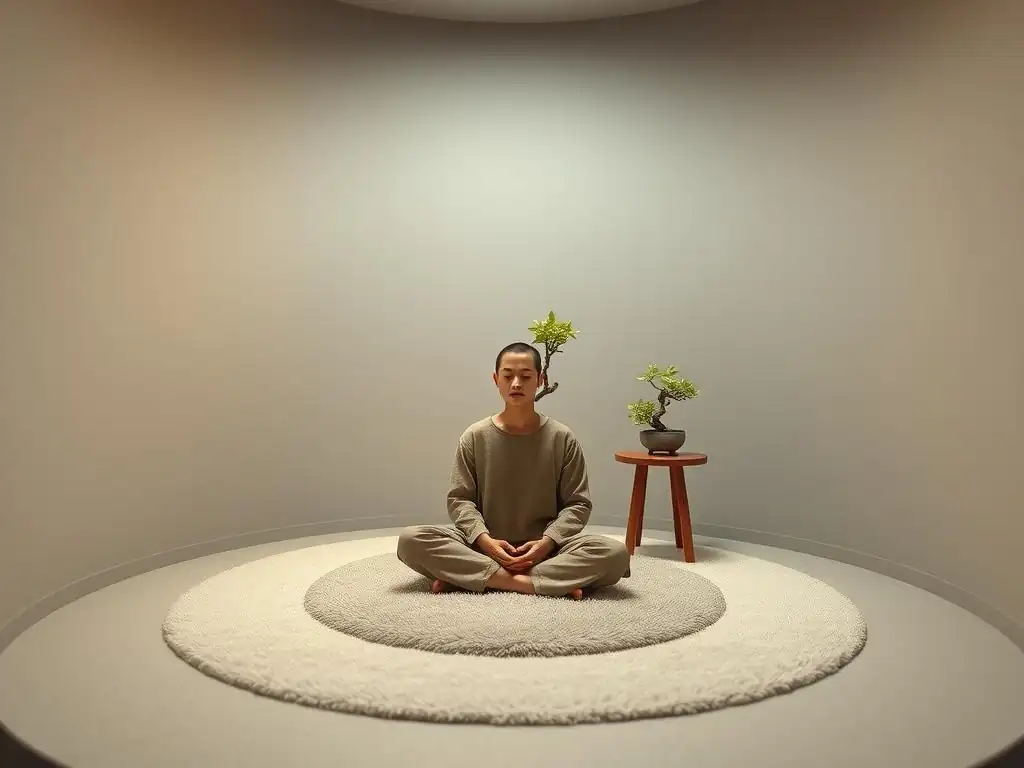
Finding the right treatment approach is essential for effectively managing Generalized Anxiety Disorder. While coping strategies provide valuable tools for daily management, professional treatment often addresses the underlying mechanisms of the disorder and offers more sustained relief. Treatment for GAD typically involves psychotherapy, medication, or a combination of both, tailored to the individual's specific needs and preferences.
Exploring different treatment options is an empowering step in living with GAD. It's important to work with mental health professionals to determine the most suitable path forward. The goal of treatment is not necessarily to eliminate all anxiety, but to reduce its intensity and frequency, improve coping skills, and restore functioning in important areas of life.
Psychotherapy for Anxiety Disorders
Psychotherapy, or talk therapy, is a cornerstone of treatment for Generalized Anxiety Disorder and many other anxiety disorders. It provides a safe space to explore the thoughts, feelings, and behaviors associated with anxiety and learn effective ways to manage them.
There are several types of psychotherapy that have demonstrated effectiveness in treating GAD. The choice of therapy often depends on the individual's specific symptoms, history, and preferences. Therapy sessions are typically conducted weekly or bi-weekly, either individually or in a group setting, and the duration can vary from a few months to over a year, depending on progress and needs.
The Role of Cognitive Behavioral Therapy (CBT)
As mentioned earlier regarding Generalized anxiety disorder coping strategies, CBT is a highly recommended psychotherapy for GAD. Its structured, goal-oriented approach makes it particularly effective. It teaches individuals practical skills to identify and modify the cognitive distortions (such as overestimation of risk) and behavioral patterns (like avoidance) that perpetuate anxiety.
Through techniques like thought records, exposure therapy (often used more for specific phobias but principles can apply to GAD worries), and behavioral experiments, individuals learn to confront their fears and challenge the beliefs that fuel their anxiety. Research consistently supports the efficacy of CBT for GAD, with studies showing significant reductions in worry and physical symptoms compared to control groups. Many individuals continue to benefit from the skills learned in CBT long after therapy concludes.
Acceptance and Commitment Therapy (ACT)
Acceptance and Commitment Therapy (ACT) is another form of therapy that can be effective for GAD, offering a different perspective than traditional CBT. Instead of focusing solely on changing thoughts, ACT emphasizes accepting difficult thoughts and feelings without trying to control or eliminate them.
ACT helps individuals clarify their personal values and commit to taking action consistent with those values, even in the presence of anxiety. It utilizes mindfulness techniques to increase awareness of the present moment and encourages psychological flexibility – the ability to adapt to challenging situations with resilience. For someone with GAD, this might involve learning to accept the presence of worry while still engaging in valued activities, rather than letting the worry dictate behavior.
Other Therapeutic Approaches
While CBT and ACT are prominent, other therapeutic approaches can also be beneficial for GAD. Psychodynamic therapy, for example, explores how past experiences and unconscious patterns might contribute to current anxiety. Interpersonal therapy (IPT) focuses on the role of relationship issues in maintaining distress.
Applied Relaxation Training (ART) is a specific technique where individuals learn to quickly relax in response to early signs of anxiety. Meta-analyses have shown that various therapeutic approaches can be effective for GAD, highlighting the importance of finding a therapist and modality that resonates with the individual's needs and personality. Often, a combination of techniques from different approaches is utilized by therapists.
Medication for Anxiety Disorders
Medication can be a valuable component of a comprehensive treatment plan for Generalized Anxiety Disorder, particularly when symptoms are severe or significantly impairing daily functioning. Medication works by affecting brain chemistry to reduce the intensity of anxiety symptoms.
It's crucial to understand that medication is not a cure for GAD, but rather a tool to manage symptoms and make psychotherapy and lifestyle changes more accessible and effective. The decision to use medication should always be made in consultation with a qualified healthcare provider, who can discuss the potential benefits, risks, and side effects.
Anti-Anxiety Medications: Benefits and Side Effects
Benzodiazepines are a class of anti-anxiety medications often prescribed for short-term relief of severe anxiety symptoms. They work quickly by enhancing the effect of the neurotransmitter GABA, which has a calming effect on the brain. Examples include alprazolam (Xanax), lorazepam (Ativan), and clonazepam (Klonopin).
While effective for immediate relief, benzodiazepines carry risks, including drowsiness, dizziness, impaired coordination, and the potential for dependence and withdrawal symptoms if used long-term. They are typically prescribed for short periods or for occasional use during acute anxiety episodes, rather than as a primary long-term treatment for GAD due to these risks.
Antidepressants: SSRIs and SNRIs
Selective Serotonin Reuptake Inhibitors (SSRIs) and Serotonin-Norepinephrine Reuptake Inhibitors (SNRIs) are considered first-line medications for the long-term treatment of GAD. Although initially developed as antidepressants, they are highly effective in reducing anxiety symptoms. SSRIs work by increasing serotonin levels in the brain, while SNRIs affect both serotonin and norepinephrine.
Commonly prescribed SSRIs for GAD include escitalopram (Lexapro) and sertraline (Zoloft), while venlafaxine (Effexor) and duloxetine (Cymbalta) are examples of SNRIs used. These medications typically take several weeks (often 4-6 weeks or longer) to reach their full therapeutic effect. Potential side effects can include nausea, insomnia, weight changes, and sexual dysfunction, although these often improve over time. The dosage and specific medication are determined by a doctor based on individual response and tolerability.
Discussing Medication Options with Your Doctor
Choosing whether to use medication and which one is a collaborative process between you and your healthcare provider. It's essential to have an open and honest discussion about your symptoms, medical history, any other medications you are taking, and your preferences.
Your doctor can explain how different medications work, their potential benefits for your specific GAD symptoms, and common side effects. They can also discuss the timeline for seeing effects, dosage adjustments, and how to safely start and stop medication. Don't hesitate to ask questions and express any concerns you have about medication, including potential interactions or long-term use. Regular follow-up appointments are necessary to monitor your response and manage any side effects.
Alternative and Complementary Therapies
In addition to traditional psychotherapy and medication, many individuals find that alternative and complementary therapies can be valuable adjuncts to their GAD coping strategies and treatment plan. These approaches often focus on reducing stress, promoting relaxation, and improving overall well-being.
While research varies on the direct efficacy of some of these therapies specifically for GAD, many can help alleviate symptoms and improve quality of life when used alongside evidence-based treatments. It's important to discuss the use of any complementary therapy with your healthcare provider to ensure it is safe and appropriate for you.
Yoga and Meditation for Anxiety Reduction
Yoga and meditation are mind-body practices that have shown promise in reducing anxiety symptoms. Yoga combines physical postures, breathing techniques, and meditation or relaxation. The physical movement helps release tension, while the focus on breath and present moment awareness cultivates mindfulness.
Regular meditation practice, even for just 10-15 minutes daily, can help train the mind to become less reactive to anxious thoughts and feelings. Studies have indicated that consistent yoga and meditation can lead to reductions in cortisol (a stress hormone) levels and improvements in reported anxiety symptoms. Many online resources and local studios offer classes specifically focused on stress and anxiety relief.
Acupuncture and Massage Therapy
Some individuals explore therapies like acupuncture and massage therapy as complementary approaches for managing anxiety. Acupuncture, a practice originating in traditional Chinese medicine, involves inserting thin needles into specific points on the body. The theory is that this stimulates the body's natural healing processes and affects energy flow.
Massage therapy involves manipulating the body's soft tissues. Both acupuncture and massage are thought to reduce stress hormones and promote the release of endorphins. While research on their direct impact on GAD is ongoing, many people report feeling more relaxed and experiencing reduced physical tension after these treatments, which can indirectly help alleviate anxiety symptoms.
Biofeedback for Anxiety Relief
Biofeedback is a technique that teaches you to control physiological responses that are typically involuntary, such as heart rate, muscle tension, and skin temperature. Sensors are attached to your body to measure these responses, and the information is displayed on a monitor, allowing you to see how your body reacts to stress or relaxation techniques.
Through training with a biofeedback therapist, you learn to modify these responses, for example, by consciously slowing your heart rate or reducing muscle tension using relaxation techniques like deep breathing or guided imagery. Over time, you can learn to control these responses without the equipment. Biofeedback can be a useful tool for individuals with GAD who experience significant physical symptoms of anxiety.
Building a Support System
Living with Generalized Anxiety Disorder can feel isolating, but connecting with others is a vital part of managing the condition. Building a strong support system provides emotional comfort, practical assistance, and a sense of belonging. This support can come from various sources, including friends, family, support groups, and mental health communities.
Having people you can talk to about your experiences, who understand or are willing to learn about GAD, can significantly reduce feelings of loneliness and being misunderstood. A robust support system is a powerful tool among effective Generalized anxiety disorder coping strategies.
Social support plays a crucial role in overall mental well-being and is particularly important for individuals managing anxiety disorders. Feeling connected to others reduces stress, provides perspective, and offers a buffer against negative emotions.
Research consistently shows that strong social connections are associated with lower levels of anxiety and depression and improved coping abilities. Sharing your struggles with trusted individuals can lighten the emotional burden and provide validation. It can also offer opportunities to learn from others' experiences and gain new insights into managing your own anxiety.
Finding Support Groups
Support groups offer a unique form of social support by connecting individuals who share similar experiences, such as living with GAD. These groups provide a safe and understanding environment where people can openly discuss their challenges and successes without fear of judgment.
Participating in a support group can provide valuable emotional validation, practical advice from peers, and a sense of community. Hearing how others navigate their anxiety and utilize their Generalized anxiety disorder coping strategies can be incredibly empowering and inspiring. Support groups are available in various formats to suit different preferences and needs.
Online Support Communities
For many, online support communities offer accessibility and anonymity, making it easier to connect with others who understand GAD. Numerous forums, social media groups, and dedicated online platforms are available where individuals can share experiences, ask questions, and offer support 24/7.
Online communities are particularly helpful for those who may have difficulty attending in-person meetings due to geographical location, social anxiety, or scheduling constraints. They provide a space to connect with a global network of individuals navigating similar challenges, sharing their Generalized anxiety disorder coping strategies and offering encouragement. Reputable mental health organizations often host moderated online forums.
Local Support Groups and Organizations
In-person local support groups offer face-to-face interaction and a sense of direct community connection. These groups are often facilitated by mental health professionals or trained peer leaders. They provide a structured environment for sharing and mutual support.
Organizations dedicated to mental health, such as the National Alliance on Mental Illness (NAMI) or the Anxiety & Depression Association of America (ADAA) in the US, often have local chapters that host support group meetings. Checking their websites or contacting local mental health centers can help you find groups in your area. These groups can become a reliable source of ongoing support and shared Generalized anxiety disorder coping strategies.
Communicating with Loved Ones
Open and honest communication with family and friends is vital when living with GAD. Helping your loved ones understand what you are experiencing can foster empathy, reduce misunderstandings, and enable them to provide the support you need.
It can be challenging to articulate the complexities of anxiety, but taking the time to educate those close to you is an investment in your support network. It allows them to be part of your journey and understand how they can best help, whether through practical assistance or simply by listening.
How to Explain Anxiety to Family and Friends
Explaining GAD to someone who hasn't experienced it can be difficult. You might start by describing anxiety not just as feeling stressed, but as a persistent state of excessive worry that is hard to control, often about things that are unlikely to happen or are out of proportion to the situation.
Use analogies if helpful; some people describe it like having a constant alarm bell ringing in their head or a radio playing static that they can't turn off. Explain that it affects not just your mind but also your body, causing physical symptoms. Share specific examples of how your anxiety impacts your daily life – perhaps difficulty sleeping, avoiding social situations, or needing reassurance. Providing them with reliable resources (like articles from Mind Care Guide) can also help them learn more.
Setting Boundaries and Asking for Support
Part of communicating effectively is also setting healthy boundaries and being specific about the kind of support you need. Loved ones often want to help but may not know how, or they might inadvertently say or do things that aren't helpful.
Be clear about what helps you and what doesn't. For example, you might ask them to listen without trying to fix things, to distract you when you're feeling overwhelmed, or to simply spend time with you. Conversely, you might need to set boundaries around constant reassurance-seeking or engaging in lengthy discussions about your worries if that is counterproductive. It's okay to ask for space if you need it or to decline social invitations if you're not feeling up to it. Clearly communicating your needs and boundaries empowers both you and your loved ones.
Self-Care Strategies

Self-care is not a luxury; it is a fundamental component of managing Generalized Anxiety Disorder and building resilience. Prioritizing activities that nourish your mind and body helps reduce stress, improve mood, and bolster your ability to use your Generalized anxiety disorder coping strategies effectively.
Integrating consistent self-care practices into your daily or weekly routine is an active step towards managing GAD. It acknowledges that living with anxiety requires ongoing effort and attention to your own needs.
Prioritizing Self-Care Activities
Self-care looks different for everyone, but it generally involves engaging in activities that help you relax, recharge, and feel good. This could include hobbies, spending time in nature, reading, listening to music, taking a warm bath, or practicing relaxation techniques.
It's easy to let self-care slide when feeling overwhelmed or busy, but that's precisely when it's most needed. Try to schedule dedicated time for self-care, just as you would any other important appointment. Even small pockets of time, like 15 minutes for deep breathing or a short walk, can make a significant difference in managing daily anxiety levels.
Creating a Daily Routine to Reduce Anxiety
A predictable daily routine can provide structure and a sense of control, which can be very grounding for someone with GAD. Anxiety often thrives in uncertainty, and a routine helps minimize unexpected stressors and provides a framework for integrating coping strategies and self-care.
Establishing consistent times for waking up, sleeping, meals, work or other activities, exercise, and relaxation can help regulate your body's internal clock and reduce feelings of chaos. Include time in your routine for practicing your preferred Generalized anxiety disorder coping strategies, whether that's morning meditation, a lunchtime walk, or evening journaling. Flexibility is also important; a routine is a guide, not a rigid schedule that adds more pressure.
Managing Stress and Preventing Burnout
Chronic stress can significantly exacerbate GAD symptoms. Therefore, developing effective stress management techniques is a critical self-care strategy. This involves identifying your personal stressors and implementing methods to mitigate their impact.
Techniques like time management, setting realistic expectations, learning to say no, and delegating tasks can help reduce external pressures. Regularly practicing relaxation techniques (like those mentioned earlier), engaging in enjoyable activities, and ensuring adequate rest are also key to preventing burnout. Recognizing the early signs of stress overload and taking proactive steps is essential for maintaining well-being when living with GAD.
Resources for Anxiety Disorders
Accessing reliable information and support is crucial for anyone living with Generalized Anxiety Disorder. Fortunately, numerous resources are available to help you understand GAD, learn effective Generalized anxiety disorder coping strategies, find treatment options, and connect with support.
These resources range from educational websites and books to professional organizations and crisis services. Knowing where to turn for help is an important step in managing your anxiety journey.
Websites and Organizations Dedicated to Anxiety Support
Several reputable organizations offer comprehensive information and support for anxiety disorders, including GAD. Websites like those run by the Anxiety & Depression Association of America (ADAA), the National Institute of Mental Health (NIMH), and the National Alliance on Mental Illness (NAMI) provide accurate information on symptoms, causes, treatment options, and coping strategies.
These sites often feature articles, webinars, personal stories, and directories to help you find mental health professionals or local support groups. Exploring these resources can deepen your understanding of GAD and connect you with valuable networks and information on effective Generalized anxiety disorder coping strategies.
Books and Articles on Managing Anxiety
Reading books and articles written by mental health professionals or individuals with lived experience can provide valuable insights and practical guidance for managing GAD. Many self-help books based on CBT or mindfulness principles offer step-by-step exercises for challenging anxious thoughts and practicing relaxation techniques.
Look for resources that are evidence-based and written by qualified authors. Reading about others' experiences can also normalize your own feelings and provide hope and motivation. Libraries and online booksellers offer a wide selection of materials on anxiety management and effective Generalized anxiety disorder coping strategies.
Crisis Hotlines and Mental Health Services
If you are experiencing severe anxiety, panic, or suicidal thoughts, it is crucial to seek immediate help. Crisis hotlines provide free, confidential support 24/7 and can offer immediate assistance and connect you with local resources.
Examples include the National Suicide Prevention Lifeline or the Crisis Text Line. Additionally, understanding how to access mental health services in your area, such as therapists, psychiatrists, or community mental health centers, is vital for getting professional support when needed. Don't hesitate to reach out; help is available.
Living a Fulfilling Life
Living with Generalized Anxiety Disorder is a challenge, but it does not mean you cannot live a rich, meaningful, and fulfilling life. Managing GAD involves learning to navigate anxiety while still pursuing your goals, connecting with others, and finding joy in everyday experiences.
It's about integrating effective Generalized anxiety disorder coping strategies into your life, seeking appropriate treatment, and practicing self-compassion as you move forward. Recovery is a process, and there will be ups and downs, but progress is possible.
Setting Realistic Goals and Expectations
When living with GAD, it's important to set realistic goals and manage your expectations. Anxiety can sometimes lead to perfectionism or fear of failure, making it difficult to start or complete tasks. Break down larger goals into smaller, manageable steps.
Acknowledge that some days will be harder than others, and that's okay. Don't expect to be anxiety-free overnight. Focus on making gradual progress and celebrating small achievements along the way. Setting achievable goals reduces pressure and builds confidence in your ability to manage your anxiety and live the life you desire.
Celebrating Small Victories and Progress
Recovery from GAD is not a linear path, and it's important to recognize and celebrate your progress, no matter how small it seems. Successfully using a coping strategy during a moment of anxiety, attending a social event despite feeling nervous, or simply getting through a challenging day are all victories worth acknowledging.
Celebrating progress reinforces positive behaviors and motivates you to continue using your Generalized anxiety disorder coping strategies. Keep a journal to track your successes or simply take a moment to consciously acknowledge when you've handled a difficult situation well. This positive reinforcement is crucial for building self-efficacy and resilience.
Embracing Imperfection and Practicing Self-Compassion
Finally, living a fulfilling life with GAD involves embracing imperfection – both in yourself and in your journey. Anxiety often fuels self-criticism and the belief that you need to be perfect to avoid catastrophe. Learning to accept that you are human, that mistakes happen, and that you are doing your best is incredibly liberating.
Practice self-compassion by treating yourself with the same kindness and understanding you would offer a friend facing similar challenges. Recognize that GAD is a medical condition, not a personal failing. Be patient with yourself, especially on difficult days. Self-compassion is a powerful antidote to the harsh self-judgment that often accompanies anxiety and is a core element of effective long-term Generalized anxiety disorder coping strategies.
Frequently Asked Questions
How can I tell if I have Generalized Anxiety Disorder (GAD)?
GAD is characterized by persistent and excessive worry about various events or activities. If your anxiety is difficult to control and interferes with daily life, consult a professional for diagnosis. Remember, self-diagnosis is not recommended.
What are some effective coping strategies for managing GAD symptoms?
Several strategies can help manage GAD, including mindfulness techniques, regular exercise, and cognitive behavioral therapy (CBT). Lifestyle changes like improving sleep hygiene and reducing caffeine intake are also beneficial.
What treatment options are available for Generalized Anxiety Disorder?
Treatment for GAD often involves a combination of therapy and medication. Common therapies include Cognitive Behavioral Therapy (CBT) and Acceptance and Commitment Therapy (ACT). Medication options may include antidepressants or anti-anxiety medications.
Where can I find support and resources for dealing with GAD?
Many resources are available, including online support groups, mental health professionals, and community organizations. Websites like the Mind Care Guide and the Anxiety & Depression Association of America (ADAA) offer valuable information and support.
How can I support someone I know who is living with Generalized Anxiety Disorder?
Offer empathy and understanding, encourage them to seek professional help, and be a patient and supportive listener. Help them identify and practice healthy coping mechanisms.
Final Reflection: Embracing Resilience in the Face of GAD
The pervasive nature of Generalized Anxiety Disorder (GAD) affects millions, impacting not only mental well-being but also daily life. Understanding and implementing effective coping strategies is not merely beneficial; it's crucial for reclaiming a sense of control and fostering a life filled with joy and purpose, despite the challenges GAD presents. This understanding is more vital now than ever, as societal pressures and uncertainties continue to exacerbate anxiety levels for many.
The journey of living with GAD is a testament to the human spirit's incredible capacity for adaptation and resilience. It's a journey marked by both profound lows and unexpected moments of strength. Learning to navigate the complexities of anxiety, to identify triggers, and to utilize the tools discussed throughout this article – from mindfulness techniques to professional support – is a continuous process of self-discovery and growth.
As Viktor Frankl so eloquently stated, >“Between stimulus and response there is a space. In that space is our power to choose our response. In our response lies our growth and our freedom.” This space, this conscious choice, is the heart of effective GAD management.
You, the reader, now hold the power to integrate these strategies into your own life. Consider which coping mechanisms resonate most deeply with you. Don't hesitate to seek professional guidance; remember that reaching out is a sign of strength, not weakness. Embrace the journey of self-care, celebrate small victories, and remember that you are not alone. Your resilience is your greatest asset, and with consistent effort, you can cultivate a life where anxiety doesn't define you, but rather serves as a catalyst for growth and self-understanding.
Unleash Your Inner Strength: Take Control of Your GAD Today
Thanks for taking the time to explore the world of Generalized Anxiety Disorder with us. We hope this article equipped you with valuable insights and practical strategies to navigate your journey. Now, it's time to put this knowledge into action!
- Prioritize one coping mechanism from the article: Choose the strategy that resonates most with you and commit to practicing it daily this week. Even small, consistent efforts make a big difference.
- Share your experience (if you're comfortable): Connecting with others facing similar challenges can be incredibly powerful. Consider sharing your thoughts or experiences in the comments – your story might inspire someone else.
- Explore additional resources: Dive deeper into the wealth of information available online or consult a mental health professional to discuss personalized coping strategies and treatment options.
What small step will you take today to nurture your mental well-being and begin your journey towards managing GAD?