
Antioxidants: Your Dietary Shield Against AnxietyRelated Stress.

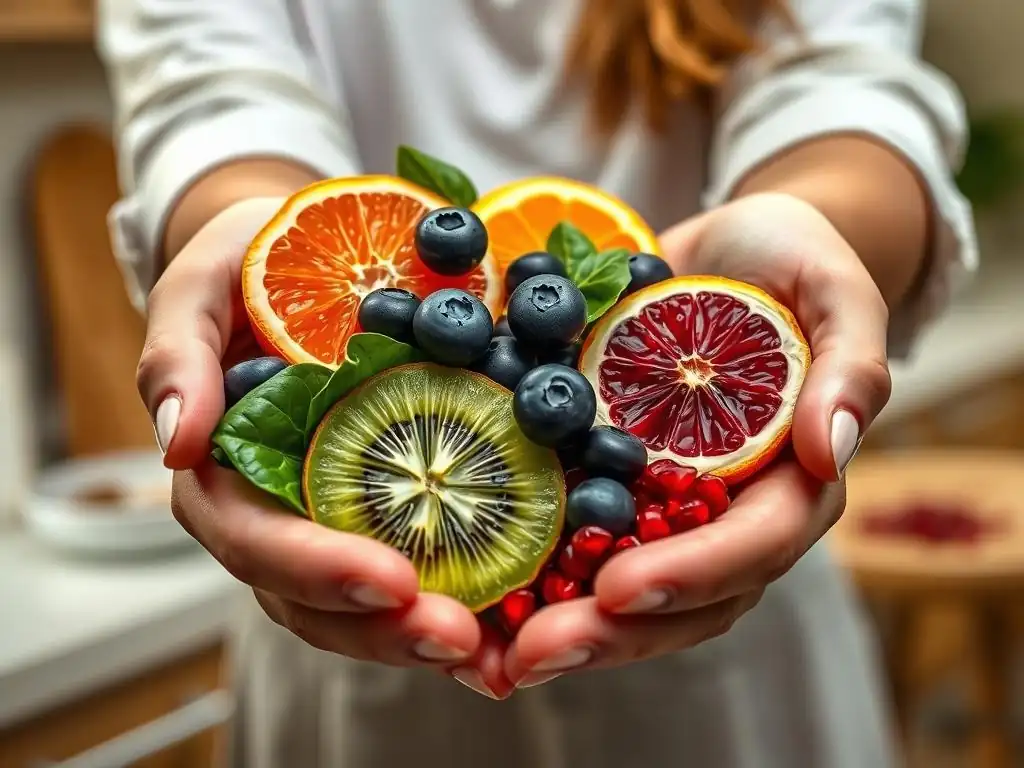
Welcome to Mind Care Guide, your sanctuary for navigating the complexities of mental well-being. Feeling overwhelmed by anxiety? You're not alone. Discover how something as simple as your diet can play a powerful role in managing stress. This week, we delve into how antioxidants reduce anxiety stress, offering practical insights and actionable steps to help you reclaim your inner peace. Intrigued? Let's explore the science behind a calmer, more resilient you.
Antioxidants: Your Dietary Shield Against Anxiety-Related Stress
Navigating the complexities of anxiety can be a significant challenge for millions worldwide. While therapy, medication, and lifestyle adjustments are cornerstones of anxiety management, emerging research highlights the powerful role of diet, particularly the inclusion of antioxidants, in supporting mental well-being and potentially helping to reduce anxiety stress. This article explores how oxidative stress is linked to anxiety and how incorporating antioxidant-rich foods into your diet can serve as a vital component of your mental health strategy.
- Understanding Anxiety and the Role of Oxidative Stress
- Antioxidants: Nature's Remedy for Anxiety Stress
- Top Antioxidant-Rich Foods for Anxiety Relief
- Incorporating Antioxidants into Your Daily Diet for Anxiety Management
- Lifestyle Factors to Enhance Antioxidant Effects on Anxiety
- Beyond Diet: A Holistic Approach to Anxiety Management
- Conclusion: Empowering Your Mental Health with Antioxidants
-
Frequently Asked Questions
- How do antioxidants help in reducing anxiety-related stress?
- What are some food sources rich in antioxidants that I can incorporate into my diet?
- Is it possible to rely solely on antioxidants from food to manage anxiety?
- Can taking antioxidant supplements be more effective than getting them from food?
- What is the link between oxidative stress and anxiety, and how do antioxidants intervene in this process?
- Final Reflection: Nourishing the Mind, Protecting the Spirit
- Unlock Your Inner Calm: Practical Steps to Stress-Less Living
Understanding Anxiety and the Role of Oxidative Stress
Anxiety disorders are among the most common mental health conditions, affecting an estimated 30% of adults at some point in their lives. These conditions are characterized by excessive worry, fear, and nervousness, which can significantly impact daily functioning. While the exact causes are complex and multifaceted, involving genetic, environmental, and psychological factors, recent scientific inquiry points towards a potential biological contributor: oxidative stress.
Oxidative stress occurs when there's an imbalance between the production of reactive oxygen species (free radicals) and the body's ability to neutralize them with antioxidants. These free radicals are unstable molecules that can damage cells, including those in the brain. Research suggests that individuals experiencing anxiety disorders may exhibit higher levels of oxidative stress markers compared to those without anxiety. This imbalance can disrupt normal brain function, potentially exacerbating the symptoms of anxiety.
The Link Between Anxiety Disorders and Oxidative Stress
Numerous studies have explored the connection between oxidative stress and various mental health conditions, including anxiety disorders. For example, some research indicates that patients diagnosed with generalized anxiety disorder (GAD) often show increased levels of lipid peroxidation markers, which are indicators of cellular damage caused by free radicals. This suggests that oxidative processes are actively occurring in the bodies of individuals with anxiety.
Furthermore, investigations into the neurobiological underpinnings of anxiety point towards the brain being particularly vulnerable to oxidative damage due to its high oxygen consumption and lipid content. Studies have found altered levels of antioxidant enzymes in the brains of individuals with anxiety, implying that their natural defense systems against free radicals might be compromised. This biological vulnerability underscores the potential importance of external sources of antioxidants.
How Oxidative Stress Contributes to Anxiety Symptoms
Oxidative stress can impact the brain in several ways that may contribute to anxiety symptoms. It can damage neurons and disrupt neurotransmitter function, particularly affecting pathways involving serotonin, dopamine, and GABA, which are crucial for mood regulation and stress response. For instance, damage to neuronal membranes caused by free radicals can impair the efficient transmission of nerve signals.
Moreover, oxidative stress can trigger neuroinflammation, a process where the brain's immune cells become activated. Chronic neuroinflammation is increasingly recognized as a factor in the development and severity of anxiety and depression. By damaging cells and promoting inflammation, oxidative stress creates an environment within the brain that may heighten sensitivity to stress, increase feelings of worry, and contribute to the persistent symptoms characteristic of anxiety disorders.
The Impact of Diet on Managing Anxiety and Oxidative Stress
Diet plays a critical role in modulating oxidative stress levels in the body. A diet high in processed foods, unhealthy fats, and sugar can increase the production of free radicals and deplete the body's antioxidant reserves. Conversely, a diet rich in fruits, vegetables, nuts, and seeds provides a wealth of antioxidants, which can help neutralize free radicals and mitigate oxidative damage.
Adopting a dietary pattern focused on whole, nutrient-dense foods can thus directly influence the balance between free radicals and antioxidants. This nutritional approach not only supports overall physical health but also provides specific compounds that are essential for brain health and resilience against stress. By prioritizing foods known for their antioxidant capacity, individuals can actively work towards reducing oxidative stress and potentially alleviating anxiety symptoms.
Antioxidants: Nature's Remedy for Anxiety Stress
Antioxidants are naturally occurring compounds found in many foods that help protect the body's cells from damage caused by free radicals. They act as scavengers, neutralizing these unstable molecules before they can cause harm. While the body produces some antioxidants on its own, it also relies heavily on dietary sources to maintain an adequate defense system.
Incorporating a variety of antioxidant-rich foods into your daily meals is a proactive step towards supporting your body's ability to combat oxidative stress. This nutritional strategy is gaining recognition not just for its role in preventing chronic diseases but also for its potential benefits in supporting mental health. Understanding what antioxidants are and how they function is key to leveraging their power.
What are Antioxidants and How Do They Work?
Antioxidants are a diverse group of substances, including vitamins (like Vitamin C and E), minerals (like selenium and zinc), and various plant compounds called phytochemicals (like flavonoids and carotenoids). Their primary mechanism of action involves donating an electron to a free radical, thereby stabilizing it and preventing it from causing damage to other molecules.
Different antioxidants often work together in the body, forming a complex defense network. For example, Vitamin E is a fat-soluble antioxidant that protects cell membranes, while Vitamin C is water-soluble and operates in cellular fluids. Some antioxidants also help regenerate other antioxidants, extending their protective effects. This synergistic action highlights the importance of consuming a wide variety of antioxidant types through a diverse diet.
Exploring the Benefits of Antioxidants for Mental Well-being
Beyond their role in neutralizing free radicals, antioxidants offer several benefits that can positively impact mental well-being. They can help reduce inflammation, which, as mentioned, is linked to anxiety and depression. By protecting brain cells from damage, they support cognitive function and may enhance resilience to stress.
Furthermore, certain antioxidants have been shown to influence neurotransmitter levels and signaling pathways in the brain. For instance, some flavonoids found in fruits and vegetables may interact with receptors involved in mood regulation. While research is ongoing, the evidence suggests that a diet high in these protective compounds can contribute to a more stable mood and potentially help antioxidants reduce anxiety stress.
Antioxidants Reduce Anxiety Stress: A Scientific Overview
Numerous studies have investigated the specific impact of antioxidants on anxiety levels. A systematic review published in 2018, analyzing data from several trials, found a significant association between higher dietary antioxidant intake and lower risk of anxiety and depression. Another study, involving over 1,000 participants, reported that individuals with the highest intake of Vitamin C and Vitamin E had a notably reduced likelihood of experiencing anxiety symptoms compared to those with lower intake.
Specific antioxidants like N-acetylcysteine (NAC), although often used as a supplement, have shown promise in clinical trials for their potential to reduce symptoms in conditions like obsessive-compulsive disorder (OCD) and generalized anxiety disorder, partly due to their antioxidant and anti-inflammatory effects. While more large-scale human trials are needed, the current body of evidence strongly supports the idea that dietary antioxidants reduce anxiety stress and improve resilience against psychological challenges.
Top Antioxidant-Rich Foods for Anxiety Relief
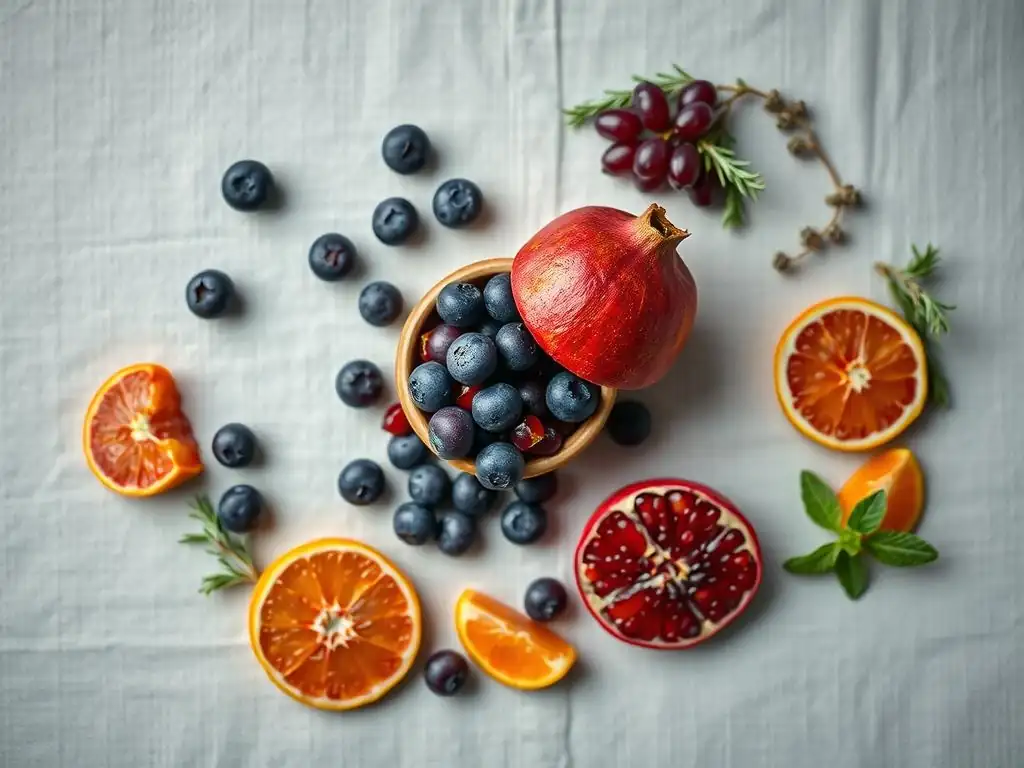
Incorporating specific foods known for their high antioxidant content is a practical way to leverage the benefits discussed. While a balanced diet is key, focusing on certain powerhouses can provide a significant boost to your antioxidant intake.
Berries: A Sweet Way to Combat Anxiety Stress
Berries are nutritional superstars, packed with antioxidants, particularly anthocyanins, which give them their vibrant colors. These compounds are potent free radical scavengers and have also been linked to improved cognitive function and mood.
The Antioxidant Power of Blueberries for Anxiety
Blueberries are often hailed as one of the foods with the highest antioxidant capacity. They are rich in anthocyanins and other flavonoids. Research suggests that regular consumption of blueberries may improve mood and cognitive performance, potentially by reducing oxidative stress and inflammation in the brain. A study involving young adults found that consuming blueberries daily led to improvements in mood after just a few weeks.
Strawberries and Raspberries: Delicious Stress Relievers
Strawberries and raspberries also boast impressive antioxidant profiles, including Vitamin C and ellagic acid. These berries contribute to the overall dietary defense against oxidative damage. Their high Vitamin C content, for example, is crucial as Vitamin C is a powerful antioxidant that can help protect against the effects of stress hormones like cortisol. Including a handful of these berries in your daily diet is a simple and delicious way to boost your antioxidant intake.
Leafy Greens: Nutrient Powerhouses for Mental Health
Leafy green vegetables are foundational to a healthy diet, providing a wide array of vitamins, minerals, and antioxidants like carotenoids and Vitamin K. Their nutrient density makes them essential for overall health, including brain function and mental well-being.
Spinach: Packed with Antioxidants for Anxiety Reduction
Spinach is an excellent source of folate, magnesium, and various antioxidants, including lutein and zeaxanthin. Folate deficiency has been linked to mood disorders, while magnesium is known for its calming properties and role in stress response. The antioxidants in spinach work to protect brain cells from damage. Consuming spinach regularly can contribute to better neurological health and potentially help antioxidants reduce anxiety stress.
Kale: A Superfood for Stress Management
Kale is another cruciferous powerhouse, loaded with vitamins A, C, and K, as well as a variety of antioxidants and sulfur-containing compounds. These nutrients support detoxification pathways and reduce inflammation. The high nutrient density of kale makes it a valuable addition to a diet aimed at reducing oxidative stress and supporting the body's resilience during periods of anxiety.
Nuts and Seeds: Healthy Fats and Antioxidant Boosters
Nuts and seeds provide healthy fats, protein, fiber, and a good dose of antioxidants, including Vitamin E and selenium. They are convenient snacks that offer significant nutritional benefits for both physical and mental health.
Almonds: A Source of Vitamin E and Stress-Reducing Antioxidants
Almonds are particularly rich in Vitamin E, a fat-soluble antioxidant that helps protect cell membranes from oxidative damage. They also contain magnesium, which plays a role in nerve function and stress relief. Including almonds in your diet can provide a steady supply of these beneficial nutrients, contributing to your body's defense against oxidative stress that may exacerbate anxiety.
Chia Seeds: Omega-3s and Antioxidants for Anxiety Relief
Chia seeds are not only an excellent source of omega-3 fatty acids, which are vital for brain health and reducing inflammation, but they also contain antioxidants like chlorogenic acid and caffeic acid. Omega-3s have been studied for their potential to improve mood and reduce anxiety symptoms. The combination of healthy fats and antioxidants in chia seeds makes them a valuable food for supporting mental well-being.
Dark Chocolate: Indulge in Anxiety-Reducing Flavonoids
Yes, good news for chocolate lovers! Dark chocolate, in moderation, can be a source of powerful antioxidants called flavonoids, particularly epicatechin. These compounds have been linked to improved blood flow to the brain and potential mood-enhancing effects.
Choosing the Right Dark Chocolate for Maximum Antioxidant Benefits
To reap the antioxidant benefits, it's crucial to choose dark chocolate with a high cocoa content, ideally 70% or higher. Milk chocolate contains fewer flavonoids and more sugar, which can counteract the benefits. A small square (around 1 ounce) of high-quality dark chocolate can be a pleasant way to boost your antioxidant intake. Look for options with minimal added sugar and simple ingredients.
Green Tea: A Calming Beverage Rich in Catechins
Green tea is renowned for its health benefits, largely attributed to its high concentration of catechins, a type of flavonoid antioxidant. The most studied catechin in green tea is epigallocatechin gallate (EGCG).
Green tea also contains L-theanine, an amino acid that promotes relaxation without causing drowsiness. L-theanine works synergistically with the caffeine naturally present in green tea to improve focus and calmness. The combination of potent antioxidants and L-theanine makes green tea a particularly beneficial beverage for reducing oxidative stress and promoting a sense of calm, helping antioxidants reduce anxiety stress.
Incorporating Antioxidants into Your Daily Diet for Anxiety Management
Making dietary changes can feel overwhelming, but incorporating more antioxidant-rich foods can be simpler than you think. Small, consistent changes can lead to significant benefits over time.
Creating an Antioxidant-Rich Meal Plan for Stress Reduction
Planning your meals is an effective way to ensure you're consistently getting a variety of antioxidants. Aim to include colorful fruits and vegetables in every meal.
Here's a sample daily plan:
- Breakfast: Oatmeal topped with blueberries, strawberries, and a sprinkle of chia seeds.
- Lunch: Large salad with spinach, kale, mixed vegetables, and a handful of almonds.
- Snack: A small piece of dark chocolate (70%+ cocoa) or a handful of mixed berries.
- Dinner: Lean protein with a side of roasted broccoli (another antioxidant-rich vegetable) and a mixed green salad.
- Beverage: Several cups of green tea throughout the day.
This type of plan ensures a broad spectrum of antioxidants from different sources.
Simple and Delicious Recipes Featuring Antioxidant-Packed Ingredients
Incorporating these foods doesn't require complicated cooking. Simple recipes work best:
- Berry Smoothie: Blend mixed berries, spinach, a banana, and a liquid base (water, almond milk).
- Antioxidant Salad: Combine mixed greens, sliced strawberries, blueberries, chopped walnuts, and a light vinaigrette.
- Spinach and Almond Pesto: Blend fresh spinach, basil, almonds, garlic, olive oil, and a squeeze of lemon juice for a vibrant sauce.
- Green Tea Oatmeal: Brew strong green tea and use it as the liquid base for your morning oatmeal, topping with fruit and nuts.
These easy options make it accessible to boost your antioxidant intake daily and help antioxidants reduce anxiety stress.
Supplementing with Antioxidants: Considerations and Precautions
While a food-first approach is generally recommended, some individuals may consider antioxidant supplements. However, it's crucial to approach supplementation with caution and informed decision-making.
When to Consider Antioxidant Supplements for Anxiety
Supplementation might be considered if dietary intake is consistently insufficient due to restrictions, allergies, or lifestyle factors, or if specific deficiencies are identified by a healthcare professional. For example, individuals with limited access to fresh produce or those following highly restrictive diets might struggle to get adequate levels of certain vitamins like C or E. Supplementation should always be discussed with a doctor or registered dietitian.
Choosing the Right Antioxidant Supplements
If you decide to supplement, choose reputable brands that undergo third-party testing for purity and potency. Focus on specific antioxidants supported by research for anxiety, such as Vitamin C, Vitamin E, or potentially NAC, under professional guidance. High doses of single antioxidants are generally not recommended, as they can sometimes act as pro-oxidants (causing damage) in excess. A balanced multivitamin or a targeted supplement addressing a known deficiency is often a safer approach than mega-dosing.
Potential Side Effects and Interactions of Antioxidant Supplements
Antioxidant supplements can interact with certain medications or have side effects, especially at high doses. For instance, high doses of Vitamin E can interfere with blood thinners, and excessive Vitamin C can cause digestive upset. Some antioxidants might also interfere with certain medical treatments, like chemotherapy. Always inform your healthcare provider about any supplements you are taking to avoid potential risks and ensure they align with your overall health plan.
Lifestyle Factors to Enhance Antioxidant Effects on Anxiety
Diet is a powerful tool, but it works best in conjunction with other healthy lifestyle habits. Integrating these factors can amplify the potential of antioxidants to reduce anxiety stress.
The Synergistic Effect of Exercise and Antioxidants on Mental Health
Regular physical activity is a potent stress reliever and mood booster. Exercise also has a complex relationship with oxidative stress; while intense exercise can temporarily increase free radical production, regular moderate exercise actually enhances the body's own antioxidant defense systems over time. Combining an antioxidant-rich diet with exercise creates a powerful synergy, supporting both physical and mental resilience. Aim for at least 150 minutes of moderate-intensity aerobic exercise or 75 minutes of vigorous activity per week, plus muscle-strengthening activities, as recommended by health guidelines.
Stress Management Techniques to Complement Antioxidant Intake
While diet helps address the biological impact of stress (like oxidative damage), actively managing psychological stress is equally vital. Techniques such as mindfulness meditation, deep breathing exercises, yoga, or spending time in nature can lower stress hormone levels and promote relaxation. By reducing the initial stress load on the body, these practices complement the work of antioxidants, creating a less demanding environment for your cellular defense systems and further helping antioxidants reduce anxiety stress.
The Importance of Sleep for Antioxidant Function and Anxiety Reduction
Adequate, quality sleep is fundamental to both physical and mental health. During sleep, the body undergoes repair processes, including replenishing antioxidant stores and clearing out metabolic waste products, including some free radicals. Chronic sleep deprivation increases inflammation and oxidative stress, making the body more vulnerable to anxiety and other health issues. Aim for 7-9 hours of quality sleep per night to support your body's natural antioxidant functions and improve your ability to cope with stress.
Beyond Diet: A Holistic Approach to Anxiety Management
While focusing on foods where antioxidants reduce anxiety stress is beneficial, it's crucial to view this as one part of a comprehensive approach to managing anxiety. Mental health is complex and often requires support from multiple angles.
Combining Antioxidants with Therapy and Counseling for Optimal Results
For many people, anxiety disorders require professional intervention. Therapy, such as Cognitive Behavioral Therapy (CBT) or Acceptance and Commitment Therapy (ACT), provides tools and strategies to challenge anxious thoughts and behaviors. Counseling offers a supportive space to explore underlying issues. Integrating dietary strategies, like increasing antioxidant intake, alongside therapy can provide a more robust and holistic path to recovery and long-term well-being. Diet supports the brain's physical health, making it potentially more responsive to psychological interventions.
The Role of Mindfulness and Meditation in Reducing Anxiety and Oxidative Stress
Mindfulness and meditation practices teach you to become more aware of your thoughts and feelings without judgment and to focus on the present moment. Regular practice has been shown to reduce activity in the brain regions associated with fear and anxiety. Interestingly, some preliminary research suggests that mindfulness meditation might also have a positive impact on reducing markers of oxidative stress and inflammation. This highlights another powerful way to support your body's internal environment and complement the benefits of dietary antioxidants.
Connecting with others is a fundamental human need and a powerful buffer against stress and anxiety. Sharing your experiences with trusted friends, family, or support groups can reduce feelings of isolation and provide emotional resilience. Social interaction can also stimulate the release of oxytocin, a hormone associated with bonding and stress reduction. Building and maintaining strong social connections is a vital, non-dietary component of a holistic strategy to manage anxiety and enhance overall mental well-being.
Conclusion: Empowering Your Mental Health with Antioxidants
Understanding the potential link between oxidative stress and anxiety opens up new avenues for supporting mental health through dietary choices. By focusing on foods rich in antioxidants, you can actively work to protect your brain cells, reduce inflammation, and potentially mitigate the impact of stress and anxiety on your body and mind.
Taking Control of Your Anxiety Through Dietary Choices
Empowering yourself with knowledge about the foods that can benefit your mental health is a significant step. Choosing to incorporate more berries, leafy greens, nuts, seeds, dark chocolate, and green tea into your daily meals is a tangible action you can take. While diet is not a cure-all, it is a foundational element that supports your body's ability to function optimally and withstand stressors. Making conscious dietary decisions is a way to actively participate in your own healing journey.
The Long-Term Benefits of an Antioxidant-Rich Lifestyle for Mental Well-being
Adopting an antioxidant-rich lifestyle is not just about short-term anxiety relief; it's an investment in your long-term mental and physical health. This way of eating supports brain health throughout life, potentially reducing the risk of cognitive decline and mood disorders as you age. By consistently choosing nutrient-dense, antioxidant-packed foods, alongside other healthy habits like exercise, sleep, stress management, and seeking support, you build a powerful foundation for lasting mental well-being and resilience, helping antioxidants reduce anxiety stress over time.
Frequently Asked Questions
Antioxidants combat oxidative stress, a process linked to anxiety. They neutralize free radicals that can damage brain cells and disrupt neurotransmitter function. This, in turn, can help reduce feelings of anxiety.
What are some food sources rich in antioxidants that I can incorporate into my diet?
Berries (blueberries, strawberries), dark chocolate, nuts, seeds, green tea, and leafy green vegetables are excellent sources. Aim for a diverse diet to get a wide range of antioxidants. Remember, variety is key!
Is it possible to rely solely on antioxidants from food to manage anxiety?
While beneficial, dietary antioxidants are not a standalone treatment for anxiety. They should be part of a comprehensive approach, which might include therapy, medication, and lifestyle changes. Consider them as supportive elements.
Can taking antioxidant supplements be more effective than getting them from food?
While supplements can provide a concentrated dose, they are not always superior. The body absorbs and utilizes nutrients from whole foods more effectively. Consult a healthcare professional before taking any supplements.
What is the link between oxidative stress and anxiety, and how do antioxidants intervene in this process?
Oxidative stress, caused by an imbalance of free radicals and antioxidants, damages cells and disrupts brain function. Antioxidants neutralize these free radicals, protecting brain cells and potentially reducing anxiety symptoms linked to oxidative damage.
Final Reflection: Nourishing the Mind, Protecting the Spirit
The connection between diet and mental well-being is undeniable, and the role of antioxidants in mitigating anxiety-related stress is increasingly recognized as crucial. We've explored the intricate ways in which oxidative stress contributes to anxiety, and how strategically incorporating antioxidant-rich foods can bolster our resilience against its debilitating effects. This isn't just about fleeting symptom relief; it's about building a foundation for lasting mental strength.
The impact of this understanding extends far beyond individual health; it's reshaping our approach to mental wellness as a society. We're moving away from a solely pharmaceutical approach towards a more holistic understanding that embraces the power of preventative measures. This shift is vital, as we increasingly recognize the interconnectedness of physical and mental health. The body is your temple. Keep it pure and clean for the soul to reside in.
This ancient wisdom underscores the importance of nourishing ourselves, not just with medication, but with the vital nutrients that support our overall well-being, including our mental fortitude.
Consider the foods you consume daily. Are you providing your body – and mind – with the antioxidant support it needs to thrive? Take this opportunity to reflect on your diet and make conscious choices to incorporate more antioxidant-rich fruits, vegetables, and other beneficial foods. Small changes can create a ripple effect, leading to improved energy levels, reduced anxiety, and a greater sense of overall well-being. Invest in your mental health; it's an investment in your life.
Unlock Your Inner Calm: Practical Steps to Stress-Less Living
Thanks for taking the time to explore the powerful role of antioxidants in managing anxiety-related stress! We hope you gained valuable insights into nourishing your mind and body. Now, it's time to put that knowledge into action.
- Prioritize antioxidant-rich foods: Start incorporating more berries, leafy greens, and nuts into your daily diet. This is the single most impactful step you can take today.
- Share your newfound knowledge: Tell a friend or family member about the benefits of antioxidants for stress reduction – you might inspire them to make positive changes too!
- Explore mindful eating practices: Consider how you approach meals; slow down, savor each bite, and appreciate the nourishment these foods provide.
Ready to feel the difference a more mindful and antioxidant-rich approach can make to your stress levels? What's one small change you can implement today to boost your well-being?