
Beware the Hype: Setting Realistic Expectations for Digital Mental Health Tools


Welcome to Mind Care Guide, your sanctuary for navigating the complexities of mental well-being. Feeling overwhelmed by the promises of digital mental health solutions? You're not alone. Let's cut through the noise and explore how to set realistic expectations for digital mental health tools, ensuring you find genuine support and avoid the pitfalls of hype. Ready to discover the truth behind the tech?
- Beware the Hype: Setting Realistic Expectations for Digital Mental Health Tools
- The Hype vs. Reality: Where Digital Mental Health Tools Fall Short
- Setting Realistic Expectations for Digital Mental Health Tools
- Maximizing the Benefits of Digital Mental Health While Mitigating Risks
- Potential Pitfalls and How to Avoid Them
- Building a Balanced Approach to Mental Wellness: The Role of Digital Tools
- Conclusion: Navigating the Digital Mental Health World with Informed Optimism
-
Frequently Asked Questions
- How effective are digital mental health tools compared to traditional therapy?
- What are some common pitfalls to avoid when using digital mental health apps?
- Can digital mental health tools accurately diagnose mental health conditions?
- What are the ethical considerations surrounding digital mental health interventions?
- How can I set realistic expectations for using digital mental health resources?
- Final Reflection: Navigating the Digital Frontier of Mental Wellness
- Unlock Your Mental Wellness Journey Today
Beware the Hype: Setting Realistic Expectations for Digital Mental Health Tools
The Rise of Mental Health Apps and Online Platforms
The past decade has witnessed an explosion in the availability and adoption of digital mental health tools. Fueled by advancements in mobile technology and increasing awareness of mental health challenges, millions of people are turning to apps, online therapy platforms, and virtual support communities. Reports suggest that the global digital mental health market was valued at billions of dollars in recent years and is projected to grow significantly, indicating a massive uptake.
This surge is partly driven by the convenience and accessibility these tools offer, especially for individuals who face barriers to traditional care, such as geographical distance, cost, or stigma. Understanding this landscape is the first step towards setting realistic expectations for digital mental health tools and navigating their potential effectively.
This rapid expansion means consumers are faced with a vast and often overwhelming array of options, from meditation and mindfulness apps like Calm or Headspace, to cognitive behavioral therapy (CBT) based programs, mood trackers, and teletherapy platforms. The sheer volume—with thousands of mental health apps available on major app stores—underscores the demand but also highlights the critical need for users to approach these tools with a discerning eye.
While many offer genuinely helpful features, the quality and efficacy can vary dramatically. Users seeking digital mental health realistic expectations need to recognize that not all tools are created equal, and their personal experience will depend heavily on the specific tool chosen and how it aligns with their individual needs.
Benefits of Using Digital Mental Health Tools
Digital mental health tools offer several compelling advantages. Accessibility is perhaps the most significant benefit; users can often access support anytime, anywhere, directly from their smartphone or computer. This is particularly valuable for those in rural areas or with mobility issues.
Cost-effectiveness is another major draw; many apps offer free basic versions or are significantly less expensive than traditional therapy sessions. For instance, a subscription to a premium mindfulness app might cost around $10-15 per month, whereas a single therapy session can range from $100 to $250 or more, depending on location and insurance. This lower financial barrier makes support more attainable for a wider population.
Furthermore, digital tools can empower users through self-management features. Mood tracking, journaling prompts, and guided exercises provide individuals with practical ways to monitor their emotional state, identify patterns, and practice coping strategies independently. The anonymity offered by some platforms can also reduce the stigma associated with seeking mental health support, encouraging individuals who might otherwise hesitate to reach out. These benefits contribute positively to mental wellness, but it's crucial to temper enthusiasm with realistic expectations for digital mental health tools; they are often best viewed as supplements to, rather than replacements for, comprehensive care, especially for serious conditions.
Key Features Offered by Mental Health Apps
Mental health apps commonly incorporate a variety of features designed to support users' well-being. Guided meditation and mindfulness exercises are ubiquitous, aiming to reduce stress and improve focus. Many apps also include mood tracking capabilities, allowing users to log their feelings throughout the day and visualize trends over time, which can be particularly insightful. Cognitive Behavioral Therapy (CBT) techniques are frequently integrated, offering interactive modules or lessons on identifying and challenging negative thought patterns. For example, an app might guide a user through a thought record exercise, breaking down a distressing situation into thoughts, feelings, and behaviors.
Other popular features include journaling prompts, breathing exercises, sleep trackers linked to mood, and positive affirmation generators. Some platforms connect users with licensed therapists for teletherapy sessions, while others provide access to peer support communities. While features like gamification—using points or rewards to encourage engagement—are common, their clinical effectiveness varies. Understanding the specific features offered by an app helps in setting digital mental health realistic expectations about what the tool can and cannot do. For instance, a meditation app is designed to teach relaxation, not diagnose or treat complex conditions.
The Hype vs. Reality: Where Digital Mental Health Tools Fall Short
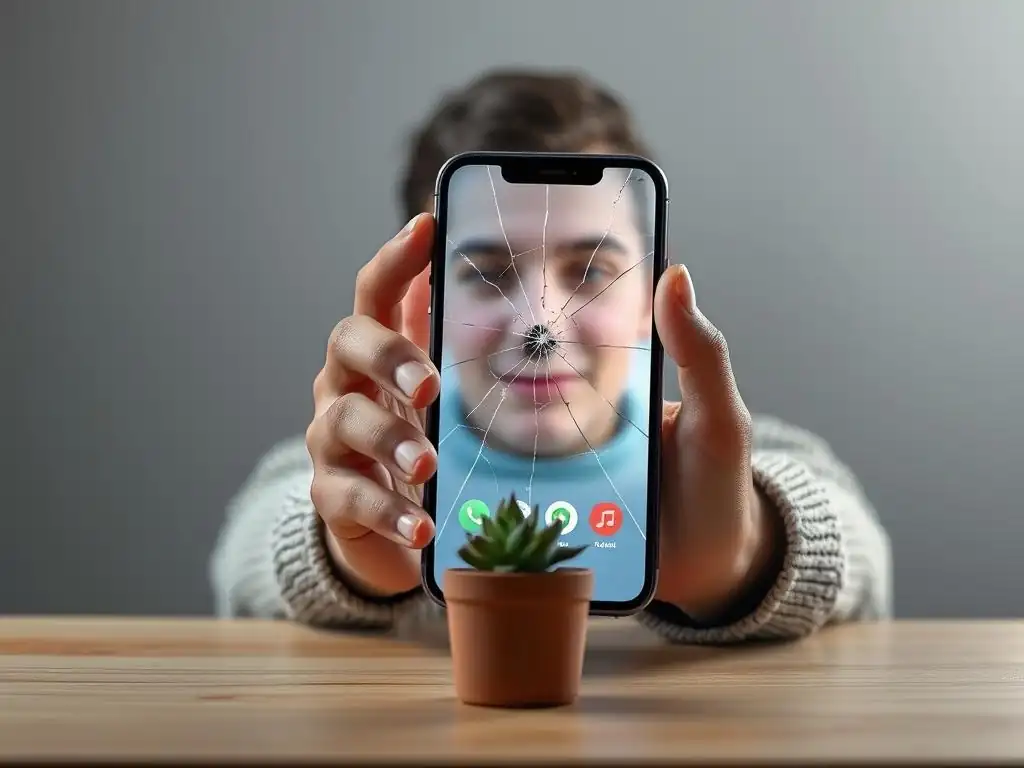
Overstated Claims and Unrealistic Promises in Mental Health App Marketing
The marketing surrounding digital mental health tools often paints a picture of effortless transformation and rapid symptom relief. Advertisements may feature testimonials highlighting dramatic improvements or make bold claims about curing anxiety or depression solely through app usage. This can create unrealistic expectations for digital mental health tools among users, leading to disappointment if their experience doesn't match the hype.
A significant number of apps lack rigorous scientific validation, yet their marketing materials may imply clinical effectiveness equivalent to established therapies. Studies examining app store descriptions have found that while many apps mention evidence-based techniques like CBT, few have published research demonstrating their own efficacy in peer-reviewed journals.
This gap between marketing and proven effectiveness is a critical issue. Consumers, often in a vulnerable state when seeking mental health support, may not have the knowledge or resources to evaluate the scientific backing (or lack thereof) for a particular app.
The promise of a quick fix or a cure-all solution is appealing but rarely reflects the reality of managing mental health, which often requires sustained effort, professional guidance, and a multi-faceted approach. Setting digital mental health realistic expectations requires acknowledging that marketing is designed to sell, and users must look beyond the promotional material to understand a tool's actual capabilities and limitations.
Limitations of Digital Mental Health Interventions
Despite their benefits, digital mental health interventions have inherent limitations. They often lack the nuanced understanding and therapeutic alliance that develops in traditional face-to-face therapy. A digital tool cannot pick up on subtle non-verbal cues, adapt its approach dynamically based on a user's real-time emotional state, or provide the same level of personalized support as a trained human therapist.
While AI chatbots are improving, they are still a long way from replicating genuine human empathy and complex clinical judgment. Furthermore, adherence rates for mental health apps can be low; many users download an app but stop using it within a few weeks, limiting its potential impact. Research suggests that user engagement often drops off significantly after the first month.
Digital tools are also not equipped to handle crises or severe mental health conditions. They cannot provide immediate support during a panic attack or assess suicidality. Most apps include disclaimers directing users in crisis to emergency services, highlighting their limitations in urgent situations.
Furthermore, the effectiveness of many apps is limited to specific, often mild to moderate, conditions like stress, mild anxiety, or low mood. Users with complex diagnoses, co-occurring disorders, or severe symptoms require a higher level of care that digital tools simply cannot provide. Understanding these limitations is key to forming digital mental health realistic expectations and recognizing when a digital tool is insufficient.
Digital Mental Health Tools Are Not a Replacement for Traditional Therapy
It is a crucial point that digital mental health tools, in most cases, should not be seen as a wholesale replacement for traditional therapy provided by licensed professionals. While teletherapy platforms offer a digital delivery method for traditional therapy, standalone apps for meditation, mood tracking, or CBT exercises serve a different purpose. They can be valuable adjuncts or supplements to therapy, or helpful resources for managing mild symptoms or promoting general well-being.
However, they lack the depth, personalization, and clinical expertise that a therapist provides. A therapist can diagnose conditions, develop tailored treatment plans, address complex trauma, navigate interpersonal issues, and provide support through challenging life transitions in a way that an algorithm or a pre-programmed module cannot.
Think of it like using a fitness app versus working with a personal trainer. A fitness app can provide workout routines and track progress, which is great for motivation and structure. But a personal trainer can assess your physical condition, correct your form to prevent injury, adapt exercises based on your body's specific needs, and provide personalized motivation and accountability.
Similarly, digital tools offer structure and tools, but a therapist provides expert guidance, tailored support, and a crucial therapeutic relationship. Setting digital mental health realistic expectations means understanding this distinction: apps are powerful tools in the mental wellness toolkit, but they are rarely the entire toolkit themselves, especially for significant challenges.
Setting Realistic Expectations for Digital Mental Health Tools
Defining Achievable Goals with Digital Mental Health Support
To gain the most benefit from digital mental health tools, it's essential to define clear, achievable goals for their use. Instead of expecting an app to "cure" depression overnight, a more realistic goal might be to use a mood tracker app daily for a month to identify patterns in your mood and triggers, or to practice guided meditation for 10 minutes each morning to reduce daily stress levels.
Setting specific, measurable, attainable, relevant, and time-bound (SMART) goals helps manage expectations and provides a framework for evaluating whether the tool is actually helping. For example, if your goal is to improve sleep quality, you might choose an app with sleep stories and relaxation exercises and aim to use it nightly for two weeks, tracking your sleep duration and quality before and after.
Furthermore, understanding that progress in mental health is often gradual and non-linear is vital for setting digital mental health realistic expectations. There will be good days and bad days, and using a digital tool won't eliminate challenges entirely. An achievable goal might be to learn specific coping skills, such as deep breathing exercises or challenging negative thoughts, through an app's modules and then practice using these skills in real-life situations.
Success isn't just about feeling better instantly, but about building resilience and developing sustainable habits. Focusing on skill acquisition and consistent practice, rather than just symptom eradication, fosters a more grounded perspective on what these tools can realistically offer.
Understanding the Scope and Limitations of Specific Apps
Not all mental health apps are designed for the same purpose, and understanding the specific scope and limitations of a particular tool is crucial for setting digital mental health realistic expectations. Some apps are primarily educational, providing information about mental health conditions or therapeutic techniques. Others are focused on skill-building, offering interactive exercises for mindfulness, stress management, or cognitive restructuring. Some are purely for tracking and monitoring, like mood or habit trackers. Very few are designed to provide comprehensive treatment for severe conditions, and those that do often require interaction with a licensed professional through the platform (teletherapy).
Before relying on an app, take time to read its description carefully. What specific features does it offer? Who is its target audience? Does it claim to be clinically validated, and if so, is there evidence to support that claim (e.g., published research)?
Be wary of apps making broad, unsubstantiated claims. For instance, an app that promises to "cure all anxiety" is likely overstating its capabilities. A more focused app that teaches specific techniques for managing panic attacks, supported by evidence, offers a clearer and more realistic scope. Researching reviews and developer credentials can also provide insight into an app's intended use and actual performance, helping users form realistic expectations for digital mental health tools.
How to Evaluate the Effectiveness of Mental Health Apps
Evaluating the effectiveness of a mental health app requires a critical approach. Start by considering the source: who developed the app? Is it associated with a reputable mental health organization, a university research team, or individual developers? Look for information about the clinical basis of the app's content—is it grounded in evidence-based therapies like CBT, DBT, or ACT?
Check for published studies or clinical trials evaluating the app's efficacy. While not all helpful apps have extensive research behind them, the presence of studies, even preliminary ones, adds credibility. For instance, some apps like Woebot or Pear Therapeutics' reSET (which received FDA clearance for substance use disorder) have undergone clinical trials, demonstrating a level of commitment to evidence.
Consider user reviews, but with caution, as individual experiences vary. Look for patterns in feedback regarding usability, reliability, and perceived helpfulness. Does the app seem to deliver on its promised features? Is it easy to navigate? Does it respect user privacy? (More on this later).
Finally, evaluate the app's effectiveness for you personally. Does using the app align with your defined goals? Do you feel like you are gaining skills or insights? Is your mood tracking showing any positive trends over time? Keeping a personal log of your experience can help determine if the app is a good fit and contributes to setting digital mental health realistic expectations about its impact on your well-being.
Maximizing the Benefits of Digital Mental Health While Mitigating Risks
Combining Digital Tools with Traditional Mental Healthcare
One of the most effective ways to maximize the benefits of digital mental health tools is to use them in conjunction with traditional mental healthcare. Digital tools can serve as valuable complements to therapy sessions, providing support and resources between appointments. For example, a therapist might recommend a specific mindfulness app to a client struggling with anxiety as homework between sessions.
The client can practice the techniques learned in therapy using the app's guided exercises. Similarly, a mood tracking app can provide valuable data for discussion during therapy, helping both the client and therapist identify triggers and monitor progress more objectively.
This integrated approach leverages the strengths of both modalities. Traditional therapy offers personalized support, crisis management, and the depth of a therapeutic relationship, while digital tools provide convenient practice opportunities, data tracking, and access to educational content. Some teletherapy platforms even offer integrated features like secure messaging with your therapist or access to a library of digital resources curated by your provider.
Studies on blended care models—combining in-person or teletherapy with digital interventions—have shown promising results, suggesting that this approach can enhance outcomes compared to using either modality alone. Setting digital mental health realistic expectations involves recognizing that the combination is often more powerful than the individual parts.
Choosing the Right Digital Mental Health Tool for Your Needs
Selecting the appropriate digital mental health tool is critical for a positive experience and setting digital mental health realistic expectations. Given the vast number of options, a thoughtful selection process is necessary. Start by identifying your specific needs and goals. Are you looking for help with stress reduction, sleep improvement, managing symptoms of a specific condition like anxiety or depression, or simply general wellness support?
Different apps are designed for different purposes. Research apps that focus on your area of need. Look for apps that are based on evidence-based therapeutic approaches relevant to your goals (e.g., CBT for anxiety, mindfulness for stress).
Consider the app's features, user interface, and cost model. Does it offer the specific tools you need (e.g., journaling, guided meditations, tracking)? Is it easy and intuitive to use? Is it within your budget (free, subscription, one-time purchase)?
Read reviews, but be discerning – look for reviews that discuss the app's functionality and effectiveness rather than just general praise or complaints. Resources like databases maintained by mental health organizations or research institutions that review apps based on clinical evidence and privacy practices can be incredibly helpful. Taking the time to research and choose wisely increases the likelihood that the tool will be a good fit and meet your digital mental health realistic expectations.
Integrating Digital Mental Health into a Holistic Wellness Plan
Digital mental health tools are most beneficial when integrated into a broader, holistic wellness plan that addresses multiple aspects of well-being. Mental health is interconnected with physical health, social connections, sleep, nutrition, and lifestyle choices. Relying solely on an app while neglecting other crucial areas is unlikely to yield significant, sustainable results. A holistic plan might include regular exercise, a balanced diet, sufficient sleep, spending time in nature, engaging in hobbies, and nurturing relationships with friends and family.
Digital tools can support these other areas. A meditation app can help with stress that impacts sleep. A mood tracker might reveal how diet or exercise affects your emotional state. An app focused on social anxiety might provide strategies for engaging with others. By viewing digital tools as part of a larger strategy—like one piece of equipment in a comprehensive gym—users can develop digital mental health realistic expectations. They are aids to support a healthy lifestyle and effective coping, not magic bullets that replace the need for balanced living and human connection.
Potential Pitfalls and How to Avoid Them
Data Privacy and Security Concerns with Mental Health Apps
A significant concern when using digital mental health tools is the privacy and security of personal health data. Apps collect highly sensitive information about users' moods, thoughts, behaviors, and sometimes even location or physical activity. It is crucial to understand how this data is stored, used, and protected.
Many apps have complex privacy policies that are difficult for the average user to understand. Some apps may share anonymized or even identifiable data with third parties, such as advertisers or data brokers, without explicit consent. Reports have highlighted instances where mental health apps have been found to share user data with major tech companies.
To mitigate this risk, carefully review the app's privacy policy before downloading or using it extensively. What data does it collect? How is it used? Is it shared with third parties, and under what circumstances? Does the app comply with relevant regulations like HIPAA in the United States (though many consumer apps do not)?
Choose apps from reputable developers who are transparent about their data practices. Consider using apps that store data locally on your device rather than on remote servers if privacy is a major concern. Be cautious about sharing highly sensitive information within an app unless you are confident in its security and privacy measures. Being informed about potential data risks is essential for setting digital mental health realistic expectations and protecting your personal information.
The Risk of Over-Reliance on Technology for Mental Wellbeing
While digital tools offer convenience and accessibility, there's a risk of becoming overly reliant on technology for managing mental well-being, potentially at the expense of developing in-person coping skills or seeking human support. Constant interaction with screens, even for positive purposes like using a mental health app, can contribute to digital fatigue or isolation if not balanced with offline activities. Some users might substitute app usage for difficult but necessary steps like talking to a friend, engaging in social activities, or seeking professional help when needed.
Over-reliance can also lead to a sense of helplessness if the app becomes unavailable or the user encounters a situation the app isn't equipped to handle. It's important to remember that resilience involves adapting to various circumstances and utilizing a range of resources, both digital and non-digital. Encourage yourself to practice skills learned from an app in real-world contexts and to maintain offline social connections. Use the app as a tool to support your journey, not as the sole crutch. Recognizing this potential pitfall helps maintain digital mental health realistic expectations and promotes a balanced approach to self-care.
Addressing the Digital Divide in Mental Health Access
While digital mental health tools promise increased access, they also highlight and can exacerbate the digital divide. Not everyone has reliable access to smartphones, computers, or high-speed internet, particularly in lower-income communities, rural areas, or among older adults. Even with access, digital literacy can be a barrier; some individuals may struggle to navigate complex apps or online platforms. This means that the benefits of digital mental health are not universally available, potentially leaving behind those who could benefit most from increased access to support.
Furthermore, the cost of premium app subscriptions can be prohibitive for some, even if cheaper than therapy. While free versions exist, they often have limited features. Addressing this divide requires conscious effort from developers, policymakers, and healthcare providers to ensure equitable access. This might involve developing low-bandwidth options, providing subsidies for devices or internet access, creating culturally relevant content, or offering in-person support to help individuals utilize digital resources. Acknowledging the digital divide is crucial for a complete understanding of the landscape and for setting digital mental health realistic expectations about who these tools currently serve most effectively.
Building a Balanced Approach to Mental Wellness: The Role of Digital Tools
Integrating Technology Thoughtfully into a Broader Mental Health Strategy
A balanced approach to mental wellness involves integrating technology thoughtfully, rather than letting it dominate your strategy. Digital tools should be selected and used intentionally to support specific goals within your overall plan. For instance, if your broader strategy includes improving sleep hygiene, you might use a sleep-tracking app and a meditation app, but also commit to turning off screens an hour before bed and ensuring your bedroom is dark and cool.
The technology supports the behavior change, but doesn't replace the fundamental actions. Consider technology as one valuable component among many, like nutrition, physical activity, social connection, and professional support.
This thoughtful integration also means being mindful of how much time is spent on these tools. Excessive screen time, even on a mental wellness app, can sometimes be counterproductive. Setting limits and scheduling app usage at specific times can help prevent it from becoming a distraction or another source of stress. Evaluate periodically if the app is genuinely adding value or just consuming time. A balanced approach requires continuous assessment and adjustment, ensuring that digital tools serve as aids to well-being, contributing positively to digital mental health realistic expectations rather than becoming a source of pressure or disappointment.
No matter how advanced digital mental health tools become, they cannot replace the fundamental human need for connection and social support. Relationships with friends, family, partners, and community members provide a vital buffer against stress, a source of comfort, and a sense of belonging. Sharing experiences and feelings with another person, receiving empathy, and engaging in shared activities are powerful components of mental wellness that digital interactions can only partially replicate. While online support groups can be helpful, they differ significantly from face-to-face interactions and deep personal relationships.
Digital tools can sometimes facilitate human connection, for example, by helping manage social anxiety to make in-person interactions easier, or by providing platforms for teletherapy. However, they should not become a substitute for actively nurturing offline relationships. A balanced approach ensures that time spent on digital tools is balanced with time spent connecting with people in the real world.
Prioritizing face-to-face interactions, participating in group activities, and seeking support from your social network are indispensable elements of mental health that complement, and are not replaced by, digital aids. This perspective is crucial for maintaining digital mental health realistic expectations about the capabilities of technology.
Long-Term Sustainability and the Future of Digital Mental Health
The long-term sustainability and impact of digital mental health tools are still evolving areas. While research is growing, more studies are needed to understand their effectiveness over extended periods and for diverse populations. The rapid pace of technological change means apps can become outdated quickly, requiring continuous updates and development. Business models also vary, with many relying on subscriptions, which might not be sustainable for all users over time. The future will likely see further integration of AI, personalization based on user data, and potentially greater regulation and standardization to address efficacy and privacy concerns.
For users, long-term sustainability involves finding tools that genuinely fit into their lives and contribute consistently to their well-being without becoming a burden or a fleeting trend. It means staying informed about updates and research related to the tools they use. The future of digital mental health realistic expectations will likely involve a more nuanced understanding of which tools work best for whom and for what conditions, potentially leading to more personalized recommendations and integration within healthcare systems. As the field matures, we can hope for greater transparency, stronger evidence bases, and more equitable access to these promising tools.
Key Takeaways: Setting Realistic Expectations for Digital Mental Health Tools
Navigating the world of digital mental health requires a balance of informed optimism and healthy skepticism. The key takeaway is that digital tools offer valuable benefits in terms of accessibility, convenience, and self-management support, but they are not a panacea. Setting digital mental health realistic expectations involves understanding their limitations, recognizing that they are generally not a replacement for traditional therapy, and being wary of overstated marketing claims. Privacy and data security are significant concerns that users must actively consider.
Successful integration of digital tools into your mental wellness journey depends on defining achievable goals, choosing tools that align with your specific needs and are based on evidence where possible, and integrating them thoughtfully into a broader, holistic plan that includes human connection and healthy lifestyle choices. Approaching digital mental health with realistic expectations empowers you to leverage the technology's strengths while avoiding potential pitfalls, ultimately supporting a more balanced and sustainable path to well-being.
Empowering Users to Make Informed Choices About Their Mental Healthcare
Ultimately, the power lies with the user to make informed choices about their mental healthcare, including the use of digital tools. This involves educating yourself about what digital mental health realistic expectations entail, understanding the landscape, and critically evaluating the tools available. Don't be afraid to research apps, read reviews, look for evidence of effectiveness, and scrutinize privacy policies. Talk to your healthcare provider or therapist about digital tools they might recommend or that could complement your current treatment plan.
By being an active, informed participant in your mental wellness journey, you can harness the potential of digital mental health tools effectively. They can be powerful allies when used wisely, supplementing traditional care and providing accessible support. By setting realistic expectations for digital mental health tools and integrating them thoughtfully into your life, you can build a robust and personalized approach to achieving and maintaining mental well-being.
Frequently Asked Questions
How effective are digital mental health tools compared to traditional therapy?
Digital mental health tools can be helpful, but their effectiveness varies. They are often most effective as supplements to, not replacements for, traditional therapy. Setting realistic expectations is key.
What are some common pitfalls to avoid when using digital mental health apps?
Over-reliance on apps and neglecting in-person support are common pitfalls. Watch out for apps promising quick fixes or miraculous results. Always prioritize your overall well-being.
Can digital mental health tools accurately diagnose mental health conditions?
No, digital tools generally cannot provide accurate diagnoses. They can assist in self-assessment and tracking symptoms, but a qualified mental health professional is necessary for diagnosis.
What are the ethical considerations surrounding digital mental health interventions?
Data privacy and security are major concerns. Ensuring equitable access and avoiding algorithmic bias are also critical ethical considerations. Researching data protection policies is essential.
How can I set realistic expectations for using digital mental health resources?
Focus on tools that complement existing care, not replace it. Track your progress objectively and be aware that results may vary. Remember that sustained effort is usually required.
The promise of readily accessible digital mental health tools is undeniable, yet the reality often falls short of the hype. This discrepancy between marketing and lived experience necessitates a critical evaluation of these tools, ensuring we approach them with realistic expectations and a clear understanding of their limitations. Only then can we harness their true potential to supplement, not replace, traditional mental healthcare.
The impact of digital mental health tools on our cultural landscape is profound, subtly shifting how we perceive and address mental wellbeing. We're witnessing a normalization of seeking help online, a positive step in reducing stigma. However, this accessibility also carries the risk of over-reliance and a potential devaluation of the nuanced human connection crucial for effective therapy. Technology can be a powerful tool, but it's not a replacement for human connection and empathy.
This quote underscores the need for a balanced approach, integrating digital tools strategically within a broader care plan.
You, the reader, are now equipped with a more informed perspective on the digital mental health landscape. Consider your own experiences and expectations. Are you approaching these tools with realistic expectations? Do you understand their limitations? I urge you to engage critically with the information presented here, to advocate for responsible development and marketing of these tools, and to prioritize a holistic approach to mental wellness that combines the best of both digital and traditional methods. Let's work together to build a future where technology empowers, not overwhelms, our journey towards mental wellbeing.
Unlock Your Mental Wellness Journey Today
Thanks for taking the time to explore the realities of digital mental health tools with us! We hope you gained a clearer understanding of what to expect and how to navigate this evolving landscape. Now, let's put that knowledge into action:
- Identify your top mental health need: Take a few moments to reflect on what area you’d most like to improve – is it stress management, sleep quality, or something else? This will help you choose the right tools.
- Research and compare digital tools carefully: Don’t just jump on the bandwagon! Check reviews, features, and privacy policies before committing to any app or platform.
- Share your thoughts and experiences: Help others by commenting below and sharing your insights on the digital tools you find most helpful (or not!). Let's build a supportive community together.
What's one small step you can take today to improve your mental wellbeing based on what you've learned?