
Anxiety Relief on Your Phone: Essential App Features & Pricing

Welcome to Mind Care Guide, your trusted companion on the journey to mental well-being.
Feeling overwhelmed? We understand. In today's fast-paced world, anxiety can feel like a constant companion. But what if relief was just a tap away? This guide dives into the world of anxiety apps for phone, exploring essential features and pricing, to help you find the perfect pocket-sized support. Ready to discover how technology can empower your peace of mind?
Anxiety Relief on Your Phone: Essential App Features & Pricing
- Managing Anxiety with Mobile Apps: A Mind Care Guide
-
Key Features to Look for in Anxiety Apps for Phone
- Guided Meditations for Anxiety Reduction: Finding Your Calm
- Cognitive Behavioral Therapy (CBT) Tools within Anxiety Apps
- Sleep Improvement Features in Anxiety Apps: Restful Nights, Reduced Anxiety
- Mood Tracking and Journaling for Anxiety Management
- Emergency Resources and Crisis Support within Anxiety Apps
- Comparing the Best Anxiety Apps for Phone: Pricing and Features
- Maximizing the Benefits of Anxiety Apps: Tips and Tricks
- Conclusion: Finding the Right Anxiety App for Your Needs
-
Frequently Asked Questions
- What are the essential features to look for in anxiety apps for phone?
- How do pricing models typically work for anxiety apps for phone?
- Can anxiety apps for phone replace traditional therapy?
- Are there anxiety apps for phone that offer personalized support?
- What are the potential benefits of using anxiety apps for phone?
- Final Reflection: Finding Calm in the Palm of Your Hand
- Unlock Your Calm: Start Managing Anxiety Today!
Managing Anxiety with Mobile Apps: A Mind Care Guide
The Rise of Mobile Mental Health: Why Anxiety Apps Are Booming
The landscape of mental health support is undergoing a significant transformation, with mobile technology playing an increasingly vital role. Once limited to clinical settings or face-to-face therapy, resources for managing conditions like anxiety are now readily available at our fingertips through sophisticated anxiety apps for phone. This boom in digital mental wellness tools is driven by factors like accessibility, affordability compared to traditional therapy, and the convenience of having support available 24/7. Millions of users worldwide are turning to these platforms, highlighting a growing acceptance and reliance on technology for personal well-being management.
The market for mental health apps is expanding rapidly, with projections estimating it will reach billions globally in the coming years. This growth reflects a demand for flexible, private, and immediate access to tools that can help individuals cope with stress, worry, and panic. Anxiety apps, specifically, are at the forefront of this trend, offering a diverse range of features designed to provide relief and build resilience. They are becoming essential components of a holistic approach to mental well-being, complementing, and in some cases, providing a first step into managing anxious feelings for many people.
Understanding Anxiety: A Quick Overview for App Users
Anxiety is a natural human response to stress, characterized by feelings of worry, nervousness, or unease. However, for many, these feelings can become excessive, persistent, and interfere with daily life, manifesting as generalized anxiety disorder, panic disorder, social anxiety, or specific phobias. Symptoms can be both psychological (racing thoughts, difficulty concentrating, irritability) and physical (increased heart rate, sweating, trembling, fatigue). Understanding these manifestations is the first step in managing them, and this is where dedicated anxiety apps can offer valuable support.
While apps are not a substitute for professional diagnosis or severe cases, they provide practical tools and techniques grounded in therapeutic principles to help individuals understand their anxiety better and develop coping mechanisms. By offering guided exercises, educational content, and tracking features, these platforms empower users to identify triggers, challenge negative thought patterns, and practice relaxation techniques. They serve as a personal, accessible guide for those seeking to gain more control over their anxious responses and improve their overall mental health.
Key Features to Look for in Anxiety Apps for Phone
Guided Meditations for Anxiety Reduction: Finding Your Calm
Guided meditation is a cornerstone feature in many leading anxiety apps, offering a structured approach to mindfulness and relaxation that can significantly reduce feelings of stress and anxiety. These sessions typically involve a narrator guiding the listener through breathing exercises, body scans, or visualization techniques, helping to anchor attention in the present moment and quiet the often-overwhelming internal dialogue associated with anxiety. The effectiveness of meditation for anxiety is well-documented, with regular practice shown to lower cortisol levels and improve emotional regulation.
The benefit of guided sessions within an app lies in their accessibility and variety. Users can choose meditations based on their current mood, the time they have available (ranging from quick 3-minute sessions to longer 30-minute practices), or specific goals like reducing panic or improving focus. This personalized approach makes it easier for individuals to integrate mindfulness into their busy lives, providing a readily available tool for finding moments of calm whenever and wherever anxiety strikes.
Popular Meditation Styles in Anxiety Apps: Mindfulness, Breathwork, and Body Scan
Anxiety apps often incorporate various meditation styles tailored for different needs. Mindfulness meditation encourages non-judgmental awareness of thoughts, feelings, and sensations, helping users observe anxious thoughts without getting swept away by them. Breathwork techniques focus specifically on controlling respiration to calm the nervous system, offering immediate relief during moments of heightened anxiety or panic. Body scan meditations guide users to bring awareness to different parts of the body, releasing tension and grounding themselves in physical sensations, which can be particularly helpful for somatic symptoms of anxiety.
App Examples: Headspace, Calm, Insight Timer
Cognitive Behavioral Therapy (CBT) Tools within Anxiety Apps
Cognitive Behavioral Therapy (CBT) is one of the most effective therapeutic approaches for anxiety disorders, and many anxiety apps for phone integrate CBT principles into their design. These apps provide interactive tools and exercises that help users identify and challenge negative thought patterns and behaviors that contribute to their anxiety. The core idea is that by changing distorted thinking and problematic behaviors, individuals can change how they feel. Apps translate these techniques into accessible digital formats, making CBT concepts actionable for everyday use.
App-based CBT tools often include features like thought diaries, where users can log anxious thoughts and analyze them for common distortions (e.g., catastrophizing, black-and-white thinking). They may also offer guided exercises on challenging these thoughts, developing alternative, more balanced perspectives, and planning behavioral experiments to confront fears gradually. While not a replacement for therapy with a licensed professional, these integrated CBT tools provide valuable practice and reinforcement of core principles learned in therapy or offer a starting point for those exploring CBT techniques independently.
Identifying and Challenging Negative Thought Patterns: The Role of CBT
A key component of CBT is learning to recognize automatic negative thoughts (ANTs) that fuel anxiety. Apps help users journal these thoughts, identify common themes or distortions, and then guide them through a process of questioning the evidence for and against the thought. For instance, someone with social anxiety might use the app to challenge the thought "Everyone is judging me" by looking for objective evidence. This systematic approach, practiced repeatedly through the app, helps weaken the hold of irrational fears and build more realistic thinking habits.
App Examples: Moodpath, Woebot, CBT Thought Diary
Sleep Improvement Features in Anxiety Apps: Restful Nights, Reduced Anxiety
The relationship between sleep and anxiety is bidirectional and significant; poor sleep can exacerbate anxiety, and anxiety often interferes with sleep. Recognizing this crucial link, many comprehensive anxiety apps for phone include features specifically designed to improve sleep hygiene and quality. Addressing sleep problems is a vital step in managing anxiety, as restorative rest can significantly impact mood regulation and stress resilience.
These features often include soothing sleep stories narrated with calming voices, ambient soundscapes like white noise, nature sounds, or binaural beats designed to promote relaxation, and guided wind-down meditations or breathing exercises to prepare the mind and body for sleep. Some apps also incorporate basic sleep tracking or integrate with wearable devices to help users understand their sleep patterns. By providing tools to quiet a racing mind and create a conducive environment for rest, anxiety apps help users break the cycle of anxiety-induced insomnia and improve overall well-being.
Sleep Stories, White Noise, and Sleep Tracking: A Holistic Approach
Sleep stories, often imaginative or calming narratives, distract the anxious mind and ease the transition to sleep. White noise and ambient sounds mask disruptive noises and create a consistent auditory environment. While advanced sleep tracking is often the domain of dedicated sleep apps or devices, some anxiety apps offer basic logging or insights into how mood might correlate with sleep duration or quality, encouraging a holistic view of mental and physical health.
App Examples: Sleep Cycle, Pzizz, Calm
Mood Tracking and Journaling for Anxiety Management
Understanding the patterns and triggers of your anxiety is a powerful step towards managing it effectively. Mood tracking and journaling features within anxiety apps provide a digital space to record daily emotional states, physical symptoms, thoughts, and significant events. Over time, this data can reveal correlations and insights that are difficult to spot without a systematic record. For instance, a user might notice that their anxiety levels consistently spike on certain days of the week, after specific interactions, or following particular activities or foods.
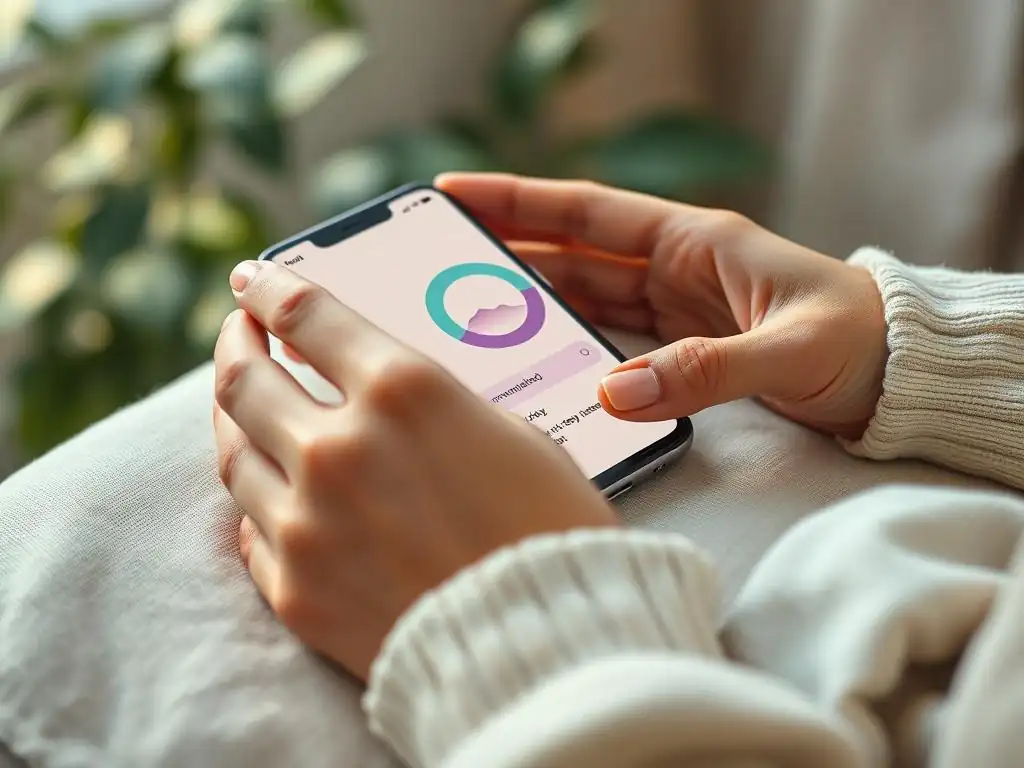
Apps make this process more accessible and less daunting than traditional paper journaling. They often use simple interfaces for logging mood on a scale, adding quick notes about activities or triggers, and sometimes even incorporating questions designed to prompt reflection based on CBT principles. Some apps offer visual summaries or charts of mood trends over days, weeks, or months, providing a clear picture of progress and persistent challenges. This self-monitoring capability empowers users to become more aware of their internal state and external influences, facilitating proactive management of their anxiety.
Understanding Your Anxiety Triggers and Patterns
By consistently logging mood, symptoms, and daily events, users can begin to identify specific situations, thoughts, or physical states that reliably precede or accompany their anxiety. This awareness of triggers—whether internal (like negative self-talk) or external (like social situations or work stress)—is crucial for developing targeted coping strategies and making informed lifestyle adjustments to reduce exposure to avoidable stressors.
App Examples: Day One, Reflectly, Moodfit
Emergency Resources and Crisis Support within Anxiety Apps
While anxiety apps for phone offer valuable tools for daily management and skill-building, it is crucial for them to acknowledge their limitations and provide access to professional help, especially during moments of crisis. The best anxiety apps include features that connect users with immediate support, serving as a safety net when anxiety becomes overwhelming or thoughts turn to self-harm. This demonstrates an empathetic understanding that digital tools are part of a broader mental health ecosystem.
These features typically involve a clearly visible section or button providing quick access to national crisis hotlines, emergency service numbers relevant to the user's location, or information on how to contact local mental health services. Some apps may also allow users to store emergency contact information for friends, family, or therapists, enabling rapid communication when needed. While apps cannot provide real-time crisis counseling, guiding users directly to professional help is a critical and responsible feature for any mental wellness platform addressing conditions like anxiety.
Accessing Immediate Help When You Need It Most
Having immediate access to crisis resources within an app can be life-saving. Instead of searching the web during a moment of intense distress, users can simply tap a button to find the number for a crisis hotline or emergency services. This streamlined access ensures that help is just a few taps away when anxiety reaches critical levels and professional intervention is necessary.
App Examples: BetterHelp, Talkspace
Comparing the Best Anxiety Apps for Phone: Pricing and Features
Choosing the right anxiety app depends heavily on individual needs, preferred coping mechanisms, and budget. While many apps offer free basic features, unlocking the full range of tools, content libraries, and personalized programs often requires a paid subscription. Understanding the pricing models and feature sets of popular apps is key to finding the best fit for your anxiety management journey.
Headspace vs. Calm: A Detailed Feature and Price Comparison
Headspace and Calm are two of the most well-known and widely used anxiety apps for phone, both offering extensive libraries of guided meditations and sleep content. Headspace, known for its playful design and "Andy Puddicombe's" voice, focuses on making mindfulness accessible with structured courses and daily meditations. Calm offers a broader range of content, including sleep stories narrated by celebrities, ambient music, and masterclasses on various mental wellness topics. Both provide specific programs aimed at reducing anxiety, managing stress, and improving focus.
In terms of pricing, both apps typically operate on a subscription model, offering monthly and annual plans. While specific prices can vary by region and promotions, monthly subscriptions often range from $10 to $15 USD, with annual plans providing significant savings, often costing around $70 to $100 USD per year. Both platforms usually offer free trials to allow users to explore their premium content before committing to a subscription.
Meditation Content, Sleep Features, and Pricing Plans
Headspace's meditation library includes beginner courses, themed packs on topics like anxiety or stress, and short "SOS" sessions for moments of panic. Its sleep features include sleepcasts (audio experiences) and sleep music. Calm boasts a vast library of sleep stories, many featuring famous voices, along with extensive music and soundscapes. Their meditation content is also extensive, with programs for various goals. Both offer daily meditations, but their styles and content libraries differ, appealing to different user preferences. Pricing tiers are generally standard monthly/annual subscriptions for full access.
Which App is Right for You?
Choosing between Headspace and Calm often comes down to personal preference in narration style, user interface, and the emphasis on specific content. If you prefer a more structured, course-like approach to learning meditation and enjoy a friendly, animated interface, Headspace might be a better fit. If you value celebrity-narrated sleep stories, a wider variety of ambient sounds, and a calming visual design, Calm could be more appealing. Both are excellent, feature-rich anxiety apps for phone.
Woebot vs. Moodpath: CBT-Focused App Comparison
Woebot and Moodpath represent different approaches to delivering CBT-inspired support through anxiety apps. Woebot is an AI-powered chatbot that interacts with users daily, using conversational text messages to check in on mood, guide users through CBT exercises, and provide psychoeducation. Its strength lies in its accessibility and the feeling of having a non-judgmental companion available anytime.
Moodpath, on the other hand, functions more like an intelligent mood tracker and digital diary that screens for symptoms of depression and anxiety. It asks daily questions about mood and symptoms and provides insights, summaries, and curated CBT exercises based on the user's input.
Woebot is notable for being largely free to use, providing its core chatbot functionality without a subscription, though premium features may be introduced or vary. Moodpath previously offered a premium subscription to unlock all insights and exercises, though business models can change. The choice between them depends on whether you prefer interactive, conversational guidance (Woebot) or a structured tracking and analysis tool that provides insights and exercises based on your logged data (Moodpath).
Chatbot Therapy, Mood Tracking, and Personalization
Woebot excels in delivering mini-lessons and exercises within a chat format, feeling highly personalized through its conversational style. Moodpath's strength is its detailed mood tracking and symptom analysis, providing users with graphs and reports that can be valuable for self-understanding or sharing with a therapist. While both are based on CBT principles, Woebot feels more like having a digital coach, while Moodpath is a sophisticated diary and analytical tool.
Which App is Best for CBT Therapy?
Neither Woebot nor Moodpath replaces therapy, but they serve as excellent adjuncts or introductory tools. Woebot might be preferred by those who benefit from regular, low-pressure interaction and conversational guidance through exercises. Moodpath could be better for individuals who want to meticulously track their mood and symptoms over time and receive insights and exercises tailored to their specific patterns.
Insight Timer: A Free Option for Meditation and Mindfulness
Insight Timer stands out among anxiety apps for phone primarily because of its extensive free content library. While many apps offer limited free access, Insight Timer provides over 100,000 free guided meditations, talks, and music tracks contributed by thousands of teachers worldwide. This makes it an incredibly valuable resource for anyone seeking free meditation and mindfulness practices to help manage anxiety without a financial commitment. The variety of styles, durations, and teachers ensures there's content suitable for almost anyone.
Beyond its vast free offerings, Insight Timer also fosters a strong sense of community. Users can see how many people are meditating simultaneously, join discussion groups, and follow their favorite teachers. While the core meditation timer and a massive amount of content are free, Insight Timer does offer a paid subscription, "Member Plus," which unlocks premium features like offline listening, advanced courses, and exclusive content.
Free Content, Paid Courses, and Community Features
The free version of Insight Timer is remarkably comprehensive, offering access to thousands of guided meditations for anxiety, sleep, stress, and more, as well as talks and music. The paid "Member Plus" subscription adds structured courses on topics like managing anxiety, mastering meditation techniques, and improving sleep. The community features, available in the free version, allow users to connect and feel part of a larger mindfulness movement.
Is Insight Timer Enough for Your Anxiety?
For individuals whose primary need is access to a wide variety of meditation and mindfulness practices, Insight Timer's free version may be more than sufficient to support their anxiety management. Its extensive library provides ample resources for relaxation, focus, and stress reduction. However, if you are looking for integrated CBT tools, detailed mood tracking, or highly structured, progressive programs found in apps like Headspace or Calm, you might need to supplement Insight Timer with other tools or consider a paid subscription elsewhere.
Maximizing the Benefits of Anxiety Apps: Tips and Tricks
Simply downloading an anxiety app for phone is just the first step; consistently using it effectively is key to experiencing real benefits. Like any tool, its impact depends on how it's utilized. Maximizing the positive effects of these digital resources involves setting realistic expectations, integrating the app into your routine, and understanding when additional support is needed.
Setting Realistic Expectations and Consistency is Key
Anxiety apps are powerful tools, but they are not instantaneous cures. Relief often comes with consistent practice over time. Set realistic expectations about what an app can do – it can teach you techniques, provide support, and help you track progress, but it won't magically eliminate all anxious feelings overnight. Aim for consistency, even if it's just five or ten minutes a day. Regular engagement with meditations, journaling, or exercises helps build new habits and strengthen coping skills. Think of it like physical exercise; occasional effort yields minimal results, but regular practice builds strength and endurance.
Making app usage a habit can be challenging, but linking it to an existing routine helps. Try using a meditation app for five minutes immediately after waking up, or using a sleep story app every night as you get into bed. Utilize app notifications as gentle reminders. Tracking your usage within the app (if available) or in a separate log can also provide motivation by showing your commitment and progress over time. Consistency is more important than duration or intensity when starting out.
Combining App Use with Other Mental Health Strategies
Anxiety apps for phone are most effective when used as part of a broader mental wellness strategy, not in isolation. Integrate app-based practices with other healthy habits known to reduce anxiety, such as regular physical activity, maintaining a balanced diet, practicing good sleep hygiene (beyond just using a sleep story), and spending time in nature. These lifestyle factors significantly influence mental state and complement the techniques learned through apps.
Furthermore, if you are seeing a therapist or counselor, discuss how you are using the app with them. They can offer guidance on which features might be most beneficial for your specific needs and help you integrate app-based exercises into your overall treatment plan. Using an app in conjunction with therapy can reinforce skills learned in sessions and provide support between appointments. Anxiety management is often most successful through a multi-faceted approach.
When to Seek Professional Help Beyond Anxiety Apps
It is vital to recognize the limitations of anxiety apps for phone. They are excellent supplementary tools for managing mild to moderate anxiety, learning coping skills, and supporting overall well-being. However, they are not designed to diagnose or treat severe anxiety disorders, panic attacks that significantly impair daily functioning, or thoughts of self-harm. If your anxiety is debilitating, if you are experiencing panic attacks frequently, or if you have thoughts of harming yourself, an app is not sufficient.
If your anxiety symptoms are worsening despite consistent app use, interfering significantly with your ability to work, socialize, or maintain relationships, or if you are struggling with intense distress or suicidal ideation, it is imperative to seek help from a qualified mental health professional immediately. This could involve consulting a doctor, reaching out to a therapist, counselor, or psychiatrist, or contacting a crisis hotline. Apps can be a great support, but professional help is essential for severe symptoms or crises.
Conclusion: Finding the Right Anxiety App for Your Needs
Empowering Your Mental Health Journey with Technology
The advent of anxiety apps for phone has democratized access to mental wellness tools, putting powerful techniques and resources directly into the hands of individuals seeking support. These apps offer a level of convenience, privacy, and affordability that traditional methods often cannot match, empowering users to take a proactive role in managing their anxiety.
From guided meditations and CBT exercises to mood tracking and sleep aids, the features available cover a wide spectrum of approaches to finding calm and building resilience. Exploring the world of mobile mental health is a significant step toward leveraging technology for personal growth and emotional well-being.
Choosing the right anxiety app involves considering your specific needs, preferred learning styles, and budget. Whether you prioritize a vast library of free meditations like those on Insight Timer, structured programs and sleep content offered by Headspace or Calm, or interactive CBT tools found in apps like Woebot or Moodpath, there is likely an app designed to support your journey. Many offer free trials or limited free versions, allowing you to experiment before committing to a subscription.
Taking the First Step Towards a Calmer You
Embarking on the path to managing anxiety can feel daunting, but utilizing an anxiety app for phone provides an accessible starting point. Taking the first step might be as simple as downloading a free app, trying a short guided meditation, or logging your mood for a day. Consistency is key, so find an app whose interface and content resonate with you, making it easier to integrate into your daily routine.
Remember that apps are tools to support your efforts; combine them with other healthy habits and don't hesitate to seek professional guidance if your anxiety is severe or persistent. Your mental well-being is a priority, and technology can be a valuable ally in achieving a calmer, more balanced life.
Frequently Asked Questions
What are the essential features to look for in anxiety apps for phone?
Look for features like guided meditation sessions, breathing exercises, and mood tracking to help manage and monitor your anxiety levels. These are crucial for providing immediate relief and long-term insights.
How do pricing models typically work for anxiety apps for phone?
Many anxiety apps for phone offer a freemium model. This involves a free basic version with limited features, alongside a paid subscription for access to premium content and functionalities.
Can anxiety apps for phone replace traditional therapy?
No, anxiety apps for phone are not a replacement for therapy. They should be used as a supplemental tool to support your mental well-being journey, not as a primary treatment.
Are there anxiety apps for phone that offer personalized support?
Yes, some anxiety apps for phone use AI-powered personalization, offering customized content and recommendations based on your specific needs and tracked data.
What are the potential benefits of using anxiety apps for phone?
Anxiety apps for phone offer convenience and accessibility, providing on-demand support and tools for managing anxiety symptoms anytime, anywhere. They can also help with self-monitoring and awareness.
Final Reflection: Finding Calm in the Palm of Your Hand
The pervasive nature of anxiety in our increasingly digital world demands accessible and effective solutions, and smartphone apps are emerging as a powerful tool in the fight for mental wellbeing. The sheer volume of anxiety-relief apps available highlights a growing societal need for readily available, personalized support, moving beyond traditional therapeutic avenues. This accessibility, however, also underscores the importance of critical evaluation when choosing the right app for individual needs.
The journey of exploring anxiety-relief apps revealed not only the technological advancements in mental health support but also the profound impact technology can have on our daily lives. The convenience of having a personalized coping mechanism readily available, at any time and in any place, is transformative. Technology is a powerful tool, but it's only as good as the people who use it.
This quote rings true when considering the responsibility we have to choose apps wisely and to utilize them as part of a holistic approach to managing anxiety, not as a replacement for professional help.
Consider the potential within your reach. You now possess the knowledge to navigate the world of anxiety-relief apps, to identify features that resonate with your personal needs, and to make informed decisions about your mental health journey. Don't hesitate to explore the options discussed, to experiment with different approaches, and to prioritize your wellbeing. Take control of your mental health, one app download at a time.
Unlock Your Calm: Start Managing Anxiety Today!
Thanks for taking the time to explore anxiety management strategies with us! We hope you found valuable insights into choosing the right app for your needs. Now it's time to take action and prioritize your mental well-being.
Here's what you can do next:
- Download your top-choice anxiety app now. Seriously, take a moment – you deserve it. This is the biggest step towards building a calmer you.
- Explore additional resources on our website: Check out our articles on mindfulness techniques and healthy coping mechanisms to complement your app's features.
- Share this article with a friend or family member who might also benefit from these app suggestions. Let's support each other in building healthier habits!
What app features are most important to you when managing your anxiety? Let's discuss!