
Apps for Anxiety: Digital Resources for Caregiver Mental Health


Welcome to Mind Care Guide, a space designed to support your journey to mental well-being. Are you a caregiver feeling overwhelmed? It's okay to feel that way, and you're not alone. Dive into our exploration of Caregiver anxiety apps to discover how these digital tools can offer crucial support and empower you to prioritize your mental health. Curious to learn more? Let's explore how technology can help.
- Caregiver Anxiety Apps: Digital Support for Mental Health
- Understanding Caregiver Anxiety
- Mental Health Apps: A New Era of Support
- Top Caregiver Anxiety Apps: Features and Functionality
- Choosing the Right Anxiety App: A Caregiver's Guide
- Integrating Anxiety Apps into Your Routine
- Holistic Mental Health Resources for Caregivers
- The Future of Caregiver Mental Health
-
Frequently Asked Questions
- What is caregiver anxiety, and why is it important to address?
- How can apps specifically help caregivers manage their anxiety?
- What features should I look for in a caregiver anxiety app to support mental health?
- Are caregiver anxiety apps a substitute for professional mental health treatment?
- How can I ensure the caregiver anxiety app I choose is safe and trustworthy?
- Final Reflection: Finding Calm in the Chaos: Digital Tools for Caregiver Wellbeing
- Unlock Your Calm: Practical Steps for Caregiver Wellbeing
Caregiver Anxiety Apps: Digital Support for Mental Health
Supporting Caregiver Well-being
Caring for a loved one is a profound act of compassion, but it often comes with significant challenges that can impact a caregiver's mental health. The emotional, physical, and financial demands can be immense, leading to increased stress, burnout, and particularly, anxiety. Recognizing and addressing caregiver anxiety is crucial not only for the well-being of the caregiver but also for their ability to provide effective and sustainable care. Providing adequate support for those in caregiving roles is becoming increasingly vital as populations age and healthcare needs grow.
The need for accessible and flexible mental health resources for caregivers is paramount. Many caregivers face time constraints that make traditional therapy or support groups difficult to attend regularly. Digital tools, such as caregiver anxiety apps, offer a promising avenue for support, providing resources that can be accessed anytime, anywhere. These digital platforms are designed to fit into the often unpredictable schedules of caregivers, offering immediate tools and strategies for managing stress and anxiety in the moment they are needed.
Understanding Caregiver Anxiety
Challenges Faced by Caregivers
Caregivers routinely navigate a complex landscape of responsibilities, often balancing the needs of their loved one with their own lives, families, and careers. This constant juggling can lead to significant emotional and physical exhaustion. Common challenges include managing complex medical needs, coordinating appointments and services, dealing with behavioral changes in the care recipient, and facing financial strain due to reduced work hours or increased expenses. The sheer volume of tasks and the weight of responsibility can create a persistent state of overwhelm, a fertile ground for anxiety to take root.
Furthermore, caregivers often experience social isolation. Their time is frequently consumed by caregiving duties, leaving little opportunity for social engagements or maintaining personal relationships. This isolation can exacerbate feelings of loneliness and stress. The emotional toll of witnessing a loved one's decline or suffering, coupled with the physical demands of lifting, transferring, or assisting with daily tasks, contributes significantly to chronic stress and can manifest as heightened anxiety, irritability, and difficulty relaxing, even during rare moments of downtime.
Recognizing Signs and Symptoms of Anxiety
Anxiety in caregivers can manifest in various ways, often differing from person to person. Common emotional signs include persistent worry or apprehension about the future, feeling on edge or restless, irritability, and difficulty concentrating. Caregivers might find themselves constantly anticipating worst-case scenarios related to their loved one's health or their ability to cope. These feelings can be pervasive, impacting their mood and outlook throughout the day.
Physical symptoms are also frequent indicators of caregiver anxiety. These can include fatigue, muscle tension, headaches, digestive issues, and sleep disturbances like difficulty falling asleep or staying asleep. Some caregivers might experience panic attacks, characterized by sudden intense fear, heart palpitations, sweating, trembling, and a feeling of losing control. Recognizing these signs early is essential for seeking appropriate support and utilizing resources like caregiver anxiety apps support mental health efforts.
Specific Mental Health Support for Caregivers
Addressing caregiver mental health requires tailored support that acknowledges their unique circumstances. Traditional mental health services may not always be accessible or flexible enough for someone with demanding caregiving responsibilities. Therefore, specific interventions are needed that can be integrated into a caregiver's busy life. This includes flexible counseling options, support groups specifically for caregivers, and accessible digital tools.
Digital mental health resources, such as dedicated caregiver anxiety apps, play a vital role in filling this gap. They provide immediate access to coping strategies, stress reduction techniques, and educational content relevant to the caregiving experience. These resources offer a private and convenient way for caregivers to engage with mental health support on their own terms, helping them manage the specific anxieties that arise from their demanding role.
Mental Health Apps: A New Era of Support

Transforming Mental Healthcare with Digital Resources
The landscape of mental healthcare has been significantly transformed by the advent of digital technologies, particularly mobile applications. These apps have democratized access to mental wellness tools, making strategies like mindfulness, cognitive behavioral therapy (CBT), and mood tracking available to a much wider audience outside of traditional clinical settings. This digital shift is crucial for individuals who face barriers to accessing in-person care, whether due to location, cost, stigma, or time constraints.
Mental health apps provide a range of functionalities, from guided meditations and breathing exercises to interactive journaling prompts and tools for identifying negative thought patterns. Many are designed with user-friendly interfaces and offer personalized experiences based on user input and goals. This integration of clinical principles into accessible digital formats represents a significant step forward in providing scalable and flexible support for various mental health needs, including targeted support through caregiver anxiety apps.
Benefits of Using Anxiety Apps for Caregivers
For caregivers specifically, anxiety apps offer numerous advantages that directly address their unique challenges. One of the primary benefits is accessibility and flexibility. Caregivers can access these tools at any time of day or night, whether they have just a few minutes during a break or are struggling to sleep during the night. This on-demand availability is critical for managing acute moments of stress or anxiety that can arise unexpectedly in a caregiving situation.
Furthermore, using caregiver anxiety apps can provide a sense of privacy and control. Some caregivers may feel uncomfortable discussing their struggles openly, but an app offers a confidential space to explore their feelings and practice coping techniques. Many apps are also relatively low-cost or even free, making them a financially accessible option compared to traditional therapy. They empower caregivers with tools to proactively manage their mental well-being, offering guided exercises and tracking features that help them understand their patterns and progress.
Top Caregiver Anxiety Apps: Features and Functionality
Mindfulness and Meditation Apps
Mindfulness and meditation are highly effective techniques for reducing stress and anxiety by focusing on the present moment without judgment. Apps in this category provide guided sessions, breathing exercises, and calming sounds designed to help users cultivate a sense of calm and awareness. For caregivers dealing with constant demands, even a few minutes of guided meditation can offer a valuable respite and help regulate their nervous system.
Headspace: Guided Meditations for Stress Relief
Headspace is a popular mindfulness app offering a vast library of guided meditations covering topics like stress, anxiety, sleep, and focus. It provides structured courses, single meditations for quick relief, and mindful movement exercises. The app's approach is often described as accessible and friendly, making it suitable for beginners. Caregivers can find specific sessions tailored to managing difficult emotions or finding moments of calm amidst chaos, helping to address anxiety effectively.
Calm: Mindfulness Exercises for Calmness
Calm is another widely used app focusing on meditation, sleep, and relaxation. It features guided meditations, sleep stories narrated by soothing voices, breathing programs, and relaxing music. Calm also offers masterclasses on mindfulness and mental fitness. Its diverse content allows caregivers to choose techniques that resonate most with them, whether it's a quick breathing exercise before a challenging task or a sleep story to unwind at the end of a long day, aiding their mental health support.
Cognitive Behavioral Therapy (CBT) Apps
CBT is a therapeutic approach that helps individuals identify and challenge negative thought patterns and behaviors that contribute to anxiety and depression. Apps based on CBT principles provide tools like thought diaries, cognitive restructuring exercises, and behavioral activation techniques. These apps teach users practical skills to manage their anxiety symptoms by changing how they think and react to challenging situations, offering structured support for caregivers.
Moodfit: CBT-Based Tools for Managing Anxiety
Moodfit is an app that provides a range of tools based on CBT and other therapeutic approaches. It helps users track their mood, identify triggers, practice gratitude, and engage in exercises designed to challenge negative thoughts and build healthy habits. The app offers personalized insights based on user input, guiding caregivers through steps to understand and improve their emotional state. It provides a structured way to apply CBT principles to the specific anxieties of caregiving.
Woebot: Challenging Negative Thinking Patterns
Woebot is an AI-powered chatbot that uses CBT principles to engage users in therapeutic conversations. It checks in daily, asks about mood, and guides users through exercises to identify cognitive distortions and challenge unhelpful thought patterns. Woebot offers a conversational and accessible way for caregivers to learn about CBT concepts and apply them in real-time, providing immediate support and helping them reframe stressful situations and manage caregiver anxiety.
Sleep Improvement and Relaxation Apps
Sleep deprivation is a common issue among caregivers and can significantly worsen anxiety symptoms. Apps focused on sleep improvement and relaxation offer tools to help users fall asleep faster, stay asleep longer, and improve sleep quality. These apps often include guided relaxation exercises, sleep tracking features, and calming soundscapes, providing essential support for a fundamental aspect of mental well-being.
Sleep Cycle: Addressing Sleep Deprivation and Anxiety
Sleep Cycle is an intelligent alarm clock that tracks sleep patterns using sound analysis. While not a direct anxiety app, it addresses sleep deprivation, a major contributor to anxiety. It wakes users during their lightest sleep phase, aiming for a more refreshed start. By helping caregivers understand their sleep quality and improve their sleep habits, Sleep Cycle indirectly supports their mental health by tackling a key stressor.
Relax Melodies: Relaxation Techniques for Restful Sleep
Relax Melodies allows users to create custom sound mixes from a large library of ambient sounds, nature noises, and melodies. It also offers guided meditations specifically for sleep, breathing exercises, and bedtime stories. This personalization helps caregivers create a calming auditory environment conducive to sleep, providing a simple yet effective tool for relaxation and improving sleep quality, which in turn helps manage anxiety.
Mood Tracking and Journaling Apps
Tracking moods and journaling are valuable practices for gaining insight into emotional patterns, identifying triggers, and processing feelings. Apps in this category provide digital diaries and mood logging tools, often with charts and graphs to visualize trends. This allows caregivers to monitor their emotional state over time, recognize what situations or thoughts contribute to their anxiety, and track the effectiveness of coping strategies, offering data-driven support for their mental health journey.
Daylio: Monitoring Mood and Identifying Triggers
Daylio is a micro-journaling app that allows users to quickly log their mood and activities without writing lengthy entries. Users select their mood using icons and tag the activities they engaged in. Over time, Daylio provides insights into how different activities correlate with their mood, helping caregivers identify triggers for their anxiety and understand what actions contribute positively to their well-being. This simple tracking mechanism is easy to fit into a busy schedule.
Reflectly: Digital Journaling for Emotional Release
Reflectly is an AI-powered journaling app designed to help users structure their thoughts and gain perspective. It asks questions to prompt reflection on daily experiences and feelings, guiding users through the process of processing emotions. For caregivers, Reflectly can serve as a private space to vent frustrations, explore complex feelings, and gain clarity on their experiences, offering emotional release and supporting their mental health by providing a structured outlet for journaling.
Choosing the Right Anxiety App: A Caregiver's Guide
Identifying Anxiety Triggers and Needs
Before downloading an app, caregivers should take a moment to reflect on their specific needs and the main sources of their anxiety. Is sleep deprivation the primary issue? Are they struggling with constant worry or negative thoughts? Do they need help with relaxation techniques or simply a tool to track their mood and understand patterns? Identifying these specific triggers and desired outcomes will help narrow down the vast number of available caregiver anxiety apps support mental health efforts.
For instance, a caregiver overwhelmed by constant worry might benefit most from a CBT-based app focused on challenging thoughts, while one struggling with burnout and difficulty relaxing might find a mindfulness or relaxation app more helpful. Understanding personal priorities, whether it's quick access to tools, in-depth guidance, or simple tracking, is the first step in selecting an app that will be genuinely useful and integrated into their routine.
Evaluating App Features and User Reviews
Once potential apps are identified based on needs, it's important to evaluate their specific features and read user reviews. Look for apps that offer the core functionalities you identified as necessary – whether that's guided meditations, thought diaries, sleep sounds, or tracking tools. Consider the user interface: Is it intuitive and easy to navigate, especially during moments of stress? A cluttered or complex app is unlikely to be used consistently.
Reading user reviews on app stores can provide valuable insights into other caregivers' experiences. Look for comments regarding the app's effectiveness, ease of use, technical reliability, and whether it delivers on its promises. Pay attention to feedback specifically from individuals who use the app for stress or anxiety management, as their experiences will be most relevant to a caregiver's needs when seeking caregiver mental health apps support.
Considering Cost and Subscription Options
Many mental health apps offer a range of pricing models, from entirely free versions with limited features to subscription-based models that unlock full access. Caregivers should consider their budget and the value offered by different tiers. A free version might be sufficient for basic needs like simple meditation or mood tracking, while a subscription might be necessary for access to extensive content libraries, personalized programs, or advanced features.
It's often advisable to start with a free trial if available to test the app's suitability before committing to a paid subscription. Compare the cost of a subscription to the potential benefits and consider whether it fits within the caregiver's financial capacity. Finding effective caregiver anxiety apps support mental health doesn't necessarily require a high cost, as many valuable resources are available at low or no cost.
Ensuring Data Privacy and Security
When using any app that collects personal information, especially sensitive data related to mental health, privacy and security are paramount concerns. Caregivers should review the app's privacy policy to understand how their data is collected, stored, and used. Look for apps that clearly state their commitment to data protection and comply with relevant privacy regulations.
Consider whether the app requires creating an account and sharing identifying information, or if it allows for anonymous or pseudonymized use. While many reputable apps prioritize user privacy, it's crucial for caregivers to be informed and choose platforms they trust with their personal information, ensuring that their use of caregiver anxiety apps support mental health is also secure.
Integrating Anxiety Apps into Your Routine
Setting Realistic Goals for App Usage
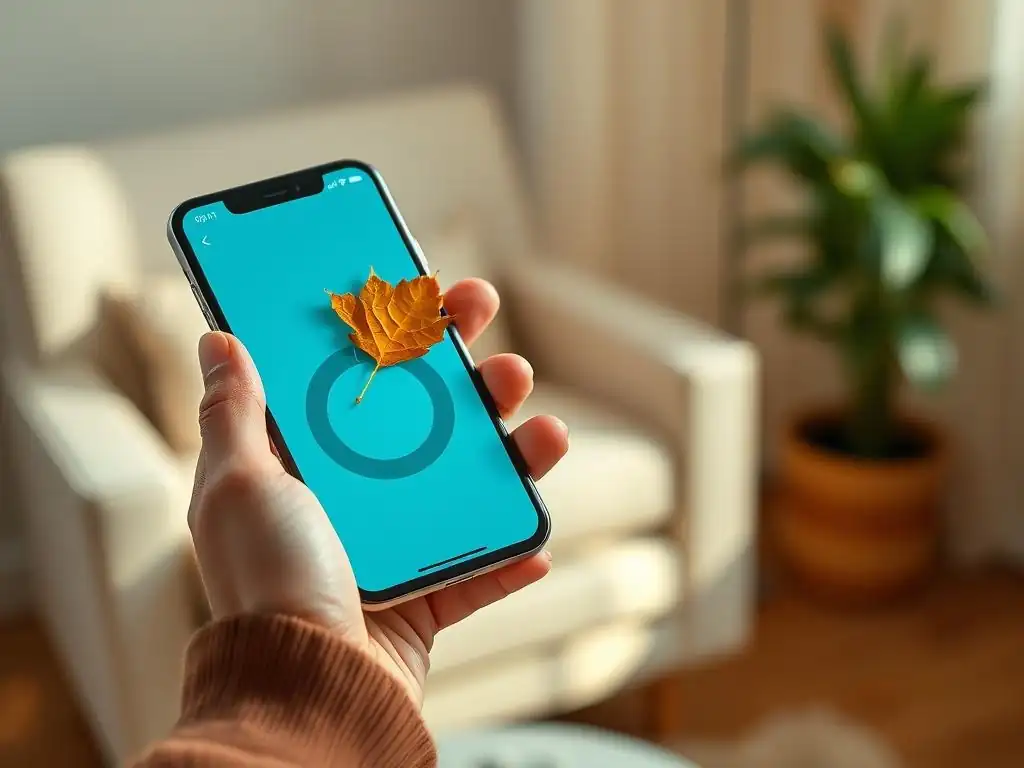
Successfully integrating a mental health app into a busy caregiving routine requires setting realistic and achievable goals. Instead of aiming for an hour of meditation daily, start with just five or ten minutes. Identify specific times during the day when a brief break is possible, perhaps during the care recipient's nap, early in the morning before the day begins, or right before bed. Consistency, even in short bursts, is more effective than sporadic long sessions.
Caregivers can also set specific goals related to what they want to achieve with the app, such as practicing a breathing exercise whenever they feel overwhelmed or logging their mood at the end of each day. Focusing on small, manageable actions increases the likelihood of sticking with the app and experiencing its benefits for managing caregiver anxiety.
Creating a Schedule for Mental Health Breaks
Proactively scheduling time for mental health breaks is essential for caregivers. Rather than waiting until they feel completely overwhelmed, incorporating short, deliberate pauses throughout the day can help manage stress levels more effectively. These breaks don't have to be long; even five to fifteen minutes dedicated to using a caregiver anxiety app for a guided meditation, a quick journaling session, or a relaxation exercise can make a significant difference.
Use calendar reminders or set alarms on a phone to prompt these mental health breaks. Treat them as important appointments that cannot be easily skipped. Integrating app usage into these scheduled breaks helps establish a routine and ensures that mental well-being remains a priority amidst the demands of caregiving, reinforcing that caregiver anxiety apps support mental health efforts.
Combining App Use with Other Self-Care Practices
While caregiver anxiety apps are valuable tools, they are most effective when used as part of a broader self-care strategy. Encourage caregivers to combine app usage with other practices that support their mental and physical health. This could include incorporating gentle physical activity, ensuring adequate hydration and nutrition, maintaining social connections (even if brief), and pursuing hobbies or activities that bring joy, however limited the time available might be.
Think of the app as one component of a comprehensive self-care toolkit. For example, a caregiver might use a mood tracking app to identify patterns, a meditation app to manage stress during the day, and a sleep app to improve rest at night. Combining these digital tools with offline self-care actions creates a more robust and holistic approach to managing anxiety and supporting overall mental well-being in the demanding role of a caregiver.
Holistic Mental Health Resources for Caregivers
Beyond digital tools, strong social support networks are incredibly important for caregivers' mental health. Connecting with friends, family, or other caregivers who understand the unique challenges can provide emotional validation, practical advice, and reduce feelings of isolation. Support groups, whether in-person or online, offer a space to share experiences, learn coping strategies, and feel understood by peers facing similar situations.
Research consistently shows that caregivers with robust social support experience lower levels of stress and anxiety. Encouraging caregivers to seek out and nurture these connections is a vital part of a holistic approach to their well-being. While caregiver anxiety apps support mental health in a private way, human connection offers irreplaceable emotional benefits and a sense of community.
Seeking Professional Therapy or Counseling
While apps provide valuable tools for self-management, they are not a substitute for professional mental health care when needed. Caregivers experiencing severe or persistent anxiety, depression, or burnout should consider seeking therapy or counseling from a qualified mental health professional. A therapist can provide personalized strategies, address underlying issues, and offer a level of support that apps cannot replicate.
Many therapists now offer teletherapy options, which can be more convenient for caregivers with limited mobility or time. Combining the guidance of a therapist with the daily tools provided by caregiver anxiety apps can create a powerful and comprehensive support system tailored to the individual's needs, offering professional expertise alongside accessible digital resources.
Prioritizing Physical Health and Wellness
Physical health is intrinsically linked to mental well-being. For caregivers, prioritizing basic physical health needs can significantly impact their ability to manage anxiety and stress. This includes ensuring adequate sleep (potentially aided by sleep apps), maintaining a balanced diet, staying hydrated, and incorporating regular physical activity, even if it's just short walks or gentle stretching.
Neglecting physical health can exacerbate feelings of fatigue, overwhelm, and anxiety. Encourage caregivers to view physical self-care not as a luxury, but as a necessity for sustaining their ability to provide care and maintain their own mental resilience. A focus on physical wellness complements the use of caregiver anxiety apps support mental health comprehensively.
The Future of Caregiver Mental Health
The Evolving Landscape of Mental Health Technology
The field of mental health technology is rapidly evolving, with new apps and digital platforms constantly emerging. Future developments are likely to include more personalized and adaptive interventions, potentially utilizing artificial intelligence to offer more tailored support based on individual user data and needs. Integration with wearable devices could also provide insights into physiological indicators of stress and anxiety, offering just-in-time interventions.
We may also see more integrated platforms that combine various aspects of mental, physical, and social well-being support. As technology advances, caregiver anxiety apps are expected to become even more sophisticated, offering a wider range of therapeutic tools and resources, potentially including virtual reality elements for relaxation or exposure therapy, further enhancing digital support for caregivers.
Empowering Caregivers Through Accessible Mental Health Support
The increasing availability and sophistication of digital mental health resources, including caregiver anxiety apps, are empowering caregivers by providing accessible and flexible options for support. These tools break down barriers to traditional care and offer caregivers the ability to actively participate in managing their own well-being on their own terms and schedule.
By providing immediate access to coping strategies, relaxation techniques, and therapeutic exercises, these apps equip caregivers with practical skills to navigate the emotional complexities of their role. The future holds promise for even greater innovation in this space, ensuring that caregivers have the comprehensive and accessible mental health support they need and deserve.
Frequently Asked Questions
What is caregiver anxiety, and why is it important to address?
Caregiver anxiety refers to the stress and worry experienced by individuals caring for others. Addressing it is vital because it impacts both the caregiver's well-being and the quality of care provided.
How can apps specifically help caregivers manage their anxiety?
Apps offer features like guided meditations, mood tracking, and access to support networks, providing caregivers with convenient tools for stress management and emotional support.
What features should I look for in a caregiver anxiety app to support mental health?
Look for apps with features like personalized coping strategies, relaxation exercises, and easy access to mental health professionals for consultations and guidance.
Are caregiver anxiety apps a substitute for professional mental health treatment?
No, apps are a supplement, not a replacement. They can provide support and coping mechanisms, but professional treatment from therapists or counselors remains essential for serious mental health conditions.
How can I ensure the caregiver anxiety app I choose is safe and trustworthy?
Research the app developer's reputation, read user reviews, and confirm the app's data privacy policies and security measures to protect your personal information.
Final Reflection: Finding Calm in the Chaos: Digital Tools for Caregiver Wellbeing
The relentless demands of caregiving often leave individuals feeling overwhelmed and emotionally depleted, a reality amplified in our increasingly digital world. The good news is that technology, often seen as a source of stress, can also be a powerful tool for support and self-care. This article highlighted several apps designed to specifically address the unique anxieties and challenges faced by caregivers, offering a lifeline in moments of crisis and a pathway to sustained mental wellbeing.
The impact of caregiver burnout on both the individual and the care recipient is profound and far-reaching. It's a silent epidemic that often goes unaddressed, leaving caregivers feeling isolated and unsupported. These apps, while not a replacement for professional help, offer accessible and convenient tools for managing stress, improving sleep, and fostering a sense of community. Caregiving is a labor of love, but it's also a labor-intensive job that demands significant emotional, physical, and mental resources.
This quote perfectly encapsulates the need for resources like the apps discussed, providing a much-needed buffer against the constant pressures of caregiving.
Now, consider your own life. Are you a caregiver, or do you know someone who is? Take a moment to reflect on the challenges they face and the potential benefits of incorporating these digital tools into their self-care routine. Explore the apps mentioned, or search for others tailored to your specific needs. Remember, prioritizing your mental health isn't selfish; it's essential for your wellbeing and your ability to provide the best possible care. Let's break the stigma surrounding caregiver burnout and embrace the technology available to help us navigate this demanding, yet deeply rewarding, journey.
Unlock Your Calm: Practical Steps for Caregiver Wellbeing
Thanks for taking the time to explore digital tools for managing anxiety. We hope this article provided valuable insights into how technology can support your mental health journey. Now, it's time to take action!
- Prioritize your wellbeing: Download one of the apps mentioned in the article and commit to using it daily, even for just 5 minutes. This small step can make a big difference.
- Share your discoveries: Tell a fellow caregiver about an app that resonated with you. Sharing your experience can help others and strengthen your support network.
- Join the conversation: Leave a comment below sharing your favorite anxiety-reducing app or technique! What has worked best for you?
What small step will you take today to nurture your mental well-being?