
Functional Brain Plasticity: When Your Brain Adapts to Injury or Change

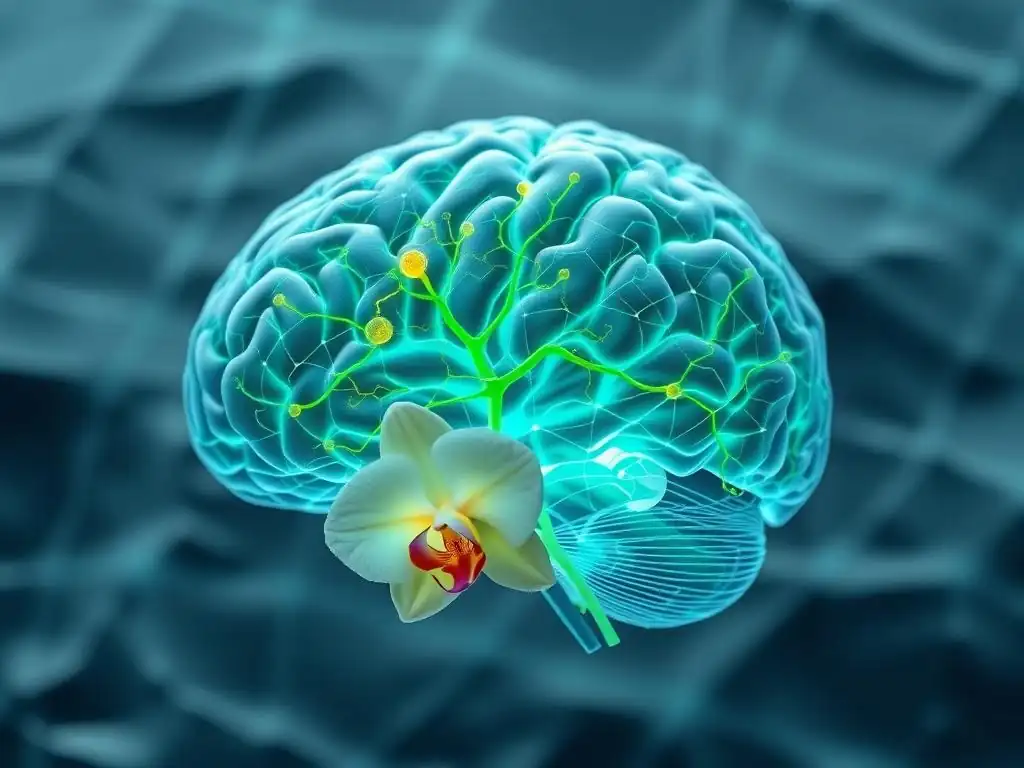
Welcome to Mind Care Guide, your sanctuary for understanding and nurturing mental well-being.
Ever wondered how your brain can remarkably reshape itself, even after an injury? Delve into the fascinating world of brain plasticity after injury and discover the incredible capacity your mind possesses to adapt, heal, and thrive. Let's explore the science and the hope together.
- Functional Brain Plasticity: Rewiring After Injury or Change - A Mind Care Guide
- Brain Plasticity After Injury: The Brain's Remarkable Recovery
- Types of Functional Brain Plasticity
- Factors Influencing Brain Plasticity After Injury
-
Promoting Brain Plasticity for Mental Health Improvement
- Neuroplasticity Exercises and Techniques: Constraint-Induced Movement Therapy, Errorless Learning, Repetitive Transcranial Magnetic Stimulation (rTMS)
- Cognitive Rehabilitation: Retraining the Brain After Injury
- The Power of Mindfulness and Meditation on Brain Plasticity
- Diet and Nutrition for Enhanced Brain Plasticity: Fueling Recovery
- The Role of Therapy in Harnessing Brain Plasticity
- Limitations and Challenges of Brain Plasticity
- Future Directions in Brain Plasticity Research
- Supporting Brain Plasticity and Mental Wellness: A Summary
-
Frequently Asked Questions
- How does brain plasticity relate to recovery after a brain injury?
- What are the key factors that influence brain plasticity after an injury?
- Can brain plasticity be harnessed to improve rehabilitation outcomes following a brain injury?
- Is there a limit to how much the brain can adapt through plasticity after an injury?
- What lifestyle changes can support brain plasticity after a brain injury?
- Final Reflection: The Enduring Power of Neuroplasticity
- Unlock Your Brain's Amazing Adaptability!
Functional Brain Plasticity: Rewiring After Injury or Change - A Mind Care Guide
What is Functional Brain Plasticity? Defining Neural Adaptation
Functional brain plasticity refers to the brain's remarkable ability to reorganize itself throughout life. This involves the creation of new neural pathways based on new experiences, environmental factors, and even in response to injury or disease. Essentially, it's the brain's capacity to change its structure and function. Unlike a static machine, the brain is incredibly dynamic, constantly adapting and modifying its connections. This inherent adaptability is crucial for learning, memory, and recovery from neurological challenges. It allows different areas of the brain to take over functions previously performed by damaged regions, demonstrating a profound capacity for resilience.
This adaptive process is fundamental to understanding how we learn new skills, form habits, and recover from setbacks. For instance, when you learn a new language or instrument, your brain isn't just storing information; it's actively strengthening neural circuits involved in those specific tasks. Similarly, in the context of brain plasticity after injury, this adaptability becomes a critical mechanism for recovery. The brain reroutes signals, reorganizes networks, and can even recruit previously dormant areas to compensate for lost function, offering hope and pathways for rehabilitation and improved mental well-being.
The Neuroscience of Brain Plasticity: How the Brain Changes
At the core of brain plasticity are changes at the cellular and molecular levels. Neurons, the brain's primary cells, communicate with each other at junctions called synapses. Plasticity involves altering the strength and number of these synaptic connections. When we learn or experience something new, certain synapses are strengthened, making communication between those specific neurons more efficient. Conversely, connections that are used less frequently may weaken, a process sometimes referred to as "synaptic pruning." This constant refinement of neural networks is the biological basis of learning and adaptation.
Furthermore, the brain can also generate new neurons, a process called neurogenesis, primarily in specific areas like the hippocampus, which is vital for learning and memory. While the extent of neurogenesis in adults is limited compared to development, it still contributes to the brain's capacity for change. Additionally, glial cells, which support neurons, also play a critical role in plasticity by influencing synaptic function and providing structural support. Understanding these intricate cellular processes is key to developing interventions that can harness brain plasticity after injury or for mental health improvement.
Brain Plasticity and Mental Health: A Vital Connection
The relationship between brain plasticity and mental health is profound and bidirectional. Adaptive plasticity allows the brain to respond positively to therapeutic interventions, forming new, healthier thought patterns and behaviors. For example, psychotherapy, such as Cognitive Behavioral Therapy (CBT), works by helping individuals identify and change negative thought loops, effectively rewiring neural pathways associated with distress. This change in cognitive processing is underpinned by the brain's ability to reorganize its connections.
Conversely, maladaptive plasticity can contribute to the development and maintenance of mental health conditions. Chronic stress, trauma, or substance abuse can induce changes in brain circuits that reinforce negative emotional states, anxiety, or addictive behaviors. Conditions like depression and anxiety are often associated with altered connectivity and function in specific brain regions, such as the prefrontal cortex and amygdala. Understanding how these changes occur provides targets for intervention, highlighting the potential of promoting positive brain plasticity after injury or during recovery from mental illness.
Brain Plasticity After Injury: The Brain's Remarkable Recovery
How the Brain Adapts After Trauma: Neural Pathways and Compensation
When the brain sustains an injury, such as a stroke or traumatic impact, certain neural pathways may be damaged or destroyed. Functional brain plasticity allows the brain to compensate for this damage through several mechanisms. One primary way is by rerouting signals around the damaged area.
Healthy neurons can form new connections or strengthen existing ones to bypass the non-functional pathways. This rerouting helps maintain or regain lost abilities. For example, if the pathway controlling movement in a limb is damaged, the brain might find alternative routes to send motor commands, enabling partial or full recovery of function over time.
Another crucial mechanism is neural compensation, where undamaged parts of the brain take over functions previously handled by the injured area. This can involve recruiting adjacent brain regions or even areas in the opposite hemisphere. For instance, after damage to a language-processing area in the left hemisphere, regions in the right hemisphere might begin to contribute more significantly to language comprehension or production. This remarkable ability of the brain to shift responsibilities underscores the power of brain plasticity after injury, making recovery possible even after significant neurological events.
Neuroplasticity and Stroke Recovery: Rebuilding Lost Functions
Stroke is a leading cause of long-term disability, often resulting in motor, sensory, or cognitive deficits. Neuroplasticity is the cornerstone of recovery following a stroke. Rehabilitation therapies, such as physical, occupational, and speech therapy, are designed to activate the brain's plastic potential. Intensive, repetitive practice of damaged functions stimulates the formation of new neural connections and strengthens remaining ones. For example, constraint-induced movement therapy (CIMT) forces the use of a weakened limb by restricting the use of the unaffected limb, promoting the rewiring of motor pathways in the brain.
Studies have shown significant cortical reorganization in stroke patients undergoing rehabilitation. Brain imaging techniques, like fMRI, can demonstrate shifts in activity patterns as patients regain function. While the extent of recovery varies widely depending on the severity and location of the stroke, as well as individual factors, the principles of brain plasticity after injury provide the scientific basis for therapeutic interventions aimed at maximizing functional recovery and improving quality of life.
Brain Plasticity in Traumatic Brain Injury (TBI): Adapting to Cognitive Challenges
Traumatic Brain Injury (TBI), caused by external force, can result in a wide range of cognitive, emotional, and physical impairments. Functional brain plasticity plays a vital role in the brain's attempt to recover and adapt after TBI. Similar to stroke, the brain can reroute neural signals and recruit undamaged areas to compensate for damaged ones. For instance, if executive functions like planning or attention are impaired due to frontal lobe damage, other brain regions might be able to partially take over these roles through concerted effort and rehabilitation.
Cognitive rehabilitation programs for TBI patients leverage the principles of neuroplasticity to help individuals relearn skills, improve memory, and enhance problem-solving abilities. Techniques involve repetitive exercises, strategies for organization, and environmental modifications. While recovery from TBI can be complex and lengthy, understanding and stimulating brain plasticity after injury is critical for developing effective therapeutic strategies that help individuals regain independence and manage the lasting effects of their injury.
Types of Functional Brain Plasticity
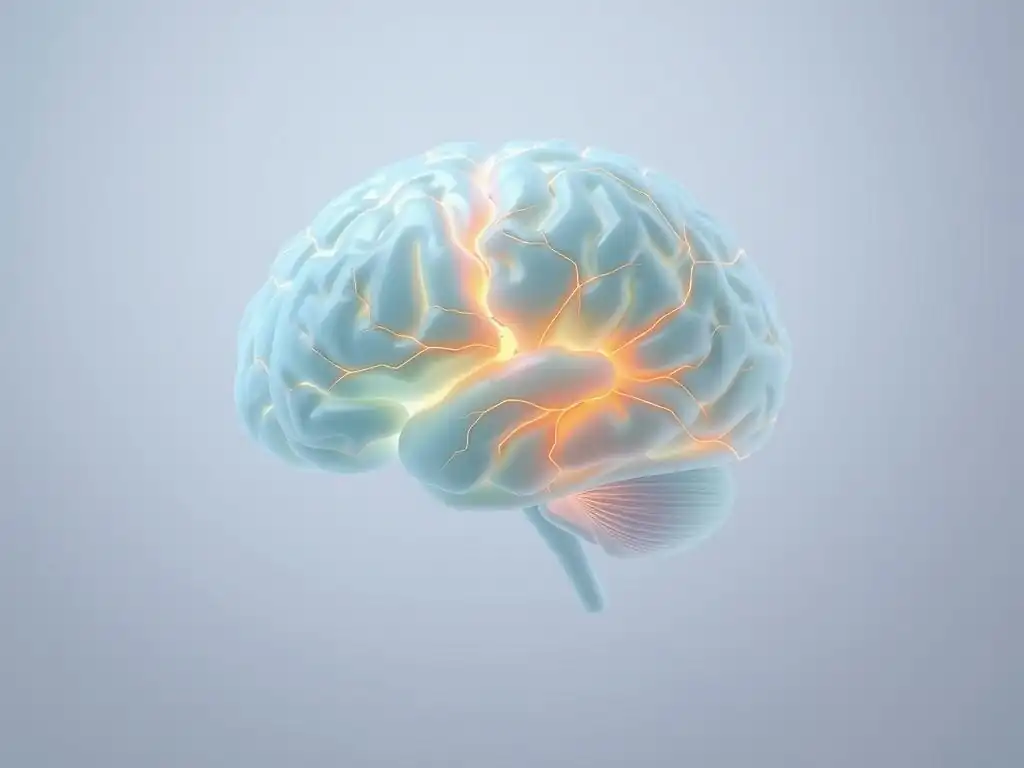
Structural Plasticity: Changing the Brain's Physical Structure
Structural plasticity refers to changes in the physical structure of the brain itself. This includes alterations in the volume of gray matter (which contains neuron cell bodies), the density of synapses, the growth of new dendrites (branches of neurons that receive signals), and even the generation of new neurons (neurogenesis) in certain areas like the hippocampus. These physical changes reflect the brain's adaptation to new experiences or learning. For example, studies have shown that learning a new motor skill can lead to increased gray matter density in specific motor control areas.
Another aspect of structural plasticity involves changes in white matter, which consists of myelinated axons that form connections between different brain regions. Myelination, the process where axons are insulated by a fatty sheath, can increase the speed and efficiency of neural communication. Learning and experience can influence the myelination process, thereby altering the brain's wiring diagram. These structural modifications provide a physical foundation for the functional changes observed in brain plasticity after injury and throughout life.
Synaptic Plasticity: Strengthening and Weakening Neural Connections
Synaptic plasticity is perhaps the most well-studied form of brain plasticity and occurs at the level of individual synapses, the junctions where neurons communicate. It involves changes in the strength and efficacy of communication between neurons. Long-Term Potentiation (LTP) is a key mechanism where repeated stimulation of a synapse leads to a long-lasting increase in the strength of the synaptic connection, making the post-synaptic neuron more likely to fire in response to future signals. This is widely considered a cellular basis for learning and memory.
Conversely, Long-Term Depression (LTD) involves a decrease in synaptic strength, which can be important for clearing out old information or weakening irrelevant connections. The balance between LTP and LTD allows the brain to constantly fine-tune its neural circuits, adapting to new information and experiences. This dynamic regulation of synaptic strength is fundamental to the brain's ability to reorganize itself, playing a crucial role in brain plasticity after injury and in processes like skill acquisition and memory consolidation.
Functional Reorganization: Shifting Brain Functions to New Areas
Functional reorganization, also known as cortical remapping, is a macroscopic form of brain plasticity where the function of one brain area is taken over by another area. This can happen in response to sensory input changes, skill acquisition, or, importantly, after brain injury. For instance, if a hand is amputated, the area of the somatosensory cortex that previously processed input from that hand may become responsive to input from adjacent body parts, like the face or arm. This remapping reflects the brain's attempt to utilize available cortical real estate efficiently.
After a stroke or TBI, functional reorganization is a critical mechanism for recovery. If a region controlling movement in the right arm is damaged, areas in the left hemisphere or even the corresponding area in the right hemisphere might take over some control. This shift in function is often facilitated by intensive rehabilitation, which encourages the brain to form new pathways and recruit alternative regions. Understanding this type of brain plasticity after injury is essential for designing therapies that promote the brain's natural capacity for adaptation and recovery.
Factors Influencing Brain Plasticity After Injury
Age and Brain Plasticity: Is Younger Better?
While it's often said that younger brains are more plastic, the relationship between age and brain plasticity after injury is complex. Children's brains are indeed highly plastic during critical developmental periods, allowing for rapid learning and potentially more extensive recovery from certain types of injury compared to adults. Their brains have a higher density of synapses and are more readily able to form new connections. This is sometimes referred to as the "Kennard Principle," suggesting better outcomes for early brain lesions, although this principle has nuances and exceptions.
However, adult brains retain significant plasticity. While perhaps slower or requiring more intensive stimulation, adult brains can still undergo substantial reorganization and form new connections. Recovery from stroke or TBI in adults relies heavily on this capacity. Furthermore, ongoing research suggests that certain types of plasticity, like synaptic plasticity, remain robust throughout life. So, while younger brains may have some advantages in terms of inherent plasticity, the adult brain is far from static and possesses considerable potential for rewiring after injury, particularly with targeted interventions.
The Role of Genetics in Brain Plasticity
Genetic factors play a significant role in influencing an individual's capacity for brain plasticity. Genes can affect various aspects of neural function critical for plasticity, including the production of neurotrophic factors (like Brain-Derived Neurotrophic Factor - BDNF), which support neuron survival and growth, and the function of neurotransmitter systems involved in synaptic plasticity (like glutamate and GABA). Variations in genes coding for these molecules can impact how readily an individual's brain can form new connections or reorganize after injury or experience.
For example, certain genetic variations in the BDNF gene have been associated with differences in learning ability and response to therapies aimed at promoting plasticity. Understanding these genetic predispositions can potentially help personalize rehabilitation strategies after brain injury. While genetics sets a baseline, it's important to remember that environmental factors and experiences heavily interact with genetic influences, meaning that even with certain genetic profiles, brain plasticity after injury can still be significantly enhanced through therapy and lifestyle interventions.
Environmental Factors and Brain Rewiring: Stimulating Growth
The environment plays a crucial role in shaping brain plasticity throughout life, and this is particularly true in promoting brain plasticity after injury. A stimulating environment rich in novel experiences, learning opportunities, and social interaction can significantly enhance the brain's capacity for change. Conversely, impoverished or stressful environments can negatively impact plasticity. After an injury, providing an enriched environment through intensive rehabilitation and engaging activities is vital for recovery.
Exposure to complex tasks, physical exercise, and social engagement stimulates neural activity, promoting the formation and strengthening of synapses and potentially encouraging neurogenesis. For instance, animal studies consistently show that rodents housed in enriched environments exhibit greater synaptic density and improved cognitive function compared to those in standard cages. In humans, participation in challenging therapies, learning new skills post-injury, and maintaining social connections are all environmental factors that can positively influence brain rewiring and improve outcomes after trauma.
Promoting Brain Plasticity for Mental Health Improvement
Neuroplasticity Exercises and Techniques: Constraint-Induced Movement Therapy, Errorless Learning, Repetitive Transcranial Magnetic Stimulation (rTMS)
Harnessing brain plasticity after injury or for mental health requires active engagement in techniques designed to stimulate neural change. Constraint-Induced Movement Therapy (CIMT), primarily used after stroke, exemplifies how focused, repetitive practice can drive motor cortex reorganization. By constraining the unaffected limb, patients are forced to use the weaker one intensively, leading to significant improvements in motor function and corresponding changes in brain activity patterns.
Errorless Learning is a cognitive rehabilitation technique where tasks are structured to prevent the individual from making mistakes. This approach is particularly useful for patients with severe memory impairments after TBI or stroke. By minimizing errors, the brain forms correct associations more reliably, strengthening desired neural pathways without the interference of incorrect ones.
Repetitive Transcranial Magnetic Stimulation (rTMS) is a non-invasive brain stimulation technique that uses magnetic pulses to modulate activity in specific brain regions. It has shown promise in treating conditions like depression and can potentially enhance motor learning and recovery after stroke by influencing cortical excitability and plasticity.
Cognitive Rehabilitation: Retraining the Brain After Injury
Cognitive rehabilitation is a structured program designed to help individuals who have experienced cognitive deficits due to brain injury (like TBI or stroke) or neurological conditions. It focuses on improving specific cognitive skills such as memory, attention, problem-solving, and executive functions. Therapies utilize repetitive exercises, strategic learning, and compensatory techniques to stimulate brain plasticity after injury. For example, memory training might involve using mnemonics, spaced repetition, or organizational strategies.
These programs are highly individualized, tailored to the specific deficits of the person. The goal is not just to teach coping strategies but to actively promote the rewiring of neural circuits involved in cognitive processes. By repeatedly engaging in challenging cognitive tasks, the brain is encouraged to form new pathways and strengthen existing ones, leading to measurable improvements in cognitive function and daily living skills. This demonstrates the practical application of brain plasticity principles in recovery.
The Power of Mindfulness and Meditation on Brain Plasticity
Mindfulness and meditation practices, traditionally associated with mental well-being, have also been shown to induce measurable changes in brain structure and function, highlighting their role in promoting brain plasticity. Regular meditation has been linked to increased gray matter density in areas associated with attention, self-awareness, and emotional regulation, such as the prefrontal cortex and hippocampus. It can also lead to decreased gray matter volume in the amygdala, a region involved in fear and stress processing.
These structural changes are accompanied by functional changes, including altered connectivity patterns between brain regions. For individuals recovering from injury or managing mental health challenges, incorporating mindfulness can help improve focus, reduce anxiety, and enhance emotional resilience. While not a direct treatment for physical deficits after injury, the positive impact of mindfulness on cognitive and emotional regulation can support the overall process of recovery and adaptation, leveraging the brain's capacity for positive change.
Diet and Nutrition for Enhanced Brain Plasticity: Fueling Recovery
Nutrition plays a critical role in brain health and its capacity for plasticity. The brain requires a constant supply of nutrients to function optimally, build new cells, and maintain neural connections. Omega-3 fatty acids, found in fish oil, flaxseeds, and walnuts, are essential components of brain cell membranes and are crucial for synaptic plasticity. Deficiencies in omega-3s have been linked to impaired cognitive function and reduced neuroplasticity.
Antioxidants, found in fruits and vegetables (berries, leafy greens), help protect brain cells from damage caused by oxidative stress, which can hinder plasticity. B vitamins (B6, B9, B12) are important for neurotransmitter synthesis and nerve function. Adequate hydration is also vital. A diet rich in whole foods, healthy fats, and antioxidants supports the brain's metabolic needs and provides the building blocks necessary to facilitate brain plasticity after injury and promote overall cognitive health. Specific nutritional interventions are increasingly being explored as adjuncts to rehabilitation.
The Role of Therapy in Harnessing Brain Plasticity

Psychotherapy and Brain Rewiring: Changing Thought Patterns
Psychotherapy, particularly modalities like Cognitive Behavioral Therapy (CBT) and Dialectical Behavior Therapy (DBT), works by helping individuals identify and modify maladaptive thought patterns and behaviors. This process is fundamentally an exercise in harnessing brain plasticity. By repeatedly challenging negative automatic thoughts and practicing new, healthier ways of responding to situations, individuals are actively creating and strengthening new neural pathways associated with more adaptive cognitive and emotional responses.
For example, someone with anxiety might learn to recognize catastrophic thinking and practice replacing it with more realistic appraisals. This repeated practice, supported by therapeutic guidance, helps to weaken the neural circuits that support the anxious response and build up circuits that support calmer, more rational processing. This rewiring is a tangible outcome of successful psychotherapy, demonstrating how therapeutic interventions can directly influence brain function and structure, especially when considering mental health challenges related to or exacerbated by brain plasticity after injury.
Neurofeedback and Brain Plasticity: Training Brainwaves
Neurofeedback is a type of biofeedback that trains individuals to alter their brainwave activity. Sensors placed on the scalp measure electrical activity (EEG), and this information is displayed to the individual in real-time (e.g., as a video game they control with their brainwaves). The individual learns to modify their brainwave patterns by receiving positive reinforcement (like the game progressing) when they produce desired brainwave states (e.g., increasing alpha waves for relaxation or decreasing theta waves for improved focus).
This process directly targets the brain's ability to learn and adapt, promoting specific patterns of neural activity. Neurofeedback has been used to help manage symptoms of conditions like ADHD, anxiety, and even TBI, by training the brain to regulate its own activity. By providing the brain with immediate feedback on its state, neurofeedback facilitates the development of new regulatory pathways, leveraging the principles of brain plasticity after injury or in the context of neurological and psychiatric conditions.
Cognitive Behavioral Therapy (CBT), Dialectical Behavior Therapy (DBT), Eye Movement Desensitization and Reprocessing (EMDR)
These specific psychotherapies are powerful tools for promoting positive brain plasticity, particularly in the context of trauma, mood disorders, and personality disorders. CBT helps identify and change distorted thinking patterns and behaviors, directly influencing the neural circuits involved in these processes. A study published in Archives of General Psychiatry in 2009 showed that CBT for social anxiety disorder was associated with changes in brain activity in areas related to fear processing.
DBT, often used for individuals with intense emotional dysregulation, teaches skills like mindfulness, distress tolerance, emotion regulation, and interpersonal effectiveness. The repeated practice and application of these skills help build new neural pathways for managing emotions and relationships. EMDR, used primarily for trauma, involves processing distressing memories while focusing on external stimuli, which is thought to facilitate the brain's natural information processing mechanisms and reduce the emotional intensity associated with the memory, indicating a form of adaptive brain plasticity after injury (psychological trauma).
Limitations and Challenges of Brain Plasticity
Factors That Can Hinder Brain Plasticity
While the brain is remarkably adaptable, several factors can limit its capacity for plasticity, especially brain plasticity after injury. The severity and location of the injury are primary determinants; more extensive damage may overwhelm the brain's compensatory mechanisms. Chronic inflammation and oxidative stress following injury can also impair recovery processes. Additionally, factors like poor nutrition, lack of sleep, chronic stress, and substance abuse can significantly hinder the brain's ability to rewire effectively.
Certain medical conditions, such as uncontrolled diabetes or cardiovascular disease, can also negatively impact brain health and plasticity. Furthermore, a lack of stimulating environment or insufficient engagement in rehabilitation therapies can limit the opportunities for the brain to form new connections and reorganize. Understanding these hindering factors is crucial for developing comprehensive treatment plans that address obstacles to promoting brain plasticity after injury.
Understanding the Timeframe for Brain Recovery
The timeframe for recovery driven by brain plasticity after injury varies greatly depending on the individual, the type and severity of the injury, and the intensity of rehabilitation. Significant spontaneous recovery often occurs in the initial weeks and months following an event like a stroke or TBI, as swelling decreases and the brain begins its natural repair processes. However, functional improvements driven by plasticity can continue for months or even years, particularly with ongoing therapy and engagement.
It's important to manage expectations; while recovery can be substantial, it is often a long and challenging process. Progress may slow down over time, but the potential for continued adaptation remains. Rehabilitation specialists work with patients and families to set realistic goals and maintain motivation throughout the recovery journey, emphasizing that consistent effort and stimulation are key to maximizing the potential for brain plasticity after injury over the long term.
When Brain Plasticity May Not Be Enough: Pharmacological Interventions
In some cases, even with intensive rehabilitation and efforts to promote brain plasticity after injury, functional recovery may be limited. This is often the case with very severe or widespread damage. While plasticity is a powerful mechanism, it cannot always fully compensate for extensive loss of neural tissue or critical pathways. In such situations, pharmacological interventions may be necessary to manage symptoms or support remaining brain function.
Medications might be used to control spasticity, manage pain, address cognitive deficits (like attention or memory problems), or treat associated mental health conditions like depression or anxiety that can arise after brain injury. Research is also exploring drugs that might directly enhance brain plasticity, for example, by promoting neurotrophic factor production or modulating neurotransmitter systems. However, these are still largely experimental. Pharmacological interventions are typically used as adjuncts to rehabilitation, supporting the brain's inherent capacity for plasticity rather than replacing it entirely.
Future Directions in Brain Plasticity Research
Cutting-Edge Technologies for Enhancing Brain Plasticity
Research into brain plasticity after injury and for mental health is rapidly advancing, driven by new technologies. Non-invasive brain stimulation techniques like Transcranial Magnetic Stimulation (TMS) and Transcranial Direct Current Stimulation (tDCS) are being refined and explored for their potential to modulate cortical excitability and enhance the effects of rehabilitation. For example, applying tDCS to specific brain regions during motor practice in stroke patients has shown promise in boosting recovery.
Brain-Computer Interfaces (BCIs) are another exciting area, allowing individuals to control external devices or even stimulate their own muscles using their thoughts. BCIs can provide novel ways to engage damaged neural pathways and promote reorganization. Robotics and virtual reality are also being integrated into rehabilitation to provide intensive, engaging, and customizable therapy experiences that leverage the principles of brain plasticity after injury in innovative ways.
Personalized Approaches to Brain Plasticity-Based Therapies
As our understanding of the factors influencing brain plasticity grows, there is a strong push towards developing personalized therapies. Recognizing that genetics, age, injury characteristics, and individual experiences all shape an individual's plastic potential, future interventions will likely be tailored more specifically. This might involve using genetic information to predict response to certain therapies or using advanced brain imaging (like fMRI or diffusion tensor imaging) to map individual neural networks and target rehabilitation more precisely.
Personalized approaches could also involve tailoring the intensity, type, and timing of therapies based on an individual's specific profile and recovery trajectory. The goal is to move away from one-size-fits-all approaches and towards interventions that maximize the unique capacity for brain plasticity after injury in each person, leading to more efficient and effective recovery outcomes.
The Promise of Brain Plasticity for Mental Health Treatment
The insights gained from studying brain plasticity after injury are also profoundly influencing the field of mental health treatment. Understanding how maladaptive plasticity contributes to conditions like depression, anxiety, addiction, and PTSD opens new avenues for intervention. Therapies that actively promote positive plasticity, such as specific forms of psychotherapy, mindfulness, exercise, and potentially future pharmacological or stimulation techniques, hold significant promise.
The focus is shifting towards treatments that don't just manage symptoms but aim to fundamentally rewire the brain's circuits to support healthier emotional regulation, cognitive function, and behavior. Research is exploring how to enhance the brain's responsiveness to therapeutic interventions by priming its plastic capacity. The continued exploration of brain plasticity after injury and in healthy brains offers hope for developing more effective, long-lasting treatments for a wide range of mental health challenges.
Supporting Brain Plasticity and Mental Wellness: A Summary
Key Takeaways: Understanding and Promoting Your Brain's Adaptive Capacity
Functional brain plasticity is the brain's incredible ability to change and reorganize itself throughout life, a crucial process for learning, memory, and recovery, especially brain plasticity after injury. It involves changes at the synaptic level (synaptic plasticity), structural changes (structural plasticity), and the ability of different brain areas to take over functions (functional reorganization). While age and genetics play a role, environmental stimulation, intensive therapy, diet, sleep, and managing stress are powerful factors that can promote plasticity.
Harnessing this capacity is key to recovery from stroke, TBI, and managing mental health conditions. Techniques like targeted rehabilitation exercises (CIMT, Errorless Learning), cognitive training, mindfulness, and certain psychotherapies (CBT, DBT, EMDR) are all designed to stimulate beneficial neural changes. While limitations exist, ongoing research in technology and personalized approaches continues to expand the possibilities for leveraging brain plasticity after injury and for enhancing overall mental wellness.
Resources for Further Learning About Brain Plasticity and Injury Recovery.
To deepen your understanding of brain plasticity after injury and its role in recovery and mental health, consider exploring resources from reputable organizations focusing on neuroscience, stroke, traumatic brain injury, and mental health. Institutions like the National Institute of Neurological Disorders and Stroke (NINDS), the Brain Injury Association of America (BIAA), the American Stroke Association, and the National Institute of Mental Health (NIMH) offer valuable information, research updates, and support networks. University research centers specializing in neurorehabilitation and cognitive neuroscience also frequently publish accessible summaries of their findings and explain therapeutic approaches rooted in brain plasticity.
Frequently Asked Questions
How does brain plasticity relate to recovery after a brain injury?
Brain plasticity allows the brain to reorganize its neural pathways after injury. This adaptive process enables surviving brain cells to compensate for damaged areas, potentially restoring lost functions.
What are the key factors that influence brain plasticity after an injury?
Several factors influence plasticity, including the severity of the injury, the age of the individual, and the intensity of rehabilitation. Lifestyle factors, such as diet and exercise, also play a role.
Can brain plasticity be harnessed to improve rehabilitation outcomes following a brain injury?
Yes, targeted therapies and rehabilitation strategies can stimulate and enhance brain plasticity. This could lead to improved functional recovery and a better quality of life for individuals.
Is there a limit to how much the brain can adapt through plasticity after an injury?
While the brain has a remarkable capacity for adaptation, there are limits to plasticity. The extent of recovery depends on the severity and location of the damage, and the individual's overall health and circumstances.
What lifestyle changes can support brain plasticity after a brain injury?
Adopting a healthy lifestyle is crucial, including a nutritious diet, regular exercise, and sufficient sleep. Engaging in mentally stimulating activities and maintaining social connections can also promote brain plasticity.
Final Reflection: The Enduring Power of Neuroplasticity
The remarkable capacity of the brain to reorganize itself after injury is not just a scientific marvel; it's a testament to the resilience of the human spirit. Understanding functional brain plasticity offers hope and empowers us to approach recovery from neurological challenges with renewed optimism. This knowledge is increasingly vital in a world facing rising rates of brain injuries and neurodegenerative diseases.
The exploration of brain plasticity has profoundly shifted our understanding of the brain's limitations, moving away from a deterministic view towards one of dynamic adaptation. This shift has far-reaching implications, influencing rehabilitation strategies, fostering new research avenues, and ultimately, changing the narrative surrounding brain injury. The brain is not a machine to be repaired, but a garden to be cultivated.
This quote encapsulates the empowering potential of neuroplasticity, highlighting the active role individuals can play in their own recovery.
Consider the implications of this knowledge for your own life. Whether you're facing a personal challenge, striving for personal growth, or simply seeking to optimize your cognitive function, remember the incredible potential for change inherent within your brain. Embrace the power of neuroplasticity – engage in activities that stimulate your mind, challenge your comfort zone, and nurture your brain's capacity for adaptation. The journey of recovery and growth is a testament to the enduring strength of the human brain, and you have the power to shape your own narrative.
Unlock Your Brain's Amazing Adaptability!
Thanks for taking the time to explore the incredible world of functional brain plasticity! You've now learned how your brain can adapt and recover even after significant challenges. Ready to put this knowledge into action?
- Start a daily brain-boosting activity: Choose one thing – learn a new language, try a brain training app, or even just commit to a daily crossword puzzle. This is your key to harnessing your brain's power.
- Share this article with someone who could benefit: Let's spread the word about the amazing resilience of the human brain! A simple share can make a huge difference.
- Join our Mind Care Guide community forum: Connect with others who are also exploring brain health and share your experiences. This is where you can inspire and be inspired.
What small step will you take today to nurture your brain's incredible plasticity?