
Neuroplasticity Myths Debunked: What "Rewiring" Really Entails

Welcome to Mind Care Guide, your sanctuary for understanding and nurturing mental well-being.
Feeling stuck? Perhaps trapped by old patterns? In this article, we delve into the empowering world of neuroplasticity, specifically exploring " Neuroplasticity rewiring benefits explained." But be warned, what you think you know might just be a myth. Discover the truth about how your brain can change, and how you can unlock its potential for a healthier, happier you. Are you ready to explore the science of rewiring your mind and discover genuine, lasting change?
Neuroplasticity Myths Debunked: What "Rewiring" Really Entails
- Introduction: Understanding Neuroplasticity and Its Potential for Mental Well-being
- Myth #1: Neuroplasticity is Only for Children
- Myth #2: "Rewiring" Your Brain is a Quick and Easy Fix
- Myth #3: Neuroplasticity is Always Beneficial
- Myth #4: You Need Special Technology or Expensive Treatments for Neuroplasticity
- Myth #5: Neuroplasticity Guarantees Complete Recovery from Mental Health Issues
- Demystifying Brain Rewiring: Practical Applications of Neuroplasticity for Mental Wellness
- Optimizing Neuroplasticity: Lifestyle Factors for Enhancing Brain Change
- Conclusion: Embracing the Power of Neuroplasticity with Realistic Expectations
-
Frequently Asked Questions
- What exactly is neuroplasticity and how does it relate to "rewiring" the brain?
- What are some practical benefits of understanding neuroplasticity and how it works?
- What are some common myths surrounding neuroplasticity that people should be aware of?
- How can I actively engage in "rewiring" my brain through neuroplasticity?
- Are there any potential downsides or limitations to relying solely on neuroplasticity for mental well-being?
- Final Reflection: Unlocking the True Potential of Neuroplasticity
- Unlock Your Brain's Potential: Start Rewiring Today!
Introduction: Understanding Neuroplasticity and Its Potential for Mental Well-being
The Promise of Brain Plasticity: A Key to Mental Health Improvement
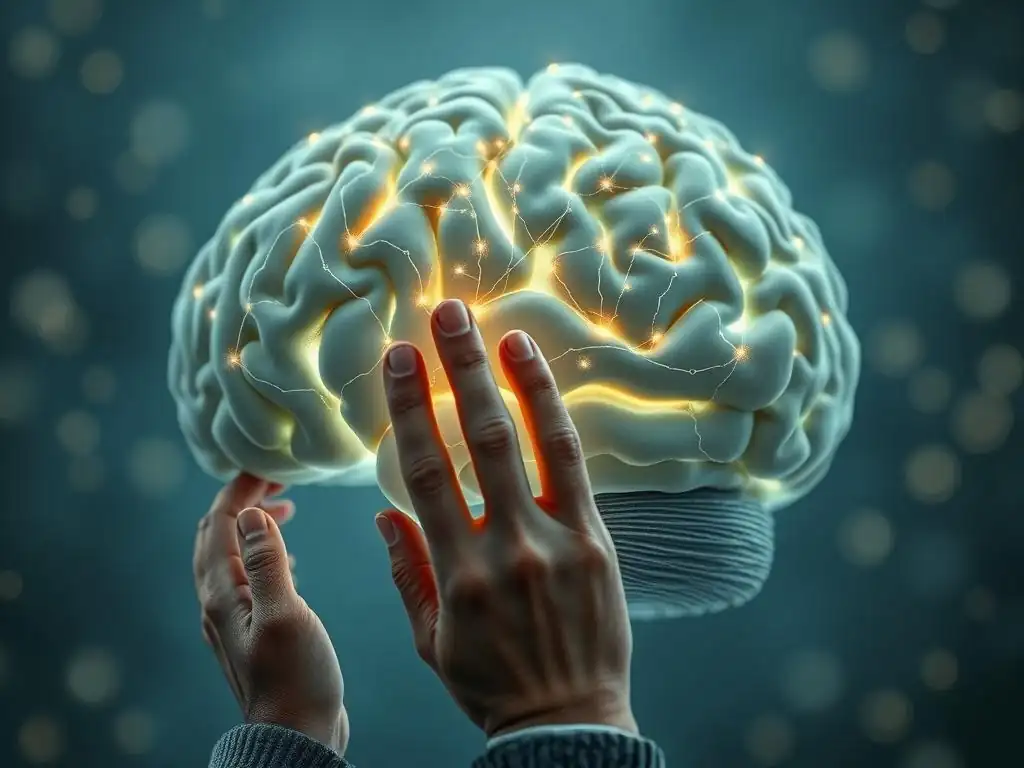
Neuroplasticity, often referred to as brain plasticity or neural plasticity, is the remarkable ability of the brain to change and adapt throughout life. Far from being a fixed structure after childhood, the adult brain can reorganize itself by forming new neural connections throughout life. This dynamic process allows the brain to compensate for injury and disease and to adjust its activities in response to new situations or changes in the environment. The concept of neuroplasticity rewiring benefits explained is central to understanding how individuals can learn, remember, and recover from challenges.
This inherent capacity for change holds significant promise for mental well-being. It provides a biological basis for hope, suggesting that negative patterns of thought and behavior are not permanent. By understanding and harnessing neuroplasticity, individuals can potentially build resilience, improve cognitive function, and foster emotional balance. It's the foundation upon which therapeutic interventions like cognitive behavioral therapy (CBT) and mindfulness practices operate, demonstrating the brain's capacity to forge new, healthier pathways.
Why Neuroplasticity Matters for Mind Care
For those navigating mental health challenges, neuroplasticity is a cornerstone of recovery and management. It explains how therapeutic techniques can lead to lasting change. For instance, in therapy, individuals learn new coping strategies and ways of thinking. Each time these new strategies are practiced, the relevant neural pathways are strengthened, while the old, unhelpful ones may weaken. This is the essence of neuroplasticity rewiring benefits explained in a clinical context.
Furthermore, neuroplasticity is crucial for adapting to life changes, managing stress, and even recovering from trauma. It allows the brain to integrate new experiences, learn from mistakes, and build a repertoire of effective responses. Recognizing the brain's capacity for plasticity empowers individuals to actively participate in their own mental health journey, understanding that consistent effort can indeed lead to tangible, physical changes in the brain's structure and function.
Myth #1: Neuroplasticity is Only for Children
The Reality: Adult Brains Retain the Ability to Change
A common misconception is that neuroplasticity is primarily a phenomenon of childhood, a period often associated with rapid learning and brain development. While childhood is a time of intense synaptic pruning and formation, the ability of the brain to change doesn't cease upon reaching adulthood. Research over the past few decades has conclusively demonstrated that the adult brain remains remarkably plastic, capable of significant structural and functional reorganization.
Studies utilizing techniques like fMRI and diffusion tensor imaging have shown changes in grey matter density and white matter tracts in adult brains in response to learning, experience, and even environmental changes. For example, taxi drivers in London, known for navigating complex street networks, have been shown to have larger posterior hippocampi, a region involved in spatial memory, compared to control groups. This structural difference is acquired through extensive training and experience, illustrating adult neuroplasticity in action.
Lifelong Neuroplasticity: Exploring the Benefits at Any Age
The persistence of neuroplasticity throughout life means that individuals of all ages can benefit from the brain's ability to adapt. For older adults, maintaining brain plasticity is vital for cognitive health and resilience against age-related decline. Learning new skills, staying socially engaged, and maintaining physical activity have been shown to promote neurogenesis (the birth of new neurons) and synaptogenesis (the formation of new connections) in later life.
The neuroplasticity rewiring benefits explained extend to recovery from stroke or brain injury, where undamaged parts of the brain can take over functions previously performed by damaged areas. It also underpins the effectiveness of psychotherapy for adults dealing with depression, anxiety, or PTSD, enabling them to form new emotional regulation pathways and cognitive patterns regardless of their age. This lifelong capacity for change offers continuous opportunities for growth and adaptation.
Myth #2: "Rewiring" Your Brain is a Quick and Easy Fix
The Reality: Neuroplasticity Requires Effort and Consistency
The popular concept of "rewiring" can sometimes be oversimplified, leading people to believe that brain change is instantaneous or effortless. In reality, neuroplasticity is a process that requires consistent effort and repeated engagement with the desired new behaviors, thoughts, or skills. Just as building muscle requires consistent exercise, building new neural pathways requires consistent practice.
Consider learning a musical instrument or a new language. Initial progress might feel slow, but with regular practice – even for short periods each day – the underlying neural networks supporting those skills gradually strengthen. Similarly, changing ingrained thought patterns or emotional responses through therapy doesn't happen overnight. It involves conscious effort to recognize old patterns and repeatedly practice new, healthier ones. This dedication is fundamental to realizing the neuroplasticity rewiring benefits explained.
Time and Dedication: The Cornerstones of Successful Brain Rewiring
Significant and lasting changes in the brain typically require sustained effort over time. While the exact timeline varies greatly depending on the individual, the skill being learned, or the pattern being changed, it's generally measured in weeks or months, not minutes or hours. Habit formation research often suggests that establishing a new habit can take anywhere from 18 to 254 days, with an average closer to two months of consistent practice.
This timeframe reflects the biological reality of synaptic consolidation – the process by which temporary neural connections become more permanent. Dedication is key; sporadic effort yields minimal results. Whether it's adhering to a meditation practice, consistently challenging negative self-talk, or engaging in regular physical activity, the commitment to showing up and practicing consistently is what drives the significant neuroplasticity rewiring benefits explained over the long term.
Myth #3: Neuroplasticity is Always Beneficial
The Reality: Maladaptive Plasticity Can Negatively Impact Mental Health
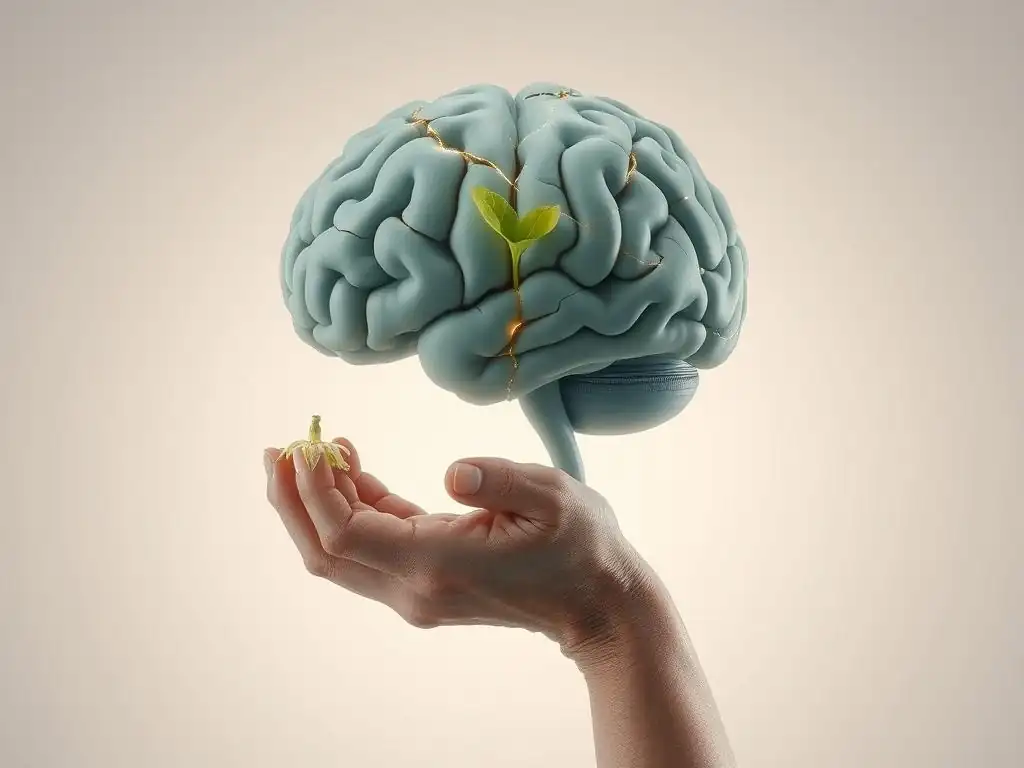
While neuroplasticity is often discussed in the context of positive change and recovery, the brain's ability to adapt is neutral. It simply strengthens the pathways that are most frequently activated, regardless of whether those pathways are helpful or harmful. This means that the brain can also "wire in" negative experiences, maladaptive behaviors, and unhelpful thought patterns. This phenomenon is known as maladaptive plasticity.
For example, chronic stress can lead to structural changes in the hippocampus (affecting memory and learning) and the amygdala (increasing fear and anxiety responses). Repeated negative self-talk can strengthen neural pathways associated with low self-esteem and depression. Understanding that neuroplasticity isn't inherently good is crucial; it highlights the importance of consciously directing the brain's capacity for change towards positive outcomes. The neuroplasticity rewiring benefits explained only apply when the rewiring is oriented towards adaptive processes.
Understanding the Dark Side of Neuroplasticity: Examples of Learned Helplessness and Chronic Pain
Maladaptive plasticity is evident in conditions like learned helplessness, often observed in depression. If an individual repeatedly experiences uncontrollable negative events, their brain can become "wired" to expect failure and cease efforts to escape or change the situation, even when opportunities arise. This involves changes in neural circuits related to motivation and reward.
Another compelling example is chronic pain. After an initial injury heals, the pain signals might persist due to changes in the nervous system. The brain and spinal cord can become hypersensitive, essentially learning to generate pain signals even without ongoing tissue damage. This involves maladaptive changes in sensory processing pathways. These instances underscore that while neuroplasticity rewiring benefits explained offer pathways to healing, the brain's plasticity also necessitates mindful engagement to avoid reinforcing detrimental patterns.
Myth #4: You Need Special Technology or Expensive Treatments for Neuroplasticity
The Reality: Everyday Activities Can Promote Brain Change
The idea of "brain training" sometimes conjures images of sophisticated equipment or costly programs. While certain technologies like neurofeedback can utilize principles of neuroplasticity, the fundamental mechanisms of brain change are constantly at work in our daily lives, driven by simple, accessible activities. You don't need a specialized lab or expensive software to promote neuroplasticity.
Engaging in novel experiences, learning new information, practicing a skill, or even simple social interactions all stimulate neuronal activity and encourage the formation of new connections. The brain thrives on challenge and novelty. By simply stepping outside your routine and engaging your mind in new ways, you are already fostering neuroplasticity. This makes the potential for neuroplasticity rewiring benefits explained accessible to everyone.
Simple Strategies for Harnessing Neuroplasticity: Learning New Skills, Practicing Gratitude, and Engaging in Novel Experiences
Many effective ways to promote positive brain change are readily available and often free. Learning a new language, taking up a musical instrument, or even mastering a new recipe or craft requires focused attention and repetition, directly stimulating neuroplasticity. These activities build new neural pathways associated with those specific skills.
Beyond skill acquisition, engaging in practices like mindfulness meditation or keeping a gratitude journal can also alter brain structure and function over time, impacting areas related to emotional regulation and perspective. Simply taking a different route to work, trying a new type of food, or engaging in a conversation with someone new introduces novelty that can stimulate the brain. Physical exercise is also a powerful driver of neuroplasticity, increasing blood flow and promoting growth factors like BDNF. These simple, consistent actions are powerful tools for leveraging the neuroplasticity rewiring benefits explained in daily life.
Myth #5: Neuroplasticity Guarantees Complete Recovery from Mental Health Issues
The Reality: Neuroplasticity is a Tool, Not a Cure-All
While neuroplasticity is a vital mechanism underlying recovery and adaptation in mental health, it is not a magic bullet or a guarantee of complete recovery from complex conditions. Mental health issues are often multifaceted, involving genetic predispositions, environmental factors, social support, and biochemical imbalances, in addition to ingrained neural patterns.
Neuroplasticity provides the biological capacity for change, but successful recovery typically involves a combination of factors. It's the mechanism through which therapies work, but therapy itself requires engagement, insight, and effort. Medication might address biochemical imbalances, support systems provide resilience, and lifestyle changes create a supportive environment for brain health. Understanding the neuroplasticity rewiring benefits explained means recognizing its role as a powerful tool within a broader treatment framework, not a standalone solution.
The Role of Neuroplasticity in a Holistic Mental Health Approach
Neuroplasticity is best viewed as the brain's fundamental capacity that is leveraged by various components of a holistic mental health approach. Psychotherapy, for example, relies heavily on neuroplasticity; techniques like exposure therapy for phobias or cognitive restructuring for depression work by gradually weakening old fear/negative pathways and strengthening new, adaptive ones.
However, for someone with severe depression, neuroplasticity alone might not be sufficient without addressing potential neurochemical imbalances through medication or building a supportive social network. Similarly, managing anxiety might involve leveraging neuroplasticity through mindfulness and exposure, alongside stress reduction techniques and ensuring adequate sleep. A comprehensive approach that integrates therapeutic strategies, lifestyle adjustments, and potentially medical interventions is most effective in harnessing the neuroplasticity rewiring benefits explained for improved mental well-being.
Demystifying Brain Rewiring: Practical Applications of Neuroplasticity for Mental Wellness

Neuroplasticity and Mental Health: Strategies for Managing Anxiety Disorders
Anxiety disorders often involve hyperactive fear circuitry in the brain, particularly involving the amygdala. The brain becomes "wired" to perceive threats even when they are not present. Neuroplasticity offers pathways to modify these overactive responses. Strategies like Cognitive Behavioral Therapy (CBT) and exposure therapy are prime examples of harnessing neuroplasticity to manage anxiety.
In exposure therapy, individuals are gradually and safely exposed to feared situations or objects. With repeated exposure without experiencing the feared outcome, the brain learns that the perceived threat is not real. This consistent, controlled experience weakens the old fear association pathways and builds new, calmer responses – essentially rewiring the amygdala's reaction. Similarly, cognitive restructuring in CBT helps individuals identify and challenge irrational anxious thoughts, building new neural pathways associated with more realistic and less catastrophizing interpretations. These therapeutic applications demonstrate the neuroplasticity rewiring benefits explained in reducing fear and anxiety.
Harnessing Neuroplasticity for Overcoming Depression
Depression is often characterized by patterns of negative thinking, reduced motivation, and sometimes a sense of learned helplessness. Neuroplasticity plays a role in both the development and potential recovery from depression. The brain can become wired for rumination and lack of engagement.
Therapeutic approaches like Behavioral Activation leverage neuroplasticity by encouraging individuals to engage in activities that were previously rewarding or that align with their values. By consistently engaging in these behaviors, even when they don't initially feel motivated, individuals start to strengthen neural pathways associated with pleasure, achievement, and motivation. This counteracts the pathways associated with withdrawal and anhedonia. Cognitive therapies also help by repeatedly challenging and reframing negative automatic thoughts, building new, more positive and realistic cognitive pathways. The consistent practice of these techniques facilitates the neuroplasticity rewiring benefits explained, helping to shift the brain out of depressive patterns.
Optimizing Neuroplasticity: Lifestyle Factors for Enhancing Brain Change
The Impact of Diet, Exercise, and Sleep on Neuroplasticity
Fundamental lifestyle factors have a profound impact on the brain's ability to change. Nutrition provides the building blocks and energy the brain needs. Diets rich in omega-3 fatty acids, antioxidants, and vitamins (like B vitamins) support brain health and can enhance neuroplasticity. For instance, omega-3s are crucial components of neuronal membranes, facilitating communication between brain cells. Chronic inflammation, often linked to poor diet, can impair neuroplasticity.
Physical exercise is one of the most powerful promoters of neuroplasticity. Regular aerobic exercise increases blood flow to the brain, delivering oxygen and nutrients essential for neuronal health. It also stimulates the production of Brain-Derived Neurotrophic Factor (BDNF), a protein that supports the survival of existing neurons and encourages the growth and differentiation of new neurons and synapses.
Aiming for around 150 minutes of moderate aerobic activity per week, as recommended by many health organizations, can significantly boost brain plasticity. Sleep is equally critical; during sleep, the brain consolidates memories, prunes unnecessary synapses, and strengthens important connections formed during the day. Chronic sleep deprivation impairs learning, memory, and the capacity for neuroplastic change.
Mindfulness and Meditation: Powerful Tools for Brain Rewiring
Mindfulness and meditation practices are increasingly recognized for their ability to induce measurable changes in brain structure and function, particularly in areas related to attention, emotion regulation, and self-awareness. Consistent meditation practice has been associated with increased grey matter density in regions like the prefrontal cortex (involved in executive functions and decision-making) and the hippocampus (involved in memory and learning).
Conversely, meditation can lead to decreased grey matter density in the amygdala, the brain region associated with fear and stress responses. This suggests that mindfulness helps to regulate the stress response and reduce reactivity. By training attention and fostering non-judgmental awareness, these practices help individuals observe thoughts and emotions without getting carried away by them, weakening the neural pathways associated with automatic, reactive responses and strengthening those associated with conscious, intentional processing. This consistent mental training is a direct application of leveraging neuroplasticity rewiring benefits explained for improved emotional and cognitive control.
Conclusion: Embracing the Power of Neuroplasticity with Realistic Expectations
Neuroplasticity: A Summary of Key Takeaways
Neuroplasticity is the brain's remarkable, lifelong capacity to change and adapt by forming new neural connections. It is not limited to childhood, nor is it an automatic or effortless process. While it offers incredible potential for learning, recovery, and mental wellness, it requires consistent effort and dedication. Furthermore, neuroplasticity is neutral; it can wire in both helpful and unhelpful patterns.
Understanding the true nature of neuroplasticity debunks myths about quick fixes and the need for expensive technology. Everyday activities, therapeutic practices, and healthy lifestyle choices are powerful drivers of positive brain change. While not a guaranteed cure-all, leveraging neuroplasticity through informed strategies is a cornerstone of a holistic approach to mental health, offering tangible neuroplasticity rewiring benefits explained through dedication and consistent effort.
Further Exploration: Resources for Learning More About Brain Plasticity and Mental Health
For those interested in delving deeper into the science of brain plasticity and its applications for mental health, numerous reputable resources are available. Academic institutions often publish findings and offer educational materials on neuroscience and psychology. Mental health organizations and professional associations provide evidence-based information on therapeutic approaches that utilize neuroplastic principles.
Exploring literature and research from experts in cognitive neuroscience, psychology, and psychiatry can offer further insights into how the brain changes and how these changes can be guided to support well-being. Consulting with qualified mental health professionals is also an excellent way to understand how neuroplasticity relates to specific conditions and personalized strategies for promoting positive brain change.
Frequently Asked Questions
What exactly is neuroplasticity and how does it relate to "rewiring" the brain?
Neuroplasticity is the brain's ability to reorganize itself by forming new neural connections throughout life. "Rewiring" is a metaphorical term for this process, suggesting that we can change our brain's circuitry through experiences and learning. This isn't literal replacement, but rather strengthening or weakening existing connections.
What are some practical benefits of understanding neuroplasticity and how it works?
Understanding neuroplasticity allows us to appreciate that our brains are not fixed entities, and we can actively influence them. Benefits include improved learning, recovery from brain injuries, and the ability to overcome negative thought patterns and behaviors. It offers hope and empowers individuals to take control of their mental well-being.
What are some common myths surrounding neuroplasticity that people should be aware of?
A common myth is that neuroplasticity only occurs in childhood; it happens throughout life. Another is that "rewiring" is quick and easy; it often requires consistent effort and practice. Also, believing that it's a cure-all for all mental health challenges is incorrect; it's a tool that works best with other interventions.
How can I actively engage in "rewiring" my brain through neuroplasticity?
You can engage in neuroplasticity by learning new skills, practicing mindfulness, and actively challenging negative thoughts. Repetition and consistency are key. Engaging in activities that stimulate your brain and create new experiences fosters neuroplasticity.
Are there any potential downsides or limitations to relying solely on neuroplasticity for mental well-being?
While powerful, neuroplasticity isn't a magic bullet. Relying solely on it without addressing underlying issues or seeking professional help can be ineffective or even detrimental. It's best used in conjunction with therapy, medication (if needed), and lifestyle changes for comprehensive mental well-being.
Final Reflection: Unlocking the True Potential of Neuroplasticity
The power to reshape our brains is not a myth, but a nuanced reality. Understanding the true mechanisms of neuroplasticity, beyond the oversimplified "rewiring" narrative, is crucial for harnessing its potential for personal growth and improved well-being. This isn't just about catchy headlines; it's about unlocking genuine, lasting change.
The journey of understanding neuroplasticity has been a fascinating one, revealing the intricate dance between our experiences and the physical structure of our brains. It's a journey that underscores the importance of lifelong learning and adaptive strategies. The brain is like a muscle. When we don't use it, it weakens. When we challenge it, it grows stronger.
This simple analogy, while not perfectly accurate, captures the essence of neuroplasticity's potential for positive transformation. The ongoing research in this field continually refines our understanding, challenging outdated assumptions and opening doors to innovative therapeutic approaches.
Now, consider your own brain. Think about the habits you want to change, the skills you want to acquire, the challenges you want to overcome. You have the inherent capacity to reshape your neural pathways, to build new connections, and to strengthen existing ones. Embrace the complexities of neuroplasticity, commit to consistent effort, and witness the remarkable transformations that await. Don't let the myths hold you back; unlock the true power within your own mind.
Unlock Your Brain's Potential: Start Rewiring Today!
Thanks for taking the time to explore the fascinating world of neuroplasticity with us! We hope you gained a clearer understanding of what's truly possible when it comes to brain rewiring. Now it's time to put that knowledge into action.
- Prioritize one new brain-boosting activity: This could be anything from learning a new language to practicing mindfulness or taking up a challenging hobby. Even 15 minutes a day makes a difference!
- Share your "rewiring" journey: Inspire others by sharing your chosen activity and progress on social media using #MindCareRewire. Let's build a supportive community!
- Reflect on one limiting belief about your brain: Identify a belief holding you back and consciously challenge it. What small step can you take to overcome that belief?
Ready to unlock your brain's incredible capacity for change? What's the one new habit you'll start today to nurture your neuroplasticity?