
Your Brain on Change: The Science of Adapting and Growing

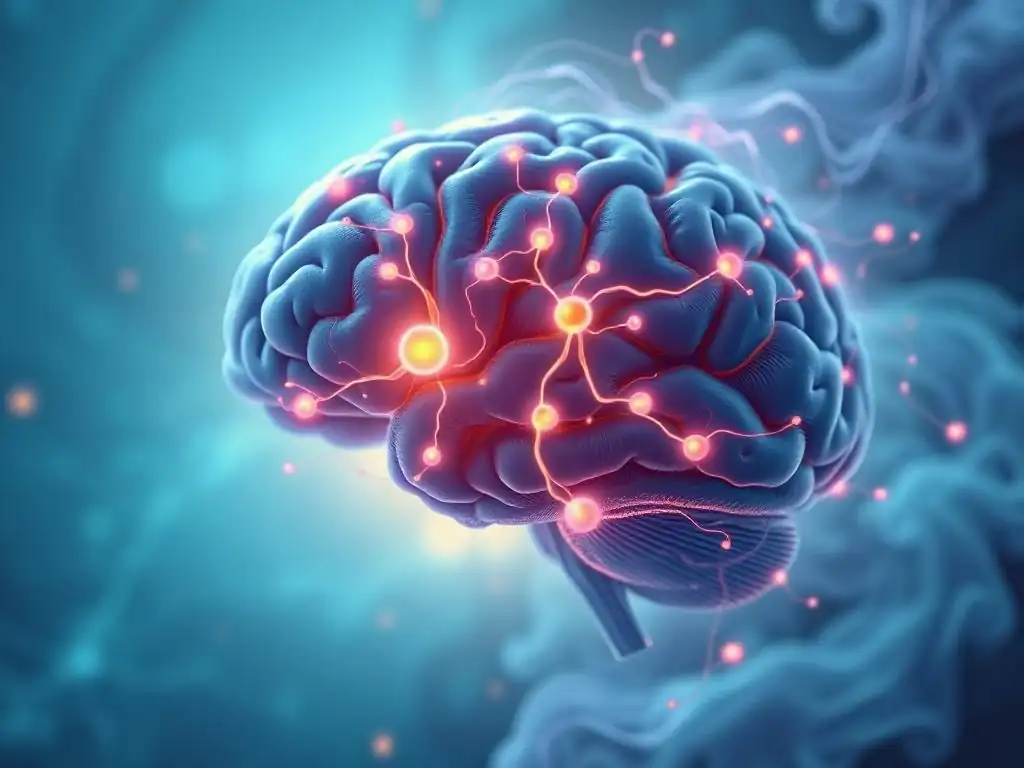
Welcome to Mind Care Guide.
Feeling overwhelmed by life's relentless changes? You're not alone. We understand the challenges of navigating a world in constant flux. This is why we're diving deep into the fascinating science of adapting brain change resilience stress. Are you ready to unlock the secrets to building a more resilient mind and thriving amidst the inevitable transitions? Let's explore how your brain can not only cope, but actually grow stronger through change.
The Agile Mind: Cultivating Adaptability and Growth
Change is an inherent part of life, often bringing both challenges and opportunities. Our ability to navigate these shifts, to learn from them and emerge stronger, is deeply rooted in the fundamental architecture of our brains. Far from being a static organ, the brain possesses a remarkable capacity to reorganize itself throughout life. This dynamic quality is the cornerstone of how we adapt, learn, and build resilience in the face of stress and new experiences. Understanding the science behind this process—how our brain adapts to change—is empowering, offering insights into cultivating mental fortitude and fostering personal growth.
This journey into the neuroscience of adaptation will explore how the brain physically changes, how it responds to novelty, and practical strategies for enhancing its natural ability to adapt. By delving into the mechanisms of neuroplasticity and resilience, we uncover the potential within ourselves to not just cope with change, but to thrive amidst it, building a more robust and flexible mind capable of facing life's uncertainties with greater ease and confidence.
- Understanding Neuroplasticity: The Brain's Capacity for Change
- The Neuroscience of Adaptation: How the Brain Responds to New Situations
- Building Resilience: Strengthening Mental Fortitude in the Face of Change
- Strategies for Fostering Neuroplasticity: Cultivating an Adaptable Brain
- Overcoming Challenges: Addressing Mental Barriers to Change
- Long-Term Benefits: The Rewards of Adapting to Change
- Case Studies: Real-World Examples of Adaptation and Resilience
- Conclusion: Embracing Change for a Healthier, More Resilient Mind
-
Frequently Asked Questions
- What does "Adapting brain change resilience stress" mean in the context of mental well-being?
- How does our brain adapt to change and build resilience?
- What role does stress play in affecting brain change and resilience?
- Can lifestyle choices influence our brain's ability to adapt and cope with stress?
- Where can I find more resources and support for improving my mental well-being in relation to adapting to change?
- Final Reflection: Embracing the Ever-Shifting Landscape of the Mind
- Unlock Your Brain's Adaptability: Start Growing Today!
Understanding Neuroplasticity: The Brain's Capacity for Change
At the heart of our ability to adapt lies neuroplasticity, the brain's incredible power to change, restructure, and reorganize itself. This isn't just something that happens in childhood; it's a lifelong process that allows us to learn, remember, and recover from injury. It's the biological foundation upon which our capacity for growth and adaptation is built, constantly shaping the neural networks that govern our thoughts, feelings, and behaviors.
This continuous rewiring is influenced by everything we experience—from learning a new skill to navigating a stressful situation. Each interaction, each thought, each emotion contributes to the strengthening or weakening of neural connections, literally sculpting the brain in response to our environment and actions. Recognizing this innate ability is the first step in harnessing it to improve our mental well-being and enhance our capacity for adapting brain change resilience stress.
Defining Neuroplasticity: The Biological Basis of Adaptability
Neuroplasticity refers to the brain's ability to reorganize itself by forming new neural connections throughout life. It allows neurons (nerve cells) to compensate for injury and disease and to adjust their activities in response to new situations or changes in their environment. This involves changes at various levels, from microscopic alterations in individual synapses to larger-scale changes in cortical maps. For instance, studies have shown that learning a complex skill like juggling can increase gray matter density in certain brain areas involved in visual-motor coordination, such as the mid-temporal area.
The two main types of neuroplasticity are functional plasticity, which is the brain's ability to move functions from a damaged area of the brain to other undamaged areas, and structural plasticity, which is the brain's ability to actually change its physical structure as a result of learning. Structural plasticity involves the formation of new neurons (neurogenesis), the growth of new connections between neurons (synaptogenesis), and changes in the strength of existing synaptic connections.
Research indicates that areas like the hippocampus, critical for memory and learning, demonstrate significant neurogenesis even in adulthood, supporting the brain's ongoing capacity for learning and adapting to change.
Neuroplasticity and Resilience: Bouncing Back from Adversity
Neuroplasticity is intimately linked with resilience, the capacity to recover quickly from difficulties. When we face stressful or traumatic experiences, our brains undergo significant changes. However, the ability to adapt and rewire neural pathways allows individuals to process these experiences, regulate emotional responses, and develop coping mechanisms. This involves strengthening connections in areas like the prefrontal cortex, responsible for executive functions and emotional regulation, and potentially reducing the dominance of areas like the amygdala, which is involved in fear and stress responses.
Individuals with higher levels of resilience often exhibit more flexible neural networks, allowing them to shift perspectives and behavioral responses more effectively under pressure. For example, studies using fMRI have shown that resilient individuals tend to have stronger functional connectivity between the prefrontal cortex and the amygdala, suggesting better top-down control over emotional reactions. This neurobiological flexibility, fostered by the brain's capacity for adapting brain change resilience stress, enables them to navigate challenges without becoming overwhelmed, facilitating recovery and growth.
Neuroplasticity and Mental Well-being: A Symbiotic Relationship
The relationship between neuroplasticity and mental well-being is deeply intertwined; they mutually influence each other. Positive mental states, such as optimism and mindfulness, can promote neuroplastic changes that support healthier brain function. For instance, practices like meditation have been shown to increase cortical thickness in areas associated with attention and emotional regulation, such as the prefrontal cortex and insula, while potentially decreasing the size or activity of the amygdala over time.
Conversely, certain mental health conditions, like chronic depression or anxiety, can be associated with maladaptive neuroplasticity, potentially leading to changes in brain structure and function that perpetuate negative thought patterns and emotional reactivity. However, this also highlights the potential for therapeutic interventions, such as psychotherapy or medication, to leverage neuroplasticity to facilitate recovery. By engaging in practices that promote positive brain change, individuals can actively work towards improving their mental health and enhancing their capacity for adapting brain change resilience stress.
The Neuroscience of Adaptation: How the Brain Responds to New Situations
When confronted with a new situation, our brains don't just passively observe; they actively engage in a complex process of processing information, evaluating risks, and adjusting responses. This dynamic interplay of neural activity allows us to learn from novel experiences, form new habits, and navigate unfamiliar territory. Understanding this response illuminates the biological mechanisms that underpin our ability to successfully adapt to change.
From the initial spark of curiosity to the consolidation of new behaviors, the brain employs a sophisticated network of regions and chemical messengers. This section delves into the fascinating neurological processes that enable us to move beyond the familiar and integrate new information into our understanding of the world, demonstrating the intricate science behind adapting brain change resilience stress.
The Brain's Response to Novelty: Curiosity and Exploration
Novelty triggers a specific response in the brain, often involving the activation of the mesolimbic pathway, a key part of the brain's reward system. Areas like the ventral tegmental area (VTA) release dopamine, a neurotransmitter associated with motivation, reward, and learning, into regions such as the nucleus accumbens and prefrontal cortex. This dopaminergic surge makes novel experiences feel engaging and motivates us to explore and learn more.
This initial response is crucial for adaptation. It primes the brain to pay attention, to process new information efficiently, and to encode memories related to the new situation. Research suggests that exposure to novelty can enhance synaptic plasticity, making the brain more receptive to learning. For example, studies in rodents have shown that exploring a new environment increases the production of new neurons in the hippocampus, reinforcing the link between novelty, learning, and the brain's capacity for adapting to change.
Neural Pathways and Habit Formation: Building New Behaviors
Adapting to change often requires forming new habits or modifying existing ones. This process involves strengthening specific neural pathways through repeated activity. When we perform a new behavior, the initial neural activity might be spread across various brain regions, requiring conscious effort and attention, often involving the prefrontal cortex. However, as the behavior is repeated, the pathway becomes more efficient and localized, eventually shifting towards areas like the basal ganglia, which are involved in automatic behaviors and habits.
This transition from conscious effort to automaticity is a prime example of structural plasticity in action. The neural connections involved in the new habit become stronger, and the amount of myelin (a fatty substance that insulates nerve fibers and speeds up signal transmission) around these pathways can increase. Estimates suggest that forming a new habit can take anywhere from 18 to 254 days, with an average around 66 days, highlighting the significant time and repetition required for the brain to consolidate new behaviors and truly adapt to change.
Neurotransmitters and Adaptation: Chemical Messengers of Change
Neurotransmitters play a vital role in the brain's adaptive responses. Dopamine, as mentioned, is critical for motivation, reward, and learning from new experiences. Norepinephrine, another key neurotransmitter, is involved in the body's stress response and vigilance, helping us to focus attention on potential threats or important new information in a changing environment. Serotonin influences mood, emotional regulation, and can impact how we perceive and react to stress and uncertainty.
Cortisol, a stress hormone released by the adrenal glands but acting on the brain, is also intricately linked to adaptation. While acute stress can enhance memory formation and focus, chronic exposure to high levels of cortisol can impair neuroplasticity, particularly in the hippocampus and prefrontal cortex, potentially hindering our ability to learn and adapt effectively. Managing stress levels is therefore crucial for supporting the neurochemical environment necessary for the brain's optimal capacity for adapting brain change resilience stress.
Building Resilience: Strengthening Mental Fortitude in the Face of Change

Resilience is more than just enduring hardship; it's about the active process of adapting, learning, and growing through challenging experiences. It's a dynamic capacity that can be cultivated and strengthened, much like a muscle. In the context of adapting brain change resilience stress, resilience allows us to navigate life's inevitable disruptions without being derailed, maintaining emotional stability and functional capacity.
Developing resilience involves a combination of internal psychological resources and external support systems, all of which interact with and influence our brain's adaptive capabilities. This section explores what resilience truly means, the factors that contribute to it, and practical, evidence-informed techniques for enhancing this vital trait, bolstering our ability to cope with life's pressures.
Defining Resilience: Beyond Bouncing Back
While often described as "bouncing back," a more comprehensive definition of resilience encompasses the process of adapting well in the face of adversity, trauma, tragedy, threats, or significant sources of stress. It's not about being immune to stress or pain, but about the ability to effectively navigate difficult experiences, maintain psychological functioning, and even experience growth. This involves flexibility in thinking, emotional regulation skills, and the capacity to maintain hope and purpose.
Resilience is not a fixed trait possessed by a few; it is a capacity that can be developed over time. Research suggests that resilient individuals are not simply born that way, but have cultivated specific attitudes, coping strategies, and support networks. The very act of successfully navigating past challenges strengthens the neural pathways associated with coping and adapting, reinforcing the brain's capacity for future resilience in the face of stress and change.
Factors Promoting Resilience: Internal and External Resources
Several factors contribute to an individual's resilience. Internal resources include a positive self-concept, self-efficacy (belief in one's ability to succeed), optimism, problem-solving skills, and emotional regulation abilities. For instance, someone with high self-efficacy is more likely to view a new challenge as an opportunity rather than an insurmountable threat, influencing how their brain appraises and responds to the situation.
External resources are equally important and include supportive relationships with family and friends, community involvement, access to resources (like education or healthcare), and a sense of belonging. Strong social connections, for example, provide emotional support that can buffer the effects of stress and promote the release of oxytocin, a hormone that can counteract the effects of stress hormones like cortisol. Both internal and external factors work together, creating a robust system that supports the brain's natural processes for adapting brain change resilience stress.
Techniques for Enhancing Resilience: Practical Strategies for Coping
Cultivating resilience involves actively engaging in practices that strengthen both mind and body. Practical strategies include developing strong social connections, as mentioned, which provide a buffer against stress. Regular physical exercise is also crucial, as it not only improves physical health but also boosts mood and cognitive function, enhancing the brain's ability to cope with stress and promote neuroplasticity.
Other techniques include practicing mindfulness and meditation to improve emotional regulation and present-moment awareness, engaging in cognitive restructuring to challenge negative thought patterns, and setting realistic goals to foster a sense of control and accomplishment. Even simple acts like maintaining a routine, getting adequate sleep (typically 7-9 hours for adults), and engaging in hobbies can significantly contribute to building mental fortitude and enhancing the brain's capacity for adapting to change and stress.
Strategies for Fostering Neuroplasticity: Cultivating an Adaptable Brain
Given the brain's incredible capacity for change, we are not merely passive recipients of life's experiences; we can actively engage in practices that promote positive neuroplasticity. By intentionally challenging our brains and engaging in specific activities, we can strengthen neural connections, foster the growth of new ones, and enhance our overall cognitive flexibility and adaptability.
This section explores various evidence-based strategies that have been shown to promote neuroplasticity. From engaging in mentally stimulating tasks to harnessing the power of mindfulness and physical activity, these techniques offer tangible ways to cultivate a more adaptable and resilient brain, optimizing its capacity for adapting brain change resilience stress throughout life.
Cognitive Training: Exercises for Enhancing Cognitive Flexibility
Engaging in mentally stimulating activities that challenge our cognitive abilities is a powerful way to promote neuroplasticity. This includes learning new skills, solving puzzles, playing strategic games (like chess or bridge), or learning a new language. These activities require the brain to form new connections and utilize different neural pathways, enhancing cognitive flexibility, which is the ability to switch between different mental tasks or sets of rules.
Research suggests that consistent cognitive training can lead to measurable changes in brain structure and function. For instance, studies on bilingual individuals have shown increased gray matter density in areas associated with language processing and executive control. While the benefits of commercial "brain training" programs are debated, the principle remains: actively challenging your brain with novel and complex tasks is key to fostering its adaptability and enhancing its capacity for adapting brain change resilience stress.
Mindfulness and Meditation: Calming the Mind, Enhancing Adaptability
Mindfulness and meditation practices involve focusing attention on the present moment without judgment. Regular practice has been shown to induce significant neuroplastic changes, particularly in areas related to attention, emotional regulation, and self-awareness. As mentioned earlier, studies have observed increased gray matter in the prefrontal cortex and hippocampus, and decreased amygdala size or activity in experienced meditators compared to control groups.
By cultivating a state of calm and non-reactivity, mindfulness helps individuals to better manage stress and emotional responses, crucial components of resilience. It enhances the ability to observe thoughts and feelings without being overwhelmed by them, promoting a more flexible and adaptive response to challenging situations. This practice directly supports the brain's capacity for adapting brain change resilience stress by improving emotional control and cognitive flexibility.
Physical Exercise: Fueling Neuroplasticity Through Movement
Physical activity is one of the most potent promoters of brain health and neuroplasticity. Exercise increases blood flow to the brain, delivering essential oxygen and nutrients. It also stimulates the production of neurotrophic factors, such as Brain-Derived Neurotrophic Factor (BDNF), which act like fertilizer for the brain, promoting the growth of new neurons and synapses, particularly in the hippocampus.
Regular aerobic exercise, such as brisk walking, running, or swimming, has been linked to improved cognitive function, enhanced memory, and reduced risk of cognitive decline. Even moderate exercise, performed consistently, can lead to significant improvements in brain structure and function, bolstering its capacity for adapting to change and stress. Aiming for at least 150 minutes of moderate-intensity aerobic activity per week, as recommended by health guidelines, can have profound benefits for brain health and resilience.
Nutrition for Brain Health: Supporting Optimal Brain Function
The brain is a metabolically demanding organ, requiring a steady supply of specific nutrients to function optimally and support neuroplasticity. A diet rich in omega-3 fatty acids (found in fatty fish, flaxseeds, and walnuts) is particularly beneficial, as these are essential components of brain cell membranes and play a role in synaptic function. Antioxidants (found in fruits and vegetables) help protect brain cells from damage, while B vitamins are crucial for energy metabolism and neurotransmitter synthesis.
Avoiding excessive consumption of processed foods, sugar, and saturated fats is also important, as these can contribute to inflammation and oxidative stress, which can impair brain function and neuroplasticity. Staying well-hydrated is also essential. Nourishing your body with a balanced diet provides the building blocks and fuel necessary for the brain to maintain its structure, support neural communication, and effectively engage in the process of adapting brain change resilience stress.
Overcoming Challenges: Addressing Mental Barriers to Change
Even with the brain's innate capacity for adaptation, the process of change is rarely without its hurdles. We often encounter internal resistance, mental blocks that can make embracing new situations feel daunting or even impossible. These barriers can stem from fear of the unknown, attachment to comfort zones, past negative experiences, or ingrained negative thought patterns.
Recognizing and addressing these mental barriers is a crucial step in successfully navigating change and fostering resilience. This section explores common psychological obstacles, offers strategies for shifting perspectives and approaching change with greater openness, and discusses when seeking professional support can provide invaluable assistance in overcoming persistent challenges related to adapting brain change resilience stress.
Common Mental Blocks: Identifying Resistance to Change
Resistance to change is a natural human response, often driven by a preference for predictability and safety. Common mental blocks include fear of failure or making mistakes, which can paralyze action. The comfort of familiar routines, even if suboptimal, can feel more appealing than the uncertainty of something new. Negative self-talk, such as believing "I'm not good at this" or "It's too hard," can also create significant internal resistance.
Past negative experiences with change can also lead to a learned aversion, where the brain associates change with pain or disappointment, triggering avoidance responses. Furthermore, a fixed mindset—the belief that abilities are static rather than dynamic—can hinder adaptation by creating a reluctance to try new things or persevere through challenges. Identifying these specific blocks is the first step towards dismantling them and allowing the brain's natural adaptive processes to take hold.
Strategies for Overcoming Resistance: Shifting Perspectives and Embracing New Approaches
Overcoming resistance involves consciously challenging these mental blocks and adopting more adaptive strategies. One effective approach is reframing the situation: instead of viewing change as a threat, try seeing it as an opportunity for learning, growth, and developing greater resilience. Focusing on the potential positive outcomes, even small ones, can shift the brain's emotional response from fear to curiosity or excitement.
Breaking down large changes into smaller, manageable steps can make the process less overwhelming and increase the likelihood of success, building confidence along the way. Practicing self-compassion is also vital; acknowledge that change is difficult and that setbacks are normal parts of the process. Focusing on progress rather than perfection helps maintain motivation. Actively seeking out new experiences, even minor ones, can help train the brain to be more comfortable with novelty, enhancing its overall capacity for adapting to change.
Seeking Support: When Professional Guidance is Needed
While many strategies can be employed independently, sometimes the mental barriers to change are deeply ingrained or linked to underlying mental health challenges. In such cases, seeking professional support from a therapist, counselor, or coach can be immensely beneficial. Mental health professionals can provide personalized strategies for managing anxiety, depression, or trauma responses that may be hindering adaptation.
Therapies like Cognitive Behavioral Therapy (CBT) or Dialectical Behavior Therapy (DBT) can help individuals identify and modify negative thought patterns and develop effective coping skills. A therapist can also provide a safe space to process difficult emotions related to change and build resilience. Recognizing when you need help is a sign of strength, and professional guidance can provide the necessary tools and support to navigate significant life changes and strengthen your capacity for adapting brain change resilience stress.
Long-Term Benefits: The Rewards of Adapting to Change

Successfully navigating change and cultivating an adaptable mind yields significant long-term benefits that extend far beyond the immediate situation. The very process of adapting strengthens neural pathways and builds psychological resources, creating a positive feedback loop that enhances our capacity to handle future challenges. Embracing change is not just about surviving; it's about building a foundation for a more fulfilling and robust life.
The rewards of fostering neuroplasticity and resilience are manifold, impacting various aspects of our well-being. From improved mental health and sharper cognitive abilities to a greater sense of confidence and purpose, the investment in adapting brain change resilience stress pays dividends throughout our lives, equipping us with the tools to thrive in an ever-changing world.
Improved Mental Health: Reduced Anxiety and Depression
One of the most significant long-term benefits of adapting to change is improved mental health. As we become more adept at navigating uncertainty and stress, our stress response systems become more regulated. This can lead to reduced levels of chronic anxiety and a lower risk of developing depressive episodes. The ability to effectively cope with challenges reduces the feeling of being overwhelmed and increases a sense of control over one's life.
Furthermore, the positive neuroplastic changes associated with successful adaptation, such as increased prefrontal cortex activity and better emotional regulation, directly contribute to enhanced emotional well-being. By actively engaging in practices that support adaptation and resilience, individuals can mitigate the negative impacts of stress on their mental health, fostering a more stable and positive emotional landscape. This underscores the vital link between adapting brain change resilience stress and overall psychological health.
Enhanced Cognitive Function: Sharper Memory and Focus
The strategies that promote neuroplasticity for adapting to change also have a direct positive impact on cognitive function. Activities like learning new skills, engaging in cognitive training, and regular physical exercise stimulate the growth of new neurons and strengthen neural connections, particularly in areas crucial for memory, attention, and executive functions.
Studies have shown that individuals who regularly engage in mentally stimulating activities tend to have better memory recall, improved focus and concentration, and enhanced problem-solving abilities later in life. This cognitive vitality is a direct result of the brain's ongoing capacity to adapt and reorganize itself in response to novel experiences and challenges. A brain trained to adapt is a brain that functions more efficiently and effectively across various cognitive tasks.
Increased Resilience: A Foundation for Overall Well-being
Perhaps the most fundamental long-term benefit is the cumulative increase in resilience itself. Each time we successfully adapt to a new situation or overcome a challenge, we strengthen the neural pathways and psychological resources associated with coping. This builds a reservoir of resilience that makes subsequent challenges feel less daunting and more manageable.
Increased resilience serves as a foundation for overall well-being. It allows individuals to face setbacks with greater confidence, maintain positive relationships even during difficult times, and find meaning and purpose amidst life's uncertainties. By continuously fostering the brain's capacity for adapting brain change resilience stress, we build a robust internal system that supports not just survival, but flourishing, enabling us to lead richer, more fulfilling lives.
Case Studies: Real-World Examples of Adaptation and Resilience
Observing real-world examples provides powerful illustrations of the brain's extraordinary capacity for neuroplasticity and adaptation. These case studies demonstrate how individuals, faced with significant challenges or engaging in demanding learning processes, can literally rewire their brains, leading to remarkable recoveries, enhanced abilities, and profound personal growth.
These examples highlight the practical application of the principles of adapting brain change resilience stress, showcasing the tangible outcomes of harnessing the brain's inherent flexibility. From recovering lost functions after injury to developing entirely new skills or sensory capabilities, these stories offer inspiring evidence of the brain's lifelong potential for transformation.
Stroke Rehabilitation: Leveraging Neuroplasticity for Recovery
Stroke is a prime example of how the brain leverages neuroplasticity for recovery. When a stroke occurs, blood flow to a part of the brain is interrupted, causing damage to neurons. However, through intensive rehabilitation therapy, individuals can often regain lost functions, such as movement, speech, or cognitive abilities. This recovery is possible because the brain can reorganize itself, forming new connections and pathways to bypass damaged areas.
Therapies like constraint-induced movement therapy, where the unaffected limb is restricted to force the use of the affected one, encourage the brain to rewire circuits in the motor cortex. Studies using brain imaging show changes in the cortical maps of stroke survivors undergoing rehabilitation, demonstrating that areas adjacent to the damage, or even in the opposite hemisphere, can take over lost functions. This remarkable capacity for the brain to adapt to change is the cornerstone of stroke recovery and highlights the power of targeted intervention.
Learning a New Language: Rewiring the Brain for Enhanced Communication
Learning a new language is a demanding cognitive task that visibly demonstrates structural neuroplasticity. It requires the brain to process new sounds, grammatical rules, and vocabulary, forming complex new associations. Research has shown that bilingual individuals often have increased gray matter density in areas associated with language processing, such as the left inferior parietal cortex.
Furthermore, learning a new language can improve executive functions, including attention switching and working memory, likely due to the increased demands placed on these cognitive control systems. Studies have shown that the structural changes in language areas can increase with proficiency and the length of time spent learning. This everyday activity provides a clear example of how intentional learning can physically remodel the brain, enhancing its capacity for adapting brain change resilience stress through complex skill acquisition.
Adapting to Vision Loss: Reorganizing Neural Pathways for Compensation
Individuals who experience vision loss, particularly early in life, often demonstrate remarkable sensory compensation, leveraging neuroplasticity to enhance their other senses. The visual cortex, typically dedicated to processing visual information, can be repurposed to process information from other senses, particularly touch and hearing.
For example, blind individuals often exhibit enhanced auditory localization abilities or become highly proficient in reading Braille. Studies using brain imaging have shown that when blind individuals read Braille, areas of the visual cortex become active, suggesting that these regions are now processing tactile information. Similarly, the visual cortex may show increased activity during auditory tasks. This dramatic reorganization illustrates the brain's extraordinary ability to adapt its resources to compensate for the loss of a major sensory input, showcasing profound neuroplasticity in action and the brain's ultimate capacity for adapting to significant change.
Conclusion: Embracing Change for a Healthier, More Resilient Mind
Our journey through the neuroscience of adaptation reveals a fundamental truth: the brain is not static but a dynamic, ever-changing organ. Its remarkable capacity for neuroplasticity is the biological engine that drives our ability to learn, grow, and build resilience in the face of life's inevitable changes and stressors. Understanding this process empowers us, shifting our perspective from viewing change as something to be feared to seeing it as an opportunity for strengthening our mental fortitude.
By actively engaging in practices that foster neuroplasticity—challenging our minds, moving our bodies, nourishing ourselves, and cultivating mindfulness—we can intentionally shape our brains for greater adaptability. Recognizing and addressing the mental barriers that hinder change allows us to approach new situations with greater openness and confidence. The long-term benefits are clear: improved mental health, sharper cognitive function, and a deeper reservoir of resilience. Embracing the science of adapting brain change resilience stress provides a roadmap for cultivating a more agile, robust, and well-equipped mind capable of navigating the complexities of life with greater ease and effectiveness.
Frequently Asked Questions
What does "Adapting brain change resilience stress" mean in the context of mental well-being?
This phrase refers to the ability of the brain to positively adjust to new situations (brain change) and challenges, building resilience against the negative impacts of stress, ultimately improving mental well-being.
How does our brain adapt to change and build resilience?
Our brains adapt through neuroplasticity, which allows neural pathways to reorganize. This process can be strengthened by learning new skills, practicing mindfulness, and engaging in activities that promote cognitive flexibility.
What role does stress play in affecting brain change and resilience?
Chronic stress can negatively impact brain structures like the hippocampus, hindering our ability to adapt and build resilience. However, manageable stress can sometimes stimulate growth.
Can lifestyle choices influence our brain's ability to adapt and cope with stress?
Yes! Factors like diet, exercise, and sleep significantly influence brain health and its ability to adapt to change. A healthy lifestyle promotes neurogenesis and synaptic plasticity, enhancing resilience.
Where can I find more resources and support for improving my mental well-being in relation to adapting to change?
Mind Care Guide provides a wealth of information, support, and resources for various mental health challenges, including articles and techniques focused on building resilience and managing stress through brain-based strategies.
Final Reflection: Embracing the Ever-Shifting Landscape of the Mind
The ability to adapt is not merely a survival mechanism; it's the cornerstone of a flourishing life. In a world characterized by constant flux, understanding how our brains navigate change—and how we can optimize that process—is not just intellectually stimulating, it's fundamentally crucial for our well-being. The science explored in this article reveals the incredible plasticity of the brain, its capacity to rewire itself and build resilience in the face of adversity, stress, and even trauma.
The journey of adapting to change is deeply personal, a continuous dance between our inherent nature and the external forces that shape us. This exploration into neuroplasticity has profoundly impacted my own understanding of resilience. It's reinforced the importance of self-compassion, mindful practices, and a proactive approach to learning and growth. The mind is not a vessel to be filled, but a fire to be kindled.
– Plutarch. This quote perfectly encapsulates the dynamic nature of the brain and the ongoing process of adaptation and learning that defines our human experience.
Now, consider your own life. What challenges have you overcome? What strategies have you employed to navigate difficult transitions? This article has provided a scientific framework for understanding these processes, but the true power lies in applying this knowledge to your own life. I encourage you to actively cultivate your brain's resilience – embrace new experiences, challenge your comfort zones, and practice mindfulness. By understanding the science of adaptation, you empower yourself to not just survive change, but to thrive within it, shaping a future defined by growth and resilience.
Unlock Your Brain's Adaptability: Start Growing Today!
Thanks for taking the time to explore the fascinating world of brain plasticity with us! You’ve now learned how adaptable your mind truly is. Ready to put this knowledge into action?
Here’s how to start embracing change and fostering growth:
- Embrace a New Challenge: Identify one area where you'd like to learn or improve – whether it's a new skill, a different hobby, or even a new perspective – and actively pursue it this week. This is the key to unlocking your brain's potential.
- Share your "change journey": Tell a friend or family member about your chosen challenge and invite them to join you. Accountability makes all the difference.
- Reflect and adjust: At the end of the week, take a moment to assess your progress and identify any adjustments needed. This reflective process is crucial for continued growth.
What small step will you take today to unlock your brain's amazing capacity for change?