
Structural Brain Plasticity: How Experiences Physically Change Your Brain

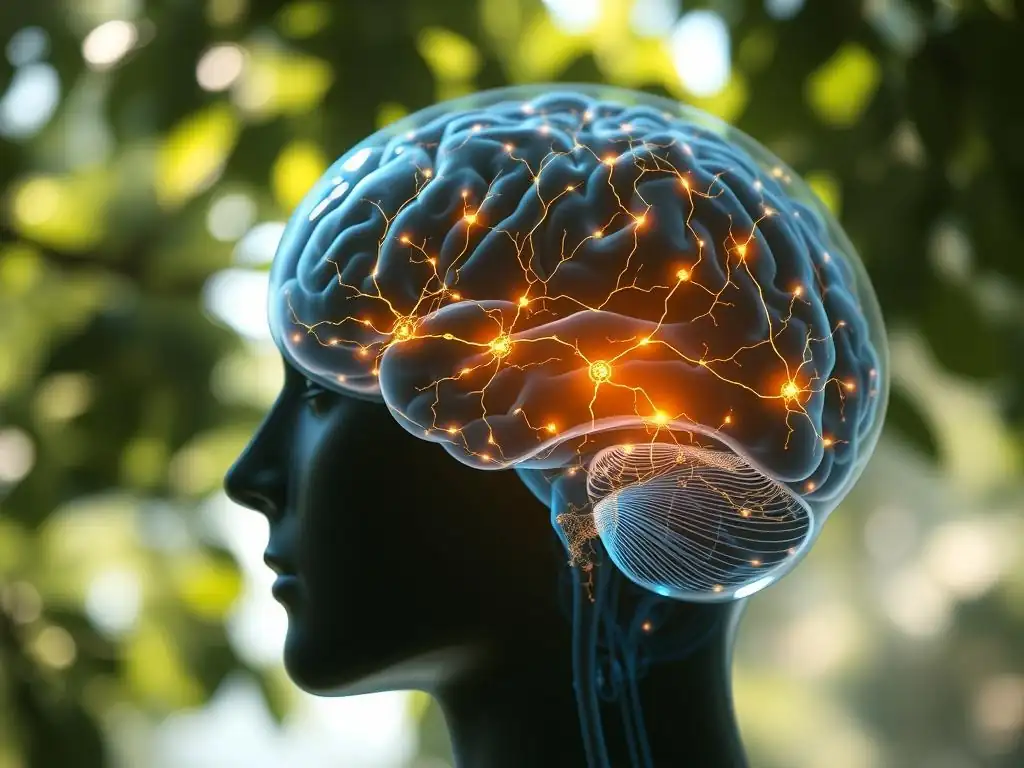
Welcome to Mind Care Guide, your trusted companion on the path to mental well-being.
Ever wondered if your experiences are literally shaping your brain? They are. Dive into the fascinating world of neuroscience and discover how brain change through experience therapy can lead to profound structural alterations within your mind. Unlocking this potential could be the key to overcoming challenges and fostering lasting positive change. Ready to explore the science behind your mental landscape?
Structural Brain Plasticity: How Experiences Physically Change Your Brain
- Introduction to Structural Brain Plasticity and Mental Well-being
- What is Structural Brain Plasticity? Defining Brain Change Through Experience
- Experiences that Drive Structural Brain Change
- Therapeutic Interventions Leveraging Structural Brain Plasticity
- Measuring Structural Brain Plasticity: Techniques and Technologies
- The Timeframe for Structural Brain Changes: How Long Does It Take?
- Optimizing Brain Change Through Experience: Practical Strategies
- The Future of Structural Brain Plasticity Research and Therapy
- Conclusion: Embracing the Power of Brain Change for Mental Well-being
-
Frequently Asked Questions
- How does experience therapy lead to structural brain plasticity?
- What types of experiences are most effective in triggering brain change through experience therapy?
- Can brain change through experience therapy help with specific mental health challenges?
- Is structural brain plasticity permanent, or does it require ongoing experience therapy?
- How can I find a qualified therapist who specializes in brain change through experience therapy?
- Final Reflection: The Ever-Evolving Landscape of the Mind
- Unlock Your Brain's Untapped Potential!
Introduction to Structural Brain Plasticity and Mental Well-being
Understanding the Neuroscience Behind Brain Change
The human brain is not a static organ; it possesses a remarkable capacity for change throughout life, a property known as neuroplasticity. This capacity allows the brain to adapt, reorganize, and form new neural connections in response to learning, experience, and even injury.
While functional plasticity refers to changes in the strength of existing neural connections, structural brain plasticity involves physical alterations to the brain's anatomy, including changes in the volume of gray matter (neuron cell bodies), white matter (myelinated axons), the formation of new neurons (neurogenesis), and the growth and pruning of synapses. Understanding this fundamental principle is crucial for appreciating how our experiences, both positive and challenging, leave a tangible imprint on our minds.
This constant remodeling is the biological basis for learning, memory formation, and recovery from brain injury. It highlights that our mental landscape is not fixed but is dynamically shaped by our interactions with the world and our internal states. The ability of the brain to undergo structural changes through experience offers profound implications for mental well-being, suggesting that targeted experiences and interventions can literally reshape the brain in ways that support improved emotional regulation, cognitive function, and resilience.
Approach to Brain Plasticity and Mental Health
Harnessing the power of structural brain plasticity is increasingly central to modern approaches in mental health care. Rather than viewing mental health conditions as immutable states, the focus shifts to understanding how adverse experiences might have shaped brain structure and, more importantly, how positive, therapeutic experiences can promote adaptive structural changes. This perspective underpins various brain change through experience therapy modalities, aiming to guide individuals toward healthier neural pathways.
Therapies rooted in neuroscience leverage specific activities and mental exercises designed to stimulate targeted brain regions, encouraging the growth of new connections and even new neurons. This includes interventions like cognitive behavioral therapy (CBT), mindfulness practices, and exposure therapy, all of which rely on repeated experiences to foster lasting structural alterations. By understanding the mechanisms of structural plasticity, we gain insight into why consistent effort in therapy and self-care is essential – because it takes time and repetition to physically remold the brain.
What is Structural Brain Plasticity? Defining Brain Change Through Experience
Distinguishing Structural Plasticity from Functional Plasticity
Neuroplasticity encompasses two primary forms: functional plasticity and structural plasticity. Functional plasticity refers to the brain's ability to shift functions from a damaged area to an undamaged area or to alter the strength of existing synaptic connections. This is often a quicker form of adaptation, allowing the brain to compensate for loss or optimize processing speed in response to immediate demands. It involves changes in how effectively signals are transmitted between neurons, perhaps by increasing or decreasing the number of receptors on a neuron or modifying neurotransmitter release.
In contrast, structural plasticity involves more enduring physical changes to the brain's architecture. This includes changes in the size or density of gray matter in specific regions, alterations in the structure of white matter tracts (the bundles of axons that connect different brain areas), the sprouting of new dendrites and axons, the formation of new synapses, and even the birth of new neurons in certain areas like the hippocampus. These structural modifications represent the physical infrastructure built or rebuilt by the brain in response to sustained experiences and learning, providing a more permanent foundation for new capabilities or behaviors.
The Role of Neurogenesis in Structural Brain Changes
Neurogenesis, the process of generating new neurons, is a key component of structural brain plasticity, particularly in specific brain regions like the hippocampus. While once thought to occur only during development, research over the past few decades has confirmed that neurogenesis persists into adulthood. These new neurons can integrate into existing neural circuits and contribute to learning, memory, and emotional regulation.
The rate of adult neurogenesis can be influenced by various experiences. Factors like exercise, learning, and enriched environments have been shown to increase neurogenesis, while stress, lack of sleep, and aging can decrease it. The integration of new neurons into hippocampal circuits is believed to play a role in pattern separation (distinguishing similar memories) and mood regulation, highlighting its relevance to mental well-being and potentially offering targets for brain change through experience therapy.
Key Brain Regions Involved in Structural Plasticity
While the brain's capacity for structural plasticity is widespread, certain regions exhibit particularly notable changes in response to experience. The hippocampus, crucial for learning and memory formation, is well-known for its capacity for neurogenesis and changes in gray matter volume. The prefrontal cortex, involved in executive functions like planning, decision-making, and emotional regulation, also shows significant structural changes associated with learning, training, and therapeutic interventions like brain change through experience therapy.
The amygdala, a region central to processing emotions, particularly fear, can also undergo structural changes in response to trauma or therapeutic experiences. Other areas like the cerebellum (involved in motor control and some cognitive functions) and various sensory and motor cortices also demonstrate structural modifications based on experience, such as learning a musical instrument or navigating complex environments. The interconnectedness of these regions means that changes in one area can influence the structure and function of others.
Experiences that Drive Structural Brain Change
Learning New Skills and Structural Brain Modifications
Engaging in novel and challenging activities is a powerful driver of structural brain plasticity. When you learn a new skill, whether it's playing an instrument, speaking a new language, or juggling, your brain actively rewires itself.
Studies using neuroimaging techniques, such as MRI, have revealed measurable increases in gray matter density or volume in specific brain regions corresponding to the demands of the skill. For example, research on London taxi drivers, who must memorize a vast map of the city ("The Knowledge"), showed they have significantly larger posterior hippocampi compared to control groups, a structural adaptation directly linked to their extensive spatial memory demands.
Similarly, learning a musical instrument has been associated with increased gray matter volume in auditory, motor, and spatial processing areas, as well as enhanced white matter connectivity between hemispheres. These structural changes reflect the brain building and strengthening the necessary neural networks to support the new cognitive and motor abilities required by the skill. Consistent practice is key, demonstrating that sustained experiential brain change leads to lasting physical alterations.
The Impact of Trauma on Brain Structure and Function
Just as positive experiences can build adaptive brain structures, adverse experiences, particularly chronic stress and trauma, can lead to maladaptive structural changes. Chronic exposure to high levels of stress hormones like cortisol can shrink the hippocampus, impairing memory and learning processes. The amygdala, involved in fear processing, can become hyperactive and potentially increase in size or connectivity in individuals with PTSD, leading to heightened vigilance and exaggerated fear responses.
Trauma can also affect the prefrontal cortex, potentially reducing its ability to regulate emotions and control impulsive behavior. These structural alterations are not simply markers of damage but represent the brain's attempt to adapt to a threatening environment. Understanding these changes is vital for developing effective therapy for brain change in trauma survivors, focusing on interventions that can help reverse or mitigate these structural adaptations and promote healing.
How Relationships Shape Brain Structure
Our social interactions and relationships also profoundly influence brain structure, particularly during critical developmental periods, but also throughout life. Secure attachments and positive social experiences can foster the healthy development of areas involved in social cognition, empathy, and emotional regulation, such as the prefrontal cortex and amygdala. Conversely, social isolation, neglect, or abusive relationships can negatively impact brain structure, potentially leading to reduced gray matter volume in areas like the prefrontal cortex and hippocampus, and altered connectivity in emotional circuits.
The quality of our relationships can literally shape the physical architecture of our brains, affecting our capacity for connection, trust, and emotional resilience. This highlights the importance of supportive relationships and social interventions as components of a holistic approach to mental well-being and experiential brain change.
The Influence of Environment on Brain's Physical Form
The physical and social environment in which we live plays a significant role in driving structural brain plasticity. Enriched environments, characterized by novelty, opportunities for learning, social interaction, and physical activity, promote neurogenesis, synaptogenesis (formation of new synapses), and overall brain health. Studies in animal models have shown that living in an enriched environment leads to thicker cortices, larger hippocampi, and more complex dendritic branching compared to living in impoverished conditions.
These findings are thought to translate to humans, suggesting that access to stimulating environments, educational opportunities, safe social spaces, and green spaces can positively influence brain structure. Conversely, environments characterized by chronic stress, pollution, lack of stimulation, or limited resources can negatively impact brain development and ongoing plasticity. Recognizing the environmental factors that influence brain changes through experience is crucial for public health initiatives and therapeutic strategies.
Therapeutic Interventions Leveraging Structural Brain Plasticity
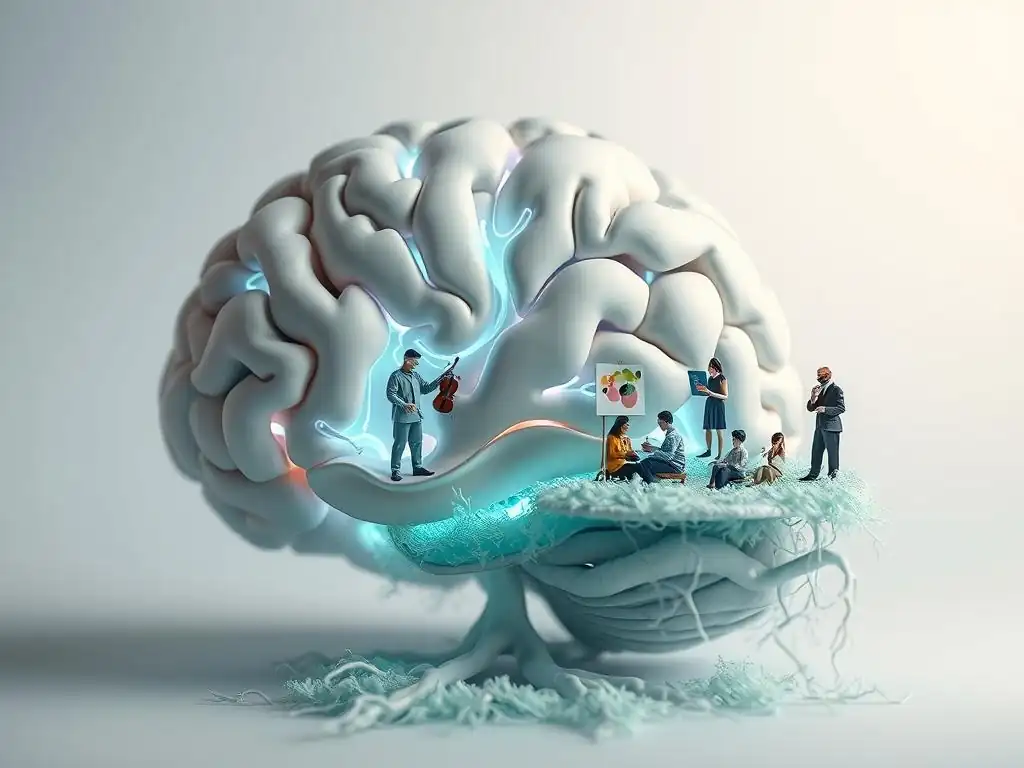
Cognitive Behavioral Therapy (CBT) and Brain Structure
Cognitive Behavioral Therapy (CBT) is a widely used therapeutic approach that focuses on identifying and changing negative thought patterns and behaviors. While often discussed in terms of changing thoughts, the efficacy of CBT is increasingly understood through the lens of structural brain plasticity. By repeatedly practicing new ways of thinking and responding to situations, individuals undergoing CBT are engaging in a form of brain change through experience therapy.
Research using fMRI and structural MRI has shown that successful CBT for conditions like depression, anxiety, and OCD is associated with measurable changes in brain structure and function. Studies have reported changes such as increased gray matter volume in the prefrontal cortex, a region critical for cognitive control and emotional regulation, and decreased activity or volume in the amygdala, which is involved in processing fear and threat. These structural changes reflect the strengthening of neural pathways associated with more adaptive cognitive and emotional processing, built through the repeated application of CBT techniques.
Mindfulness and Meditation: Cultivating Structural Brain Changes
Mindfulness and meditation practices involve focused attention and non-judgmental awareness, and consistent practice has been linked to significant structural changes in the brain. Regular meditators often show increased gray matter thickness or density in regions associated with attention, introspection, and emotional regulation, including the prefrontal cortex, insula, and hippocampus. Some studies have even reported reductions in amygdala volume, which may contribute to decreased reactivity to stress.
For example, a study involving an 8-week mindfulness-based stress reduction (MBSR) program found structural changes in participants' brains, including increased gray matter concentration in the hippocampus (learning and memory) and areas associated with self-awareness, compassion, and introspection. These findings suggest that mindfulness is a potent form of experiential brain change therapy, cultivating brain structures that support greater presence, emotional balance, and resilience.
Exposure Therapy and its Effect on Brain Structure
Exposure therapy, a core component of CBT for anxiety disorders and PTSD, involves confronting feared objects, situations, or memories in a safe and controlled environment. The goal is to extinguish the fear response by learning that the feared stimulus is not actually dangerous. From a neurobiological perspective, this process involves modifying the brain's fear circuitry.
Repeated, safe exposure helps to weaken the connections between the amygdala (the fear center) and the prefrontal cortex (which can regulate fear). Over time, this can lead to structural changes, such as decreased amygdala reactivity or volume, and increased connectivity between the prefrontal cortex and the amygdala, allowing for better top-down control over emotional responses. Exposure therapy is a powerful example of how structured experiential brain change can remodel fear pathways, enabling individuals to overcome debilitating anxieties.
Music Therapy and Brain Rewiring
Music therapy utilizes the power of music to address physical, emotional, cognitive, and social needs. Engaging with music, whether listening, playing, or singing, activates widespread brain networks involved in auditory processing, motor control, emotion, and memory. Consistent musical engagement, particularly learning to play an instrument, is known to induce significant structural changes.
Studies have shown that musicians often have increased gray matter volume in motor and auditory cortices, as well as enhanced white matter connectivity in the corpus callosum, which connects the two brain hemispheres. Music therapy for conditions like stroke, Parkinson's disease, or depression leverages these plastic capacities, using rhythm and melody to stimulate motor recovery, improve mood, and enhance cognitive function. It exemplifies how creative and sensory experiences can change the brain, offering a unique pathway for therapeutic intervention.
Measuring Structural Brain Plasticity: Techniques and Technologies
Neuroimaging Techniques: MRI, fMRI, and DTI
Measuring the subtle, dynamic physical changes associated with structural brain plasticity requires advanced neuroimaging techniques. Magnetic Resonance Imaging (MRI) is a primary tool, providing detailed anatomical images of the brain. By analyzing MRI scans taken at different time points, researchers can detect changes in gray matter volume or density in specific regions. Techniques like Voxel-Based Morphometry (VBM) allow for automated, whole-brain analysis of these subtle volume differences.
Functional MRI (fMRI) measures brain activity by detecting changes in blood flow, providing insights into functional plasticity, but it can also indirectly support understanding structural changes by showing how connectivity or activity patterns change alongside structural alterations. Diffusion Tensor Imaging (DTI) is another crucial technique that maps the white matter tracts by measuring the diffusion of water molecules along axons.
DTI allows researchers to assess the integrity and connectivity of these tracts, providing evidence of changes in white matter structure, which are also part of the brain's plastic response to experience. These techniques are fundamental to studying how experience changes the brain structure and evaluating the effectiveness of brain change through experience therapy.
Biomarkers of Brain Plasticity: Identifying Physical Changes
Beyond macroscopic structural changes visible through neuroimaging, researchers are also exploring biomarkers that can indicate plasticity at a cellular or molecular level. While less commonly used in routine clinical settings compared to imaging, these biomarkers offer deeper insights into the biological mechanisms of structural change. Neurotrophic factors, such as Brain-Derived Neurotrophic Factor (BDNF), are proteins that support the survival, growth, and differentiation of neurons and synapses. Levels of BDNF in the brain and even in the bloodstream have been linked to plasticity; higher levels are often associated with increased neurogenesis and synaptogenesis.
Other potential biomarkers include changes in synaptic protein levels, glial cell (support cells in the brain) density, or even epigenetic modifications (changes in gene expression without altering the DNA sequence) that are induced by experience and affect neuronal structure. Identifying reliable and accessible biomarkers could eventually help personalize brain change through experience therapy by indicating an individual's capacity for plasticity or monitoring their response to interventions.
Research Study Highlighting Measurement of Structural Plasticity
A notable study demonstrating the measurement of structural plasticity involved participants learning a new skill like juggling. Using structural MRI, researchers scanned participants' brains before they started practicing, after a few weeks of consistent practice, and again after a break from juggling. The study found a temporary increase in gray matter volume in specific brain regions associated with visual and motor coordination after the period of juggling practice.
Crucially, this gray matter increase was observed even though the participants were relatively new to the skill. When participants stopped practicing, the gray matter volume in these areas decreased, though not necessarily returning to baseline levels, suggesting that maintaining the skill requires ongoing engagement. This study is a classic example illustrating that specific experiences change the brain structure in a measurable way, and that these changes can, to some extent, be dynamic and dependent on continued engagement with the experience.
The Timeframe for Structural Brain Changes: How Long Does It Take?
Factors Influencing the Speed of Brain Remodeling
The speed at which structural brain changes occur varies significantly depending on a multitude of factors. The nature, intensity, and consistency of the experience are paramount. Learning a complex skill daily for an hour will likely induce faster and more pronounced structural changes than sporadic, low-intensity exposure. Individual factors, such as age, genetics, overall health, stress levels, sleep quality, and nutrition, also play a critical role in modulating the brain's capacity for plasticity. A healthy, well-nourished, and rested brain in a supportive environment is generally more amenable to positive structural change.
Furthermore, the specific brain region involved and the type of change (e.g., synaptogenesis versus neurogenesis) can influence the timeline. Synaptic changes can occur relatively quickly, within hours or days of intense activity, while neurogenesis and significant changes in gray or white matter volume typically take weeks to months of consistent experience or training. Understanding these variables is essential for setting realistic expectations for brain change through experience therapy.
Age and Structural Plasticity: Lifelong Potential
While the brain is most plastic during critical developmental periods in childhood and adolescence, structural plasticity remains possible throughout the lifespan. The capacity for neurogenesis in the hippocampus, for instance, continues into old age, though it may decline gradually. Learning new skills, engaging in mentally stimulating activities, and maintaining physical and social activity can promote plasticity even in older adults.
Studies have shown that older adults who learn new skills or engage in regular exercise can increase gray matter volume and improve white matter integrity. While the speed and extent of change might differ compared to younger individuals, the potential for brain change through experience persists, offering hope and strategies for maintaining cognitive function and mental well-being in later life.
Consistency and Intensity: The Keys to Lasting Brain Changes
For structural brain changes to be significant and lasting, consistency and intensity of the experience are often key. Just as building muscle requires regular workouts, reshaping the brain requires consistent neural activity in targeted circuits. Sporadic exposure to a new skill or therapeutic technique is unlikely to produce substantial, enduring structural changes. This is why practices like daily meditation, regular exercise, or consistent engagement in brain change through experience therapy sessions, coupled with homework or practice outside of sessions, are emphasized.
High intensity, meaning engaging deeply and actively with the experience, also seems to be more effective at driving plasticity than passive exposure. The brain prioritizes resources for pathways that are frequently and strongly activated. Therefore, deliberate, focused practice and repeated therapeutic exercises are more likely to trigger the biological processes necessary for forming new synapses, strengthening existing connections, and potentially influencing neurogenesis and gray matter volume over time.
Optimizing Brain Change Through Experience: Practical Strategies
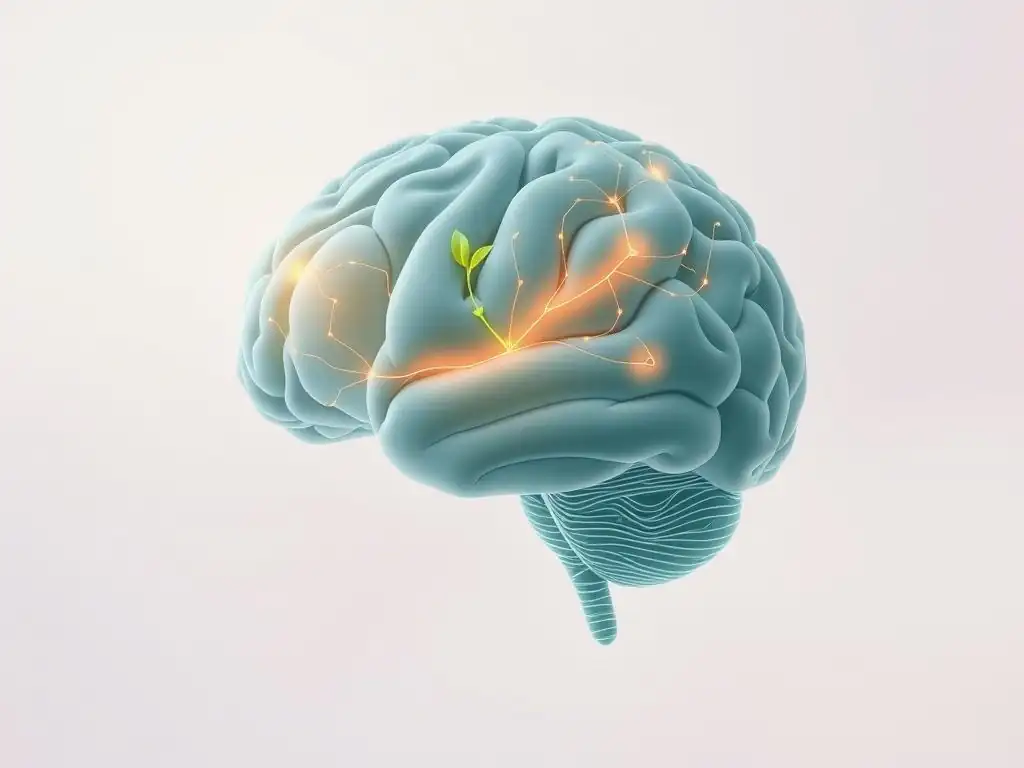
Nutrition and Brain Health: Fueling Structural Plasticity
Proper nutrition is fundamental to supporting the brain's capacity for structural plasticity. The brain requires a steady supply of nutrients to build and maintain its structure and function. Omega-3 fatty acids, found in fatty fish, flaxseeds, and walnuts, are critical components of cell membranes and are associated with promoting synaptogenesis and reducing inflammation, both important for plasticity. Antioxidants, abundant in fruits and vegetables, protect brain cells from damage.
B vitamins are essential for energy metabolism and neurotransmitter synthesis. A diet rich in whole foods, lean proteins, and healthy fats provides the necessary building blocks and energy for the brain to undergo structural changes. Conversely, diets high in processed foods, sugar, and unhealthy fats can impair brain function and plasticity. Supporting brain changes through experience starts with providing the brain with the right fuel.
Exercise and Neuroplasticity: Enhancing Brain Structure
Physical exercise is one of the most potent stimulators of brain plasticity, including structural changes. Aerobic exercise increases blood flow to the brain, delivering oxygen and nutrients vital for neuronal health. It also promotes the release of neurotrophic factors like BDNF, which directly supports neurogenesis in the hippocampus and enhances synaptic plasticity throughout the brain.
Regular exercise has been shown to increase gray matter volume in multiple brain regions, including the hippocampus and prefrontal cortex, and improve white matter integrity. Even moderate exercise, such as brisk walking for 30 minutes several times a week, can have measurable positive effects on brain structure and function. Integrating regular physical activity is a cornerstone strategy for optimizing experiential brain change and supporting mental well-being.
Sleep and Brain Consolidation: The Importance of Rest
Sleep is not merely a period of rest; it is a critical time for brain consolidation and plasticity. During sleep, the brain processes and consolidates information learned during the day, strengthening new synaptic connections and pruning less important ones. Adequate, quality sleep is essential for memory formation and learning, processes that rely heavily on structural plasticity.
Chronic sleep deprivation impairs neurogenesis, reduces synaptic plasticity, and can negatively impact the structure and function of regions like the hippocampus and prefrontal cortex. Prioritizing 7-9 hours of quality sleep per night is crucial for supporting the brain's ability to adapt and remodel in response to experience, making it a non-negotiable component of any effort towards brain change through experience therapy or self-improvement.
Cognitive Training and Brain Remodeling: Targeted Exercises
Engaging in mentally stimulating activities and specific cognitive training exercises can directly target and enhance structural plasticity in relevant brain regions. Learning a new language, playing strategic games, solving puzzles, or using brain-training apps can challenge cognitive abilities like memory, attention, and problem-solving, stimulating the neural circuits involved.
While the effectiveness of generalized "brain training" apps is debated, activities that are novel, challenging, and engaging are most likely to induce structural changes. The key is to push your cognitive boundaries consistently. These targeted mental experiences can change the brain by strengthening specific neural networks, improving cognitive function, and potentially increasing gray matter volume in relevant areas, complementing other strategies aimed at brain change through experience.
The Future of Structural Brain Plasticity Research and Therapy
Emerging Therapies Targeting Brain Structure
Research into structural brain plasticity is continually opening new avenues for therapeutic intervention. Beyond established brain change through experience therapy modalities like CBT and mindfulness, emerging therapies are exploring more direct ways to promote adaptive structural changes. This includes research into transcranial magnetic stimulation (TMS) and transcranial direct current stimulation (tDCS), non-invasive brain stimulation techniques that can modulate neural activity and potentially influence structural plasticity over time, particularly when paired with cognitive training or therapy.
Neurofeedback, which allows individuals to see their brain activity in real-time and learn to regulate it, is another promising area. By practicing self-regulation of specific brain regions or networks, individuals may be able to induce subtle but meaningful structural changes. Furthermore, pharmacological research is exploring compounds that might enhance neurotrophic factor levels or promote neurogenesis, potentially augmenting the effects of behavioral therapies.
Personalized Approaches to Brain Rewiring
A key direction for the future is the development of personalized approaches to brain change through experience therapy. Recognizing that each individual's brain structure and plastic potential are unique, and that their experiences and challenges differ, therapies will increasingly be tailored. This could involve using neuroimaging or biomarkers to assess an individual's specific structural characteristics and areas most in need of change, then designing interventions that are most likely to be effective for their unique brain profile.
For example, someone with reduced hippocampal volume due to trauma might benefit from therapies specifically known to promote neurogenesis and hippocampal volume increase, such as aerobic exercise combined with trauma-focused therapy. Personalized interventions, informed by an understanding of individual structural plasticity profiles, hold the promise of making experiential brain change therapies more efficient and effective.
Ethical Considerations in Brain Plasticity Interventions
As our ability to understand and influence structural brain plasticity grows, so do the ethical considerations surrounding these interventions. Questions arise about the potential for unintended side effects of therapies that aim to physically alter brain structure. There are also ethical debates around "cosmetic neurology" – using plasticity-enhancing techniques or substances to boost cognitive abilities in healthy individuals, potentially creating new forms of societal inequality or pressure.
Ensuring equitable access to brain change through experience therapy and other plasticity-enhancing interventions is also crucial. As these therapies become more sophisticated, it is important to consider who has access to them and to prevent them from becoming available only to the privileged. Navigating these ethical waters responsibly will be essential as we continue to unlock the power of structural brain plasticity for mental well-being.
Conclusion: Embracing the Power of Brain Change for Mental Well-being
Commitment to Brain Plasticity Education and Support
Understanding structural brain plasticity is empowering. It shifts the perspective from viewing the brain as a static entity to recognizing it as a dynamic, ever-changing organ profoundly influenced by our experiences. This knowledge is foundational for mental well-being, highlighting that we are not simply passive recipients of our genetic or environmental history, but active participants in shaping our own neural landscape. A commitment to educating the public about how experience changes the brain structure is vital, empowering individuals to make informed choices about their lifestyle, seek out beneficial experiences, and engage effectively with brain change through experience therapy.
Providing accessible support and resources that leverage the principles of plasticity is equally important. This includes promoting healthy habits, encouraging lifelong learning, fostering supportive social connections, and ensuring access to evidence-based therapies that are designed to facilitate adaptive structural brain changes.
Taking Control of Your Brain's Structure Through Experience
The science of structural brain plasticity offers a message of hope and agency. While certain experiences, like trauma, can unfortunately lead to maladaptive structural changes, the brain retains the capacity for positive remodeling throughout life. By intentionally engaging in experiences known to promote healthy brain structure – such as learning new skills, practicing mindfulness, exercising regularly, prioritizing sleep, and nurturing positive relationships – we can actively participate in rewiring the brain through experience.
Moreover, engaging in targeted brain change through experience therapy, like CBT or exposure therapy, provides structured pathways for overcoming challenges by fostering specific, beneficial structural alterations. Embracing the power of structural brain plasticity means recognizing that our daily activities, our choices, and our efforts in therapy are not just affecting our thoughts and feelings; they are physically changing the very structure of our brain, paving the way for enhanced resilience, improved cognitive function, and greater mental well-being. The journey of experiential brain change is a lifelong one, offering continuous opportunities for growth and transformation.
Frequently Asked Questions
How does experience therapy lead to structural brain plasticity?
Experience therapy utilizes novel and engaging experiences to stimulate brain activity. This stimulation promotes growth and reorganization of neural pathways, resulting in structural brain plasticity.
What types of experiences are most effective in triggering brain change through experience therapy?
Experiences that are personally meaningful and challenging are most effective. This often involves learning new skills, engaging in creative activities, or exploring unfamiliar environments.
Can brain change through experience therapy help with specific mental health challenges?
Yes, experience therapy can assist with various conditions. It can help with anxiety, depression, and even cognitive decline by reshaping neural connections associated with these issues.
Is structural brain plasticity permanent, or does it require ongoing experience therapy?
While brain change through experience therapy can create lasting effects, ongoing engagement is often beneficial. This helps to maintain and strengthen the newly formed neural pathways.
How can I find a qualified therapist who specializes in brain change through experience therapy?
Seek therapists specializing in neuroplasticity-based interventions. Look for professionals with experience in experiential therapies and a strong understanding of how experiences impact brain structure.
Final Reflection: The Ever-Evolving Landscape of the Mind
The capacity of the brain to reshape itself in response to experience is not merely a scientific curiosity; it's the bedrock of our potential for growth, healing, and adaptation. Understanding structural brain plasticity offers a powerful lens through which to view personal development and therapeutic interventions, revolutionizing how we approach mental and physical well-being in the 21st century. This understanding empowers us to actively participate in shaping our own neural pathways, moving beyond a deterministic view of the brain.
The implications of brain plasticity extend far beyond the clinical setting. It underscores the profound impact of our daily choices, our relationships, and our environments on the very architecture of our minds. This continuous process of change, both positive and negative, highlights the importance of fostering enriching experiences and actively engaging in practices that promote neuroplasticity. As Dr. Norman Doidge eloquently stated in his work on the subject, The brain is not a machine; it is an organ of growth and change.
This underscores the dynamic and ever-evolving nature of our cognitive abilities and emotional landscape, a concept that should inspire both awe and responsibility.
Consider the power you hold to cultivate positive change within your own brain. What experiences are you actively seeking out that promote growth and resilience? What habits might you adjust to foster a more supportive environment for your neural pathways? Embrace the incredible plasticity of your brain; it is a testament to your capacity for learning, adaptation, and transformation. Take charge of your neural destiny, and embark on a journey of continuous growth and self-discovery.
Unlock Your Brain's Untapped Potential!
Thanks for diving into the fascinating world of structural brain plasticity! You've now learned how powerful your experiences are in shaping your brain's physical structure. Ready to put this knowledge into action?
- Prioritize a new enriching experience this week: Whether it's learning a new language, taking up a musical instrument, or tackling a challenging puzzle, actively engage in something that stretches your cognitive abilities. This is your direct path to fostering positive brain change.
- Share your "brain-boosting" activity on social media: Inspire others to explore their own brain plasticity! Use #MindCareGuide and #BrainPlasticity to connect with a vibrant community.
- Reflect on your current daily habits: What small changes can you make today to create a more stimulating and enriching life that supports ongoing brain growth?
What new skill or experience will you embrace to unlock the amazing potential of your own brain?