
The Benefits of Being Heard: Why Men Need to Share Their Stories

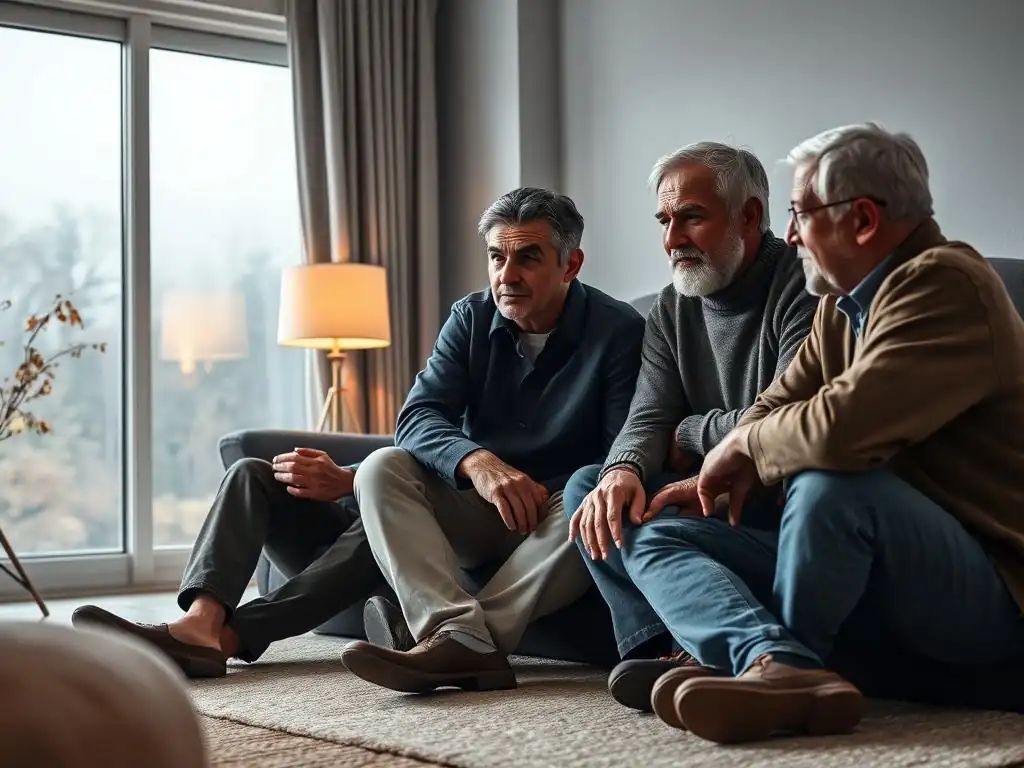
Welcome to Mind Care Guide, a space dedicated to nurturing your mental well-being.
Have you ever felt like your story deserves to be heard? We understand. This is especially true when navigating the unique challenges of mental health. Dive into our latest article, " The Benefits of Being Heard: Why Men Need to Share Their Stories," exploring the transformative power of men’s mental health story sharing. Discover how vulnerability can lead to strength, connection, and ultimately, healing. Ready to begin?
- The Benefits of Vulnerability: Why Men Need to Share Their Stories
- Understanding the Importance of Men's Mental Health Story Sharing
- The Power of Storytelling for Men's Mental Well-being
- Mental Health Benefits of Men Sharing Their Stories
- Breaking the Stigma: How Men's Mental Health Story Sharing Helps
- Practical Ways for Men to Start Sharing Their Stories
- Inspiring Examples of Men Sharing Their Mental Health Journeys
- Resources for Men Seeking Support
- Creating a Future Where Men Feel Empowered to Share
-
Frequently Asked Questions
- What is the primary benefit of men sharing their mental health stories?
- Why is it particularly important for men to engage in mental health story sharing?
- How can men's mental health story sharing contribute to reducing the stigma surrounding mental illness?
- Where can men find safe and supportive platforms to share their mental health stories?
- What are some potential obstacles preventing men from participating in mental health story sharing?
- Final Reflection: Unburdening the Male Heart: The Power of Shared Stories
- Unleash Your Voice: Share Your Story, Find Your Strength
For generations, societal norms have often dictated that men should be stoic, strong, and emotionally reserved. This expectation, while perhaps rooted in historical roles, has created a significant barrier to open expression, particularly when it comes to mental health. The ability to be vulnerable, to share inner struggles and emotional experiences, is not a weakness but a profound strength that can unlock significant benefits for individual well-being and community connection. Understanding the importance of this vulnerability is the first step towards fostering a culture where men feel safe and encouraged to share their authentic selves.
Exploring the landscape of men's mental health reveals a complex interplay of internal and external factors. While conversations around mental health are becoming more common, the specific challenges faced by men in expressing their emotions and seeking help remain significant. This article delves into the vital role of sharing stories in improving men's mental well-being, examining the hurdles they face, the power of narrative, and practical ways to begin the journey of open expression.
Understanding the Importance of Men's Mental Health Story Sharing
Men’s mental health story sharing is increasingly recognized as a critical component of comprehensive mental wellness. It moves beyond simply acknowledging that men experience mental health challenges and actively promotes the idea that vocalizing these experiences is a powerful tool for healing and connection. This process involves articulating personal struggles with anxiety, depression, trauma, or other mental health conditions, often in safe and supportive environments. It's about breaking the silence that has historically surrounded male emotional pain and creating space for empathy and understanding.
The significance of men's mental health story sharing lies in its capacity to build bridges – between individuals, between communities, and between the present and a future where mental health is seen as an integral part of overall health for everyone, regardless of gender. By sharing, men not only process their own experiences but also provide invaluable insights and encouragement to others who may be silently struggling. This collective act of vulnerability chips away at the foundation of stigma, making it easier for subsequent generations of men to seek help and live more emotionally integrated lives.
One primary reason men often struggle to share their experiences stems from deeply ingrained cultural programming. From a young age, boys are frequently taught to suppress emotions, particularly those perceived as "weak" such as sadness, fear, or vulnerability. Phrases like "man up," "boys don't cry," or "tough it out" are pervasive messages that discourage emotional expression and reinforce the idea that showing emotional pain is unmasculine. This conditioning creates a lifelong habit of internalizing feelings rather than externalizing them through verbal or emotional sharing.
Furthermore, fear of judgment or perceived failure plays a significant role. Many men worry that sharing their struggles will lead others to see them as less capable, less successful, or less "of a man." This fear can be particularly acute in professional settings or within social groups where a facade of strength and control is maintained. The perceived risk of losing respect, status, or even employment can be a powerful deterrent against open communication about mental health challenges, trapping men in a cycle of silence and isolation.
The Impact of Societal Expectations on Male Vulnerability
Societal expectations place immense pressure on men to conform to a specific mold of masculinity. This mold often emphasizes self-reliance, emotional stoicism, and a focus on achievement and control. Deviation from this ideal can be met with social disapproval or even ostracization. For instance, research consistently shows that men are less likely to seek professional help for mental health issues than women, often citing concerns about appearing weak or being judged negatively by others. This reluctance is a direct consequence of these rigid expectations.
The pressure to be the "provider" or "protector" can also contribute to a reluctance to share. Admitting to mental health struggles might be seen as a failure to fulfill these roles, leading to feelings of shame and inadequacy. This societal narrative can make it incredibly difficult for men to articulate their needs or admit they are struggling, reinforcing the idea that they must handle everything on their own. The result is that men often suffer in silence, delaying or avoiding seeking the support they need.
The Power of Storytelling for Men's Mental Well-being
Storytelling is a fundamental human activity, and for men, it offers a unique and powerful pathway to improved mental well-being. Sharing one's narrative allows for the externalization of internal experiences, transforming amorphous feelings into coherent thoughts and words. This process of articulation can bring clarity to confusing emotions and provide a sense of control over one's internal landscape. It's not just about recounting events, but about giving voice to the emotional weight and personal meaning behind those events, fostering self-awareness and understanding.
Beyond the individual, the power of men's mental health story sharing lies in its ability to connect. When a man shares his struggles, he is not just telling his own story; he is potentially validating the experiences of countless others who feel similarly but lack the words or courage to express it. This shared vulnerability creates a sense of solidarity and belonging, dismantling the isolating walls that mental health challenges often erect. It transforms private pain into a shared human experience, fostering empathy and mutual support within communities.
One of the most immediate benefits of men's mental health story sharing is the profound sense of connection it fosters. When men hear someone else articulate feelings or experiences similar to their own, it validates their reality and reduces the feeling of being alone in their struggle. This shared understanding creates a powerful bond, often stronger than connections built on superficial commonalities. For example, within support groups, men who share their experiences with depression or anxiety often find that listening to others describe similar symptoms and coping strategies builds a sense of camaraderie and shared purpose.
This connection is not just about commiseration; it's about mutual empowerment. By sharing, men can offer and receive practical advice, emotional support, and encouragement. Hearing about how others navigated difficult periods can provide hope and tangible strategies for managing one's own challenges. This peer-to-peer support, facilitated by open men's mental health story sharing, is a vital resource, complementing professional help and building a stronger network of support.
Reducing Feelings of Isolation and Loneliness Through Story Sharing
Isolation and loneliness are significant risk factors for poor mental health, and men are particularly susceptible due to the societal pressures discussed earlier. Men's mental health story sharing directly combats these feelings by creating opportunities for genuine connection. When a man shares his story, he is stepping out of isolation and inviting others in. This act of reaching out, even if initially difficult, is a powerful antidote to loneliness.
Consider the impact of online forums or in-person support groups dedicated to men's mental health. Participants in these spaces often report a dramatic reduction in feelings of isolation after engaging in men’s mental health story sharing. Knowing that others understand the specific nuances of their struggles – whether it's the pressure to appear strong, the difficulty expressing emotion, or the unique ways mental health issues can manifest in men – creates a sense of belonging and shared identity that is incredibly validating and reduces the burden of carrying struggles alone.
Mental Health Benefits of Men Sharing Their Stories

Beyond connection, the act of men's mental health story sharing yields tangible benefits for psychological well-being. Articulating one's experiences can be a powerful form of processing and healing. It allows individuals to gain perspective on their challenges, organize their thoughts and feelings, and move towards acceptance and recovery. This active engagement with one's mental health journey through narrative is fundamentally different from passively experiencing symptoms.
The therapeutic effects of men's mental health story sharing are well-documented in various contexts, from individual therapy sessions to group settings. The process of putting words to difficult emotions can reduce their intensity and make them feel more manageable. It shifts the internal monologue from a chaotic jumble of feelings to a structured narrative, which can be incredibly empowering and contribute significantly to overall mental resilience and health.
Improved Emotional Regulation and Self-Awareness
Men’s mental health story sharing is a potent tool for developing improved emotional regulation and self-awareness. The process of identifying, labeling, and describing emotions requires conscious effort and reflection. By articulating feelings like frustration, sadness, anger, or fear within the context of a personal story, men gain a deeper understanding of their emotional landscape. This increased awareness is the first step towards better managing these emotions rather than being overwhelmed by them.
Furthermore, sharing allows for feedback and different perspectives. When a man shares his story, listeners may offer insights or observations that help him see his experiences and emotions in a new light. This external processing, combined with internal reflection prompted by the act of sharing, enhances emotional intelligence and the ability to respond to feelings in healthier, more constructive ways. This improved regulation is a direct outcome of openly engaging with one's emotional reality through narrative.
Decreased Symptoms of Anxiety and Depression by Sharing
Numerous studies and anecdotal accounts highlight the positive impact of sharing experiences on reducing symptoms of anxiety and depression. For men, who may internalize these feelings due to societal pressures, finding a safe outlet for men's mental health story sharing can be particularly transformative. The act of verbalizing worries or depressive thoughts can lessen their intensity and make them feel less overwhelming. It externalizes the internal burden, making it feel more manageable.
For example, a study on the impact of expressive writing (a form of story sharing) on mental health found that participants who wrote about traumatic or stressful events experienced a significant reduction in symptoms of depression and anxiety over time. Similarly, men participating in support groups focused on mental health issues often report feeling less anxious and depressed after regularly sharing their stories and hearing from others. The validation, support, and sense of shared struggle inherent in men’s mental health story sharing act as powerful counterforces to the isolating nature of these conditions.
Building Resilience and Coping Mechanisms Through Narrative
Sharing one's mental health journey through narrative is also a powerful way to build resilience and develop effective coping mechanisms. By recounting how they navigated challenges, men can identify patterns, recognize their strengths, and solidify strategies that worked for them. This narrative process helps individuals make sense of difficult experiences and integrate them into their life story in a way that fosters growth rather than perpetuating trauma or distress.
Listening to others' stories is equally beneficial. Hearing about the coping mechanisms that other men have used to manage similar challenges provides a wealth of practical knowledge and inspiration. Whether it's learning about the benefits of mindfulness, exercise, therapy, or specific communication techniques, the shared narratives within men's mental health story sharing communities offer a diverse toolkit for building resilience and navigating future difficulties. It moves beyond theoretical knowledge to real-world application, grounded in shared experience.
Breaking the Stigma: How Men's Mental Health Story Sharing Helps
The stigma surrounding men's mental health is a significant barrier to seeking help and recovery. It perpetuates silence and makes it difficult for men to admit they are struggling. Men’s mental health story sharing is a powerful force in dismantling this stigma, one story at a time. Every time a man bravely shares his experience, he challenges the prevailing narrative that men must suffer in silence and demonstrates that seeking help and talking about emotions is not a sign of weakness, but of courage and self-care.
This collective act of vulnerability normalizes mental health challenges within the male population. It shows that these struggles are common, treatable, and not something to be ashamed of. By making their stories visible, men create a ripple effect, encouraging others to open up and fostering a more accepting environment. The more stories that are shared, the less power the stigma holds, paving the way for a future where men can openly discuss their mental health without fear of judgment.
Challenging Traditional Masculinity Norms
Men’s mental health story sharing directly challenges traditional, often harmful, masculinity norms that equate strength with emotional repression. By talking openly about their feelings, anxieties, and vulnerabilities, men are actively redefining what it means to be strong. They demonstrate that true strength lies not in hiding one's struggles, but in acknowledging them, seeking support, and working towards well-being. This act of sharing provides alternative role models for younger generations of men, showing them that it is okay, and even beneficial, to be emotionally expressive.
Consider the impact of public figures or athletes sharing their mental health journeys. Their willingness to be vulnerable in the public eye sends a powerful message that resonates widely. When men in positions of influence engage in men’s mental health story sharing, it helps dismantle the idea that mental health issues only affect certain types of people or are a sign of personal failure. It shows that these are human experiences that can affect anyone, regardless of their status or perceived strength, thus broadening the definition of masculinity to include emotional health and vulnerability.
Creating a More Supportive and Empathetic Environment
The ripple effect of men's mental health story sharing extends beyond the individual to create a more supportive and empathetic environment for all men. As more stories are shared, the collective understanding of the challenges men face improves. This increased understanding leads to greater empathy from partners, family members, friends, colleagues, and society at large. People become more attuned to the signs of struggle and more willing to offer support without judgment.
This growing empathy fosters a culture where men feel safer to open up. When men see that sharing is met with understanding and acceptance rather than criticism or dismissal, they are more likely to take the step themselves. This creates a positive feedback loop: sharing leads to empathy, which leads to more sharing, further eroding stigma and building a stronger community fabric where men's mental health is prioritized and supported. This shift in environment is a direct result of the courage demonstrated through men’s mental health story sharing.
Practical Ways for Men to Start Sharing Their Stories
Taking the first step in men's mental health story sharing can feel daunting, but there are many practical and accessible ways to begin this journey. It's important to start in a way that feels comfortable and safe, gradually building confidence and expanding the circle of trust. The goal is not to share everything with everyone immediately, but to find avenues for expression that facilitate healing and connection.
Different approaches work for different people, and exploring various options is key to finding what resonates best. Whether it's through structured support systems, personal relationships, or private forms of expression, the act of articulating one's experience is the crucial element. The following sections explore several avenues that men can consider when embarking on their men’s mental health story sharing journey.
Finding Safe and Supportive Spaces [Online Forums, Support Groups]
One effective way for men to begin men's mental health story sharing is by seeking out safe and supportive spaces specifically designed for this purpose. Online forums dedicated to men's mental health provide a degree of anonymity that can make it easier to open up initially. Platforms like Reddit communities focused on mental health or specific men's health forums offer spaces to read others' stories and share one's own without the pressure of face-to-face interaction. Many men find comfort in knowing they are connecting with others who are navigating similar challenges.
In-person support groups offer a different kind of connection, providing face-to-face interaction and a sense of community. Organizations like NAMI (National Alliance on Mental Illness) or local mental health associations often host men's support groups. These groups provide a structured environment where men can share their experiences, receive validation, and learn from peers in a confidential setting. The shared experience within these groups creates a powerful sense of solidarity, making men's mental health story sharing feel less isolating and more empowering.
Talking to Trusted Friends, Family, or Therapists
For some men, the first step in men's mental health story sharing might involve talking to trusted individuals in their existing network. Opening up to a close friend, family member, or partner who is known to be empathetic and non-judgmental can be a valuable starting point. Choosing someone who has demonstrated their ability to listen without trying to "fix" things is crucial. This personal connection can provide immediate emotional support and validation.
Seeking professional help is another vital avenue for men's mental health story sharing. Therapists, counselors, and psychologists provide a confidential and objective space to explore feelings and experiences. They are trained to listen empathetically, provide coping strategies, and guide individuals through their mental health journey. For men who find it difficult to open up to peers or family, the structured and private nature of therapy can be an ideal environment to begin the process of sharing their story and working towards healing.
Journaling and Creative Expression as Outlets for Sharing
Men's mental health story sharing doesn't always have to involve speaking directly to others. Journaling is a private yet powerful form of self-expression that allows men to articulate their thoughts and feelings on paper or digitally. Writing down experiences, emotions, and reflections can provide clarity, reduce stress, and help process difficult events. This internal form of men’s mental health story sharing can be a preparatory step before sharing with others or a valuable standalone practice.
Creative expression, such as writing poetry, composing music, painting, or sculpting, can also serve as powerful outlets for men to share their inner world. These non-verbal forms of storytelling allow for the expression of emotions and experiences that may be difficult to put into words. Engaging in creative activities can be therapeutic and provide a sense of accomplishment and release. Whether shared with others or kept private, these creative endeavors are valid forms of men's mental health story sharing that contribute to well-being.
Inspiring Examples of Men Sharing Their Mental Health Journeys
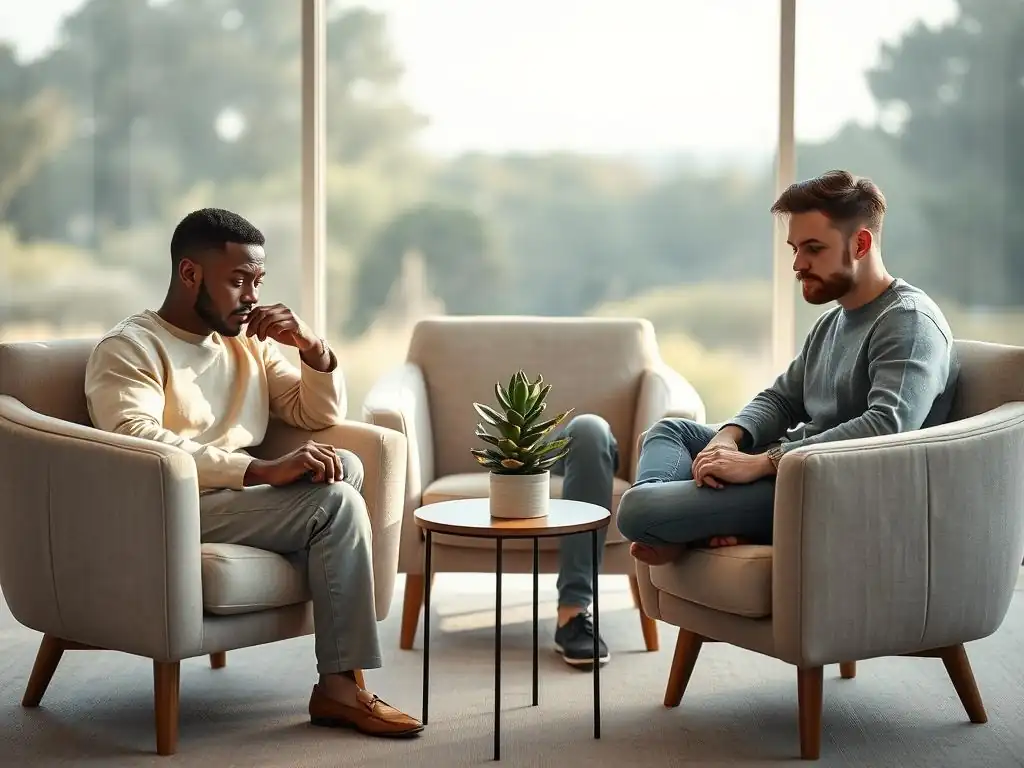
Across various platforms and communities, countless men have bravely shared their mental health journeys, offering inspiration and hope to others. These stories range from personal blogs and social media posts to public talks and published memoirs. Each narrative, regardless of its format or the scale of its reach, contributes to the larger movement of normalizing men's mental health story sharing and breaking down stigma.
Consider the impact of initiatives like the "Heads Up" campaign in the UK, which used football to encourage men to talk about their mental health. Players and fans shared their experiences, demonstrating that mental health challenges affect everyone and that seeking help is a sign of strength. Similarly, numerous individuals have used platforms like TED Talks or podcasts to recount their struggles with conditions like bipolar disorder, PTSD, or addiction, illustrating the diversity of experiences within men's mental health story sharing.
The Impact of These Stories on Others
The impact of these inspiring examples of men's mental health story sharing on others is profound and far-reaching. For men who are silently struggling, hearing someone else's story can be the catalyst they need to seek help. It provides validation, reduces feelings of shame, and offers a roadmap for recovery. A single shared story can plant a seed of hope and demonstrate that healing is possible.
Furthermore, these narratives educate and inform the wider public. They challenge stereotypes, increase understanding of specific mental health conditions, and foster empathy. By humanizing mental health struggles, men’s mental health story sharing encourages a more compassionate societal response and motivates individuals to support the men in their lives who may be struggling. The collective power of these stories creates a movement towards a more open and supportive world for men's mental health.
Resources for Men Seeking Support
For men who are ready to begin their men's mental health story sharing journey or who are seeking support for mental health challenges, a wealth of resources is available. These resources range from national helplines and online platforms to local support groups and professional services. Accessing these resources is a crucial step in prioritizing mental well-being and finding the support needed for recovery and growth.
It is important to remember that seeking help is a sign of strength, not weakness. These resources are designed to provide confidential support, information, and guidance. Whether someone is looking for immediate crisis support, information about specific conditions, or a safe space to engage in men’s mental health story sharing, there are options available to meet various needs and preferences.
Promoting Open Dialogue and Understanding
A key aspect of utilizing resources is their role in promoting open dialogue and understanding around men's mental health. Many organizations dedicated to mental health provide educational materials, workshops, and community events that encourage conversation and reduce stigma. By engaging with these resources, men and those who support them can learn more about mental health, develop better communication skills, and build a more supportive network.
These resources often highlight the importance of men's mental health story sharing as a tool for recovery and connection. They may offer guidelines on how to share safely, how to listen empathetically, and how to build supportive relationships. By providing frameworks and encouragement for open conversation, these resources empower individuals and communities to engage in meaningful dialogue that fosters understanding and supports mental well-being.
The ultimate goal of promoting men's mental health story sharing is to create a future where men feel empowered and comfortable sharing their authentic selves without fear of judgment or reprisal. This vision requires a continued effort from individuals, communities, and society as a whole to challenge outdated norms, foster empathy, and build supportive structures. Every shared story contributes to building this future.
This is not a passive process; it requires active participation and advocacy. Encouraging men to share, listening without judgment, providing accessible resources, and celebrating vulnerability are all essential components of creating this more supportive environment. The ongoing conversation around men's mental health story sharing is vital to ensuring that future generations of men grow up in a world where emotional well-being is valued and openly discussed.
The Long-Term Benefits for Individuals and Communities
The long-term benefits of widespread men's mental health story sharing are immense, impacting both individuals and communities. For individuals, increased sharing leads to improved mental health outcomes, stronger relationships, greater self-awareness, and enhanced resilience. Men who feel comfortable sharing are more likely to seek help when needed, manage stress effectively, and live more fulfilling lives.
For communities, a culture of open men's mental health story sharing leads to reduced stigma, increased empathy, and stronger social connections. It can contribute to lower rates of suicide and substance abuse among men, and foster healthier family dynamics. When men feel empowered to share, it benefits not only themselves but also their partners, children, friends, and colleagues, creating a more supportive and compassionate society for everyone.
Call to Action: Encouraging Men to Take the First Step in Sharing
The journey towards better men's mental health begins with a single step, and for many, that step is sharing their story. If you are a man who has been struggling in silence, know that you are not alone and that your voice matters. There are safe spaces and supportive people ready to listen. Whether it's talking to a trusted friend, reaching out to a therapist, joining a support group, or simply writing in a journal, find a way to begin articulating your experience.
- [ ] Identify one trusted person you could talk to.
- [ ] Research local or online support groups for men's mental health.
- [ ] Schedule time for journaling or creative expression this week.
- [ ] Explore resources from mental health organizations.
Your story has the power to heal yourself and inspire others. By engaging in men’s mental health story sharing, you are not only taking a vital step for your own well-being but also contributing to a larger movement that is breaking down barriers and creating a more empathetic world for men. Take that first step today.
Frequently Asked Questions
What is the primary benefit of men sharing their mental health stories?
Sharing allows men to break down societal stigma and foster a sense of community. It also helps to normalize seeking help for mental health challenges.
Why is it particularly important for men to engage in mental health story sharing?
Traditional societal expectations often discourage men from expressing vulnerability or seeking help. Story sharing provides a safe space to challenge these norms and promote healthier coping mechanisms.
How can men's mental health story sharing contribute to reducing the stigma surrounding mental illness?
By sharing their experiences, men demonstrate that mental health challenges are common and treatable. This helps to de-stigmatize mental illness and encourages others to seek support.
Online forums, support groups, and mental health organizations often provide safe spaces for men to share their experiences. Look for platforms that prioritize moderation and confidentiality.
What are some potential obstacles preventing men from participating in mental health story sharing?
Fear of judgment, concerns about professional repercussions, and a lack of trust in others can hinder men from sharing their stories. Overcoming these barriers requires building safe and supportive environments.
The silence surrounding men's mental health is a crisis, and the antidote lies in the courage to share our stories. We've explored the profound benefits of men openly discussing their experiences, from reducing feelings of isolation to fostering empathy and creating pathways to healing. This isn't just a trend; it's a vital shift in societal understanding and a necessary step towards a healthier future for men everywhere.
The impact of shared narratives on the cultural landscape is undeniable. We've moved beyond the toxic ideal of stoicism, slowly dismantling the barriers that prevent men from seeking help. What is needed is not heroics, but honesty.
This quote perfectly encapsulates the shift we're witnessing – a move away from unrealistic expectations of masculinity towards a more authentic and vulnerable expression of self. The more men share their struggles, the more we normalize seeking support and challenge the stigma that keeps so many suffering in silence.
You, the reader, hold the power to contribute to this vital change. Consider your own story – the challenges you've faced, the lessons you've learned, the moments of vulnerability and strength. Sharing your experience, even in small ways, can create a ripple effect, inspiring others to find their voice and seek the help they deserve. Let's continue to build a world where men feel empowered to share their stories, fostering a culture of understanding, empathy, and ultimately, healing.
Thanks for taking the time to explore the power of sharing your experiences. We hope this article helped you understand the importance of men's voices and the positive impact it can have on your well-being. Now it's time to take action!
- Start a conversation: Share this article with a friend, family member, or colleague who might benefit from reading it. Let's break the silence together!
- Reflect on your own story: Consider journaling about a significant experience or emotion, no matter how small. This is a powerful first step towards self-discovery and healing.
- Join our online community (hypothetical - no link needed): Connect with other men who are working on their emotional well-being. Share your thoughts and support others on their journey.
What’s one small step you can take today to begin sharing your story, and what support might make that journey easier for you?