
Bipolar Disorder: Understanding the Epigenetic Layers

Welcome to Mind Care Guide, a space dedicated to understanding and nurturing your mental well-being.
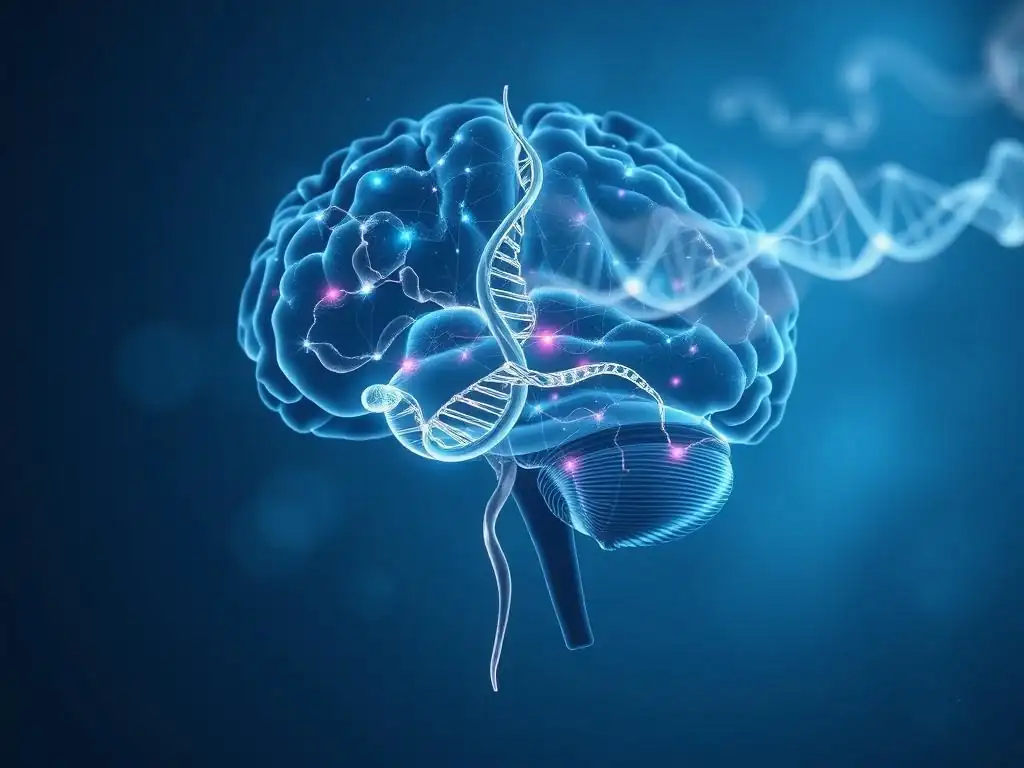
Ever wondered if there's more to bipolar disorder than just genetics? Dive into our insightful exploration of bipolar disorder epigenetic causes, where we unravel the fascinating interplay between genes and environment. This journey into the neuroscience of mental health promises to spark new understanding and offer hope. Are you ready to explore the hidden layers?
Bipolar Disorder: Understanding the Epigenetic Layers - Mind Care Guide
- Introduction to Bipolar Disorder and Epigenetics
- The Role of Genes in Bipolar Disorder
- Epigenetic Mechanisms and Bipolar Disorder
- Environmental Factors and Epigenetic Changes in Bipolar Disorder
- Bipolar Disorder Epigenetic Causes: A Deeper Dive
- Research and Future Directions in Bipolar Disorder Epigenetics
- Diagnosing and Treating Bipolar Disorder: An Epigenetic Perspective
- Lifestyle and Epigenetic Modifications for Bipolar Disorder
- Conclusion: The Future of Understanding Bipolar Disorder Through Epigenetics
-
Frequently Asked Questions
- What exactly are epigenetic factors in the context of Bipolar Disorder?
- How might epigenetic changes contribute to the development of Bipolar Disorder?
- Can epigenetic changes related to Bipolar Disorder be inherited?
- Are there any known environmental factors that can trigger epigenetic changes linked to Bipolar Disorder?
- Could understanding epigenetic mechanisms lead to new treatments for Bipolar Disorder?
- Final Reflection: Unraveling the Epigenetic Threads of Bipolar Disorder
- Unlock Your Understanding: Take the Next Steps with Bipolar Disorder
Introduction to Bipolar Disorder and Epigenetics
What is Bipolar Disorder? A Brief Overview
Bipolar disorder is a complex mental health condition characterized by significant shifts in mood, energy, activity levels, and the ability to carry out day-to-day tasks. These mood episodes range from periods of elevated mood (mania or hypomania) to periods of depression. Unlike typical mood swings, the episodes in bipolar disorder are intense and can last for days, weeks, or even months, significantly impacting an individual's life, relationships, and work or school performance.
There are several types of bipolar disorder, primarily Bipolar I and Bipolar II, distinguished by the severity and duration of manic and depressive episodes. Bipolar I involves at least one manic episode, which may be preceded or followed by hypomanic or major depressive episodes. Bipolar II involves at least one major depressive episode and at least one hypomanic episode, but never a full manic episode. The lifetime prevalence of bipolar disorder is estimated to be around 1-3% globally, affecting millions of people.
The Emerging Field of Epigenetics in Mental Health
Epigenetics is a fascinating and rapidly evolving field of biology that studies heritable changes in gene expression that do not involve alterations to the underlying DNA sequence. Think of it as modifications that turn genes "on" or "off" without changing the genetic code itself. These epigenetic marks can be influenced by various factors throughout life, including environmental exposures, lifestyle choices, and even social interactions.
In the context of mental health, epigenetics provides a crucial bridge between our genetic blueprint and the external world. It helps explain why individuals with similar genetic backgrounds can have different susceptibilities to mental health conditions or different responses to treatments. Research is increasingly exploring how epigenetic modifications in brain cells can affect neuronal function, connectivity, and ultimately, behavior and mood, offering new insights into the complex origins of conditions like bipolar disorder.
Why Explore Bipolar Disorder Epigenetic Causes?
Understanding the bipolar disorder epigenetic causes is vital because it moves beyond a purely genetic or purely environmental explanation for the condition. While genetic studies have identified numerous genes associated with an increased risk of bipolar disorder, these genes only account for a portion of the heritability, estimated to be around 60-80%. This "missing heritability" suggests that other factors, such as epigenetic mechanisms, play a significant role.
Exploring the bipolar disorder epigenetic causes can help us understand how environmental factors interact with genetic predispositions to trigger the onset or influence the severity of the illness. For instance, stressful life events might not alter DNA sequence but could induce epigenetic changes that affect genes involved in stress response or mood regulation. Identifying these specific epigenetic alterations could lead to new diagnostic tools, more personalized treatment approaches, and potentially even strategies for prevention.
The Role of Genes in Bipolar Disorder
Genetic Predisposition to Bipolar Disorder: What We Know
Decades of research, particularly twin and family studies, have firmly established a significant genetic component to bipolar disorder. If one identical twin has bipolar disorder, there is approximately a 40-70% chance the other twin will also develop the condition. This rate is significantly higher than in fraternal twins (around 5-10%) or the general population, highlighting the strong influence of genetics.
However, bipolar disorder is not caused by a single gene; it is a polygenic disorder, meaning multiple genes, each contributing a small effect, collectively increase susceptibility. Large-scale genome-wide association studies (GWAS) have identified numerous genetic variants associated with the disorder. While these studies point to specific genetic regions, they don't fully explain the complexity or variable presentation of bipolar disorder, underscoring the need to investigate other factors like bipolar disorder epigenetic causes.
Identifying Specific Genes Associated with Bipolar Disorder
Genome-wide association studies have pinpointed several genes and genetic regions associated with an increased risk of bipolar disorder. Some of the most consistently replicated findings include variants in genes involved in calcium channel signaling (like CACNA1C), which are critical for neuronal communication. Other implicated genes are involved in various brain functions, including neurotransmitter pathways (like dopamine and serotonin), immune response, and circadian rhythms.
For example, studies have shown that variations in CACNA1C are associated with an increased risk, not only for bipolar disorder but also for schizophrenia and major depressive disorder, suggesting some shared genetic vulnerabilities across severe mental illnesses. While these genetic findings are crucial for understanding predisposition, they don't explain why some individuals with these variants develop bipolar disorder while others do not, leading researchers to investigate how bipolar disorder epigenetic causes might mediate this risk.
Limitations of the Genetic Explanation Alone
Despite significant progress in identifying genetic risk factors, the genetic explanation alone is insufficient to fully understand bipolar disorder. Even in identical twins with 100% shared DNA, if one twin has bipolar disorder, the other twin does not develop the condition in 30-60% of cases. This discordance strongly suggests that factors beyond the DNA sequence itself, such as environmental influences and their impact on gene expression, are critical determinants.
Furthermore, the identified genetic variants typically confer only a small increase in risk individually. The complex interplay of many such variants, coupled with environmental exposures throughout life, is believed to contribute to the overall risk. This complexity points towards the importance of considering bipolar disorder epigenetic causes, which represent the dynamic interface between our fixed genetic code and the ever-changing environment.
Epigenetic Mechanisms and Bipolar Disorder
DNA Methylation: How it Influences Gene Expression in Bipolar Disorder
DNA methylation is one of the most widely studied epigenetic mechanisms. It involves the addition of a methyl group (CH₃) to a cytosine base, usually when it's followed by a guanine base (CpG site). Methylation in gene promoter regions typically leads to gene silencing or reduced expression, while methylation in gene bodies can sometimes enhance expression.
Studies investigating bipolar disorder epigenetic causes have identified differential DNA methylation patterns in post-mortem brain tissue, blood, and saliva samples from individuals with bipolar disorder compared to healthy controls. For instance, research has found altered methylation in genes involved in neuronal signaling, stress response, and immune function in brain regions like the prefrontal cortex and hippocampus, areas known to be implicated in mood regulation and cognitive function.
Specific studies have reported altered methylation in genes like BDNF (Brain-Derived Neurotrophic Factor) and genes in the HPA axis (Hypothalamic-Pituitary-Adrenal axis), suggesting epigenetic dysregulation of pathways critical for brain plasticity and stress response in bipolar disorder.
Histone Modification: Its Impact on Brain Function in Bipolar Disorder
Histones are proteins around which DNA is wrapped to form chromatin. Modifications to histones, such as acetylation, methylation, phosphorylation, and ubiquitination, can alter the structure of chromatin, making DNA more or less accessible to the cellular machinery that reads and expresses genes. For example, histone acetylation generally loosens chromatin structure, promoting gene expression, while deacetylation often compacts chromatin, repressing gene expression.
Research into bipolar disorder epigenetic causes is increasingly exploring the role of histone modifications. Studies have shown altered levels of histone modifying enzymes and specific histone marks in brain regions affected by bipolar disorder. These modifications can impact the expression of genes crucial for synaptic plasticity, neurotransmitter synthesis, and neuronal survival. For instance, dysregulation of histone acetylation has been implicated in mood disorders, and enzymes like histone deacetylases (HDACs) are being investigated as potential therapeutic targets. Understanding how specific histone modifications contribute to the altered gene expression patterns in bipolar disorder is a key area of current research.
Non-coding RNAs: Their Potential Role in Bipolar Disorder Development
Beyond DNA methylation and histone modifications, non-coding RNAs (ncRNAs) represent another significant class of epigenetic regulators. These RNA molecules are transcribed from DNA but are not translated into proteins. They include microRNAs (miRNAs), long non-coding RNAs (lncRNAs), and circular RNAs (circRNAs), among others. ncRNAs can regulate gene expression at various levels, from transcriptional control to post-transcriptional modification and translation.
Studies on bipolar disorder epigenetic causes are beginning to uncover the roles of ncRNAs. For example, miRNAs can bind to messenger RNA (mRNA) molecules, leading to their degradation or inhibiting their translation, thereby reducing the production of specific proteins. Differential expression of certain miRNAs has been observed in individuals with bipolar disorder, potentially affecting the expression of genes involved in neurodevelopment, synaptic function, and mood regulation. While this area is still relatively new, the complex regulatory networks involving ncRNAs offer promising avenues for understanding the epigenetic underpinnings of bipolar disorder and identifying novel biomarkers or therapeutic targets.
Environmental Factors and Epigenetic Changes in Bipolar Disorder
Early Life Stress and its Epigenetic Impact on Bipolar Disorder Risk
Exposure to stressful experiences during critical developmental periods, such as childhood trauma or neglect, is a significant risk factor for developing bipolar disorder later in life. This vulnerability is believed to be mediated, at least in part, by epigenetic mechanisms. Early life stress can induce persistent epigenetic modifications in genes involved in the stress response system, particularly the Hypothalamic-Pituitary-Adrenal (HPA) axis.
Studies in both animal models and humans have shown that early adversity can lead to altered DNA methylation patterns in genes like the glucocorticoid receptor gene ( NR3C1), which plays a key role in regulating the stress response. These epigenetic changes can result in a dysregulated HPA axis, leading to heightened reactivity to stress throughout life. Such persistent alterations in stress response pathways are strongly implicated in the pathophysiology of mood disorders, including the bipolar disorder epigenetic causes linked to early trauma.
Diet and Nutrition: How they Can Influence Bipolar Disorder Epigenetics
Diet and nutrition are increasingly recognized as important environmental factors that can influence epigenetic modifications. Nutrients act as cofactors or substrates for enzymes involved in epigenetic processes like DNA methylation and histone modification. For example, folate, vitamin B12, and methionine are essential for DNA methylation as they are involved in the one-carbon cycle, which produces methyl groups.
While research specifically on diet and bipolar disorder epigenetic causes is still developing, studies in other areas of mental health and general health indicate that dietary patterns can influence epigenetic profiles. A diet rich in methyl-donating nutrients and antioxidants might support healthy epigenetic regulation, while deficiencies or excessive intake of certain compounds could disrupt these processes. Investigating specific dietary interventions and their impact on epigenetic markers in individuals at risk for or diagnosed with bipolar disorder is an active area of research.
Substance use, including alcohol, nicotine, and illicit drugs, is common among individuals with bipolar disorder and can significantly worsen the course of the illness. These substances are also known to induce epigenetic changes, potentially contributing to the development or exacerbation of mental health conditions. Chronic substance use can alter DNA methylation and histone modifications in brain regions associated with reward, motivation, and mood regulation.
For example, studies have shown that chronic exposure to substances like cocaine or alcohol can induce lasting epigenetic changes in genes involved in neuroplasticity and neurotransmission, which could contribute to addiction pathways and mood dysregulation. While direct evidence linking substance-induced epigenetic changes specifically to bipolar disorder epigenetic causes is still emerging, it is plausible that substance use could interact with genetic and other environmental factors through epigenetic mechanisms, further increasing vulnerability or influencing symptom severity in individuals with bipolar disorder.
Bipolar Disorder Epigenetic Causes: A Deeper Dive
How Environmental Factors Trigger Epigenetic Changes in Bipolar Disorder
Environmental factors, ranging from prenatal exposures and early life stress to diet, substance use, and social interactions throughout life, do not alter the underlying DNA sequence but can trigger lasting changes in the epigenome. These triggers work by influencing the activity of enzymes that add or remove epigenetic marks (like methyl groups or histone modifications) or by affecting the expression of non-coding RNAs.
For instance, exposure to stress hormones like cortisol can activate signaling pathways that lead to altered DNA methylation or histone modifications in specific genes within brain cells. Similarly, dietary components can directly participate in metabolic pathways that provide the building blocks for epigenetic modifications. These environmentally induced epigenetic changes can persist long after the exposure, potentially altering gene expression patterns in brain circuits relevant to mood regulation, stress response, and cognitive function, thereby contributing to the bipolar disorder epigenetic causes.
The Interplay Between Genes, Environment, and Epigenetics in Bipolar Disorder Development
The development of bipolar disorder is best understood as a complex interplay between genetic predisposition, environmental exposures, and epigenetic modifications. Individuals inherit genetic variants that confer varying degrees of risk. However, whether this risk is realized often depends on environmental factors that interact with these genes through epigenetic mechanisms.
A person might inherit a genetic variant in a gene related to stress response, making them more susceptible to the effects of stress. If this individual then experiences significant early life trauma, this trauma can induce epigenetic changes (e.g., altered methylation of that specific gene) that further dysregulate the stress response system. This gene-environment interaction, mediated by epigenetics, could then increase the likelihood of developing bipolar disorder symptoms later in life. Understanding this intricate interplay is crucial for unraveling the bipolar disorder epigenetic causes and developing more effective prevention and intervention strategies.
Specific Epigenetic Markers Associated with Bipolar Disorder Phenotypes
Research has begun to identify specific epigenetic markers associated with particular aspects of bipolar disorder, known as phenotypes (observable characteristics). For example, differential DNA methylation patterns have been found not only in individuals diagnosed with bipolar disorder but sometimes also in unaffected first-degree relatives, potentially representing an epigenetic marker of risk or vulnerability.
Studies have reported altered methylation in genes involved in circadian rhythms ( CLOCK, ARNTL) in individuals with bipolar disorder, which aligns with the common symptom of sleep disturbance. Epigenetic changes in genes related to neuronal plasticity ( BDNF) and inflammation have also been observed. These specific epigenetic markers could potentially serve as biomarkers for diagnosis, predicting treatment response, or understanding the heterogeneity of bipolar disorder symptoms, moving towards identifying bipolar disorder epigenetic causes at a finer level.
Research and Future Directions in Bipolar Disorder Epigenetics
Current Research on Bipolar Disorder Epigenetic Causes
Current research on bipolar disorder epigenetic causes utilizes advanced technologies, such as genome-wide DNA methylation arrays and RNA sequencing, to profile epigenetic marks across the genome in various tissues. Studies are being conducted using post-mortem brain tissue to examine epigenetic changes in specific brain regions implicated in bipolar disorder, like the prefrontal cortex, hippocampus, and amygdala.
Researchers are also investigating epigenetic modifications in easily accessible tissues like blood or saliva, seeking biomarkers that could reflect epigenetic changes occurring in the brain. Longitudinal studies are beginning to track epigenetic changes over time in individuals at risk or diagnosed with bipolar disorder to understand how the epigenome evolves with illness progression, treatment, or environmental changes. Large-scale international collaborations are pooling data to identify robust and reproducible epigenetic signatures associated with the disorder.
Potential Therapeutic Targets Based on Epigenetic Mechanisms
The growing understanding of bipolar disorder epigenetic causes is opening up exciting possibilities for novel therapeutic targets. Enzymes that add, remove, or 'read' epigenetic marks are potentially druggable targets. For instance, inhibitors of histone deacetylases (HDACs) are being explored for their potential to reverse unfavorable epigenetic states that contribute to mood dysregulation.
Other potential targets include enzymes involved in DNA methylation (e.g., DNA methyltransferases) or pathways regulating non-coding RNA expression. The idea is to develop drugs that can modulate the epigenome to restore gene expression patterns closer to those seen in healthy individuals. While still in early stages of development for bipolar disorder, this epigenetic approach offers a fundamentally different way to treat the illness compared to traditional symptom-focused medications.
The Promise of Personalized Medicine in Bipolar Disorder Treatment
Understanding bipolar disorder epigenetic causes holds significant promise for moving towards personalized medicine. If specific epigenetic profiles can be identified that are associated with different subtypes of bipolar disorder, varying symptom presentations, or differential responses to treatment, this information could be used to tailor interventions.
For example, if a patient's epigenetic profile suggests dysregulation in a specific pathway, treatments targeting that pathway (including potentially epigenetic-modulating drugs) could be prioritized. Epigenetic biomarkers in blood or other accessible tissues could potentially help predict which patients are likely to respond best to lithium, anticonvulsants, or antipsychotics, or identify those at higher risk of side effects. While still a future prospect, this personalized approach based on epigenetic insights could revolutionize how bipolar disorder is diagnosed and managed.
Diagnosing and Treating Bipolar Disorder: An Epigenetic Perspective

How Epigenetics Could Inform Bipolar Disorder Diagnosis
Currently, bipolar disorder diagnosis relies on clinical assessment of symptoms and medical history, based on criteria from diagnostic manuals like the DSM-5. This process can sometimes be challenging, especially in the early stages or when differentiating bipolar disorder from other conditions like major depressive disorder or ADHD. Research into bipolar disorder epigenetic causes offers potential avenues for objective diagnostic aids.
Identifying specific epigenetic biomarkers in blood, saliva, or even neuroimaging data could potentially provide biological support for a clinical diagnosis. For example, if a specific pattern of DNA methylation is consistently found in individuals with Bipolar I but not Bipolar II or other conditions, it could serve as a supplemental diagnostic marker. While not yet a clinical reality, the hope is that epigenetic profiling could lead to earlier, more accurate diagnoses and better differentiation between subtypes of the disorder.
Current Treatment Options and Their Potential Epigenetic Effects
Current treatments for bipolar disorder include mood stabilizers (like lithium and valproate), antipsychotic medications, antidepressants (often used cautiously and in combination with mood stabilizers), and psychotherapy. While the primary mechanisms of action for these medications are understood in terms of neurotransmitter systems or ion channels, there is increasing evidence that some of their therapeutic effects might be mediated, at least in part, through epigenetic modifications.
For instance, studies have shown that lithium, a cornerstone treatment for bipolar disorder, can influence histone modifications, potentially altering the expression of genes involved in neuronal resilience and mood stability. Valproate, an anticonvulsant also used as a mood stabilizer, is known to inhibit certain histone deacetylases (HDACs), leading to changes in gene expression. Exploring these potential epigenetic effects of existing medications can help optimize their use and provide further insights into the bipolar disorder epigenetic causes they help to mitigate.
The Future of Epigenetic-Based Therapies for Bipolar Disorder
The future of bipolar disorder treatment may involve therapies specifically designed to target or modulate epigenetic mechanisms. This could include drugs that inhibit or activate specific epigenetic enzymes (e.g., HDAC inhibitors, DNA methyltransferase inhibitors) or therapies that use small molecules or ncRNAs to directly influence gene expression patterns implicated in the disorder.
Another exciting possibility is the development of therapies that aim to reverse or prevent the detrimental epigenetic changes induced by environmental factors, such as early life stress. These therapies could potentially be used preventatively in individuals at high genetic risk or as adjunctive treatments to enhance the effectiveness of current medications. While still largely experimental, epigenetic-based therapies represent a frontier in the quest for more targeted and potentially curative treatments for bipolar disorder by directly addressing bipolar disorder epigenetic causes.
Lifestyle and Epigenetic Modifications for Bipolar Disorder
The Role of Exercise in Modulating Epigenetic Markers
Regular physical exercise is known to have numerous benefits for mental health, including potentially helping to manage symptoms of bipolar disorder. Emerging research suggests that exercise can induce favorable epigenetic changes, particularly in the brain. Physical activity can influence DNA methylation and histone modifications in genes involved in neurogenesis, synaptic plasticity, and the production of neurotrophic factors like BDNF.
For example, studies have shown that exercise can increase histone acetylation in brain regions associated with learning and memory, promoting the expression of genes critical for cognitive function. While direct evidence linking exercise-induced epigenetic changes specifically to symptom improvement in bipolar disorder is still accumulating, it is plausible that the known benefits of exercise are mediated, in part, by its ability to positively modulate epigenetic markers that are dysregulated in the condition, thus counteracting some bipolar disorder epigenetic causes.
Mindfulness and Stress Reduction Techniques for Epigenetic Health
Chronic stress can contribute to detrimental epigenetic changes implicated in mood disorders. Practices aimed at stress reduction, such as mindfulness meditation, yoga, and cognitive behavioral therapy, have shown promise in managing bipolar disorder symptoms and improving overall well-being. Research is beginning to explore whether these practices influence epigenetic markers.
Some studies have shown that mindfulness meditation can lead to changes in gene expression and potentially influence epigenetic mechanisms, such as reducing inflammation-related gene expression. While the direct link between specific stress reduction techniques and reversing or preventing bipolar disorder epigenetic causes is an active area of research, it is biologically plausible that effectively managing stress through these methods could promote a healthier epigenome, supporting resilience and potentially mitigating the impact of stress-induced epigenetic vulnerability.
Social relationships and support systems are crucial for individuals managing bipolar disorder. Positive social interactions and strong social support are associated with better outcomes and reduced symptom severity. Research suggests that social experiences, particularly early in life, can have a profound impact on the epigenome.
Studies in humans and animals have shown that social isolation or lack of maternal care can lead to persistent epigenetic changes in genes related to stress response and social behavior. Conversely, positive social interactions can potentially promote beneficial epigenetic states. While the specific ways social support might influence bipolar disorder epigenetic causes are complex and require further study, it is reasonable to hypothesize that supportive social environments could foster epigenetic profiles associated with resilience and well-being, potentially buffering against the negative epigenetic impacts of stress and adversity.
Conclusion: The Future of Understanding Bipolar Disorder Through Epigenetics
Key Takeaways on Bipolar Disorder Epigenetic Causes
Understanding bipolar disorder epigenetic causes is crucial for a comprehensive view of this complex illness. While genetic predisposition plays a significant role, epigenetic modifications, influenced by environmental factors throughout life, act as a critical layer of regulation that mediates how genetic risk is expressed. DNA methylation, histone modifications, and non-coding RNAs are key epigenetic mechanisms implicated in altering gene expression patterns in brain regions relevant to bipolar disorder.
Early life stress, diet, and substance use are examples of environmental factors that can induce epigenetic changes, potentially contributing to the development or exacerbation of symptoms. The interplay between inherited genetic variants and environmentally induced epigenetic changes provides a framework for understanding the heterogeneity and complex etiology of bipolar disorder.
The Importance of Continued Research in Epigenetics and Mental Health
Continued research into epigenetics and mental health, particularly focusing on bipolar disorder epigenetic causes, is of paramount importance. Further studies are needed to identify specific, reliable epigenetic biomarkers that can aid in diagnosis, predict illness course, or forecast treatment response. Large-scale, longitudinal studies are essential to track epigenetic changes over time and understand their dynamic nature in the context of illness onset, progression, and remission.
Moreover, basic research is necessary to fully understand the intricate molecular pathways through which environmental factors induce epigenetic changes and how these changes ultimately affect brain function and behavior. This research requires sophisticated techniques and collaborative efforts across genetics, neuroscience, psychiatry, and environmental health disciplines.
Hope for Improved Treatments and Prevention Strategies
The growing insights into bipolar disorder epigenetic causes offer hope for developing improved treatments and prevention strategies. By identifying the specific epigenetic dysregulations involved, researchers can develop novel therapies that target these mechanisms directly, potentially leading to more effective and personalized interventions.
Furthermore, understanding how lifestyle factors and therapeutic interventions influence the epigenome could lead to evidence-based recommendations for patients on how to promote epigenetic health and resilience. Ultimately, unlocking the secrets of the epigenome may provide new avenues for not only treating bipolar disorder more effectively but also potentially preventing its onset in vulnerable individuals, offering a brighter future for those affected by this challenging condition.
Frequently Asked Questions
What exactly are epigenetic factors in the context of Bipolar Disorder?
Epigenetic factors are changes in gene expression that don't involve alterations to the DNA sequence itself. These can influence whether a gene is turned on or off and are increasingly being studied in relation to Bipolar Disorder.
How might epigenetic changes contribute to the development of Bipolar Disorder?
Epigenetic modifications can alter the way genes related to mood regulation and stress response function. This can lead to increased vulnerability to Bipolar Disorder, particularly when combined with genetic predispositions and environmental stressors.
Yes, some epigenetic modifications can be passed down through generations, although this is still an area of active research. Transgenerational epigenetic inheritance could potentially explain familial patterns of Bipolar Disorder even without direct genetic mutations.
Are there any known environmental factors that can trigger epigenetic changes linked to Bipolar Disorder?
Yes, early life stress, trauma, and exposure to certain toxins are believed to be potential triggers. These environmental factors can induce epigenetic alterations that increase the risk of developing Bipolar Disorder later in life.
Could understanding epigenetic mechanisms lead to new treatments for Bipolar Disorder?
Absolutely. By targeting specific epigenetic modifications, researchers hope to develop novel therapeutic interventions that can reverse or mitigate the effects of these changes and improve outcomes for individuals with Bipolar Disorder.
Final Reflection: Unraveling the Epigenetic Threads of Bipolar Disorder
The intricate dance between genes and environment in bipolar disorder is no longer a theoretical concept; it's a crucial area of research shaping our understanding of this complex illness and paving the way for more effective treatments. Understanding the epigenetic mechanisms involved is not just an academic pursuit; it holds the key to unlocking personalized medicine and improving the lives of millions affected by this debilitating condition.
The exploration of epigenetic modifications in bipolar disorder has profoundly shifted my perspective on mental health, moving beyond simplistic genetic determinism to a more nuanced understanding of gene-environment interactions. This journey into the world of epigenetics has highlighted the critical role of environmental factors – from early childhood experiences to lifestyle choices – in influencing gene expression and ultimately, the development and progression of bipolar disorder. The genome is not a blueprint, but a set of instructions that are interpreted and modified by experience.
This quote perfectly encapsulates the dynamic interplay between nature and nurture that we've explored.
Now, it's your turn to reflect. Consider the implications of this research for yourself, your loved ones, and the broader community. How can we create a more supportive environment that fosters resilience and mitigates epigenetic risk factors? What steps can you take to advocate for increased research funding and improved access to mental healthcare? Let this exploration of bipolar disorder's epigenetic layers inspire you to become a champion for understanding, compassion, and progress in the field of mental health.
Unlock Your Understanding: Take the Next Steps with Bipolar Disorder
Thanks for taking the time to explore the complex world of bipolar disorder and its epigenetic influences. We hope you gained valuable insights into this often misunderstood condition. Now, let's turn that knowledge into action!
- Dive deeper: Explore MindCareGuide.org for more resources on bipolar disorder, including personal stories, expert advice, and support group information. This is your opportunity to connect with a community and build your understanding further.
- Share your thoughts: What resonated most with you from the article? Sharing your experiences – even anonymously – can help others navigate their own journeys with bipolar disorder. Leave a comment below!
- Consider a personal reflection: Take a moment to journal your thoughts on how epigenetic factors might impact your own life or the lives of those you care about. This self-reflection can be a powerful tool for self-discovery and empathy.
What steps will you take today to further your understanding of bipolar disorder and its impact?