
Yoga for Empowerment: Strengthening Your Mind and Body

Welcome to Mind Care Guide, a space dedicated to nurturing your mental well-being.
Feeling overwhelmed? You're not alone. Many seek solace and strength amidst life's anxieties. But what if I told you there's a gentle yet powerful practice that could help you reclaim inner peace? Dive into our exploration of Yoga for Anxiety Relief and discover how mindful movement can be your pathway to a calmer, more centered you. Let's begin this journey together.
- Yoga for Anxiety Relief and Emotional Well-being | Mind Care Guide
- Yoga Poses and Techniques for Anxiety Relief
- Creating a Personalized Yoga Practice for Anxiety Reduction
- Long-Term Benefits of Yoga for Anxiety Management
- Tips for Consistent Yoga Practice
- Beyond Anxiety: Enhancing Well-being Through Yoga
- Resources for Further Exploration
- Frequently Asked Questions
- Final Reflection: Finding Inner Peace Through Yoga
- Unleash Your Inner Strength: Take the Next Step
Yoga for Anxiety Relief and Emotional Well-being | Mind Care Guide
The Mind-Body Connection: Reducing Anxiety Through Yoga
The practice of yoga fundamentally operates on the principle of the mind-body connection, recognizing that mental and physical states are deeply intertwined. When experiencing anxiety, the body often responds with physical symptoms such as muscle tension, shallow breathing, increased heart rate, and digestive issues. Yoga addresses these physical manifestations directly through postures (asanas), breathing techniques (pranayama), and meditation.
By consciously engaging the body, individuals can influence their nervous system, shifting from the sympathetic "fight or flight" response, often heightened in anxiety, towards the parasympathetic "rest and digest" state. This physiological shift helps to calm the system and mitigate the physical discomfort associated with anxious feelings, making yoga for anxiety relief a powerful tool.
Scientific studies have provided evidence supporting this connection. Research published in the Journal of Alternative and Complementary Medicine has shown that regular yoga practice can significantly reduce levels of cortisol, the body's primary stress hormone.
For instance, a study involving individuals with generalized anxiety disorder found that participants who engaged in a consistent yoga program over several weeks reported a notable decrease in anxiety symptoms compared to a control group. This improvement is attributed not just to the physical movement but also to the cultivation of present-moment awareness, which helps detach individuals from cyclical anxious thoughts and worries, reinforcing yoga's role in promoting mental peace.
Yoga: A Holistic Approach to Mental Well-being and Self-Care
Yoga offers a comprehensive, holistic approach to mental well-being that extends beyond simply managing symptoms. It encourages a deeper understanding of oneself, fostering self-awareness regarding thought patterns, emotional responses, and physical sensations. Unlike interventions that might focus solely on cognitive restructuring or symptom suppression, yoga integrates physical movement, breath control, and mindfulness, providing a multi-faceted strategy for self-care. This integrated practice empowers individuals by teaching them techniques they can employ anytime, anywhere, to navigate challenging emotions and stressful situations. It's not just about alleviating distress but also about building inner resources and resilience.
Furthermore, yoga promotes self-compassion and acceptance. The practice encourages individuals to listen to their bodies, respect their limits, and approach themselves with kindness, rather than judgment. In a world that often emphasizes external achievement and perfection, the non-competitive nature of yoga offers a refreshing sanctuary where self-acceptance is prioritized. Regular engagement in yoga for anxiety relief can cultivate a stronger sense of self-worth and confidence, crucial elements for maintaining long-term mental health. This focus on internal nurturing makes yoga a valuable component of any self-care regimen aimed at fostering overall well-being.
Yoga Poses and Techniques for Anxiety Relief
Specific Poses for Managing Anxiety Symptoms
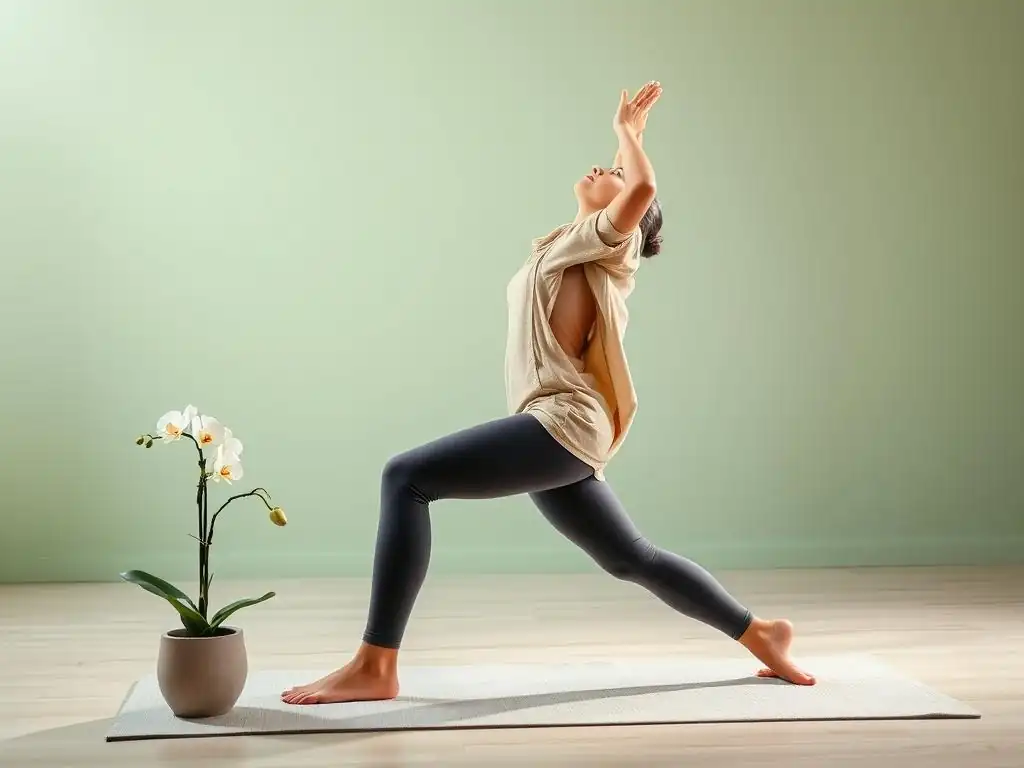
Certain yoga postures are particularly effective in calming the nervous system and easing the physical tension often accompanying anxiety. These poses often involve gentle stretches, forward folds, or supported positions that encourage relaxation and grounding. Practicing these poses mindfully, focusing on the breath and bodily sensations, enhances their therapeutic effect. Consistency is key; even short sessions dedicated to these poses can make a significant difference in managing acute anxiety symptoms and fostering a sense of calm over time.
Child's Pose (Balasana): Calming the Nervous System
Child's Pose is a deeply grounding and restful posture that encourages introspection and calm. Kneeling on the mat, individuals fold forward, resting their torso between or on their thighs, with their forehead touching the ground. The arms can extend forward or rest alongside the body. This pose gently stretches the back and hips while allowing the forehead to connect with the earth, which many find incredibly soothing. It signals to the nervous system that it is safe to relax and release tension.
Holding Child's Pose for several minutes, focusing on the breath expanding the back and abdomen, can effectively reduce heart rate and quiet a racing mind. Many find that the gentle compression of the abdomen against the thighs aids digestion, which can be disrupted by anxiety. It's a posture of surrender and comfort, offering a safe space to simply be and breathe, making it a cornerstone in yoga for anxiety relief practices.
Legs-Up-the-Wall Pose (Viparita Karani): Reducing Stress
Legs-Up-the-Wall Pose is a simple yet profoundly restorative inversion that helps to calm the nervous system and reduce feelings of stress and fatigue. Lying on the back, individuals position their legs straight up against a wall, with their hips close to the wall. A cushion or folded blanket can be placed under the hips for added support and comfort. This pose gently reverses the effects of gravity on the legs and circulatory system, promoting relaxation.
Spending 10-15 minutes in Viparita Karani can help alleviate swelling in the legs and feet, and the mild inversion can have a calming effect on the mind. It encourages deep breathing and allows the body to enter a state of rest. The pose is particularly beneficial after a long day or during periods of heightened stress, offering a passive way to unwind and restore balance, proving its value in promoting yoga for anxiety relief.
Corpse Pose (Savasana): Deep Relaxation and Mindfulness
Corpse Pose, or Savasana, is often considered the most important posture in yoga practice, particularly for its benefits in deep relaxation and integrating the effects of the session. Lying flat on the back, with arms resting slightly away from the body and legs extended, feet falling open, the goal is complete physical and mental relaxation. The practice involves consciously releasing tension from every part of the body, leading to a state of profound rest.
Savasana provides an opportunity to practice mindfulness, observing thoughts and sensations without judgment, and allowing the nervous system to fully downregulate. Regular practice of deep relaxation in Savasana has been linked to reduced blood pressure and lower levels of stress hormones. It teaches the body and mind how to enter a state of calm, a skill invaluable for managing anxiety outside of the yoga mat, reinforcing the effectiveness of yoga for anxiety relief.
Breathing Exercises (Pranayama) for Anxiety Management
Breathing techniques, or Pranayama, are integral to yoga and are powerful tools for directly influencing the nervous system and managing anxiety. Conscious control of the breath can shift physiological states, moving from shallow, rapid breathing often associated with stress to slower, deeper breathing that promotes relaxation. Integrating these practices into a daily routine can provide immediate relief during moments of heightened anxiety and build long-term resilience.
Diaphragmatic Breathing (Belly Breathing): Easing Tension
Diaphragmatic breathing, also known as belly breathing, is a fundamental technique for calming the nervous system. It involves breathing deeply into the abdomen, allowing the diaphragm to fully descend and expand the belly, rather than just breathing shallowly into the chest. This type of breathing stimulates the vagus nerve, which plays a key role in the parasympathetic nervous system, promoting a state of rest and relaxation.
Practicing belly breathing for just a few minutes can help slow the heart rate, lower blood pressure, and reduce muscle tension. It provides a simple, accessible way to ground oneself during moments of panic or worry. For example, sitting or lying comfortably and placing one hand on the chest and the other on the abdomen, one can feel the abdomen rise with each inhale and fall with each exhale, ensuring the breath is deep and calming. This technique is a cornerstone of yoga for anxiety relief.
Alternate Nostril Breathing (Nadi Shodhana): Restoring Balance
Alternate Nostril Breathing, or Nadi Shodhana, is a balancing pranayama technique that is particularly effective for calming the mind and reducing anxiety. It involves closing one nostril while inhaling through the other, then closing the second nostril and exhaling through the first, and alternating this pattern. This practice is believed to balance the left and right hemispheres of the brain and harmonize the body's energy channels.
Studies suggest that Nadi Shodhana can decrease heart rate and blood pressure, promoting a sense of tranquility and focus. It requires concentration, which helps to divert attention away from anxious thoughts. Practicing this technique for 5-10 minutes can significantly reduce feelings of restlessness and agitation, leaving one feeling centered and calm. It's a powerful tool for restoring equilibrium when feeling overwhelmed, making it a valuable addition to any yoga for anxiety relief practice.
Creating a Personalized Yoga Practice for Anxiety Reduction
Setting Intentions for Mindful Practice
Approaching yoga with a clear intention can significantly enhance its effectiveness, especially when using yoga for anxiety relief. Before beginning a practice session, taking a moment to set an intention—whether it's to cultivate calm, release tension, or simply be present—helps to focus the mind and infuse the practice with purpose. This act shifts the focus from simply performing physical postures to engaging in a mindful activity aimed at nurturing mental and emotional well-being.
Setting an intention grounds the practice in the present moment and helps to connect with what is truly needed. For example, someone feeling overwhelmed by worry might set the intention to "find peace" or "release fear." Throughout the practice, returning to this intention can serve as an anchor, guiding the focus back whenever the mind wanders. This deliberate approach makes the yoga session not just exercise, but a therapeutic ritual tailored to personal needs.
Adapting Poses to Individual Needs and Abilities
Yoga is a highly adaptable practice, and tailoring poses to suit individual needs, physical abilities, and current energy levels is crucial for a safe and beneficial experience, particularly when using yoga for anxiety relief. Not all bodies are the same, and conditions like limited mobility, injuries, or chronic pain require modifications to postures. Using props such as blocks, blankets, straps, and bolsters can make poses more accessible, comfortable, and supportive.
An empathetic yoga practice encourages listening to one's body and honoring its limitations without judgment. Instead of striving for a perfect form, the focus is on finding a variation of the pose that feels right and allows for easeful breathing. For instance, if a full forward fold increases anxiety or causes discomfort, a seated forward fold with bent knees or a supported version using a bolster can provide similar benefits without strain. Working with a qualified instructor or utilizing resources that offer variations can help in creating a practice that is both effective and nurturing.
Integrating Yoga with Other Anxiety Management Strategies
Yoga is a powerful tool, but it is often most effective when integrated into a broader approach to anxiety management. Combining yoga for anxiety relief with other evidence-based strategies can create a comprehensive plan for mental well-being. This might include therapy (such as Cognitive Behavioral Therapy or Acceptance and Commitment Therapy), mindfulness meditation, regular physical exercise, adequate sleep hygiene, and nutritional adjustments.
For example, someone attending therapy for anxiety might use the breathing techniques learned in yoga to manage panic attacks between sessions. Or, the body awareness cultivated through yoga might help identify physical cues of rising anxiety, prompting the use of coping mechanisms learned elsewhere. Yoga complements these strategies by addressing the physical and energetic aspects of anxiety, providing practical tools for self-regulation and fostering a deeper connection with oneself.
Long-Term Benefits of Yoga for Anxiety Management
Improved Mood and Emotional Regulation
Consistent yoga practice has been shown to have a significant positive impact on mood and emotional regulation over time. The combination of physical activity, breathing exercises, and mindfulness helps to balance neurochemicals in the brain, including serotonin and gamma-aminobutyric acid (GABA), which are associated with mood and relaxation. Regular engagement in yoga for anxiety relief can lead to a more stable emotional state and a reduced frequency and intensity of mood swings.
Over months of practice, individuals often report feeling more emotionally resilient and better equipped to handle challenging situations without becoming overwhelmed. They may notice a decrease in irritability, sadness, and worry, and an increase in feelings of joy, contentment, and peace. This improved capacity for emotional regulation is a long-term benefit that extends far beyond the yoga mat, enhancing overall quality of life.
Enhanced Self-Awareness and Body Awareness
Yoga cultivates a heightened sense of self-awareness and body awareness. Through mindful movement and breath observation, practitioners become more attuned to their physical sensations, emotional states, and habitual thought patterns. This increased awareness is invaluable for managing anxiety, as it allows individuals to recognize the early signs of rising anxiety or stress in their body or mind before they escalate.
This enhanced sensitivity enables proactive coping. For instance, recognizing muscle tension in the shoulders or a tightening in the chest as indicators of stress allows someone to pause, take a few deep breaths, or engage in a calming posture before anxiety takes full hold. This deeper connection with the inner landscape fosters a greater understanding of one's triggers and responses, empowering individuals to make conscious choices that support their well-being.
Cultivating Resilience and Inner Strength
Beyond symptom management, yoga helps to cultivate resilience and inner strength. The practice encourages facing physical and mental challenges on the mat with patience and persistence, translating into a greater capacity to navigate difficulties in life. Learning to breathe through uncomfortable poses or quiet a restless mind builds mental fortitude. The physical strength gained also contributes to a feeling of empowerment.
Regularly committing to a practice, especially during times of stress, reinforces a sense of agency and self-efficacy. It demonstrates the ability to show up for oneself and actively work towards well-being. This cultivation of inner strength provides a stable foundation from which to face life's inevitable challenges, reducing the feeling of being at the mercy of anxious thoughts and feelings.
Tips for Consistent Yoga Practice
Finding Suitable Yoga Classes or Online Resources
Establishing a consistent yoga practice for anxiety relief often benefits from guidance and community. Exploring local yoga studios or community centers can provide access to qualified instructors who can offer personalized adjustments and support. Trying different styles of yoga (like Hatha, Vinyasa, Restorative, or Yin) and different teachers can help find a good fit.
Alternatively, the abundance of online yoga platforms and apps offers flexibility and convenience. Many platforms provide classes specifically designed for stress reduction, anxiety, or relaxation, often varying in length and intensity. Reading reviews, watching sample videos, and checking instructor credentials can help in selecting resources that align with individual needs and preferences, making practice accessible anytime, anywhere.
Integrating Yoga into Daily Routine
Consistency is more important than duration when practicing yoga for anxiety relief. Even short, frequent sessions can be highly effective. Finding ways to integrate yoga into a daily routine, rather than viewing it as an occasional activity, helps build momentum and habit. This might involve dedicating 15-20 minutes each morning to a gentle practice, taking a few minutes for breathing exercises during a work break, or winding down with restorative poses in the evening.
Scheduling yoga sessions like any other important appointment can help ensure they happen. Starting small, perhaps with just 10 minutes a day, can make the commitment feel less daunting. Over time, as the benefits become apparent, increasing the duration or frequency may feel more natural. The goal is to make yoga a sustainable part of the day, like brushing teeth or eating meals.
Acknowledging Progress and Achievements
It's important to acknowledge and celebrate progress along the journey of using yoga for anxiety relief. This progress might not always be linear and may manifest in subtle ways – perhaps feeling slightly calmer during a stressful situation, noticing a decrease in muscle tension, or finding it easier to quiet the mind during meditation.
Keeping a simple journal to note feelings before and after practice, or tracking specific achievements like holding a pose longer or mastering a new breathing technique, can provide tangible evidence of the positive impact yoga is having. Focusing on progress rather than perfection fosters a positive relationship with the practice and encourages continued engagement, reinforcing the motivation to use yoga for managing anxiety.
Beyond Anxiety: Enhancing Well-being Through Yoga
Yoga for Stress Reduction and Improved Sleep
While highly effective for anxiety, yoga's benefits extend to overall stress reduction and improved sleep quality. The physical release of tension, the calming effect of breathwork, and the mental quieting achieved through mindfulness directly counteract the physiological responses to stress. Regular practice helps regulate the body's stress response system, leading to lower baseline stress levels.
By calming the mind and body, yoga prepares the system for restful sleep. Restorative poses and gentle breathing techniques practiced in the evening can signal to the body that it's time to wind down, easing the transition into sleep. Many individuals who incorporate yoga into their routine report falling asleep more easily and experiencing more restorative sleep.
Yoga for Increased Energy and Vitality
Counterintuitively, yoga can also boost energy and vitality. While restorative practices promote relaxation, more dynamic styles can improve circulation, strengthen muscles, and increase flexibility, leading to a greater sense of physical energy. The focus on breath also enhances oxygen flow throughout the body, invigorating the system.
Furthermore, by reducing stress and anxiety, which can be mentally and physically draining, yoga frees up energy. When the mind is less burdened by worry and the body is less tense, there is more energy available for daily activities, leading to increased overall vitality and enthusiasm for life.
Yoga for Building Confidence and Self-Esteem
Successfully engaging with yoga, learning new postures, and becoming more attuned to one's body can significantly boost confidence and self-esteem. The practice encourages acceptance of oneself, flaws and all, and celebrates effort and progress over perfection. This non-judgmental environment fosters a positive self-image.
As individuals become stronger, more flexible, and more capable on the mat, this sense of accomplishment often translates into other areas of life. Overcoming physical or mental challenges in practice builds resilience and a belief in one's ability to handle difficulties, contributing to a stronger sense of self-worth and empowerment.
Resources for Further Exploration
Recommended Yoga Resources
Exploring resources can deepen one's understanding and practice of yoga for anxiety relief. Look for reputable websites, books, or online platforms that offer guided practices and information tailored to mental health. Many yoga studios also offer workshops or specialized classes focused on the therapeutic aspects of yoga.
Consider seeking out instructors with training in trauma-informed yoga or therapeutic yoga, as they may have specific expertise in working with individuals experiencing anxiety or other mental health challenges.
Books and Articles on Yoga and Anxiety
Numerous books and articles delve into the scientific basis and practical application of yoga for managing anxiety and promoting mental well-being. Searching for titles that focus on the mind-body connection, therapeutic yoga, or specific breathing techniques for stress can provide valuable insights and guidance for developing a personal practice.
Many academic journals and reputable health websites also publish research findings on the effectiveness of yoga for various mental health conditions, offering evidence-based perspectives on its benefits.
Mental Health Organizations and Support Groups
While yoga is a powerful tool, it is not a substitute for professional mental health care. Connecting with mental health organizations or support groups can provide additional resources, information, and community support. Organizations dedicated to anxiety disorders often offer valuable guidance, treatment options, and ways to connect with others who share similar experiences.
Integrating yoga into a comprehensive mental health plan that may include therapy, medication (if necessary), and support networks can provide the most effective pathway towards lasting well-being and recovery.
Frequently Asked Questions
How does yoga specifically help with anxiety relief?
Yoga's combination of physical postures, controlled breathing, and mindfulness helps regulate the nervous system, reducing the body's stress response and promoting relaxation. This directly combats the physiological symptoms of anxiety.
What types of yoga are most effective for anxiety?
While any yoga can be beneficial, styles like Hatha, Restorative, and Yin yoga are particularly effective due to their slower pace and focus on deep relaxation and mindful awareness. These styles encourage a state of calm.
How often should I practice yoga to experience anxiety relief?
Consistency is key. Aim for at least 3-4 times per week, even for short sessions of 15-30 minutes. Regular practice builds resilience to stress and improves overall mental well-being.
Are there any precautions I should take before starting yoga for anxiety?
If you have any pre-existing physical conditions or mental health concerns, it’s crucial to consult with your doctor or a qualified yoga instructor. They can provide personalized guidance and ensure your safety.
Can yoga completely cure anxiety?
Yoga can be a powerful tool for managing anxiety symptoms and improving overall mental health, but it's important to note it's often most effective when combined with other strategies like therapy or medication, depending on the individual's needs. It's a valuable complementary approach.
Final Reflection: Finding Inner Peace Through Yoga
The ancient practice of yoga is experiencing a modern renaissance, offering a powerful antidote to the pervasive anxiety that characterizes our fast-paced world. More than just physical postures, yoga provides a holistic path to self-discovery and empowerment, equipping individuals with the tools to navigate stress and cultivate inner peace. Its effectiveness in anxiety relief is no longer a niche concept; it's a widely recognized and increasingly utilized approach to mental well-being.
The profound impact of yoga on my own life, and the countless stories I've heard from others, underscore its transformative potential. The ability to quiet the mental chatter, to find stillness amidst the storm, is a gift that yoga consistently offers. Yoga is not about touching your toes; it's about what you learn on the way down.
This quote perfectly encapsulates the journey of self-discovery that yoga facilitates, a journey that extends far beyond the mat and into the everyday challenges of life. The practice fosters resilience, self-awareness, and a deeper connection to one's own inner strength.
Now, I invite you to consider how you can integrate the principles of yoga into your own life. Perhaps it's starting with a single sun salutation each morning, or dedicating a few minutes each day to mindful breathing. No matter where you begin, the journey towards empowerment through yoga is a deeply personal and rewarding one. Embrace the opportunity to cultivate inner peace, to strengthen your mind and body, and to discover the incredible resilience that resides within you. Let the journey begin.
Unleash Your Inner Strength: Take the Next Step
Thank you for taking the time to explore the power of yoga with us! We hope you gained valuable insights into strengthening your mind and body. Now, it's time to put your newfound knowledge into action.
- Commit to a daily 15-minute yoga practice: Even a short session can make a significant difference in your well-being. Start with a simple sun salutation or a guided meditation – consistency is key!
- Share your yoga journey: Inspire others by sharing your experiences and favorite poses on social media using #MindCareYoga. Let's build a supportive community together!
- Try a challenging new pose this week: Step outside your comfort zone and embrace the growth that comes from pushing your limits.
What’s one small step you can take today to cultivate more inner strength and peace?