
Holistic Help for Anxiety: Natural Strategies That Work

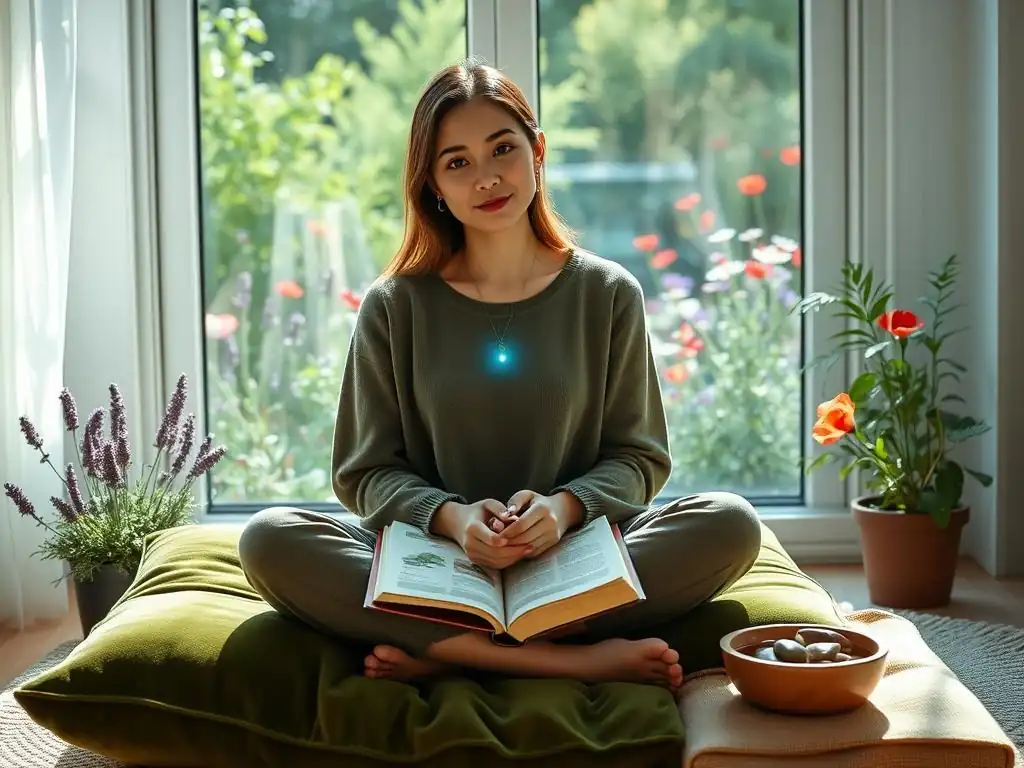
Welcome to Mind Care Guide, a sanctuary for your mental well-being. Feeling overwhelmed by anxiety? You're not alone. Discover our comprehensive natural anxiety relief techniques guide below and begin your journey towards a calmer, more balanced you. Curious about how natural methods can ease your worries? Let's explore effective strategies together, starting now...
- Natural Anxiety Relief Techniques: A Holistic Guide
- Natural Anxiety Relief Techniques: A Holistic Approach
- Herbal Remedies and Supplements
- Mind-Body Therapies
- Personalized Anxiety Relief Plan
- Seeking Professional Support
- Long-Term Strategies for Mental Well-being
-
Frequently Asked Questions
- What exactly are natural anxiety relief techniques, and how do they differ from medication?
- How effective are natural anxiety relief techniques compared to traditional treatments like therapy or medication?
- What are some of the most accessible and easy-to-implement natural anxiety relief techniques for beginners?
- How long does it typically take to see noticeable results from using natural anxiety relief techniques?
- Are there any potential risks or side effects associated with using natural anxiety relief techniques, and when should I consult a professional?
- Final Reflection: Cultivating Calm in a Chaotic World
- Unlock Your Calm: Start Your Anxiety-Free Journey Today!
Natural Anxiety Relief Techniques: A Holistic Guide
Anxiety is a common human experience, but for many, it can become overwhelming, impacting daily life significantly. While conventional treatments like therapy and medication are vital and effective, many individuals also seek complementary approaches to manage their symptoms. This guide explores natural anxiety relief techniques, offering a holistic perspective on calming the mind and body. Understanding how to integrate natural strategies can empower you on your journey toward greater well-being.
Understanding Anxiety and Its Impact
Anxiety manifests differently for everyone, often presenting a complex interplay of physical, emotional, and cognitive symptoms. It's more than just feeling stressed; it can be a persistent state of worry, fear, or unease that interferes with normal functioning. Recognizing these signs is the first step toward finding effective natural anxiety relief techniques.
Defining Anxiety: Symptoms and Causes
Anxiety disorders encompass various conditions, including generalized anxiety disorder (GAD), panic disorder, social anxiety disorder, and specific phobias. Common symptoms include excessive worry, restlessness, difficulty concentrating, irritability, muscle tension, and sleep disturbances. Physically, anxiety can trigger a rapid heartbeat, sweating, trembling, shortness of breath, and stomach issues.
The causes of anxiety are multifaceted, often involving a combination of genetic predisposition, brain chemistry, personality factors, and life experiences. Traumatic events, chronic stress, certain medical conditions, and substance use can all contribute. Understanding these potential underlying factors helps in choosing the most appropriate natural anxiety relief techniques. For instance, someone with anxiety linked to stress might benefit more from relaxation techniques, while someone with specific phobias might require a different approach alongside therapy.
The Mind-Body Connection
The intricate link between our mental and physical states is particularly evident in anxiety. When the mind perceives a threat, whether real or imagined, it triggers the body's "fight or flight" response. This involves the release of stress hormones like cortisol and adrenaline, leading to increased heart rate, blood pressure, and muscle tension. This physiological response, intended for short-term survival, can become chronically activated in anxiety disorders.
Conversely, physical sensations can exacerbate mental anxiety. For example, a racing heart might be interpreted as a sign of impending doom, fueling panic. Natural anxiety relief techniques often target this connection, using physical practices like deep breathing or exercise to calm the nervous system and, in turn, soothe the anxious mind. Acknowledging and working with this connection is fundamental to holistic anxiety management.
Recognizing Physical and Emotional Signs
Learning to identify the early warning signs of anxiety is crucial for effective management. Physical signals can include clenching your jaw, tensing your shoulders, experiencing digestive upset like nausea or butterflies, or feeling suddenly fatigued or restless. Some people notice a change in their breathing pattern, becoming shallow or rapid.
Emotionally, you might feel on edge, unusually irritable, or have a sense of impending doom. Difficulty making decisions, constant worrying about worst-case scenarios, or avoiding situations that trigger fear are also common. Keeping a journal to track when these signs appear and what might have preceded them can provide valuable insights, helping you implement natural anxiety relief techniques proactively rather than reactively.
Natural Anxiety Relief Techniques: A Holistic Approach
Adopting natural anxiety relief techniques involves embracing a variety of strategies that support overall well-being. This holistic approach recognizes that managing anxiety effectively often requires addressing multiple aspects of life, from what you eat to how you move and rest. Integrating these methods can significantly complement traditional care.
Lifestyle Changes for Anxiety Reduction
Simple yet powerful adjustments to your daily habits can form the foundation of a natural anxiety relief techniques guide. Focusing on diet, exercise, and sleep hygiene provides a robust framework for supporting your mental health. These changes require consistency but offer long-term benefits in reducing anxiety levels and improving resilience.
Diet: Foods to Include and Avoid
Nutrition plays a significant role in mood and energy levels, directly impacting anxiety. Including nutrient-dense foods can help stabilize blood sugar, improve gut health (which is linked to brain function), and provide essential building blocks for neurotransmitters. Focus on foods rich in omega-3 fatty acids, such as salmon, flaxseeds, and walnuts; these are known for their anti-inflammatory properties and potential benefits for brain health.
Magnesium-rich foods like spinach, almonds, and avocados can also be helpful, as magnesium is involved in nerve function and stress response regulation. Complex carbohydrates like oats and whole grains can promote the production of serotonin, a calming neurotransmitter.
Conversely, certain foods and drinks can exacerbate anxiety symptoms. Caffeine is a major culprit for many, as it's a stimulant that can mimic or intensify the physical sensations of anxiety, like a racing heart or jitters. High-sugar foods and refined carbohydrates can cause blood sugar spikes and crashes, leading to mood swings and irritability.
Alcohol might seem calming initially but disrupts sleep and can worsen anxiety as its effects wear off. Processed foods often lack essential nutrients and contain additives that may negatively impact mood. Reducing or eliminating these items while increasing nutrient-rich whole foods is a key natural anxiety relief technique.
Exercise: Types and Frequency for Anxiety Relief
Regular physical activity is one of the most widely recommended natural anxiety relief techniques due to its profound impact on mood and stress levels. Exercise releases endorphins, which are natural mood lifters and pain relievers. It also helps reduce levels of stress hormones like cortisol. Engaging in physical activity provides a healthy outlet for pent-up energy and tension often associated with anxiety.
Aim for at least 150 minutes of moderate-intensity aerobic exercise or 75 minutes of vigorous-intensity exercise per week, as recommended for general health. However, even shorter bursts of activity, like a 10-minute brisk walk, can provide immediate relief. The type of exercise matters less than consistency and finding something you enjoy. Aerobic activities like running, swimming, or cycling are excellent, but strength training and flexibility exercises like stretching also contribute to overall well-being and can help manage muscle tension.
Sleep Hygiene: Tips for Improved Sleep
Anxiety and sleep problems often go hand in hand, creating a vicious cycle. Poor sleep can increase anxiety, and anxiety can make it difficult to fall or stay asleep. Prioritizing sleep hygiene is a critical natural anxiety relief technique. Aim for 7-9 hours of quality sleep per night.
Establish a consistent sleep schedule, going to bed and waking up around the same time each day, even on weekends. Create a relaxing bedtime routine, such as taking a warm bath, reading a book, or listening to calming music, starting an hour before bed. Ensure your bedroom is dark, quiet, and cool.
Avoid screens (phones, tablets, TVs) for at least an hour before sleep, as the blue light can interfere with melatonin production. Limit caffeine and alcohol intake, especially in the hours leading up to bedtime. If you can't fall asleep after 20 minutes, get out of bed and do something relaxing until you feel tired, then return to bed.
Mindfulness and Meditation: Calming Techniques
Mindfulness and meditation are powerful natural anxiety relief techniques that teach you to focus on the present moment without judgment. Anxiety often involves worrying about the future or dwelling on the past. Mindfulness helps interrupt this cycle by bringing your attention to what is happening right now. Regular practice can change your relationship with anxious thoughts, making them less overwhelming.
Starting with just a few minutes a day can be beneficial. Simple practices include focusing on your breath, observing your physical sensations, or paying attention to the sounds around you. Guided meditations, available through numerous apps and online resources, can be helpful for beginners. Research suggests that regular meditation can lead to changes in brain areas associated with anxiety and stress, such as the amygdala, potentially reducing their reactivity. Even a 5-10 minute daily practice can significantly impact your ability to manage anxious feelings.
Herbal Remedies and Supplements

Many people explore herbal remedies and supplements as part of their natural anxiety relief techniques guide. While some have promising research behind them, it's crucial to approach these with caution, understand their potential benefits and risks, and ideally, consult a healthcare professional before adding them to your routine, especially if you are taking other medications.
Benefits of Herbal Remedies
Certain herbs and supplements are believed to have calming properties that can help reduce anxiety symptoms in some individuals. They may work by influencing neurotransmitters, reducing inflammation, or promoting relaxation. Unlike some conventional medications, many herbal options are perceived as having fewer side effects, although this is not always the case, and interactions with other substances are possible.
Exploring herbal options offers an alternative or complementary path for those seeking natural anxiety relief techniques. However, the quality and potency of herbal products can vary widely, making it important to choose reputable brands. Understanding the typical forms of use and potential dosages for specific herbs is essential for safety and effectiveness.
Chamomile: Dosage and Preparation
Chamomile is a well-known herb often used for its calming and mild sedative effects, making it a popular natural anxiety relief technique. It contains compounds like apigenin, which may bind to certain receptors in the brain, similar to some anti-anxiety medications, although much more mildly. It is most commonly consumed as a tea.
To prepare chamomile tea, steep 1-2 teaspoons of dried chamomile flowers in hot water for 5-10 minutes. Drinking a cup or two daily, or specifically during periods of heightened anxiety, may help. Some studies have explored chamomile extract in capsule form; typical dosages in research range from 220 mg to 1100 mg daily. While generally considered safe, some individuals with allergies to ragweed, marigolds, or daisies might experience allergic reactions to chamomile.
Lavender: Forms of Use
Lavender is widely recognized for its soothing aroma and potential to reduce stress and anxiety. The scent of lavender essential oil is often used in aromatherapy as a natural anxiety relief technique. Inhaling lavender oil is thought to affect the limbic system, the part of the brain that controls emotions.
Lavender can be used in various forms. Diffusing lavender essential oil in your home, adding a few drops to a warm bath, or applying a diluted form to pulse points (like wrists or temples) are common aromatherapy methods. Oral capsules containing pharmaceutical-grade lavender oil (such as Silexan, typically 80 mg daily) have also shown efficacy in some studies for reducing anxiety symptoms, comparable to low-dose benzodiazepines in some cases, with fewer side effects. However, essential oils should never be ingested unless specifically formulated and labeled for internal use under professional guidance.
Passionflower: Benefits and Precautions
Passionflower (Passiflora incarnata) is another herb traditionally used for anxiety and insomnia. It is believed to work by increasing levels of gamma-aminobutyric acid (GABA) in the brain, a neurotransmitter that helps calm nerve activity. Studies have suggested that passionflower may be effective for reducing symptoms of generalized anxiety.
Passionflower is available as a tea, tincture, or extract in capsules. For tea, steep 1 teaspoon of dried herb per cup of hot water. Dosage for extracts varies, often ranging from 45-300 mg daily, depending on the concentration and form. While generally safe for short-term use, passionflower can cause drowsiness. It may also interact with sedatives, anti-anxiety medications, and antidepressants, potentially increasing their effects. Pregnant or breastfeeding women should avoid passionflower, and it should not be used alongside MAO inhibitors.
Other Beneficial Herbs and Supplements: Ashwagandha, L-Theanine, Magnesium
Several other natural substances are explored for their potential in providing natural anxiety relief techniques. Ashwagandha is an adaptogenic herb, meaning it helps the body manage stress. Studies have shown that ashwagandha supplements can reduce cortisol levels and improve subjective feelings of stress and anxiety. Typical dosages in studies range from 300-600 mg of root extract daily.
L-Theanine is an amino acid found primarily in green tea. It is known for promoting relaxation without causing drowsiness. L-Theanine is thought to increase alpha brain waves, which are associated with a relaxed, focused state, and may influence neurotransmitters like GABA, serotonin, and dopamine.
Dosages in studies often range from 100-200 mg. Magnesium is a mineral essential for numerous bodily functions, including nerve and muscle function. Magnesium deficiency has been linked to increased anxiety and stress. Supplementing with magnesium (e.g., magnesium citrate or glycinate, typically 200-400 mg daily) may help reduce anxiety symptoms in some individuals, although more research is needed to confirm its efficacy specifically for anxiety disorders in non-deficient individuals.
Considerations When Using Herbal Remedies
While natural, herbal remedies and supplements are not without risks and require careful consideration. They can interact with prescription medications, over-the-counter drugs, and even other supplements. For example, herbs that cause drowsiness could enhance the effects of sedatives, and those that influence serotonin could potentially interact with antidepressants.
Purity and standardization are also significant concerns. The concentration of active compounds can vary greatly between brands and batches. It is crucial to purchase products from reputable manufacturers that provide third-party testing information. Always start with the lowest effective dose and monitor your response. Most importantly, discuss your interest in using herbal remedies or supplements as natural anxiety relief techniques with a qualified healthcare provider or a pharmacist to ensure they are safe and appropriate for your specific health situation.
Mind-Body Therapies
Mind-body therapies are natural anxiety relief techniques that focus on the interaction between thoughts, feelings, and physical sensations. These practices can help regulate the nervous system, reduce physiological arousal associated with anxiety, and shift your perspective on anxious thoughts. They are often taught in therapy but can also be practiced independently.
Cognitive Behavioral Therapy (CBT) Techniques
While typically delivered by a therapist, many core techniques of Cognitive Behavioral Therapy (CBT) can be learned and applied as self-help natural anxiety relief techniques. CBT helps you identify and challenge negative or irrational thought patterns that contribute to anxiety. The principle is that changing your thoughts can change your feelings and behaviors.
One common CBT technique is cognitive restructuring. This involves:
- Identifying automatic negative thoughts (e.g., "I'm going to fail," "Everyone is judging me").
- Examining the evidence for and against these thoughts.
- Replacing them with more balanced or realistic thoughts (e.g., "I am prepared and will do my best," "Most people are focused on themselves").
Another technique is exposure therapy, which involves gradually and safely confronting feared situations or objects to reduce avoidance behavior. While formal exposure therapy requires professional guidance, understanding the principle of facing fears incrementally can be a self-applied natural anxiety relief technique.
Deep Breathing Exercises
Controlling your breath is one of the most immediate and accessible natural anxiety relief techniques. When anxious, breathing often becomes shallow and rapid, which can exacerbate the body's stress response. Deep, slow breathing signals the nervous system to calm down, activating the parasympathetic nervous system, which counteracts the "fight or flight" response.
A simple and effective technique is diaphragmatic breathing, or belly breathing. Sit or lie comfortably and place one hand on your chest and the other on your abdomen, just below your rib cage. Inhale slowly and deeply through your nose, feeling your abdomen rise while your chest remains relatively still. Exhale slowly through your mouth, gently pressing your abdomen inward to expel the air.
Aim for 6-10 slow breaths per minute for several minutes. The 4-7-8 technique (inhale for 4 counts, hold for 7, exhale for 8) is another popular method that promotes relaxation. Practicing deep breathing regularly, even when not anxious, can build your capacity to use it effectively during stressful moments.
Progressive Muscle Relaxation (PMR)
Progressive Muscle Relaxation (PMR) is a technique that involves tensing and then slowly releasing different muscle groups in the body. This practice helps you become more aware of physical sensations, particularly the difference between tension and relaxation, and can effectively reduce muscle tension associated with anxiety.
To practice PMR, find a quiet place where you won't be interrupted. Starting with your feet, tense the muscles tightly for about 5-10 seconds, noticing the feeling of tension. Then, quickly release the tension completely, exhaling and letting the muscles go limp. Notice the feeling of relaxation in that area. Work your way up the body, tensing and releasing muscle groups such as your calves, thighs, abdomen, back, hands, arms, shoulders, neck, and face. This systematic process can help release physical stress and is a valuable natural anxiety relief technique.
Yoga and Tai Chi: Physical and Mental Benefits
Practices like yoga and Tai Chi combine gentle movement, breath control, and mindfulness, offering significant physical and mental benefits for anxiety reduction. These disciplines are effective natural anxiety relief techniques because they address both the physical tension and mental agitation associated with anxiety.
Yoga involves holding various postures (asanas) while focusing on breath (pranayama). Regular yoga practice has been shown in studies to reduce symptoms of anxiety and depression, potentially by lowering cortisol levels and increasing GABA. Different styles exist, from gentle Hatha or Yin yoga to more dynamic Vinyasa flows; finding a style that suits your fitness level and preferences is key.
Tai Chi, a Chinese martial art, involves slow, flowing movements and deep breathing. It is often described as "meditation in motion" and has been found to improve mood, reduce stress, and enhance overall psychological well-being, making it an excellent practice for those seeking natural anxiety relief techniques.
Personalized Anxiety Relief Plan
Effective natural anxiety relief techniques are rarely one-size-fits-all. Creating a personalized plan involves identifying what works best for you, combining different strategies, setting achievable goals, and regularly reviewing your progress. This iterative process empowers you to take control of your anxiety management.
Identifying Triggers and Patterns
A crucial step in developing your personalized plan is to become aware of what triggers or exacerbates your anxiety. Triggers can be external situations (like public speaking, social gatherings, or specific places) or internal states (like certain thoughts, feelings, or physical sensations). Keeping an anxiety journal can be incredibly helpful for identifying these patterns.
In your journal, note when anxiety occurs, its intensity, what you were doing, who you were with, what you were thinking, and how you felt physically. Over time, you may start to see recurring themes or specific situations that consistently precede anxious feelings. Recognizing these triggers allows you to either avoid them (if possible and healthy) or, more often, prepare to use your natural anxiety relief techniques when you anticipate encountering them.
Combining Techniques
The most effective natural anxiety relief techniques guide often involves using a combination of strategies rather than relying on a single method. For example, you might find that a morning routine combining deep breathing and a brisk walk helps start your day calmly. When faced with a specific trigger, you might use a quick mindfulness exercise followed by a cup of chamomile tea.
Experiment with different combinations of lifestyle changes, mind-body practices, and potentially herbal remedies (with professional guidance). Consider how techniques can support each other. For instance, improved sleep from better hygiene can make it easier to practice mindfulness during the day. Regular exercise can reduce baseline anxiety, making relaxation techniques more effective during acute moments.
Setting Realistic Goals
Setting achievable goals is vital for maintaining motivation and avoiding feeling overwhelmed when implementing natural anxiety relief techniques. Instead of aiming to eliminate anxiety entirely (which may not be realistic or even desirable, as some anxiety is normal), focus on managing symptoms and improving your quality of life.
Goals could be specific and measurable, such as:
- Practice 10 minutes of mindfulness daily.
- Go for a 20-minute walk three times a week.
- Implement your bedtime routine every night.
- Identify and challenge one negative thought each day.
Start small and gradually increase the frequency or duration as you build confidence and new habits. Celebrate your successes, no matter how small, to reinforce positive behavior.
Tracking Progress and Adjusting the Plan
Once you've started implementing your personalized plan, regularly tracking your progress is important. Continue using your anxiety journal to note which techniques you used and how effective they felt. Did that walk help reduce your restlessness? Did the deep breathing exercise calm you down during a stressful phone call?
Review your journal entries periodically (e.g., weekly or monthly) to assess what's working well and what might need adjustment. Some techniques might be more effective for certain types of anxiety or specific triggers. If a particular strategy isn't helping, don't be discouraged; simply try a different one or adjust how you're applying it. Your personalized natural anxiety relief techniques guide is a living document that should evolve with you as you learn more about yourself and your anxiety.
Seeking Professional Support
While natural anxiety relief techniques can be incredibly beneficial and form a core part of managing anxiety, they are not always sufficient on their own, especially for moderate to severe anxiety disorders. Knowing when and how to seek professional help is a crucial aspect of comprehensive care.
When to Consult a Professional
It's important to consult a mental health professional if your anxiety symptoms are persistent, severe, or significantly interfering with your daily life, relationships, work, or school. If you experience panic attacks, have thoughts of self-harm, or find yourself relying heavily on avoidance behaviors, professional help is necessary.
A professional can provide an accurate diagnosis, help you understand the underlying causes of your anxiety, and develop a tailored treatment plan. They can also teach you evidence-based strategies like CBT, which are highly effective. Think of natural anxiety relief techniques as powerful tools to use alongside professional guidance, not as a complete replacement for it when symptoms are debilitating.
Finding a Therapist
Finding the right therapist can feel daunting, but it's a worthwhile process. You can start by asking your primary care physician for a referral. Many insurance companies have directories of in-network mental health providers. Online directories (like Psychology Today, GoodTherapy) also allow you to search for therapists by location, specialty (e.g., anxiety disorders), and therapeutic approach.
Consider factors like the therapist's experience, their therapeutic style, and whether you feel comfortable talking to them. It's okay to meet with a few different therapists before deciding who is the best fit for you. Therapy, particularly CBT or exposure therapy, is often considered a first-line treatment for anxiety disorders and can equip you with skills to manage anxiety long-term.
Integrating Natural Strategies with Conventional Treatments
Natural anxiety relief techniques can work synergistically with conventional treatments like therapy and, in some cases, medication. Many therapists encourage clients to incorporate lifestyle changes, mindfulness, and relaxation practices into their treatment plan. For example, practicing mindfulness can enhance the effectiveness of CBT by improving your ability to observe thoughts without getting caught up in them.
If medication is part of your treatment, discuss with your doctor how natural strategies can complement it. Never stop or change medication dosages without consulting your prescribing physician. Integrating approaches means using all available safe and effective tools – from therapy sessions and potential medication to daily practices like exercise, healthy eating, and meditation – to build the most comprehensive and effective natural anxiety relief techniques guide for your unique needs.
Long-Term Strategies for Mental Well-being
Managing anxiety is often an ongoing process that involves building sustainable habits and fostering resilience. Incorporating natural anxiety relief techniques into your long-term lifestyle is key to maintaining mental well-being and preventing relapse.
Building a Support System
Having a strong support system is invaluable for managing anxiety over the long term. Connecting with friends, family, or support groups provides emotional validation, reduces feelings of isolation, and offers practical help when needed. Sharing your experiences with trusted individuals can significantly reduce the burden of anxiety.
Consider joining a support group specifically for anxiety. Hearing from others who understand your struggles can be incredibly empowering. Don's hesitate to reach out to loved ones when you're feeling overwhelmed. Building and nurturing these relationships is a fundamental natural anxiety relief technique that provides a buffer against stress and promotes emotional security.
Cultivating Self-Compassion and Resilience
Anxiety can be accompanied by self-criticism and feelings of inadequacy. Practicing self-compassion – treating yourself with the same kindness and understanding you would offer a friend facing similar challenges – is crucial for long-term well-being. This involves acknowledging your struggles without judgment and recognizing that experiencing anxiety is part of the human condition.
Resilience is the ability to bounce back from adversity. It's not about avoiding difficulties but about developing the capacity to cope with them effectively. Building resilience involves cultivating a positive mindset (while still acknowledging reality), developing problem-solving skills, and viewing challenges as opportunities for growth. Integrating natural anxiety relief techniques helps build resilience by providing you with tools to navigate stressful situations more effectively.
Continuing Natural Anxiety Relief Techniques
Consistency is key when it comes to the long-term benefits of natural anxiety relief techniques. Even when you feel your anxiety is well-managed, continuing to practice mindfulness, maintain healthy habits, and utilize your personalized strategies helps sustain your progress and acts as a preventative measure against future anxiety spikes.
Think of these techniques not just as ways to manage acute anxiety but as foundational practices for overall mental and physical health. Regular exercise, a balanced diet, sufficient sleep, and daily moments of calm through breathing or meditation contribute to a resilient nervous system and a more peaceful mind over time. Your natural anxiety relief techniques guide is a lifelong companion in your journey toward well-being.
Frequently Asked Questions
What exactly are natural anxiety relief techniques, and how do they differ from medication?
Natural techniques involve lifestyle changes and practices like meditation, exercise, and mindful eating. They aim to address the root causes of anxiety without relying on pharmaceutical interventions.
How effective are natural anxiety relief techniques compared to traditional treatments like therapy or medication?
The effectiveness varies per individual. While some find natural methods highly effective, others may need them as a complementary approach alongside therapy or medication for optimal results.
What are some of the most accessible and easy-to-implement natural anxiety relief techniques for beginners?
Beginners can start with deep breathing exercises, mindfulness meditation, and incorporating regular physical activity into their daily routine for immediate relief.
How long does it typically take to see noticeable results from using natural anxiety relief techniques?
Results can vary, but many experience initial benefits within weeks of consistent practice. Patience and persistence are key to achieving long-term anxiety management.
Are there any potential risks or side effects associated with using natural anxiety relief techniques, and when should I consult a professional?
Generally, natural techniques are safe, but certain herbal remedies might interact with medications. Consult a professional if you have pre-existing health conditions or experience worsening symptoms.
Final Reflection: Cultivating Calm in a Chaotic World
The relentless pace of modern life, coupled with increasing societal pressures, has made anxiety a pervasive issue. This guide has explored a range of natural anxiety relief techniques, emphasizing a holistic approach that prioritizes self-care and mindful living. We've examined the power of breathwork, the grounding effects of nature, the benefits of mindful movement, and the importance of nourishing our bodies and minds with healthy habits. These aren't fleeting fixes; they are tools for building resilience and cultivating lasting inner peace.
The journey towards managing anxiety is deeply personal, and the strategies outlined here represent a starting point, not a destination. The impact of these techniques extends far beyond individual well-being; they contribute to a more compassionate and understanding society. As we collectively prioritize mental health, we create a ripple effect of positive change. The greatest weapon against stress is our ability to choose one thought over another.
– William James. This quote highlights the power of conscious choice in shaping our emotional landscape, a core principle underlying the holistic approach to anxiety relief.
Now, consider your own journey. What resonates most with you from the techniques discussed? Which practices feel most accessible and empowering? Commit to incorporating even one new strategy into your daily routine. Start small, be patient with yourself, and celebrate every step forward. Remember, the path to calm is a journey of self-discovery, and the rewards of prioritizing your mental well-being are immeasurable. Embrace the power within you to cultivate a life filled with peace and resilience.
Unlock Your Calm: Start Your Anxiety-Free Journey Today!
Thanks for taking the time to explore natural anxiety solutions with us! We hope you found practical strategies to help you feel calmer and more in control. Ready to take the next step?
- Prioritize one new self-care practice from the article this week. Even 5 minutes a day can make a difference. Maybe it's that mindful breathing exercise, or incorporating a calming essential oil into your routine.
- Share this article with a friend or family member who might benefit from these techniques. Supporting each other is a powerful way to manage anxiety.
- Leave a comment below sharing your favorite tip or a challenge you’re facing – we're a supportive community ready to help!
What small step will you take today to cultivate a more peaceful and balanced life?