
The Illusion of Perfection: Navigating Filtered Realities Online


Welcome to Mind Care Guide.
Ever felt a pang of inadequacy scrolling through social media? You're not alone. We understand how the curated perfection online can subtly chip away at your self-esteem. This week, we delve into the pervasive issue of social media unrealistic expectations, exploring the impact of filtered realities and offering practical strategies to reclaim your mental well-being in the digital age. Curious to break free from the illusion? Let's explore together.
- The Impact of Social Media on Body Image and Mental Wellbeing
- Understanding the Influence of Online Platforms
- Recognizing the Signs of Negative Impact
- Strategies for Promoting Positive Online Engagement
- Cultivating a Healthy Relationship with Social Media
- Building a Support System for Mental Wellbeing
- Promoting Positive Online Environments
- Resources for Mental Health and Body Image
-
Frequently Asked Questions
- What are unrealistic expectations fostered by social media, and how do they impact mental well-being?
- How does the "illusion of perfection" on platforms like Instagram and TikTok contribute to these unrealistic expectations?
- What are some practical strategies for reducing the negative impact of social media on mental health?
- How can one develop a healthier relationship with social media and cultivate a more realistic perspective?
- What resources or support systems are available for individuals struggling with mental health challenges related to social media use?
- Final Reflection: Unmasking the Illusion, Embracing Authenticity
- Unleash Your Authentic Self: Reclaim Your Online Reality
Social media has become an integral part of modern life, connecting billions of people worldwide. While offering numerous benefits, its pervasive nature and the way content is presented can significantly influence our perception of reality, ourselves, and others. The constant exposure to curated lives and idealized images often sets social media unrealistic expectations, leading to various psychological challenges. Understanding this dynamic is the first step toward mitigating its potential negative effects on our mental wellbeing and body image.
Understanding the Influence of Online Platforms
Online platforms, particularly social media, function as powerful mirrors, reflecting not just our own lives but also the seemingly perfect existences of others. This constant stream of information, often filtered and enhanced, shapes our understanding of what is normal, desirable, and achievable. The inherent structure of these platforms encourages performance and presentation, subtly pushing users towards creating and consuming content that adheres to popular, often unattainable, standards.
The algorithmic nature of many platforms further entrenches these perceptions. Content that receives high engagement – likes, shares, comments – is often prioritized, and frequently, this content showcases idealized versions of reality. This feedback loop can amplify the visibility of filtered lives, making it harder for authentic, less polished content to gain traction, thereby reinforcing social media unrealistic expectations as the norm.
The Presentation of Idealized Selves: Creating Unrealistic Expectations
Social media platforms thrive on visual appeal and narrative crafting. Users often present highly curated versions of their lives, showcasing peak moments, achievements, and aesthetically pleasing appearances. This selective sharing creates an illusion of constant happiness, success, and perfection that is rarely representative of everyday reality. For instance, a user might share a photo from a vacation resort after hours of planning and effort to get the perfect shot, omitting the travel stress or mundane moments surrounding it. This highlights the gap between the presented online self and the complex, imperfect real self.
Studies consistently show that individuals spend a significant amount of time viewing these idealized presentations. Research from 2020 indicated that young adults spend an average of several hours per day on social media. This prolonged exposure to carefully constructed realities can distort perceptions of what constitutes a 'normal' life or body, cultivating social media unrealistic expectations about personal appearance, lifestyle, and achievements. The pressure to measure up to these perceived standards can be immense and psychologically taxing.
Social media inherently fosters social comparison. Users are constantly exposed to the accomplishments, possessions, and appearances of others, often presented in their most favorable light. This environment encourages upward social comparison, where individuals compare themselves to those they perceive as "better off" or more successful. When these comparisons are based on the idealized, filtered realities presented online, the result is often a feeling of inadequacy and decreased self-esteem.
Research from various universities has demonstrated a correlation between increased social media use and lower self-esteem, particularly among adolescents and young adults. For example, one study found that viewing attractive profiles on social media led to negative feelings about one's own appearance. This constant measurement against perceived perfection, fueled by social media unrealistic expectations, can erode a person's sense of self-worth and contribute to a perpetual feeling of not being "enough."
The Pursuit of Validation: Seeking Approval and Acceptance Online
The design of social media platforms, with features like likes, comments, and follower counts, creates a system of external validation. Users can receive immediate feedback on their posts, and the number of positive reactions can become a measure of their social acceptance and desirability. This pursuit of likes and comments can become addictive, driving individuals to tailor their content to maximize validation, often by conforming to popular trends and presenting idealized versions of themselves.
This reliance on external validation can be detrimental to self-esteem, making individuals overly dependent on the approval of others. If a post doesn't receive the expected number of likes, it can be interpreted as a personal rejection, leading to feelings of disappointment, anxiety, or shame. This cycle reinforces the need to project a perfect image to gain acceptance, trapping users in the loop of trying to meet social media unrealistic expectations for validation.
Recognizing the Signs of Negative Impact
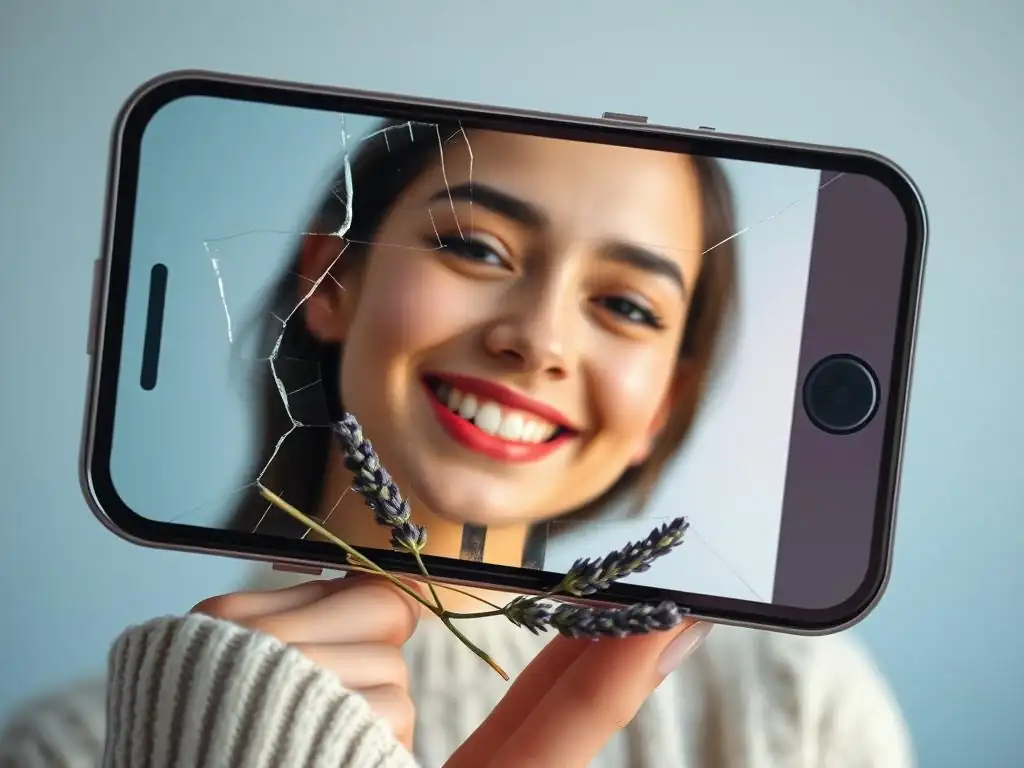
Navigating the digital landscape requires self-awareness. It's crucial to recognize when social media's influence shifts from being a tool for connection to a source of distress. The subtle ways in which filtered realities and constant comparisons affect our psyche can manifest in various emotional and behavioral changes. Identifying these signs early is key to taking steps towards a healthier relationship with online platforms and mitigating the negative effects of social media unrealistic expectations.
Increased Anxiety and Depression: The Consequences of Constant Comparison
Constant exposure to idealized lives and the pressure to present a perfect self can be significant contributors to increased levels of anxiety and depression. The feeling of always falling short when comparing oneself to carefully curated online personas can lead to chronic stress and feelings of hopelessness. Surveys have indicated that heavy social media users, particularly young adults, report higher rates of anxiety and depressive symptoms compared to those who use it less frequently or with more mindful habits.
This mental health burden is often exacerbated by the fear of missing out (FOMO), which is fueled by seeing others participating in seemingly exciting activities. The constant cycle of comparison and the perceived pressure to maintain an online presence that meets social media unrealistic expectations can create a state of perpetual unease, making it difficult to experience genuine contentment or peace.
Body Image Dissatisfaction: The Influence of Filtered Beauty Standards
Social media is saturated with images that promote narrow and often unattainable beauty standards. Filters, photo editing apps, and strategic posing create visuals that are far from reality. Exposure to these images, coupled with the ease of comparing one's own appearance to others, can lead to significant body image dissatisfaction. Studies involving young women have shown that viewing idealized body images on social media correlates with increased body surveillance and negative feelings about their own bodies.
The prevalence of social media unrealistic expectations regarding physical appearance can contribute to disordered eating patterns and body dysmorphia. When the 'ideal' presented online is heavily manipulated, it sets an impossible standard, making it difficult for individuals to appreciate their natural bodies and fostering a sense of inadequacy.
Fear of Missing Out (FOMO): The Pressure to Project a Perfect Life
FOMO, or the Fear of Missing Out, is a psychological phenomenon amplified by social media. Seeing friends and acquaintances seemingly enjoying exciting events or experiences can trigger feelings of anxiety and envy. This doesn't necessarily mean they are actually having a better time, but the perception of missing out, fueled by curated online posts, is powerful. This anxiety can lead to a compulsion to constantly check social media, ensuring one doesn't miss anything, and also to the pressure to project a perfect life oneself, even if it's not entirely true.
The pressure to participate in or showcase activities that appear desirable online, just to avoid the feeling of being left out, reinforces the cycle of presenting idealized selves and contributes to social media unrealistic expectations for how one's life 'should' look. This constant performance can be emotionally draining and detract from genuinely enjoying real-life moments.
Strategies for Promoting Positive Online Engagement
Navigating the complexities of social media requires conscious effort and strategic approaches. It's not about abandoning these platforms entirely, but rather about developing healthier habits and a more critical perspective. By implementing specific strategies, individuals can reduce the negative impact of social media unrealistic expectations and cultivate a more positive and empowering online experience.
Mindful Consumption: Critically Evaluating Content and Influencers
Approach social media content with a critical eye. Understand that what you see is often a carefully curated selection or even digitally altered representation of reality. Ask yourself:
- Is this post showing the whole picture?
- What might be edited or filtered?
- What is the influencer's motivation for sharing this?
Recognizing the commercial aspects of influencer culture and the inherent bias towards positive self-presentation can help contextualize the content. Instead of passively consuming, engage actively by questioning the authenticity and purpose behind the posts. This mindful approach reduces the likelihood of internalizing social media unrealistic expectations as genuine benchmarks for your own life.
Two paragraphs:
Developing media literacy is crucial in this digital age. Understanding how filters work, the techniques used in photography and video editing, and the business models behind social media platforms can demystify the "perfection" often displayed. For example, recognizing that a flawless complexion in a selfie is likely due to a filter or editing app, rather than natural skin, helps counteract the feeling of inadequacy. This awareness allows you to appreciate the artistry or effort behind a post without letting it negatively impact your self-perception.
Furthermore, consider the purpose of the content you consume. Is it educational, entertaining, or purely aspirational? If it's the latter, and it consistently leaves you feeling less-than, it might be time to re-evaluate your follows. Be conscious of the emotional response different types of content evoke and prioritize those that uplift, inform, or genuinely connect, rather than those that fuel social media unrealistic expectations.
Curating Your Feed: Unfollowing Accounts That Trigger Negative Emotions
Your social media feed is a reflection of your choices. If certain accounts consistently make you feel anxious, inadequate, or unhappy, it's okay – and healthy – to unfollow or mute them. This isn't about being unkind; it's about protecting your mental space. Actively shape your online environment to be a more positive place.
Consider creating categories for the accounts you follow and regularly review them.
- Accounts that inspire and uplift? Keep.
- Accounts that make you feel inadequate or fuel comparison? Unfollow or mute.
- Accounts that provide useful information or connect you with real-life interests? Keep.
This deliberate curation helps reduce exposure to content that promotes social media unrealistic expectations and allows you to focus on what genuinely adds value to your life. Think of your feed as a garden – remove the weeds that drain your energy and nurture the plants that help you grow.
Prioritizing Authenticity: Focusing on Real-Life Experiences and Connections
Shift your focus from presenting an idealized online self to living a fulfilling real life. Prioritize genuine experiences and connections over crafting the perfect post about them. Instead of worrying about how something will look on Instagram, immerse yourself in the moment.
Engage in activities you enjoy for their own sake, not for the photo opportunities they provide. Spend time with friends and family without the pressure to document every second online. Block Quote: Authenticity is the daily practice of letting go of who we think we're supposed to be and embracing who we are.
- Brené Brown (conceptually, illustrating the value of authenticity)
By prioritizing real-life interactions and experiences, you reduce the need for external validation from social media and build a stronger sense of self-worth based on genuine connections and personal fulfillment, pushing back against the pressure to meet social media unrealistic expectations.
Building a healthy relationship with social media is an ongoing process, much like nurturing any other relationship in your life. It requires establishing boundaries, practicing self-compassion, and actively engaging in activities that ground you in the real world. It's about using social media as a tool, rather than letting it control your emotions and self-perception, especially concerning social media unrealistic expectations.
Setting Time Boundaries: Detaching from Digital Platforms
One of the most effective ways to reduce the negative impact of social media is to limit the time spent on it. Excessive scrolling can lead to increased exposure to content that triggers comparison and anxiety. Set specific times for checking social media, or use app limits provided by your phone's operating system.
Consider implementing "digital detox" periods, such as refraining from social media use during meals, before bed, or on weekends. For example, committing to no social media for the first hour after waking up or the last hour before sleeping can significantly improve morning mood and sleep quality, reducing the influence of social media unrealistic expectations on your daily life.
Practicing Self-Compassion: Acknowledging Your Worth Beyond Online Validation
Recognize that your worth is not measured by the number of likes, followers, or the perceived perfection of your online life. Practice self-compassion by acknowledging your own unique qualities, strengths, and imperfections. Understand that everyone faces challenges and moments of vulnerability, even if they don't show them online.
Use self-compassionate language when you find yourself comparing your life to others online. Instead of thinking, "My life isn't as exciting as theirs," try "It's okay that my life looks different. I am doing my best, and I have my own unique joys and challenges." This internal shift helps counteract the negative self-talk fueled by social media unrealistic expectations.
Engaging in Offline Activities: Reconnecting with Hobbies and Relationships
Actively invest time and energy in real-world activities and relationships that bring you joy and fulfillment. Pursue hobbies, spend time in nature, exercise, read a book, or volunteer. These activities provide a sense of accomplishment and connection that is independent of online validation.
Nurturing face-to-face relationships with friends and family provides genuine emotional support and a sense of belonging that curated online interactions cannot replicate. Prioritizing offline engagement helps ground you in reality and reduces the disproportionate importance you might otherwise place on online perceptions and social media unrealistic expectations.
Building a Support System for Mental Wellbeing

Dealing with the psychological pressures of social media, including the constant barrage of social media unrealistic expectations, is often easier when you have a strong support system. Connecting with others who understand your experiences and seeking professional help when needed are vital steps in maintaining good mental health in the digital age.
Connecting with Others Authentically: Fostering Real-World Relationships
Invest time and effort in building deep, authentic relationships with people in your real life. These connections provide emotional support, a sense of belonging, and a reality check against the often-distorted views presented online. Share your feelings and experiences openly with trusted friends and family.
Real-world interactions often involve vulnerability and shared imperfections, which can be a powerful antidote to the curated perfection of social media. Knowing you are accepted and valued for who you truly are, flaws and all, helps build resilience against the negative impact of social media unrealistic expectations.
Seeking Professional Guidance: Addressing Mental Health Concerns
If you find that social media is significantly impacting your mental health, leading to persistent feelings of anxiety, depression, or body image issues, consider seeking professional help. Therapists and counselors can provide strategies for managing these challenges, understanding the root causes of your distress, and developing healthier coping mechanisms.
Mental health professionals can offer tailored support and guidance, helping you navigate the complexities of social media's influence and develop strategies to build a stronger sense of self-worth independent of online validation. Don't hesitate to reach out; seeking help is a sign of strength.
Open Communication: Sharing Feelings and Experiences
Talk openly about your experiences with social media and the pressures you feel. Share your frustrations about social media unrealistic expectations with friends, family, or support groups. Hearing that others feel similarly can reduce feelings of isolation and normalize your struggles.
Engaging in open conversations about the impact of social media can also help educate others and foster a collective awareness of the challenges posed by digital platforms. This shared understanding can create a more supportive environment for everyone navigating the digital world.
Promoting Positive Online Environments
Beyond individual strategies, there is a collective responsibility to work towards creating more positive and authentic online environments. This involves promoting media literacy, encouraging transparency, and developing platform-level strategies that prioritize wellbeing over engagement metrics fueled by social media unrealistic expectations.
Media Literacy Education: Understanding the Construction of Online Realities
Educating individuals, especially young people, about media literacy is fundamental. Teaching critical thinking skills about online content – how images are edited, how narratives are constructed, and the motivations behind posts – empowers users to view social media with a more discerning eye.
Programs in schools and public awareness campaigns can equip individuals with the tools needed to deconstruct the illusion of perfection and understand that social media unrealistic expectations are often manufactured. This knowledge is a powerful defense against the negative psychological effects of online platforms.
Encouraging Transparency: Moving Towards Authenticity and Inclusivity
Advocate for greater transparency on social media platforms. This could include clear labeling of edited or filtered images, or promoting features that encourage sharing more authentic, less polished aspects of life. Support influencers and content creators who prioritize honesty and vulnerability over unattainable perfection.
Promoting inclusivity by showcasing diverse body types, lifestyles, and experiences helps counteract the narrow standards often presented online. By celebrating authenticity and diversity, we can collectively shift the culture away from the pressure to meet social media unrealistic expectations towards a more accepting and realistic digital landscape.
Both individuals and platforms have a role to play in fostering healthier social media habits. Platforms could implement features that encourage breaks, highlight authentic content, or provide resources for mental health support directly within the app.
Individuals can commit to being more mindful users, setting boundaries, and prioritizing real-world connections. By combining personal responsibility with systemic changes, we can work towards a future where social media is a tool for genuine connection and information, rather than a source of distress driven by social media unrealistic expectations.
Resources for Mental Health and Body Image
- Information on eating disorders, treatment options, and support. Provides resources for individuals struggling with body image and disordered eating influenced by media.
- Offers information, advocacy, and support for individuals living with mental health conditions. Provides screening tools and resources for finding help.
Frequently Asked Questions
Social media often presents highly curated and filtered versions of reality, leading to comparisons and feelings of inadequacy. This can negatively impact self-esteem and contribute to anxiety and depression.
How does the "illusion of perfection" on platforms like Instagram and TikTok contribute to these unrealistic expectations?
The constant exposure to seemingly perfect lives creates a distorted perception of normalcy. Individuals may feel pressured to achieve unattainable standards of beauty, success, and happiness.
Limit your time on these platforms, consciously choose who you follow, and remember that what you see is often not the complete picture. Consider a social media detox to reset your perspective.
Focus on authentic content and connections, unfollow accounts that trigger negative emotions, and prioritize real-life experiences. Engage in activities that promote self-care and well-being.
Mental health professionals, support groups, and online resources like Mind Care Guide can provide guidance and support. Seeking professional help is crucial for addressing serious mental health concerns.
Final Reflection: Unmasking the Illusion, Embracing Authenticity
The curated perfection we see online is not reality; it's a carefully constructed illusion that fuels unrealistic expectations and undermines genuine self-worth. This carefully crafted façade, prevalent across social media platforms, impacts our mental health and self-perception more profoundly than we often realize. The constant bombardment of seemingly flawless lives creates a pervasive sense of inadequacy, leaving many feeling like they fall short of an unattainable ideal.
The insidious nature of this filtered reality lies in its ability to subtly yet powerfully shape our self-image and our understanding of success and happiness. It's a constant comparison game, one we're often unknowingly playing and losing. As the philosopher, Søren Kierkegaard, wisely observed: Life can only be understood backwards; but it must be lived forwards.
This quote rings especially true in the context of social media; we're constantly looking at the "backwards" – the carefully curated highlight reels – while struggling to live authentically in the "forwards" of our own lives. The pressure to conform to these unrealistic standards can be overwhelming, leading to anxiety, depression, and a distorted sense of self.
Now, consider this: what if you actively chose to curate your own online experience, focusing on genuine connection and self-acceptance rather than chasing an unattainable ideal? What if you used social media to build a supportive community, rather than a breeding ground for self-doubt? I urge you to take a critical look at your own social media consumption.
Unfollow accounts that leave you feeling inadequate, and prioritize content that inspires and uplifts you. Remember, your worth is not determined by likes, followers, or perfectly filtered photos. Embrace your imperfections, celebrate your uniqueness, and build a life that is authentically yours.
Unleash Your Authentic Self: Reclaim Your Online Reality
Thanks for taking the time to explore the often-hidden pressures of online perfection! You've now gained valuable insight into how filtered realities impact our self-perception and mental wellbeing. Let's turn this knowledge into positive action:
- Prioritize genuine connection: Reach out to a friend or family member today and share your thoughts on this topic. A real conversation can be incredibly grounding.
- Unfollow accounts that consistently trigger feelings of inadequacy or comparison. Curate your feed for positivity and inspiration, not pressure.
- Challenge the filter: Consciously notice the filters and edits you see online and reflect on their potential impact. This awareness is the first step to breaking free from the illusion.
What small step can you take today to cultivate a healthier relationship with your online experience?