
Social Media and Narcissism: Understanding the Link

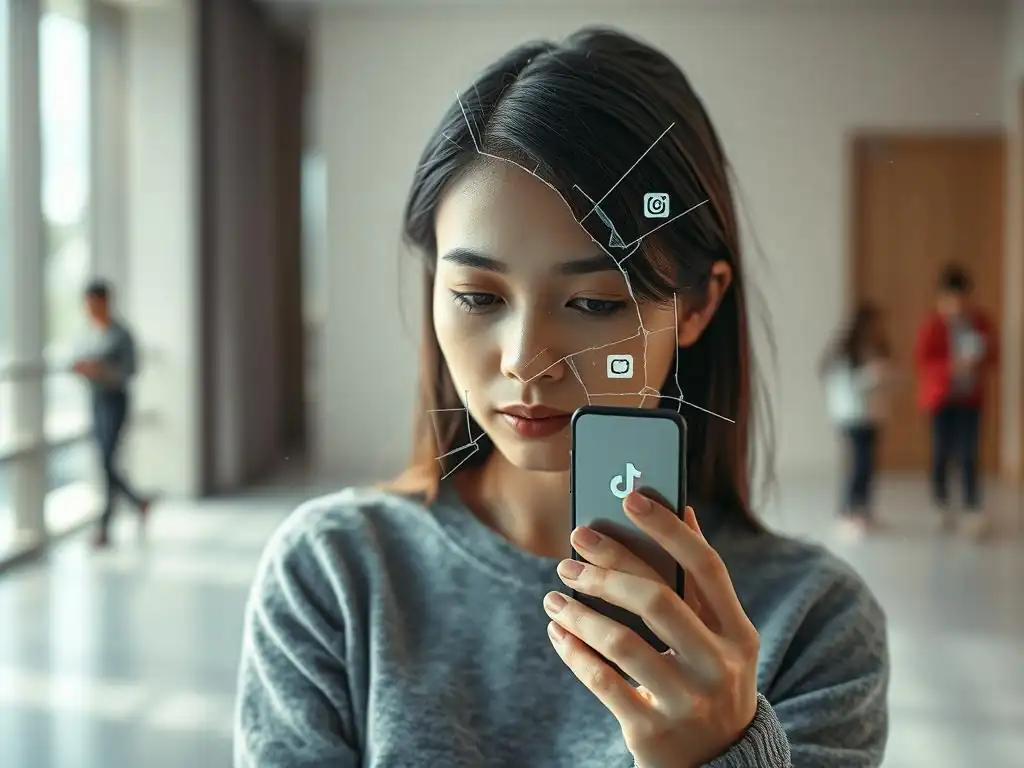
Welcome to Mind Care Guide.
Are you finding yourself, or someone you know, increasingly caught in the curated world of social media? It's easy to get swept away, but what if this digital landscape is subtly shaping our personalities in ways we don't fully understand? This month, we delve into the intriguing connection between social media impacts narcissism traits, exploring the potential influence of likes, followers, and carefully crafted online personas. Discover how these platforms may be fostering, or even exacerbating, narcissistic tendencies, and what you can do to cultivate a healthier relationship with the digital world. Intrigued? Let's explore this complex relationship together.
Social Media and Narcissism: Understanding the Link
- Introduction: Exploring the Connection Between Social Media Use and Narcissistic Traits
- How Social Media Platforms Can Fuel Narcissistic Tendencies
- The Psychology Behind Social Media Narcissism
- Is Social Media Causing Narcissism? Exploring the Correlation vs. Causation
- Identifying Narcissistic Traits on Social Media: Signs to Watch Out For
- The Impact of Social Media Narcissism on Mental Well-being
-
Strategies for Mitigating the Negative Effects of Social Media Use
- Mindful Social Media Consumption: Being Aware of Your Online Habits
- Setting Boundaries: Limiting Time Spent on Social Media Platforms
- Focusing on Real-Life Connections: Prioritizing Meaningful Relationships
- Practicing Self-Compassion: Developing a Healthy Sense of Self-Worth Independent of Social Media
- Addressing Problematic Social Media Use and Potential Narcissistic Tendencies
- Conclusion: Navigating the Complex Relationship Between Social Media and Narcissistic Traits.
-
Frequently Asked Questions
- What is the primary link between social media and narcissistic traits according to the article?
- How does the article explain the role of "self-presentation" in this connection?
- Does the article claim that social media causes narcissism?
- What types of social media behaviors are most associated with narcissistic traits?
- What are some resources or advice the article might suggest for managing the potential negative impacts of social media on mental well-being in relation to narcissism?
- Final Reflection: The Echo Chamber of Self
- Unleash Your Authentic Self: Beyond the Social Media Filter
In the digital age, social media platforms have become ubiquitous, deeply integrated into the daily lives of billions worldwide. As their influence has grown, so too have concerns among mental health professionals and researchers regarding their potential impact on personality development and existing traits.
There is a growing body of evidence suggesting that the unique environment social media creates – one focused on self-presentation, validation through external metrics, and constant comparison – might interact with or even exacerbate certain personality characteristics, particularly those associated with narcissism. The question of how social media impacts narcissism traits is a subject of significant interest and ongoing study.
This interaction is not necessarily about social media causing narcissism in everyone, but rather about how the platforms might provide fertile ground for narcissistic tendencies to flourish or become more visible. For individuals already possessing some level of narcissistic traits, the features and culture of platforms like Instagram, Facebook, and TikTok can offer seemingly endless opportunities for self-promotion and seeking admiration. Understanding this dynamic is crucial for comprehending the broader psychological effects of our digital lives and the potential negative impacts of social media on narcissistic traits within individuals and society.
Defining Narcissism: A Brief Overview of Narcissistic Personality Traits
Narcissism, in psychological terms, exists on a spectrum, ranging from healthy self-confidence to Narcissistic Personality Disorder (NPD), a clinical condition. At its core, narcissism involves a pervasive pattern of grandiosity, a need for admiration, and a lack of empathy. Individuals with pronounced narcissistic traits often possess an inflated sense of self-importance, a preoccupation with fantasies of unlimited success, power, brilliance, beauty, or ideal love, and a belief that they are "special" and unique.
Beyond the grandiosity, common traits include a sense of entitlement, exploitative behavior towards others, envy of others or a belief that others are envious of them, and arrogant or haughty behaviors or attitudes. While NPD is a severe diagnosis affecting a smaller percentage of the population (estimated to be around 1-6% in community samples), subclinical or non-clinical narcissistic traits are more common.
It is these subclinical traits, often present in the general population to varying degrees, that researchers believe may be significantly influenced by the pressures and incentives inherent in social media environments. The study of how social media impacts narcissism traits often focuses on these milder expressions rather than clinical disorders.
The Echo Chamber Effect: Reinforcing Self-Centered Views
Social media platforms can inadvertently create echo chambers, where individuals are primarily exposed to information and opinions that align with their existing beliefs and perspectives. For someone with narcissistic tendencies, this can mean surrounding themselves digitally with those who offer validation and admiration, while filtering out dissenting views or constructive criticism.
This environment reinforces their inflated self-image and sense of being uniquely correct or important. When their posts receive positive feedback, it confirms their grandiosity, and the algorithm may show them more content from similar-minded individuals or those who engage positively with their profile, further insulating them from challenging perspectives.
Furthermore, the ease with which one can curate their online connections allows individuals with narcissistic traits to selectively interact only with those who boost their ego. They might unfollow or block anyone who doesn't provide the desired level of adulation or who questions their self-proclaimed status or achievements. This digital isolation within a bubble of affirmation prevents exposure to diverse viewpoints and interpersonal feedback that could otherwise temper narcissistic tendencies, potentially amplifying the impacts of social media on narcissistic traits by reducing opportunities for empathy and perspective-taking.
The Pursuit of Validation: Likes, Comments, and the Need for External Approval
Social media platforms are designed around metrics of approval: likes, comments, shares, and follower counts. These function as quantifiable forms of external validation, providing immediate, tangible feedback on one's self-presentation. For individuals with a strong need for admiration, these metrics can become highly addictive. Each like or positive comment serves as a hit of dopamine, reinforcing the behavior that led to it – often, self-focused posting and performance. The constant pursuit of these digital rewards can drive an obsessive need to constantly check for validation, leading to significant time investment and emotional energy tied to online approval.
This relentless quest for external validation can be particularly detrimental as it hinges self-worth on the transient opinions of others online rather than internal values or genuine accomplishments. Studies have indicated a correlation between higher scores on measures of narcissism and a greater reliance on social media validation metrics.
For example, research might show that individuals scoring higher in grandiose narcissism tend to post more frequently and report feeling more distressed when their posts receive low engagement. This reinforces the notion that social media impacts narcissism traits by providing a readily available, albeit superficial, source of the admiration they crave.
Curated Perfection: The Pressure to Present an Idealized Self Online
Social media encourages the presentation of an idealized self – a highlight reel of one's life, carefully curated and often enhanced. Filters, strategic photo selection, and selective sharing allow individuals to construct an online persona that may bear little resemblance to their reality. For those with narcissistic traits, this pressure to appear perfect, successful, and constantly happy aligns perfectly with their need for grandiosity and the desire to be admired. They can meticulously craft an image of unlimited success or beauty, which is then presented to the world for approval.
This process of curating a flawless online identity can become an all-consuming task, requiring significant effort to maintain the façade. It also creates a feedback loop: the more positive reinforcement received for the idealized self, the more invested one becomes in maintaining that persona, further blurring the lines between their online presentation and their true self. This focus on superficial perfection and external appearance, often at the expense of genuine connection or vulnerability, is a key way social media impacts narcissism traits by providing a stage where the grandiose self can be perpetually performed and validated.
Social comparison theory suggests that individuals evaluate their own social and personal worth by comparing themselves against others. Social media platforms provide an unprecedented and often distorted environment for this process. Users are constantly exposed to the curated highlight reels of others' lives – their successes, attractive appearances, exciting travels, and seemingly perfect relationships. This constant exposure to idealized versions of others can trigger upward social comparison, where individuals compare themselves unfavorably to those they perceive as better off.
For individuals with narcissistic tendencies, social comparison on social media can manifest in complex ways. While they may present an image of superiority, they are often deeply sensitive to perceived slights or evidence that others are more successful or admired than they are. This can fuel envy and a competitive drive to outdo others in their online self-presentation.
Alternatively, they might engage in downward social comparison, subtly or overtly highlighting their own perceived superiority to boost their ego. The platform's structure, which constantly displays others' achievements and popularity metrics, makes social comparison almost unavoidable and is a significant factor in how social media impacts narcissism traits by providing a constant benchmark for self-evaluation against others.
The relationship between self-esteem and social media use is complex and often intertwined with narcissistic traits. While healthy self-esteem is generally stable and derived from internal factors, individuals with narcissistic tendencies often have fragile self-esteem that is highly dependent on external validation. Social media provides a seemingly endless source of this external validation through likes, comments, and followers. Receiving positive feedback can provide a temporary boost, but this boost is often fleeting, requiring constant re-validation.
Conversely, failing to receive the expected level of engagement or receiving negative comments can be devastating to someone whose self-worth is tied to their online persona. This can lead to increased anxiety, distress, and a compulsive need to post more or curate their image even further in pursuit of the next 'hit' of validation. This dependency on online approval for maintaining self-worth is a key mechanism through which social media impacts narcissism traits, potentially reinforcing an unhealthy reliance on external validation over internal self-acceptance.
Attention-seeking is a hallmark behavior associated with narcissistic tendencies, and social media platforms are designed to facilitate and reward attention. Features like notifications, trending topics, and algorithmic amplification all contribute to an environment where vying for attention is common. Individuals with narcissistic traits often excel in this environment, employing strategies to maximize their visibility and engagement. This might involve posting provocative content, sharing highly personal or dramatic stories, or engaging in controversial discussions solely to draw eyes to their profile.
The immediate feedback loop of social media reinforces these attention-seeking behaviors. A controversial post might generate a flood of comments, both positive and negative, but all contributing to increased attention and visibility. This can be highly rewarding for someone who craves being the center of attention, regardless of the nature of that attention. The structure of social media, which prioritizes engagement and visibility, directly facilitates and potentially amplifies attention-seeking, illustrating another way social media impacts narcissism traits by providing a readily available stage for performance.

A critical question in this discussion is whether social media causes narcissism or merely amplifies existing tendencies. Current research largely suggests the latter. Social media provides an environment where individuals with pre-existing narcissistic traits find fertile ground for expression and reinforcement. The opportunities for self-promotion, validation-seeking, and impression management align well with core narcissistic needs. For instance, someone with a mild tendency towards grandiosity might find that posting heavily filtered selfies and receiving positive comments significantly boosts their feeling of being special and admired, potentially strengthening that trait over time.
Think of it like a gym for narcissism: it doesn't create the muscle, but it provides the equipment and incentives for building it up. The constant feedback loops, the focus on metrics of popularity, and the ease of curating an idealized self all serve to reinforce and potentially exacerbate existing narcissistic tendencies. While social media might not turn a non-narcissistic person into one, it can certainly make someone with mild traits exhibit them more prominently and frequently. This amplification effect is a widely discussed aspect of how social media impacts narcissism traits.
The Influence of Online Culture: Shaping Perceptions of Self-Importance
Beyond individual reinforcement, the broader culture of social media itself can influence perceptions of self-importance and success. The emphasis on personal branding, influencer culture, and the constant showcasing of achievements can normalize behaviors that border on or embody narcissistic traits. When individuals see others gaining fame, wealth, and admiration primarily through self-promotion and the cultivation of an online persona, it can shape their own expectations and behaviors, suggesting that self-importance and attention-seeking are valid paths to success and recognition.
This cultural shift can subtly influence how people perceive normal levels of self-promotion or the importance of external validation. What might have once been considered excessive self-focus could become normalized within certain online communities. This environmental influence contributes to understanding how social media impacts narcissism traits, not just by affecting individuals but by shaping the very norms around self-presentation and success in the digital realm, potentially lowering the threshold for what is considered acceptable narcissistic behavior.
Numerous studies have explored the relationship between social media use and narcissistic traits, largely finding a positive correlation. For example, meta-analyses combining the results of multiple studies often report a small to moderate positive association between time spent on social media (particularly platforms focused on visual self-presentation like Instagram) and scores on measures of subclinical narcissism. Some research indicates that the way social media is used matters more than simply the amount of time; using platforms primarily for self-promotion and seeking validation shows a stronger link to narcissistic traits than using them for connecting with existing friends.
Specific studies have investigated behaviors like posting selfies, updating status frequently, and seeking likes, finding these are often correlated with higher levels of narcissism. While most studies demonstrate correlation, not causation, some longitudinal research attempts to explore directional effects, suggesting that increased social media use focused on self-promotion can predict increases in certain narcissistic traits over time, especially in younger populations. This body of evidence provides empirical support for the idea that social media impacts narcissism traits, acting as a platform that facilitates and potentially reinforces these characteristics.
Excessive Self-Promotion: Constant Sharing of Personal Achievements
One of the most visible signs of potential narcissistic traits on social media is excessive and relentless self-promotion. This goes beyond sharing occasional life updates or achievements. It manifests as a constant barrage of posts, stories, and updates solely focused on the individual's accomplishments, talents, possessions, or perceived superiority. Every minor success, every new purchase, every compliment received might be broadcasted widely, often with an air of grandiosity or expectation of widespread admiration.
This behavior stems from the core narcissistic need for admiration and recognition. The individual uses their social media feed as a platform to constantly remind their audience (and themselves) of how successful, attractive, or special they are. They might post multiple selfies daily, share screenshots of positive feedback they've received, or detail their busy, important schedule. Observing a pattern where the vast majority of content is self-referential and focused on showcasing achievements can be indicative of how social media impacts narcissism traits by providing an accessible venue for this constant self-aggrandizement.
Grandiose Posts and Status Updates: Exaggerated Claims of Success and Importance
Posts that contain exaggerated claims of success, importance, or unique abilities are another potential indicator. Individuals with narcissistic tendencies might make sweeping, unsubstantiated statements about their influence, wealth, connections, or future achievements. They might present themselves as experts on topics they have little knowledge of or imply a level of success far beyond their reality. This grandiosity is a key feature of narcissism, and social media provides a low-stakes environment where these fantasies can be publicly enacted.
Examples might include status updates boasting about being "too busy with important meetings to even breathe," vague references to "massive deals" being closed, or declarations of having a unique insight that others lack. These posts are designed to impress and create an image of extraordinary success or importance, even if the reality is far more mundane. The ease with which one can craft and disseminate such exaggerated claims online highlights a way social media impacts narcissism traits by facilitating the expression of grandiosity to a wide audience.
Lack of Empathy in Online Interactions: Disregard for Others' Feelings
A significant trait of narcissism is a lack of empathy – difficulty recognizing or sharing the feelings of others. On social media, this can manifest in various ways during interactions. An individual with narcissistic traits might be dismissive or contemptuous towards others' struggles or misfortunes shared online. They may engage in arguments not to understand but to dominate, showing little regard for the emotional impact of their words on others. Comments might be critical, mocking, or completely self-focused, redirecting conversations back to themselves even when someone else is sharing something personal or difficult.
They might also show a lack of understanding or patience when others don't immediately cater to their needs or provide the expected admiration. For instance, if a post doesn't get enough likes, they might publicly complain or make passive-aggressive comments about their friends being unsupportive. This inability or unwillingness to genuinely connect with or consider the feelings of others in online interactions is a key behavioral sign, demonstrating how social media impacts narcissism traits by sometimes providing anonymity or distance that allows for reduced empathy in communication.
A Need for Admiration: Seeking Constant Positive Feedback
The pervasive need for admiration is central to narcissism, and social media provides a direct pipeline for seeking it. This manifests as a constant craving for likes, positive comments, and validation. An individual might fish for compliments ("Feeling terrible today, need a pick-me-up" followed by a flattering photo), or post content specifically designed to elicit praise for their appearance, lifestyle, or achievements. They may become visibly upset or withdraw if they don't receive the anticipated positive feedback.
This need goes beyond enjoying positive interaction; it's a dependency. They might frequently check their notifications, measure their self-worth by their follower count or engagement rates, and strategically post at times when they expect maximum visibility and positive response. The structure of social media platforms, with their emphasis on quantifiable popularity, directly feeds this need. Observing a consistent pattern of seeking and seemingly depending on external praise for almost every shared piece of content is a strong indicator of how social media impacts narcissism traits by serving as a primary source for this essential narcissistic supply.
Increased Anxiety and Depression: The Dark Side of Online Validation
While the pursuit of online validation can provide temporary boosts, the underlying dependency and the nature of social media itself can contribute to increased anxiety and depression. Relying on external validation for self-worth creates an unstable foundation; one's mood becomes tied to the unpredictable nature of online engagement. The constant pressure to maintain a perfect online image is exhausting and can lead to significant stress. Furthermore, the inevitable moments of not receiving expected validation, encountering negative comments, or engaging in upward social comparison can trigger feelings of inadequacy, envy, and failure.
Research has shown correlations between heavy social media use focused on comparison and validation-seeking and higher levels of anxiety and depressive symptoms. For individuals with elevated narcissistic traits, the stakes are often higher, as their fragile self-esteem is more vulnerable to online slights. The gap between their grandiose online persona and their often-insecure internal state can widen, leading to distress. This illustrates a crucial way social media impacts narcissism traits by contributing to psychological vulnerability despite the outward appearance of confidence.
Relationship Problems: The Strain on Real-Life Connections
Focusing heavily on cultivating an online persona and seeking validation from a broad, often superficial, audience can strain real-life relationships. Time and emotional energy invested in managing one's social media presence and pursuing online admiration are diverted from nurturing genuine, in-person connections. Individuals preoccupied with their online image may be less present in face-to-face interactions, constantly distracted by their phones or more interested in documenting the experience for social media than truly engaging with those around them.
Furthermore, the lack of empathy often associated with narcissistic traits can manifest in neglecting the feelings and needs of partners, family, and friends in favor of online pursuits. The curated, often dishonest, nature of their online life can also create a disconnect and lack of authenticity in their real-world relationships. This prioritization of online validation over offline intimacy is a significant negative consequence, highlighting how social media impacts narcissism traits in a way that erodes genuine interpersonal bonds.
Cyberbullying and Online Harassment: The Link to Narcissistic Behavior
Individuals with pronounced narcissistic traits are sometimes more likely to engage in cyberbullying or online harassment. Their sense of entitlement, lack of empathy, and need to feel superior can lead them to put others down, make cruel comments, or engage in aggressive online behavior when they feel threatened, criticized, or simply want to assert dominance. The relative anonymity and distance provided by online platforms can lower inhibitions, making it easier for them to engage in behavior they might shy away from face-to-face.
They might use online platforms to spread rumors, publicly shame others, or relentlessly criticize those who disagree with them or whom they envy. This behavior is often fueled by a need to maintain their own perceived status by diminishing others or to retaliate against perceived slights. Understanding this link is important for recognizing the harmful potential of how social media impacts narcissism traits, not just for the individuals exhibiting the traits but for those who become targets of their online aggression.

Developing mindfulness around social media use is a crucial first step in mitigating its potential negative effects, especially concerning narcissistic traits. This involves paying conscious attention to why you are using social media, how it makes you feel, and what kind of content you are consuming and posting. Are you scrolling mindlessly out of habit? Are you seeking validation after posting? Do you feel worse about yourself after viewing certain profiles? Becoming aware of these patterns can help identify problematic behaviors linked to seeking external validation or engaging in unhealthy social comparison.
Mindful consumption also means critically evaluating the content you encounter. Recognizing that much of what is shared online is an idealized presentation can help temper feelings of inadequacy or envy. For individuals concerned about their own tendencies towards self-promotion or validation-seeking, mindfulness can involve pausing before posting to consider the motivation behind it – is it genuine sharing or a bid for admiration? This self-awareness is key to changing habits and reducing how social media impacts narcissism traits in a detrimental way.
Establishing clear boundaries around social media use is essential for regaining control and reducing the potential for negative impacts. This can involve setting specific time limits for how long you spend on platforms each day, perhaps using built-in phone features or apps to track usage. It might also mean designating certain times or places as social-media-free zones, such as during meals, before bed, or when spending time with loved ones.
Limiting exposure reduces the constant influx of information that fuels social comparison and the relentless pressure to seek validation. By reducing the sheer volume of time spent in this environment, individuals can decrease the opportunities for narcissistic tendencies to be triggered and reinforced. This simple step can significantly alter how social media impacts narcissism traits by limiting the platform's influence on daily behavior and thought patterns.
Focusing on Real-Life Connections: Prioritizing Meaningful Relationships
Shifting focus from online interactions and validation to nurturing real-life connections is vital for mental well-being and counteracting the superficiality sometimes fostered by social media. Investing time and energy in face-to-face interactions with friends, family, and community members provides a different, often more genuine and stable, form of connection and validation. Real-life relationships involve reciprocal support, empathy, and shared experiences that go beyond curated online presentations.
Prioritizing these meaningful connections can help ground individuals and reduce their reliance on the often-transient approval found online. It provides opportunities to practice empathy and develop deeper understanding of others, which can be challenging in the curated world of social media. By strengthening bonds in the real world, individuals build a support system and sense of belonging that is less susceptible to the fluctuations of online popularity, thereby lessening how social media impacts narcissism traits by reducing dependency on its validation mechanisms.
Cultivating self-compassion is crucial for building a stable sense of self-worth that is not dependent on external validation, whether online or off. Self-compassion involves treating oneself with kindness, understanding, and acceptance, especially in moments of perceived failure or inadequacy. It recognizes that imperfection is part of the human experience and that one's worth is inherent, not contingent on achievements, appearance, or the opinions of others.
Developing self-compassion can help individuals detach their self-esteem from social media metrics. Instead of viewing low likes on a post as a personal indictment, someone practicing self-compassion can approach it with understanding and acceptance, recognizing that online popularity doesn't define their value. This internal shift is powerful in reducing the vulnerability that makes individuals susceptible to the negative impacts of social media on narcissistic traits. It fosters resilience and allows for a healthier relationship with oneself, independent of the digital world.
Seeking Professional Help: Therapy and Counseling Options
For individuals struggling with problematic social media use that feels compulsive or is significantly impacting their well-being, or for those concerned about their own or a loved one's potentially escalating narcissistic traits, seeking professional help is a valuable step. Therapists and counselors can provide support in understanding the underlying reasons for excessive social media use or the development of certain personality patterns. They offer strategies for setting healthier boundaries and developing coping mechanisms.
Mental health professionals can assess whether behaviors represent a clinical concern, such as Narcissistic Personality Disorder, or if they fall within the range of subclinical traits exacerbated by environment. Therapy provides a safe space to explore the insecurities or needs that might be driving the behavior and develop healthier ways of meeting those needs. This is particularly important when considering how social media impacts narcissism traits, as a professional can help disentangle the environmental influence from core personality structure.
Cognitive Behavioral Therapy (CBT): Addressing Unhealthy Thought Patterns
Cognitive Behavioral Therapy (CBT) is a widely used therapeutic approach that can be effective in addressing problematic social media use and certain aspects of narcissistic tendencies, particularly those related to thought patterns and behaviors. CBT helps individuals identify and challenge distorted thinking, such as the belief that their worth is tied to online validation or the need for constant admiration. It focuses on how thoughts, feelings, and behaviors are interconnected.
Through CBT, individuals can learn to recognize the triggers that lead to excessive social media use or attention-seeking behavior, challenge the underlying beliefs driving these actions (e.g., "I am only worthy if others admire me"), and develop healthier behavioral responses. For instance, they might learn techniques to resist the urge to check notifications constantly or practice posting content that is less focused on self-promotion and more on genuine connection. This therapy provides practical tools for modifying the behaviors and cognitive distortions that are often amplified by how social media impacts narcissism traits.
Building Self-Esteem: Strategies for Developing a Strong Sense of Self
Developing a strong, stable sense of self-esteem is crucial for reducing vulnerability to the negative influences of social media and the need for external validation that characterizes narcissistic traits. This process involves focusing on internal sources of worth rather than relying on external metrics or the opinions of others. Strategies include identifying and valuing one's core values, strengths, and genuine interests outside of social media.
Engaging in activities that provide a sense of mastery or accomplishment, pursuing hobbies for intrinsic enjoyment rather than public display, and practicing self-care are all ways to build self-esteem. Focusing on personal growth, setting realistic goals, and celebrating small successes can also contribute to a more robust sense of self-worth. By cultivating self-esteem from within, individuals become less dependent on the fleeting validation offered by social media, thereby mitigating one of the primary ways social media impacts narcissism traits.
Frequently Asked Questions
The article suggests that social media provides a platform for narcissistic individuals to seek validation and admiration through curated self-presentation, potentially reinforcing narcissistic behaviors. This is due to the constant opportunity for self-promotion and the pursuit of likes and followers.
How does the article explain the role of "self-presentation" in this connection?
Self-presentation is crucial because social media allows individuals to control how they are perceived. This curated image can fuel narcissism by providing a stage for exaggerated self-importance and a constant need for external validation.
No, the article likely doesn't claim a direct causal relationship. Instead, it suggests that social media can exacerbate pre-existing narcissistic tendencies and provide an environment where these traits are reinforced and potentially amplified.
Behaviors like excessive self-promotion, posting selfies frequently, seeking constant validation through likes and comments, and engaging in competitive comparisons with others are generally associated with narcissistic tendencies on social media.
The article, aligned with Mind Care Guide's mission, might suggest limiting social media use, focusing on authentic connections, practicing self-compassion, and seeking professional help if narcissistic traits are significantly impacting your life or relationships.
Final Reflection: The Echo Chamber of Self
The pervasive nature of social media has fundamentally altered how we perceive ourselves and interact with others, creating a fertile ground for the cultivation and amplification of narcissistic traits. The seemingly innocuous act of posting a selfie or crafting the perfect Instagram caption can, in reality, become a powerful tool in the ongoing negotiation of self-worth, often leading to unhealthy comparisons and a distorted sense of reality. This isn't about demonizing social media entirely, but rather understanding its subtle yet significant influence on our psychological well-being.
The constant feedback loop of likes, comments, and shares can be incredibly addictive, fostering a dependence on external validation that undermines genuine self-esteem. This relentless pursuit of online affirmation can blur the lines between authentic self-expression and a carefully curated performance for an audience. As the philosopher Jean-Paul Sartre famously stated, Hell is other people,
and while not entirely applicable in this context, the pressure to conform to online ideals and the fear of negative judgment can certainly create a sense of confinement and anxiety. This pressure, I believe, is a key factor in the exacerbation of narcissistic tendencies in many individuals.
Consider the impact of this information on your own life. Do you find yourself constantly checking your social media notifications, seeking reassurance through likes and comments? Are you consciously or unconsciously shaping your online persona to project a specific image? Take a moment to reflect on your relationship with social media and how it might be influencing your self-perception. By cultivating a more mindful and balanced approach to online engagement, we can reclaim our sense of self and foster healthier relationships, both online and offline. Let's strive for authentic connection over superficial validation.
Thanks for taking the time to explore the complex relationship between social media and narcissism with us! You've gained valuable insights into how to navigate this digital landscape mindfully. Now it's time to put that knowledge into action.
- Re-evaluate your online presence: Take a critical look at your social media profiles. Do they truly reflect who you are, or are you presenting a curated version of yourself? Identify areas where you might be inadvertently contributing to narcissistic tendencies, either in yourself or others.
- Connect authentically with others: Instead of focusing on likes and followers, try engaging in meaningful conversations. Reach out to someone you haven't spoken to in a while and truly listen to what they have to say.
- Share this article: Let's spark a conversation about healthy online habits. Share this article with friends and family who might benefit from a deeper understanding of this important topic.
What small step can you take today to foster a more authentic and balanced relationship with social media?