
Mindfulness Practices in Therapy: Being Present with Moods


Welcome to Mind Care Guide, a space dedicated to nurturing your mental well-being.
Feeling overwhelmed by shifting moods? You're not alone. This article explores Mindfulness for mood management - a powerful tool for navigating emotional landscapes. Discover how being present can bring a sense of calm and control. Ready to learn how mindfulness practices can transform your relationship with your feelings? Let's begin.
- Mindfulness Practices in Therapy: Being Present with Anxiety
- What is Mindfulness and How Does it Relate to Anxiety Disorders?
- Benefits of Mindfulness-Based Therapy for Anxiety Disorders
-
Mindfulness Techniques Used in Therapy for Anxiety Management
- Mindfulness Meditation: Cultivating Inner Peace
- Body Scan Meditation: Connecting with Physical Sensations
- Mindful Breathing Exercises: Anchoring to the Present Moment
- Mindful Movement Practices: Yoga and Walking Meditation for Emotional Balance
- RAIN Technique: A Mindfulness Approach to Emotional Processing (Recognize, Allow, Investigate, Nurture)
- Integrating Mindfulness into Your Daily Life for Enhanced Anxiety Management
- Mindfulness-Based Cognitive Therapy (MBCT) for Anxiety Disorders
- Other Types of Therapy that Integrates Mindfulness for Anxiety Management
- Potential Challenges and Considerations When Practicing Mindfulness for Anxiety
- Finding a Mindfulness-Based Therapist for Anxiety Disorders
- Conclusion: Embracing Mindfulness for Improved Anxiety Management and Well-being
-
Frequently Asked Questions
- What is mindfulness, and how does it relate to mood management?
- How can mindfulness practices be integrated into therapy?
- What are some specific mindfulness techniques that are helpful for managing mood?
- Is mindfulness a quick fix for mood disorders, or does it require consistent practice?
- Are there any potential downsides or limitations to using mindfulness for mood management?
- Final Reflection: Cultivating Presence, Transforming Moods
- Unlock Your Inner Calm: Take the Next Step
Mindfulness Practices in Therapy: Being Present with Anxiety
Introduction to Mindfulness for Anxiety Management
- Understanding the Connection Between Mindfulness and Emotional Well-being
- The Role of Mindfulness in Addressing Anxiety Disorders
Mindfulness, at its core, is the practice of paying deliberate attention to the present moment without judgment. This simple yet profound concept has significant implications for emotional well-being, particularly in the context of managing challenging feelings like anxiety. By cultivating present moment awareness, individuals can learn to observe their thoughts, emotions, and physical sensations as they arise, rather than being swept away by them.
This detached observation fosters a greater sense of control and perspective, which is crucial when dealing with the often overwhelming nature of anxiety. The connection lies in shifting from a reactive state, where anxiety dictates responses, to a more responsive state, where one can choose how to engage with anxious feelings.
Integrating mindfulness into therapeutic approaches has shown considerable promise in addressing anxiety disorders. Conditions such as generalized anxiety disorder (GAD), panic disorder, social anxiety disorder, and specific phobias often involve excessive worry about the future or rumination on the past. Mindfulness techniques help anchor individuals in the present, interrupting these cycles of negative thought patterns.
For instance, studies have indicated that mindfulness-based interventions can lead to measurable reductions in anxiety symptoms, with some research pointing to effect sizes comparable to or exceeding those of traditional cognitive-behavioral therapy (CBT) for certain anxiety presentations. This focus on present awareness provides a foundation for developing healthier coping mechanisms and reducing the intensity and frequency of anxious episodes.
What is Mindfulness and How Does it Relate to Anxiety Disorders?
Defining Mindfulness: A Present Moment Awareness Approach
Mindfulness is often defined as the practice of intentionally bringing one's attention to the present moment, without judgment. It involves observing thoughts, feelings, bodily sensations, and the surrounding environment with curiosity and acceptance. This is not about emptying the mind or achieving a state of bliss, but rather about developing a non-reactive awareness of what is happening right now.
It's about noticing the breath as it enters and leaves the body, feeling the ground beneath your feet, or simply observing a passing thought without getting entangled in its narrative. This deliberate act of paying attention cultivates a different relationship with one's internal and external experiences.
For individuals grappling with anxiety disorders, this present moment awareness is particularly powerful. Anxiety often pulls the mind into hypothetical future scenarios filled with dread or past events tinged with regret. By training the mind to return to the present, mindfulness acts as an anchor, reducing the time spent caught in these anxious loops.
Instead of being consumed by 'what ifs', a mindful person can observe the feeling of anxiety in the present moment – perhaps a tightness in the chest or racing thoughts – without immediately reacting or believing the anxious thoughts as absolute truth. This creates a vital space between the stimulus (the anxious thought or feeling) and the response.
Understanding the Impact of Anxiety Disorders on Daily Life
Anxiety disorders can profoundly disrupt daily life, affecting everything from work and relationships to physical health and overall well-being. Individuals may experience persistent and excessive worry that is difficult to control, leading to avoidance behaviors that shrink their world. For example, someone with social anxiety might avoid public speaking opportunities or social gatherings, limiting career advancement or social connections. Panic disorder can lead to debilitating panic attacks that occur unexpectedly, causing individuals to fear future attacks and avoid situations where they might occur, such as driving or being in crowded places.
The constant state of heightened alert associated with anxiety disorders also takes a significant toll on physical health. Chronic stress can contribute to issues like insomnia, digestive problems, headaches, and weakened immune function. The mental energy consumed by worry and fear leaves little room for enjoyment or engagement in activities that were once pleasurable.
Approximately 40 million adults in the United States are affected by anxiety disorders each year, making them the most common mental health concern. The pervasive nature of anxiety means that individuals are often living with a constant undercurrent of unease, making even simple daily tasks feel overwhelming and exhausting.
The Science Behind Mindfulness: Brain Changes and Emotional Regulation
Neuroscientific research has begun to illuminate the physiological mechanisms by which mindfulness impacts the brain and, consequently, emotional regulation. Studies using fMRI scans have shown that regular mindfulness practice can lead to structural and functional changes in key brain regions involved in processing emotions, self-awareness, and stress response. For instance, the amygdala, often referred to as the brain's fear center, tends to show reduced activity in experienced meditators when exposed to emotional stimuli compared to non-meditators. This suggests a diminished reactivity to potential threats.
Furthermore, mindfulness has been linked to increased activity in the prefrontal cortex, particularly areas associated with executive functions, attention, and emotional regulation. The prefrontal cortex helps in evaluating situations and modulating responses from the amygdala.
Over time, mindfulness strengthens the connection between these areas, enabling individuals to better manage their emotional reactions rather than being overwhelmed by them. Research from institutions like Harvard Medical School has documented changes in gray matter density in brain regions associated with learning, memory, emotion regulation, and perspective taking after just eight weeks of mindfulness training, supporting its role in enhancing the brain's capacity for emotional control.
Benefits of Mindfulness-Based Therapy for Anxiety Disorders
Reduced Worry and Stress Through Mindfulness Techniques
One of the primary benefits of mindfulness-based therapy for anxiety disorders is a significant reduction in worry and overall stress levels. Anxiety is often characterized by excessive and uncontrollable worry about future events. Mindfulness techniques, such as focused breathing and body scans, help individuals interrupt the cycle of worry by bringing their attention back to the present moment. By observing thoughts without judgment, individuals learn that a thought is just a thought, not necessarily a reality or a command. This detachment weakens the power of anxious thoughts to spiral into overwhelming worry.
Clinical trials have demonstrated tangible results in reducing perceived stress and worry. For example, meta-analyses of mindfulness-based stress reduction (MBSR) programs have shown moderate to large effect sizes in reducing symptoms of anxiety and stress across diverse populations. Participants often report feeling less consumed by their worries and better equipped to handle stressful situations. This reduction isn't about eliminating worry entirely, but about changing the relationship with it, making it less intrusive and debilitating.
Improved Emotional Regulation and Anxiety Tolerance
Mindfulness practice cultivates improved emotional regulation, which is crucial for managing anxiety. Rather than avoiding or suppressing difficult emotions, mindfulness encourages individuals to approach them with curiosity and acceptance. By mindfully observing physical sensations and emotional states associated with anxiety – such as a racing heart, shallow breath, or feelings of dread – individuals can learn to tolerate these uncomfortable experiences without immediately reacting or trying to escape them. This builds resilience and reduces the fear of the anxiety itself.
Research indicates that mindfulness training enhances the ability to regulate emotions more effectively. Studies have shown increased activity in brain regions associated with emotional control and decreased reactivity in areas linked to threat detection. This neurological shift translates into a greater capacity to experience anxious feelings without being overwhelmed. A randomized controlled trial might show, for instance, that participants in a mindfulness group report significantly lower levels of emotional reactivity to stress-inducing tasks compared to a control group, demonstrating improved anxiety tolerance.
Increased Self-Awareness and Acceptance in Managing Anxiety Symptoms
Mindfulness fosters a deeper level of self-awareness regarding one's internal landscape, including the patterns of thoughts, feelings, and physical sensations associated with anxiety. Through practices like mindful observation, individuals become more attuned to the early warning signs of rising anxiety, such as a tightening in the stomach or a shift in thought patterns. This increased awareness allows for earlier intervention using coping strategies before anxiety escalates into a full-blown panic attack or overwhelming worry episode.
Equally important is the element of acceptance that mindfulness cultivates. Rather than fighting against anxious feelings or judging oneself for experiencing them, mindfulness encourages a stance of non-judgmental acceptance. This doesn't mean liking the anxiety or resigning oneself to suffering, but rather acknowledging its presence without adding layers of self-criticism or resistance. For someone with social anxiety, for example, this might mean accepting the feeling of nervousness before a social event without believing the anxious thought "I'm going to embarrass myself." This acceptance paradoxically reduces the struggle with anxiety, making it less intense and easier to manage.
Enhanced Focus and Concentration, Reducing Catastrophic Thinking
Anxiety disorders often impair cognitive functions, leading to difficulty concentrating, mind-wandering, and a tendency towards catastrophic thinking. The anxious mind is frequently pulled into worst-case scenarios, making it hard to focus on the task at hand or appreciate the present moment. Mindfulness training, by its very nature, is a practice in directing and sustaining attention. Techniques like focusing on the breath or a specific object help to strengthen the "attention muscle."
Regular mindfulness practice can significantly improve focus and reduce the frequency and intensity of intrusive, catastrophic thoughts. By training the mind to return gently to the present when it wanders into anxious future predictions, individuals weaken the habit of catastrophic thinking. Research has shown that mindfulness interventions can improve performance on cognitive tasks requiring sustained attention. For example, a study might find that individuals with GAD who completed an 8-week mindfulness program showed improved scores on tests measuring attention and working memory, alongside reduced self-reported worry, indicating that enhanced focus directly contributes to managing anxious thought patterns.
Mindfulness Techniques Used in Therapy for Anxiety Management
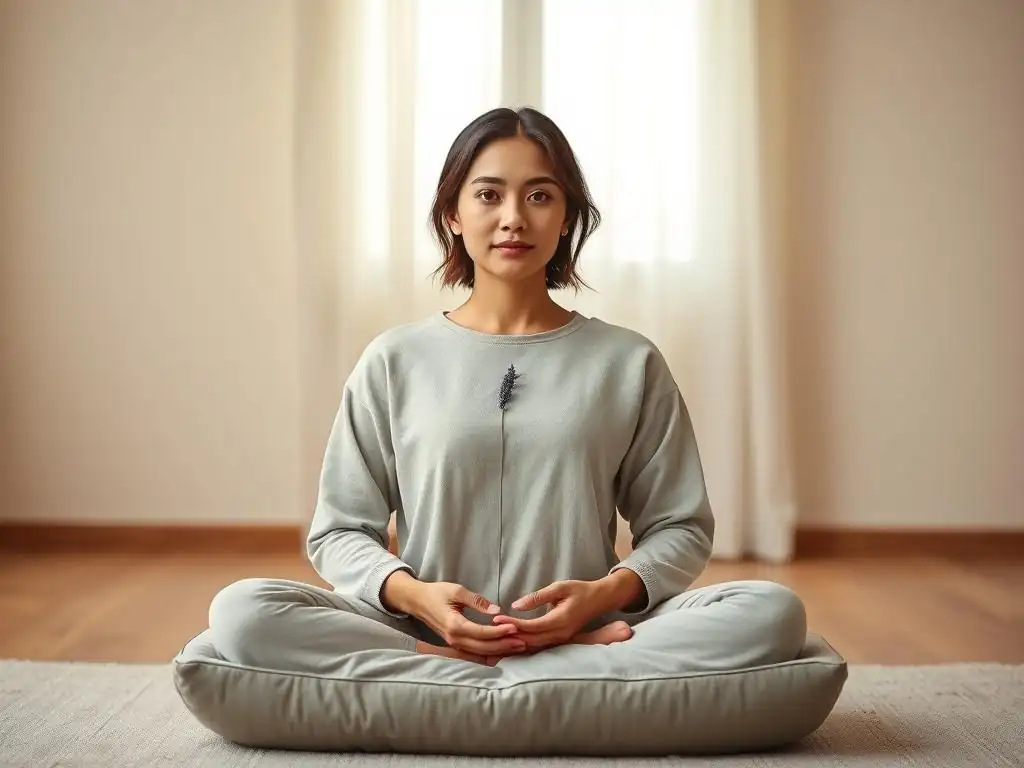
Mindfulness Meditation: Cultivating Inner Peace
Mindfulness meditation is a foundational practice in many mindfulness-based therapies for anxiety. It typically involves sitting comfortably and bringing attention to a specific anchor, most commonly the breath. The goal is not to stop thinking, but to notice when the mind wanders (which it inevitably will, especially for an anxious mind) and gently guide it back to the breath without judgment. Regular practice, even for just 10-15 minutes daily, helps to train the mind to be less reactive to intrusive thoughts and feelings.
For someone with anxiety, mindfulness meditation provides a safe space to observe anxious thoughts and physical sensations without being overwhelmed. It cultivates a sense of inner peace not by eliminating anxiety, but by changing the relationship with it. Over time, the practitioner develops the ability to witness anxious feelings arising and passing away, understanding them as temporary states rather than permanent threats. This practice builds resilience and the capacity to find moments of calm amidst internal turbulence.
Body Scan Meditation: Connecting with Physical Sensations
The body scan meditation is another powerful technique used in mindfulness-based therapy, particularly beneficial for individuals whose anxiety manifests strongly in physical symptoms like muscle tension, digestive issues, or a racing heart. This practice involves systematically bringing mindful attention to different parts of the body, from the toes up to the head, noticing any sensations – tingling, warmth, tension, etc. – without trying to change or judge them.
By practicing the body scan, individuals with anxiety learn to become more aware of their physical state in a non-reactive way. This helps to ground them in the present moment and reduces the tendency to catastrophize physical symptoms of anxiety. For instance, a racing heart might be noticed simply as a sensation, rather than immediately triggering the thought, "I'm having a heart attack" or "I'm going to have a panic attack." This practice builds a greater tolerance for uncomfortable physical sensations and helps to break the link between physical symptoms and escalating fear.
Mindful Breathing Exercises: Anchoring to the Present Moment
Mindful breathing is perhaps the most accessible and immediate mindfulness technique for managing acute anxiety. The breath is always present and can serve as an anchor to the current moment. Simple mindful breathing involves paying attention to the sensation of the breath entering and leaving the body – the rise and fall of the chest or abdomen, the feeling of air passing through the nostrils. When the mind inevitably drifts to anxious thoughts, the practitioner gently brings attention back to the breath.
This practice helps to regulate the nervous system. Slow, conscious breathing can activate the parasympathetic nervous system, counteracting the "fight or flight" response triggered by anxiety. It provides an immediate tool to use during moments of heightened anxiety or panic. For example, during a panic attack, focusing solely on the sensation of the breath can help ground the individual and prevent the escalation of fear. Even a few minutes of mindful breathing can create a sense of calm and reduce the intensity of anxious feelings.
Mindful Movement Practices: Yoga and Walking Meditation for Emotional Balance
Mindfulness isn't limited to stillness; mindful movement practices like yoga and walking meditation are also integrated into therapy for anxiety management. Mindful movement involves bringing non-judgmental awareness to the physical sensations of the body while in motion. In yoga, this means paying attention to the feeling of muscles stretching, the coordination of breath with movement, and the body's posture. In walking meditation, it involves focusing on the sensations of the feet touching the ground, the movement of the legs, and the rhythm of breathing while walking.
These practices help individuals with anxiety connect with their bodies in a positive way, releasing stored tension and cultivating a sense of embodiment. Anxiety often leads to feeling disconnected from the body or perceiving it as a source of threat (e.g., physical symptoms). Mindful movement helps to rebuild a relationship of trust and acceptance with the body. It also provides an active way to practice mindfulness, which can be easier for some people than sitting still. Research suggests that mindful movement can reduce stress hormones and improve mood, contributing to overall emotional balance and reduced anxiety symptoms.
RAIN Technique: A Mindfulness Approach to Emotional Processing (Recognize, Allow, Investigate, Nurture)
The RAIN technique is a specific mindfulness practice developed by Tara Brach, particularly useful for processing difficult emotions like anxiety. RAIN is an acronym that stands for:
- Recognize: Acknowledge and identify the emotion or difficult experience present (e.g., "I am feeling anxiety," "There is fear here").
- Allow: Give the emotion permission to be there. Instead of resisting or pushing it away, allow it to exist without judgment ("It's okay that I feel anxious right now").
- Investigate: Explore the experience with gentle curiosity. Where in the body do you feel it? What are the thoughts associated with it? What does it want from you? ("My chest feels tight," "My thoughts are racing," "This anxiety feels like it wants me to run away").
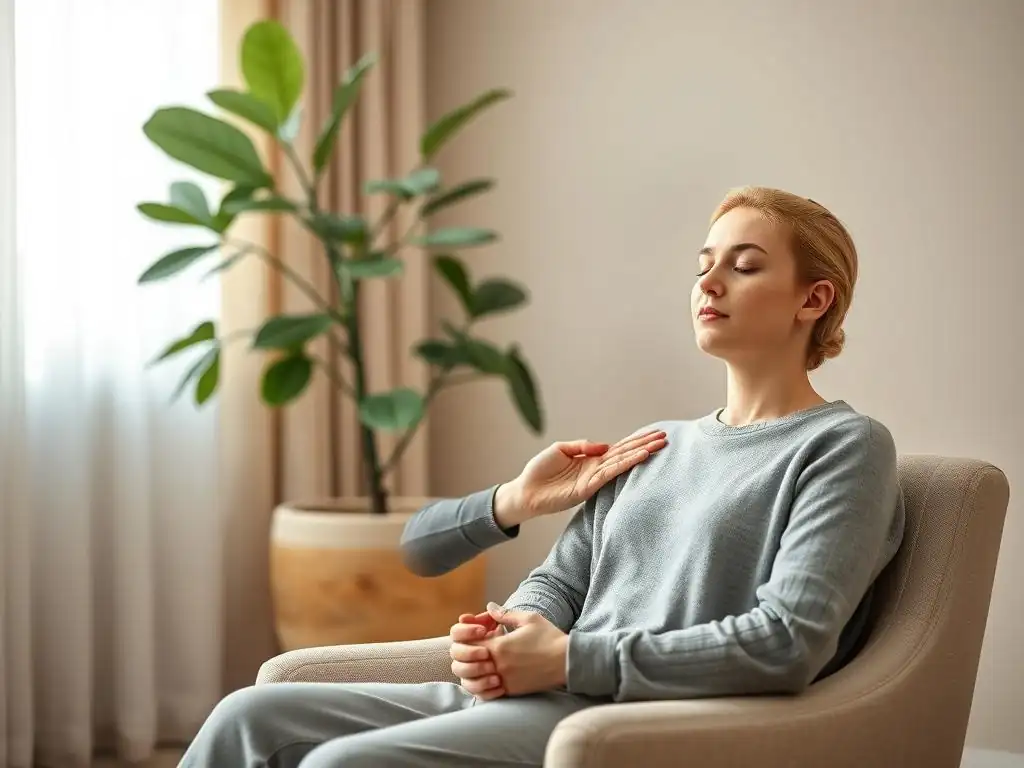
- Nurture: Offer kindness and compassion to yourself, recognizing the suffering the emotion is causing. This might involve a comforting self-talk phrase ("May I be kind to myself"), placing a hand over your heart, or visualizing a soothing image.
RAIN provides a structured way to meet intense anxiety with presence and compassion, rather than falling into typical reactive patterns like avoidance or self-criticism. By practicing RAIN, individuals learn to navigate challenging emotional states with greater skill and self-compassion, reducing the secondary suffering that often accompanies anxiety. It transforms the relationship with anxiety from one of fear and avoidance to one of mindful, compassionate engagement.
Integrating Mindfulness into Your Daily Life for Enhanced Anxiety Management
Creating a Mindfulness Routine: Simple Practices for Everyday Use
Successfully managing anxiety often involves integrating mindfulness beyond formal meditation sessions into the fabric of daily life. Creating a regular mindfulness routine doesn't require hours of dedicated practice; even short, consistent moments can be impactful. This could involve starting the day with five minutes of mindful breathing, mindfully eating breakfast by paying attention to the taste and texture of food, or taking a mindful walk during a lunch break, noticing the sights, sounds, and sensations around you.
The key is consistency and finding practices that fit naturally into one's schedule. Setting an intention at the beginning of the day to bring mindfulness to specific activities, like washing dishes or commuting, can help. Using prompts like phone reminders or sticky notes can also serve as gentle nudges to pause and be present. By weaving these simple practices throughout the day, individuals strengthen their capacity for present moment awareness, making it a more readily available tool when anxiety arises unexpectedly.
Using Mindfulness to Cope with Difficult Emotions and Triggers
Mindfulness provides practical strategies for coping with difficult emotions and triggers as they happen in real-time. When faced with a situation that typically triggers anxiety, such as a challenging conversation or a crowded place, mindfulness can help regulate the immediate response. Techniques like the "3-Minute Breathing Space" – a brief practice involving checking in with the present moment, focusing on the breath, and expanding awareness to the body – can be used discreetly to ground oneself and create distance from escalating anxious feelings.
Furthermore, mindfulness helps in responding to difficult emotions with greater skill. Instead of being overwhelmed by a wave of fear, an individual can mindfully observe the physical sensations and thoughts associated with that fear without judgment. This allows for a more deliberate choice in how to respond, rather than acting automatically out of panic or avoidance. For instance, someone with panic disorder might use mindful breathing during the onset of symptoms to prevent escalation, while someone with social anxiety might use present moment awareness to stay engaged in a conversation despite feeling nervous.
Mindful Communication: Improving Relationships Through Present Listening
Anxiety can significantly impact relationships, often leading to misunderstandings, withdrawal, or conflict. Mindful communication, which involves bringing present moment awareness to interactions, can help improve these dynamics. This includes mindful listening, where one pays full attention to the speaker without formulating a response or getting distracted by internal anxious thoughts or judgments. It also involves mindful speaking, where one communicates with awareness of their own intentions and the impact of their words.
Practicing mindful communication can reduce anxiety in social situations by shifting focus from self-conscious worries to genuine connection with the other person. For example, instead of being preoccupied with thoughts like "Do they like me?" or "Am I saying the right thing? ", mindful listening involves truly hearing what the other person is saying. This not only improves clarity and understanding but also fosters empathy and strengthens bonds, which can be a significant source of support for managing anxiety. It moves the focus from internal fear to external engagement.
Cultivating Self-Compassion: Treating Yourself with Kindness
Self-compassion, a key component of mindfulness practice, involves treating oneself with the same kindness, understanding, and acceptance that one would offer to a dear friend who is suffering. For individuals with anxiety, who often experience high levels of self-criticism and judgment about their anxious feelings or perceived shortcomings, cultivating self-compassion is vital. It involves recognizing that suffering, including anxiety, is part of the shared human experience and responding to one's own pain with warmth and care.
Practices like self-compassion meditation or using kind self-talk phrases ("This is difficult," "May I be kind to myself," "You are not alone") can counter the harsh inner critic that often accompanies anxiety. Research shows that higher levels of self-compassion are associated with lower levels of anxiety and depression. By approaching their anxiety with kindness rather than judgment, individuals reduce the layer of suffering caused by self-criticism, making the underlying anxiety more manageable and fostering a sense of inner safety and worthiness.
Mindfulness-Based Cognitive Therapy (MBCT) for Anxiety Disorders
Understanding the Principles of MBCT
Mindfulness-Based Cognitive Therapy (MBCT) is an evidence-based therapeutic approach that integrates principles of mindfulness meditation with elements of cognitive behavioral therapy (CBT). Developed primarily for preventing relapse in depression, it has also shown significant efficacy in treating anxiety disorders. The core principle of MBCT is to help individuals become more aware of their thoughts, feelings, and bodily sensations without automatically reacting to them, particularly in relation to negative or anxious thought patterns.
Unlike traditional CBT, which often focuses on challenging and changing the content of negative thoughts, MBCT emphasizes changing the relationship to these thoughts. It teaches individuals to recognize anxious thoughts as mental events rather than accurate reflections of reality. Through mindfulness practices, participants learn to observe thoughts arising and passing without getting caught up in them, thus breaking the cycle of rumination and worry characteristic of anxiety disorders.
How MBCT Combines Mindfulness with Cognitive Therapy
MBCT combines structured mindfulness practices (like body scan, sitting meditation, and mindful movement) with cognitive therapy techniques. Participants engage in guided meditations and group discussions to explore their experiences. A key cognitive element involves psychoeducation about how the mind works, particularly the tendency to get stuck in habitual patterns of thinking and feeling, especially when experiencing low mood or anxiety.
Participants learn to identify "modes of mind," such as the "doing mode" (focused on problem-solving and achieving goals, which can fuel anxiety when applied to internal states) versus the "being mode" (focused on experiencing the present moment with acceptance). They learn how negative thought patterns can be reactivated, particularly when feeling anxious or stressed, and use mindfulness to step back from these patterns.
For instance, a cognitive exercise might involve identifying common anxious thought patterns, while a mindfulness practice teaches how to observe these thoughts without believing or acting on them. This synergy helps individuals develop both awareness of their cognitive habits and the capacity to disengage from unhelpful ones.
MBCT Techniques for Preventing Relapse in Anxiety Disorders
MBCT equips individuals with skills to recognize early signs of relapse in anxiety disorders and respond effectively. By cultivating heightened self-awareness through mindfulness, individuals become more sensitive to subtle shifts in mood, energy levels, or thought patterns that may indicate a return of more severe anxiety symptoms. This early recognition allows for proactive use of coping strategies.
Specific techniques taught in MBCT for relapse prevention include developing a "relapse prevention plan" based on mindfulness principles. This plan involves identifying personal triggers and warning signs and outlining specific mindfulness practices or actions to take when these signs appear. For example, if increased irritability and difficulty sleeping are warning signs, the plan might include committing to a daily body scan meditation or a mindful walk. The emphasis is on responding to difficulties with awareness and skill, rather than falling back into old, unhelpful patterns of avoidance or rumination that could lead to a full relapse.
Other Types of Therapy that Integrates Mindfulness for Anxiety Management
Dialectical Behavior Therapy (DBT) and Mindfulness
Dialectical Behavior Therapy (DBT), originally developed for individuals with Borderline Personality Disorder, is another therapeutic approach that heavily integrates mindfulness, and it has proven effective for treating various mental health conditions, including anxiety disorders, particularly when they co-occur with difficulties in emotional regulation. Mindfulness is considered one of the core pillars of DBT, alongside distress tolerance, emotion regulation, and interpersonal effectiveness.
In DBT, mindfulness skills are taught to help individuals increase awareness of their internal experiences (thoughts, feelings, sensations) and external environment in a non-judgmental way. This "Wise Mind" concept in DBT encourages integrating the emotional mind and the rational mind through mindfulness.
Participants learn specific mindfulness techniques as part of their weekly skills training, such as "Observe," "Describe," and "Participate," which help them stay present and engaged with their lives rather than being overwhelmed by intense emotions or anxious thoughts. These skills are fundamental for building the capacity to use the other DBT modules effectively and manage anxiety more skillfully.
Acceptance and Commitment Therapy (ACT) and Mindfulness
Acceptance and Commitment Therapy (ACT) is a form of behavioral therapy that utilizes mindfulness and acceptance processes alongside commitment and behavior-change strategies. Mindfulness is a central component of ACT's approach to psychological flexibility, which is the ability to be present with what life brings while moving towards valued directions. ACT posits that trying to control or eliminate unwanted internal experiences, like anxiety, often makes them worse.
Instead, ACT uses mindfulness to help individuals practice "acceptance" – willingly experiencing difficult thoughts and feelings without trying to change them. Techniques like cognitive defusion (learning to see thoughts as just thoughts, not literal truths) and mindful presence are taught to help individuals step back from anxious rumination and engage more fully in the present moment. ACT also emphasizes identifying personal values and committing to actions aligned with those values, even in the presence of anxiety, thus preventing anxiety from dictating behavior and limiting life experiences.
Trauma-Sensitive Mindfulness
For individuals whose anxiety stems from or is intertwined with traumatic experiences, a trauma-sensitive approach to mindfulness is crucial. Traditional mindfulness practices, particularly those involving prolonged stillness or focus on bodily sensations, can sometimes be triggering for trauma survivors, potentially leading to dissociation or re-experiencing traumatic memories. Trauma-sensitive mindfulness adapts these practices to ensure safety and empowerment.
This approach prioritizes creating a sense of safety within the practice, allowing individuals control over how they engage (e.g., eyes open, gentle movement, focusing on external anchors if internal sensations are overwhelming). It emphasizes choice and the ability to opt out of any practice that feels unsafe.
Therapists trained in trauma-sensitive mindfulness understand the impact of trauma on the nervous system and guide individuals gently in reconnecting with their bodies and present experience in a way that promotes healing rather than re-traumatization. This specialized approach ensures that mindfulness for anxiety management is accessible and beneficial for those with trauma histories.
Potential Challenges and Considerations When Practicing Mindfulness for Anxiety
Addressing Common Obstacles to Mindfulness Practice
While mindfulness offers significant benefits for anxiety management, practitioners may encounter common obstacles. One frequent challenge is the "wandering mind," where the mind constantly gets lost in thoughts, particularly anxious ones. This is a normal function of the mind, not a failure of practice. The key is gentle persistence – noticing the mind has wandered and kindly guiding it back to the anchor (like the breath) without self-criticism. Many beginners feel frustrated by this, believing they are "doing it wrong," but this is part of the training.
Another obstacle can be the initial discomfort that arises when sitting with difficult emotions or bodily sensations that were previously avoided. Mindfulness involves turning towards these experiences rather than away from them, which can feel counterintuitive and even intensify anxiety in the short term. This is where guidance from a therapist is invaluable, helping individuals navigate these difficult moments and understand that this discomfort is a temporary part of the process of building tolerance and resilience. External distractions, lack of time, and difficulty establishing a routine are also common hurdles that require patience and creative problem-solving.
The Importance of Guidance from a Qualified Therapist
Practicing mindfulness for anxiety, especially for moderate to severe anxiety disorders, is often most effective and safest when undertaken with the guidance of a qualified therapist trained in mindfulness-based interventions. While self-guided mindfulness through apps or books can be beneficial for mild stress or general well-being, working with a therapist provides personalized support and expertise. A therapist can tailor practices to the individual's specific needs and anxiety presentation, address any difficulties or resistance that arise, and help navigate intense emotions or experiences that might emerge during practice.
A therapist also provides a safe and supportive environment to explore the underlying patterns contributing to anxiety. They can integrate mindfulness with other therapeutic modalities, like CBT or ACT, for a comprehensive approach. Furthermore, a therapist can help distinguish between typical challenges in practice and potential issues, such as if mindfulness is inadvertently increasing distress or triggering past trauma, and adjust the approach accordingly. The therapeutic relationship itself can be a source of grounding and support.
Recognizing When Mindfulness May Not Be the Best Approach
Although widely beneficial, mindfulness may not be the sole or primary treatment approach for every individual struggling with anxiety, and in some specific circumstances, it might even be contraindicated or require significant modification. For individuals experiencing acute psychosis, severe dissociation, or active trauma flashbacks, certain mindfulness practices, particularly those focusing intensely on internal sensations or emotions, could potentially exacerbate symptoms.
It's crucial to recognize that mindfulness is a tool within a larger therapeutic framework, not a standalone cure. For some, initial steps might need to focus on stabilization and safety before introducing mindfulness. Additionally, mindfulness should complement, not replace, other necessary interventions, such as medication, if prescribed by a medical professional. Open communication with a healthcare provider or therapist is essential to determine if mindfulness is appropriate, how it should be implemented, and if it needs to be adapted to individual circumstances, ensuring that the approach supports overall well-being and recovery goals.
Finding a Mindfulness-Based Therapist for Anxiety Disorders
How to Search for Qualified Therapists
Finding a qualified therapist specializing in mindfulness-based approaches for anxiety disorders requires a targeted search. Start by looking for licensed mental health professionals such as psychologists, licensed clinical social workers (LCSWs), licensed professional counselors (LPCs), or psychiatrists. Specify your search to include therapists trained in modalities like MBCT, DBT, ACT, or MBSR (Mindfulness-Based Stress Reduction), as these programs heavily incorporate mindfulness. Professional directories from psychological associations or national mental health organizations often allow filtering by specialization or therapeutic approach.
Consider searching for therapists who are certified or have advanced training in specific mindfulness-based therapies. For instance, the Center for Mindfulness at UMass Medical School or the UCSD Center for Mindfulness offer lists of certified MBSR or MBCT teachers, although not all are licensed therapists. Look for therapists who explicitly mention "mindfulness," "mindfulness-based therapy," "anxiety management," or specific modalities like "ACT for anxiety" on their websites or profiles. Don't hesitate to broaden your search geographically if teletherapy is an option, as this expands access to specialists.
Questions to Ask Potential Therapists About Their Approach
When contacting potential therapists, asking specific questions about their experience and approach is vital to ensure a good fit, particularly regarding mindfulness for anxiety management. Inquire about their training in mindfulness-based therapies: "What is your training and experience in using mindfulness with clients who have anxiety?" Ask about the specific modalities they use: "Do you primarily use MBCT, ACT, DBT, or another mindfulness-integrated approach?"
It's also helpful to understand how they integrate mindfulness into sessions and homework: "How would mindfulness practices be incorporated into our therapy sessions?" and "What kind of home practice would you recommend?" Given the potential challenges, ask about their experience addressing difficulties that may arise: "How do you help clients navigate resistance or uncomfortable experiences that might come up during mindfulness practice?"
Finally, ask about their philosophy on anxiety and recovery: "How do you see mindfulness helping specifically with the kinds of anxiety I experience?" These questions will provide insight into their expertise and whether their approach aligns with your needs.
Resources for Finding Mindfulness-Based Therapy
Several resources can assist in finding mindfulness-based therapy for anxiety disorders. Online therapist directories like Psychology Today, GoodTherapy, or Zocdoc allow users to filter by location, insurance, and therapeutic approach, including mindfulness or specific modalities like MBCT, DBT, or ACT. Many national mental health organizations, such as the Anxiety & Depression Association of America (ADAA) or the National Alliance on Mental Illness (NAMI), offer resources or therapist locators on their websites.
Specific organizations dedicated to mindfulness training may also list practitioners. For example, the Association for Contextual Behavioral Science (ACBS) has a directory for finding ACT therapists, many of whom integrate mindfulness. Similarly, networks related to DBT or MBCT might offer practitioner lists. Checking with local mental health clinics or university psychology departments can also yield referrals. Remember to verify the therapist's credentials and licensure before beginning therapy.
Conclusion: Embracing Mindfulness for Improved Anxiety Management and Well-being
The Long-Term Benefits of Incorporating Mindfulness into Your Life
Incorporating mindfulness into daily life offers profound and lasting benefits for managing anxiety and enhancing overall well-being. Over the long term, regular mindfulness practice helps to fundamentally shift one's relationship with anxious thoughts and feelings, moving from a place of struggle and reactivity to one of greater acceptance and skillful response. It builds psychological resilience, enabling individuals to navigate life's inevitable challenges with more ease and less distress. This isn't about eliminating anxiety, but about reducing its intensity, frequency, and debilitating impact.
Beyond symptom reduction, mindfulness cultivates qualities like self-compassion, patience, and gratitude, enriching one's inner life. It improves focus, enhances emotional regulation, and strengthens the capacity for presence in relationships and daily activities. Individuals often report feeling more grounded, less overwhelmed, and more connected to themselves and the world around them. Longitudinal studies have shown that individuals who maintain a mindfulness practice over time experience sustained reductions in anxiety symptoms and improvements in quality of life, highlighting its power as a sustainable strategy for mental wellness.
Taking the Next Steps Towards a More Mindful and Balanced You
Taking the next steps towards integrating mindfulness for improved anxiety management involves conscious effort and commitment. If you are experiencing significant anxiety, seeking guidance from a qualified therapist trained in mindfulness-based approaches is highly recommended. They can provide personalized support and structure. For those with milder anxiety or as a complement to therapy, start small: commit to a few minutes of mindful breathing or a short body scan meditation daily. Explore guided practices through reputable apps or online resources.
Experiment with different techniques – walking meditation, mindful eating, or the RAIN technique – to find what resonates most with you. Be patient and compassionate with yourself; the mind will wander, and there will be days when practice feels difficult. This is part of the process. Celebrate small successes and acknowledge the effort you are making. By consistently choosing presence and non-judgmental awareness, you are actively cultivating a more balanced, resilient, and peaceful relationship with yourself and your experience of anxiety, paving the way for enhanced well-being.
Frequently Asked Questions
What is mindfulness, and how does it relate to mood management?
Mindfulness is the practice of paying attention to the present moment without judgment. It helps with mood management by allowing you to observe your emotions without getting carried away by them, fostering a sense of emotional detachment.
How can mindfulness practices be integrated into therapy?
Therapists can guide clients through various mindfulness exercises like meditation, body scans, and mindful breathing. These practices help clients become more aware of their internal experiences and develop coping mechanisms for difficult emotions.
What are some specific mindfulness techniques that are helpful for managing mood?
Specific techniques include mindful breathing exercises to calm the nervous system, body scan meditations to increase body awareness, and loving-kindness meditations to cultivate self-compassion and reduce negative self-talk. All help to regulate emotions.
Is mindfulness a quick fix for mood disorders, or does it require consistent practice?
Mindfulness is not a quick fix. It requires consistent practice to develop the necessary skills for emotional regulation and mood management. Think of it as a long-term strategy, not a short-term cure.
Are there any potential downsides or limitations to using mindfulness for mood management?
While generally safe, mindfulness may not be suitable for everyone, especially without proper guidance. Some individuals might experience increased anxiety or discomfort initially. It's crucial to consult with a mental health professional to determine if mindfulness is right for you.
Final Reflection: Cultivating Presence, Transforming Moods
The pervasive nature of mental health challenges in our fast-paced world underscores the urgent need for accessible and effective coping mechanisms. Mindfulness, far from being a fleeting trend, offers a powerful antidote to the emotional turmoil that so many experience. Its ability to anchor us in the present moment, disengaging from the rumination and anxiety that often fuel mood disorders, is a crucial skill for navigating the complexities of modern life.
The integration of mindfulness practices into therapeutic settings represents a significant shift in how we approach mental wellbeing. It's a testament to the growing recognition that our internal experience—our thoughts, feelings, and sensations—is not something to be feared or suppressed, but rather, to be observed with compassionate awareness. The journey of a thousand miles begins with a single step.
This ancient proverb perfectly encapsulates the essence of mindfulness; consistent, even small, practices can lead to profound shifts in our emotional landscape, fostering resilience and self-compassion.
You now hold the key to unlocking a deeper understanding of your own emotional world. Consider incorporating even a few minutes of mindful practice into your daily routine—a mindful walk, deep breathing exercises, or simply paying attention to the sensations in your body. Don't underestimate the power of presence; it's the foundation upon which a more balanced and fulfilling life is built. Begin your journey today, and witness the transformative power of mindfulness in managing your moods.
Unlock Your Inner Calm: Take the Next Step
Thanks for exploring the power of mindfulness in therapy! We hope you gained valuable insights into how being present with your moods can improve your well-being. Now, it's time to put these ideas into practice. Here's how you can continue your journey:
- Prioritize a daily mindfulness practice: Even 5 minutes of focused breathing can make a significant difference. Start small and build from there. Try focusing on your breath, body sensations, or sounds around you.
- Share your experiences: Connect with others on your mindfulness journey. What challenges or successes have you encountered? Sharing can create a powerful support network.
- Explore different mindfulness techniques: Consider experimenting with guided meditations, mindful movement, or journaling to see what resonates best with you. There’s a wealth of resources available to support your personal growth.
What simple mindfulness technique are you most excited to try today?