
Why We Fear Snakes: Understanding Ophidiophobia


Welcome to Mind Care Guide, a safe space to navigate the complexities of mental well-being.
Ever felt that unsettling chill, that rush of panic, at just the thought of a snake? You're not alone. Many grapple with ophidiophobia, an intense fear of snakes. But understanding the root of this fear is the first step towards conquering it. This article delves into phobia treatment strategies for snakes, offering insights and practical techniques to help you reclaim your peace of mind. Are you ready to unravel the mystery behind ophidiophobia and discover pathways to a calmer, braver you? Let's begin...
-
Phobia Treatment Strategies for Snakes: Effective Approaches to Overcoming Ophidiophobia
- Exposure Therapy for Snake Phobia: Gradually Facing Your Fear
- Cognitive Behavioral Therapy (CBT) for Ophidiophobia: Changing Negative Thought Patterns
- Relaxation Techniques for Anxiety Management: Complementary Strategies for Ophidiophobia
- Medication for Anxiety: When is it Necessary for Snake Phobia?
- Frequently Asked Questions
- Final Reflection: Confronting Our Inner Serpents
- Unlock Your Understanding: Conquer Your Fear of Snakes
Phobia Treatment Strategies for Snakes: Effective Approaches to Overcoming Ophidiophobia
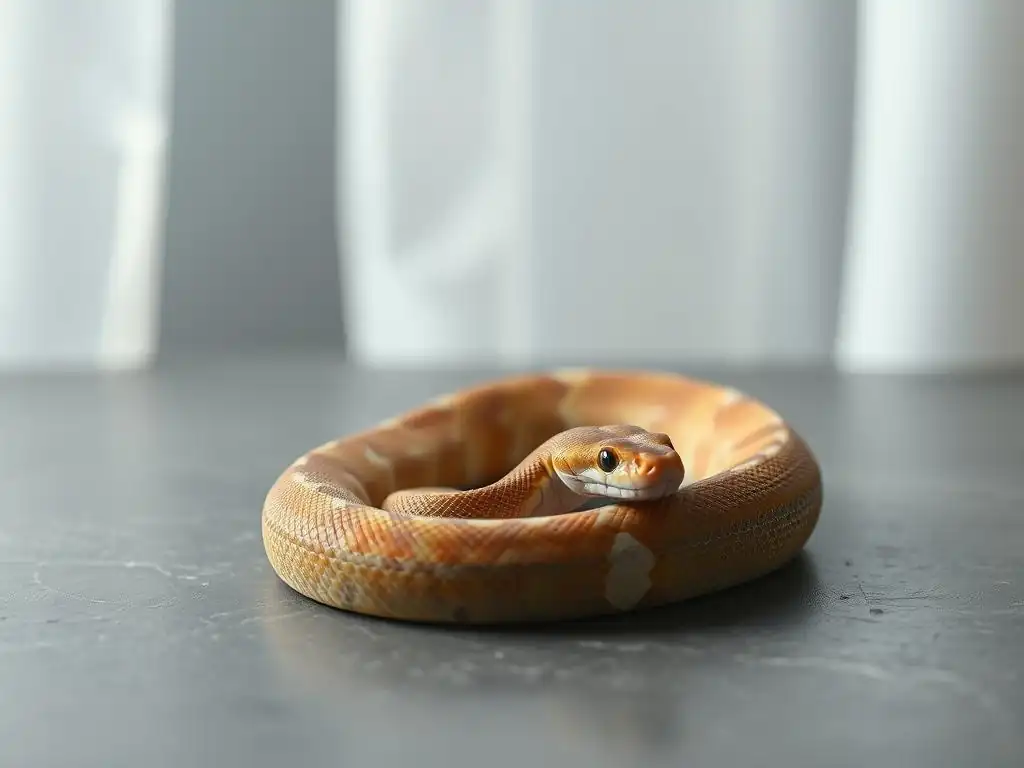
Overcoming ophidiophobia, the intense fear of snakes, is a journey that requires patience, courage, and the right guidance. Fortunately, there are well-established and effective phobia treatment strategies for snakes that have helped countless individuals reclaim their lives from the grip of this debilitating fear. These therapeutic approaches aim to address the core issues underlying the phobia, whether they stem from learned associations, evolutionary predispositions, or a combination of factors.
Embarking on treatment is a significant step towards managing and ultimately reducing the overwhelming anxiety associated with snakes. The phobia treatment strategies for snakes discussed below are often employed by mental health professionals and are supported by clinical research. They offer a structured path forward, empowering individuals to confront their fear in a safe and controlled environment, ultimately leading to a significant reduction in phobic responses and an improvement in overall well-being.
Exposure Therapy for Snake Phobia: Gradually Facing Your Fear
Exposure therapy is widely considered one of the most effective phobia treatment strategies for snakes. It operates on the principle that by gradually and systematically exposing an individual to the feared object or situation in a controlled environment, the anxiety response will diminish over time through a process called habituation. This is not about forcing someone into a terrifying situation, but rather a carefully planned, step-by-step process tailored to the individual's specific level of fear.
A typical exposure therapy program for ophidiophobia might begin with simply looking at pictures of snakes, then perhaps watching videos, progressing to being in the same room as a snake in a secure enclosure, and eventually, for some, even safely interacting with a non-venomous snake under professional supervision. The key is the gradual nature of the exposure, allowing the individual to experience the feared stimulus without the predicted negative consequences, thereby breaking the cycle of fear and avoidance that characterizes the phobia.
Studies have shown significant success rates, with many individuals reporting a dramatic reduction in phobic symptoms after completing a course of exposure therapy.
Understanding the Process of Exposure Therapy
Exposure therapy involves creating a "fear hierarchy," a list of situations related to snakes, ordered from least anxiety-provoking to most anxiety-provoking. The therapist guides the individual through this hierarchy, starting with the least feared item. The individual stays with the feared stimulus until their anxiety naturally decreases. This process is repeated multiple times before moving to the next level on the hierarchy. The goal is to learn that the feared outcome does not occur and that the anxiety response is temporary and manageable.
Types of Exposure Therapy: In Vivo, Imaginal, and Virtual Reality
- In Vivo Exposure: Directly confronting the feared object or situation in real life. For snake phobia, this would involve actual interaction with snakes, always in a safe and controlled environment with a trained professional.
- Imaginal Exposure: Vividly imagining the feared object or situation. This can be helpful when in vivo exposure is not immediately possible or as a preparatory step. The individual visualizes scenarios involving snakes, working through the associated anxiety.
- Virtual Reality (VR) Exposure: Using VR technology to simulate encounters with snakes. VR offers a highly controlled and customizable environment, allowing therapists to create realistic scenarios that might be difficult or impractical to replicate in real life. Research suggests VR exposure therapy can be as effective as in vivo exposure for specific phobias like ophidiophobia.
The Importance of Gradual Exposure to Snakes
The gradual nature of exposure is crucial. Starting with overwhelming exposure can be counterproductive and potentially traumatizing. By progressing slowly up the fear hierarchy, individuals build confidence and coping skills at each step. This methodical approach ensures that the individual feels supported and in control throughout the process, making it more likely that they will complete the therapy and achieve lasting results. It teaches the brain that these encounters are safe when managed appropriately.
Cognitive Behavioral Therapy (CBT) for Ophidiophobia: Changing Negative Thought Patterns
Cognitive Behavioral Therapy (CBT) is another cornerstone among effective phobia treatment strategies for snakes. While exposure therapy focuses on behavioral change by confronting the fear, CBT targets the cognitive component – the irrational thoughts and beliefs that fuel the phobia. Individuals with ophidiophobia often hold highly distorted or catastrophic thoughts about snakes, such as believing all snakes are deadly, that an encounter will inevitably lead to a bite, or that they are incapable of handling any situation involving a snake.
CBT helps individuals identify these negative, automatic thoughts and challenge their validity. By examining the evidence for and against these beliefs, and learning to replace them with more realistic and balanced perspectives, individuals can significantly reduce their anxiety response. A therapist might help someone analyze the actual statistics on snake bites, learn about the specific types of snakes in their region, and understand that most encounters are harmless if appropriate caution is exercised. This cognitive restructuring, combined with behavioral techniques, empowers individuals to change their relationship with their fear.
Identifying and Challenging Distorted Thoughts about Snakes
The first step in CBT is becoming aware of the specific thoughts that arise when thinking about or encountering snakes. These might include thoughts like "I'm going to die," "It's going to attack me," or "I can't handle this." The therapist then guides the individual in questioning the evidence for these thoughts. For instance, is it true that all snakes are aggressive? What is the likelihood of encountering a venomous snake in a typical setting? What are the actual risks? By critically evaluating these thoughts, individuals learn to see them as exaggerated or untrue.
Developing Coping Mechanisms for Anxiety
CBT also equips individuals with practical coping mechanisms to manage the physical and psychological symptoms of anxiety that arise during or in anticipation of encountering snakes. These might include relaxation techniques (discussed below), grounding exercises to stay present, or thought-stopping techniques. Learning these skills provides a sense of agency and control, reducing the feeling of helplessness often associated with phobias.
Combining CBT with Exposure Therapy
Often, the most effective phobia treatment strategies for snakes involve a combination of CBT and exposure therapy. CBT helps prepare the individual by addressing the underlying thought patterns and building coping skills, making the exposure process more manageable. Conversely, exposure provides real-world evidence that challenges the distorted thoughts identified in CBT. This integrated approach tackles both the behavioral avoidance and the cognitive distortions, offering a comprehensive pathway to recovery.
Relaxation Techniques for Anxiety Management: Complementary Strategies for Ophidiophobia
While therapy directly addresses the phobia, relaxation techniques serve as valuable complementary phobia treatment strategies for snakes. Learning to manage the physical and emotional symptoms of anxiety can make the therapeutic process smoother and provide individuals with tools they can use independently to cope with fear in everyday situations. These techniques help activate the body's natural relaxation response, counteracting the 'fight or flight' response triggered by ophidiophobia.
Incorporating relaxation practices into a daily routine, even when not directly confronting the fear, can build resilience and reduce overall anxiety levels. When faced with a situation that triggers fear related to snakes, having practiced these techniques makes it easier to employ them effectively to calm the nervous system. They are not a standalone cure but an essential part of a holistic approach to managing the distress associated with ophidiophobia.
Deep Breathing Exercises: Calming the Body and Mind
Simple deep breathing is a powerful tool for managing acute anxiety. When fearful, breathing becomes shallow and rapid. Deep, slow breaths signal to the nervous system that there is no immediate danger. Techniques like diaphragmatic breathing (breathing into the belly) can be practiced anywhere, providing an immediate way to lower heart rate and reduce physical tension. For example, the 4-7-8 technique (inhale for 4, hold for 7, exhale for 8) is often recommended for its calming effect.
Progressive Muscle Relaxation: Reducing Physical Tension
Anxiety often manifests as physical tension in the muscles. Progressive Muscle Relaxation (PMR) involves tensing and then releasing different muscle groups in the body, systematically reducing overall physical tension. By consciously relaxing muscles, individuals can learn to recognize and release the physical symptoms of anxiety, which can in turn help to alleviate the psychological distress.
Mindfulness Meditation: Focusing on the Present Moment
Mindfulness involves paying attention to the present moment without judgment. For someone with ophidiophobia, this means observing thoughts and feelings about snakes without getting carried away by them. Mindfulness meditation can help individuals develop a greater tolerance for uncomfortable feelings and learn that thoughts are just thoughts, not necessarily reality. Regular practice can reduce reactivity to fear triggers and increase overall emotional regulation.
Medication for Anxiety: When is it Necessary for Snake Phobia?
For some individuals, the anxiety associated with ophidiophobia is so severe that it significantly impairs their ability to function or even engage in therapy. In such cases, medication may be considered as part of the phobia treatment strategies for snakes. It's important to understand that medication typically manages the symptoms of anxiety rather than curing the phobia itself. It is often used in conjunction with therapy to make the therapeutic process more accessible and effective.
The decision to use medication should always be made in consultation with a qualified medical professional, such as a psychiatrist. They can assess the severity of the phobia, consider any co-occurring conditions (like generalized anxiety or depression), and determine if medication is appropriate. Medication is usually a temporary measure, helping to reduce anxiety levels enough for the individual to fully participate in and benefit from exposure therapy and CBT.
Anti-Anxiety Medications: Benefits and Risks
Several classes of medication can be used to treat anxiety. Benzodiazepines, like alprazolam (Xanax) or lorazepam (Ativan), can provide rapid relief from acute anxiety symptoms but carry risks of dependence and withdrawal, making them generally unsuitable for long-term use. Antidepressants, particularly Selective Serotonin Reuptake Inhibitors (SSRIs) like sertraline (Zoloft) or escitalopram (Lexapro), are often prescribed for longer-term management of anxiety disorders, including phobias. They work by affecting neurotransmitters in the brain and typically take several weeks to become fully effective.
The Role of Medication in Conjunction with Therapy
Medication is most effective for phobias when used as an adjunct to psychotherapy. For instance, a low dose of an anti-anxiety medication might be prescribed to help an individual manage the intense distress experienced during the initial stages of exposure therapy, allowing them to remain in the feared situation long enough for habituation to occur. It helps facilitate the therapy rather than replace it. The goal is often to eventually taper off the medication as the individual develops more effective coping strategies through therapy.
Consulting with a Psychiatrist: Determining the Right Course of Action
Deciding whether to use medication for ophidiophobia is a complex process that requires careful consideration of potential benefits, risks, and side effects. A psychiatrist will conduct a thorough evaluation, discuss the individual's specific symptoms and medical history, and explain the different medication options available. They will also monitor the individual closely throughout treatment to ensure the medication is effective and manage any side effects. This collaborative approach between the individual, therapist, and psychiatrist is crucial for developing the most effective and safest phobia treatment strategies for snakes.
Frequently Asked Questions
What is ophidiophobia and how common is it?
Ophidiophobia is an intense and irrational fear of snakes. It's a relatively common phobia, affecting a significant portion of the population, and is often linked to evolutionary predispositions and learned behaviors.
What are some common symptoms of ophidiophobia?
Symptoms can range from mild anxiety when thinking about snakes to panic attacks upon seeing one. Physical symptoms might include a racing heart, sweating, and shortness of breath.
What are some effective phobia treatment strategies for snakes?
Exposure therapy is a common and effective treatment, gradually exposing individuals to snakes in a controlled environment. Cognitive Behavioral Therapy (CBT) can also help challenge and change negative thought patterns associated with snakes.
Are there any self-help techniques that can alleviate the fear of snakes?
Practicing relaxation techniques like deep breathing and meditation can help manage anxiety. Gradually exposing yourself to snake-related images or videos in a safe space can also be a helpful self-help strategy.
When should someone with ophidiophobia seek professional help?
If the phobia significantly impacts your daily life, causing avoidance behaviors or extreme distress, seeking professional help from a therapist or mental health professional is recommended. They can provide tailored phobia treatment strategies.
Final Reflection: Confronting Our Inner Serpents
The primal fear of snakes, ophidiophobia, remains a potent force in our modern world, impacting millions and highlighting the enduring power of evolutionary psychology. While we may live in cities far removed from the immediate threat of venomous bites, the deep-seated anxiety triggered by these creatures persists, underscoring the need for effective and compassionate phobia treatment strategies. This fear, far from being a mere quirk, significantly impacts quality of life, limiting experiences and fostering unnecessary distress.
Understanding the evolutionary roots of ophidiophobia, as explored in this article, allows us to approach treatment with greater empathy and effectiveness. The fear is not simply irrational; it's a deeply ingrained response shaped by millennia of human interaction (or lack thereof) with potentially dangerous animals. Fear is a natural response to danger, but phobias are amplified fears that can become debilitating.
This quote highlights the crucial distinction between a healthy fear response and a crippling phobia, emphasizing the importance of targeted interventions. The cultural narratives surrounding snakes, from mythology to modern media, further complicate this innate fear, shaping its expression and perpetuating its influence.
Now, consider your own relationship with snakes. Do you harbor a fear, perhaps stemming from a childhood experience or cultural conditioning? This article has hopefully provided you with a deeper understanding of the origins and nature of ophidiophobia. Take this knowledge as a starting point. Explore the resources mentioned, consider seeking professional help if needed, and remember that confronting your fears, even gradually, can lead to a more fulfilling and liberated life. You are not alone in this, and with the right approach, you can reclaim your peace of mind and overcome the limitations imposed by this ancient fear.
Unlock Your Understanding: Conquer Your Fear of Snakes
Thanks for taking the time to explore the fascinating world of ophidiophobia with us! We hope you gained valuable insights into the origins and potential pathways to overcoming this fear. Now, let's take the next steps towards a more confident you.
- Identify your triggers: Take a moment to reflect on specific situations or images that intensify your fear. This self-awareness is the first crucial step towards managing your anxiety.
- Explore relaxation techniques: Try a guided meditation or deep breathing exercise to help calm your nervous system and reduce anxiety responses when encountering snake-related stimuli.
- Share your journey: Connect with others online or in support groups—sharing your experience can be incredibly empowering and validating.
Ready to start your journey toward a more peaceful relationship with snakes? What's the first small step you'll take today?