
Your Brain's Trainer: How CBT Builds Mental Strength Against Anxiety


Welcome to Mind Care Guide, a space dedicated to nurturing your mental well-being.
Feeling overwhelmed by anxiety? You're not alone. Many struggle to find effective coping mechanisms. In this article, we delve into CBT for anxiety relief, exploring how this powerful therapeutic approach can help you regain control and build lasting mental strength. Discover practical techniques and insights to understand if CBT is the right path for you. Ready to learn how to train your brain for a calmer, more resilient you?
Your Brain's Trainer: How CBT Builds Mental Strength Against Anxiety
- Understanding Anxiety and the Need for Mental Strength
- What is CBT and How Does it Work for Anxiety Relief?
- CBT Techniques for Anxiety: Building Your Mental Toolbox
- The Effectiveness of CBT for Anxiety Relief: Evidence-Based Results
- Practical Applications of CBT for Anxiety in Daily Life
- Finding a Qualified CBT Therapist for Anxiety Treatment
- Long-Term Strategies for Maintaining Anxiety Relief with CBT
- Frequently Asked Questions
- Final Reflection: Cultivating Inner Resilience Through CBT
- Unlock Your Mental Strength: Start Your CBT Journey Today!
Understanding Anxiety and the Need for Mental Strength
The Prevalence of Anxiety Disorders and Their Impact
Anxiety disorders represent a significant global mental health challenge, affecting millions of people across diverse populations. According to estimates from the World Health Organization, anxiety disorders are among the most common mental health conditions worldwide. In the United States alone, approximately 19.1% of adults experienced an anxiety disorder in the past year, impacting their daily lives, work, and relationships. These conditions are not merely about feeling stressed; they involve persistent, excessive worry and fear that can interfere with daily activities and become debilitating.
The impact of unchecked anxiety extends beyond emotional distress. Chronic anxiety can manifest physically through symptoms like fatigue, muscle tension, headaches, and digestive issues. It can also lead to avoidance behaviors, social isolation, and difficulty concentrating, severely limiting a person's potential and quality of life. The economic burden is also substantial, including healthcare costs and lost productivity. Effective strategies for managing these pervasive issues are crucial, and finding CBT for anxiety relief is a key pursuit for many seeking help.
Why Mental Strength is Crucial for Managing Anxiety
Mental strength, in the context of anxiety, refers to the ability to navigate challenging thoughts and emotions without being overwhelmed by them. It involves resilience, adaptability, and the capacity to maintain perspective even when faced with fearful or worrying scenarios. Building this strength is not about eliminating anxiety entirely, but rather about developing the skills to understand, challenge, and modify anxious responses, preventing them from dictating actions and limiting life.
Cultivating mental strength empowers individuals to confront situations they might otherwise avoid, such as public speaking for someone with social anxiety or leaving the house for someone with agoraphobia. It enables them to question the validity of their anxious thoughts instead of accepting them as absolute truths. This internal resilience is fundamental for long-term management and recovery, shifting from a state of being controlled by anxiety to one of proactive coping and regaining control over one's reactions and life choices. Developing mental strength is a core outcome sought through effective CBT for anxiety relief.
Introducing Cognitive Behavioral Therapy (CBT) as a Powerful Tool
Cognitive Behavioral Therapy (CBT) stands out as one of the most extensively researched and evidence-based psychotherapies for treating anxiety disorders. It operates on the principle that our thoughts, feelings, and behaviors are interconnected, and by modifying negative thought patterns and unhelpful behaviors, we can significantly reduce anxiety symptoms. Unlike approaches that solely focus on the past, CBT is present-focused and goal-oriented, equipping individuals with practical tools they can use immediately and throughout their lives.
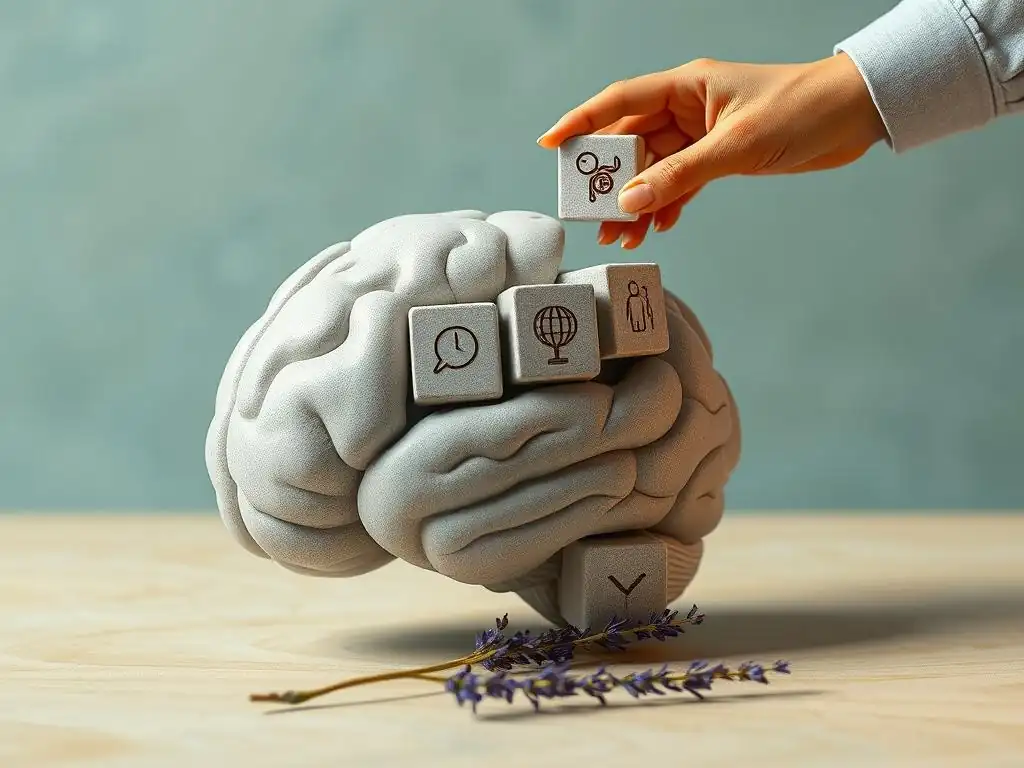
CBT acts like a training program for your brain, teaching you to identify the specific triggers and thought processes that fuel your anxiety. It provides structured techniques to challenge irrational fears and gradually approach feared situations. For instance, someone terrified of spiders might learn to first look at a picture of a spider (a behavior) while practicing relaxation (another behavior) and challenging thoughts like "It's going to jump on me and kill me" (a cognitive technique). This systematic approach makes CBT for anxiety relief a highly effective pathway for building the mental strength needed to overcome fear and worry.
What is CBT and How Does it Work for Anxiety Relief?
Defining Cognitive Behavioral Therapy (CBT)
Cognitive Behavioral Therapy (CBT) is a type of psychotherapy that helps people identify and change destructive or disturbing thought patterns that have a negative influence on behavior and emotions. It is a structured, short-term, problem-focused, and goal-oriented form of psychotherapy. The "cognitive" part refers to thoughts, beliefs, and perceptions, while the "behavioral" part refers to actions and responses. The therapy is based on the idea that psychological problems are based, in part, on faulty or unhelpful ways of thinking and learned patterns of unhelpful behavior.
The primary goal of CBT for anxiety is to help individuals understand the relationship between their thoughts, feelings, and behaviors in the context of their anxiety. By gaining insight into these connections, they can learn to challenge the accuracy of their anxious thoughts and develop more adaptive coping mechanisms. This empowers them to react to anxiety-provoking situations in healthier ways, ultimately reducing the intensity and frequency of their symptoms. Finding effective CBT for anxiety relief involves engaging with these core principles and applying them to one's specific anxieties.
The Core Principles of CBT: Thoughts, Feelings, and Behaviors
The fundamental principle of CBT is the interconnectedness of thoughts, feelings, and behaviors. This model suggests that it's not necessarily the situation itself that causes our anxiety, but rather how we interpret or think about that situation. For example, two people might face the same public speaking opportunity.
One might think, "This is a chance to share my ideas," and feel excited and confident, leading to a strong performance (behavior). The other might think, "I'm going to forget my lines and everyone will laugh," leading to feelings of intense fear and dread, potentially resulting in avoidance or a shaky performance.
CBT posits that by identifying and modifying the negative or irrational thoughts (cognitions), we can change our emotional responses (feelings) and our actions (behaviors). This creates a positive cycle where more helpful thoughts lead to less distressing feelings and more constructive behaviors. A key part of CBT for anxiety relief is learning to pause and examine the thoughts that arise during moments of anxiety, rather than accepting them at face value.
The CBT Model: How Negative Thoughts Fuel Anxiety
The CBT model for anxiety illustrates how a triggering situation leads to automatic negative thoughts, which then generate anxious feelings and unhelpful behaviors, creating a vicious cycle. Consider someone with social anxiety encountering a social gathering. The situation triggers the thought: "I'll say something stupid, and everyone will judge me." This thought immediately sparks feelings of intense anxiety, nervousness, and embarrassment.
These feelings then drive behaviors like avoiding the gathering altogether, staying quiet and withdrawn if they attend, or leaving early. These behaviors provide temporary relief from the anxiety in that moment, but they reinforce the negative thought ("See, I avoided it, proving I can't handle social situations") and prevent the individual from learning that their feared outcome might not happen or that they can cope with it. Breaking this cycle of negative thoughts, anxious feelings, and avoidance behaviors is central to finding CBT for anxiety relief.
CBT Techniques for Anxiety: Building Your Mental Toolbox
Cognitive Restructuring: Challenging Anxious Thoughts
Cognitive restructuring is a cornerstone technique in CBT for anxiety relief. It involves identifying, challenging, and changing unhelpful or inaccurate thinking patterns that contribute to anxiety. This process helps individuals recognize that their anxious thoughts are often distortions of reality, not objective facts. Learning to question these thoughts is like becoming a detective, gathering evidence for and against them.
This technique teaches you to spot common cognitive distortions, such as catastrophizing (assuming the worst-case scenario), black-and-white thinking (seeing things only in extremes), or mind-reading (assuming you know what others are thinking negatively about you). By systematically examining the evidence for and against a thought, you can begin to see its flaws and replace it with a more balanced and realistic perspective. For instance, if you think, "I'm going to fail this presentation," cognitive restructuring helps you look for evidence: Have you prepared?
Have you succeeded at similar tasks before? What's the actual worst-case scenario, and how likely is it?
Identifying Negative Thought Patterns Related to Anxiety
The first step in cognitive restructuring is becoming aware of your automatic negative thoughts (ANTs). These are the rapid, often unquestioned thoughts that pop into your head in anxious situations. They are usually negative, self-critical, and predictive of doom. For example, before a job interview, an ANT might be, "I'm completely unqualified, I'm going to mess this up and look like an idiot." These thoughts often follow predictable patterns or themes specific to a person's anxiety (e.g., themes of danger for panic disorder, themes of contamination for OCD, themes of judgment for social anxiety).
Keeping a thought diary is a common and effective method for identifying these patterns. In this diary, you record the situation, your feelings, the automatic thoughts that occurred, and the intensity of your anxiety. Reviewing this diary over time helps reveal recurring themes and specific types of cognitive distortions you frequently engage in. This systematic tracking is vital for understanding the specific targets for CBT for anxiety relief efforts. A person might find they consistently catastrophize about physical sensations, interpreting a racing heart as an impending heart attack, or mind-read, assuming a friend's quietness means they are angry.
Techniques for Reframing Anxious Thoughts
Once negative thoughts are identified, various techniques are used to challenge and reframe them. One method is Socratic questioning, where you ask yourself a series of questions to evaluate the thought's validity: "What is the evidence for this thought? What is the evidence against it? Is there an alternative explanation? What's the worst that could realistically happen? What would I tell a friend in this situation?" This process helps expose the irrationality of the thought.
Another technique is creating a balanced thought. After examining the evidence, you formulate a new thought that is more realistic and less anxiety-provoking. For the job interview example, the balanced thought might be, "I might feel nervous, but I am qualified for this role, I've prepared, and I will do my best.
Even if I don't get this job, it's a learning experience, not a catastrophe." This active process of generating alternatives is key to finding lasting CBT for anxiety relief. Approximately 60-70% of individuals with generalized anxiety disorder show significant symptom reduction through CBT, largely due to mastering these cognitive techniques.
The Power of Positive Self-Talk for Anxiety
Positive self-talk is an important component that complements cognitive restructuring. It involves consciously replacing negative, self-defeating internal dialogue with supportive, realistic, and encouraging statements. While challenging negative thoughts dismantles the old, unhelpful framework, positive self-talk helps build a new, more robust mental structure. It's not about unrealistic affirmations, but about acknowledging your strengths, efforts, and capacity to cope.
Examples of positive self-talk for anxiety include: "I can handle this," "This feeling is uncomfortable, but it's temporary," "I've gotten through tough situations before," "I am capable and prepared," or "It's okay to feel nervous, I can still proceed." Practicing positive self-talk regularly, especially before and during challenging situations, helps reinforce the balanced thoughts developed during cognitive restructuring and builds confidence. This subtle shift in internal language significantly supports the process of using CBT for anxiety relief to build mental resilience.
Behavioral Activation: Re-engaging with Life and Reducing Avoidance
Behavioral activation is a technique that focuses on changing behavior to improve mood and reduce anxiety, particularly helpful when anxiety leads to avoidance and withdrawal. The premise is that when people are anxious or depressed, they tend to stop doing things they once enjoyed or found important. This withdrawal, while offering temporary relief from anxiety-provoking situations, actually perpetuates negative feelings and decreases opportunities for positive experiences and feelings of accomplishment.
This technique involves scheduling and engaging in activities that are either enjoyable or aligned with your values, regardless of how anxious you feel beforehand. The goal is to break the cycle of avoidance and inertia. By actively participating in life, even small steps, individuals can start to experience positive reinforcement, a sense of mastery, and a reminder that they can function and even find pleasure despite their anxiety. This is a vital behavioral component of effective CBT for anxiety relief.
Overcoming Avoidance Behaviors Driven by Anxiety
Avoidance is a primary maintaining factor for anxiety disorders. If you fear public speaking, you avoid it. If you fear social interaction, you isolate yourself. While this feels safe in the short term, it prevents you from learning that you can handle these situations and reinforces the belief that they are too dangerous or difficult to face. Behavioral activation directly targets these avoidance patterns by encouraging gradual re-engagement.
Identifying specific avoidance behaviors is the first step. This might involve making a list of activities, places, or social interactions you avoid due to anxiety. For someone with panic disorder, this might be avoiding crowded places or exercise (due to fear of panic symptoms). For someone with social anxiety, it might be avoiding parties or meeting new people. Behavioral activation then involves creating a plan to gradually confront these avoided situations, often starting with less anxiety-provoking versions, as part of a structured approach to finding CBT for anxiety relief.
Scheduling Enjoyable Activities to Combat Anxiety
A key strategy in behavioral activation is scheduling activities that bring a sense of pleasure or accomplishment. These don't have to be grand gestures; they can be simple things like taking a walk, listening to music, calling a friend, working on a hobby, or completing a small task you've been putting off. The goal is to increase positive experiences and counteract the effects of withdrawal.
By scheduling these activities, you make a commitment to engage with life rather than passively waiting for anxiety to decrease (which rarely happens on its own). Tracking these activities and how they made you feel afterward can provide evidence that taking action, even when anxious, can lead to improved mood and reduced anxiety over time. For instance, scheduling a 30-minute walk daily might initially feel daunting due to anxiety, but consistently doing it can gradually reduce fear of being outside alone and increase feelings of well-being, contributing significantly to CBT for anxiety relief.
Exposure Therapy: Facing Your Fears Gradually
Exposure therapy is a powerful behavioral technique within CBT specifically designed to treat phobias, panic disorder, social anxiety disorder, and obsessive-compulsive disorder (OCD). It involves systematically and safely exposing yourself to the feared object, situation, or sensation that triggers your anxiety, with the goal of reducing your fearful reaction over time. The principle is based on habituation and inhibitory learning – by repeatedly encountering the feared stimulus without the expected negative consequence, the brain learns that it is not actually dangerous.
This therapy is always conducted gradually and intentionally, often starting with the least anxiety-provoking scenario and working up to the most challenging. It is typically done with the guidance of a therapist, especially for more complex fears. Exposure therapy is a crucial component for many seeking robust CBT for anxiety relief, as it directly confronts the avoidance that maintains anxiety.
Understanding the Principles of Exposure Therapy for Anxiety
The core principle is extinction of the fear response. When you encounter something you fear, your anxiety spikes. Naturally, you want to escape or avoid it, and doing so makes the anxiety decrease, reinforcing the avoidance behavior.
Exposure therapy prevents this avoidance. By staying in the presence of the feared stimulus for a sustained period, without escaping, your anxiety will naturally decrease over time – a process called habituation. You learn that you can tolerate the feeling of anxiety and that the feared outcome (e.g., having a full-blown panic attack and collapsing, being judged harshly by everyone, being contaminated) is unlikely to occur or is manageable if it does.
Another key principle is inhibitory learning. This involves learning new, non-fearful associations with the feared stimulus. For example, someone with social anxiety might learn that making eye contact (previously associated with judgment) can actually lead to positive interactions. Or someone with panic disorder might learn that physical sensations like a racing heart (previously associated with dying) are simply uncomfortable and temporary, not life-threatening. Successfully undergoing exposure is strongly correlated with significant CBT for anxiety relief. Studies indicate that exposure therapy alone or as part of CBT can lead to symptom reduction in 70-80% of patients with specific phobias.
Creating a Hierarchy of Anxious Situations
Before beginning exposure, you and your therapist create a fear hierarchy. This is a list of situations or stimuli related to your anxiety, ranked from least anxiety-provoking to most anxiety-provoking. For someone with a fear of heights, the hierarchy might start with looking at a picture of a tall building (lowest anxiety), then standing on a chair, going to the second floor of a building, using an escalator, and finally visiting a high floor in a skyscraper (highest anxiety).
This hierarchy serves as a roadmap for the exposure process. You start with the items at the bottom of the list that evoke only mild anxiety (say, a 20 on a 0-100 scale) and gradually work your way up. You only move to the next item on the hierarchy once you can tolerate the current one with significantly reduced anxiety (e.g., down to a 40 or less). This systematic approach ensures that exposure is challenging but manageable, making the process of achieving CBT for anxiety relief less overwhelming.
Gradual Exposure Techniques for Anxiety Reduction
Exposure can be conducted in various ways, depending on the type of anxiety. In vivo exposure involves directly confronting the feared situation in real life (e.g., actually touching something feared for contamination OCD). Imaginal exposure involves vividly imagining the feared scenario. Interoceptive exposure is used for panic disorder and involves intentionally bringing about feared physical sensations (e.g., spinning to feel dizzy, running in place to feel a racing heart) to learn that these sensations are not dangerous.
The key is repeated, prolonged exposure without engaging in safety behaviors (actions done to prevent feared outcomes, like excessive handwashing or constantly checking for safety). By staying in the situation until anxiety naturally decreases, you learn valuable lessons about your ability to cope and the true level of danger. This consistent practice of gradual exposure is a powerful engine for driving CBT for anxiety relief. For example, someone with social anxiety might practice making eye contact with strangers for increasing durations, starting with a brief glance and working up to holding eye contact for several seconds during a conversation.
Relaxation Techniques: Calming the Body and Mind
While CBT primarily focuses on changing thoughts and behaviors, incorporating relaxation techniques is also valuable for managing the physical symptoms of anxiety and building overall mental well-being. Anxiety often manifests with physical tension, rapid heart rate, shallow breathing, and restlessness. Learning to calm the body can directly impact the mind, reducing the intensity of anxious feelings.
Relaxation techniques are not a replacement for cognitive and behavioral strategies but serve as helpful tools to manage acute anxiety and promote a sense of calm. They can be used before or after exposure exercises, during moments of high stress, or incorporated into a daily routine for general stress reduction. Integrating these practices enhances the overall effectiveness of CBT for anxiety relief.
Deep Breathing Exercises for Immediate Anxiety Relief
Deep breathing, or diaphragmatic breathing, is one of the simplest yet most effective techniques for quickly reducing anxiety symptoms. When anxious, breathing tends to become shallow and rapid, which can exacerbate physical symptoms like dizziness and increased heart rate, mimicking the fight-or-flight response. Deep breathing counteracts this by activating the body's relaxation response.
The technique involves breathing slowly and deeply from the diaphragm (belly) rather than the chest. A common method is 4-7-8 breathing: inhale deeply through the nose for a count of 4, hold the breath for a count of 7, and exhale slowly through the mouth for a count of 8. Practicing this for just a few minutes can lower heart rate, reduce muscle tension, and promote a sense of calm. This accessible tool provides immediate support during the process of implementing CBT for anxiety relief.
Progressive Muscle Relaxation for Reducing Physical Tension
Progressive Muscle Relaxation (PMR) is a technique that involves tensing specific muscle groups in the body and then releasing the tension. By systematically tensing and releasing muscles from head to toe, you become more aware of physical sensations and learn to differentiate between tension and relaxation. This heightened awareness allows you to recognize and release physical tension when you notice it building due to anxiety.
PMR typically involves focusing on one muscle group at a time (e.g., hands, arms, shoulders, face, neck, back, abdomen, legs, feet), tensing it for about 5-10 seconds, and then completely releasing the tension for 20-30 seconds, noticing the feeling of relaxation. Regular practice can significantly reduce overall muscle tension and promote deeper relaxation, serving as a practical aid in achieving CBT for anxiety relief.
Mindfulness Meditation for Anxiety Management
Mindfulness meditation involves focusing your attention on the present moment without judgment. This can include paying attention to your breath, bodily sensations, thoughts, or external sounds. For anxiety, mindfulness helps you observe your anxious thoughts and feelings without getting swept away by them. It teaches you to acknowledge the thoughts ("Oh, there's a thought about the future") without necessarily believing or reacting to them.
Regular mindfulness practice can help train your brain to be less reactive to anxious thoughts and physical sensations. It increases self-awareness and acceptance, making it easier to tolerate uncomfortable feelings. Even short daily sessions of 5-10 minutes can contribute to reduced anxiety over time. Integrating mindfulness alongside traditional CBT techniques can provide a more holistic approach to finding and maintaining CBT for anxiety relief.
The Effectiveness of CBT for Anxiety Relief: Evidence-Based Results
Research Supporting CBT's Efficacy in Treating Anxiety Disorders
The effectiveness of CBT for anxiety disorders is supported by a vast body of scientific research, including numerous randomized controlled trials and meta-analyses. Studies consistently show that CBT leads to significant reductions in the symptoms of various anxiety disorders, including Generalized Anxiety Disorder (GAD), Panic Disorder, Social Anxiety Disorder, Specific Phobias, and Obsessive-Compulsive Disorder (OCD).
For instance, research indicates that approximately 60-80% of individuals with panic disorder experience significant symptom reduction or become panic-free after a course of CBT, typically delivered over 12-20 sessions. Similarly, studies on social anxiety disorder show that CBT can lead to substantial improvements in social functioning and a decrease in fear of social situations for a majority of patients.
This robust evidence base makes CBT for anxiety relief a first-line treatment recommendation by many professional health organizations. A meta-analysis published in the Journal of Consulting and Clinical Psychology in the early 2000s, reviewing decades of research, confirmed CBT's strong empirical support across a range of anxiety presentations.
CBT vs. Other Therapies for Anxiety: A Comparison
While other therapies can be helpful for anxiety (such as psychodynamic therapy or acceptance and commitment therapy), CBT is often highlighted for its direct, symptom-focused, and evidence-based approach. Compared to some other therapies, CBT is typically shorter-term, often lasting between 8 and 20 sessions, making it a relatively efficient treatment. Its structured nature and focus on teaching specific skills also mean that the benefits are often maintained long after therapy ends, as individuals have learned tools they can continue to use.
Research comparing CBT to other active treatments for anxiety often finds CBT to be equally or more effective in reducing acute symptoms. For example, studies comparing CBT to psychodynamic therapy for GAD have sometimes shown CBT to be more effective in the short term, though both may show similar long-term outcomes. Furthermore, CBT is often found to be as effective as, or more effective than, medication for many anxiety disorders, with the added benefit of teaching coping skills that prevent relapse. This makes CBT for anxiety relief a powerful standalone or complementary treatment option.
Who Can Benefit from CBT for Anxiety?
CBT is a versatile therapy that can benefit a wide range of individuals struggling with anxiety. It is effective for adults, adolescents, and children, although the specific techniques and delivery might be adapted for different age groups. It is suitable for people diagnosed with specific anxiety disorders as well as those experiencing significant anxiety symptoms that may not meet full diagnostic criteria but are still impacting their quality of life.
People who are motivated to learn new skills and actively participate in the therapeutic process tend to benefit most from CBT. Because it is a collaborative therapy that requires homework and practice outside of sessions, a willingness to engage with the material is important. While CBT is widely applicable, it is important to consult with a mental health professional to determine if CBT for anxiety relief is the most appropriate treatment for your specific needs and circumstances.
Practical Applications of CBT for Anxiety in Daily Life

Implementing CBT Techniques in Everyday Situations
The power of CBT lies in its practical application. The techniques learned in therapy sessions are designed to be used in real-life situations where anxiety occurs. Implementing cognitive restructuring means pausing when you feel anxious in a social setting and asking, "What am I thinking? Is there evidence for or against this thought?" Practicing behavioral activation means choosing to go to the grocery store despite feeling anxious about crowds, rather than ordering delivery out of fear.
Using relaxation techniques like deep breathing can provide immediate relief during a stressful meeting or before a challenging task. The key is consistent practice. Just like training for a sport or learning a musical instrument, mastering CBT skills requires repetition and effort. The more you apply these techniques in your daily life, the more automatic and effective they become in reducing anxiety and building resilience. This active implementation is crucial for maximizing CBT for anxiety relief.
Building a Personalized CBT Plan for Anxiety Management
While CBT provides a structured framework, a good therapist helps you tailor the techniques to your specific anxiety triggers, symptoms, and goals. A personalized plan might involve focusing more heavily on cognitive restructuring if your anxiety is driven by excessive worry, or prioritizing exposure therapy if you have specific phobias or significant avoidance behaviors.
Your personalized plan will likely include specific "homework" assignments between sessions, such as completing thought diaries, practicing exposure exercises, scheduling behavioral activation activities, or practicing relaxation techniques. Developing a written plan with your therapist can help you stay organized and motivated. This tailored approach ensures that the pursuit of CBT for anxiety relief is directly addressing your unique challenges.
Tracking Progress and Maintaining Mental Strength
Tracking your progress is an essential part of the CBT journey. This might involve rating your anxiety levels before and after practicing techniques, keeping a log of avoided situations you successfully faced, or noting changes in the frequency and intensity of your anxious thoughts. Reviewing this data with your therapist helps you see how far you've come and identify areas that still need attention.
Maintaining mental strength after completing a course of CBT involves continuing to use the skills you've learned. Anxiety is a normal human emotion, and occasional setbacks are possible. Having a toolbox of CBT techniques allows you to address these challenges proactively, preventing a full relapse. Regularly practicing techniques like cognitive restructuring and behavioral activation keeps your mental "muscles" strong, supporting long-term CBT for anxiety relief.
[ ] Identify recurring anxious thought patterns
[ ] Practice challenging a negative thought using Socratic questioning
[ ] Schedule and complete a previously avoided activity
[ ] Practice deep breathing for 5 minutes daily
[ ] Track anxiety levels in specific situations
Finding a Qualified CBT Therapist for Anxiety Treatment
When to Seek Professional Help for Anxiety
It's important to seek professional help for anxiety when it becomes persistent, overwhelming, and significantly interferes with your daily life. If your anxiety is causing distress, impacting your relationships, work, or school, leading to avoidance of important activities, or if you are experiencing panic attacks or constant worry that you cannot control, it's time to consult a mental health professional.
While self-help resources and general stress reduction techniques can be beneficial, a qualified therapist can provide a diagnosis, develop a personalized treatment plan, and guide you through evidence-based therapies like CBT. Don't wait until your anxiety feels unbearable; early intervention can make a significant difference in managing symptoms and improving your quality of life. Seeking professional guidance is a crucial step towards finding effective CBT for anxiety relief.
How to Find a Certified CBT Therapist
Finding a qualified CBT therapist involves several steps. You can start by asking your primary care physician for a referral. Many professional organizations, such as the Association for Behavioral and Cognitive Therapies (ABCT) or the Anxiety & Depression Association of America (ADAA), offer online directories of therapists specializing in CBT for anxiety. University psychology departments or local mental health clinics can also be resources.
Look for therapists who are licensed mental health professionals (e.g., psychologists, social workers, counselors) and specifically list CBT as a primary modality, especially for anxiety disorders. Don't hesitate to ask about their training and experience with treating your specific type of anxiety. A brief initial consultation can help you determine if the therapist is a good fit for your needs and if they utilize evidence-based approaches for CBT for anxiety relief.
What to Expect in a CBT Therapy Session for Anxiety
A typical CBT session for anxiety is structured and collaborative. In the initial sessions, the therapist will conduct an assessment to understand your specific anxiety symptoms, triggers, history, and goals. You will learn about the CBT model and how it applies to your anxiety. Subsequent sessions will focus on teaching and practicing specific CBT techniques.
A session might involve reviewing your "homework" from the previous week (like thought diaries or exposure practice), learning a new technique (e.g., how to challenge a specific cognitive distortion), collaboratively planning homework for the upcoming week, and sometimes practicing techniques like exposure or relaxation in session. The therapist acts as a guide and coach, helping you develop the skills to become your own therapist in managing anxiety. The focus is always on equipping you with practical tools for CBT for anxiety relief.
Long-Term Strategies for Maintaining Anxiety Relief with CBT
Relapse Prevention: Identifying and Addressing Triggers
Maintaining the gains made through CBT requires a proactive approach to relapse prevention. This involves identifying your personal triggers – the specific situations, thoughts, or feelings that tend to increase your anxiety. These might be external events (like public speaking or social gatherings) or internal states (like feeling stressed or tired). Recognizing these triggers early is the first step in managing them.
Your relapse prevention plan, often developed in the later stages of therapy, will outline strategies for coping with potential triggers or increases in anxiety. This might include reviewing your thought challenging skills, scheduling extra behavioral activation, or revisiting exposure exercises if avoidance starts to creep back in. Having a plan empowers you to address potential setbacks before they escalate, ensuring continued CBT for anxiety relief.
Continuing to Practice CBT Techniques for Ongoing Mental Well-being
CBT is not a one-time cure but rather a skill set for life. Just as you would continue exercising to maintain physical fitness, regular practice of CBT techniques is essential for maintaining mental strength and managing anxiety long-term. This doesn't mean you need to dedicate hours every day, but consistently applying the core principles – monitoring your thoughts, challenging unhelpful ones, and engaging in helpful behaviors – becomes a natural part of how you navigate challenges.
Many people find it helpful to schedule occasional "booster" sessions with their therapist, especially during periods of increased stress or if anxiety symptoms start to return. Others benefit from using CBT workbooks or apps to refresh their skills. The commitment to ongoing practice is a key factor in achieving sustained CBT for anxiety relief.
Integrating CBT into a Holistic Approach to Mental Health
For the most comprehensive and lasting results, integrating CBT into a broader, holistic approach to mental health is highly recommended. This involves considering other factors that influence well-being, such as physical health, lifestyle, and social support.
A holistic approach might include:
- Ensuring adequate sleep (aiming for 7-9 hours per night).
- Maintaining a balanced diet and limiting caffeine and alcohol, which can exacerbate anxiety.
- Engaging in regular physical activity, which is a powerful anxiety reducer.
- Practicing mindfulness or meditation regularly.
- Nurturing strong social connections.
- Engaging in enjoyable hobbies and activities.
- Managing stress through techniques like time management or setting boundaries.
By combining the targeted skills learned in CBT for anxiety relief with healthy lifestyle practices, individuals build a strong foundation for long-term mental resilience and overall well-being. This integrated strategy provides the best chance for living a fulfilling life with reduced anxiety.
Frequently Asked Questions
What exactly is CBT and how does it work for anxiety?
CBT, or Cognitive Behavioral Therapy, is a structured approach focusing on identifying and changing negative thought patterns and behaviors that contribute to anxiety. It helps you develop coping mechanisms to manage anxious feelings.
How does CBT differ from other types of therapy?
Unlike some therapies that delve deeply into the past, CBT is present-focused, concentrating on current problems and solutions. It's also more active and collaborative, involving practical exercises.
What kinds of anxiety disorders can CBT effectively treat?
CBT is effective for a wide range of anxiety disorders, including generalized anxiety disorder (GAD), panic disorder, social anxiety disorder, and obsessive-compulsive disorder (OCD).
How long does a typical course of CBT for anxiety last?
The duration varies, but a typical course of CBT for anxiety usually lasts between 8 to 20 sessions. The length depends on the severity of the anxiety and individual progress.
Can I practice CBT techniques on my own, or do I need a therapist?
While self-help resources can be helpful, working with a qualified CBT therapist is generally recommended. A therapist can provide personalized guidance and ensure you're applying the techniques correctly for optimal anxiety relief.
Final Reflection: Cultivating Inner Resilience Through CBT
The fight against anxiety is a deeply personal journey, yet the tools for navigating its challenges are surprisingly accessible. Understanding and implementing Cognitive Behavioral Therapy (CBT) offers a powerful pathway to building mental strength and reclaiming control over your emotional well-being. This isn't just a theoretical concept; it's a practical, evidence-based approach that's transforming the lives of countless individuals struggling with anxiety.
The impact of CBT extends far beyond individual relief; it's reshaping our understanding of mental health itself. By challenging negative thought patterns and fostering healthier coping mechanisms, CBT empowers individuals to become active participants in their own healing. This shift from passive suffering to proactive self-management is profoundly significant. The mind is everything. What you think you become.
– Buddha. This ancient wisdom finds modern expression in the empowering techniques of CBT, reminding us of the inherent capacity within each of us to shape our mental landscape.
Now, consider your own relationship with anxiety. What negative thought patterns might be holding you back? What small steps can you take today to challenge those thoughts and cultivate a more positive and resilient mindset? Perhaps it's starting with a simple mindfulness exercise, journaling your thoughts, or seeking professional guidance. The journey to mental wellness is a marathon, not a sprint, but with the tools of CBT, you possess the strength and strategies to run it with confidence and grace. Begin your journey today; your future self will thank you.
Unlock Your Mental Strength: Start Your CBT Journey Today!
Thanks for taking the time to explore the power of Cognitive Behavioral Therapy (CBT) for managing anxiety. We hope you gained valuable insights into building your mental resilience! Now it's time to put that knowledge into action.
Here's how to take the next step:
- Begin your personalized CBT practice: Start by identifying one specific anxious thought or situation from your day. Apply the techniques discussed in the article – even a small step makes a difference.
- Share your progress (or questions!) in the comments below: Connect with others embarking on this journey. Learning together can be incredibly supportive.
- Explore additional Mind Care Guide resources: Discover more helpful articles and guides on managing anxiety and improving your overall mental wellbeing on our site.
Ready to build a stronger, more resilient you? What's one small change you can implement today to begin your CBT journey?