
Medication, Neuroplasticity, and Mood: A Complex Interaction

Welcome to Mind Care Guide, a sanctuary dedicated to nurturing your mental well-being.
Feeling stuck in a cycle of low mood? You're not alone. We understand the complexities of mental health, and that's why we're diving deep into a fascinating area: the potential for medication to boost neuroplasticity and improve mood. But how does this actually work, and what are the implications? Join us as we explore the intricate relationship between medication, your brain's ability to adapt, and your overall emotional state in our article "Medication, Neuroplasticity, and Mood: A Complex Interaction." Let's unlock the science together and discover potential pathways to a brighter, more resilient you.
Medication, Neuroplasticity, and Mood: A Complex Interaction
- Understanding the Interplay: Medication, Neuroplasticity, and Mood Regulation
- Medication Boosts Neuroplasticity & Mood: Exploring the Connection
- Neuroplasticity as a Target for Mood Disorder Treatment
- The Limitations and Challenges of Medication-Induced Neuroplasticity
- Optimizing Medication and Neuroplasticity for Lasting Mood Improvements
- Medication's Role in Supporting Neuroplasticity for Mood: A Summary
-
Frequently Asked Questions
- How can medication potentially boost neuroplasticity and improve mood?
- What role does neuroplasticity play in treating mood disorders?
- Is medication the only way to enhance neuroplasticity for better mood?
- What are the potential side effects of using medication to boost neuroplasticity for mood disorders?
- How does the interaction between medication and neuroplasticity affect long-term mood stability?
- Final Reflection: Rewiring Our Minds, Rewiring Our Moods
- Unlock Your Brain's Potential: Take Control of Your Mood
Understanding the Interplay: Medication, Neuroplasticity, and Mood Regulation
How Medications Influence Brain Plasticity
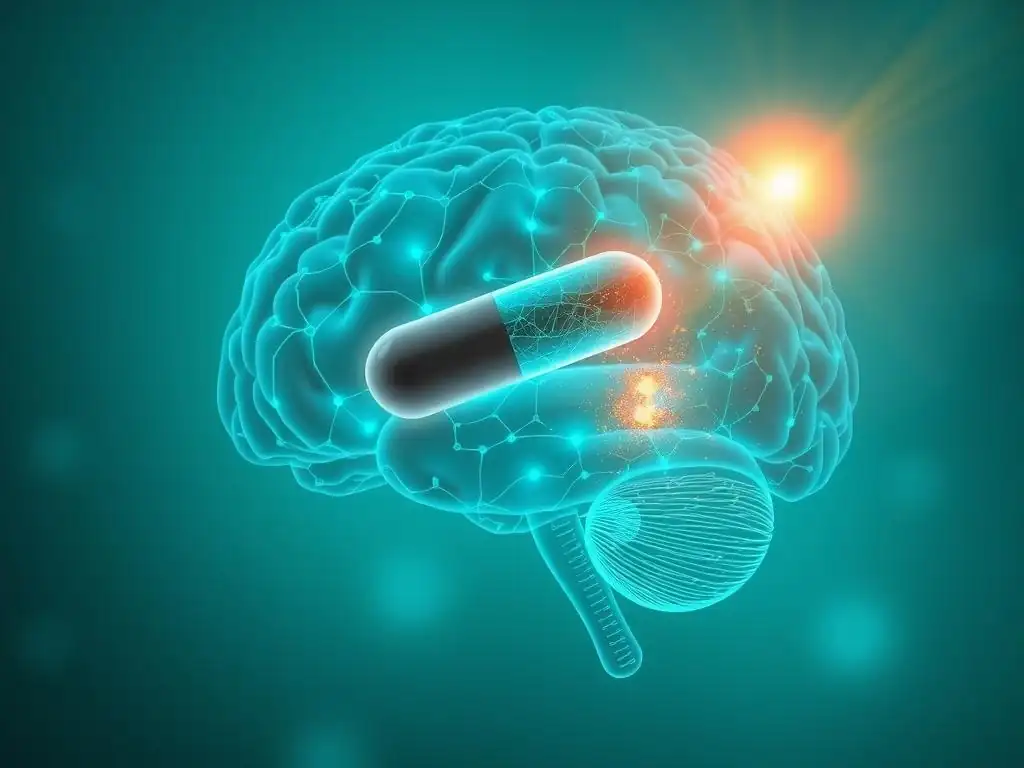
Medications prescribed for mood disorders, particularly antidepressants, exert their effects not merely by altering neurotransmitter levels acutely, but significantly by influencing the brain's capacity for change – known as neuroplasticity. This involves complex processes like neurogenesis (the birth of new neurons), synaptogenesis (the formation of new synapses), and changes in dendritic structure.
For instance, many antidepressants, such as selective serotonin reuptake inhibitors (SSRIs), increase levels of brain-derived neurotrophic factor (BDNF), a protein crucial for neuronal survival, growth, and plasticity. Elevated BDNF levels are associated with increased neurogenesis in areas like the hippocampus, a region critical for memory, learning, and mood regulation.
Beyond BDNF, these medications impact various molecular pathways that govern how brain cells communicate and adapt. They can influence the expression of genes related to neuronal function and connectivity. This long-term modulation of brain circuits, rather than just the immediate chemical soup, is thought to be fundamental to their therapeutic action.
While acute changes in neurotransmitter levels might occur within hours or days of starting medication, the clinical improvement in mood often takes several weeks, aligning with the timeline required for significant neuroplastic changes to occur. This suggests that medication boosts neuroplasticity mood outcomes over time by fostering structural and functional adaptations in the brain.
The Role of Neuroplasticity in Mood Disorders
Neuroplasticity is not just a target for medication; its disruption is increasingly understood to be a key feature of mood disorders like major depressive disorder (MDD) and bipolar disorder. Research using brain imaging techniques, such as MRI, has frequently shown reduced volume and function in specific brain regions in individuals with depression, notably the hippocampus and prefrontal cortex. These areas are heavily involved in emotional regulation, cognitive function, and stress response – functions intimately tied to neuroplasticity.
Studies have reported that in individuals with MDD, the hippocampus can be smaller, sometimes by an estimated 10-20% compared to healthy controls, particularly in those with chronic or recurrent depression. This reduction is thought to reflect impaired neurogenesis and dendritic atrophy. Conversely, effective treatment, including medication, has been associated with a restoration of volume in these regions, suggesting that reversing these neuroplastic deficits is crucial for recovery. Therefore, understanding how medication boosts neuroplasticity mood stability and recovery is vital for developing more effective treatment strategies.
Medication Boosts Neuroplasticity & Mood: Exploring the Connection
The Impact of Antidepressants on Neuroplasticity
Antidepressants are perhaps the most studied class of medications in relation to neuroplasticity and mood. Their therapeutic effects are increasingly attributed to their ability to promote structural and functional changes in brain circuits that are dysregulated in mood disorders. While their initial action involves modulating neurotransmitter systems (like serotonin, norepinephrine, or dopamine), this modulation triggers downstream events that enhance neuroplastic processes over weeks or months of treatment.
Research indicates that chronic antidepressant treatment can normalize stress-induced deficits in neurogenesis and synaptic function in animal models. In humans, studies using advanced imaging and post-mortem tissue analysis have provided evidence for similar effects. This suggests that the gradual improvement in mood observed with antidepressants is linked to the brain's ability to repair and reorganize itself, a process where medication boosts neuroplasticity mood circuits towards a healthier state.
SSRIs and Brain Plasticity: A Closer Look
Selective Serotonin Reuptake Inhibitors (SSRIs) are a cornerstone in the treatment of depression and anxiety disorders. Their primary mechanism is to increase serotonin levels in the synaptic cleft, but their long-term impact on mood is strongly linked to their effects on brain plasticity. SSRIs have been shown to increase BDNF expression in various brain regions, including the hippocampus and prefrontal cortex. This increase in BDNF is thought to stimulate neurogenesis and synaptogenesis, enhancing the connectivity and function of these critical mood-regulating areas.
Furthermore, studies suggest that SSRIs can influence the structure of neurons, promoting the growth of dendrites and spines, which are the points of synaptic contact. For example, animal studies have demonstrated that chronic SSRI treatment can reverse stress-induced decreases in dendritic branching in the hippocampus and prefrontal cortex. These structural changes strengthen neural circuits involved in emotional processing and cognitive control, contributing to the antidepressant effect. This provides compelling evidence that medication boosts neuroplasticity mood resilience over time.
Other Antidepressants and Their Effects on Neuroplasticity
While SSRIs are well-studied, other classes of antidepressants also influence neuroplasticity through varying mechanisms. Serotonin-Norepinephrine Reuptake Inhibitors (SNRIs), for instance, increase both serotonin and norepinephrine levels, and similarly promote BDNF expression and neurogenesis. Tricyclic Antidepressants (TCAs), an older class, also show evidence of increasing BDNF and promoting neuronal survival and plasticity, though their broader pharmacological profile leads to more side effects.
Atypical antidepressants, such as bupropion (a norepinephrine-dopamine reuptake inhibitor) or mirtazapine (which affects adrenergic and serotonergic receptors), also demonstrate neuroplastic effects, albeit through different pathways. Bupropion, for example, may influence neurogenesis and BDNF indirectly through its effects on dopamine and norepinephrine systems. The common thread across these diverse drug classes is their capacity to eventually converge on pathways that enhance neuronal growth, survival, and connectivity, reinforcing the idea that medication boosts neuroplasticity mood recovery regardless of the initial target neurotransmitter.
Medication-Induced Neuroplasticity and Mood Improvement
The timeline of clinical response to many psychiatric medications aligns with the timeline required for significant neuroplastic changes. While some acute symptom relief might occur earlier, the full antidepressant effect often takes 4-8 weeks. This delay is consistent with the time needed for processes like neurogenesis and synaptic remodeling to yield functional improvements in brain circuits. The hypothesis is that medication creates a more plastic brain state, making it more receptive to positive experiences and therapeutic interventions, which in turn solidify the recovery.
Consider the example of a patient with depression who starts an antidepressant. Initially, they might notice minor shifts, but over several weeks, their ability to engage in activities, experience pleasure, and regulate negative thoughts gradually improves. This gradual improvement is thought to be underpinned by the medication's influence on neuroplasticity, allowing the brain to adapt and rebuild connections in mood-regulating networks. This highlights how medication boosts neuroplasticity mood improvement not just by masking symptoms, but by facilitating brain healing and adaptation.
Ketamine and Enhanced Synaptic Plasticity for Depression
Ketamine, an anesthetic with rapid antidepressant effects at sub-anesthetic doses, represents a significant development in understanding medication-induced neuroplasticity for mood disorders. Unlike traditional antidepressants that take weeks to work, ketamine can alleviate depressive symptoms within hours or days in many patients, particularly those with treatment-resistant depression. This rapid effect is strongly linked to its ability to quickly enhance synaptic plasticity.
Research suggests that ketamine works, in part, by blocking NMDA receptors and activating AMPA receptors, leading to a surge in glutamate signaling. This surge promotes the rapid formation of new synaptic connections, particularly in the prefrontal cortex. Studies have shown evidence of increased dendritic spine density and synaptic function within hours of ketamine administration in animal models. This rapid synaptogenesis is believed to quickly "rewire" dysfunctional circuits involved in depression, providing a powerful illustration of how medication boosts neuroplasticity mood outcomes with exceptional speed.
Neuroplasticity as a Target for Mood Disorder Treatment
Harnessing Brain Plasticity for Mood Recovery
Recognizing neuroplasticity as a core mechanism in both the pathology and treatment of mood disorders opens new avenues for therapeutic strategies. Instead of solely focusing on symptom reduction, treatments can be designed to actively promote healthy neuroplastic changes. This involves not only pharmacological interventions but also non-pharmacological approaches that are known to enhance brain plasticity, such as psychotherapy, exercise, and certain lifestyle modifications.
The goal is to create an environment where the brain is better able to adapt, learn new emotional responses, and build resilience against stress. By targeting neuroplasticity directly, or by using medication to create a state where other plasticity-enhancing activities are more effective, clinicians can aim for more robust and lasting recovery. Understanding that medication boosts neuroplasticity mood outcomes allows for a more holistic view of treatment, integrating various modalities to support the brain's natural capacity for healing.
Combining Medication and Neuroplasticity-Enhancing Therapies
Given that medication can facilitate neuroplasticity, combining it with therapies and activities that also promote plasticity makes intuitive sense. This synergistic approach aims to leverage the brain's increased flexibility induced by medication to amplify the effects of other interventions. For example, while medication might increase BDNF levels and neurogenesis, engaging in cognitive behavioral therapy (CBT) or regular exercise can help guide where and how these new neurons and connections are integrated into functional circuits.
This combined strategy is becoming increasingly recognized as a powerful way to treat complex mood disorders. It moves beyond a purely pharmacological approach to one that actively engages the patient in behaviors and therapeutic processes that are known to foster brain health and resilience. The concept is that medication boosts neuroplasticity mood improvement by creating fertile ground upon which other beneficial changes can take root and flourish.
Cognitive Behavioral Therapy (CBT) and Medication Synergies
Cognitive Behavioral Therapy (CBT) is a psychotherapy that helps individuals identify and change negative thought patterns and behaviors associated with mood disorders. While seemingly purely psychological, CBT has been shown to induce measurable changes in brain activity and structure, particularly in areas like the prefrontal cortex and amygdala, which are involved in emotional regulation. These changes reflect a form of experience-dependent neuroplasticity.
When medication is combined with CBT, the medication may enhance the brain's capacity to undergo the structural and functional changes targeted by therapy. For instance, by increasing BDNF and promoting synaptic plasticity, medication might make it easier for the brain to form new, healthier neural pathways associated with more adaptive thought processes and behaviors learned in CBT.
Studies suggest that the combination of medication and CBT is often more effective than either treatment alone for moderate to severe depression, potentially because medication boosts neuroplasticity mood by enabling the brain to better benefit from the structured learning and emotional processing provided by therapy.
Lifestyle Factors: Diet, Exercise, and Neuroplasticity in Mood
Beyond formal therapy, everyday lifestyle factors profoundly influence brain health and neuroplasticity. Regular physical exercise is one of the most potent known stimulators of BDNF production and neurogenesis, particularly in the hippocampus. Aerobic exercise, such as brisk walking or running for 30 minutes several times a week, has been shown in studies to increase hippocampal volume and improve mood, even in the absence of medication.
Similarly, diet plays a crucial role. Nutrients like omega-3 fatty acids, antioxidants, and certain vitamins are essential for neuronal function and plasticity. An unhealthy diet, conversely, can impair neuroplasticity and increase inflammation, negatively impacting mood. When medication is used to treat a mood disorder, encouraging patients to adopt healthy lifestyle habits like regular exercise and a balanced diet can potentially amplify the medication's neuroplastic effects, contributing to better and more sustainable mood improvement. This underscores the multifaceted ways in which support can be provided when medication boosts neuroplasticity mood recovery efforts.
The Limitations and Challenges of Medication-Induced Neuroplasticity
Individual Variability in Response to Medication and Neuroplasticity
Despite the compelling evidence that medication boosts neuroplasticity mood outcomes for many, it's crucial to acknowledge the significant individual variability in response. Not everyone benefits equally from standard antidepressant treatments, and a substantial percentage of individuals may experience only partial remission or no improvement at all. This variability likely stems from a complex interplay of genetic factors, the specific nature and severity of the mood disorder, co-occurring conditions, and individual differences in brain structure and function.
Genetic variations in genes related to neurotransmitter transporters, receptors, and neurotrophic factors like BDNF can influence how a person responds to medication and their inherent capacity for neuroplasticity. For example, certain variations in the BDNF gene have been associated with reduced response rates to SSRIs in some studies. Understanding these individual differences is a major challenge but also a key area for future research aimed at personalizing treatment approaches.
Potential Side Effects and Risks Associated with Medication
While medications can promote beneficial neuroplasticity and improve mood, they are not without potential side effects and risks. These can range from mild and transient issues like nausea, insomnia, or weight changes to more serious concerns such as sexual dysfunction, emotional blunting, or, rarely, an increased risk of suicidal thoughts in young adults starting treatment. The specific side effects vary depending on the medication class and individual sensitivity.
Furthermore, stopping certain medications abruptly can lead to discontinuation symptoms, which can be uncomfortable and distressing. The long-term effects of chronic exposure to psychiatric medications on brain plasticity are still an area of ongoing research. While the evidence generally supports beneficial plasticity changes in responders, the potential for adverse effects on brain function or structure in certain individuals or circumstances cannot be entirely dismissed and requires careful consideration and monitoring.
The Importance of Personalized Treatment Approaches
Given the variability in response and the potential for side effects, a personalized approach to treating mood disorders is paramount. This involves a thorough assessment of the individual's specific symptoms, history, co-occurring conditions, lifestyle, and preferences. Treatment decisions should be collaborative, involving a discussion of the potential benefits of medication, including how medication boosts neuroplasticity mood, weighed against the potential risks and side effects.
Personalization may involve selecting a specific medication based on symptom profile or genetic markers (though pharmacogenetic testing is still evolving). It also critically involves integrating medication with other evidence-based therapies like psychotherapy and recommending beneficial lifestyle changes. For instance, someone with significant anxiety alongside depression might benefit from an SSRI combined with CBT, while someone with treatment-resistant depression might explore options like ketamine or neuromodulation techniques in addition to traditional medication.
Optimizing Medication and Neuroplasticity for Lasting Mood Improvements
The Role of Neurogenesis in Mood Regulation and Recovery
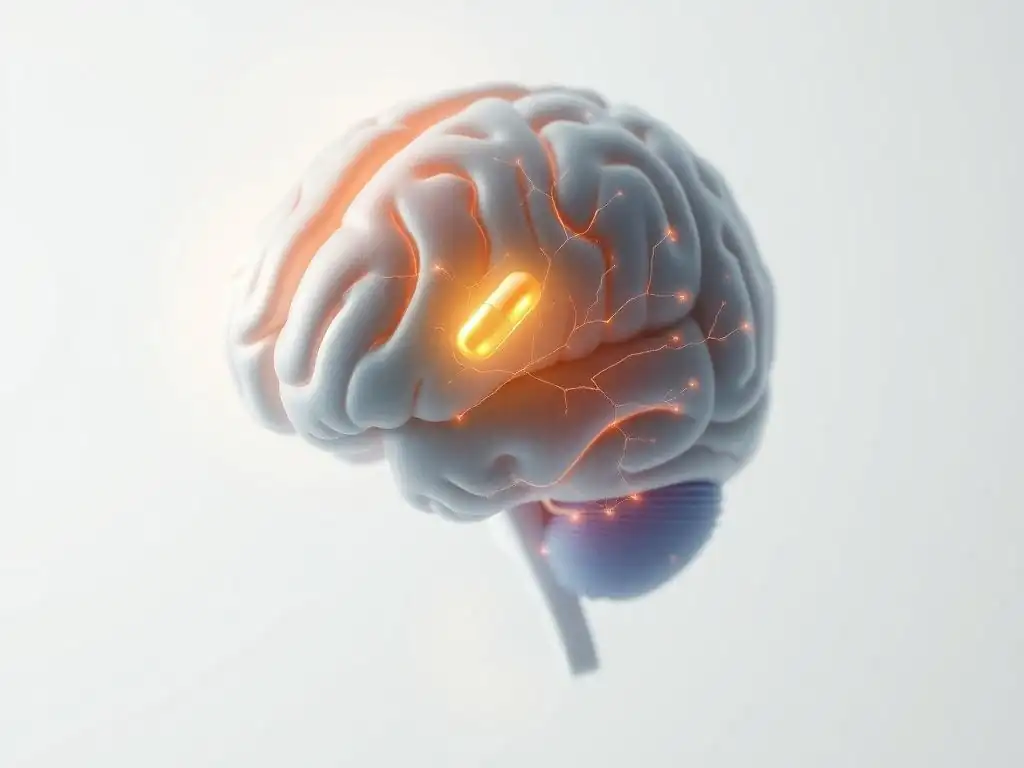
Neurogenesis, the process of generating new neurons, particularly in the hippocampus, is a specific form of neuroplasticity that plays a significant role in mood regulation. Chronic stress and depression are associated with suppressed neurogenesis, which may contribute to the structural and functional deficits observed in the hippocampus. Many effective antidepressant treatments, including medication, have been shown to promote neurogenesis in animal models and are hypothesized to do so in humans.
The integration of these new neurons into existing neural circuits is thought to be crucial for restoring normal hippocampal function and improving mood. These new neurons may be particularly important for learning new emotional responses and adapting to stressful situations. Therefore, strategies that promote neurogenesis, whether through medication, exercise, or other interventions, are key targets for enhancing brain resilience and achieving lasting mood improvements. Understanding this process helps illustrate how medication boosts neuroplasticity mood by actively rebuilding parts of the brain's emotional circuitry.
Long-Term Strategies for Maintaining Brain Health and Mood Stability
Achieving remission from a mood disorder is a significant accomplishment, but maintaining stability long-term requires ongoing attention to brain health and mood management. While medication can be crucial during acute episodes and for preventing relapse in many cases, it is often most effective when part of a broader, long-term strategy that continues to support neuroplasticity.
This includes adherence to prescribed medication regimens when necessary, but also consistently engaging in lifestyle practices known to promote brain health: regular exercise, a nutritious diet rich in omega-3s and antioxidants, sufficient sleep (typically 7-9 hours per night for adults), stress management techniques (like mindfulness or meditation), and maintaining social connections. These ongoing practices help sustain the beneficial neuroplastic changes initiated during treatment and build resilience against future mood episodes.
Future Directions in Medication and Neuroplasticity Research for Mood Disorders
The field of medication and neuroplasticity in mood disorders is rapidly evolving. Future research is focused on several key areas. One is identifying novel drug targets that directly and potently enhance specific aspects of neuroplasticity with fewer side effects than current medications. This includes exploring compounds that specifically target BDNF pathways, glutamate signaling (beyond ketamine), or epigenetic mechanisms that regulate gene expression related to plasticity.
Another direction is improving the personalization of treatment. This involves using biomarkers (like genetic profiles, brain imaging data, or even digital phenotyping) to predict individual response to specific medications or combinations of therapies. The goal is to move towards precision psychiatry, where treatments are tailored from the outset to maximize beneficial neuroplasticity and mood outcomes while minimizing risks, ultimately refining how we understand that medication boosts neuroplasticity mood in individual patients.
Medication's Role in Supporting Neuroplasticity for Mood: A Summary
Key Takeaways: Medication, Neuroplasticity, and Mood
- Mood disorders are associated with disruptions in brain neuroplasticity, particularly in areas like the hippocampus and prefrontal cortex.
- Many psychiatric medications, especially antidepressants, are thought to improve mood by promoting neuroplastic changes, including neurogenesis, synaptogenesis, and increased levels of neurotrophic factors like BDNF.
- The therapeutic timeline of many medications aligns with the time needed for significant neuroplastic changes to occur, suggesting that medication boosts neuroplasticity mood improvement over weeks and months.
- Rapid-acting treatments like ketamine demonstrate that rapid enhancement of synaptic plasticity can lead to swift antidepressant effects.
- Combining medication with other neuroplasticity-enhancing interventions like psychotherapy (e.g., CBT), exercise, and healthy lifestyle choices can create synergistic effects and potentially lead to more robust and lasting recovery.
- Individual variability in response to medication and the potential for side effects highlight the need for personalized treatment approaches.
- Future research aims to develop more targeted medications and use biomarkers to optimize treatment strategies that leverage the brain's capacity for plasticity.
Resources for Further Learning and Support
- Consult with a qualified mental health professional (psychiatrist, therapist, counselor) for personalized advice and treatment options.
- Explore reputable mental health organizations and websites for general information on mood disorders, treatment options, and brain health.
- Look for support groups or community resources related to mental health in your local area.
- Engage with educational materials on the importance of lifestyle factors like exercise, diet, and sleep for brain health and mood.
Frequently Asked Questions
How can medication potentially boost neuroplasticity and improve mood?
Certain medications, particularly some antidepressants and mood stabilizers, can influence neurotransmitter systems, like serotonin and dopamine, which are crucial for neuroplasticity. This can lead to the brain forming new connections and adapting, ultimately improving mood.
What role does neuroplasticity play in treating mood disorders?
Neuroplasticity is the brain's ability to reorganize itself by forming new neural connections throughout life. By enhancing neuroplasticity, treatments can help the brain overcome maladaptive patterns associated with mood disorders, leading to improved emotional regulation.
Is medication the only way to enhance neuroplasticity for better mood?
No, while medication can play a role, lifestyle factors such as exercise, diet, mindfulness, and therapy are also powerful tools. These activities can stimulate neurogenesis and synaptic plasticity, contributing to improved mood and overall well-being.
What are the potential side effects of using medication to boost neuroplasticity for mood disorders?
Medications can have various side effects, depending on the specific drug and individual. Common side effects include sleep disturbances, weight changes, and gastrointestinal issues. It's crucial to discuss potential risks with a healthcare professional.
How does the interaction between medication and neuroplasticity affect long-term mood stability?
By facilitating the formation of new neural pathways and strengthening existing ones, medication, in conjunction with neuroplasticity, can contribute to long-term mood stability. This allows individuals to develop healthier coping mechanisms and resilience.
Final Reflection: Rewiring Our Minds, Rewiring Our Moods
The intricate dance between medication, neuroplasticity, and mood is not merely a scientific curiosity; it's the key to unlocking a brighter future for millions struggling with mental health challenges. Understanding how medication can influence the brain's remarkable ability to reorganize itself holds immense potential for more effective and personalized treatments. This understanding moves beyond simply treating symptoms; it offers a pathway towards genuine healing and lasting well-being.
The exploration of this complex interaction has profoundly impacted my understanding of mental health, shifting my perspective from a purely symptomatic approach to one that embraces the brain's dynamic capacity for change. This journey of research underscored the importance of viewing the brain not as a static entity, but as a malleable organ constantly adapting and responding to its environment, including the influence of medication. The brain is the most complex organ in the body, and its plasticity allows it to adapt and change throughout life.
This simple statement encapsulates the power and potential we've discussed throughout this article.
Now, consider your own relationship with your mental well-being. Are you open to exploring the potential of medication as a tool to enhance your brain's natural ability to heal and adapt? This isn't about a quick fix; it's about partnering with your brain's inherent capacity for change, using medication as a catalyst to foster neuroplasticity and pave the way for a more resilient and joyful you. Embrace the power of this interaction, and embark on a journey towards a healthier, happier future.
Unlock Your Brain's Potential: Take Control of Your Mood
Thanks for taking the time to explore the fascinating connection between medication, neuroplasticity, and mood! We hope this article empowered you with a deeper understanding of your brain's incredible capacity for change. Now, let's put that knowledge into action.
- Prioritize a brain-boosting lifestyle: Focus on incorporating regular exercise, mindfulness practices, and a balanced diet into your daily routine. These actions directly support neuroplasticity and contribute to improved mood.
- Share your insights: Discuss your newfound understanding with a friend, family member, or your healthcare professional. Starting a conversation can be a powerful step toward positive change.
- Dive deeper: Explore additional resources on neuroplasticity and mood management. Search for reputable sources online to expand your knowledge and find personalized strategies.
What small step will you take today to nurture your brain's incredible ability to adapt and thrive?