
Small Steps, Big Brain Changes: Leveraging Neuroplasticity for Mood


Welcome to Mind Care Guide.
Feeling stuck in a rut? What if you could actively rewire your brain to boost your mood and overall well-being? Our exploration of neuroplasticity reveals the incredible power you possess to shape your mental landscape. Discover how simple, everyday actions can lead to profound and lasting positive change. Let's delve into the science of "Neuroplasticity improve mood naturally" and unlock your brain's potential for happiness. Ready to begin?
Small Steps, Big Brain Changes: Leveraging Neuroplasticity for Mood
- Understanding Neuroplasticity and Its Impact on Mood
- Neuroplasticity to Improve Mood Naturally: Practical Strategies
- Neuroplasticity-Based Therapies for Mood Disorders
- Overcoming Challenges and Maintaining Momentum in Your Neuroplasticity Journey
- The Future of Neuroplasticity and Mood: Promising Research and Innovations
- Conclusion: Empowering Yourself Through Neuroplasticity for Lasting Mood Improvement
-
Frequently Asked Questions
- How can neuroplasticity help improve my mood?
- What are some small steps I can take to leverage neuroplasticity for better mood?
- How long does it take to see results when using neuroplasticity to improve mood?
- Are there any risks associated with trying to improve mood through neuroplasticity?
- Where can I find additional resources and support for improving my mood through neuroplasticity?
- Final Reflection: Cultivating Joy Through Neuroplasticity
- Unlock Your Brain's Potential: Start Rewiring Your Mood Today!
Understanding Neuroplasticity and Its Impact on Mood
What is Neuroplasticity? The Brain's Ability to Change
Neuroplasticity, often called brain plasticity, is the remarkable ability of your brain to reorganize itself throughout life. This involves forming new neural connections or strengthening existing ones in response to learning, experience, or even injury. It's the biological foundation for how we adapt, learn new skills, and form memories. This dynamic process isn't limited to childhood; your brain remains moldable and capable of change from birth until your final days.
This inherent flexibility means that your brain is constantly being shaped by everything you do, think, and feel. When you learn a new language, practice a musical instrument, or even change a habit, you are actively engaging neuroplasticity. For instance, studies have shown that London taxi drivers, who must memorize complex routes, develop larger hippocampi – a brain region crucial for spatial memory – compared to control groups. This physical change in brain structure is a direct result of their demanding learning process, illustrating how experience can literally reshape the brain.
The Link Between Neuroplasticity and Mood Regulation
The same principles of neuroplasticity that allow you to learn skills also govern the complex circuitry underlying your emotions and mood. Mood regulation involves intricate networks of neurons connecting areas like the prefrontal cortex (involved in planning and decision-making), the amygdala (processing emotions like fear and anxiety), and the hippocampus (memory and emotional context). The strength and activity patterns within these circuits directly influence how you experience and manage your mood.
Neuroplasticity provides the mechanism through which these emotional circuits can be modified. Positive experiences, healthy coping strategies, and therapeutic interventions can strengthen pathways associated with resilience, calm, and positive affect. Conversely, chronic stress or negative thought patterns can strengthen pathways associated with anxiety, fear, and low mood. For example, research using fMRI has shown that individuals who practice gratitude regularly exhibit increased activity in the medial prefrontal cortex, an area linked to positive emotions and decision-making, suggesting a neuroplastic change driven by this practice.
How Neuroplasticity Affects Mood Disorders
While neuroplasticity is a powerful tool for positive change, it can also contribute to the persistence of mood disorders. In conditions like major depressive disorder or anxiety disorders, certain neural pathways can become maladaptively strengthened. This might involve an overactive amygdala leading to heightened fear responses or weakened connections in the prefrontal cortex impairing emotional regulation and motivation. These persistent, unhelpful patterns are essentially forms of negative neuroplasticity.
However, understanding this provides a path forward. The very same brain plasticity that contributes to these challenges can be harnessed for recovery and change. Therapeutic approaches and lifestyle interventions aim to promote positive neuroplasticity – weakening the maladaptive pathways and strengthening healthier ones. For instance, individuals recovering from depression often show increased activity in reward pathways and improved connectivity between the prefrontal cortex and limbic system as their symptoms decrease, reflecting the brain's capacity to reorganize itself towards a more balanced state. It highlights that the brain isn't fixed, even when facing significant mood challenges.
Neuroplasticity to Improve Mood Naturally: Practical Strategies
Small Changes, Big Impact: Building New Neural Pathways for a Better Mood
Harnessing neuroplasticity to improve mood naturally doesn't require monumental shifts overnight. It's about consistent, small actions that, over time, build and strengthen new, healthier neural pathways. Think of it like carving a new path through a forest – the first time is difficult, but with repeated use, it becomes easier and more defined. Similarly, consistently choosing a positive response, practicing patience, or engaging in a mood-boosting activity reinforces the neural circuits associated with those actions and feelings.
Every time you intentionally practice a new way of thinking or behaving, you are sending signals that strengthen specific connections in your brain. For example, if you make an effort to notice three positive things each day, you are actively engaging and reinforcing pathways related to positive attention and gratitude. While one instance might have a minimal impact, doing this daily for a month, then a year, creates significant, lasting changes in brain structure and function, making it easier for your brain to default to noticing the positive, thereby improving your mood naturally.
Lifestyle Changes That Boost Neuroplasticity and Improve Mood
Your daily habits have a profound impact on your brain's plasticity and, consequently, your mood. Simple adjustments to how you eat, move, and sleep can create an environment conducive to positive neuroplasticity and contribute significantly to enhancing your emotional well-being. These are foundational elements for anyone looking to leverage neuroplasticity to improve mood naturally.
The Role of Diet in Neuroplasticity and Mood Enhancement
What you eat directly fuels your brain and provides the building blocks for neuroplasticity. A diet rich in certain nutrients can enhance brain function and support the growth of new neurons and connections. Conversely, a poor diet can contribute to inflammation and oxidative stress, hindering brain plasticity and negatively impacting mood.
Focusing on nutrient-dense foods is key. For example, Omega-3 fatty acids, found abundantly in fatty fish like salmon, are crucial components of brain cell membranes and play a role in reducing inflammation, which is linked to mood disorders. Research suggests that individuals with higher intakes of Omega-3s tend to have a reduced risk of depression.
Similarly, antioxidants found in berries, nuts, and leafy greens protect brain cells from damage, while B vitamins are essential for neurotransmitter synthesis. A diet focusing on whole foods, similar to the Mediterranean pattern, which emphasizes vegetables, fruits, nuts, seeds, fish, and olive oil, has been consistently associated with better mental health outcomes and is believed to support neuroplastic processes.
Exercise and Neuroplasticity: Moving Towards a Happier Brain
Physical activity is one of the most powerful ways to promote neuroplasticity and improve mood naturally. Exercise increases blood flow to the brain, delivering essential oxygen and nutrients. More importantly, it stimulates the production of Brain-Derived Neurotrophic Factor (BDNF), a protein often called "Miracle-Gro" for the brain. BDNF supports the survival of existing neurons and encourages the growth and differentiation of new neurons and synapses, directly enhancing neuroplasticity.
Regular exercise has been shown in numerous studies to significantly reduce symptoms of depression and anxiety. For instance, engaging in moderate-intensity exercise for just 30 minutes most days of the week can lead to measurable increases in BDNF levels.
Research indicates that consistent physical activity can be as effective as antidepressant medication for some individuals with mild to moderate depression, leading to improvements in mood scores and observed changes in brain regions like the hippocampus, which is often smaller in depressed individuals. Whether it's brisk walking, running, swimming, or dancing, moving your body is a direct investment in your brain's capacity for positive change.
Sleep's Vital Role: Optimizing Sleep for Neuroplasticity and Mood
Sleep is not merely a period of rest; it's a critical time for brain maintenance and consolidation, processes deeply intertwined with neuroplasticity and mood. During sleep, your brain consolidates memories, clears metabolic waste products, and fine-tunes synaptic connections – strengthening important ones and pruning less necessary ones. This synaptic plasticity during sleep is essential for learning, cognitive function, and emotional regulation.
Chronic sleep deprivation impairs prefrontal cortex function, the brain area responsible for rational thought and emotional control, while potentially increasing amygdala reactivity, leading to heightened emotional responses and irritability. Aiming for 7-9 hours of quality sleep per night is vital for supporting healthy neuroplasticity and maintaining a stable mood. Studies show that just one night of poor sleep can negatively impact mood and emotional processing, while consistent good sleep hygiene can enhance emotional resilience and cognitive flexibility, crucial aspects of leveraging neuroplasticity to improve mood naturally.
Mind-Body Techniques for Mood Enhancement Through Neuroplasticity
Beyond diet, exercise, and sleep, integrating mind-body practices into your routine offers direct ways to influence your brain's activity patterns and promote positive neuroplastic change for better mood. These techniques often involve focused attention and body awareness, which can help regulate the nervous system and alter the brain's response to stress.
Meditation and Mindfulness: Cultivating Calm and Rewiring the Brain
Mindfulness meditation involves paying attention to the present moment without judgment. Regular practice has been shown to induce significant neuroplastic changes, particularly in areas related to attention, self-awareness, and emotional regulation. By training your mind to observe thoughts and feelings without getting swept away by them, you weaken the neural pathways associated with reactive or ruminative thinking.
Studies using brain imaging have demonstrated that consistent mindfulness practice can lead to decreased grey matter density in the amygdala (the brain's fear center) and increased grey matter density in the prefrontal cortex and hippocampus – areas associated with higher-order cognitive function, emotional regulation, and memory. For example, an 8-week mindfulness-based stress reduction (MBSR) program has been shown to produce measurable changes in these brain regions and correlate with reduced stress levels and improved mood. This suggests that simply training your attention can actively rewire your brain to be less reactive to stressors and more attuned to positive experiences.
Yoga and Tai Chi: Physical Movement and Mental Well-being
Yoga and Tai Chi combine gentle physical postures, controlled breathing, and meditation or mindfulness. These practices offer a holistic approach that benefits both body and mind, promoting neuroplasticity and improving mood naturally. The physical movement helps release tension and increase blood flow, similar to other forms of exercise, while the focus on breath and posture cultivates present-moment awareness.
Research indicates that regular participation in yoga or Tai Chi can reduce levels of stress hormones like cortisol and increase levels of calming neurotransmitters. Studies have shown improvements in mood scores and reductions in symptoms of anxiety and depression among participants. For instance, a study on yoga practice demonstrated a significant reduction in anxiety scale scores comparable to psychotherapy in some cases. The combination of physical activity, breath control, and mindful awareness appears to work synergistically to promote beneficial neuroplastic changes, enhancing resilience and emotional balance.
Deep Breathing Exercises: Quick Mood Boosters
Deep breathing exercises, such as diaphragmatic breathing, are simple yet powerful techniques that can quickly influence your nervous system and mood. By activating the parasympathetic nervous system, deep breathing helps counter the "fight or flight" response triggered by stress and anxiety. This physiological shift can interrupt negative emotional spirals and provide a moment of calm.
While not causing the widespread structural changes seen with long-term meditation or exercise, consistent deep breathing practice can strengthen the neural pathways associated with the parasympathetic response, making it easier to access a state of calm over time. Even a few minutes of focused, deep breathing can lower heart rate, reduce blood pressure, and alleviate immediate feelings of stress or panic, offering a rapid way to influence your brain state and improve mood naturally in the moment. Regularly incorporating these brief practices throughout the day reinforces the brain's capacity for self-regulation.
Neuroplasticity-Based Therapies for Mood Disorders

Leveraging neuroplasticity isn't confined to lifestyle changes alone; it's also the fundamental mechanism behind many effective psychotherapies and emerging treatments for mood disorders. These approaches directly target the brain's capacity for change to help individuals overcome challenging emotional states and build healthier mental patterns.
Cognitive Behavioral Therapy (CBT) and Neuroplasticity
Cognitive Behavioral Therapy (CBT) is one of the most widely used and effective psychotherapies for mood disorders like depression and anxiety. CBT operates on the principle that our thoughts, feelings, and behaviors are interconnected. By identifying and changing negative thought patterns and unhelpful behaviors, individuals can change their emotional responses. This process is inherently neuroplastic.
When you challenge a negative thought or practice a new coping behavior in CBT, you are actively engaging in rewiring your brain. You weaken the neural pathways associated with the old, unhelpful patterns and strengthen the pathways associated with the new, more adaptive ones. Research has shown that successful CBT treatment for depression or anxiety is associated with measurable changes in brain activity and structure, including altered connectivity between the prefrontal cortex and amygdala. Studies indicate that 50-75% of individuals with depression or anxiety show significant improvement with CBT, highlighting its power to leverage neuroplasticity for recovery.
Mindfulness-Based Cognitive Therapy (MBCT): Combining Mindfulness and CBT
Mindfulness-Based Cognitive Therapy (MBCT) integrates elements of CBT with mindfulness meditation practices. It was initially developed to help individuals with recurrent depression prevent relapse, recognizing that negative rumination is a key factor in depressive episodes. MBCT teaches participants to become more aware of their thoughts and feelings without judgment, allowing them to observe negative thought patterns without automatically engaging with them.
By combining the cognitive restructuring of CBT with the present-moment awareness cultivated in mindfulness, MBCT specifically targets the neuroplastic process of disengaging from ruminative loops. Instead of trying to change negative thoughts directly, it changes the relationship to those thoughts, weakening the habitual pathways of rumination. Studies have shown MBCT to be as effective as maintenance antidepressant medication in preventing relapse in individuals with recurrent depression, reducing the risk of recurrence by approximately 50% over 12 months, demonstrating its capacity to promote lasting neuroplastic changes that support emotional stability.
Neurofeedback: Training the Brain to Regulate Mood
Neurofeedback is a type of biofeedback that directly trains individuals to alter their brainwave activity. Sensors are placed on the scalp to measure electrical activity (brainwaves), and this information is presented back to the individual, often in the form of a video game or visual display. The goal is to teach the person to voluntarily regulate specific brainwave frequencies or patterns that are associated with certain mental states or conditions, including mood disorders.
For example, individuals with anxiety might learn to decrease high-frequency beta waves in certain brain regions, while those with depression might learn to increase alpha or theta waves associated with calm or focused states. Through repeated training sessions, the brain learns to produce more optimal patterns. Research suggests that neurofeedback can lead to significant improvements in symptoms of anxiety and depression, with some studies reporting average symptom reductions of 30-40% after a course of treatment, illustrating how direct feedback on brain activity can facilitate desired neuroplastic shifts.
Transcranial Magnetic Stimulation (TMS): A Non-Invasive Brain Stimulation Technique
Transcranial Magnetic Stimulation (TMS) is a non-invasive procedure that uses magnetic pulses to stimulate specific areas of the brain. For mood disorders, TMS is often directed at the left dorsolateral prefrontal cortex, a region known to be underactive in many individuals with depression and crucial for mood regulation. The magnetic pulses generate small electrical currents in the brain tissue, which can modulate the activity of neurons in the targeted area.
While the exact mechanisms are still being researched, TMS is believed to promote neuroplastic changes by altering the excitability and connectivity of neural circuits involved in mood. Repeated stimulation over several weeks can help restore more balanced activity in these circuits. TMS is typically used for individuals with treatment-resistant depression who haven't responded to medication or psychotherapy. Clinical trials show that TMS can be effective, with response rates (significant symptom improvement) ranging from 30-60% in this population, providing another powerful example of how directly influencing brain activity can leverage neuroplasticity for therapeutic benefit.
Overcoming Challenges and Maintaining Momentum in Your Neuroplasticity Journey
Embarking on a journey to improve mood naturally through neuroplasticity requires consistency and effort. Like any significant change, you may encounter challenges along the way. Recognizing these potential obstacles and developing strategies to overcome them is crucial for maintaining momentum and achieving lasting improvements in your emotional well-being.
Identifying and Addressing Barriers to Change
One of the primary barriers to leveraging neuroplasticity is inconsistency. Building new neural pathways requires repetition. Missing practices like meditation, exercise, or healthy eating can slow progress. Another common barrier is self-doubt or a lack of belief in the brain's ability to change. Feeling overwhelmed by the process or expecting immediate, dramatic results can also lead to discouragement.
To address these, start small and focus on building sustainable habits rather than aiming for perfection. If you miss a day, don't view it as a failure, but simply resume your practice the next day. Challenge negative thoughts about your capacity for change by reminding yourself of the scientific evidence for neuroplasticity. Break down larger goals into smaller, manageable steps. For instance, instead of aiming for 30 minutes of meditation daily immediately, start with 5 minutes and gradually increase the time. Celebrating these small milestones reinforces positive behavior and combats feelings of being overwhelmed.
Building a Supportive Environment for Mood Improvement
Your environment, both physical and social, plays a significant role in supporting or hindering your neuroplasticity journey. Surrounding yourself with positive influences and minimizing exposure to stressors can make it easier to maintain healthy habits and promote positive emotional states.
Seek support from friends, family, or support groups who understand or are also working towards similar goals. Sharing your experiences and challenges can provide encouragement and accountability. Consider working with a therapist or coach who can provide guidance and strategies tailored to your specific needs, helping you navigate difficult emotions and build new coping skills.
Creating a physical space that is calming and conducive to practices like meditation or journaling can also make it easier to integrate these activities into your routine. Research shows that strong social connections are linked to better mental health outcomes and may even influence brain health directly, highlighting the neuroplastic benefits of a supportive community.
Tracking Progress and Celebrating Small Wins
Tracking your progress is essential for staying motivated and recognizing the impact of your efforts. Neuroplastic changes happen gradually, and it can be easy to overlook the subtle shifts in mood or behavior over time. Keeping a record allows you to see how far you've come, reinforcing the positive steps you're taking.
There are various ways to track progress, from simple mood journals to mobile apps designed for habit tracking or mental health monitoring. Note not just your overall mood, but also specific activities you engaged in (exercise, meditation, healthy meals) and any challenging situations you navigated successfully. Celebrating small wins, such as consistently sticking to a new habit for a week or handling a stressful situation with more calm than usual, is vital. These small celebrations reinforce the neural pathways associated with the positive behavior and provide a sense of accomplishment, fueling continued effort.
Journaling for Mood Awareness and Tracking
Journaling is a particularly effective tool for fostering self-awareness and tracking your mood journey. Writing down your thoughts and feelings can help you identify patterns in your mood, recognize triggers for negative emotions, and gain clarity on your emotional responses. This increased self-awareness is a form of metacognition – thinking about your thinking – which engages higher-level brain functions.
By externalizing your internal experience through writing, you can process emotions more effectively and gain perspective. You can use your journal to track specific metrics, such as your average mood score for the day, the amount of sleep you got, or whether you completed your planned exercise or meditation.
Over time, reviewing your entries can reveal connections between your habits and your mood, empowering you to make informed choices that support your brain health and emotional well-being. Journaling itself can be seen as a practice that strengthens the neural circuits involved in self-reflection and emotional processing, contributing to positive neuroplasticity.
The Future of Neuroplasticity and Mood: Promising Research and Innovations
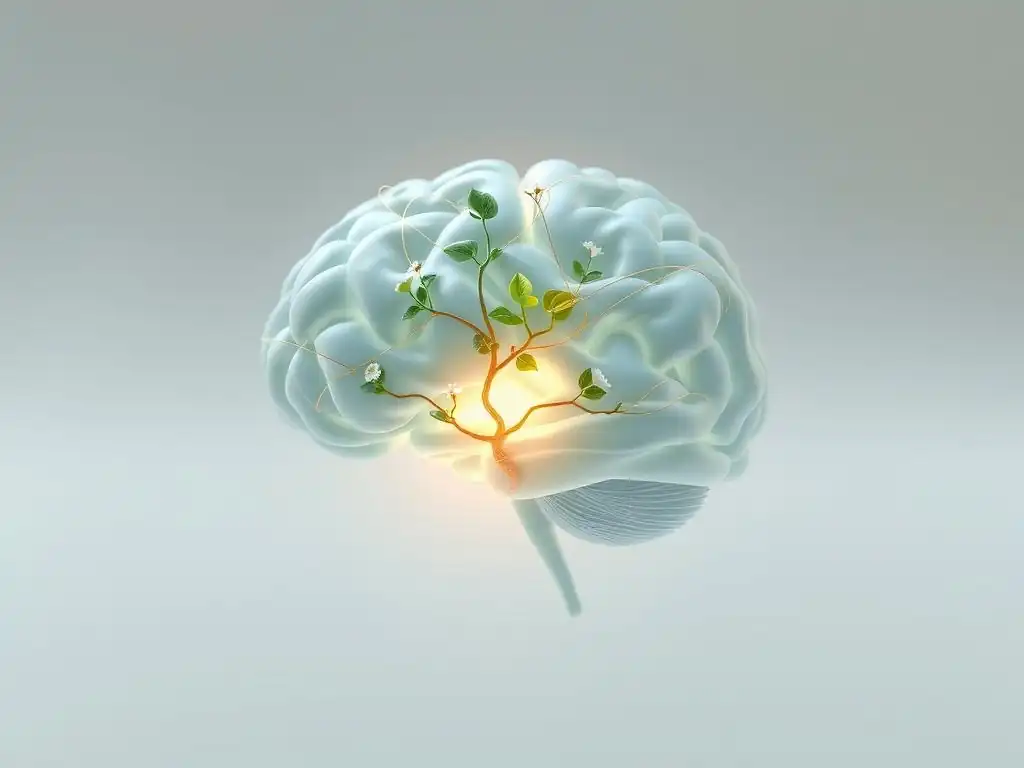
The field of neuroscience continues to uncover the incredible potential of neuroplasticity, opening up exciting possibilities for treating mood disorders and enhancing mental well-being. Ongoing research is exploring new ways to harness the brain's capacity for change, from advanced technologies to more personalized interventions.
Emerging Technologies and Neuroplasticity-Based Treatments
Technological advancements are paving the way for novel neuroplasticity-based treatments. Beyond TMS, techniques like transcranial direct current stimulation (tDCS), which uses low electrical currents to modulate brain activity, are being investigated for their potential to enhance neuroplasticity and improve mood. Researchers are also exploring the use of focused ultrasound to non-invasively target specific brain regions.
Furthermore, digital therapeutics and virtual reality platforms are being developed that leverage principles of neuroplasticity. These tools can provide engaging and accessible ways to practice cognitive skills, exposure therapy, or mindfulness, potentially facilitating brain changes associated with improved mood. For example, VR environments can simulate social situations for individuals with social anxiety, allowing them to practice coping strategies and rewire their fear responses in a controlled setting. Continued development in these areas promises more targeted and accessible ways to promote positive neuroplasticity.
Personalized Approaches to Mood Enhancement Through Neuroplasticity
Understanding that each individual's brain is unique is leading towards more personalized approaches to leveraging neuroplasticity for mood enhancement. Factors like genetics, individual brain structure, life experiences, and even the gut microbiome can influence a person's capacity for neuroplasticity and their response to interventions.
Future approaches may involve using brain imaging techniques or genetic testing to identify specific neural patterns or predispositions in individuals with mood disorders. This information could then be used to tailor treatment plans, recommending specific therapies (like CBT, MBCT, or neurofeedback), lifestyle changes (dietary recommendations based on gut health), or even targeted brain stimulation techniques that are most likely to be effective for that person. This move towards precision mental health care holds the promise of more efficient and successful outcomes by optimizing neuroplasticity based on individual needs.
The Importance of Continued Research and Education in Neuroplasticity for Mental Health
Despite the significant progress made, there is still much to learn about the intricate mechanisms of neuroplasticity and how best to harness it for mental health. Continued research is vital to deepen our understanding of how different experiences and interventions influence brain circuits related to mood, and to develop even more effective and accessible strategies.
Equally important is the widespread education about neuroplasticity. Empowering individuals with the knowledge that their brain is capable of change provides hope and agency. Understanding that mood disorders are not necessarily permanent conditions but involve brain circuits that can be modified through intentional effort can reduce stigma and encourage individuals to seek help and engage in practices that support their mental well-being. Promoting awareness of how daily habits and specific techniques can promote neuroplasticity to improve mood naturally is crucial for public health initiatives.
Conclusion: Empowering Yourself Through Neuroplasticity for Lasting Mood Improvement
Taking Control of Your Brain and Your Mood
The concept of neuroplasticity fundamentally changes how we understand mental health and recovery. It moves away from a fixed view of the brain and highlights its remarkable capacity for adaptation and change throughout life. This scientific understanding empowers you by demonstrating that your brain is not a static entity, but rather a dynamic organ that you can actively shape through your experiences, thoughts, and actions. Leveraging neuroplasticity means taking an active role in cultivating the neural pathways associated with resilience, calm, and positive emotional states.
By consistently implementing small, intentional changes – whether through diet, exercise, sleep optimization, mindfulness practices, or engaging in neuroplasticity-based therapies – you are actively participating in the process of rewiring your brain. This isn't about quick fixes, but about building sustainable habits that foster long-term brain health and emotional well-being. Understanding neuroplasticity provides a scientific basis for hope and motivates consistent effort in the pursuit of a better mood.
The Ongoing Potential of Neuroplasticity in Mental Wellness
The science of neuroplasticity offers a profoundly optimistic perspective on mental wellness. It confirms that recovery from mood challenges is not only possible but is supported by the very nature of the brain. The strategies discussed, from lifestyle adjustments to therapeutic interventions, all work by capitalizing on the brain's inherent ability to change and adapt. As research continues to evolve, we will undoubtedly discover even more sophisticated and personalized ways to harness this power.
Embracing the principles of neuroplasticity allows you to approach your mental health journey with empowerment and possibility. It underscores that every small step taken towards positive change contributes to building a more resilient and happier brain. The ongoing potential of neuroplasticity means that regardless of past challenges, the capacity for growth, healing, and lasting mood improvement is always within reach.
Frequently Asked Questions
How can neuroplasticity help improve my mood?
Neuroplasticity refers to the brain's ability to reorganize itself by forming new neural connections. By engaging in positive and healthy activities, you can rewire your brain and improve your mood naturally.
What are some small steps I can take to leverage neuroplasticity for better mood?
Simple actions like practicing gratitude, learning a new skill, or engaging in mindfulness exercises can stimulate neuroplasticity. These small changes can lead to significant improvements in mood over time.
How long does it take to see results when using neuroplasticity to improve mood?
The timeframe varies depending on the individual and the consistency of their efforts. However, many people experience noticeable improvements in mood within a few weeks to a few months of actively engaging in neuroplasticity-enhancing activities.
Are there any risks associated with trying to improve mood through neuroplasticity?
Generally, leveraging neuroplasticity for mood improvement is safe. However, it's crucial to be mindful of setting realistic expectations and seeking professional help if you are struggling with more severe mental health challenges.
Where can I find additional resources and support for improving my mood through neuroplasticity?
Mind Care Guide offers a comprehensive range of resources on mental well-being, including articles, support groups, and information on various mental health challenges. You can also consult with mental health professionals for personalized guidance.
Final Reflection: Cultivating Joy Through Neuroplasticity
The power of neuroplasticity isn't just a scientific concept; it's a revolutionary tool for reclaiming our mental well-being. Understanding how our brains can physically reshape themselves in response to our thoughts and actions offers a tangible path towards improving mood naturally, without relying solely on medication or therapy. This knowledge empowers us to become active participants in our own mental health journeys.
The ongoing exploration of neuroplasticity is profoundly altering our understanding of mental health, shifting the focus from a purely medical model to one that emphasizes personal agency. We are no longer passive recipients of our moods, but active architects of our brain's landscape. This shift is incredibly empowering. The brain that fires together, wires together.
This simple yet profound statement underscores the transformative potential of consistent, positive actions in reshaping our neural pathways and ultimately, our emotional experience.
Now, consider your own life. What small steps can you take today to nurture your brain's capacity for change? Perhaps it's incorporating mindful moments into your day, engaging in regular exercise, or cultivating more positive social connections. Remember, every conscious choice, every act of self-compassion, is a step towards building a more resilient and joyful you. Embrace the journey of neuroplasticity; it's a journey towards a happier, healthier you.
Unlock Your Brain's Potential: Start Rewiring Your Mood Today!
Thanks for taking the time to explore the power of neuroplasticity and its impact on your mood. You've learned how even small changes can create significant shifts in your emotional wellbeing. Now it's time to put that knowledge into action!
- Prioritize one small, positive habit: Choose one brain-boosting activity from the article (meditation, exercise, gratitude journaling) and commit to doing it daily for the next week. This consistent effort is key to rewiring your neural pathways.
- Share your journey: Tell a friend or family member about your experience. Sharing your progress can enhance your commitment and provide support.
- Explore a new resource: Dive deeper into the topic by researching additional techniques for building resilience and managing mood.
What small step will you take today to begin reshaping your mood for the better?