
Create Your Own Gratitude Jar: A Fun Way to Collect Moments of Joy

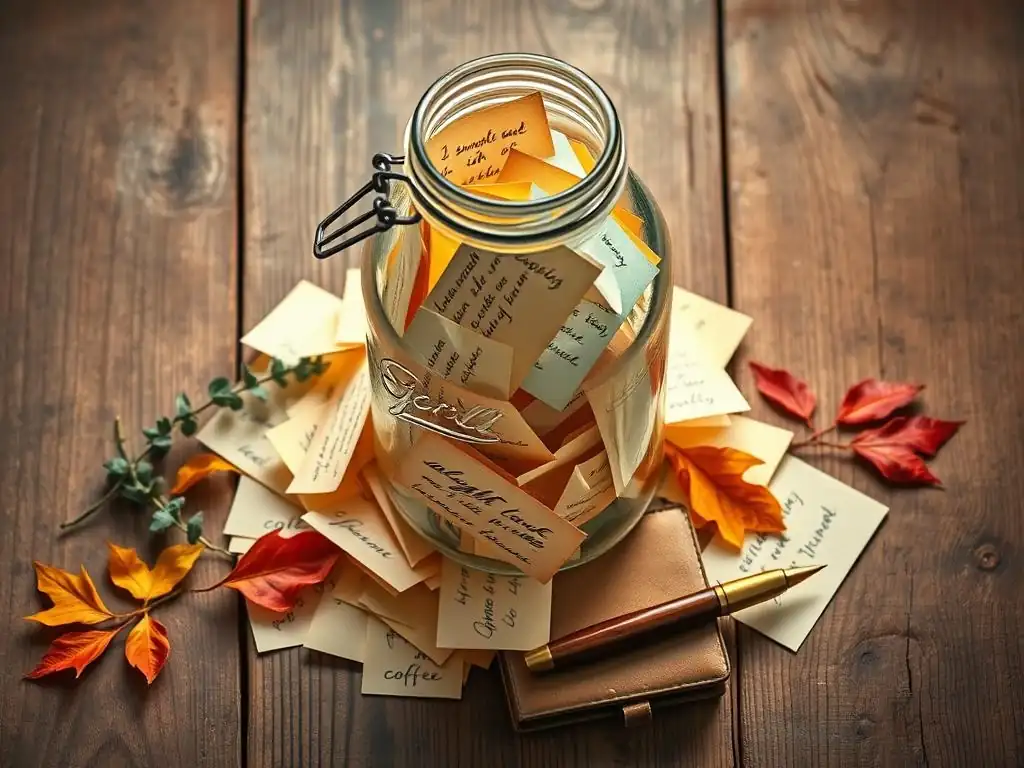
Welcome to Mind Care Guide, your sanctuary for nurturing inner peace and cultivating a brighter outlook.
Feeling overwhelmed? Sometimes, even the smallest glimmer of joy can make a difference. This week, we're diving into a simple yet powerful practice to boost your happiness: creating your own gratitude jar. Curious about how this simple activity can transform your mindset? Explore our guide for inspiring gratitude jar ideas for happiness and begin collecting your own moments of joy today. Let's embark on this journey to a more grateful and fulfilling life, together.
Create Your Own Gratitude Jar: A Fun Way to Collect Moments of Joy
- Introduction to Gratitude Jars and Happiness
- What is a Gratitude Jar and How Does it Work?
- Gathering Your Supplies: Everything You Need to Start Your Gratitude Journey
-
Step-by-Step Guide: Creating Your Gratitude Jar for Happiness
- Step 1: Decorate Your Jar and Make it Your Own
- Step 2: Prepare Your Gratitude Slips: Cutting and Organizing
- Step 3: Establish a Routine: When and How to Write Gratitude Entries
- Step 4: Filling Your Jar: Consistent Practice for Maximum Impact
- Step 5: Reflecting on Your Blessings: Reading Your Gratitude Slips
- Gratitude Jar Ideas for Enhanced Happiness and Well-being
- Making Gratitude a Daily Habit: Tips and Tricks for Success
- The Science Behind Gratitude: How it Impacts Your Brain
- Beyond the Jar: Expanding Your Gratitude Practices
- Conclusion: Embrace Gratitude and Unlock a Happier You
-
Frequently Asked Questions
- How does a gratitude jar work to improve mental well-being?
- What are some easy and creative gratitude jar ideas for beginners?
- How often should I write in my gratitude jar to experience its benefits?
- What if I'm having a hard time finding things to be grateful for?
- Can I share my gratitude jar entries with others?
- Final Reflection: Harvesting Happiness, One Gratitude at a Time
- Unlock Your Inner Joy: Start Your Gratitude Journey Today!
Introduction to Gratitude Jars and Happiness
Discover the Power of a Gratitude Jar
In a world often focused on challenges and to-do lists, finding simple, accessible ways to cultivate positivity is essential for mental well-being. One such powerful tool is the gratitude jar. This simple container becomes a repository for moments of joy, small wins, and things you are thankful for, acting as a tangible reminder of the good in your life.
Starting a gratitude jar is more than just a craft project; it's an intentional practice designed to shift your focus towards appreciation, helping to counterbalance negative thought patterns and foster a more optimistic outlook. It's a personal archive of happiness waiting to be revisited.
The concept is straightforward: whenever something positive happens, no matter how small, you write it down on a slip of paper and place it in the jar. Over time, this jar fills with a collection of positive experiences, creating a powerful visual metaphor for the abundance and blessings present in your life.
This simple act of recording moments of gratitude has been linked to significant improvements in mood and overall life satisfaction. By making gratitude a concrete part of your daily or weekly routine, you actively train your brain to notice and appreciate the positive aspects of your existence, laying a foundation for greater resilience and happiness.
Why Keeping a Gratitude Jar Can Boost Your Mental Well-being
Engaging with a gratitude jar offers numerous psychological benefits. One significant impact is the reduction of stress and anxiety. By consciously acknowledging positive experiences, you interrupt the cycle of worrying about potential problems. Research, including studies referenced by institutions like Harvard Medical School, suggests that people who practice gratitude regularly report lower levels of stress hormones like cortisol. This isn't just a subjective feeling; there are physiological changes occurring that support a calmer state of mind.
Furthermore, maintaining a gratitude jar enhances feelings of happiness and contentment. When you take the time to identify and write down moments of joy or appreciation, you are actively reinforcing those positive emotions. This practice helps to combat hedonic adaptation, the tendency to quickly return to a baseline level of happiness after positive events. By regularly revisiting these recorded moments, you can re-experience the positive feelings associated with them, creating a cumulative effect on your overall sense of well-being. It's a simple yet profound way to build a personal library of happy memories and positive affirmations.
What is a Gratitude Jar and How Does it Work?
Defining a Gratitude Jar: A Simple Tool for Cultivating Appreciation
A gratitude jar is essentially any container – a mason jar, a decorated box, a spare vase – designated specifically for collecting notes about things you are grateful for. Its purpose is to provide a tangible, physical space to store positive memories, accomplishments, and moments of appreciation. Unlike a traditional journal which might include a wider range of thoughts, the gratitude jar is focused solely on the positive: the things, people, experiences, or even internal states that evoke feelings of thankfulness. It serves as a constant, visible reminder to look for the good in your day-to-day life.
The beauty of a gratitude jar lies in its simplicity and accessibility. It requires minimal supplies and can be started by anyone, regardless of age or circumstance. By creating this dedicated space for gratitude, you are setting an intention to prioritize positivity. Each slip of paper represents a conscious decision to acknowledge a blessing, shifting your internal dialogue from what might be lacking to what is abundant. This collection becomes a powerful resource to draw upon, especially during challenging times, offering perspective and a reminder of the good that exists.
The Mechanics of a Gratitude Jar: From Thought to Action
The process of using a gratitude jar is straightforward. It begins with noticing something you are grateful for. This could be anything from a major life event to a simple pleasure like a warm cup of tea or a sunny day. The key is mindful observation. Once you identify something, you write it down on a small piece of paper. Common examples might include "A good conversation with a friend," "Finishing a challenging workout," or "The beauty of the sunset."
After writing the note, you fold it up and place it into the gratitude jar. This physical act of placing the note in the jar solidifies the intention and creates the collection. The process is typically ongoing, with notes added regularly – daily, weekly, or whenever a moment of gratitude arises.
The final step, often done at the end of a week, month, or year, is to open the jar and read the collected notes. This act of reflection allows you to revisit all the positive moments, reinforcing feelings of happiness and appreciation and providing valuable perspective on the good things that have occurred.
Benefits of Using a Gratitude Jar for Positive Thinking
Implementing the practice of using a gratitude jar can significantly enhance positive thinking patterns. By actively seeking out and recording instances of gratitude, you train your brain to focus on the positive aspects of your life, rather than dwelling on the negative. This deliberate shift in attention helps to rewire neural pathways, strengthening connections associated with positive emotions and weakening those linked to negative ones. Over time, this can lead to a more optimistic default mindset.
Moreover, a gratitude jar provides a tangible record of positive experiences that you can literally hold in your hands and revisit. This is particularly helpful during difficult periods. Reading through notes about past moments of joy, kindness received, or small successes can serve as a powerful antidote to feelings of despair or overwhelm. It offers concrete evidence that good things happen and that you have experienced happiness and support, fostering resilience and a belief in your ability to navigate challenges. This collection of positive memories becomes a personal treasure trove, reinforcing a sense of hope and well-being.
Gathering Your Supplies: Everything You Need to Start Your Gratitude Journey
Choosing the Perfect Jar: Size, Style, and Personalization
The first step in creating your gratitude jar is selecting the container itself. While any jar or box will work, choosing one that you find aesthetically pleasing can make the practice more enjoyable and inspiring.
A clear glass jar, like a mason jar or a repurposed food jar, is a popular choice because it allows you to see the collection of colorful notes growing over time, offering a visual representation of your accumulated moments of joy. The size should be practical – large enough to hold many notes over your desired collection period (e.g., a year), but not so large it feels daunting to fill.
Consider the style that resonates with you. Maybe you prefer a rustic look with a twine tie, a sleek modern container, or something vintage. This is an opportunity to inject your personality into the process. Think about where you will place the jar; choosing a container that fits your decor can encourage you to keep it in a visible spot, serving as a constant reminder to practice gratitude. Personalizing the jar, perhaps by painting it, adding stickers, or attaching a label, can make it feel truly yours and enhance the sense of ownership and commitment to the practice.
Selecting Your Writing Materials: Pens, Paper, and More
To fill your gratitude jar, you'll need materials for writing your notes. Small slips of paper are ideal, as they are easy to fold and store in the jar. You can use plain paper cut into pieces, colorful cardstock, or even patterned paper. Having a variety of colors can add visual interest to the collection inside the jar. The size of the paper slips should be manageable – large enough to write a brief note (a sentence or two) but small enough to fit comfortably into your chosen jar opening when folded.
For writing, any pen will do, but choosing pens that write smoothly and clearly can make the process more pleasant. Consider having a dedicated pen or a few favorite pens stored near the jar. You might also want to include a small notepad or stack of pre-cut paper slips right next to the jar for convenience.
Some people like to use different colored pens or paper for different types of entries, though this is entirely optional. The key is to have your materials readily available so that when a moment of gratitude strikes, you can easily capture it without searching for supplies.
Optional Decorations: Making Your Gratitude Jar Unique and Inspiring
Adding decorations to your gratitude jar is a wonderful way to make the practice feel more personal and engaging. While not strictly necessary for the function of the jar, decorating it can transform it from a simple container into a meaningful object that inspires you to use it regularly. You can paint the jar, wrap it in fabric or decorative paper, or tie ribbons or twine around the neck. Stencils can be used to add patterns or words like "Gratitude" or "Joy."
Other decorative elements might include stickers, glitter, or even small charms tied to the lid. If using a clear jar, you can add layers of colored sand or small pebbles at the bottom before you start adding notes. The goal is to create a visual cue that sparks positive feelings and reminds you of the purpose of the jar. Involving family members or friends in the decoration process can also make it a shared, bonding activity, further enhancing the positive associations with your gratitude jar.
Step-by-Step Guide: Creating Your Gratitude Jar for Happiness
Step 1: Decorate Your Jar and Make it Your Own
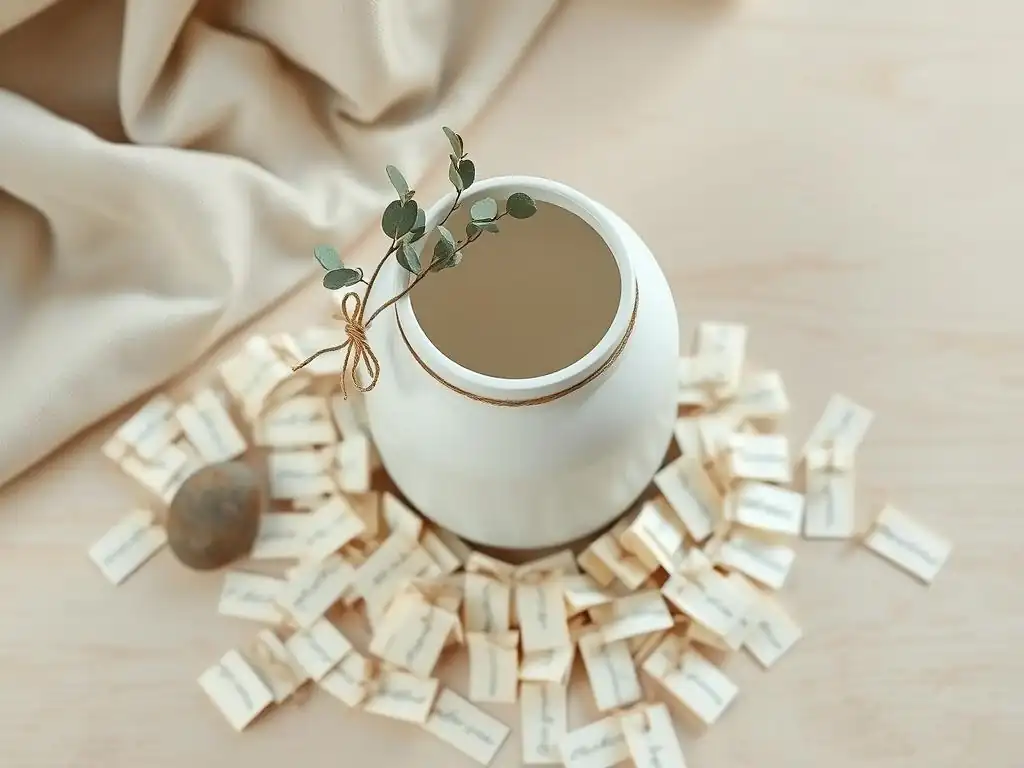
Begin by preparing your chosen container. Clean the jar thoroughly and remove any labels. This is where you can get creative and personalize it. Gather your decorating supplies – paints, markers, stickers, fabric, ribbon, etc. Decide how you want your gratitude jar to look. You might paint the outside, leaving a clear strip to see the notes, or decorate the lid. Perhaps you'll write an inspiring quote on the jar or draw symbols that are meaningful to you.
Take your time with this step and enjoy the process. Making the jar visually appealing can increase your motivation to use it regularly. If you're doing this with others, encourage everyone to decorate their own jar or contribute to a single family jar. Once decorated, allow any paint or glue to dry completely before moving on. Having a beautiful or personally meaningful jar sitting in a prominent spot serves as a constant, gentle nudge to remember your gratitude practice.
Step 2: Prepare Your Gratitude Slips: Cutting and Organizing
Next, prepare the paper slips you will write your gratitude entries on. Choose your paper and decide on a size that is easy to write on and will fit into your jar when folded. A common size is approximately 2x4 inches or 3x3 inches. Cut a large stack of these slips so you have plenty ready to go. Having a supply prepared in advance removes a potential barrier to writing down a moment of gratitude when it occurs.
You can keep the slips plain, or if using different colored paper, stack them neatly. Consider having a small box or container next to your gratitude jar specifically for the blank slips and a pen. This makes the process seamless – when you feel grateful, you simply grab a slip, write your note, and place it in the jar. Keeping the materials organized and accessible is key to maintaining consistency with your gratitude jar practice.
Step 3: Establish a Routine: When and How to Write Gratitude Entries
Consistency is crucial for reaping the full benefits of a gratitude jar. Establish a routine for writing your entries. This could be daily, perhaps before bed as you reflect on your day, or first thing in the morning to set a positive tone. Some people prefer a weekly routine, taking time on a Sunday evening to review the past week. The "when" is less important than making it a regular habit.
Decide on the "how" as well. Will you write just one thing each time, or several? Will your notes be detailed sentences or simple phrases? For instance, a note could be "Thankful for the sunshine today" or "Grateful for my sister's call, it brightened my mood." Keep it simple enough that it doesn't feel like a chore. Place your gratitude jar and supplies in a location where you will see them regularly – on your bedside table, kitchen counter, or desk – to help reinforce your established routine.
Step 4: Filling Your Jar: Consistent Practice for Maximum Impact
With your jar decorated, slips cut, and routine established, the main step is consistently filling your jar with moments of gratitude. Make a conscious effort throughout your day to notice things you are thankful for. This could be a delicious meal, a successful meeting, a moment of laughter, or even just feeling healthy. The more you look for things to be grateful for, the more you will find them.
Don't feel pressured to write something profound every time. Small, simple moments are just as valid and often more frequent. Aim for consistency over quantity or perceived importance. If you miss a day or two, don't worry; just pick up where you left off. The act of regularly identifying and recording these positive moments is what builds the habit and creates the collection that will serve as a powerful reminder of the good in your life.
Step 5: Reflecting on Your Blessings: Reading Your Gratitude Slips
The final, and arguably most rewarding, step is reading the contents of your gratitude jar. Decide when you will do this – perhaps on New Year's Eve to reflect on the past year, on your birthday, or whenever you feel you need a boost of positivity. Gather your loved ones if you wish, and take out the slips one by one.
As you read each note, take a moment to remember the specific experience and the feeling associated with it. Allow yourself to fully re-experience the joy, appreciation, or relief you felt. This process not only reminds you of all the positive moments you've experienced but also reinforces the habit of noticing the good. It provides perspective, especially if you are going through a tough time, illustrating the abundance of positive experiences you have already collected. This act of reflection is a powerful way to solidify the benefits of your gratitude practice and truly appreciate the journey you've taken.
Gratitude Jar Ideas for Enhanced Happiness and Well-being
Prompts and Inspiration: What to Write in Your Gratitude Jar
Sometimes, especially when starting out, it can be challenging to think of things to write in your gratitude jar. Having a few prompts or categories in mind can help spark inspiration. Remember that no moment is too small or insignificant. The goal is to capture genuine feelings of appreciation. Think about your senses: what did you see, hear, smell, taste, or feel today that you were thankful for? Consider the people in your life, your environment, your body, and simple daily occurrences.
Some general prompts include: "Something beautiful I saw today," "A skill I used or learned," "A comfort I experienced," "Something I accomplished," or "A moment of peace." Focusing on specific aspects of your life can help uncover hidden moments of gratitude. For example, instead of just "My family," you might write "Grateful for my child's infectious laugh today."
The more specific you can be, the easier it will be to recall and appreciate the moment when you read the slip later. These gratitude jar ideas for happiness are designed to open your mind to the abundance of positive experiences available to you.
Gratitude Jar Ideas Focusing on Relationships
Relationships are a rich source of gratitude. Think about the people in your life who support you, make you laugh, or simply make your day a little brighter. Notes related to relationships could include:
- A specific act of kindness someone showed you.
- A supportive conversation you had.
- A funny moment shared with a friend or family member.
- Feeling understood or heard by someone.
- A simple gesture of affection, like a hug.
- Learning something new from someone else.
- The comfort of knowing someone cares about you.
For example, instead of writing "My spouse," you might write "Grateful that my spouse made dinner when I was tired" or "Thankful for the way my best friend listened without judgment." Focusing on specific interactions makes the gratitude feel more concrete and heartfelt. These types of gratitude jar ideas for happiness help strengthen your appreciation for the vital connections in your life.
Gratitude Jar Ideas Centered on Personal Growth
Reflecting on your personal growth and resilience can be incredibly empowering. This category includes acknowledging your strengths, accomplishments, and lessons learned. Ideas for personal growth entries might be:
- Completing a challenging task you'd been avoiding.
- Learning a new skill or piece of information.
- Overcoming a fear or stepping outside your comfort zone.
- Recognizing a positive change in your mindset or habits.
- Forgiving yourself or someone else.
- Feeling proud of an effort you made.
- Taking time for self-care.
For instance, a note could be "Grateful I pushed through my anxiety to give that presentation" or "Thankful for the lesson I learned from making a mistake today." These entries highlight your inner strength and progress, providing a powerful reminder of how far you've come when you revisit them later. Including these kinds of gratitude jar ideas for happiness reinforces your own capabilities and resilience.
Gratitude Jar Ideas for Appreciating Simple Joys
Often, the most frequent moments of gratitude come from appreciating the simple joys of everyday life. These are the small, easily overlooked things that nonetheless contribute to our happiness. Examples include:
- The taste of your morning coffee or tea.
- Hearing your favorite song on the radio.
- The feeling of warm sunshine on your skin.
- Seeing a beautiful flower or tree.
- A moment of quiet and peace.
- The comfort of your home.
- A good night's sleep.
- The feeling of clean clothes.
These small moments, when acknowledged, can significantly elevate your mood. Making a habit of noticing and recording these simple joys trains your brain to find happiness in the ordinary. A note might read "Grateful for the way the rain sounded on the roof" or "Thankful for the perfectly ripe avocado I had for lunch." These simple gratitude jar ideas for happiness accumulate to paint a rich picture of the daily pleasures that contribute to your well-being.
Making Gratitude a Daily Habit: Tips and Tricks for Success
Integrating Gratitude into Your Daily Routine
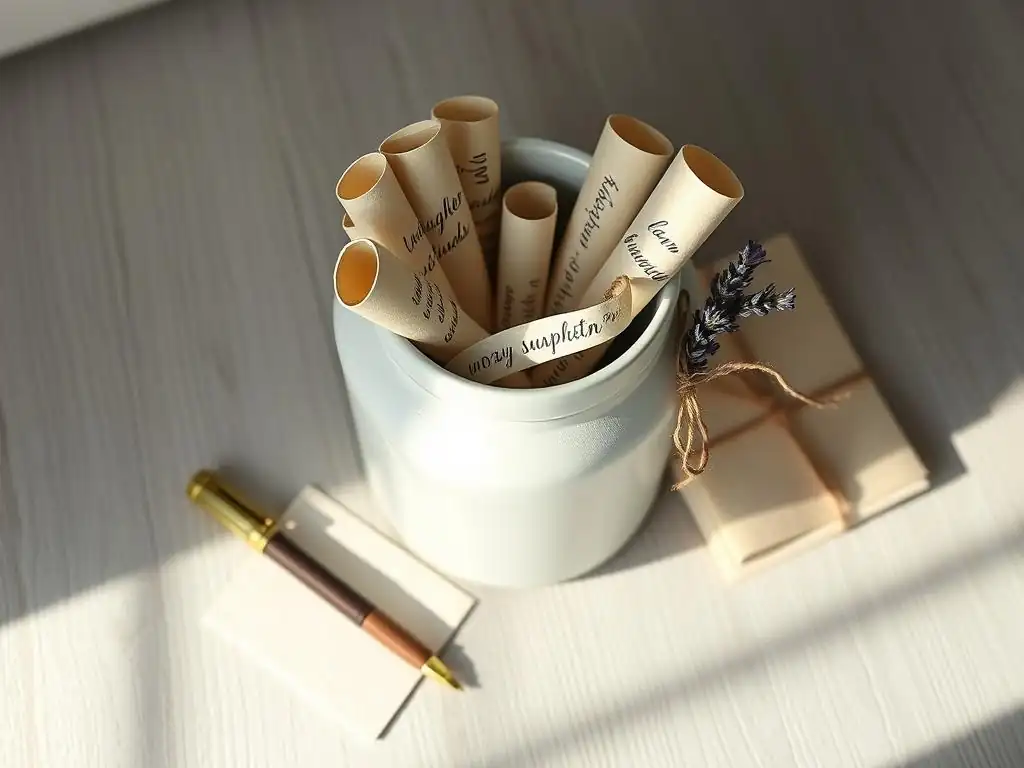
Making gratitude a consistent practice is key to experiencing its full benefits. The easiest way to achieve this is by integrating it into your existing daily routine. Choose a time that works best for you and stick to it. This could be while you're having breakfast, during your commute, on your lunch break, or as part of your evening wind-down routine. Pairing the gratitude practice with an established habit, like brushing your teeth or drinking your morning coffee, can help it feel less like an added task and more like a natural part of your day.
Keep your gratitude jar and writing supplies visible and easily accessible in the location where you've decided to practice. Seeing the jar can serve as a visual cue and reminder. Consider setting a gentle alarm on your phone for your designated gratitude time, especially in the beginning. Start small; even just thinking of one thing you're grateful for each day is a powerful beginning. As the habit forms, you may find it becomes easier and more natural to identify multiple moments of gratitude throughout the day.
Overcoming Challenges: Staying Consistent with Your Gratitude Practice
Like any new habit, maintaining consistency with a gratitude jar can sometimes be challenging. There might be days when you feel too busy, tired, or simply uninspired. It's important not to be too hard on yourself if you miss a day or two. The goal is progress, not perfection. If you find yourself falling out of the routine, gently remind yourself of why you started – to boost your happiness and well-being.
Troubleshooting common issues can help. If you forget, try setting reminders. If you struggle to think of things to write, look at the lists of gratitude jar ideas for happiness or focus on a different category each day (e.g., Monday: people, Tuesday: experiences, Wednesday: simple joys).
If the physical act of writing feels like too much on some days, simply take a moment to think of something you're grateful for, and commit to writing it down later when you have a moment. Reading a few notes from your jar can also reignite motivation by reminding you of the positive impact the practice has already had.
While a gratitude jar is a personal practice, sharing your gratitude journey can enhance its impact and strengthen connections with others. You might choose to create a family gratitude jar where everyone contributes notes. Reading these notes together can be a wonderful bonding experience, allowing everyone to appreciate the shared moments of joy and support within the family.
Beyond the jar, simply expressing your gratitude verbally to the people in your life is a powerful act. Telling someone specifically what you appreciate about them not only makes them feel good but also reinforces your own feelings of thankfulness. You can also encourage friends or colleagues to start their own gratitude jars and share tips and experiences. Engaging others in the practice can create a supportive community focused on positivity, multiplying the positive effects of gratitude on overall well-being.
The Science Behind Gratitude: How it Impacts Your Brain
The Neuroscience of Gratitude: Understanding the Chemical Effects
The positive impact of gratitude on mental well-being isn't just anecdotal; it's supported by neuroscience. When you experience or express gratitude, your brain releases neurotransmitters that are associated with pleasure and well-being, such as dopamine and serotonin. These chemicals are linked to feelings of happiness, motivation, and calmness. Regularly activating these neural pathways through gratitude practice can lead to long-term changes in brain structure and function, potentially increasing your baseline levels of happiness and resilience.
Studies using fMRI (functional magnetic resonance imaging) have shown that feeling gratitude activates areas of the brain associated with morality, reward, and social bonding. The medial prefrontal cortex, an area linked to learning and decision-making, shows increased activity when people feel grateful. This suggests that gratitude isn't just an emotion; it's a cognitive process that influences how we perceive the world and make choices, leading us to notice and appreciate more positive aspects of our environment and relationships.
Gratitude and Mental Health: Reducing Stress and Anxiety
Consistent gratitude practice has been shown to have a significant positive effect on mental health, particularly in reducing stress and anxiety. When you focus on what you are grateful for, you shift your attention away from worries and perceived threats. This cognitive redirection can interrupt the stress response cycle. Research indicates that individuals who regularly practice gratitude report lower levels of perceived stress and have reduced levels of the stress hormone cortisol. One study suggested that gratitude practice could lead to a reduction in cortisol levels by up to 23%.
Moreover, gratitude helps to build emotional resilience. By regularly acknowledging positive experiences, you create a reserve of positive emotions and memories that you can draw upon during difficult times. This makes you better equipped to cope with setbacks and challenges, reducing the likelihood of prolonged periods of anxiety or low mood. The act of writing entries for your gratitude jar ideas for happiness directly contributes to building this mental resilience, providing a tangible reminder of your capacity for joy even amidst challenges.
The Long-Term Benefits of Gratitude Practice on Overall Well-being
Beyond immediate mood boosts and stress reduction, cultivating gratitude through practices like using a gratitude jar offers substantial long-term benefits for overall well-being. Studies following individuals over time have found that those who maintain a regular gratitude practice report higher levels of life satisfaction and optimism compared to those who don't. They also tend to experience fewer physical symptoms, sleep better, and engage in more healthy behaviors.
Gratitude also plays a role in strengthening social relationships. Expressing gratitude to others fosters connection and mutual support, which are critical components of mental health. Over time, a consistent gratitude practice can fundamentally change your perspective, making you more attuned to the positive aspects of life, more resilient in the face of adversity, and more deeply connected to yourself and others. The cumulative effect of consistently adding to your gratitude jar ideas for happiness is a profound and lasting improvement in your quality of life.
Beyond the Jar: Expanding Your Gratitude Practices
Gratitude Journaling: A Deeper Dive into Appreciation
While a gratitude jar is excellent for capturing brief moments, gratitude journaling allows for a more in-depth exploration of your feelings of appreciation. A gratitude journal is typically a notebook where you write down what you are grateful for, often elaborating on why you are grateful. This practice encourages deeper reflection on the nuances of your experiences and the sources of your thankfulness.
Journaling provides space to explore complex feelings and connect your gratitude to broader themes in your life. You might write about how a particular challenge led to growth that you are now grateful for, or delve into the history of a significant relationship and why you appreciate the people in it. While the gratitude jar collects snapshots, the journal allows you to paint a richer picture. Combining both practices can offer a comprehensive approach to cultivating appreciation: the jar for quick, daily wins, and the journal for more reflective, detailed entries.
Expressing Gratitude to Others: Strengthening Connections
One of the most impactful ways to practice gratitude is by expressing it directly to the people who make a positive difference in your life. This goes beyond simply feeling grateful; it involves communicating that appreciation verbally, in writing, or through actions. Telling someone specifically what you are thankful for – whether it's a partner, friend, family member, colleague, or even a stranger who held the door for you – strengthens your connection with them and reinforces the positive behavior.
Consider writing thank-you notes, sending a heartfelt text message, or simply taking a moment during a conversation to say "I really appreciate when you..." Expressing gratitude can make the recipient feel valued and seen, and it also boosts your own feelings of happiness and connection. Making a conscious effort to vocalize or demonstrate your appreciation to others is a powerful complement to your personal gratitude jar practice.
Mindful Gratitude: Practicing Gratitude in the Present Moment
Mindful gratitude involves intentionally noticing and appreciating the good things happening right now, in the present moment. This practice is closely linked to mindfulness, the act of paying attention to the present experience without judgment. Instead of just recalling past blessings or anticipating future ones, mindful gratitude encourages you to pause and savor the positive aspects of your immediate environment and internal state.
This could be as simple as mindfully appreciating the taste of your food, the feeling of your breath, the warmth of your clothing, or the sounds around you. It involves fully engaging your senses and consciously acknowledging the positive sensations or observations. Practicing mindful gratitude helps you to become more aware of the continuous flow of positive experiences that might otherwise go unnoticed. It trains your brain to find moments of peace and appreciation in the here and now, enhancing your overall sense of presence and contentment, and enriching the potential entries for your gratitude jar ideas for happiness.
Conclusion: Embrace Gratitude and Unlock a Happier You
Recap: The Power of a Gratitude Jar for a More Positive Life
We've explored how creating and consistently using a gratitude jar can be a simple yet profoundly effective tool for enhancing mental well-being and cultivating happiness. This practice involves identifying moments of joy and appreciation, writing them down on slips of paper, and collecting them in a designated container. The act of seeking out and recording these positive experiences trains your brain to focus on the good, helping to counteract negative thought patterns and reduce stress and anxiety.
The gratitude jar provides a tangible collection of positive memories that you can revisit, offering perspective and a powerful reminder of the abundance in your life, especially during challenging times. From choosing and decorating your jar to establishing a routine and reflecting on your entries, each step contributes to building a meaningful habit. By incorporating diverse gratitude jar ideas for happiness, focusing on relationships, personal growth, and simple joys, you can ensure your practice remains fresh and impactful.
Final Thoughts: Start Your Gratitude Journey Today
Starting a gratitude jar is an accessible and rewarding step towards a more positive and fulfilling life. It requires minimal resources but offers significant returns in terms of increased happiness, reduced stress, and enhanced resilience. The process is simple, adaptable, and entirely personal – you can make your jar and your practice whatever you need them to be.
Don't wait for a special occasion or feel the need for grand gestures of gratitude. Begin today by simply noticing one thing you are thankful for and writing it down. Find a jar, gather some paper and a pen, and start collecting your moments of joy. As your collection grows, so too will your awareness of the good in your life. Embrace the power of gratitude and unlock a happier, more appreciative you.
Frequently Asked Questions
How does a gratitude jar work to improve mental well-being?
A gratitude jar encourages daily reflection on positive aspects of life. This practice shifts focus away from negativity, fostering a more optimistic outlook and boosting overall happiness.
What are some easy and creative gratitude jar ideas for beginners?
Start simple! Use colorful sticky notes, decorate a mason jar with paint or stickers, or theme your jar around specific areas like family, friends, or hobbies. The key is to make it personal and engaging.
How often should I write in my gratitude jar to experience its benefits?
Consistency is key. Aim for daily entries, even if they are small. A regular practice reinforces the habit of noticing and appreciating the good things in your life.
What if I'm having a hard time finding things to be grateful for?
Even during difficult times, there's always something to appreciate. Focus on small things like a warm cup of tea, a sunny day, or a kind word from a friend. Practice patience with yourself.
Sharing can be a wonderful way to connect and inspire. Consider sharing entries with loved ones or creating a community gratitude jar where everyone contributes.
Final Reflection: Harvesting Happiness, One Gratitude at a Time
The simple act of acknowledging joy, of consciously collecting moments of gratitude, is more than just a feel-good exercise; it's a powerful tool for cultivating lasting happiness in a world often consumed by negativity. This article explored the creation and maintenance of a gratitude jar, a tangible method for fostering positivity and appreciating the small wonders in our daily lives. But its impact extends far beyond the charming aesthetics of a decorated jar.
The consistent practice of recording moments of gratitude has profoundly shifted my perspective, reminding me that happiness isn't a destination but a journey paved with small, often overlooked, blessings. Gratitude unlocks the fullness of life. It turns what we have into enough, and more. It turns denial into acceptance, chaos to order, confusion to clarity.
– Melody Beattie. This quote perfectly encapsulates the transformative power of gratitude, a power that resonates deeply within the simple act of filling a jar with notes of appreciation. It's a constant reminder to look for the good, even amidst challenges.
Now, I invite you to consider your own journey towards happiness. Will you embark on the simple yet profound adventure of creating your own gratitude jar? Take a moment to reflect on the joys in your life, big and small. Start writing them down, savoring the feeling of appreciation as you do. Let the act of filling your jar become a ritual, a daily reminder to focus on the positive and cultivate a heart overflowing with gratitude. The happiness you harvest will be well worth the effort.
Unlock Your Inner Joy: Start Your Gratitude Journey Today!
Thanks for taking the time to explore the power of gratitude with us! We hope this article helped you discover a fun and effective way to cultivate positivity in your daily life. Ready to turn those newfound insights into action?
- Begin crafting your very own gratitude jar! Gather a jar (any size! ), some paper scraps, and a pen, and start recording your daily blessings. This is the key to unlocking the benefits described in the article.
- Share your gratitude practice with friends and family—inspire them to join in the joy! You might be surprised by the positive ripple effect.
- Consider creating a themed gratitude jar focusing on specific aspects of your life, like achievements, acts of kindness, or moments of beauty. This adds a unique twist to your practice!
So, what small act of gratitude will you cherish today, and how will you make it a part of your daily routine?