
Express Yourself: Meaningful Ways to Show Gratitude to Others


Welcome to Mind Care Guide, a safe space to nurture your mental well-being.
Feeling overwhelmed? Discover how something as simple as expressing gratitude can profoundly impact your mental health and overall happiness. Dive into our guide, "Express Yourself: Meaningful Ways to Show Gratitude to Others," and unlock practical strategies to cultivate appreciation and build stronger connections. Ready to experience the positive shift? Let's explore the transformative power of gratitude together...
-
Express Yourself: Meaningful Ways to Show Gratitude to Others for Improved Mental Health
- Understanding the Power of Gratitude for Mental Well-being
- Verbal Expressions of Thankfulness: The Power of Saying "Thank You"
- Non-Verbal Ways to Show Gratitude and Cultivate Positivity
- Gratitude Journaling: A Pathway to Enhanced Mental Health
- Cultivating Gratitude in Relationships for Stronger Bonds
- Expressing Gratitude at Work: Fostering a Positive Environment
- Overcoming Obstacles to Expressing Gratitude Effectively
- Maintaining a Gratitude Practice for Long-Term Mental Well-being
- Conclusion: Embracing Gratitude for a Healthier, Happier You
-
Frequently Asked Questions
- How does expressing gratitude improve mental health?
- What are some meaningful ways to show gratitude to others, as discussed by Mind Care Guide?
- Is there scientific evidence to support the link between gratitude and mental well-being?
- What if I find it difficult to express gratitude; what does Mind Care Guide advise?
- Can expressing gratitude improve my relationships, according to Mind Care Guide?
- Final Reflection: The Ripple Effect of Gratitude
- Unlock Deeper Connections: Share Your Gratitude Today!
Express Yourself: Meaningful Ways to Show Gratitude to Others for Improved Mental Health
Understanding the Power of Gratitude for Mental Well-being
Expressing gratitude isn't just good manners; it's a powerful tool for enhancing psychological resilience and overall happiness. Research consistently shows a strong link between practicing thankfulness and improved mental health outcomes. Studies, for instance, have indicated that individuals who regularly acknowledge what they are grateful for tend to report higher levels of positive emotions and life satisfaction.
This practice shifts focus away from what might be lacking and towards the abundance present, fostering a more optimistic outlook that can buffer against daily stressors. The simple act of consciously recognizing the good in one's life and expressing it to others initiates a positive feedback loop, strengthening both internal well-being and external relationships.
The mental health benefits of expressing gratitude are tangible, extending to reductions in stress and anxiety. When we focus on appreciation, our brains release neurotransmitters like dopamine and serotonin, which are associated with feelings of happiness and pleasure. This neurochemical response can counteract the effects of stress hormones like cortisol.
A study published in the Journal of Personality and Social Psychology found that participants who wrote gratitude letters for three weeks reported significantly lower stress levels and higher feelings of happiness compared to control groups. This highlights how actively showing gratitude can serve as a practical coping mechanism against the pressures of modern life, demonstrating that expressing gratitude improves mental health significantly.
Verbal Expressions of Thankfulness: The Power of Saying "Thank You"
One of the most direct and impactful ways to show appreciation is through verbal expressions. A sincere "thank you" delivered face-to-face can instantly brighten someone's day and strengthen your connection. It's not just about uttering the words; it's about the intention and sincerity behind them.
Making eye contact, using a warm tone, and specifically mentioning why you are thankful makes the expression far more meaningful. For example, instead of a generic "Thanks for your help," try, "Thank you so much for staying late to help me finish that project; I really appreciate your dedication." This level of specificity shows you've noticed their effort and value their contribution.
Beyond casual conversation, crafting heartfelt thank you notes provides a lasting token of your appreciation. While digital communication is convenient, a handwritten note carries a special weight, signifying time and effort invested. These notes allow you to elaborate on the specific actions or qualities you are grateful for, creating a deeper emotional connection.
For instance, sending a note after someone provided support during a difficult time, detailing the specific ways their help made a difference, can be profoundly moving for the recipient and reinforce your bond. This deliberate act of articulating your feelings on paper can also be a reflective process that enhances your own sense of gratitude, further proving that expressing gratitude improves mental health.
Non-Verbal Ways to Show Gratitude and Cultivate Positivity
Actions often speak louder than words, and this is certainly true when expressing gratitude. Performing acts of service for someone who has helped you is a powerful non-verbal way to show your appreciation. This could be offering to help them with a task, running an errand for them, or simply being present and offering support when they need it.
For example, if a friend helped you move, offering to cook them dinner or help them with their next big task reciprocates their kindness in a tangible way. These actions demonstrate that you value their contribution and are willing to invest your own time and energy in return, reinforcing the relationship and fostering a positive cycle of mutual support.
Thoughtful gifts, while not necessary for expressing gratitude, can also serve as meaningful tokens of appreciation. The value isn't in the monetary cost, but in the thoughtfulness behind the gift. A small item that relates to the person's interests, a homemade treat, or something you know they need demonstrates that you pay attention and care.
For instance, if you know a colleague loves a particular type of coffee, bringing them a bag shows you remember details about them and appreciate their presence or help. The act of selecting and giving a gift, when done with genuine appreciation, reinforces positive connections and contributes to a sense of well-being for both the giver and receiver, illustrating another facet of how expressing gratitude improves mental health.
Gratitude Journaling: A Pathway to Enhanced Mental Health
Gratitude journaling is a widely recommended practice for cultivating a grateful mindset and reaping significant mental health benefits. It involves regularly writing down things you are thankful for. This simple act forces you to pause and reflect on the positive aspects of your life, even on challenging days.
Committing to writing down just three to five things each day or a few times a week can shift your perspective over time. For example, one day you might list "the warmth of the sun," "a helpful conversation with a friend," and "the ability to enjoy a cup of tea." The key is consistency and specificity where possible, moving beyond generic statements to truly acknowledge the details.
Starting a gratitude journal is easy. You can use any notebook or a digital app. The important part is to make it a regular habit, perhaps dedicating a few minutes each morning or evening. Prompts can help if you're stuck: "What made you smile today? ", "What challenge did you overcome?
", "What simple pleasure did you enjoy? ", or "Who helped you today and how?". Listing specific things you appreciate about your health is particularly potent for mental well-being. This could include being thankful for the ability to walk, the function of your senses, a good night's sleep, or simply the absence of pain on a given day. Focusing on these fundamental aspects fosters a deeper appreciation for the body and its capabilities, reinforcing the idea that expressing gratitude improves mental health by highlighting personal well-being.
Cultivating Gratitude in Relationships for Stronger Bonds
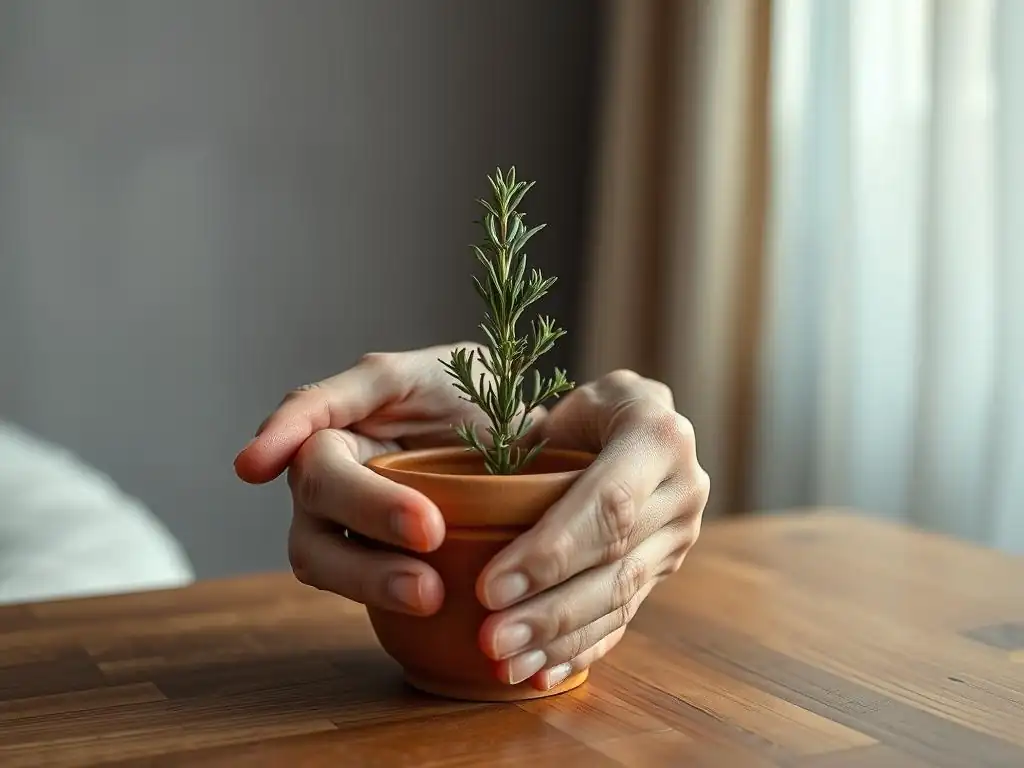
Expressing gratitude is fundamental to nurturing healthy and strong relationships. Regularly showing appreciation to family members, whether it's a parent, sibling, or child, reinforces familial bonds and creates a positive home environment. This could be as simple as thanking your partner for making dinner, telling your child you appreciate their help with chores, or letting a parent know you are grateful for their continued support. These frequent, small expressions prevent resentment from building and ensure that contributions are acknowledged, making everyone feel valued and seen within the family unit.
Similarly, showing gratitude to friends is crucial for maintaining supportive friendships. Friends are often our chosen family, providing emotional support, companionship, and help when needed. Acknowledging their presence and actions strengthens these vital connections.
Sending a text after a supportive phone call saying, "Thanks so much for listening, it really helped," or telling a friend how much you appreciate their sense of humor or loyalty reinforces the positive aspects of the friendship. Planning quality time together, like arranging a dinner or activity specifically to spend time with someone, is also a powerful non-verbal way of showing you value their company and the relationship itself. These acts of appreciation confirm that expressing gratitude improves mental health not just individually, but also through the strength of our social connections.
Expressing Gratitude at Work: Fostering a Positive Environment
The workplace can significantly impact mental well-being, and cultivating gratitude within this environment can lead to a more positive and less stressful experience. Acknowledging colleagues' contributions and efforts, no matter how small, builds camaraderie and a sense of mutual respect. Simple gestures like publicly praising a teammate during a meeting for their hard work on a specific task or sending a quick email saying "Great job on that presentation!" can boost morale and encourage collaboration. This creates a ripple effect, making the workplace feel more supportive and less competitive.
Showing appreciation to mentors and supervisors is also important, recognizing their guidance and leadership. A thoughtful note or a brief conversation expressing how their advice helped you navigate a challenge demonstrates respect and initiative. For clients or customers, providing positive feedback or referrals is an excellent way to show gratitude for their business and trust.
For example, if a client provides valuable feedback, thank them specifically for their input and explain how it will be used. These professional expressions of thankfulness contribute to a more positive work culture for everyone involved, highlighting how expressing gratitude improves mental health within the professional sphere by reducing friction and increasing positive interactions.
Overcoming Obstacles to Expressing Gratitude Effectively
While expressing gratitude offers numerous benefits, some individuals face obstacles in doing so. Feelings of unworthiness or guilt can make it difficult to accept kindness or feel deserving of the good things happening, which in turn hinders the ability to express thanks genuinely. Someone struggling with low self-esteem might minimize the help they receive, thinking it was "no big deal," and thus fail to offer adequate thanks.
Addressing these underlying feelings, perhaps through therapy or self-reflection, is crucial. Recognizing that receiving help is okay and that expressing gratitude is a way to honor the giver, not diminish oneself, can help overcome this barrier.
Difficulty expressing emotions is another common hurdle. Some people are simply not used to verbalizing their feelings, including appreciation. This can manifest as awkwardness or a fear of sounding insincere. Starting small, perhaps with written notes or practicing simple verbal cues, can build confidence. It's also important to remember that authenticity is key; find ways to express gratitude that feel genuine to you, even if they are understated.
Practicing self-compassion throughout this process is vital. Understand that learning to express gratitude is a skill that takes time and effort. Be patient with yourself, acknowledge your attempts, and celebrate small successes. This compassionate approach makes the journey towards expressing gratitude improves mental health more accessible and sustainable.
Maintaining a Gratitude Practice for Long-Term Mental Well-being
To truly harness the power of gratitude for lasting mental health benefits, it needs to become a consistent practice, not just a one-time act. Making gratitude a daily habit, whether through journaling, a mindful walk where you notice things you appreciate, or setting a reminder to send one thank-you message a day, integrates it into your life rhythm. Even on busy or difficult days, taking a moment to find one small thing to be grateful for can shift your perspective. Consistency is more important than the duration or intensity of the practice.
Regularly reflecting on gratitude helps reinforce its positive effects. This can be done during meditation, before sleep, or during quiet moments throughout the day. Mindfulness exercises can significantly enhance your ability to cultivate gratitude.
By practicing mindfulness, you become more present and aware of the positive experiences and people in your life that you might otherwise overlook. For instance, a mindful walk can involve paying attention to the beauty of nature, the feeling of the ground beneath your feet, or the simple fact of being able to move your body – prompting gratitude for these fundamental aspects of existence. This intentional focus on appreciation through consistent practice is how expressing gratitude improves mental health over the long term, building resilience and fostering a more positive outlook on life.
Conclusion: Embracing Gratitude for a Healthier, Happier You
Frequently Asked Questions
How does expressing gratitude improve mental health?
Expressing gratitude shifts your focus to the positive aspects of life, reducing negative emotions like envy and resentment. This increased positivity leads to improved mood and overall well-being. It also can foster stronger relationships.
What are some meaningful ways to show gratitude to others, as discussed by Mind Care Guide?
The Mind Care Guide suggests various methods, including writing thank-you notes, offering words of appreciation, and performing acts of service. These actions demonstrate genuine acknowledgment and appreciation.
Is there scientific evidence to support the link between gratitude and mental well-being?
Yes, studies have shown that practicing gratitude can lead to decreased symptoms of depression and anxiety. Furthermore, it can increase levels of happiness and optimism. This is a key area Mind Care Guide focuses on.
What if I find it difficult to express gratitude; what does Mind Care Guide advise?
Mind Care Guide recommends starting small, perhaps by identifying one thing you're grateful for each day. You can also practice gratitude journaling or even just silently acknowledging positive aspects.
Can expressing gratitude improve my relationships, according to Mind Care Guide?
Absolutely! Mind Care Guide emphasizes that expressing gratitude strengthens relationships by fostering feelings of appreciation and connection. It can also lead to increased reciprocity and improved communication.
Final Reflection: The Ripple Effect of Gratitude
Expressing gratitude isn't just a feel-good practice; it's a powerful tool for cultivating mental well-being in an increasingly demanding world. The evidence presented throughout this article clearly demonstrates the profound impact that consciously expressing appreciation can have on our own emotional landscape and the lives of those around us. From boosting self-esteem to reducing stress and anxiety, the benefits are undeniable and readily accessible to everyone.
The act of expressing gratitude, I've come to realize, is far more than a simple gesture; it's a fundamental shift in perspective. It's about actively choosing to focus on the positive, to acknowledge the kindnesses both big and small that enrich our lives. This conscious appreciation fosters stronger relationships, builds resilience, and creates a more positive feedback loop, impacting not only the recipient but also the giver. As the Dalai Lama wisely said, The purpose of our lives is to be happy. But to be happy we must be kind.
Kindness, in its purest form, is often an expression of gratitude.
Now, consider how you can integrate these practices into your daily life. Start small: a heartfelt thank-you note, a genuine compliment, or simply taking a moment to appreciate the beauty around you. By consciously cultivating gratitude, you're not just improving your own mental health; you're actively contributing to a kinder, more compassionate world. Embrace the ripple effect of gratitude – let your appreciation inspire others, and watch as it transforms your life and the lives of those you touch.
Thanks for taking the time to explore meaningful ways to express gratitude! We hope you discovered some fresh perspectives on showing appreciation to those around you. Now, let's put those ideas into action.
- Prioritize one person: Identify someone in your life you want to thank today, and reach out to them with a heartfelt message—whether it's a phone call, text, or handwritten note. This small act can make a big difference.
- Spread the word: Share this article with someone who might benefit from discovering new ways to express gratitude. Let's inspire others to connect more deeply!
- Start a gratitude journal: Reflect on the ways you've shown gratitude recently and the positive impact it had. This simple practice can help deepen your own appreciation and cultivate more meaningful connections.
What small act of gratitude will you share today, and who will you brighten their day with it?