
Integrate Gratitude: Making Thankfulness a Daily Habit for Holistic Health


Welcome to Mind Care Guide.
Feeling overwhelmed? It's okay. We understand that navigating the complexities of mental well-being can be challenging. Discover how simple yet powerful gratitude practices improve mental health, offering a pathway to a more balanced and fulfilling life. Uncover practical tips and insights to weave thankfulness into your daily routine, fostering resilience and inner peace. Let's embark on this journey towards holistic well-being together. What small act of appreciation can you cultivate today?
Cultivating Gratitude: A Path to Enhanced Well-being
- The Science of Gratitude and Mental Health
- Embarking on Your Gratitude Journey
- Practical Gratitude Exercises for Daily Life
- Navigating Challenges in Your Gratitude Practice
- Long-Term Benefits of a Gratitude-Centered Life
- Gratitude's Role in Holistic Well-being
- Resources for Deepening Your Gratitude Practice
-
Frequently Asked Questions
- How can gratitude practices specifically improve my mental health?
- What are some simple ways to integrate gratitude into my daily routine?
- Is there any scientific evidence that supports the link between gratitude and mental well-being?
- How long does it typically take to see the benefits of consistently practicing gratitude?
- If I'm struggling with a mental health challenge, can gratitude practices replace professional help?
- Final Reflection: Cultivating Gratitude for a Flourishing Life
- Unlock Your Inner Well-being: Cultivate a Gratitude Practice Today!
The Science of Gratitude and Mental Health
Gratitude's Impact on Reducing Stress and Anxiety
Research consistently indicates that incorporating gratitude practices into daily life can significantly mitigate feelings of stress and anxiety. When we actively focus on what we are thankful for, it shifts our attention away from stressors and perceived lacks, interrupting the cycle of negative rumination that often fuels anxiety. This cognitive reframing can lead to a measurable decrease in cortisol levels, the body's primary stress hormone.
Studies, such as those conducted by researchers like Dr. Robert Emmons, a leading expert on gratitude, have shown that individuals who regularly practice gratitude report feeling less stressed and more resilient in the face of challenges compared to control groups. This highlights how simple acts of thankfulness can provide a powerful buffer against the pressures of modern life, demonstrating how gratitude practices improve mental health by building internal coping mechanisms.
Furthermore, the act of acknowledging positive aspects of life, no matter how small, creates a psychological distance from anxious thoughts. Instead of being consumed by worries about the future or regrets about the past, a grateful mindset encourages presence and appreciation for the present moment.
This shift in perspective can quiet the overactive amygdala, the part of the brain responsible for processing fear and threat. Over time, consistent gratitude practice can rewire neural pathways, making the brain less prone to defaulting to anxious responses.
For example, someone overwhelmed by financial stress might find that regularly noting gratitude for their health, supportive relationships, or even just a warm meal helps reduce the intensity of their worry, making the situation feel less catastrophic and fostering a sense of calm that allows for clearer problem-solving. These findings underscore the profound impact that intentional gratitude practices can have on managing and improving mental health, particularly in reducing the burden of stress and anxiety.
Gratitude and Increased Positive Emotions
Cultivating gratitude acts as a powerful catalyst for increasing positive emotions such as joy, contentment, and optimism. By deliberately focusing on the good things in life, individuals train their brains to notice and appreciate positivity, counteracting the brain's natural negativity bias, which tends to focus on potential threats and problems. This intentional focus on the positive creates a ripple effect, enhancing overall mood and emotional well-being.
For instance, research indicates that people who regularly practice gratitude report higher levels of happiness and life satisfaction compared to those who do not. They are more likely to experience feelings of pleasure and enthusiasm in their daily lives, illustrating how gratitude practices improve mental health not just by reducing negatives but by actively building positive emotional states.
Beyond simply feeling better, gratitude fosters a deeper sense of connection and belonging, which are fundamental components of emotional health. When we feel grateful for others, it strengthens our social bonds and encourages prosocial behavior, leading to more positive interactions and a stronger support network. This sense of connection is a significant predictor of long-term happiness and resilience.
Moreover, gratitude helps individuals savor positive experiences, making them more memorable and impactful. Instead of fleeting moments of happiness, a grateful person can extract sustained joy from simple events, whether it's appreciating a beautiful sunset, a kind gesture from a stranger, or a successful personal achievement. This ability to savor and amplify positive experiences is a key way that consistent gratitude practices contribute to significantly improving mental health and fostering a more joyful existence.
Embarking on Your Gratitude Journey
Identifying Areas of Your Life to Appreciate
Starting a gratitude practice begins with identifying the myriad areas in your life where appreciation can be found. It's not about ignoring difficulties, but about consciously acknowledging the good that exists alongside challenges. Consider broad categories such as your relationships – family, friends, colleagues, even pets. Think about your personal well-being – your health (even small aspects of it), your strengths, your abilities, moments of peace or joy.
Reflect on your environment – your home, nature, the community around you, the simple comforts available to you. Even seemingly mundane aspects like access to clean water, transportation, or a favorite song can be sources of gratitude. The goal is to broaden your perspective and recognize the abundance that often goes unnoticed in the rush of daily life, laying the foundation for how gratitude practices improve mental health by shifting focus.
This process of identification is deeply personal and can evolve over time. What you appreciate today might be different from what you notice tomorrow. It can be helpful to start with the basics and gradually expand your awareness.
Perhaps you start by being grateful for the roof over your head or the food on your table. Then, you might notice gratitude for a supportive friend who listened to you, a challenging experience that taught you resilience, or even just the ability to breathe freely. Taking a few moments each day or week to specifically ponder these different areas helps train your mind to spot the positives, making it easier to integrate gratitude practices into your routine and begin to experience how they can genuinely improve mental health by cultivating a more positive internal landscape.
Setting Achievable Gratitude Goals
To make gratitude a sustainable habit, it's helpful to set achievable goals rather than aiming for an overnight transformation. Start small and build gradually. For example, a realistic initial goal might be to simply identify one thing you are grateful for each day.
This takes only a minute or two and can be done during your morning coffee, commute, or before bed. As this becomes easier, you might increase it to three things, or commit to a specific practice like writing in a gratitude journal a few times a week. Setting goals that fit into your current lifestyle increases the likelihood of sticking with the practice, demonstrating that even small gratitude practices improve mental health over time.
Consider integrating your gratitude practice into an existing routine. If you already meditate, add a minute of gratitude reflection at the end. If you walk daily, use part of that time to notice things you're grateful for in your surroundings. Be specific about when and how you will practice. For instance, "I will write three things I'm grateful for in my journal every evening before closing my book."
This concrete plan makes it less likely that the practice will be forgotten. Remember that consistency is more important than intensity. Even a few moments of genuine thankfulness daily are more effective than an hour once a month. By setting realistic, actionable goals, you create a sustainable path for how regular gratitude practices can consistently improve mental health and become a natural part of your life.
Practical Gratitude Exercises for Daily Life

Gratitude Journaling: A Comprehensive Guide
Gratitude journaling is one of the most widely recommended and effective ways to cultivate a grateful mindset. It involves regularly writing down things you are thankful for. This practice provides a tangible record of the positive aspects of your life, making them more concrete and easier to revisit. Dedicate a specific notebook or digital document solely for this purpose.
Aim for consistency, whether it's daily, a few times a week, or weekly. Even 5-10 minutes dedicated to writing can yield significant benefits. The act of physically writing (or typing) helps process thoughts and feelings, deepening the impact of the reflection. This simple yet powerful gratitude practice improves mental health by providing a structured way to focus on positivity.
When journaling, try to be specific rather than general. Instead of writing "I'm grateful for my family," try "I'm grateful for the laugh my daughter and I shared this morning" or "I appreciate my partner listening patiently to me talk about my day." Specificity enhances the emotional resonance of the gratitude.
Don't feel pressured to write elaborate entries; bullet points are perfectly fine. The key is the consistent act of acknowledging and recording things you appreciate. Over time, reviewing past entries can be incredibly uplifting, especially during challenging periods, reminding you of the good that exists and reinforcing how consistent gratitude practices contribute to improving mental health resilience.
Effective Journaling Prompts for Cultivating Gratitude
Using prompts can be helpful, especially when you're new to journaling or feeling stuck. Prompts guide your reflection and encourage you to look at different aspects of your life. Here are a few examples you might use:
- What is one small moment from today that brought you joy?
- Who is someone who helped you recently, and how?
- What is something you appreciate about your home or environment?
- Name a skill or ability you have that you are grateful for.
- What challenge did you overcome recently, and what did you learn?
- List three simple pleasures you experienced today (e.g., a warm drink, comfortable clothes, sunshine).
Using prompts like these can make the journaling process easier and more engaging. You can choose a different prompt each time or stick with a few favorites. The goal is to stimulate reflection and bring specific instances of gratitude to the forefront of your mind. Don't worry about perfect grammar or spelling; the journal is for you. This structured approach to gratitude practices helps cultivate a deeper sense of appreciation, which in turn helps improve mental health.
Optimizing Journaling for Mental Wellness
To maximize the mental wellness benefits of gratitude journaling, consider incorporating it into a calming routine. Perhaps you journal in the evening as a way to wind down and reflect positively on the day, helping to reduce anxiety before sleep. Or maybe you journal in the morning to start the day with a positive focus. Experiment to find the time that works best for you. You might also notice patterns in your entries – are you consistently grateful for certain things? Recognizing these patterns can provide insights into what truly brings you happiness and fulfillment.
Another optimization tip is to engage your senses when recalling something you're grateful for. If you're grateful for a walk in nature, try to remember the smells, sounds, and sights. This sensory recall can amplify the feeling of gratitude. Don't just list things; try to connect with the feeling of thankfulness. Regularly reviewing past entries can also provide a valuable perspective, reminding you of positive experiences and growth over time. By making these small adjustments, your gratitude journaling becomes a more potent tool for how dedicated gratitude practices improve mental health and foster overall well-being.
Expressing Gratitude to Others: Strengthening Bonds
Expressing gratitude directly to others is a powerful way to deepen your own sense of thankfulness while simultaneously strengthening your relationships. Telling someone specifically what you appreciate about them or something they did creates a positive feedback loop. The recipient feels valued and seen, which in turn often makes them feel more positively towards you.
This mutual feeling of goodwill enhances connection, trust, and intimacy in relationships, whether they are personal or professional. Authentic expression of thanks is a key component in fostering a supportive social network, which is vital for robust mental health. This interpersonal aspect highlights how gratitude practices improve mental health not just individually but also through relational well-being.
Think about the last time someone genuinely thanked you for something specific you did – how did it make you feel? Likely appreciated, happy, and perhaps more inclined to help them again. The same holds true when you express gratitude.
It encourages positive interactions and builds a foundation of mutual respect and affection. This practice moves gratitude beyond an internal feeling to an external action that benefits both the giver and the receiver. Making a conscious effort to express thanks daily or weekly can significantly enhance the quality of your relationships, providing a strong support system that helps buffer against stress and loneliness, demonstrating a crucial way that gratitude practices contribute to improving mental health through social connection.
The Psychology of Expressing Appreciation
From a psychological perspective, expressing appreciation reinforces positive behaviors and strengthens social bonds through the principle of reciprocity. When someone receives genuine thanks, it validates their actions and makes them feel good, increasing the likelihood they will repeat the helpful or kind behavior. For the person expressing gratitude, it reinforces their awareness of the positive contributions others make to their life, reducing feelings of isolation and increasing feelings of connection and belonging.
Studies in positive psychology have shown that acts of expressing gratitude can boost happiness levels for both the expresser and the recipient, sometimes for hours or even days afterward. This positive feedback loop makes expressing thanks a highly effective method for enhancing well-being.
Moreover, expressing gratitude helps cultivate humility and reduces feelings of entitlement. It requires acknowledging that we benefit from the actions and presence of others. This recognition fosters a more balanced and realistic view of ourselves and our place in the world.
It shifts focus from what others owe us to what they contribute to our lives. This psychological shift is incredibly beneficial for mental health, reducing resentment and fostering a more positive outlook on human interaction. Understanding the psychological underpinnings can motivate you to make expressing thanks a regular part of your routine, recognizing how these specific gratitude practices actively improve mental health by enhancing social and emotional intelligence.
Creative Ways to Show Gratitude to Others
Beyond a simple "thank you," there are many creative ways to express gratitude that can make the gesture even more meaningful. A handwritten thank-you note, for example, carries significant weight in a digital age. Taking the time to write down specific reasons you are grateful shows genuine effort and thoughtfulness. Another creative approach is to perform an unexpected act of kindness in return, paying forward the positive energy you received. This could be helping them with a task, bringing them their favorite coffee, or simply offering a listening ear when they need it.
Consider expressing gratitude publicly if appropriate, such as acknowledging someone's help during a team meeting or mentioning their positive impact to a mutual friend (with their permission). This can reinforce their positive actions and boost their morale. For closer relationships, creating a small, personalized gift that reflects something specific you appreciate about them can be very touching. The key is to make the expression specific, sincere, and tailored to the person and the situation. These creative expressions of gratitude practices improve mental health by deepening connections and fostering a culture of appreciation that benefits everyone involved.
Gratitude Meditation: Finding Peace Through Appreciation
Gratitude meditation combines mindfulness techniques with focused reflection on thankfulness. It involves sitting quietly, bringing your attention to your breath or body, and then intentionally focusing on things you are grateful for. This practice allows you to cultivate feelings of gratitude in a calm, centered state, integrating thankfulness on a deeper emotional and physiological level.
Unlike journaling, which is more cognitive, meditation allows you to feel the gratitude in your body and mind, amplifying its effects. Even a few minutes of dedicated gratitude meditation can shift your mood and perspective, making it an accessible and powerful gratitude practice to improve mental health.
During gratitude meditation, you might mentally list things you are grateful for, focusing on the feeling associated with each item. You could also visualize the people or circumstances you appreciate and send them positive energy. The goal is not just to think about gratitude, but to immerse yourself in the feeling of thankfulness.
This practice can be particularly helpful in reducing stress and promoting relaxation, as it redirects the mind away from worries and towards positive states. Regularly engaging in gratitude meditation helps train your brain to more readily access feelings of appreciation throughout the day, enhancing overall emotional resilience.
Beginner-Friendly Guided Gratitude Meditations
If you're new to meditation, guided gratitude meditations can be an excellent starting point. These meditations, often available through apps, websites, or podcasts, provide instructions and prompts to lead you through the process. A typical guided session might start with simple breathing exercises to calm the mind, followed by prompts like "Bring to mind one person you are grateful for. Notice how it feels to appreciate them," or "Think of a simple pleasure you experienced today. Allow yourself to fully feel the thankfulness for that moment."
Guided meditations help you stay focused and provide a structure for your practice. They often range from 5 to 20 minutes, making them easy to fit into a busy schedule. Many guided meditations also incorporate calming music or nature sounds to enhance the relaxing effect. By following a guide, you can learn how to effectively quiet external distractions and internal chatter to focus on cultivating genuine feelings of gratitude. This accessible form of gratitude practices improve mental health by making the benefits of meditation and thankfulness available to everyone, regardless of prior experience.
The Science-Backed Benefits of Gratitude Meditation
Research supports the significant mental health benefits of combining mindfulness and gratitude. Studies using fMRI scans have shown that practicing gratitude can lead to increased activity in areas of the brain associated with reward, social bonding, and positive emotions, such as the medial prefrontal cortex. When combined with meditation, which is known to reduce activity in the amygdala (the brain's fear center) and increase activity in the prefrontal cortex (associated with executive function and emotional regulation), the effects are often amplified. This synergistic effect helps to rewire the brain towards a more positive and resilient state.
Specific benefits of gratitude meditation include reduced symptoms of anxiety and depression, improved sleep quality, and enhanced feelings of compassion and empathy. The practice helps individuals become more aware of their internal state and external environment, allowing them to notice and appreciate positives they might otherwise overlook. By regularly engaging in this practice, individuals build a stronger capacity for positive emotional states and develop a more peaceful relationship with their thoughts and feelings. This scientific evidence underscores how potent these specific gratitude practices are in their ability to profoundly improve mental health.
Gratitude Affirmations: Shaping a Positive Mindset
Gratitude affirmations are positive statements about things you are grateful for, repeated regularly to reinforce a mindset of appreciation. Unlike general positive affirmations, gratitude affirmations specifically focus on thankfulness, grounding your positive thinking in real aspects of your life. Examples include "I am grateful for my health," "I am thankful for the support of my friends," or "I appreciate the simple beauty of nature."
Repeating these statements helps to internalize feelings of gratitude and counteract negative thought patterns. This practice leverages the power of positive self-talk to reinforce a grateful perspective, showing how focused gratitude practices improve mental health by directly influencing cognitive patterns.
Affirmations work by consistently directing your focus towards positive realities. When you repeat "I am grateful for my health," even if you are facing health challenges, it encourages you to acknowledge any aspect of health you do possess and fosters appreciation for your body's capabilities. This isn't about ignoring difficulties, but about creating a balanced perspective that includes recognition of the good.
Regular repetition helps embed these positive beliefs into your subconscious, making gratitude a more automatic response over time. Incorporating gratitude affirmations into your daily routine, perhaps while getting ready in the morning or before a challenging task, can provide a quick and effective mood boost.
Crafting Personalized and Powerful Gratitude Affirmations
The most effective gratitude affirmations are personal and resonate deeply with you. Instead of using generic statements, tailor them to your specific life and values. Think about what truly matters to you and what you genuinely appreciate. For example, if you value creativity, an affirmation could be "I am grateful for the opportunity to express my creativity each day." If connection is important, "I am thankful for the loving bonds I share with my family" might be powerful. Make your affirmations positive, present tense, and specific.
Write down a few affirmations that feel authentic to you. You can keep them simple or make them more detailed. Place them where you'll see them regularly – on your bathroom mirror, as a phone wallpaper, or on a note on your desk. The act of seeing and speaking these personalized statements reinforces their impact. Regularly revisit and refine your affirmations as your life and priorities change. This personalized approach ensures that your gratitude practices are meaningful and effective, directly contributing to improving mental health by aligning your thoughts with your values and sources of joy.
Overcoming Negative Thoughts with Gratitude Affirmations
Gratitude affirmations can be a powerful tool for interrupting and reframing negative thought spirals. When you find yourself caught in worry, self-criticism, or frustration, consciously shifting to repeating a gratitude affirmation can break the cycle. For instance, if you're dwelling on a mistake, repeating "I am grateful for the lessons I learn from challenges" can help shift your perspective from failure to growth. The positive statement acts as a counterpoint to the negative thought, directing your mental energy towards appreciation rather than despair.
This technique requires conscious effort initially, but with practice, the shift becomes more automatic. Think of it as exercising a muscle – the more you practice interrupting negative thoughts with gratitude, the stronger your ability to do so becomes. Affirmations don't magically erase problems, but they change your internal response to them, fostering resilience and a more hopeful outlook. By actively using gratitude affirmations, you engage in powerful gratitude practices that directly target and help improve mental health by cultivating a more positive and resilient mindset capable of navigating negativity.
Common Obstacles to Gratitude and How to Overcome Them
Embarking on a gratitude journey is rewarding, but it's common to encounter obstacles. One major hurdle is the feeling of not having anything significant to be grateful for, especially during difficult times. When faced with stress, loss, or hardship, it can feel impossible to find positives. To overcome this, start incredibly small.
Be grateful for your next breath, a sip of water, the comfort of a blanket. Lower your expectations and focus on the absolute basics of existence. This reorients your perspective towards fundamental gifts, demonstrating that even in adversity, foundational gratitude practices improve mental health by highlighting basic survival and presence.
Another common obstacle is inconsistency. Life gets busy, routines are disrupted, and gratitude practice can fall by the wayside. To combat this, try linking your gratitude practice to an existing, non-negotiable habit, like brushing your teeth or eating a meal. Set reminders on your phone. Don't strive for perfection; if you miss a day, simply start again the next.
The key is progress, not perfection. Comparing yourself to others who seem effortlessly grateful can also be discouraging. Remember that gratitude is a personal journey. Focus on your own progress and celebrate small wins. Acknowledging these challenges and having strategies to address them makes your gratitude practices more sustainable and effective in improving mental health long-term.
Strategies for Building a Sustainable Gratitude Habit
Building a sustainable gratitude habit requires intention and consistency, much like any other beneficial practice. One effective strategy is to make it a non-negotiable part of your day, even if it's just for 60 seconds. Decide when and where you will practice and stick to it. For example, "Every day during my lunch break, I will think of one thing I'm grateful for." Using visual cues can also help – keep your gratitude journal on your nightstand or a gratitude app icon prominently on your phone's home screen.
Varying your practice can also prevent boredom and keep it fresh. Don't feel limited to just one method. Some days you might journal, others you might do a short meditation, and on others, you might simply express thanks to someone. Find what resonates most with you on any given day. Tracking your practice, perhaps with a simple tick box on a calendar, can provide a sense of accomplishment and motivation.
Finally, be patient and compassionate with yourself. There will be days when it feels forced or difficult. That's normal. Acknowledge it without judgment and recommit to the practice the next day. These strategies solidify how consistent gratitude practices improve mental health by becoming a natural, integrated part of your daily life.
Long-Term Benefits of a Gratitude-Centered Life
Sustained Improvement in Overall Mood and Well-being
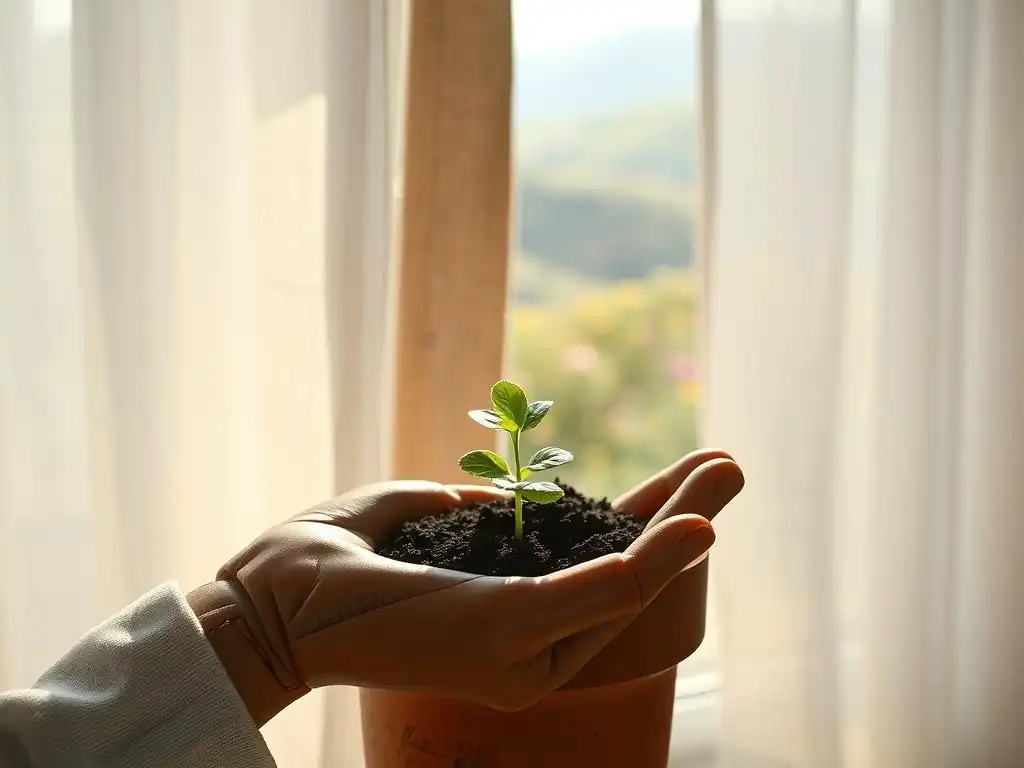
Living a life centered around gratitude leads to sustained and profound improvements in overall mood and well-being. As gratitude becomes a more ingrained habit, the brain's positive pathways are strengthened, leading to a more optimistic default setting. Individuals who regularly practice gratitude report higher levels of life satisfaction, greater feelings of happiness, and a more positive outlook on the future.
This isn't merely a temporary mood boost; it's a fundamental shift in how one perceives and interacts with the world. Research over extended periods has shown that consistent gratitude practices improve mental health markers significantly, often leading to a more stable and elevated mood over months and years.
This sustained positivity also contributes to greater resilience. When faced with adversity, a grateful person is better equipped to find silver linings, learn from challenges, and maintain hope. They are less likely to be derailed by setbacks because they have a strong foundation of appreciating the good things that still exist.
This builds emotional robustness, allowing individuals to navigate life's inevitable difficulties with greater grace and less despair. The cumulative effect of daily gratitude practices creates a reservoir of positive emotion and perspective that supports long-term psychological health, demonstrating how dedicating time to gratitude practices is a powerful investment in improving mental health for the long haul.
Enhanced Resilience and Reduced Symptoms of Depression
Gratitude is a powerful antidote to negative rumination and despair, two hallmarks of depression. By actively focusing on what is good, gratitude helps to break the cycle of negative thought patterns that can exacerbate depressive symptoms. Studies have shown that individuals who engage in regular gratitude practices experience a significant reduction in depressive symptoms over time.
For example, research published in the Journal of Personality and Social Psychology found that participants who wrote gratitude letters experienced lasting increases in happiness and decreases in depressive symptoms. This highlights how specific gratitude practices improve mental health by directly counteracting the cognitive biases associated with depression.
Enhanced resilience is another key long-term benefit. Resilience is the ability to bounce back from adversity. Gratitude helps build resilience by fostering a sense of perspective and reminding individuals of their resources and support systems. When faced with a crisis, a grateful person can draw strength from appreciating past successes, supportive relationships, and their own inner fortitude.
They are less likely to feel helpless or hopeless. This ability to see beyond the immediate challenge and appreciate existing positives is a critical factor in navigating difficult times successfully. The cultivation of gratitude is therefore a vital strategy for building mental toughness and reducing vulnerability to depressive episodes, showing clearly how consistent gratitude practices are instrumental in improving mental health resilience.
Developing a Positive and Optimistic Outlook
Perhaps one of the most transformative long-term benefits of gratitude is the development of a fundamentally positive and optimistic outlook on life. As consistently practicing gratitude trains your brain to notice and appreciate the good, you begin to see opportunities and possibilities where you might have previously only seen obstacles. This shift in perspective is not about ignoring problems, but about approaching them with a belief in your ability to cope and a recognition of the good that still exists.
This enduring positivity is a cornerstone of mental well-being and contributes to greater life satisfaction and happiness. This fundamental change in perspective is a testament to how deeply gratitude practices improve mental health.
An optimistic outlook fostered by gratitude also impacts future behavior and outcomes. Optimistic individuals are more likely to set goals, persevere through challenges, and believe in their ability to succeed. This self-fulfilling prophecy often leads to more positive experiences, further reinforcing the grateful and optimistic mindset.
Over years of consistent practice, gratitude shapes not just your feelings but your entire way of being in the world, leading to a more hopeful, engaged, and joyful existence. This sustained positive orientation illustrates the profound and lasting impact that dedicated gratitude practices can have on improving mental health and shaping one's entire life experience.
Gratitude's Role in Holistic Well-being
The Positive Effects of Gratitude on Physical Health (e.g., Lower Blood Pressure, Improved Sleep)
The benefits of gratitude extend beyond mental well-being, significantly impacting physical health as well. Chronic stress and negative emotions have detrimental effects on the body, contributing to inflammation, weakened immune function, and cardiovascular issues. By reducing stress and promoting positive emotions, gratitude acts as a buffer against these negative physical consequences.
Research suggests that individuals who practice gratitude regularly experience lower levels of stress hormones like cortisol, which in turn can lead to physiological benefits such as lower blood pressure and reduced risk of heart disease. This mind-body connection highlights how comprehensive gratitude practices improve mental health and physical health outcomes.
Furthermore, gratitude has been linked to improved sleep quality. Worry and anxiety are common culprits behind insomnia and restless nights. By shifting focus to positive aspects of life before bed, gratitude can quiet the racing mind and promote a sense of peace, making it easier to fall asleep and stay asleep.
Studies have shown that grateful individuals report better sleep quality, feeling more rested upon waking. They are also more likely to engage in healthy behaviors, such as exercising more regularly and eating a balanced diet, perhaps because they appreciate their physical health and are motivated to care for it. These tangible physical effects underscore the holistic impact of gratitude, demonstrating that gratitude practices are essential for improving mental health alongside physical vitality.
Integrating Gratitude with Complementary Wellness Practices (e.g., Yoga, Healthy Eating)
Gratitude integrates seamlessly with other complementary wellness practices, enhancing their overall effectiveness. For example, incorporating gratitude into a yoga or mindfulness practice can deepen the experience. During a yoga session, you might pause to feel gratitude for the strength of your body or the peace of the present moment. While eating a healthy meal, you can take a moment to appreciate the nourishment it provides, the effort it took to prepare, or the resources that made it possible. This mindful appreciation enhances the connection between the practice and its benefits.
Combining gratitude with practices like exercise or spending time in nature can amplify the positive effects on both mental and physical health. As you walk in a park, actively noticing and appreciating the beauty of the trees, the sky, or the sounds of nature transforms the activity from mere exercise into a practice of mindful gratitude.
This synergistic approach means that engaging in various wellness activities while cultivating a grateful mindset can lead to more profound and lasting improvements in overall well-being. By weaving gratitude into the fabric of other healthy habits, you reinforce its power and ensure that these gratitude practices improve mental health and holistic wellness in a comprehensive way.
Resources for Deepening Your Gratitude Practice
Recommended Books and Podcasts on Gratitude
For those looking to deepen their understanding and practice of gratitude, numerous resources are available. Books by leading researchers and practitioners offer insights into the science and application of thankfulness. "Gratitude Works! : A 21-Day Program for Creating Emotional Prosperity" by Robert A. Emmons provides practical exercises and explores the research behind gratitude's benefits. "Thanks! : How the New Science of Gratitude Can Make You Happier" by Randy A. Sansone and Lori Anne Sansone offers another accessible look at the topic. These texts can provide structure and motivation for your practice.
Podcasts also offer a convenient way to learn about and be inspired by gratitude. Many wellness and mental health podcasts feature episodes dedicated to gratitude, offering guided meditations, interviews with experts, or personal stories of how gratitude has transformed lives. Searching for terms like "gratitude podcast" or "mindful thankfulness" can reveal a wealth of audio content. Exploring these resources can provide fresh perspectives, new techniques, and ongoing encouragement for maintaining a consistent gratitude practice, further supporting how intentional gratitude practices improve mental health through continuous learning and inspiration.
Online Gratitude Communities and Support Networks
Connecting with others on a similar journey can provide valuable support and motivation. Online gratitude communities, forums, and social media groups offer spaces where individuals can share their experiences, challenges, and successes with gratitude practices. These platforms can provide a sense of connection and accountability. Participating in online challenges, such as a "30 Days of Gratitude" group, can help kickstart or refresh your practice.
While direct links are not included here, searching for "online gratitude community" or "gratitude practice forum" can help you find these networks. Engaging with others who are also working to cultivate thankfulness can provide encouragement, inspiration, and practical tips for integrating gratitude into daily life. Sharing your own experiences can also be a rewarding way to reinforce your practice and help others. These communities underscore that while gratitude is a personal practice, the journey can be supported and enriched by connection, highlighting another dimension of how gratitude practices improve mental health – through shared experience and community.
Frequently Asked Questions
How can gratitude practices specifically improve my mental health?
Gratitude practices like journaling or expressing thanks can shift your focus away from negative thoughts. This cultivates a more positive outlook and reduces symptoms of stress and anxiety. The practice of gratitude increases our awareness of all the great gifts in our lives.
What are some simple ways to integrate gratitude into my daily routine?
You can start a gratitude journal, write thank-you notes, or simply take a moment each day to mentally acknowledge things you're grateful for. Even small acts of expressing appreciation can have a profound impact.
Is there any scientific evidence that supports the link between gratitude and mental well-being?
Yes, studies show that practicing gratitude can lead to increased happiness, reduced depression, and improved overall life satisfaction. Research suggests it positively affects the brain's reward system.
How long does it typically take to see the benefits of consistently practicing gratitude?
While individual experiences vary, many people report feeling a noticeable shift in their mood and perspective within a few weeks of consistent practice. The key is regularity and sincerity.
If I'm struggling with a mental health challenge, can gratitude practices replace professional help?
No. Gratitude practices are a complementary tool and should not replace professional treatment. They can be a helpful addition to therapy or medication, but seeking qualified mental health support is essential for serious conditions.
Final Reflection: Cultivating Gratitude for a Flourishing Life
The consistent practice of gratitude isn't merely a feel-good exercise; it's a powerful tool for cultivating resilience and enhancing mental well-being in our increasingly demanding world. The evidence presented throughout this article strongly suggests that integrating gratitude into our daily lives offers tangible benefits, impacting everything from stress levels to overall happiness. This isn't just about fleeting positivity; it's about building a foundation of mental strength that can withstand the inevitable challenges life throws our way.
The profound impact of gratitude on our mental landscape is undeniable. It's a shift in perspective, a conscious choice to focus on the positive amidst the negative, and this subtle change ripples outwards, affecting our relationships, our productivity, and even our physical health. Gratitude unlocks the fullness of life. It turns what we have into enough, and more. It turns denial into acceptance, chaos to order, confusion to clarity.
– Melody Beattie. This quote perfectly encapsulates the transformative power of embracing thankfulness as a daily practice, moving us from a state of deficiency to one of abundance.
Now, consider how you can incorporate gratitude into your own life. Start small – perhaps with a simple gratitude journal entry before bed, or by consciously acknowledging three things you're thankful for each morning. Don't underestimate the power of these seemingly small acts; they are the seeds from which a flourishing, more resilient, and genuinely happier you will grow. Make the conscious choice today to cultivate gratitude, and watch as it transforms your relationship with yourself and the world around you.
Unlock Your Inner Well-being: Cultivate a Gratitude Practice Today!
Thanks for taking the time to explore the powerful impact of gratitude on your overall health! We hope you've discovered new ways to appreciate the good in your life. Now, let's put that knowledge into action.
- Start a Gratitude Journal: Dedicate just five minutes each day to writing down three things you're thankful for. This simple act can significantly shift your perspective.
- Share the Joy: Tell someone you appreciate them. A simple "thank you" can brighten both your day and theirs. Consider a heartfelt thank-you note to someone special.
- Engage with our Community: Join the conversation in the comments below! Share your favorite gratitude practices and inspire others on their journey to well-being.
What small act of gratitude will you prioritize today to enhance your holistic health?