
Your Action, Your Brain's Change: Activating Neuroplasticity for Mood

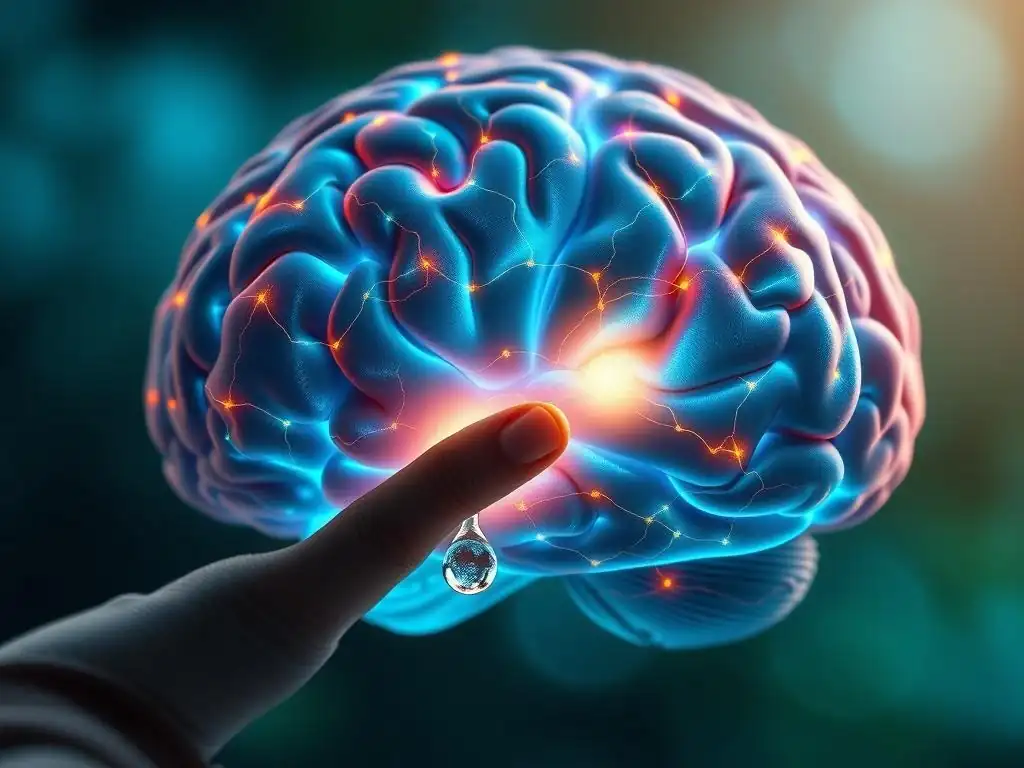
Welcome to Mind Care Guide, your trusted companion on the journey to mental well-being.
Are you feeling stuck, longing for a brighter outlook? What if you could actively reshape your brain to cultivate lasting happiness? In this article, we delve into the fascinating science of neuroplasticity and explore how you can improve your mood naturally by harnessing your brain's remarkable ability to change. Discover practical techniques and empowering insights to unlock your potential for a more joyful and resilient you. Keep reading to learn how to take control of your mental landscape!
Your Actions, Your Brain's Change: Activating Neuroplasticity for Mood
- Understanding Neuroplasticity and Its Impact on Mood
- How Neuroplasticity Can Naturally Improve Your Mood
- Practical Strategies to Activate Neuroplasticity and Boost Mood
- Techniques to Enhance Neuroplasticity for Mood
- Overcoming Obstacles in Activating Neuroplasticity for Mood
- The Future of Neuroplasticity and Mood: Emerging Therapies
- Conclusion: Embracing Neuroplasticity for a Brighter Mood and Mental Well-being
-
Frequently Asked Questions
- What is neuroplasticity, and how does it relate to improving my mood naturally?
- How can I actively engage in neuroplasticity to boost my mental well-being?
- What are some practical examples of actions that can trigger neuroplasticity for mood improvement?
- How long does it typically take to see improvements in mood through neuroplasticity-based approaches?
- Are there any risks associated with trying to improve mood through neuroplasticity?
- Final Reflection: Rewiring Happiness: The Power of Neuroplasticity
- Unlock Your Brain's Potential: Start Rewiring for a Better Mood Today!
Understanding Neuroplasticity and Its Impact on Mood
What is Neuroplasticity? The Brain's Ability to Adapt
Neuroplasticity, often referred to as brain plasticity, is the remarkable ability of the brain to reorganize itself throughout life. This involves forming new neural connections and pathways, as well as altering existing ones. Far from being a static organ, the brain is dynamic, constantly adapting in response to experiences, learning, and even injuries. This adaptive capacity is fundamental to everything from learning a new language to recovering from a stroke.
Historically, it was believed that the adult brain was largely fixed after a certain developmental stage. However, decades of research have overturned this view, demonstrating that the brain remains malleable well into old age. This capacity for change is driven by various factors, including genetic predispositions, environmental influences, and, crucially, our own actions and thoughts. The brain's structure and function can be physically altered, with neurons changing their connections, strengthening or weakening synapses, and even generating new cells in certain areas, a process known as neurogenesis.
The Link Between Neuroplasticity and Emotional Well-being
The brain regions responsible for processing emotions, such as the amygdala, prefrontal cortex, and hippocampus, are highly plastic. This means that our emotional responses, regulation abilities, and overall mood are not fixed states but can be influenced and altered through neuroplastic changes. When we experience positive emotions, engage in activities that promote well-being, or learn new coping strategies, we are actively shaping the neural pathways associated with these states.
Conversely, persistent negative experiences, chronic stress, or trauma can also induce neuroplastic changes, potentially strengthening pathways associated with fear, anxiety, and sadness. However, the crucial point is that because the brain is plastic, these negative patterns are not permanent. By intentionally engaging in activities and practices that cultivate positive states and healthy coping mechanisms, we can leverage neuroplasticity improve mood naturally, gradually rewiring the brain towards greater emotional balance and resilience.
Neuroplasticity and Mood Disorders: A Path to Recovery
Mood disorders, such as depression and anxiety, are often associated with specific alterations in brain structure and function, including reduced activity in certain prefrontal cortex areas or changes in the hippocampus. Traditionally, these conditions were viewed primarily through a neurochemical lens, focusing on neurotransmitter imbalances. While neurochemistry is undoubtedly important, the perspective of neuroplasticity offers a powerful additional dimension: that the brain's maladaptive patterns associated with mood disorders can be actively changed.
Studies using fMRI and other brain imaging techniques have shown that therapies like cognitive behavioral therapy (CBT) or mindfulness-based therapy can lead to measurable neuroplastic changes in the brains of individuals with depression or anxiety. For example, research has indicated that successful treatment can be correlated with increased activity in the dorsal prefrontal cortex, an area involved in emotional regulation, and even potential increases in hippocampal volume, which is often reduced in chronic depression.
This provides empirical support for the idea that through targeted interventions and lifestyle changes, individuals can harness brain plasticity for mood recovery and build a more resilient emotional landscape.
How Neuroplasticity Can Naturally Improve Your Mood
Neuroplasticity for Mood Enhancement: A Natural Approach
Activating neuroplasticity to enhance mood naturally involves engaging in practices that stimulate positive changes in the brain's structure and function. This isn't about forcing happiness, but rather about cultivating the neural foundations that support emotional well-being. When you learn a new skill, practice gratitude, or engage in physical activity, you are sending signals to your brain that encourage the formation and strengthening of neural connections associated with learning, reward, and positive affect.
This natural approach contrasts with methods that might solely rely on external substances to alter brain chemistry temporarily. Instead, it focuses on enduring changes driven by experience and behavior. For instance, consistent engagement in enjoyable activities can strengthen neural pathways in the brain's reward circuitry, making it easier to experience pleasure over time. By understanding how Neuroplasticity improve mood naturally, individuals gain agency in their own emotional health journey.
Can Neuroplasticity Rewire Negative Thinking Patterns?
Yes, neuroplasticity provides a powerful mechanism for rewiring negative thinking patterns. Chronic negative thoughts, worries, and self-criticism are essentially deeply ingrained neural habits. The more frequently you engage in these patterns, the stronger the associated neural pathways become, making it easier for the brain to default to them. This is analogous to a well-worn path in a forest – easy to follow because it's been traveled many times.
However, just as new paths can be forged, new, more positive thinking patterns can be established through intentional practice. Techniques like cognitive restructuring, a core component of CBT, teach individuals to identify and challenge negative thought distortions. By repeatedly practicing replacing negative thoughts with more balanced or positive ones, you begin to weaken the old pathways and strengthen new ones. This process of actively challenging and redirecting thought is a direct application of leveraging brain plasticity for mood improvement by changing the underlying neural circuitry associated with rumination and worry.
Harnessing Brain Plasticity for Emotional Resilience
Emotional resilience is the ability to bounce back from stress, adversity, and negative experiences. It's not about avoiding negative emotions but about navigating them effectively and maintaining overall well-being. Neuroplasticity plays a critical role in building this resilience. When you face a challenge and cope adaptively – perhaps by seeking support, problem-solving, or practicing self-compassion – you strengthen the neural pathways associated with these effective coping strategies.
Over time, consistently engaging in resilient behaviors helps to build a brain that is better equipped to handle future stressors. This might involve strengthening connections between the prefrontal cortex (involved in rational thought and regulation) and the amygdala (involved in processing fear), allowing for a more measured response to perceived threats. Furthermore, building a repertoire of positive emotional experiences through neuroplasticity helps create a buffer against the impact of negative events, enabling the brain to return to a state of equilibrium more quickly.
Practical Strategies to Activate Neuroplasticity and Boost Mood

Lifestyle Changes that Promote Neuroplasticity for Better Mood
Our daily habits have a profound impact on the brain's structure and function. Simple, consistent lifestyle changes are among the most accessible and effective ways to activate neuroplasticity improve mood naturally. These changes don't require specialized equipment or training; they are about making conscious choices that support brain health and emotional well-being.
Integrating these practices into your routine provides the consistent stimulation your brain needs to form and strengthen positive neural connections. While individual results vary, research consistently supports the brain-boosting effects of these fundamental pillars of health. Committing to even small, incremental changes can initiate the process of leveraging brain plasticity for mood enhancement over time.
The Role of Exercise in Enhancing Neuroplasticity and Mood
Regular physical activity is a powerful stimulant for neuroplasticity. Exercise, particularly aerobic exercise, increases blood flow to the brain, which delivers vital oxygen and nutrients. More importantly, it promotes the production of neurotrophic factors, such as Brain-Derived Neurotrophic Factor (BDNF). BDNF is often called "Miracle-Gro" for the brain because it supports the survival, growth, and differentiation of neurons and synapses.
Studies have consistently shown that exercise can lead to increased grey matter volume in key brain areas, including the hippocampus, which is crucial for memory and emotional regulation, and the prefrontal cortex. For example, research on older adults engaging in moderate aerobic exercise for 30-45 minutes, three times a week, has demonstrated significant increases in hippocampal volume, potentially by 2-3% annually, a rate that can reverse age-related decline in this area. This physical activity directly supports the brain's ability to change and adapt, which is fundamental to improving mood naturally through neuroplasticity.
Diet and Nutrition for Brain Health and Mood Regulation
The food we eat provides the building blocks and energy that our brain needs to function optimally and support neuroplasticity. A diet rich in specific nutrients can significantly influence brain health and mood regulation. Omega-3 fatty acids, found in fatty fish, flaxseeds, and walnuts, are crucial components of brain cell membranes and play a role in synaptic function and reducing inflammation, both of which support neuroplasticity.
Antioxidants, abundant in fruits and vegetables (especially berries and leafy greens), help protect brain cells from damage caused by oxidative stress. B vitamins, found in whole grains, legumes, and leafy greens, are essential for neurotransmitter synthesis. While no single diet is a magic bullet, a pattern emphasizing whole, unprocessed foods, healthy fats, and plenty of plant-based options provides the optimal environment for brain plasticity and supports the natural improvement of mood. Conversely, diets high in processed foods, sugar, and unhealthy fats have been linked to inflammation and impaired cognitive function, potentially hindering neuroplastic processes.
Sleep Hygiene and its Impact on Neuroplasticity and Emotional State
Sufficient, quality sleep is absolutely vital for brain function and is a critical period for neuroplasticity. During sleep, the brain consolidates memories, clears metabolic waste products, and strengthens or prunes synaptic connections based on the day's experiences. These processes are essential for learning, cognitive function, and emotional regulation.
Chronic sleep deprivation impairs neuroplasticity, reduces the brain's ability to learn and adapt, and negatively impacts mood. For instance, just one night of poor sleep can significantly reduce activity in the prefrontal cortex, the area involved in complex decision-making and emotional control, by potentially 50% or more. Prioritizing 7-9 hours of quality sleep per night supports the brain's natural restorative processes, enhances its capacity for plasticity, and is a foundational element in leveraging neuroplasticity improve mood naturally. Establishing a consistent sleep schedule and creating a restful sleep environment are key steps.
Mindful Practices to Stimulate Neuroplasticity and Improve Mood
Mindful practices, such as meditation and focused attention exercises, are powerful tools for intentionally directing brain activity and promoting neuroplastic changes. These practices train the brain to focus attention, regulate emotions, and develop a different relationship with thoughts and feelings.
Consistent engagement in these practices has been shown to lead to measurable changes in brain structure and function over time. They offer a direct way to influence the neural pathways associated with stress response, self-awareness, and emotional reactivity, supporting the process of activating neuroplasticity for mood enhancement.
Meditation and Neuroplasticity: Cultivating Inner Peace
Meditation, particularly mindfulness meditation, involves training attention and awareness. Regular meditation practice has been shown in numerous studies to induce significant neuroplastic changes. For example, research comparing long-term meditators to non-meditators has found differences in grey matter density in several brain regions.
Areas showing increased grey matter in meditators include the hippocampus (involved in learning and memory, and often reduced in depression), the temporoparietal junction (linked to perspective-taking and empathy), and areas of the prefrontal cortex (involved in attention and emotional regulation). Conversely, the amygdala, which is involved in processing fear and stress and is often hyperactive in anxiety, has been shown to potentially decrease in size or activity with consistent meditation practice. This demonstrates how meditation can directly contribute to leveraging brain plasticity for mood regulation by altering the physical structure and activity of key emotional processing centers.
Mindfulness Exercises for Emotional Regulation
Beyond formal meditation, various mindfulness exercises can help stimulate neuroplasticity and improve emotional regulation. These practices involve bringing non-judgmental awareness to the present moment – focusing on breath, bodily sensations, sounds, or thoughts as they arise. The key is to observe without getting carried away or overly reactive.
By repeatedly practicing observing emotions and thoughts without immediately acting on them or getting stuck in rumination, you strengthen the neural pathways associated with mindful awareness and weaken those associated with automatic reactivity. This helps to create a pause between experiencing a feeling and reacting to it, allowing for a more considered response. Techniques like body scans, mindful walking, or simply taking a few deep, conscious breaths when feeling overwhelmed are practical ways to train the brain for better emotional resilience through neuroplasticity.
Cognitive Training and Neuroplasticity: Rewiring the Brain
Engaging in mentally stimulating activities and actively challenging your cognitive abilities is another effective way to promote neuroplasticity. Just like physical exercise strengthens muscles, mental exercise strengthens neural connections and can even help form new ones. This form of cognitive training can directly support the process of how Neuroplasticity improve mood naturally by building new, more adaptive ways of thinking and processing information.
This isn't about solving complex math problems unless that's enjoyable; it's about engaging the brain in novel and challenging ways. By stepping outside of familiar routines and forcing the brain to work in new ways, you stimulate the growth and reorganization of neural networks, which can have a positive ripple effect on mood and cognitive function.
Brain Training Games and Apps for Mood Improvement
While the effectiveness of commercial "brain training" games is a topic of ongoing debate regarding generalized cognitive improvement, engaging with novel and challenging cognitive tasks can still stimulate specific neural pathways and support neuroplasticity. Games or apps that require focused attention, problem-solving, working memory, or learning new rules can activate various brain regions.
The benefit for mood improvement from these tools likely comes less from a direct "mood module" in the brain and more from the general principle of stimulating brain activity, providing a sense of accomplishment, and potentially distracting from negative thought loops. For example, a game requiring rapid decision-making under pressure might strengthen pathways related to executive function. While results vary, consistently engaging in cognitively stimulating activities, including certain games or puzzles, contributes to overall brain health and provides another avenue for activating neuroplasticity for mood.
Learning New Skills to Stimulate Neuroplasticity
Perhaps one of the most powerful ways to leverage cognitive training for neuroplasticity and mood is by learning entirely new skills. Whether it's learning a musical instrument, a new language, painting, coding, or even mastering a complex craft, the process of acquiring a new skill demands significant brain effort. It requires forming entirely new neural circuits to understand concepts, coordinate movements, and integrate sensory information.
The process of learning is inherently neuroplastic. It involves strengthening synapses, potentially creating new ones, and integrating information across different brain areas. The sense of accomplishment and mastery that comes with learning a new skill can also have a profoundly positive impact on mood and self-efficacy.
Research has shown that engaging in complex, novel activities can lead to increases in grey matter in relevant brain areas. For instance, learning to juggle has been shown to increase grey matter in areas involved in visual-motor processing. This kind of active learning is a direct way to stimulate neuroplasticity improve mood naturally by building confidence and expanding capabilities.
Techniques to Enhance Neuroplasticity for Mood
Beyond the broad strategies of lifestyle and mindful practices, specific techniques can be employed to maximize the brain's capacity for change. These techniques focus on the how of stimulating neuroplasticity, providing principles that can be applied across various activities aimed at improving mood.
Understanding these principles allows for a more intentional approach to leveraging brain plasticity for mood enhancement. It emphasizes that the way you engage in an activity is often as important as the activity itself when it comes to driving neural change.
Repetition and Consistency: Key to Neuroplastic Changes
Neural pathways are strengthened through repeated activation. Just as a muscle grows stronger with consistent exercise, a neural connection becomes more robust the more frequently it is used. This principle is fundamental to learning and habit formation, and it is equally crucial for rewiring the brain for better mood. If you want to strengthen pathways associated with positive emotions or adaptive coping, you need to repeatedly activate them.
Consider the example of practicing gratitude. Initially, it might feel forced or unnatural. However, consistently taking a few minutes each day to identify things you are grateful for repeatedly activates neural circuits related to positive affect and reward. Over time, these pathways become stronger, making it easier and more automatic to experience gratitude. This consistency is vital for embedding new, positive patterns and is a cornerstone of how Neuroplasticity improve mood naturally. A single instance of a positive action has minimal impact; it's the cumulative effect of repetition that drives lasting change.
Novelty and Challenge: Stimulating New Neural Pathways
While repetition strengthens existing pathways, novelty and challenge are essential for creating new pathways and promoting wider brain connectivity. When you encounter a new situation, learn something unfamiliar, or attempt a task that is slightly beyond your current ability, your brain is forced to adapt and build new connections to process this novel information or skill.
Introducing novelty helps prevent the brain from becoming complacent and keeps it in a state of active learning and adaptation. This can be as simple as taking a different route to work, trying a new recipe, or engaging in a hobby you've never attempted before. The challenge aspect is also important – engaging in tasks that require effort and focus stimulates more significant neuroplastic responses than passive activities. This combination of novelty and challenge is a powerful catalyst for activating neuroplasticity for mood by fostering adaptability and mental flexibility.
Focus and Attention: Strengthening Desired Brain Connections
Where attention goes, neural energy flows. The brain prioritizes and strengthens the connections that are actively engaged. Focusing your attention on specific thoughts, feelings, or tasks directs neural resources to the relevant pathways, making them more robust. Conversely, pathways that are ignored or receive little attention tend to weaken over time – a process known as synaptic pruning.
This principle is particularly relevant for improving mood. If you consistently focus on negative thoughts and worries, you strengthen the pathways associated with anxiety and rumination. However, by intentionally shifting your focus – perhaps towards positive experiences, solutions to problems, or simply the present moment – you begin to strengthen alternative, more adaptive pathways.
Mindful awareness, as discussed earlier, is essentially a practice in directing and sustaining attention. By consciously choosing where to direct your focus, you are actively participating in the process of how Neuroplasticity improve mood naturally by reinforcing the neural circuits that support positive states and helpful perspectives.
Overcoming Obstacles in Activating Neuroplasticity for Mood

Embarking on the journey of using neuroplasticity to improve mood naturally is empowering, but it is not always a linear path. There will inevitably be challenges and moments of difficulty. Recognizing these potential obstacles and developing strategies to address them is crucial for sustained progress.
Understanding that setbacks are a normal part of the process, not a sign of failure, is key to maintaining motivation and continuing to work towards leveraging brain plasticity for mood improvement.
Addressing Common Challenges in Mood Recovery Through Neuroplasticity
One of the most significant challenges is overcoming the inertia of established negative patterns. As mentioned, these pathways are strong due to repetition. Starting to build new habits – whether it's exercising, meditating, or challenging negative thoughts – requires conscious effort and can feel difficult, especially when mood is low. Motivation can be scarce, and the immediate rewards may not be apparent, leading to discouragement.
Another challenge is dealing with resistance, both internal (e.g., self-doubt, fear of change) and external (e.g., lack of support). It's also easy to fall back into old habits when stressed or tired. Strategies to address these challenges include starting small with achievable goals, celebrating small victories to build momentum, building a support system, and developing self-compassion for setbacks. Recognizing that activating neuroplasticity for mood is a process that takes time and consistent effort is vital; patience is required.
Recognizing and Managing Plateaus in Neuroplasticity-Based Mood Improvement
It's common to experience periods where progress seems to stall, known as plateaus. You might feel like your mood has improved somewhat but isn't getting significantly better, or that the practices you are using are no longer having the same impact. This can be frustrating and lead to a decrease in motivation or a feeling that neuroplasticity isn't working.
Plateaus don't mean your brain has stopped being plastic; they often mean you need to adjust your approach. This could involve increasing the intensity or duration of your activities (e.g., exercising longer), introducing new forms of mental stimulation (e.g., learning a different skill), or refining your mindful practices. It might also be a sign to explore deeper emotional or psychological factors that are hindering further progress. Managing plateaus involves patience, persistence, and a willingness to experiment with different strategies to continue stimulating brain plasticity for mood enhancement.
Seeking Professional Support for Neuroplasticity-Focused Treatment
While many strategies for activating neuroplasticity improve mood naturally can be implemented independently, seeking professional support is a valuable and often necessary step, especially for individuals dealing with significant mood disorders. Mental health professionals, such as therapists, counselors, and psychiatrists, can provide guidance, support, and evidence-based treatments that are specifically designed to promote positive neuroplastic changes.
Therapies like Cognitive Behavioral Therapy (CBT), Dialectical Behavior Therapy (DBT), and mindfulness-based therapies actively engage neuroplastic principles by helping individuals identify and change maladaptive thought and behavior patterns. A therapist can help you tailor strategies to your specific needs, overcome obstacles, and provide accountability. In some cases, medication may also be part of a comprehensive treatment plan, working alongside neuroplasticity-focused interventions to support brain function and facilitate recovery. Professional guidance ensures a safe and effective approach to leveraging neuroplasticity for mood improvement.
The Future of Neuroplasticity and Mood: Emerging Therapies
The understanding of neuroplasticity is constantly evolving, leading to the development of innovative therapies aimed at directly influencing brain activity and structure to treat mood disorders. These emerging approaches represent exciting possibilities for individuals seeking new avenues for recovery and well-being.
While some of these techniques are still in experimental stages or are only available in clinical settings, they highlight the growing potential of leveraging brain plasticity for mood enhancement through targeted interventions.
Exploring Non-Invasive Brain Stimulation Techniques for Mood Disorders
Non-invasive brain stimulation techniques are gaining traction as potential treatments for mood disorders by directly modulating brain activity. Transcranial Magnetic Stimulation (TMS) is one such technique approved for treating major depression, particularly when other treatments haven't been effective. TMS uses magnetic pulses delivered through the scalp to stimulate specific areas of the brain, typically the prefrontal cortex, which is often underactive in depression.
Studies have shown that repeated TMS sessions can lead to neuroplastic changes in the targeted brain regions, improving connectivity and activity in circuits involved in mood regulation. Another technique, Transcranial Direct Current Stimulation (tDCS), uses a low electrical current to influence brain activity. While generally considered less powerful than TMS, tDCS is being explored for its potential to enhance neuroplasticity and improve mood, sometimes in conjunction with cognitive training or therapy. These methods offer a more direct route to activating neuroplasticity for mood changes compared to lifestyle interventions alone.
The Potential of Personalized Neuroplasticity Interventions
As our understanding of the brain becomes more sophisticated, there is growing interest in developing personalized interventions based on an individual's unique brain profile and patterns of neuroplasticity. Advanced neuroimaging techniques, like fMRI and EEG, can map brain activity and connectivity, potentially identifying specific areas or networks that are dysfunctional in mood disorders.
This personalized approach could lead to tailored treatment plans that combine specific therapies, lifestyle changes, and potentially brain stimulation techniques targeting the individual's particular neuroplastic challenges. For example, someone with reduced connectivity between the prefrontal cortex and amygdala might benefit from interventions specifically designed to strengthen that connection. This future vision of personalized neuroplasticity interventions holds immense promise for optimizing how we leverage brain plasticity for mood recovery and well-being, moving beyond one-size-fits-all approaches.
Conclusion: Embracing Neuroplasticity for a Brighter Mood and Mental Well-being
Taking Control of Your Brain and Mood Through Neuroplasticity
The science of neuroplasticity offers a profoundly hopeful message: your brain is not fixed, and your mood is not predetermined. By understanding the principles of brain plasticity, you gain the power to actively participate in shaping your own neural landscape and improving your emotional well-being. Every action you take, every thought you focus on, and every experience you engage in has the potential to influence the strength and structure of your neural connections.
Embracing this understanding means shifting from a passive stance towards mood challenges to an active one. It means recognizing that consistent effort in areas like lifestyle, mindful practices, and cognitive engagement can literally rewire your brain for greater resilience, balance, and positive affect. While challenges exist, the brain's inherent capacity for change provides a powerful foundation for hope and recovery. Activating neuroplasticity for mood is a journey, but it is a journey you have the capacity to navigate.
Resources for Further Learning About Neuroplasticity and Mood
To deepen your understanding of how Neuroplasticity improve mood naturally and explore these concepts further, numerous resources are available. Books written by neuroscientists and psychologists often provide accessible explanations of brain function and plasticity. Many reputable mental health organizations and academic institutions publish articles and guides on the topic.
Online platforms may offer courses or workshops on mindfulness, meditation, or cognitive skills that align with neuroplastic principles. While exploring these resources, remember the principles discussed: consistency, novelty, and focused attention will enhance your learning and application of these concepts. Engaging with these resources is another way to stimulate your brain and reinforce your commitment to leveraging brain plasticity for mood enhancement and overall mental well-being.
Frequently Asked Questions
What is neuroplasticity, and how does it relate to improving my mood naturally?
Neuroplasticity is the brain's ability to reorganize itself by forming new neural connections throughout life. By taking specific actions, you can harness this power to rewire your brain and naturally improve your mood.
How can I actively engage in neuroplasticity to boost my mental well-being?
Engaging in activities like learning new skills, practicing mindfulness, or regular exercise can stimulate neuroplasticity. These actions promote positive changes in brain structure and function, ultimately leading to improved mood.
What are some practical examples of actions that can trigger neuroplasticity for mood improvement?
Examples include practicing gratitude daily, engaging in cognitive behavioral therapy (CBT) techniques, and challenging negative thought patterns. These actions can strengthen positive neural pathways related to mood regulation.
How long does it typically take to see improvements in mood through neuroplasticity-based approaches?
The timeline varies from person to person, but consistent effort and dedicated practice are crucial. While some may experience initial benefits within a few weeks, significant and lasting change often requires several months.
Are there any risks associated with trying to improve mood through neuroplasticity?
Generally, no, especially when focusing on positive activities. However, if you're struggling with a serious mental health condition, it's essential to consult with a mental health professional for personalized guidance and support.
Final Reflection: Rewiring Happiness: The Power of Neuroplasticity
The ability to reshape our brains and, consequently, our moods, is not a distant scientific fantasy; it's a tangible reality with profound implications for our daily lives. Understanding and actively utilizing neuroplasticity offers a powerful, natural pathway to improved mental well-being, a path increasingly crucial in our fast-paced, often stressful world. This knowledge empowers us to take control of our emotional landscape, moving beyond passive acceptance of negative moods.
The exploration of neuroplasticity's impact on mood has been a deeply personal journey for me, highlighting the incredible resilience of the human brain. It's a reminder that our brains are not static entities, but dynamic organs constantly adapting and evolving in response to our experiences. This transformative potential resonates deeply with the words of psychiatrist and author Norman Doidge: The brain is not a machine; it is an organ of growth and change, capable of self-repair and self-improvement.
This understanding shifts the narrative from helplessness to hope, offering a tangible path towards positive change.
Now, consider your own life. What actions can you take today to cultivate positive neuroplastic changes? What new habits, perspectives, or activities can you integrate into your routine to nurture a more resilient and joyful mind? The journey towards improved mood through neuroplasticity is a personal one, requiring consistent effort and self-compassion. But the rewards – a more balanced, resilient, and happier you – are immeasurable. Embrace the power within you to reshape your brain and, in doing so, reshape your life.
Unlock Your Brain's Potential: Start Rewiring for a Better Mood Today!
Thanks for taking the time to explore the power of neuroplasticity and its impact on your mood. You've now armed yourself with valuable knowledge to reshape your brain and improve your emotional well-being. Let's put that knowledge into action!
- Prioritize one small, manageable change: Choose just one new habit from the article – whether it's mindful breathing, regular exercise, or journaling – and commit to it for a week. This focused approach will yield the most significant results.
- Share your experience: Connect with others on your journey. Share your chosen habit and any initial observations on social media using #MindCareGuideNeuroplasticity. Let's build a supportive community!
- Explore further: Dive deeper into specific techniques mentioned in the article – research a guided meditation app or find a local yoga class. Remember, consistent effort is key!
What small step will you take today to start rewiring your brain for a happier, healthier you?