
Histone Modifications: How Your Environment Packs Your Genetic Code

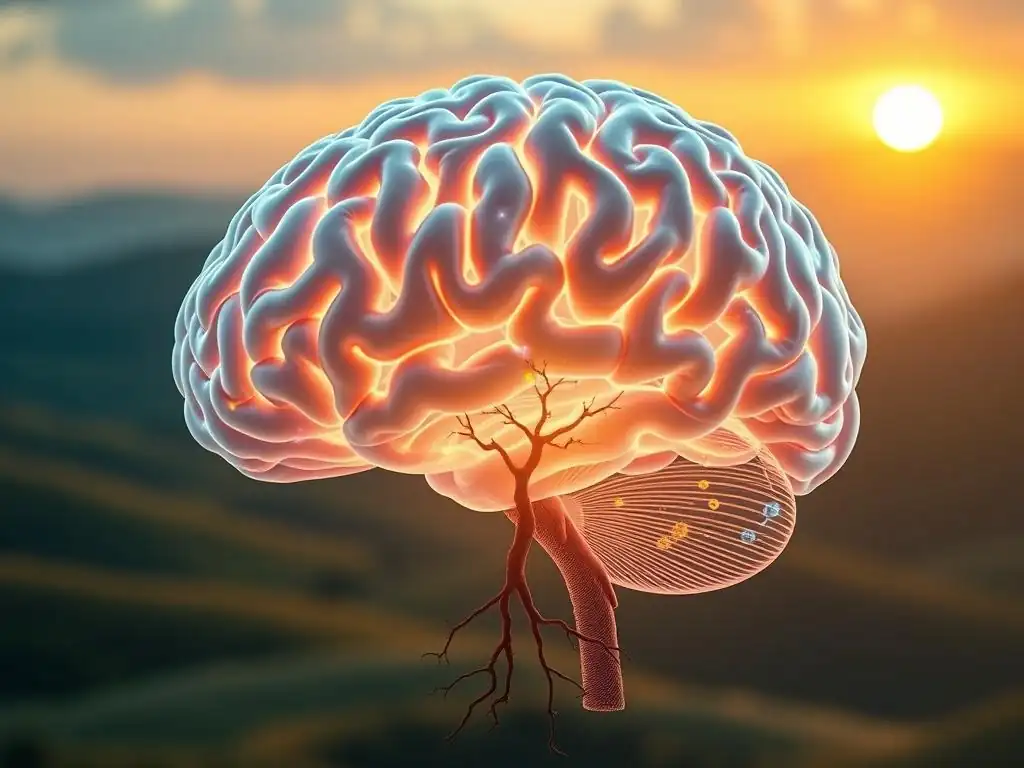
Welcome to Mind Care Guide.
Ever wondered how your environment might be subtly shaping your very being, right down to your DNA? You're not alone. Many of us struggle to understand the intricate dance between our experiences and our mental well-being. This comprehensive guide to mental well-being delves into the fascinating world of histone modifications, revealing how these tiny changes can have a profound impact. Prepare to unlock a deeper understanding of how your environment, through epigenetics, packs your genetic code. Intrigued? Let's explore...
Histone Modifications: How Your Environment Packs Your Genetic Code
- The Epigenetic Landscape: Understanding Histone Modifications and Mental Well-being
- Decoding Histone Modifications: A Comprehensive Guide to Understanding the Process
- Environmental Influences on Histone Modifications: Shaping Your Genetic Code
- Histone Modifications and Mental Health Disorders: Exploring the Links
- Therapeutic Potential: Targeting Histone Modifications for Mental Health Treatment
- The Future of Epigenetics and Mental Health: A Comprehensive Guide to Research and Innovation
- Navigating Histone Modifications for Optimal Mental Well-being: A Summary
-
Frequently Asked Questions
- What are histone modifications, and how do they relate to mental well-being?
- How can my environment affect my histone modifications and, subsequently, my mental health?
- Are histone modifications permanent, or can they be reversed to improve mental well-being?
- Can histone modifications be inherited, potentially predisposing future generations to certain mental health conditions?
- Where can I find more information about histone modifications and their impact on mental health, according to the "Comprehensive guide to mental well-being?"
- Final Reflection: Unpacking the Epigenetic Code for a Brighter Future
- Unlock Your Genetic Potential: Take Control of Your Epigenome!
The Epigenetic Landscape: Understanding Histone Modifications and Mental Well-being
Epigenetics represents a fascinating frontier in our understanding of health, particularly when it comes to the complex interplay between our genes and our environment in shaping our mental well-being. Unlike genetic mutations, which alter the DNA sequence itself, epigenetic changes are modifications to the way DNA is packaged and accessed, without changing the underlying code. These modifications act like switches, turning genes on or off, or dialing their activity up or down. For anyone seeking a comprehensive guide to mental well-being, understanding this dynamic process is crucial.
The concept is often likened to the software of a computer, while the DNA is the hardware. The hardware (DNA) remains the same, but the software (epigenetics) dictates how that hardware is used. In the context of mental health, this means that while you inherit a specific set of genes, your life experiences, diet, stress levels, and even social interactions can influence how those genes function in your brain. Histone modifications are key players in this epigenetic software, influencing everything from brain development in early life to cognitive function and vulnerability to mental health conditions later on.
What are Histones and Why Do They Matter for Brain Health?
Histones are a group of proteins found in the nucleus of eukaryotic cells. Their primary role is to package DNA into structural units called nucleosomes. Imagine your DNA as an incredibly long string; histones are like spools around which this string is wound. These spools, along with the wrapped DNA, are further condensed into chromatin, which forms chromosomes. This packaging is not just about fitting the vast amount of DNA into the tiny nucleus; it's a critical regulatory mechanism.
The way DNA is wrapped around histones dictates whether the genetic information is accessible to the cellular machinery responsible for reading and transcribing genes into proteins. When DNA is tightly wound around histones, the genes in that region are typically "silenced" or turned off because the transcription machinery cannot reach them. Conversely, when the DNA is loosely wound, the genes are more accessible and can be "expressed" or turned on. This dynamic packaging is fundamental to cell function, including the specialized functions of brain cells.
The Role of Histone Modifications in Gene Expression and Mental Health
Histone proteins are subject to a variety of chemical modifications, primarily on their "tails" that protrude from the nucleosome core. These modifications act as signals that can influence how tightly the DNA is wrapped around the histones. Think of these modifications as flags attached to the histone spools, signaling whether the nearby DNA should be open or closed for transcription. Some modifications, like certain types of acetylation, tend to loosen the chromatin structure, promoting gene expression.
Other modifications, such as specific types of methylation, can either tighten or loosen chromatin depending on which amino acid residue on the histone is modified and how many methyl groups are added. These changes in gene expression patterns, mediated by histone modifications, are particularly important in the brain. They influence neuronal development, synaptic plasticity (the ability of brain connections to change), learning, and memory – processes intricately linked to mental health. Dysregulation of these modifications has been observed in various mental health conditions, suggesting they play a significant role in their development and progression.
Decoding Histone Modifications: A Comprehensive Guide to Understanding the Process
Understanding the specific types of chemical modifications that occur on histones provides deeper insight into how gene activity is controlled. These modifications are not random; they are catalyzed by specific enzymes and can be reversed by other enzymes, allowing for dynamic regulation of chromatin structure and gene expression. This intricate enzymatic machinery is a key target for environmental influences and potential therapeutic interventions aimed at improving mental well-being.
The landscape of histone modifications is complex, involving dozens of different types of chemical tags that can be added or removed from various positions on the four core histone proteins (H2A, H2B, H3, and H4). Each modification, or combination of modifications, can have a distinct effect on chromatin structure and gene activity. This creates a "histone code" that works in concert with other epigenetic mechanisms, like DNA methylation, to orchestrate the precise patterns of gene expression required for proper cellular function, especially in the sensitive environment of the brain.
Acetylation: Unlocking Genes for Mental Wellness
Histone acetylation is one of the most well-studied histone modifications and is generally associated with transcriptional activation. This process involves the addition of an acetyl group to lysine residues on the histone tails, catalyzed by enzymes called Histone Acetyltransferases (HATs). The addition of the acetyl group neutralizes the positive charge of the lysine, reducing the affinity between the histones and the negatively charged DNA backbone.
This reduced affinity leads to a loosening of the chromatin structure, making the underlying DNA more accessible to transcription factors and RNA polymerase, thereby promoting gene expression. Conversely, enzymes called Histone Deacetylases (HDACs) remove acetyl groups, restoring the positive charge and leading to chromatin condensation and gene silencing. The balance between HAT and HDAC activity is crucial for regulating gene expression patterns essential for brain function. For example, studies have shown altered levels of histone acetylation and HDAC activity in the brains of individuals with depression, impacting genes involved in neuronal plasticity and mood regulation.
Methylation: Silencing Genes and its Impact on Mental Health
Histone methylation involves the addition of methyl groups to lysine or arginine residues on histone tails, catalyzed by Histone Methyltransferases (HMTs). Unlike acetylation, the effect of methylation on gene expression is more context-dependent and varies based on the specific residue being methylated and the number of methyl groups added (mono-, di-, or tri-methylation). For instance, methylation of lysine 4 on histone H3 (H3K4me) is typically associated with gene activation, while methylation of lysine 9 (H3K9me) or lysine 27 (H3K27me) on histone H3 is often linked to gene repression.
This dual nature of methylation makes it a versatile regulator of gene activity. Enzymes called Histone Demethylases (HDMs) remove methyl groups, providing reversibility to this modification. Aberrant patterns of histone methylation have been implicated in several mental health disorders. For example, research indicates altered H3K4me3 and H3K9me3 levels in post-mortem brain samples from individuals diagnosed with schizophrenia, potentially affecting the expression of genes critical for synaptic function and neurotransmission.
Phosphorylation, Ubiquitylation, and Sumoylation: Other Histone Modifications and Their Roles
Beyond acetylation and methylation, histones can undergo numerous other modifications, including phosphorylation, ubiquitylation, and sumoylation. Phosphorylation involves the addition of a phosphate group, often on serine, threonine, or tyrosine residues, and is catalyzed by kinases. This modification is frequently involved in rapid responses to cellular signals, such as during stress or learning, and can influence chromatin structure and interact with other histone modifications. For example, phosphorylation of histone H3 (H3S10ph) is associated with chromosome condensation during mitosis and can also be involved in the activation of immediate early genes in neurons in response to stimuli.
Ubiquitylation involves the addition of a ubiquitin protein, typically to lysine residues. This modification can be mono-ubiquitylation or poly-ubiquitylation, each having different functional outcomes. Mono-ubiquitylation of histones H2A and H2B is common and is linked to transcriptional repression and activation, respectively, depending on the specific site modified.
Sumoylation, the addition of a SUMO protein, is less abundant on histones but has been observed on core histones and is often associated with transcriptional repression. The interplay between these diverse modifications creates a complex regulatory network that finely tunes gene expression, contributing to the intricate functioning of the brain and influencing susceptibility to mental health challenges.
Environmental Influences on Histone Modifications: Shaping Your Genetic Code

The remarkable aspect of histone modifications is their dynamic nature and responsiveness to environmental cues. This means that external factors are not just passively interacting with your biology; they are actively influencing how your genetic code is being read and implemented. This environmental influence is a cornerstone of epigenetics and holds significant implications for a comprehensive guide to mental well-being, highlighting the power of lifestyle choices and the impact of experiences on brain health.
From the food we eat to the stress we experience, the environment provides signals that can trigger the enzymatic machinery responsible for adding or removing histone modifications. This epigenetic plasticity is particularly pronounced during critical periods of development, such as prenatal life and childhood, but it continues throughout adulthood. Understanding which environmental factors influence specific histone modifications can empower individuals to make choices that promote healthy epigenetic profiles, potentially mitigating the risk or severity of mental health conditions.
Diet and Nutrition: Fueling Healthy Histone Modifications for Mental Wellness
The nutrients we consume provide the building blocks and cofactors necessary for the enzymes that carry out histone modifications. For instance, B vitamins, such as folate (Vitamin B9), B12, and B6, are essential for one-carbon metabolism, a pathway that produces S-adenosylmethionine (SAMe), the primary methyl group donor for many methylation reactions, including histone methylation. A deficiency in these vitamins can impair methylation processes, potentially altering gene expression patterns in the brain.
Similarly, dietary compounds like sulforaphane (found in broccoli), curcumin (in turmeric), and resveratrol (in grapes) have been shown in studies to influence the activity of HATs and HDACs, thereby impacting histone acetylation. For example, sulforaphane is known to inhibit certain HDACs, potentially promoting the expression of genes beneficial for neuronal health. Ensuring a balanced diet rich in essential nutrients and bioactive compounds is not just about fueling the body; it's also about providing the necessary resources to maintain healthy epigenetic regulation crucial for brain function and mental well-being.
Stress and Trauma: How Adverse Experiences Alter Histone Modifications
Stress, particularly chronic or traumatic stress, can have profound and lasting effects on the brain, mediated in part through alterations in histone modifications. Exposure to early-life adversity, such as childhood abuse or neglect, has been consistently linked to altered epigenetic profiles, including changes in histone acetylation and methylation patterns, in genes involved in stress response pathways (like the hypothalamic-pituitary-adrenal, or HPA, axis) and brain development.
These stress-induced epigenetic changes can persist into adulthood, contributing to increased vulnerability to conditions like depression, anxiety disorders, and PTSD. For instance, studies in animal models and humans have shown that chronic stress can lead to increased HDAC activity in brain regions like the hippocampus and prefrontal cortex, potentially repressing the expression of genes important for neuronal resilience and mood regulation. This highlights how adverse experiences can leave a molecular "scar" on the epigenome, impacting mental health trajectories.
The Impact of Exercise and Lifestyle on Epigenetic Changes
Positive lifestyle factors, such as regular exercise and engaging in enriching activities, also influence histone modifications in ways that can benefit mental health. Physical activity has been shown to induce epigenetic changes in muscle tissue and the brain, including alterations in histone acetylation and methylation, leading to the activation of genes associated with neuroprotection, neurogenesis (the birth of new neurons), and synaptic plasticity.
For example, aerobic exercise has been found to increase histone acetylation and promote the expression of genes like BDNF (Brain-Derived Neurotrophic Factor) in the hippocampus, a brain region critical for learning, memory, and mood regulation. Social interaction, cognitive stimulation, and even mindfulness practices are also being explored for their potential to positively influence epigenetic profiles in the brain, contributing to resilience and promoting a comprehensive guide to mental well-being. These findings underscore the powerful link between lifestyle choices and the molecular mechanisms that govern our brain health.
Histone Modifications and Mental Health Disorders: Exploring the Links
Research into the role of histone modifications in mental health disorders is a rapidly evolving field, providing valuable insights into the biological underpinnings of these complex conditions. While these modifications are not the sole cause of mental illness, they are increasingly recognized as significant contributors, influencing the expression of genes critical for brain function, neuronal circuits, and behavioral responses. Understanding these links is vital for developing a comprehensive guide to mental well-being and exploring potential new treatment avenues.
Studies often involve examining post-mortem brain tissue from individuals with mental health disorders, analyzing peripheral blood cells (as epigenetic patterns in blood can sometimes reflect changes in the brain), or using animal models to investigate how specific genetic or environmental factors lead to epigenetic alterations and behavioral changes relevant to psychiatric conditions. This research is revealing distinct patterns of altered histone modifications associated with different disorders, suggesting that while there may be some overlap, unique epigenetic signatures could contribute to the specific symptoms and trajectories of each condition.
Histone Modifications in Depression: A Deep Dive
Depression is a complex mood disorder characterized by persistent sadness, loss of interest, and impaired cognitive function. Research has identified significant alterations in histone modifications in brain regions implicated in depression, such as the prefrontal cortex, hippocampus, and amygdala. Studies have frequently reported altered levels of histone acetylation and methylation in these areas in individuals with major depressive disorder.
Specifically, increased activity of certain HDAC enzymes has been observed in post-mortem brain tissue from depressed individuals, potentially leading to the repression of genes involved in neuronal plasticity and resilience, such as BDNF and genes related to glutamate signaling. Conversely, treatment with antidepressants or interventions like exercise has been shown in animal models to increase histone acetylation and reverse some of these gene expression changes.
For example, studies might report a specific percentage decrease in acetylation at a certain gene promoter site in depressed individuals compared to controls, though exact figures vary between studies (e.g., a study might find a 20-30% reduction in H3 acetylation at the BDNF promoter in a specific brain region). This research suggests that targeting histone modifications could be a promising therapeutic strategy for depression.
The Epigenetics of Anxiety: Unraveling the Role of Histone Modifications
Anxiety disorders are characterized by excessive worry, fear, and avoidance behaviors. Similar to depression, research points to the involvement of altered histone modifications in brain circuits associated with fear and anxiety, including the amygdala and prefrontal cortex. Studies have investigated how stress, a major risk factor for anxiety, induces epigenetic changes that contribute to heightened fear responses and impaired emotional regulation.
For example, animal models of chronic stress have demonstrated altered histone acetylation and methylation patterns in the amygdala, affecting the expression of genes involved in neurotransmitter signaling and synaptic function. Specific findings might include increased H3K9 methylation at the promoter of certain genes that normally regulate fear responses, leading to their silencing and contributing to an overactive fear circuit. While the specific epigenetic signatures for different anxiety disorders are still being mapped out, the evidence suggests that dysregulated histone modifications play a role in shaping the neural circuits that underlie anxiety.
Histone Modifications and Schizophrenia: Exploring the Connection
Schizophrenia is a severe mental disorder characterized by disturbances in thought processes, perceptions, emotions, and behavior. Epigenetic research, including studies on histone modifications, is shedding light on the complex genetic and environmental factors that contribute to its development. Alterations in histone acetylation and methylation have been consistently observed in post-mortem brain samples from individuals with schizophrenia, particularly in regions like the prefrontal cortex and hippocampus.
Studies have reported altered levels of key histone modifications (e.g., H3K4me3, H3K9me3, H3K27me3, and H4 acetylation) at the promoters of genes involved in synaptic function, neuronal development, and neurotransmission. For instance, research might indicate a significant reduction in H3K4me3 at the promoter of genes involved in glutamate signaling in the prefrontal cortex of schizophrenic patients. These epigenetic changes are thought to disrupt the intricate balance of gene expression required for healthy brain function, contributing to the cognitive and behavioral symptoms characteristic of the disorder.
Histone Modifications and Bipolar Disorder: Understanding the Epigenetic Influence
Bipolar disorder is characterized by dramatic shifts in mood, energy, and activity levels, ranging from periods of elevated mood (mania or hypomania) to periods of depression. Research into the epigenetic basis of bipolar disorder is ongoing, with studies suggesting that alterations in histone modifications may contribute to the mood instability and other symptoms of the condition.
Studies have examined histone modification patterns in brain regions, as well as in peripheral blood cells, from individuals with bipolar disorder. Findings have indicated altered levels of histone acetylation and methylation in genes related to circadian rhythms, stress response, and neuronal signaling pathways. For example, research might point to changes in histone acetylation at specific gene promoters that regulate dopamine or serotonin pathways, neurotransmitter systems known to be dysregulated in bipolar disorder. While the specific epigenetic mechanisms are still being elucidated, the evidence suggests that dysregulated histone modifications contribute to the complex pathophysiology of bipolar disorder.
Therapeutic Potential: Targeting Histone Modifications for Mental Health Treatment
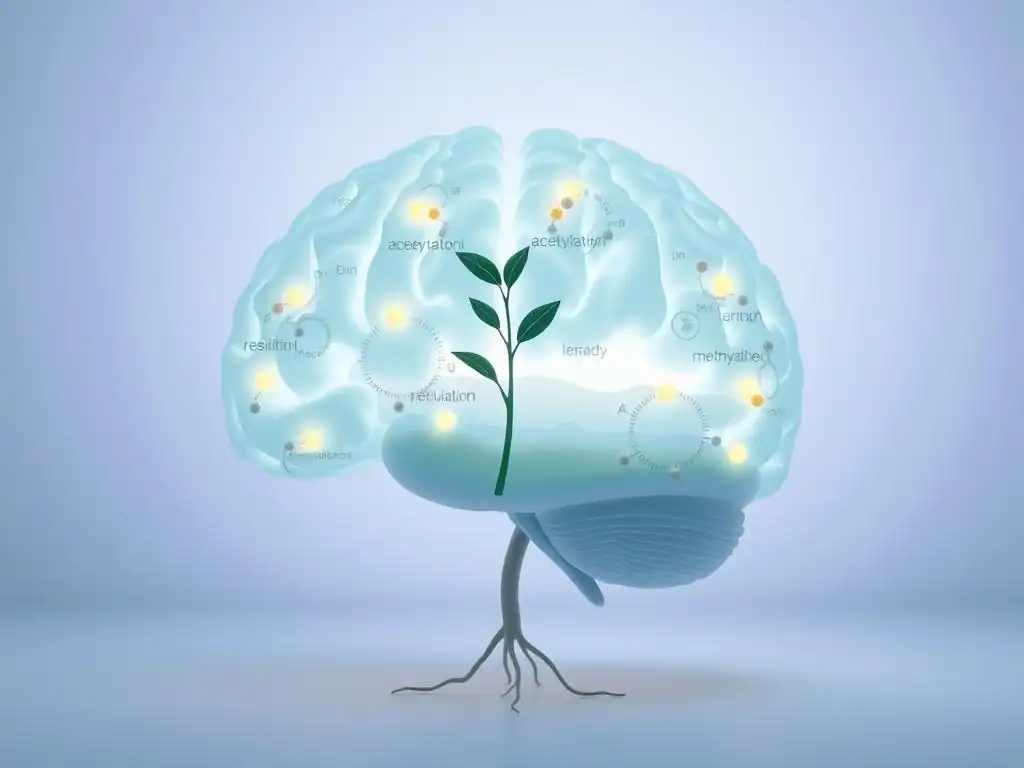
The discovery that histone modifications are dynamic and responsive to environmental factors and pharmacological agents has opened exciting new avenues for the development of novel mental health treatments. Unlike traditional psychiatric medications that often target neurotransmitter systems, epigenetic therapies aim to correct the underlying gene expression abnormalities by directly influencing the enzymes that add or remove histone modifications. This represents a paradigm shift in treatment approaches and is a critical area within a comprehensive guide to mental well-being research.
Targeting the enzymes responsible for histone modifications – such as HATs, HDACs, HMTs, and HDMs – offers the potential to restore balanced gene expression patterns in the brain, thereby ameliorating symptoms of mental health disorders. While still largely in the experimental and clinical trial phases, these approaches hold promise for conditions that are resistant to current therapies or for providing more targeted and personalized treatments based on an individual's specific epigenetic profile.
Histone Deacetylase (HDAC) Inhibitors: A Promising Avenue
HDAC inhibitors are a class of compounds that block the activity of HDAC enzymes, leading to increased histone acetylation and generally promoting gene expression. These inhibitors have been extensively studied for their potential in cancer therapy, but their application in neuroscience and psychiatry is gaining traction. By increasing acetylation in brain regions affected by mental health disorders, HDAC inhibitors could potentially reactivate the expression of genes that are epigenetically silenced but are essential for neuronal function, plasticity, and resilience.
Preclinical studies in animal models of depression, anxiety, and PTSD have shown that treatment with certain HDAC inhibitors can reverse stress-induced behavioral deficits and restore healthy gene expression patterns. For instance, studies might show that an HDAC inhibitor restores the expression of BDNF in the hippocampus and reduces anxiety-like behavior in stressed rodents. While clinical trials in humans for mental health conditions are still relatively early, the potential for HDAC inhibitors to correct aberrant gene silencing makes them a promising therapeutic avenue.
DNA Methyltransferase (DNMT) Inhibitors: Modifying Gene Expression
While this article focuses on histone modifications, it's important to note that DNA methylation is another key epigenetic mechanism, and its interplay with histone modifications is crucial. DNMT inhibitors block the enzymes that add methyl groups directly to DNA, typically leading to the demethylation and activation of genes that were silenced by DNA methylation. While primarily studied in cancer, DNMT inhibitors could potentially target genes involved in mental health that are aberrantly hypermethylated and silenced.
Given the known interactions between DNA methylation and histone modifications, targeting DNMTs can also indirectly influence histone modification patterns. For example, DNA methylation can recruit proteins that interact with HDACs, leading to chromatin condensation. Inhibiting DNA methylation could thus disrupt this interaction and indirectly promote histone acetylation and gene expression. Research in this area for mental health is less advanced than for HDAC inhibitors, but it represents another potential strategy for modifying aberrant epigenetic landscapes.
Lifestyle Interventions: Harnessing the Power of Epigenetics for Mental Well-being
Perhaps the most accessible and empowering therapeutic approach leveraging the principles of epigenetics is through lifestyle interventions. As discussed earlier, diet, exercise, stress management techniques, and engaging in enriching social and cognitive activities have been shown to positively influence histone modifications and gene expression patterns in the brain. This provides a biological basis for the well-established benefits of these interventions for mental health.
Promoting a healthy diet rich in nutrients that support methylation and acetylation, encouraging regular physical activity, teaching stress reduction techniques like mindfulness or meditation, and fostering strong social connections are all ways to harness the power of epigenetics for improved mental well-being. This perspective reinforces the importance of lifestyle choices as active agents in shaping our brain health at a molecular level, offering practical steps within a comprehensive guide to mental well-being. These interventions are not just supportive measures; they are actively contributing to a healthier epigenetic landscape.
The Future of Epigenetics and Mental Health: A Comprehensive Guide to Research and Innovation
The field of epigenetics is still relatively young, particularly in its application to understanding and treating mental health disorders. However, rapid advancements in research technologies and a growing understanding of the intricate epigenetic mechanisms are paving the way for significant innovations. The future holds the promise of more personalized and effective approaches to mental health care, built upon a deeper understanding of how our genes and environment interact at the molecular level.
Continued research is crucial to fully map the epigenetic landscape of different mental health conditions, identify specific histone modification patterns associated with vulnerability or resilience, and develop targeted therapies. As we gather more data, we can move towards a more predictive and preventative model of mental health care, where epigenetic information might one day be used to assess risk and guide early interventions. This ongoing exploration is key to building a truly comprehensive guide to mental well-being.
Emerging Technologies in Epigenetic Research
Technological advancements are driving the rapid progress in epigenetic research. High-throughput sequencing technologies, such as ChIP-seq (Chromatin Immunoprecipitation Sequencing) and ATAC-seq (Assay for Transposase-Accessible Chromatin with sequencing), allow researchers to map the location of specific histone modifications and assess chromatin accessibility across the entire genome. These techniques provide unprecedented detail about how the epigenome is structured and regulated in different cell types and under various conditions.
Furthermore, CRISPR-based epigenetic editing tools are emerging, which can be programmed to target specific genes and recruit enzymes that add or remove histone modifications or DNA methylation. While still primarily research tools, these technologies hold the potential for future therapeutic applications, allowing for precise manipulation of gene expression at specific genomic loci implicated in mental health disorders. These innovative tools are essential for unraveling the complexities of the epigenetic code and its role in brain health.
Personalized Medicine: Tailoring Treatments Based on Epigenetic Profiles
One of the most exciting future applications of epigenetic research in mental health is the potential for personalized medicine. Just as genetic testing is beginning to inform treatment choices for some conditions, epigenetic profiling could potentially provide valuable information about an individual's susceptibility to certain disorders, their likely response to different therapies, or even guide the selection of specific lifestyle interventions.
For example, future diagnostic tools might analyze histone modification patterns in easily accessible tissues (like blood or saliva) or potentially even develop methods to assess these patterns in brain-relevant cells. This epigenetic information could then be used to predict an individual's risk profile, identify specific dysregulated genes or pathways, and tailor treatment strategies – whether pharmacological, psychotherapeutic, or lifestyle-based – to their unique epigenetic landscape. This move towards personalized approaches is a significant step in providing a comprehensive guide to mental well-being that is truly individualized.
Ethical Considerations in Epigenetic Interventions for Mental Health
As epigenetic research and potential interventions advance, it is crucial to consider the ethical implications. Epigenetic modifications are influenced by the environment and can be potentially heritable (though transgenerational epigenetic inheritance in humans is still a subject of active research and debate). This raises questions about privacy, the potential for discrimination based on epigenetic profiles, and the ethical use of epigenetic editing technologies.
Given that epigenetic patterns are dynamic and influenced by life experiences, there are also ethical considerations regarding the interpretation and use of epigenetic data, particularly in sensitive contexts like mental health. Ensuring responsible research practices, developing clear guidelines for the use of epigenetic information, and engaging in public dialogue about the potential benefits and risks of epigenetic interventions are essential steps as this field continues to evolve. Addressing these ethical considerations is paramount as we integrate epigenetic understanding into a comprehensive guide to mental well-being.
Understanding histone modifications provides a powerful lens through which to view the dynamic interaction between our genes, our environment, and our mental health. These tiny chemical tags on histone proteins play a crucial role in controlling which genes are active in our brain cells, influencing everything from development to daily function and vulnerability to disorders. Recognizing that our experiences and lifestyle choices can directly impact these molecular switches is empowering.
This comprehensive guide to mental well-being emphasizes that while we inherit our DNA sequence, the way that sequence is read is constantly being shaped by our lives. Histone modifications are key mediators of this shaping process. By influencing histone modifications, environmental factors like diet, stress, exercise, and social interactions can leave lasting imprints on our brain's gene expression patterns, contributing to either resilience or vulnerability.
Key Takeaways: Understanding Your Epigenetic Landscape
- Histones are proteins that package DNA, and how DNA is wrapped around them (chromatin structure) dictates gene accessibility.
- Histone modifications are chemical tags on histones that act as signals, influencing chromatin structure and gene expression.
- Acetylation generally promotes gene activation, while methylation can either activate or repress genes depending on the specific site. Other modifications like phosphorylation, ubiquitylation, and sumoylation also play roles.
- Environmental factors, including diet, stress, trauma, exercise, and social interactions, can induce changes in histone modifications.
- Aberrant histone modification patterns are linked to various mental health disorders, including depression, anxiety, schizophrenia, and bipolar disorder.
- Targeting the enzymes that regulate histone modifications (e.g., HDACs, HMTs) is an area of active research for potential new mental health treatments.
- Lifestyle interventions are powerful tools that can positively influence histone modifications and promote mental well-being.
Actionable Steps: Promoting Healthy Histone Modifications Through Lifestyle Choices
Armed with the knowledge of how lifestyle impacts histone modifications, individuals can take proactive steps to support their mental well-being. These actions contribute to a healthier epigenetic landscape in the brain.
- [ ] Prioritize Nutrient-Rich Diet: Consume foods rich in B vitamins (leafy greens, legumes, nuts), omega-3 fatty acids (fatty fish, flaxseeds), and antioxidants (colorful fruits and vegetables) to support methylation and provide compounds that can modulate histone modifying enzymes.
- [ ] Engage in Regular Physical Activity: Aim for consistent exercise, which has been shown to induce beneficial epigenetic changes in the brain, promoting neuronal health and resilience.
- [ ] Practice Stress Management: Incorporate stress-reducing techniques like mindfulness meditation, yoga, deep breathing exercises, or spending time in nature to mitigate the negative epigenetic impacts of chronic stress.
- [ ] Foster Social Connections: Maintain strong relationships with friends and family, as positive social interactions can have beneficial effects on gene expression patterns.
- [ ] Seek Cognitive Stimulation: Engage in activities that challenge your brain, such as learning new skills, reading, or puzzles, which can support brain plasticity and potentially influence epigenetic processes.
- [ ] Ensure Adequate Sleep: Consistent, quality sleep is vital for overall brain health and may play a role in maintaining healthy epigenetic patterns.
By adopting these lifestyle strategies, you are not just addressing symptoms; you are actively working at a molecular level to support your brain's health and resilience, contributing to your overall comprehensive guide to mental well-being.
Frequently Asked Questions
What are histone modifications, and how do they relate to mental well-being?
Histone modifications are changes to proteins called histones that DNA wraps around. These modifications influence gene expression, and since gene expression affects brain function and development, they can significantly impact mental well-being.
How can my environment affect my histone modifications and, subsequently, my mental health?
Environmental factors like diet, stress, and exposure to toxins can trigger epigenetic changes, including histone modifications. These changes can alter gene expression, potentially increasing or decreasing the risk of mental health challenges.
Are histone modifications permanent, or can they be reversed to improve mental well-being?
While some histone modifications can be stable, many are dynamic and potentially reversible. Lifestyle changes, therapy, and even certain medications could influence these modifications and promote improved mental well-being.
Can histone modifications be inherited, potentially predisposing future generations to certain mental health conditions?
Yes, some research suggests that histone modifications can be passed down through generations, a phenomenon known as transgenerational epigenetic inheritance. This could potentially increase the risk of mental health conditions in offspring.
Where can I find more information about histone modifications and their impact on mental health, according to the "Comprehensive guide to mental well-being?"
The Mind Care Guide provides a comprehensive guide to mental well-being, offering information, support, and resources for various mental health challenges, including the role of epigenetics like histone modifications. You can find more resources on Mind Care Guide.
Final Reflection: Unpacking the Epigenetic Code for a Brighter Future
The intricate dance between our genes and our environment, as revealed through the study of histone modifications, isn't just a fascinating scientific concept; it's a powerful key to unlocking a more comprehensive understanding of mental well-being. Understanding how our experiences literally reshape our genetic expression offers a profound shift in perspective, moving beyond simplistic nature-versus-nurture debates and towards a holistic view of our mental health. This understanding empowers us to take proactive steps towards improving our well-being, recognizing the profound impact of our choices and environment.
The implications of epigenetic research are far-reaching, influencing not only our individual journeys towards mental wellness but also shaping our collective understanding of mental health challenges. This knowledge challenges the traditional, often reductionist, approaches to mental illness, opening doors to more nuanced and effective interventions. It underscores the importance of fostering supportive environments and promoting healthy lifestyles, recognizing that these factors are not merely peripheral but actively shape the very expression of our genetic potential. The human genome is not a fixed entity, but rather a dynamic system that is constantly interacting with its environment.
This quote perfectly encapsulates the transformative power of epigenetic insights.
Consider the implications of this knowledge for your own life. What steps can you take today to cultivate a more nurturing environment for your own mental well-being? How can you consciously influence the epigenetic landscape of your own genetic code, fostering resilience and promoting positive mental health? This isn't about genetic determinism; it's about empowerment. It's about recognizing your agency in shaping your own mental health journey, understanding that your environment and choices are not just influential, but actively write the story of your well-being. Embrace this knowledge, and embark on a path towards a healthier, happier you.
Unlock Your Genetic Potential: Take Control of Your Epigenome!
Thanks for exploring the fascinating world of histone modifications with us! You've now gained valuable insight into how your environment directly impacts your genes. Ready to put this knowledge into action?
- Prioritize a supportive environment: Identify and actively minimize stressors in your daily life that might negatively affect your epigenetic landscape. This could involve anything from improving your sleep to managing stress through mindful practices.
- Nourish your body and mind: Make conscious choices about the foods you eat and the activities you engage in that support overall well-being. This includes a balanced diet rich in antioxidants and regular exercise.
- Share your newfound knowledge: Discuss this information with friends, family, or your healthcare provider to spark conversations and collaborative well-being strategies.
What small step will you take today to nurture a healthier epigenome?